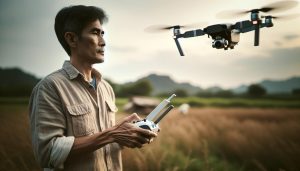
As drone technology continues to surge in popularity for both hobbyists and professionals, the looming question of regulatory bans has created uncertainty in the market. While DJI drones have been at the forefront of scrutiny due to national security concerns, they are not the only ones under investigation. Other brands may also face similar challenges as US authorities reevaluate the safety and compliance of foreign-manufactured drones. This review of various manufacturers not only impacts operational capabilities but also poses significant implications for creative industries reliant on these tools. Understanding which brands are under review and the potential consequences is crucial for drone operators looking to navigate this evolving landscape. Continue reading to explore the broader implications of these reviews and what it means for your drone flying experience.
The Global Context of Drone Bans and Regulations
In recent years, the global landscape of drone operation has become increasingly complex, largely due to national security concerns and regulatory frameworks evolving in tandem with the rapid advancement of drone technologies. Countries around the world have started implementing bans and restrictions on specific drone brands, including DJI, primarily stemming from data privacy concerns and geopolitical tensions. This trend underscores the need for drone enthusiasts and operators to stay well-informed about the surrounding regulations and the implications these have for their operations.
Many nations have scrutinized foreign-made drones, particularly those originating from producers in China, owing to risks associated with data collection and surveillance. For instance, the U.S. government has voiced specific concerns about DJI drones, alleging that these devices pose potential security risks as they may send sensitive data back to China. This concern has led to calls for bans or strict regulatory measures. However, DJI is not the only brand under scrutiny; other manufacturers are also facing reviews and potential restrictions based on similar safety and privacy concerns.
It is important for drone operators to understand that regulations can differ significantly from one region to another. For instance, while some countries may have instituted outright bans on specific models or brands, others might require additional licenses or have instituted protocols governing data handling and privacy practices. Therefore, staying updated on local regulations, as well as international developments, is critical for anyone engaging in drone operations.
In light of these evolving regulations, it’s also worth considering alternatives to DJI, as numerous brands are competing in the market, each offering unique features that cater to safety and compliance needs. Brands such as Autel Robotics, Skydio, and Parrot are gaining traction, providing options that ensure both performance and adherence to stricter regulatory environments. Ultimately, is a dynamic field, requiring constant vigilance and adaptability from users who wish to navigate these waters successfully.
Understanding DJI’s Banned Status: Reasons and Implications
In recent years, DJI has faced increasing scrutiny and bans in various countries, primarily due to national security concerns and the implications of data privacy. This has transformed DJI from a leading drone manufacturer into a controversial subject among regulators and consumers alike. Allegations against DJI focus on the possibility that its drones could collect and transmit sensitive data back to China, raising fears about surveillance and data security. The U.S. government has been particularly vocal about these concerns, fueling initiatives to implement bans and restrictions on the use of DJI drones within certain governmental and military applications.
The implications of DJI’s banned status extend beyond just the company’s sales; they reshape the broader drone industry. As DJI becomes less accessible, it creates opportunities for competitors to fill the void, but it also means that consumers must navigate a more complicated landscape of regulations and product offerings. The existing fears surrounding DJI’s technology and data practices have led businesses and organizations to seek alternatives that promise enhanced security and compliance with local regulations. For instance, government contracts that previously favored DJI drones are now being re-evaluated, prompting procurement teams to look into brands like Autel Robotics or Skydio, which are perceived as safer choices amid the scrutiny.
Additionally, the challenge for drone operators rests not only in selecting a suitable alternative but also in understanding the evolving regulatory environment. Different regions employ varying laws governing drone usage, and many factors influence which models can be flown legally. This necessitates a proactive approach from drone pilots who must stay informed about both local and global developments in drone legislation. As regulations continue to tighten, particularly against brands under review, maintaining compliance will be crucial for both hobbyists and professionals in the industry.
As consumers seek safer, regulation-compliant alternatives, it becomes essential to weigh the performance and features of various brands against the backdrop of security. This shift toward more stringent controls could redefine what consumers prioritize in a drone-moving from merely specifications and price to a blend of reliability, security features, and regulatory compliance. Enhanced understanding of these dynamics will empower drone enthusiasts to make informed decisions, fostering a more responsible and conscientious flying culture in an increasingly governed landscape.
A Closer Look at Competitor Drones Facing Review
As the scrutiny around DJI’s operations intensifies, it’s essential to look beyond the most prominent player in the market and consider other drone manufacturers facing their own assessments. The implications of DJI’s bans have prompted regulatory bodies and consumers alike to re-evaluate a range of competitor drones. Companies such as Autel Robotics, Skydio, and Parrot are presently experiencing heightened attention regarding their data privacy practices and security protocols, similar to those impacting DJI.
Autel Robotics: A Strong Contender
Autel Robotics has positioned itself as a significant alternative to DJI, boasting several models that meet industrial standards while promoting user data protection. The Autel Evo Lite series, for example, offers a range of advanced features, including 4K video capabilities and impressive flight times. However, like many brands, Autel is scrutinized regarding its data handling practices, particularly in environments where regulatory compliance is a must. As governments continue to grapple with policy revisions, Autel must ensure its operational transparency to remain in favor among potential users concerned about security risks.
Skydio: The Competitor with Strong Autonomy
Skydio has emerged as a compelling choice, particularly noted for its cutting-edge obstacle avoidance technology and autonomous flying capabilities. The Skydio 2 drone is frequently touted for its intuitive navigation, making it suitable for both professional and recreational pilots who demand high performance. Yet, as more jurisdictions review all drone technologies for potential risks, Skydio’s operational framework will face tests regarding data security. Skydio’s commitment to avoiding data leaks and reassuring users of safe data retention practices will be crucial as it navigates the post-DJI landscape.
Parrot: Focus on Compliance and Safety
Parrot has been progressively cultivating its niche in the drone market, particularly with its ANAFI series designed for compliance with EU regulations. Parrot emphasizes data security and user privacy, which can serve as a key differentiator in a crowded marketplace. However, any misstep in its approach to customer data may attract the same concerns currently facing DJI, risking regulatory pushback. For parrot to thrive, it must showcase proof of secure technology infrastructures that align industry best practices while building trust among its user base.
The Implications of Regulatory Oversight
As these companies step into the spotlight, the need for clarity in their data management processes will be paramount. Regulatory bodies are not only focusing on DJI but are also extending their watches to the entire industry. Users must stay vigilant and critically assess the transparency of data practices among all drone brands. Through active engagement and education, drone pilots can help influence the conversation around what constitutes responsible flying and data handling, thereby shaping the future landscape of both consumer choices and industry regulations.
In this dynamic environment, it’s imperative for drone enthusiasts and potential buyers to consider these brands carefully, weighing factors such as not just technology and price but also compliance and security. Buying decisions can profoundly impact the future direction of the drone industry as regulations tighten and scrutiny becomes the norm.
Regional Regulations: Which Drones Are Affected?
The dynamic landscape of drone regulations means that users must stay informed about how local laws affect which drones they can operate. As countries around the world respond to national security concerns, privacy issues, and safety measures, the bans and reviews are not limited to DJI alone. Various drone models from competing brands are also under scrutiny based on their compliance with regional standards and protocols.
In the United States, for instance, the Federal Aviation Administration (FAA) oversees regulations that dictate drone usage, including safety guidelines, registration requirements, and data privacy measures. When assessing which drones are affected by these regulations, users should be aware that drones must meet specific criteria set forth by the FAA to be legally operated. This includes requirements for Remote Pilot Certification for commercial use, particularly under the stringent Part 107 rules.
Across the Atlantic, European regulations are evolving as the European Union Aviation Safety Agency (EASA) implements new policies to standardize drone operations across member countries. Drones such as the Parrot ANAFI are positioned favorably due to their compliance with these regulations, but others may be at a disadvantage if they do not adhere to these safety requirements. As regulatory bodies increasingly focus on data security, brands like Autel and Skydio could face similar assessments regarding their data handling practices and hardware security measures.
Understanding these regional regulatory frameworks is crucial for drone operators. Not only does it inform purchasing decisions but it also highlights the importance of brand transparency. Evaluating whether potential drone models comply with local laws can help ensure responsible usage and safeguard operators from potential legal challenges. Being informed allows consumers to make educated choices, thus playing a pivotal role in the ongoing conversation about drone technology and legislation.
In summary, as regulations tighten, consumers and operators must critically assess the compliance of various drone brands and models to ensure they are making safe and legal choices in their flying experiences.
The Legislative Landscape: Laws Governing Drone Usage
The proliferation of drones has prompted a complex legislative landscape that is crucial for operators to understand, particularly in light of recent bans and reviews of various brands, including DJI. Laws governing drone usage vary significantly across the globe, influenced by factors such as national security, privacy concerns, and evolving technological advancements. As drone technology becomes increasingly integrated into everyday life, both hobbyists and professionals must navigate these regulations to ensure compliance and safe operation.
In the United States, the Federal Aviation Administration (FAA) plays a significant role in the regulation of drone operations. Under the FAA’s Part 107 rules, commercial drone operators must obtain a Remote Pilot Certificate, which involves passing a knowledge test on topics such as airspace classification and drone maintenance. The FAA also mandates that drones meet certain safety standards, including registration requirements for models heavier than 0.55 pounds. Continued scrutiny of national security concerns may lead to more stringent regulations, potentially impacting brands like DJI, which have already faced bans based on allegations about data security and compliance with privacy laws.
Across the Atlantic, the European Union Aviation Safety Agency (EASA) has introduced a cohesive regulatory framework that aims to standardize drone operations across member states. This involves clear categorization of drones based on their intended use-open, specific, or certified-alongside varying requirements for pilot training and operational safety. The introduction of these standards is not merely a compliance formality; it addresses critical issues related to airspace integration and public safety. Brands that demonstrate adherence to these regulations, such as Parrot and Autel, may gain a competitive edge over those facing reviews due to compliance issues.
As operators delve into these evolving regulations, they must also consider regional differences and remain informed about potential changes. Staying updated on new legislation, seeking clarity on compliance checks, and understanding the implications of drone technology on privacy and public safety are essential for navigating this intricate regulatory landscape. Operators should frequently consult reliable resources and engage with drone communities to discuss changes in legislation, thereby fostering a culture of informed, responsible flying that aligns with both legal standards and ethical considerations.
Potential Alternatives to DJI: Brands to Consider
As the drone industry faces increasing scrutiny and regulatory challenges, many enthusiasts and professionals are looking for viable alternatives to DJI, a market leader that has recently encountered bans in several countries. Fortunately, the drone market is rich with diverse brands that offer reliable alternatives without the compliance concerns associated with DJI.
One notable alternative is Autel Robotics, which provides competitive models like the Autel EVO Lite series. Known for excellent camera quality and versatile flight features, the EVO Lite drones come equipped with impressive low-light capabilities and long flight times. This brand has managed to operate without significant bans, often positioning itself as a trusted choice for both recreational users and professionals in need of high-quality aerial imaging.
Another strong contender is Parrot, particularly recognized for its Anafi series of drones. Parrot drones emphasize portability and ease of use, making them excellent picks for travel and hobbyist videography. The Anafi, with its unique 180-degree tilt gimbal and ability to shoot in 4K HDR, appeals to content creators seeking innovative features without the complexities that come with some larger models.
Skydio also stands out with its advanced AI technology that automates flight and obstacle avoidance, making it an ideal choice for those new to flying. The Skydio 2, for example, leverages autonomous navigation capabilities to capture dynamic footage while avoiding obstacles, allowing the pilot to focus on their creative vision without worrying about manual controls.
For those focused on value without sacrificing quality, Holy Stone offers several budget-friendly drones suitable for beginners. Models like the HS720E provide 4K UHD cameras and features such as GPS and intelligent flight modes, making them perfect for users just starting in the drone hobby. These drones also comply with current regulations, providing peace of mind for users concerned about legality.
In choosing an alternative to DJI, consider your specific needs-be it for aerial photography, casual flying, or videography. Brands like Autel, Parrot, Skydio, and Holy Stone offer a range of options that suit various skill levels and purposes, ensuring you can continue to explore the skies without the constraints imposed by current regulatory challenges surrounding certain brands.
Consumer Perspectives: Reactions to Drone Bans
The potential for drone bans has stirred significant reactions among consumers, industry experts, and enthusiasts alike. As governments ramp up scrutiny of companies like DJI, which has faced allegations of security risks and ties to the Chinese government, users are left navigating a landscape increasingly laden with uncertainties. Many drone operators, both hobbyists and professionals, express frustration and concern-worried not only about losing access to popular DJI models but also about the broader implications for the drone industry as a whole.
For many enthusiasts, DJI has set the standard for quality and technological innovation, and the prospect of a ban has sparked discontent among loyal users. Comments on technology forums reflect a palpable sense of unease, with pilots regarding the possible restrictions as adverse to the creative possibilities drones offer in filmmaking, aerial photography, and even surveying. The fear of being locked out of essential software updates and support structures has left some feeling abandoned, as they’ve invested time and resources into mastering these platforms.
Conversely, the looming bans have created a surge in interest toward alternative brands. Drones from manufacturers such as Autel, Skydio, and Parrot are seeing a spike in visibility and consideration. Enthusiasts are actively seeking reviews and comparisons, weighing options to determine which alternatives offer the features they relied upon with DJI. For example, Skydio’s autonomous flight capabilities are particularly appealing to those concerned with safety and ease of use.
As consumers, clarity and options are paramount. Many have started advocating for clearer regulations that allow for more thorough evaluations of drone technology based on their merit rather than their country of origin. The discussion is evolving to include broader issues of digital privacy and security, with consumers demanding transparency and accountability from manufacturers worldwide. This dynamic indicates a pivotal moment for the drone industry as consumers continue to navigate their own principles while seeking innovative solutions to meet their aerial imaging needs.
Future of Drones: What’s Next for the Industry?
The drone industry is at a crossroads, navigating a landscape shaped by regulatory scrutiny and evolving consumer preferences. As governments reconsider their stances on drone brands, including market leaders like DJI, the future of aerial technology promises to be dynamic and multifaceted. One of the most significant trends is the push for enhanced security and privacy features, as consumers increasingly demand transparency regarding how their data is handled. Companies are likely to invest in cutting-edge technologies that prioritize secure transmission protocols and robust encryption to reassure users in a climate of growing concern over digital privacy.
Moreover, the rise of competition among drone manufacturers will foster innovation across the board. As alternatives to DJI, brands such as Autel and Skydio are not only capturing market interest but also driving technological advancements that may redefine consumer expectations. For instance, Skydio’s autonomous navigation features set a high bar for ease of use and safety that could compel other manufacturers to elevate their offerings. This competitive environment will likely accelerate the development of advanced features such as obstacle avoidance, improved battery life, and enhanced camera capabilities.
The regulatory landscape will also play a crucial role in shaping the future of drones. As laws evolve, there’s potential for more streamlined and user-friendly regulations. This could encourage a broader base of users, including casual consumers and enterprises, to harness drone technology for diverse applications ranging from agriculture to environmental monitoring. Nevertheless, the necessity for compliance with regional regulations means that manufacturers must be agile, able to adapt their products while ensuring that they meet local legal standards.
In this rapidly changing market, the need for education and resources will be paramount. Aspiring drone pilots and seasoned operators alike will benefit from comprehensive guides on navigating new laws, as well as insights into selecting the right equipment amid an expanding array of available drones. As users familiarize themselves with alternatives and adapt to ongoing regulatory changes, the overall trajectory of the drone industry will hinge on the balance between safety, innovation, and consumer trust. The prospects are exciting, with a vibrant ecosystem poised to blossom even as challenges arise.
Impacts on the Drone Market: Pricing and Availability
As governments around the world reconsider their stance on drone usage, particularly in regard to major players like DJI, the implications for the drone market-specifically pricing and availability-are significant. Recent bans and regulatory reviews have led to an atmosphere of uncertainty that can impact both consumer trust and purchasing decisions. Keeping abreast of these changes can equip potential buyers with the knowledge they need to navigate the shifting market landscape effectively.
The backlash against DJI could initially suggest a scarcity of quality options in the drone market. However, this situation has spurred competition, with other manufacturers stepping up to fill the gap left by DJI. Brands like Autel Robotics and Skydio are seeing increased interest and investment as they attract customers who are searching for reliable alternatives to DJI. This competition can lead to lower prices and more features in new products, as companies jockey for position in a shrinking market for consumer drones. As new entrants offer advanced technology-such as Skydio’s renowned obstacle avoidance systems-consumers are likely to benefit from enhanced capabilities at competitive prices.
Moreover, the impact of regulations can both challenge and invigorate the market. While stricter laws may limit certain models’ availability, manufacturers are increasingly focusing on creating drones that meet these regulations, ensuring compliance without limiting functionality. This adaptation may result in drones that are better suited for a wider range of environments and purposes, thereby expanding the overall market. As compliance drives innovation, expect to see new models that incorporate advanced safety features, integrated smart technologies, and improved user interfaces-all contributing to a more robust, user-friendly market.
In summary, while the current climate presents challenges following the scrutiny of brands like DJI, it also paves the way for innovation and better options for consumers. Price points, particularly for non-DJI alternatives, are likely to become more attractive as competition heats up. Staying informed about these developments can empower hobbyists and professionals alike to make educated decisions when purchasing their next drone, ensuring they have access to the latest technology that suits their specific needs.
Safety Innovations: How Brands Are Adapting to Regulations
As the drone industry navigates increasing scrutiny and regulations, manufacturers are stepping up their game to enhance safety and compliance in their offerings. This shift is not merely a reaction to governmental policies; it represents a proactive approach to ensure that drones remain both viable for consumers and safe for public use. Companies are investing in technologies that bolster safety and provide more transparency in how drones operate, which is crucial given the heightened concerns regarding privacy and security.
Many producers now incorporate advanced safety features such as geofencing, which restricts flights in sensitive areas like airports or government buildings. For example, Skydio has built a reputation around its sophisticated obstacle avoidance systems, employing AI to navigate complex environments autonomously. This allows users to operate drones with confidence, knowing that the devices can avoid collisions even in challenging flight conditions. By enhancing these autonomous capabilities, brands can ensure that their products not only meet regulatory standards but also provide consumers with a straightforward flying experience.
Real-time Tracking and Transparency
Another notable innovation is the incorporation of real-time tracking systems. Brands are prioritizing transparent operations by enabling users to monitor their drones through mobile applications, providing real-time data on location, altitude, and speed. This ongoing communication benefits not only the pilot but also law enforcement and regulatory agencies, fostering a cooperative environment where drone flight can occur without misunderstanding. Enhanced user feedback loops ensure pilots remain informed, allowing for better decision-making and adherence to local regulations.
Adapting to Local Regulations
As different regions implement varied drone regulations, manufacturers are developing products designed for compliance in specific markets. For instance, several drone companies are focusing on modular systems that allow users to equip their drones differently based on local laws-adjusting sensors, payload capacities, and operational features to meet the unique demands of each market. This flexibility not only adheres to regulations but also opens the door for localized innovations, with brands being able to respond rapidly to changes in drone laws.
In summary, manufacturers in the drone space are not just reacting to bans and regulations surrounding brands like DJI; they are innovating and adapting to create safer, compliant, and user-friendly products. Emphasizing enhanced safety features, real-time tracking, and market-specific adaptations ensures that regardless of regulatory pressures, the industry can continue to thrive while meeting consumer needs effectively and responsibly.
Buying Guide: Choosing the Right Drone in a Changing Market
As the landscape of drone regulations evolves, prospective buyers must navigate a complex web of choices, especially in light of recent bans and reviews of certain brands like DJI. Understanding the market means not just knowing what drones are currently available, but also which models can guarantee compliance with the latest regulatory standards. This is crucial because purchasing a drone that aligns with local laws could save enthusiasts and professionals alike from potential fines or operational setbacks.
When exploring your options, it’s essential to first identify your needs and intended use. Are you a hobbyist looking for something user-friendly, or are you a professional in need of advanced features like thermal imaging or long-range capabilities? With DJI drones now facing scrutiny, consider alternatives such as Skydio or Parrot, which not only provide excellent flight capabilities but also focus on safety features compliant with emerging regulations. These brands are designing drones that include built-in geofencing technology-crucial for avoiding restricted areas much like DJI’s high-end models-while providing comparable imaging capabilities.
Key Considerations in Your Purchase
Before making a purchase, reflect on the following aspects:
- Regulatory Compliance: Ensure that the drone you choose complies with both national and local regulations. The Federal Aviation Administration (FAA) guidelines are an excellent starting point for understanding operational limits.
- Camera and Payload Options: If aerial photography or videography is your aim, evaluate the camera specifications and stability features. Drones equipped with higher-quality sensors will offer better results.
- Flight Time and Range: Consider the typical flight time and range of the drones you’re identifying. Longer flight times can enhance your experience, especially for landscape photography or extensive surveying tasks.
- Ease of Use: For beginners, look for drones with intuitive controls and favorable customer support systems. Advanced features such as automated landing and return-to-home functions can also boost usability.
Future-Proofing Your Purchase
Investing in a drone today means thinking ahead. Newer brands are aiming to integrate features that not only comply with current regulations but also adapt to potential future updates. For instance, any drone you consider should ideally support REMOTE ID technology, which is becoming a requirement in various markets. Additionally, check for firmware update options, which can extend your drone’s operational life and capabilities over time.
By thoroughly researching your options and considering factors like regulatory compliance, usability, and future adaptability, you can make an informed decision that suits your aerial objectives while also adhering to the evolving landscape of drone regulations.
Staying Informed: Resources for Drone Pilots and Enthusiasts
The drone landscape is constantly evolving, with regulatory changes and brand scrutiny prompting pilots and enthusiasts to stay informed. Current discussions around brands like DJI and others facing bans or reviews underscore the importance of utilizing robust resources to navigate this complex field. For anyone interested in drones, whether you’re a casual user, a hobbyist, or a professional, being equipped with reliable knowledge is essential for safe and effective operation.
To stay updated, industry news websites and forums provide a wealth of information. Websites like DroneWorld offer comprehensive insights into the latest trends, tips, and news about drone regulations and innovations. Engaging with online communities, such as those on Reddit or specialized drone forums, allows you to share experiences, seek advice, and learn from fellow drone enthusiasts. Additionally, consider subscribing to newsletters from reputable drone manufacturers and regulatory bodies, which often share crucial updates on compliance requirements and product launches.
Understanding the legal framework around drone usage is also vital. The Federal Aviation Administration (FAA) and equivalent regulatory bodies in other countries publish guidelines and updates on drone operation laws, which can greatly affect users. Familiarizing yourself with these regulations, including requirements for REMOTE ID technology and flight restrictions in certain areas, will help ensure you operate within legal boundaries.
Further enhancing your knowledge, online courses and tutorials are available that cover everything from basic flying techniques to advanced aerial photography strategies. Many drone manufacturers offer guides on setup, firmware updates, and troubleshooting common issues. For example, mastering skills like gimbal calibration or employing advanced flight modes is essential for maximizing your drone’s capabilities while adhering to safety standards.
Finally, consider joining local drone clubs or participating in events and workshops. These gatherings provide not just networking opportunities but also hands-on experiences and practical workshops that can significantly enhance your flying skills. Staying engaged with the drone community and continuously updating your knowledge will empower you to navigate the evolving landscape of drone technology with confidence and skill.
Frequently Asked Questions
Q: Is DJI the only drone manufacturer facing bans?
A: No, while DJI has garnered significant attention due to various bans, other brands are also under review due to security concerns. Regulatory bodies worldwide are increasingly scrutinizing drone manufacturers, particularly those with ties to foreign governments.
Q: What other drone brands are currently under review?
A: Currently, brands like Parrot and Autel Robotics are being scrutinized alongside DJI. Regulatory agencies are evaluating them for compliance with national security protocols, especially those related to data privacy and protection.
Q: Why are drones banned in certain countries?
A: Drones may be banned due to national security risks, privacy concerns, and potential misuse in surveillance or espionage. Countries implement these measures to protect citizens and secure sensitive information from foreign entities.
Q: What steps can drone manufacturers take to avoid bans?
A: To mitigate the risk of bans, drone manufacturers should focus on transparency in data handling, ensure compliance with local regulations, and engage in dialogue with government agencies about safety practices and technological safeguards.
Q: Are there alternatives to DJI drones that are not banned?
A: Yes, alternatives like Skydio and Yuneec provide robust drone options without the same scrutiny as DJI. These brands emphasize security and have established operating practices that align with regulatory demands.
Q: How do bans on DJI affect consumers?
A: Bans on DJI can limit consumer choices, leading to increased prices and longer wait times for alternatives. This shift may also impact consumer trust in drone technology across the industry.
Q: What should I consider when purchasing a drone from a brand under review?
A: Consider the brand’s compliance with regulations, product reviews, and the transparency of data practices. Research each company’s response to regulatory scrutiny to make an informed decision.
Q: Will the regulatory landscape for drones change in the future?
A: Yes, the regulatory landscape is expected to evolve as drone technology advances and new security concerns arise. Manufacturers will need to adapt continually to stay in compliance and avoid potential bans.
Closing Remarks
As we navigate through the complexities of drone regulations, it’s clear that while DJI faces scrutiny, other brands are also under evaluation. Understanding the landscape of this evolving industry is crucial for all drone enthusiasts and professionals alike. Don’t miss out on further insights-check out our comprehensive guide on drone regulations and potential alternatives to DJI drones.
If you’re eager to enhance your skills, explore our tutorials on drone setup and advanced flying techniques. We invite you to join our community of drone pilots: subscribe to our newsletter for the latest updates and exclusive content, and leave your thoughts in the comments below-your experience could help others in their flying journey! Stay informed, stay empowered, and continue exploring the skies with confidence.