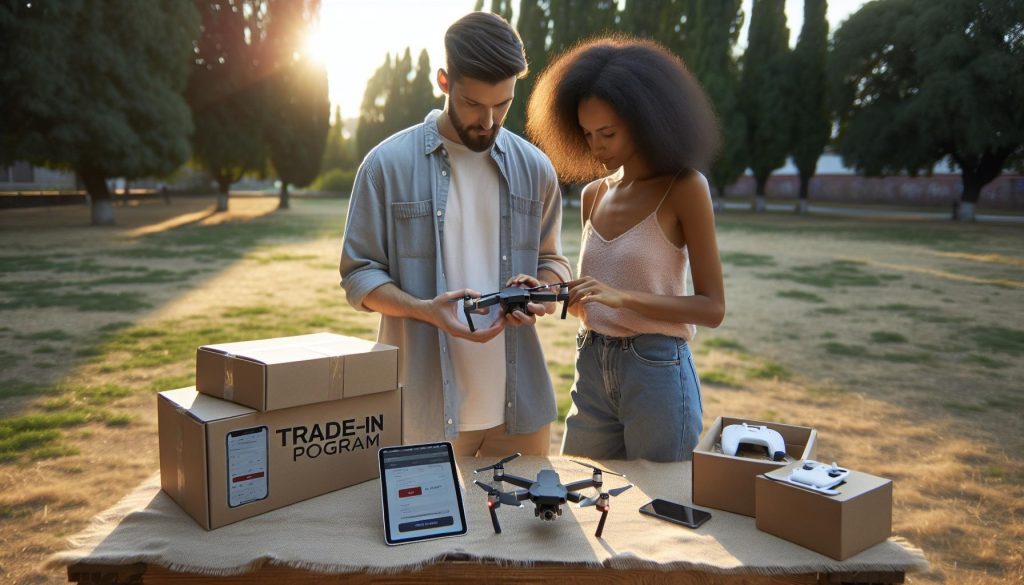
As technology rapidly evolves, many drone enthusiasts find themselves contemplating the future of their equipment. “Can You Trade in DJI Drones: Best Trade-In Programs” delves into a vital question for both hobbyists and professionals: how can you upgrade without breaking the bank? Trading in your DJI drone not only helps offset the cost of a new model but also ensures that your old gear is repurposed rather than collecting dust. Whether you’re looking to seize the latest advancements in drone technology or simply want to shift your investment towards newer capabilities, understanding the various trade-in programs available can empower you to make informed decisions. Get ready to uncover the best options tailored to your needs and discover how to maximize your investment in this exciting field!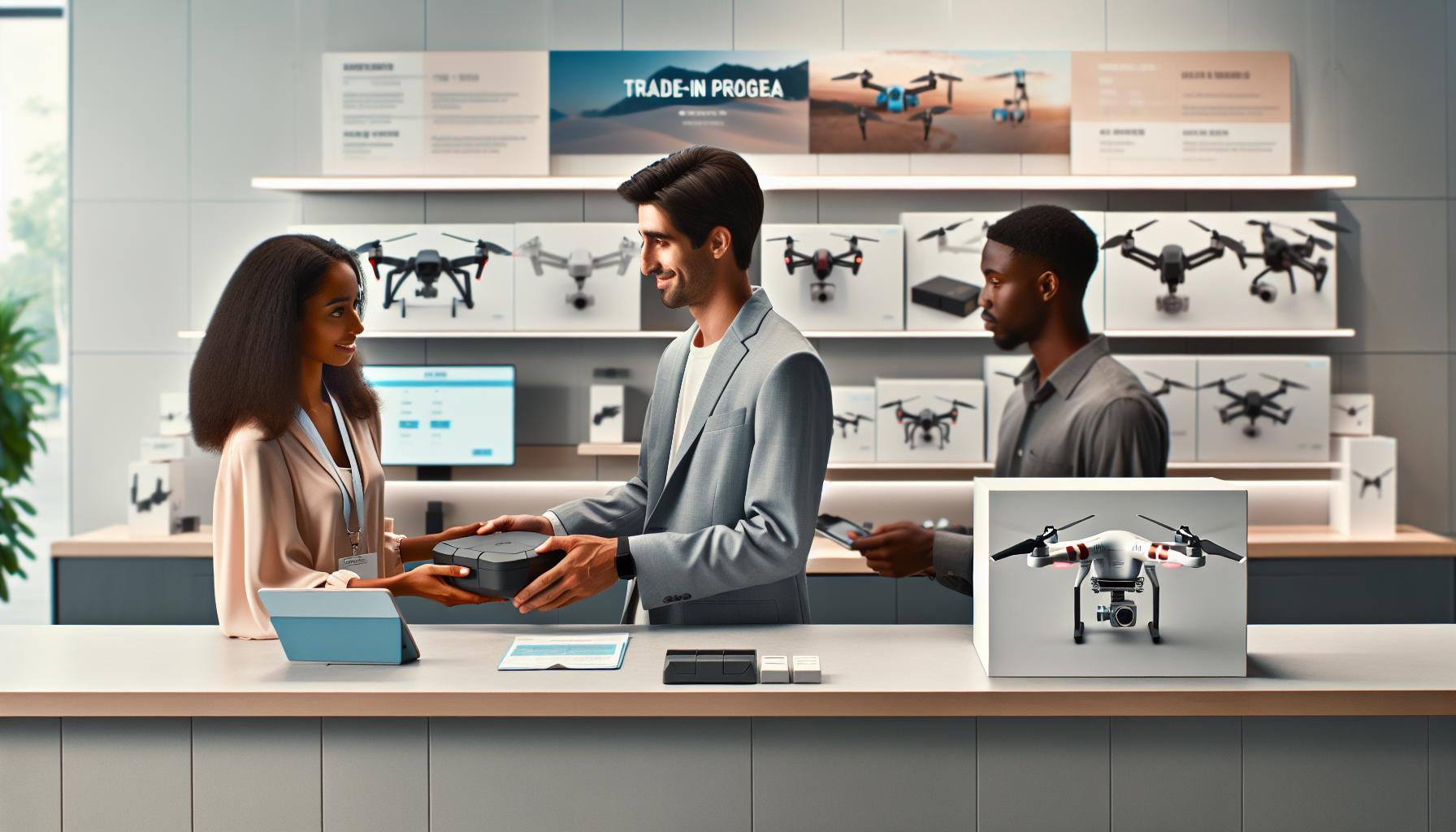
Can You Trade In Your DJI Drone? Understanding the Process
Trading in your DJI drone can be a great way to upgrade to the latest technology while simultaneously making the most of your current investment. The process typically begins by ensuring that you’re eligible for a trade-in program offered by DJI or authorized partners. Many of these programs have streamlined procedures where you can fill out an online form detailing your device model, condition, and any included accessories. This initial step not only identifies your eligibility but often provides you with an estimated trade-in value.
Once you’ve submitted your details, the next phase involves sending your drone to the trade-in program. Most companies will provide a prepaid shipping label to make this process more convenient for you. After the device is received, it undergoes inspection to confirm its working condition and completeness as advertised. Once verified, the final trade-in value is calculated, which may be adjusted based on the actual condition compared to the initial disclosure. Money or store credit is then issued, facilitating your next purchase seamlessly.
It’s also worth noting that the type and age of your drone significantly influence the trade-in value. For instance, newer models in pristine condition are often rewarded with more substantial offers compared to older devices showing signs of wear and tear. Additionally, maintaining original packaging, documentation, and accessories can help bolster your drone’s trade-in worth. If you take care to properly navigate the trade-in process, you’ll find it a rewarding experience that can save you money on your next upgrade while encouraging sustainable practices in technology consumption.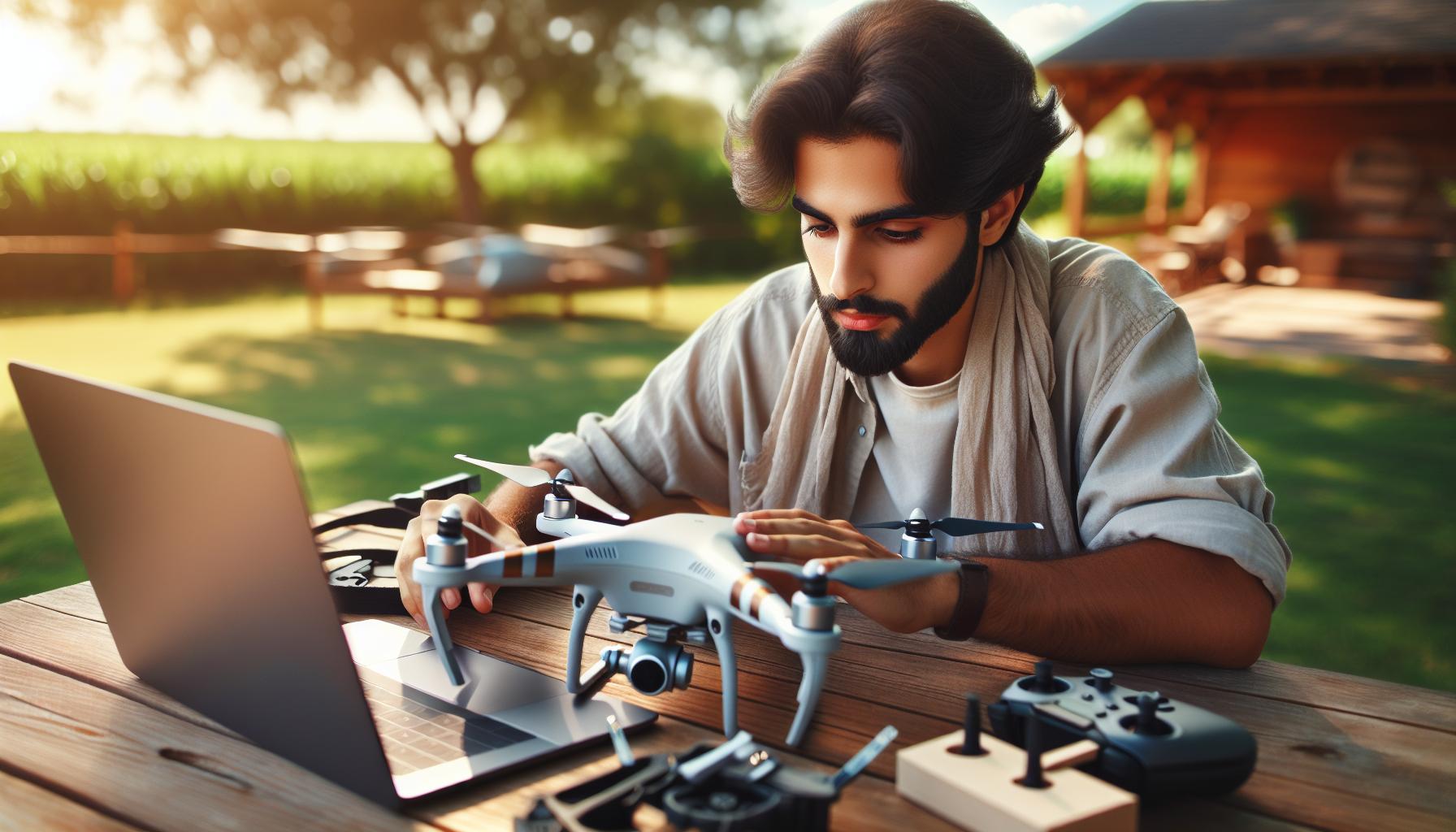
Top Trade-In Programs for DJI Drones Explained
Participating in a trade-in program can provide a seamless transition to the latest DJI technology while allowing you to recoup some value from your current drone. Each trading option comes with its specific advantages and processes, primarily designed to facilitate an easy upgrade path for drone enthusiasts and professionals alike.
The official DJI trade-in program offers users a straightforward approach. You can submit your drone for evaluation on their website, receive a quote based on the model and condition, and then follow up with the shipping process. DJI tends to offer competitive trade-in values, particularly for newer models and those in good condition. Local authorized retailers may also provide trade-in programs, which can vary in terms of the ease of use and cash-back incentives. It’s wise to compare offers, especially if you have multiple local options, as some stores may offer promotions or bonuses for specific models.
Online platforms like B&H Photo, Adorama, and Best Buy also engage in trade-in programs. They typically allow users to assess their drone’s worth using online calculators that take into account various conditions and model specifics. These platforms not only facilitate the trade-in process but often provide an extensive selection of new DJI drones for purchase, allowing you to use received credit on your next upgrade seamlessly.
Engaging with any trade-in program requires a bit of research. Prioritize reviewing the terms and conditions, especially regarding shipping, estimated timelines, and final evaluation adjustments after inspection. Programs that offer upfront quotes can save considerable time, but remember that conditions and external market factors can influence the final amount you receive. Engaging with trade-in programs efficiently aligns your drone needs with your budgetary constraints, making the leap to advanced technology smoother and more rewarding.
Maximize Your Trade-In Value: Essential Tips
To achieve the highest trade-in value when upgrading your DJI drone, it’s crucial to prepare effectively and strategically. Many drone enthusiasts underestimate the impact that preparation and condition can have on their trade-in offers. By taking the time to present your drone in the best possible light, you can maximize the return on your investment.
First, ensure that your drone is clean and free of any dirt or residue. A thorough cleaning not only enhances its physical appearance but also demonstrates to evaluators that you have maintained the device well. Pay special attention to the camera lens, propellers, and undercarriage. When presenting your drone, consider including all original accessories, such as chargers, batteries, and packaging. This can significantly increase the perceived value and marketability of your device.
Research and Compare Offers
Before committing to a trade-in program, research various options, as the trade-in value can vary widely based on the program you choose. Online retailers and authorized DJI partners often provide an immediate estimate based on your drone’s model and condition, helping you to make informed decisions. Utilize online calculators available on different platforms to gauge potential trade-in quotes and compare them against local store offers.
Additionally, timing can influence your trade-in value. Newer models typically fetch higher prices, so if you’re considering a trade-in, do so before the next big launch from DJI, when demand for older models may decline.
Document Everything
Don’t forget to document your drone’s condition by taking high-quality photographs from multiple angles, highlighting any wear or key features. This can help justify your expected value during the evaluation process. If you’ve made any upgrades or repairs, be sure to mention them as they can positively impact the final trade-in amount.
By following these essential tips and arming yourself with knowledge about your options, you can confidently navigate the trade-in landscape and secure the best deal possible to upgrade to your next DJI drone.
Common Questions About DJI Drone Trade-Ins
Understanding the trade-in process for DJI drones can be overwhelming, but addressing common questions can simplify the experience and help you maximize your return. One of the most frequently asked questions is, “Which models are eligible for trade-in?” Generally, most popular DJI models including the Mavic series, Mini series, and Phantom drones qualify for trade-in programs. However, specifics can vary by retailer or program, so it’s vital to check with your chosen platform.
Another common concern is about the trade-in value. This can depend on several factors including the drone’s condition, age, and included accessories. For instance, a well-maintained drone with original packaging and accessories will likely fetch a higher trade-in value than one that is damaged or missing parts. Therefore, knowing how to assess your drone’s condition and presenting it well can lead to much better offers.
Additionally, many users wonder, “How long does the trade-in process take?” Typically, the evaluation can be completed within a few days after sending your drone, though this may vary depending on demand and specific retailer operations. Once approved, the payment or credit is usually processed quickly, allowing you to take advantage of your trade-in while investing in the latest models.
Finally, questions often arise about shipping and handling. If you are trading in your drone through a mail-in program, ensure you follow the shipping instructions carefully to avoid any potential delays or issues. Packing it securely and using a tracked shipping service can provide peace of mind that your drone is on its way safely.
By addressing these common queries, you can navigate DJI’s trade-in programs with greater ease and confidence, helping you make smart decisions in upgrading to your next drone.
Condition Guidelines: How to Prepare Your DJI Drone
Before trading in your DJI drone, taking the time to prepare it properly can make a significant difference in the trade-in value you receive. A well-maintained and presented drone not only reflects your care for the equipment but also assures the evaluator of its functionality and condition. To help optimize your trade-in process, here are essential guidelines to prepare your DJI drone effectively.
Start by performing a thorough inspection of your drone. Look for any visible signs of damage, such as scratches on the body, cracked propellers, or worn battery connectors. Even minor blemishes can affect the trade-in value, so it’s worth documenting and addressing these issues. Clean your drone meticulously, ensuring that dirt, dust, and grime are removed from both the exterior and the camera lenses, which can enhance the drone’s overall appearance and functionality. Remember, a clean drone reveals that you’ve taken good care of it, which can often lead to a better trade-in offer.
Gather Documentation and Accessories
Make sure to collect all original accessories that came with your drone, such as the remote control, spare propellers, battery chargers, and any other components. Having the original packaging can also significantly impact the perceived value. If you have access to purchase receipts or service records indicating maintenance or repairs, include those in your trade-in package. This documentation can provide reassurance to the evaluator regarding the drone’s operational history, further boosting your trade-in potential.
Optimize Firmware and Calibrations
Before sending your drone for trade-in, check for any available firmware updates. Keeping your drone’s software up to date is crucial, as it ensures optimal performance and may include enhancements that increase its market value. Additionally, perform a gimbal calibration and GPS reset, if applicable, to guarantee that the drone functions correctly during evaluation. A fully operational drone with no technical issues signifies to potential buyers that it’s a reliable device, increasing its attractiveness in the secondary market.
Finally, as you prepare for shipping or drop-off, ensure that you securely package your drone in a way that protects it from potential damage during transit. Use bubble wrap and a sturdy box, avoiding any risk of movement within the package. By following these preparation steps, you’ll maximize the appeal of your DJI drone, leading to a smoother trade-in process and potentially a higher value offer.
Comparing Trade-In vs. Selling Your DJI Drone
Exploring the options of trading in or selling your DJI drone can lead to significantly different outcomes, both financially and in terms of convenience. Each approach has distinct advantages that cater to varying needs and priorities, making it crucial for drone owners to understand the implications of each method before making a decision.
When you opt for a trade-in program, you typically benefit from a structured, hassle-free process. Trade-ins often involve less effort as companies facilitate the exchange procedure, allowing you to receive a direct credit towards your next purchase or a cash payout without the added burdens of individual selling. However, trade-in values may not always reflect the maximum potential worth of your drone, as these programs often factor in the retailer’s need to resell the drone at a profit. The assessment criteria may include the drone’s model, condition, and market demand, which can sometimes lead to lower offers compared to selling directly to a buyer.
In contrast, selling your drone independently can yield higher returns, especially if your model is in great condition and you can effectively market its features. Direct sales allow you to set your own price and negotiate, potentially leading to a stronger financial outcome. Nevertheless, this route requires more time and effort, including creating listings, responding to inquiries, arranging meet-ups or shipping, and ensuring secure transactions. Additionally, selling might expose you to buyer risk and the hassle of dealing with payment issues, which can deter some owners from pursuing this method.
Ultimately, the choice between trading in and selling your DJI drone depends on your individual circumstances. If you prioritize speed and convenience, trade-in programs provide a streamlined option. Conversely, if maximizing your profit is more important, selling independently can be the better route, necessitating a readiness to invest time and effort into the selling process. Consider your priorities alongside the condition of your drone and the current market landscape to make the most informed decision.
Exploring Trade-In Options for Different DJI Models
When considering the trade-in options for various DJI drone models, it’s crucial to acknowledge that different programs cater to specific models, each with unique characteristics and market demand. DJI drones are well-known for their advanced technology and reliability, but the value trade-in can vary significantly based on the model you possess. For instance, popular models like the Mavic Air 2 and the Mini 2 tend to attract higher offers due to their popularity and demand among users seeking functionality without a hefty price tag for newer models.
Trade-In Programs by Model
Many retailers, including DJI directly, offer structured trade-in programs, but their terms may differ based on the drone’s model. Here’s how you can navigate trade-in options effectively:
- Mavic Series: The Mavic series, including the Mavic 2 and Mavic 3, is often eligible for substantial trade-in credits due to their advanced imaging capabilities and features. If you’re looking to upgrade, check for promotions that may increase your trade-in value during new releases.
- Air Series: The Air series, such as the Air 2S, may receive competitive trade-in valuations especially for users upgrading to newer versions. Retailers often provide special promotions for these models, so it’s wise to keep an eye on seasonal offers.
- Mini Series: With the rise in popularity of compact drones like the Mini 2 and Mini SE, trade-in values can be quite enticing. Their lightweight design and excellent camera capabilities make them sought after in the market.
- Phantom Series: Despite being older models, Phantom drones can still yield decent trade-in values, especially if they are in good condition and come with accessories. Their robust build quality and professional-grade capabilities make them appealing for certain buyers.
Maximizing Your Trade-In Experience
To maximize your trade-in experience, consider these practical tips:
- Research Current Trade-In Values: Websites and trade-in programs will often list current valuations. Utilize this information to gauge what you might expect for your drone.
- Keep Documentation: Maintain all packaging, manuals, and receipts as they can often enhance your trade-in value and provide proof of your drone’s history.
- Condition Matters: Thoroughly clean your drone before sending it in or taking it to a retailer. Take note of minor repairs or maintenance that can be done to improve its outward appearance, which can serve to enhance your trade-in offer.
- Timing: Trade in your drone at the right time to maximize value-especially during key product launches when demand surges.
By strategically choosing the right program and preparing your drone well, you can ensure a successful trade-in process tailored to your current DJI model. Keep in mind that the ultimate goal is to smoothly transition from your existing drone to an upgraded model that meets your evolving needs.
The Benefits of Participating in Trade-In Programs
Participating in trade-in programs offers a strategic avenue for drone enthusiasts and professionals alike to upgrade to the latest technology while ensuring they get the most out of their existing equipment. When you trade in your DJI drone, you not only contribute to a more sustainable tech ecosystem by recycling your old devices, but you also actively reduce the financial burden of acquiring new gear. This approach allows you to leverage your investment effectively, as the trade-in value can significantly lower the cost of purchasing a newer model.
Innovative programs from retailers and DJI itself often feature lucrative trade-in bonuses during specific promotional events, particularly around new product launches. Engaging in these programs can prove financially advantageous, especially if you time your trade-in correctly. Many users have reported successful upgrades through trade-ins that provided discounts ranging from substantial percentages off the retail price to gift cards redeemable on future purchases. This dual benefit of cash savings and eco-friendliness makes it a compelling choice for many.
Moreover, trade-in programs often streamline the selling process, taking the hassle out of listing, negotiating, and transferring drones to private buyers. With established retailers, the process is generally straightforward: you’ll receive a valuation based on the condition and model of your drone, allowing for a fast and organized transition to your new device. This convenience is particularly beneficial for those hesitant about the complexities of the secondary market.
In addition to cost and convenience, participating in trade-in programs can keep users connected to the latest drone technology. DJI and other providers constantly innovate, and trading in older models is a reliable way to ensure you remain at the forefront of aerial photography and videography. Thus, by taking advantage of trade-in programs, drone pilots can efficiently evolve their capabilities while enjoying the practical benefits of upgrading their technology.
Timeframes and Expectations for DJI Drone Trade-Ins
Getting your drone trade-in process right not only enhances your purchasing power but also sets clear expectations for the entire experience. When you engage in a trade-in program, the timeline can vary based on multiple factors, including the program you choose, the specific retailer or platform, and even your geographic location. Generally, the complete trade-in process can take anywhere from a few days to a couple of weeks.
After initiating a trade-in request, you will typically receive an evaluation based on the details you provide about your drone’s condition and model. Many retailers offer an expedited review process, ensuring you’re quickly informed of your drone’s trade-in value. Once you agree to the valuation, shipping the drone to the retailer is the next step. Some programs provide prepaid shipping labels to simplify this process. From there, the inspection phase can take a few days, as the retailer examines the drone to confirm its condition aligns with your description.
To keep your expectations aligned regarding payments, many trade-in programs process payments soon after the drone has been inspected and accepted. In some cases, you might receive credit to your account that can be applied towards your next purchase almost immediately, while others may offer direct payments that could take additional time to process, depending on the platform’s policies.
It’s also essential to stay informed about availability and promotional periods. During major product launches or holidays, trade-in programs tend to see an uptick in submissions, potentially leading to longer wait times. However, these promotions can also enhance your overall trade-in value, making it worthwhile to plan your trade-in around significant retail events. By understanding these timeframes and expectations, you can better facilitate a smooth transition to your next DJI drone.
Understanding Trade-In Values: Factors That Affect Price
Determining the trade-in value of your DJI drone is not a simple one-size-fits-all equation. Various factors come into play, and understanding these elements can not only prepare you for the trade-in process but also help you maximize the value you receive for your device. One of the most significant influences on trade-in value is the model of the drone itself. Newer or more advanced models, such as the DJI Mini 4 Pro or Mavic 3 series, tend to command higher values due to their enhanced features and technology. Conversely, older models may have depreciated significantly since their release, impacting the trade-in price.
The condition of your drone is equally important. Retailers and trade-in programs assess various aspects, including physical damage, battery health, and operational functionality. Drones that show signs of wear and tear, such as scratches or dents, or exhibit issues with flight capabilities will likely receive lower valuations. Regular maintenance and care can help maintain your drone’s functionality, thereby securing a higher trade-in price. For instance, ensuring that the firmware is updated, the propellers are in good condition, and the gimbal functions properly can all positively influence assessments.
Seasonality and timing also play crucial roles in trade-in values. During peak trade-in seasons-such as around holidays or major product releases-companies may offer promotional trade-in rates, enhancing your potential return. Conversely, during slower periods, values may plummet as demand decreases. Keeping an eye on these trends can guide your timing for trading in your device.
Lastly, factors like market demand and technological advancements can affect overall drone values. For instance, if a new amazing model is introduced or if there’s a significant change in regulations that affects the usability of older tech, values might shift accordingly. By staying informed about market trends and understanding these key components, you can strategically navigate the trade-in process and potentially improve the financial outcome of your drone upgrade.
Where to Find the Best DJI Drone Trade-In Deals
Finding the best trade-in deals for your DJI drone can significantly impact the financial outcome of upgrading your gear, and several avenues offer excellent options for maximizing your return. Retailers, manufacturers, and third-party trade-in programs are increasingly competing for your business, providing various incentives and promotional deals that can yield higher values.
Official DJI Trade-In Program
One of the most straightforward options is DJI’s official trade-in program. DJI frequently updates its offerings, often introducing enhanced trade-in value promotions for specific models or during product launches. By participating in this program, you obtain a direct valuation from the company, which typically reflects the latest market conditions. Additionally, DJI might run seasonal promotions that increase trade-in values, especially around holidays or major product releases. Keep an eye on their website and subscribe to their newsletters for announcements on special offers.
Authorized Retailers and E-Commerce Platforms
Many authorized retailers, such as Best Buy and B&H Photo, have their own trade-in programs featuring competitive pricing and promotions. These retailers often provide a seamless experience, allowing you to trade in your drone while purchasing a new one in-store or online. Additionally, e-commerce platforms like Amazon may have trade-in sections where you can quickly assess the value of your device in exchange for store credit. By comparing different retailers and their offerings, you can identify the best trade-in value for your specific model.
Third-Party Trade-In Services
Consider exploring third-party trade-in services like Gazelle, Decluttr, or even specialized drone retailers. These services can offer attractive trade-in valuations and provide a hassle-free shipping process for sending in your drone. Some may even offer cash payments instead of store credit, giving you the flexibility to invest in your next purchase as you see fit. However, always check customer reviews and ratings to ensure you’re trading with a reputable service.
Community Platforms and Forums
Lastly, don’t overlook community platforms and forums such as DJI forums, Reddit, or specialized drone-central marketplaces where individual sales and trades often take place. You might find fellow enthusiasts interested in trading or purchasing your drone directly. This can often yield a better price compared to structured trade-in programs. Engage with the community, share insights, and leverage your network for the best deals.
By exploring these various options, you’re more likely to find the most advantageous trade-in deal for your DJI drone, enhancing your path toward upgrading your aerial capabilities without substantial financial loss. Always remember to compare offers, read the fine print, and keep track of seasonal promotions to make the most informed decision.
Frequently Asked Questions
Q: What are the requirements to trade in a DJI drone?
A: To trade in a DJI drone, you’ll typically need to provide proof of purchase, ensure the drone is in working condition, and meet specific condition guidelines outlined by the trade-in program. Check the program details for any additional requirements related to accessories or documentation.
Q: How can I find the best trade-in value for my DJI drone?
A: To find the best trade-in value, research multiple trade-in programs to compare offers. Factors impacting value include the drone model, age, condition, and market demand. Websites dedicated to drone reviews often provide insights on estimated trade-in values.
Q: Is it better to trade in my DJI drone or sell it privately?
A: Trading in your DJI drone is typically faster and requires less effort than selling it privately. However, selling it yourself may yield a higher profit. Consider your priorities-convenience versus maximum value-when making your decision.
Q: Can I trade in a damaged DJI drone?
A: Many trade-in programs accept damaged DJI drones, but the trade-in value will be lower. Be sure to check the specific condition guidelines of the program to understand how damage will affect your trade-in offer.
Q: How long does the DJI drone trade-in process take?
A: The DJI drone trade-in process can take anywhere from a few days to a couple of weeks, depending on the provider. Factors such as shipping time, processing of the trade-in, and payment issuance will affect the total duration.
Q: Will I get immediate credit when I trade in my DJI drone?
A: Most trade-in programs do not provide immediate credit; instead, credits are typically issued after the drone is received and evaluated. Some programs may offer instant discounts towards a new purchase based on the estimated value.
Q: Are there seasonal promotions for DJI drone trade-ins?
A: Yes, many trade-in programs offer seasonal promotions or limited-time offers that can enhance the trade-in value. Keep an eye on special sales events or announcements from DJI or other retailers for potential deals.
Q: What should I do before sending in my DJI drone for trade-in?
A: Before sending in your DJI drone, clean it, remove all personal data, and ensure it meets the condition guidelines outlined by the trade-in program. Taking clear photos for your records can also be helpful.
Closing Remarks
Are you ready to upgrade your aerial photography game? Trading in your DJI drone can be a seamless way to enhance your flying experience while saving money. With various trade-in programs available, you can easily transition to the latest models like the Mavic 3 or the Air 2S, packed with advanced features to elevate your captures. Don’t wait-check your options today, as many programs have limited-time offers that can maximize your trade-in value.
Explore more about essential drone accessories and get the most out of your flying experience by visiting our detailed guides. Whether you’re interested in learning about firmware updates or discovering compatibility with the latest drones, we’ve got you covered. Consider subscribing to our newsletter for ongoing tips and exclusive insights into the ever-evolving world of drones. If you have questions or want to share your trade-in experiences, feel free to leave a comment below! Your next adventure in drone flying starts now!