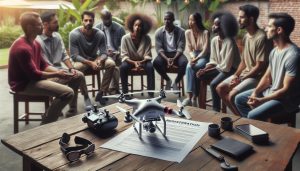
When investing in a DJI drone, understanding warranty coverage is crucial for every pilot, whether you’re a seasoned pro or just starting out. DJI drones, renowned for their advanced technology and reliability, come with specific warranty provisions that safeguard your purchase against defects and malfunctions. In this article, we’ll delve into the warranty details offered by DJI, addressing common questions surrounding coverage and claims. This knowledge will not only empower you to make informed decisions but also enhance your flying experience by ensuring that you’re protected should unexpected issues arise. Stay with us to uncover essential insights into maximizing the value of your DJI drone investment and what steps to take if you need to file a warranty claim.
Do DJI Drones Offer Manufacturer Warranties?
DJI drones come equipped with manufacturer warranties that are designed to provide users with peace of mind regarding their investments. Generally, DJI offers a one-year limited warranty on its drones, which protects against manufacturing defects in materials and workmanship. This warranty coverage is applicable from the date of purchase and serves to reassure buyers that they are covered should they encounter issues that are not due to user error or external factors.
Understanding DJI’s Warranty Coverage
The warranty typically includes essential components such as the drone’s body, motors, and cameras. However, it’s essential to be aware that like most electronics, the warranty does not cover damages resulting from improper usage, accidents, or exposure to harsh environmental conditions. For those who frequently fly in extreme environments or engage in advanced maneuvers, understanding the limitations of warranty coverage is crucial.
Common Exclusions in DJI Drone Warranties
Several common exclusions are specific to DJI’s warranty policies. These often include:
- Damage from crashes or collisions
- Wear and tear on components such as propellers or batteries
- Water damage or exposure to extreme temperatures
- Modifications that have not been authorized by DJI
Understanding these exclusions helps users avoid potential pitfalls when seeking repairs or replacements under warranty, enabling them to operate their drones with greater awareness of the risks involved.
In summary, DJI’s manufacturer warranties offer valuable coverage for users but come with specific terms and limitations. Familiarizing oneself with the warranty details not only enhances a pilot’s knowledge but also fosters responsible drone handling practices, ultimately leading to a more rewarding flying experience.
Understanding DJI’s Warranty Coverage
DJI’s warranty coverage provides essential reassurance for both hobbyists and professional drone operators. When investing in a DJI drone, understanding the warranty specifics can help you maximize the value of your purchase and ensure peace of mind during use. Typically, DJI offers a one-year limited warranty, which covers defects in materials and workmanship from the time of purchase. This means that if your drone experiences issues that are not attributed to user damage or misuse, you can rely on DJI for support and repairs.
The warranty generally encompasses critical components such as the drone’s body, propulsion systems (motors), and onboard cameras. However, it is vital to recognize the limitations of this coverage. For instance, damages stemming from crashes, improper usage, or exposure to extreme weather conditions are usually excluded. Pilots who frequently fly in challenging environments or those experimenting with advanced maneuvers need to be particularly diligent in understanding what the warranty covers to avoid unexpected costs.
Moreover, certain wear-and-tear items-like propellers and batteries-are often not covered by the warranty. This is significant for those who engage in regular flying as these components may require replacement over time. By being aware of these exclusions and the warranty’s definitions, users can operate their drones with greater confidence and maintain them more responsibly, ensuring that their flying experience is both enjoyable and compliant with DJI’s guidelines.
Understanding these aspects of DJI’s warranty coverage is fundamental in making informed decisions about drone operation, maintenance, and potential repairs. By familiarizing yourself with the terms and conditions associated with the warranty, you can enhance your overall experience while minimizing the risks of unforeseen expenses.
What Components Are Covered by the Warranty?
When you invest in a DJI drone, it’s essential to understand what parts of your new aerial device are shielded under the warranty. DJI typically offers a one-year limited warranty that protects against manufacturing defects and workmanship failures that occur under normal operating conditions. Knowing what components are included in this coverage can empower you as a pilot and provide peace of mind during your flights.
Key components covered by DJI’s warranty usually include:
- Drone Body: The main chassis of the drone is protected against defects that may arise during normal use.
- Motors: These are critical to the propulsion system and are typically covered, provided that any issues do not stem from user error.
- Flight Controllers: The electronic systems that control flight operations are included, ensuring any defects that affect responsiveness and stability are covered.
- Gimbals and Cameras: If the gimbal or camera system is faulty due to manufacturing problems, DJI will honor the warranty for these crucial parts, which can significantly affect your imaging quality.
- Batteries: Although batteries are often subject to wear, any manufacturing defects within the warranty’s timeframe usually qualify for replacement.
It’s vital to distinguish between defects and damages caused by user influence. For example, hitting obstacles while flying, submerging the drone in water, or improper battery maintenance typically fall outside warranty coverage. Familiarizing yourself with these distinctions will help you operate confidently and avoid potential disputes during warranty claims. Always check the specific terms and conditions that accompany your drone’s warranty, as these details can vary between models and releases. Understanding all these components can set you on a course for enjoyable and trouble-free drone flying, at least for the duration of the warranty period.
Common Exclusions in DJI Drone Warranties
Understanding the nuances of warranty exclusions is crucial for any drone operator, especially when investing in high-end devices like those from DJI. While DJI’s warranties provide strong protection against manufacturing defects, they also contain several common exclusions that can leave users high and dry, particularly in moments of need. A deep dive into these exclusions will empower pilots to make informed decisions and properly maintain their drones to remain within warranty provisions.
One significant area of exclusion is damage caused by mishandling or improper usage. This includes physical impacts from crashes, water damage, or exposure to extreme weather conditions. For instance, if a drone is flown into a tree or submerged in water, any resultant damages are not covered under the warranty. Additionally, neglecting battery care-like allowing a battery to deplete completely over time-can void that specific component’s warranty coverage. Therefore, understanding how to operate your drone safely and maintaining it under recommended guidelines is essential to protecting your investment.
Furthermore, modifications made to the drone can lead to warranty voidance. If consumers decide to upgrade components or alter the drone’s firmware, DJI typically does not honor any claims related to issues arising from these changes. This means that sticking to factory settings and official accessories is advisable for those who want to maximize their warranty protections. Regular firmware updates, which are provided by DJI, should be adhered to, but be wary of third-party modifications that might create problems down the line.
Lastly, normal wear and tear components like props, batteries after their lifecycle, and non-manufacturer accessories are not covered. Understanding that consumables, regardless of usage, generally fall outside warranty boundaries can help plan better for replacements and maintenance costs. Thus, while DJI provides extensive warranty support, knowing the exclusions and operating within those parameters is a vital strategy for all drone users.
How to File a Warranty Claim for DJI Drones
Filing a warranty claim for your DJI drone can feel daunting, but armed with the right knowledge and steps, you can navigate the process smoothly. The first thing to do is ensure you have the requisite documentation ready; this typically includes your proof of purchase, warranty card, and any service records related to your drone. It’s also advisable to take good quality photos of the issue at hand-whether it’s a manufacturing defect or another concern-as visual evidence can bolster your claim.
To initiate the claim, visit the official DJI support website. This platform provides a straightforward way to submit your warranty claim. Here’s a simple breakdown of the steps you will need to follow:
Steps to File a Warranty Claim
- Access the DJI Support Portal: Navigate to the DJI website and select the support section for warranty claims.
- Log in or Create an Account: You may need to log in with your DJI account, or if you’re a new user, create an account.
- Submit Your Claim: Fill out the online form with details about your drone, the nature of the defect, and attach any relevant photos.
- Wait for Verification: Once submitted, DJI will typically take a few days to review your claim. They may reach out for additional information or clarification.
- Follow Up: If you don’t receive a response within the promised timeframe, don’t hesitate to reach out to DJI support for an update.
After your claim has been approved, you’ll receive instructions on how to send your drone back to DJI for repairs or replacement. Make sure to package your drone securely to avoid any shipping damage, as this can affect the approval of your claim.
For those who might be concerned about timelines, DJI usually aims to process warranty claims swiftly, but the duration can vary based on the extent of the repairs needed. To expedite the process, ensure you’ve followed all guidelines provided in the warranty terms and have included complete information in your claim. Understanding these steps can give peace of mind, knowing you’re well-prepared to handle any warranty-related issues that may arise.
Tips for Maximizing Your DJI Warranty Benefits
To fully leverage the benefits of your DJI warranty, it’s essential to approach it thoughtfully and strategically. First and foremost, maintaining comprehensive documentation is key. Organizing your proof of purchase, warranty card, and any service records as soon as you acquire your drone ensures that when issues arise, you’re prepared for a quick resolution. Good practices include keeping a folder-either digital or physical-where all related documents and receipts are stored. This proactive approach can save you time and stress when filing a claim.
Another crucial aspect is to familiarize yourself with the specific warranty terms and conditions associated with your model. Each model may have different coverage periods and components protected under the warranty. Understanding these details will help manage your expectations and guide you in accurately assessing whether the issues you encounter are eligible for coverage. For instance, battery life and performance often have shorter warranty durations compared to the drone body itself.
If you do need to file a claim, presenting clear and detailed evidence of the issue can significantly enhance your chances of a successful outcome. Feature high-quality photos that illustrate any defects or problems. This visual documentation serves as a powerful tool to support your claims. Additionally, consider detailing how the issue has affected your ability to use the drone. Clear communication and being specific about the symptoms you’re experiencing can facilitate a smoother claims process, as representatives appreciate clarity.
Lastly, engage regularly with DJI Forums or online communities where users share their experiences. Networking with fellow drone owners can offer invaluable insights into the claims process, including tips and common pitfalls to avoid. Moreover, staying informed about updates or changes in DJI’s warranty policy can empower you to make informed decisions regarding your drone’s care and maintenance. By implementing these strategies, you’ll not only maximize your warranty benefits but also enhance your overall ownership experience with DJI drones.
Drone Protection Plans: Are They Worth It?
The decision to invest in a drone protection plan is one that many drone enthusiasts and professionals face as they navigate the complexities of ownership. With the high value of these devices and the potential risks associated with aerial photography and videography, having an additional layer of security can offer peace of mind. DJI’s warranty does provide essential coverage, but it may not always address every concern a pilot may have about their investment.
When evaluating whether a protection plan is worth it, consider the types of unintentional damage that can occur during flight, such as crashes, water exposure, or even theft. While DJI’s manufacturer warranty typically covers defects caused by manufacturing failures, it often doesn’t cover damage from accidents or misuse. Protection plans can fill this gap, providing coverage for physical damage and even offering repair services that might go beyond the manufacturer’s warranty limits.
Key Benefits of Drone Protection Plans
Some of the substantial benefits of opting for a protection plan include:
- Accident Coverage: Plans often cover damages that occur during flight, including crashes and water damage, which are typically excluded from standard warranties.
- Quick Repair Services: Many protection plans allow for faster repairs through authorized providers, minimizing downtime and ensuring that your drone gets back to the skies sooner.
- Affordable Deductibles: Depending on the plan, the out-of-pocket costs for repairs can be significantly lower than the price of replacement parts or a new drone.
- Peace of Mind: Knowing that your investment is protected against unforeseen events allows for a more enjoyable flying experience without the constant worry of potential accidents.
However, it’s essential to read the fine print on any protection plan, as coverage specifics can vary widely. Be sure to understand what is excluded and whether the plan handles wear and tear, as such issues are often not included. By comprehensively evaluating these options, drone operators can make informed decisions that align with their flying habits and risk tolerance, ensuring they maximize the potential of their DJI drones while keeping their investments safe.
What to Do If Your Warranty Claim Is Denied
Experiencing a denial of your warranty claim can be frustrating and often feels like a dead end for drone pilots. However, understanding your options can turn a disappointing situation into an opportunity for recourse. The first step is to carefully review the denial letter. This document typically outlines the reasons for the denial, which can range from not meeting specified warranty conditions to claims being filed after the warranty period has expired. Pinpointing the exact reason is crucial as it informs how you should proceed.
If your claim is denied due to misunderstanding or discrepancies in the information provided, gather all related evidence supporting your case, such as purchase receipts, warranty documentation, and any correspondence with DJI’s support team. A clear and factual presentation of your case can often lead to a reconsideration of the decision. Reach out to DJI’s customer service, specifically referencing your claim number, and express your concerns in a calm and concise manner. Sometimes, speaking directly to a customer service representative can yield different results than written correspondence.
In some instances, escalation may be necessary if initial attempts do not resolve the issue. Ask to speak with a supervisor or a representative more experienced in warranty issues. This shows that you are serious about your claim and gives you a better shot at addressing your concerns with someone who has more authority to make decisions. Additionally, documenting each step of your communication-dates, times, and the names of representatives-will provide a clear trail of your efforts should you need to escalate further.
If these efforts fail, consider exploring third-party arbitration or mediation options, if available. Sometimes, external mediators can provide a neutral perspective that helps both parties reach a satisfying conclusion. Lastly, sharing your experience on forums or social media can bring awareness to your issue and possibly attract attention from DJI, nudging them towards a resolution. By taking a proactive approach and exploring various avenues, you can still work toward having your warranty claim honored, ensuring your investment remains protected.
Key Differences Between DJI Series Warranties
Understanding the nuances of DJI’s warranty coverage can make a significant difference in how you protect your investment. While all DJI drones typically come with a manufacturer’s warranty, the specifics can vary widely across different series. For instance, the Mavic series often offers a standard warranty period of up to one year, which covers defects in materials and workmanship. On the other hand, drones from the Mini series usually come with similar coverage but may have restrictions regarding specific components and accessories.
Moreover, the Phantom series has a slightly different warranty structure, where additional accessories like gimbals and cameras may have varied coverage timelines. It’s crucial to familiarize yourself with the specific terms for each series as they can lead to different claims experiences and outcomes. For example, if you own a Mavic Air 2, the warranty typically covers the drone body and internal components, but excluding user-induced damages like crash impacts or water exposure. This level of detail is essential when assessing the protection your drone receives post-purchase.
### Key Differences in DJI Warranty Coverage
Mavic Series
Phones offer one of the most comprehensive warranties, often addressing both hardware and critical electronic components. However, users need to note that physical damage-common in filmmaking and recreational flying-may not be compensated under warranty terms.
Mini Series
The Mini drones, being lightweight and compact, usually have a more lenient warranty that emphasizes essential components like the drone body and basic electronics. However, additional accessories and upgrade components might not always be included, so it’s wise to keep this in mind while planning your flights.
Phantom Series
The Phantom series typically has one of the broadest warranties, covering various parts, including the camera and gimbal systems. However, similar restrictions about user damage apply.
In conclusion, understanding these distinctions not only aids in navigating warranty claims but also ensures that drone operators can make informed decisions about purchase and usage, effectively reducing risks and enhancing their flying experience. Always refer to the official DJI warranty documentation for the most detailed and specific information about coverage for your model.
Assessing Warranty Coverage by Drone Model
When evaluating warranty coverage for DJI drones, understanding the specific terms associated with each model is vital for maximizing your investment. Each series-Mavic, Mini, and Phantom-comes with its own set of guidelines, influencing what components are covered and how users can pursue claims. The distinctions are critical, especially for new owners who may not be aware of the nuances involved.
Mavic Series Coverage
The Mavic series is known for offering a robust warranty that typically spans one year from the date of purchase. This coverage safeguards against defects in materials and workmanship, which includes the drone body, motors, and certain internal components. However, owners must remain aware that any incurred damage due to crashes, water exposure, or other user-induced incidents usually falls outside this warranty. It’s advisable for Mavic users to handle their drones with care and consider acquiring additional insurance or protection plans for enhanced safety.
Mini Series Coverage
In contrast, the Mini series caters to a lightweight and budget-conscious market, which is reflected in its warranty structure. Generally, Mini drones come with similar coverage in terms of defects but may have stricter limitations, particularly concerning accessories and upgrades. For example, the battery and charging accessories might not receive the same level of warranty protection, leaving owners vulnerable to costs associated with replacements. Users should verify whether the components they frequently use are covered under the warranty to avoid unexpected expenses.
Phantom Series Coverage
The Phantom series traditionally offers one of the most expansive warranty covers in DJI’s offerings. Its warranty encompasses more components, including the gimbal and camera systems, which are crucial for aerial photography and videography. Despite this broad coverage, users should note that like the others, it won’t cover damage caused by misuse or crashes. Such exclusions remind operators of the importance of responsible flying practices to ensure their equipment remains in warranty-covered condition.
Familiarity with these warranties equips drone owners with the knowledge needed to navigate claims efficiently. Always refer to DJI’s official documentation for the most detailed information on your specific model and maintain an organized record of your purchases and interactions with customer service for a smoother claim process.
Comparing DJI’s Warranty With Competitors
When exploring the warranty landscape for consumer drones, DJI’s offers stand out for their comprehensive nature, but how do they stack up against competitors like Autel Robotics and Skydio? Understanding these differences is crucial for both prospective buyers and seasoned operators looking to protect their investments.
DJI generally provides a standard one-year warranty on its drones, covering defects in materials and workmanship across various models such as the Mavic, Mini, and Phantom series. Notably, this warranty covers many internal components but excludes damage from user-induced incidents such as accidents or water exposure. In comparison, Autel Robotics often follows a similar one-year warranty policy, but they tend to offer additional incentives like a more forgiving repair policy that may include some accidental damage depending on the model. Conversely, Skydio’s warranty may include unique advantages, such as an extended warranty option after registration, providing peace of mind for users who rely on their drones for professional applications.
Considering what components are protected, DJI excels in covering critical elements like cameras and gimbals in the Phantom series. This extensive coverage appeals to professional aerial photographers and videographers who depend on these systems for their work. Autel also includes polite provisions for camera features but may have less comprehensive coverage overall, especially as many of their drones emphasize modular design allowing for easier user upgrades and replacements without voiding the warranty.
One aspect that stands out in DJI’s warranty is the structured process for filing claims, which is generally streamlined through their customer support channels. Other manufacturers may have varied processes, sometimes requiring more rigorous documentation or longer wait times. It’s important for users to familiarize themselves with these procedures to ensure quick resolution if they encounter issues. DJI’s considerable user base often results in a wealth of online resources, from tutorials to forums, providing practical tips from fellow enthusiasts that can enhance user experience and mitigate potential warranty issues.
Ultimately, while DJI’s warranty terms are robust and user-friendly, competitor offerings can provide equally valuable protections depending on the specific model and user needs. Prospective buyers should carefully evaluate the warranty details relative to their flight habits, intended use, and the model they’ve chosen to ensure they are making the most informed decision.
Real User Experiences: Warranty Claim Success Stories
Real-world experiences highlight how crucial DJI’s warranty can be, particularly when users encounter unexpected issues with their drones. Many operators share success stories where DJI’s warranty support played a key role in maintaining their equipment and ensuring their aerial work could continue without significant downtime. For instance, a professional videographer reported that during a complex shoot, their Mavic Air experienced a malfunction that made it unresponsive mid-air. Thankfully, DJI’s warranty provided him with prompt service and a replacement drone within a week, allowing him to complete the project on time.
Another user detailed how her DJI Phantom drone suffered from a camera failure after just a few months of use. After contacting DJI support and providing the necessary documentation, she was pleasantly surprised by how straightforward the warranty claim process was. The customer service team was responsive and guided her through each step, ultimately leading to a free repair for the drone. Such experiences underscore the efficiency and reliability of DJI’s warranty claims, which often take less time than many expect.
To maximize your chances of a successful resolution, it’s beneficial to keep thorough records of your drone’s usage and any issues encountered. Additionally, users recommend engaging with the DJI community through forums and social media for firsthand tips and experiences regarding warranty claims. Sharing your story can also help others navigate their warranty situations more effectively, proving that a little community support can go a long way in enhancing user experience and confidence in DJI products.
In light of these testimonials, prospective DJI drone owners can approach their purchase with the assurance that should anything go awry, they have a credible warranty safety net. Drones can be significant investments, and knowing that a reliable support system is in place is a comforting advantage for both hobbyists and professionals alike.
Frequently asked questions
Q: What is the standard warranty period for DJI drones?
A: DJI drones typically come with a one-year manufacturer’s warranty from the date of purchase. This warranty covers defects in materials and workmanship, but remember to check specific model details as terms may vary.
Q: Are accidental damages covered under the DJI warranty?
A: No, DJI’s standard warranty does not cover accidental damages, water damage, or malfunctions caused by user error. Consider purchasing DJI’s Care Refresh plan for additional coverage against accidents.
Q: How does DJI’s warranty compare with competitors?
A: DJI’s warranty coverage is generally competitive, often including a year of coverage for manufacturing defects. However, many competitors offer extended warranties or protection plans that may cover accidental damages, making it essential to compare offerings based on individual needs.
Q: Can I extend my DJI drone warranty?
A: Yes, you can extend your warranty through DJI’s Care Refresh program, which provides additional protection against accidental damage for an extra cost, covering repairs and replacements under specified conditions.
Q: What happens if my warranty claim is denied?
A: If your warranty claim is denied, contact DJI’s customer support for clarification. Sometimes, providing additional documentation or evidence can make a difference. If unresolved, consider asking for an escalated review of your claim’s circumstances.
Q: Do I need to register my DJI drone for warranty coverage?
A: Registration of your DJI drone is generally not required for warranty coverage, but it is recommended to ensure you receive product updates and support. Keep your purchase receipt in a safe place as proof of purchase for claims.
Q: How can I keep track of my DJI warranty status?
A: To track your DJI warranty status, regularly check the DJI website using your product serial number. Keeping your receipt and any service documentation can also help maintain accurate records.
Q: What components are typically included in the DJI drone warranty?
A: The warranty typically covers the drone’s body, motors, and internal electrical components. However, it excludes batteries, propellers, and other consumables. For detailed coverage specifics, consult the warranty policy related to your specific drone model.
Closing Remarks
As we conclude our exploration of warranty coverage for DJI drones, it’s essential to ensure your investment is protected and to understand the claims process fully. Remember, each DJI drone typically comes with a standard warranty that covers manufacturing defects, but details can vary based on the model and your region. For thorough insights on maintaining and enhancing your flying experience, consider checking out our articles on essential drone accessories and troubleshooting common issues, which can enhance your understanding and optimize your usage.
Don’t wait to safeguard your drone experience-explore our comprehensive guides on extended warranties and care tips, and subscribe to our newsletter for the latest updates and expert advice. If you have any lingering questions or need specific support, feel free to leave a comment below; we love engaging with our community. Keep flying safe and informed, and check back for more tips to elevate your drone expertise!