As the landscape of drone technology evolves, so do the regulations surrounding it, particularly for industry giants like DJI. Recent discussions about potential bans on DJI drones have raised concerns among enthusiasts and professionals alike. Understanding these regulations is crucial for ensuring compliance and maintaining the right to fly. This article dives into the latest US regulation updates for 2025, shedding light on what drone operators need to know to navigate this turbulent terrain. Are your flight activities at risk? What implications might these changes have for your future drone projects? Stay informed as we unravel the complexities of these emerging rules and their impact on the drone community.
Impact of Recent US Regulatory Changes on DJI Drones
The recent regulatory changes in the United States have had a profound impact on the use and perception of DJI drones. With growing concerns about security, privacy, and airspace management, government agencies have intensified their scrutiny over drone operations, particularly those associated with foreign manufacturers like DJI. This scrutiny raises questions about the legality and safety of using these drones, which have long been a favorite among hobbyists and professionals alike.
One of the most significant changes has been the introduction of stricter compliance requirements for operators of unmanned aerial systems (UAS). As of 2025, new regulations mandate that drone users must undergo mandatory registration and training, especially when flying commercially. This means DJI users may face additional hurdles such as passing tests and adhering to more stringent operational guidelines, which could influence the accessibility of DJI’s innovative technology. The need for compliance could result in a shift among users towards UAS that don’t require such extensive registration or potentially look for alternatives to DJI products.
Furthermore, recent legislation has introduced limitations on where drones can be flown. Certain areas deemed critical to national security have been designated as no-fly zones, which may restrict DJI operators from flying over vital infrastructure. This not only limits their operational range but also complicates planning for aerial photography, surveying, and other commercial applications. Consequently, operators may find themselves needing to adapt their flight operations or reconsider the applicability of DJI drones to their specific use cases.
The potential backlash from these regulations could significantly shape the drone market. Users may seek different brands or faster adaptations to legally circumvent the restrictions imposed on DJI products. As the regulations evolve, it remains essential for operators to stay informed and updated on legal requirements, ensuring both compliance and the ability to realistically plan their drone activities in light of these changes.
Understanding the Reasons Behind the DJI Ban

The backdrop of escalating geo-political tensions and national security concerns has fueled the scrutiny surrounding DJI drones in the United States. With drones rapidly becoming ubiquitous in both commercial and recreational domains, the U.S. government has expressed apprehension regarding data security and the potential for surveillance by foreign-produced technology. This perception has led to an array of regulatory measures targeting DJI, a leading player in the drone industry, prompting questions regarding the legality and future of its products in the U.S. market.
One of the central reasons behind the regulatory clampdown is the growing insistence on data sovereignty. As drones equipped with advanced cameras and sensors gather vast amounts of data, there are fears that this information could be exploited by foreign entities, possibly compromising national security. Reports of DJI’s data practices have raised alarms, suggesting that the data captured by its drones might be transmitted back to servers in China, despite the company’s assertions of data protection and the ability for users to manage their data settings.
Furthermore, the evolution of drone technology has presented new challenges for regulating authorities. Enhanced capabilities such as real-time video streaming and autonomous flight features mean that DJI drones can operate in sensitive areas, raising the stakes for implications related to privacy, airspace, and safety. Regulatory bodies argue that tighter controls are necessary to manage these risks effectively, which includes limiting where DJI drones can be flown and implementing strict compliance requirements for operators.
In summary, the convergence of national security interests, data protection concerns, and the rapid advancement of drone technology has catalyzed a movement toward stricter regulations governing the use of DJI drones in the U.S. This shifting landscape necessitates that drone pilots and operators remain vigilant and informed about ongoing changes, ultimately shaping the future of drone operations and technology adoption in the region.
Key Features of DJI Drones Affected by Regulations
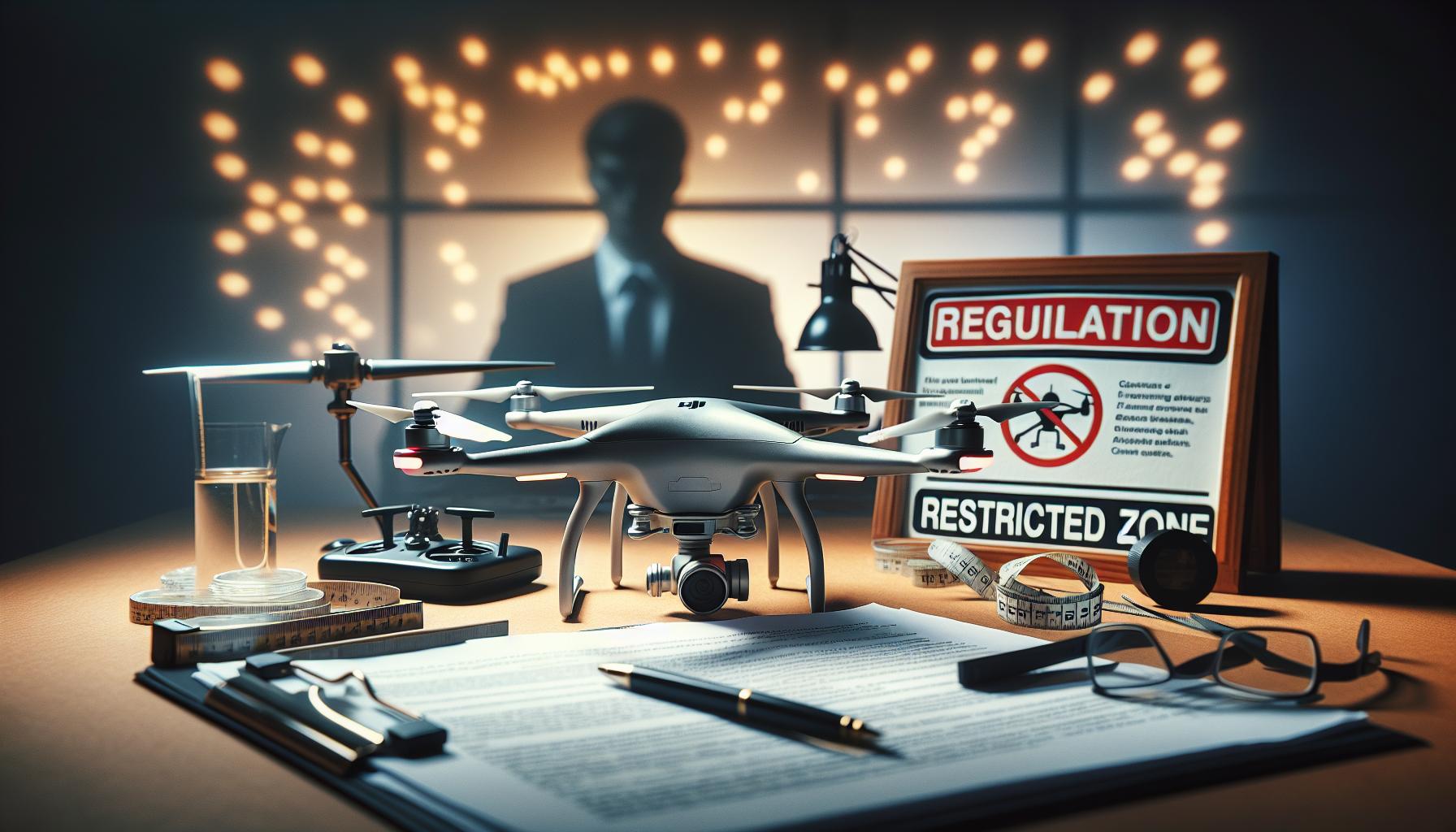
The rise of drones has brought unprecedented capabilities to the skies, largely driven by manufacturers like DJI. However, several key features of DJI drones are now at the nexus of regulatory scrutiny due to evolving U.S. laws. Understanding which aspects of these drones are impacted is crucial for operators navigating this complex landscape.
One prominent area of concern is data collection functionalities. Drones equipped with advanced imaging systems are capable of capturing high-resolution video and large troves of data from their surroundings. The U.S. government has expressed apprehensions that this data could potentially be transmitted back to foreign servers, creating significant national security risks. Regulations may limit or complicate data transmission settings, requiring operators to be vigilant about data protection practices.
Another critical feature under scrutiny is autonomous flight capabilities. Many DJI models, including the Mavic and Phantom series, boast sophisticated navigation systems that allow for automated flight paths and maneuvers. While these features enhance user experience and safety, they also pose challenges related to airspace regulations and safety protocols. Stricter regulations may mandate that remote pilots maintain constant visual line of sight (VLOS) or restrict autonomous flight operations in certain areas deemed sensitive.
Moreover, geofencing technology impacts how DJI drones can be operated in specific locations. This technology restricts drones from flying into prohibited areas, such as airports and military installations. While geofencing enhances operational safety, recent regulations may tighten these restrictions further, leading to limited operational zones for many DJI products.
Lastly, firmware and software compliance has become a focal point of recent regulations. Drone operators must ensure their devices are running the latest software, which not only optimizes performance but also adheres to legal requirements. Compliance may include mandatory updates that address security vulnerabilities or adapt to new regulatory mandates.
In summary, understanding the features of DJI drones affected by regulations-data handling, autonomous capabilities, geofencing, and software compliance-is essential for all operators. Adapting to these regulations will not only ensure legal compliance but also enhance safety and operational efficacy in the ever-evolving drone landscape.
Latest US Drone Regulations: What You Need to Know
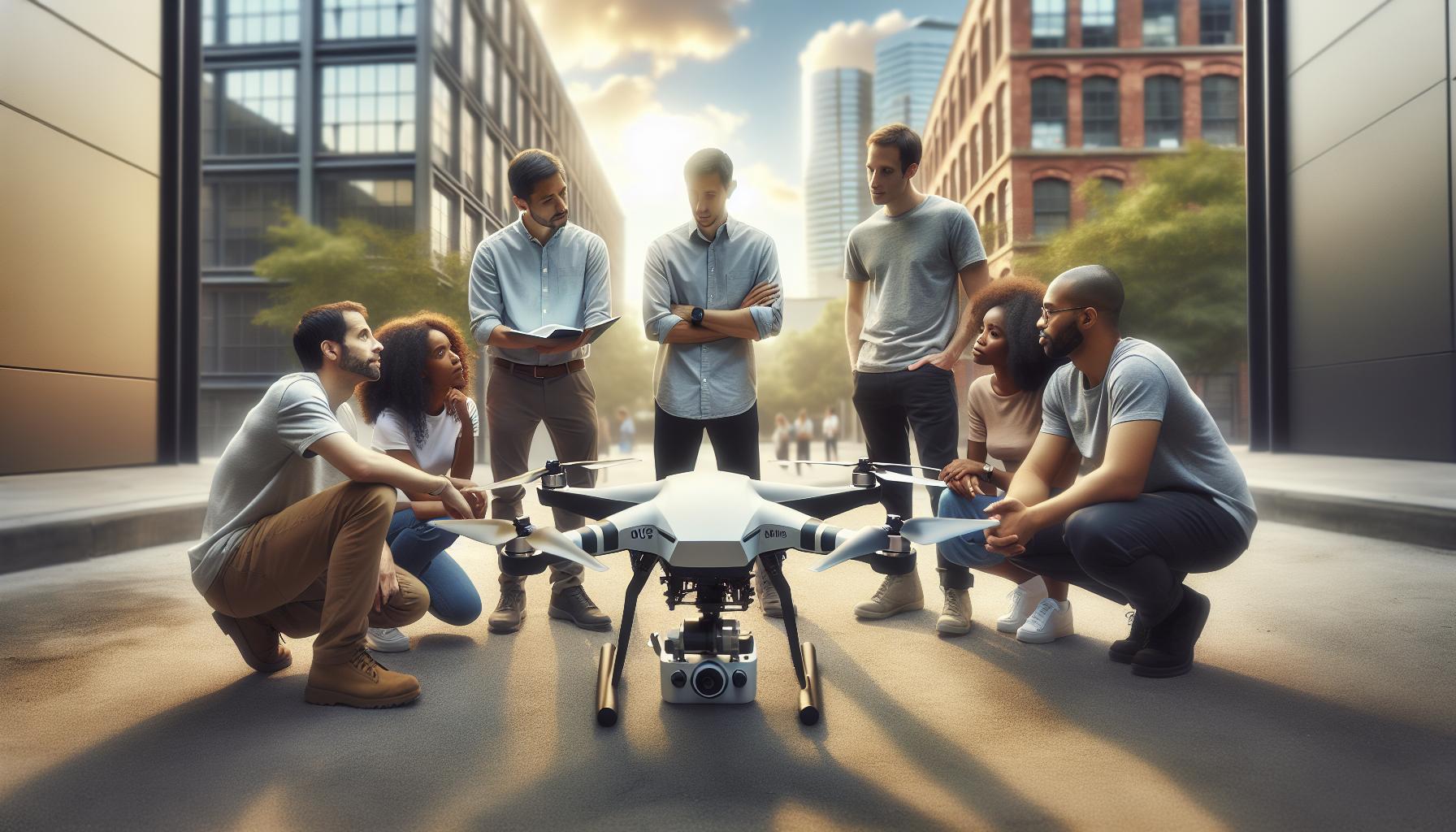
Recent updates in U.S. drone regulations reflect a shifting landscape for drone enthusiasts and operators, especially for those using DJI products. As part of ongoing efforts to ensure safety and privacy, the Federal Aviation Administration (FAA) has implemented new measures that seek to address concerns surrounding data security and airspace management. One of the most significant changes involves stricter requirements for remote identification, meaning that any drone operating in U.S. airspace must transmit its identity and location to authorities, further enhancing accountability and traceability.
Key Areas Impacted by New Regulations
- Remote Identification: All drones must now be equipped with a remote ID system, similar to a license plate for vehicles. This allows law enforcement and other officials to identify and track drones in real time.
- Operational Restrictions: Certain areas are becoming increasingly restricted for drone operation, particularly around sensitive locations such as military installations and critical infrastructure. This further complicates flight planning for DJI users.
- Enhanced Data Protection: Regulations now enforce stricter guidelines on how data collected by drones can be used and shared, addressing concerns related to privacy and national security.
These regulations emphasize safety and accountability, but they also pose challenges for operators who may find their customary flight paths curtailed or their data handling practices scrutinized. For DJI users particularly impacted by these changes, keeping abreast of regulatory requirements will be crucial to maintaining compliance and ensuring safe operation.
Understanding these evolving laws not only helps drone pilots remain compliant but also guides them in better preparing for future adjustments in the regulatory environment. Engaging with local flying communities and participating in discussions can provide valuable insights into navigating these new rules effectively.
How to Stay Compliant with New Drone Laws
As drone regulations continue to evolve, staying compliant can feel like a balancing act, especially for DJI drone operators. Understanding these laws not only ensures safe flying but also protects your investment and reputation as a responsible pilot. With the introduction of new frameworks mandating remote identification and operational restrictions, adherence to these guidelines is imperative for all drone users.
One of the first steps towards compliance is ensuring that your DJI drone is equipped with the necessary remote identification capabilities. This essentially requires your drone to broadcast its unique identification and location data. Start by checking whether your model supports remote ID and perform any required firmware updates to enable this feature. For instance, the latest DJI models have been designed with these regulations in mind, allowing users to seamlessly fly while meeting legal standards.
Moreover, familiarize yourself with designated no-fly zones and any newly established operational restrictions. This information can often be found through local FAA guidelines or dedicated drone mapping applications. Make it a habit to verify these zones before planning any flights. Being proactive can prevent potential legal issues and enhance your flying experience. Additionally, consider joining local drone clubs or online forums to stay informed about changes in regulations and to learn from others’ experiences. Community engagement can provide insights that might not be readily available through official channels.
Lastly, keeping meticulous records of your flights, including the locations, times, and any incidents, can also be beneficial. This documentation will not only help ensure accountability but can also serve as proof of compliance should you need to demonstrate adherence to regulations. Embracing these practices enhances both your efficiency as a pilot and aligns you with the broader goals of safety and accountability in drone operation.
Alternatives to DJI Drones in the Current Market
With the landscape of drone technology rapidly evolving, enthusiasts and professionals alike are exploring various alternatives to DJI drones, especially in light of recent regulatory developments. The introduction of stricter regulations has prompted many pilots to reconsider their options for reliable and feature-rich drones.
Leading Alternatives
Several brands have emerged as strong contenders in the drone market, each offering unique features that cater to different flying needs. Here are a few noteworthy alternatives:
- Autel Robotics: Known for their EVO line, Autel drones offer 4K video quality, impressive flight time, and an easy-to-use interface. The Autel EVO Lite series includes features like adjustable apertures and obstacle avoidance, making them excellent choices for both beginners and experienced pilots.
- Parrot: The Anafi series from Parrot provides a compact design with 4K HDR capabilities and a unique 180-degree tilt gimbal, ideal for capturing stunning aerial footage in varied terrains. Parrot’s commitment to user privacy is also a significant consideration for many pilots.
- Skydio: Pioneering advanced autonomous flight technology, Skydio drones are renowned for their exceptional obstacle avoidance and tracking abilities. With the Skydio 2, users can enjoy hands-free flight while capturing impressive visuals, making it perfect for cinematic applications.
- Yuneec: Yuneec offers a range of drones suitable for both recreational and commercial use, notably the Typhoon H series. Their distinctive hexacopter design provides added stability and redundancy, ensuring safer flights for those who prioritize reliability.
Why Consider Alternatives?
The decision to explore alternatives to DJI drones often stems from various factors, including concerns over data privacy and compliance with new regulations. Choosing a different manufacturer may provide additional benefits such as enhanced privacy features and innovative technologies that align better with evolving legal requirements.
Moreover, pilots who are uncertain about compliance obligations with DJI drones may find solace in brands that specifically emphasize adherence to local and international drone laws. These brands often provide clear guidelines and support to ensure that their users remain within legal boundaries while enjoying the full capabilities of aerial photography and videography.
As the drone market continues to evolve, remaining informed about alternative options will empower both hobbyists and professionals to make educated choices that meet their flying needs while aligning with regulatory standards.
User Experiences: Navigating DJI Restrictions
As regulatory changes unfold in the United States regarding drone usage, many DJI users find themselves navigating a complex web of restrictions that can impact their flying experience. The recent updates have not only affected how enthusiasts operate their DJI drones but have also sparked discussions within the community about compliance, safety, and the future of drone technology. For many pilots, staying informed about these regulations, along with practical approaches to ensuring compliance, is essential for avoiding penalties and maintaining their flying privileges.
Pilots have reported experiences with sudden restrictions that hinder flight capabilities, such as geofencing updates that may limit where and when they can fly. For instance, the location of sensitive infrastructure has become a common area of concern, prompting DJI to implement updates that change the flight logs and coordinate systems of their drones. Users who frequently flew in regions that are now considered restricted may need to rethink their flight paths and stay up-to-date on local laws. Sharing tips within community forums has proven invaluable; discussions about utilizing alternative flying spots or adhering to UAV registration guidelines are at the forefront, allowing pilots to adapt to these changes more effectively.
Additionally, many users have found that engaging with the DJI community through forums and social media platforms provides not just support but a wealth of operational insight during these challenging times. Practical advice shared among users can simplify processes like firmware updates and understanding specific regulatory changes that may arise. Some drone operators have begun utilizing DJI’s software resources to check for updates or pilot alerts directly linked to their flight locations, which can be a game-changer for pre-flight planning.
Lastly, while navigating these new waters, maintaining a log of all flights can serve as a protective measure against potential legal complications. Such records can help demonstrate compliance during unexpected inspections or disputes with authorities. By staying proactive and informed, DJI pilots can continue to enjoy the beauty and innovation of flight while remaining compliant with evolving regulations, ensuring that their passion for aerial photography and exploration endures.
Potential Future Changes in Drone Legislation
The landscape of drone legislation is rapidly evolving, particularly as regulatory bodies aim to address growing concerns surrounding safety, privacy, and national security. As new developments unfold, drone operators must stay vigilant regarding potential changes that could significantly impact how they operate their DJI drones. One area gaining attention is the push for more stringent regulations regarding drone registration, tracking, and identification. These measures may include requiring drones to have remote identification capabilities to ensure compliance with federal regulations, thereby enhancing accountability in the field.
Moreover, there is increasing discourse on restrictions specific to foreign-manufactured drones, including a focus on companies like DJI. This scrutiny may lead to further limitations on where and how DJI drones can be operated, particularly in sensitive areas such as near government facilities or critical infrastructure. Such regulations could solidify current restrictions, making it imperative for pilots to remain informed about their operational zones and any updates in drone legislation that might restrict access to previously permissible locations.
In addition, advancements in technology could catalyze new regulations. As drone technology continues to evolve with capabilities like improved AI for obstacle avoidance and autonomous flight, regulations may shift to address these innovations. For example, regulatory bodies might introduce mandates on operational limits for autonomous drones to ensure that these systems operate safely without human intervention. In essence, with every stride in drone capabilities, there comes the necessity for a simultaneous evaluation of the corresponding legal frameworks.
For drone enthusiasts and professional pilots alike, anticipating these regulatory shifts is crucial in avoiding penalties and ensuring seamless operations. Engaging with local and national drone advocacy groups, as well as participating in community forums, can provide valuable insights and updates on legislative developments. Staying proactive-by continuously monitoring changes in both federal and state regulations-will empower pilots to navigate future changes with confidence while maximizing the value of their DJI drones.
Understanding the Implications for Drone Pilots
Navigating the evolving landscape of drone regulations can feel daunting, especially with recent developments surrounding DJI drones. Drone pilots must now pay closer attention to the regulatory environment, particularly as the U.S. government enacts new laws that could impact their flying experiences. Understanding these implications is vital for not only complying with the regulations but also for ensuring safe and responsible operation of their drones.
One of the most significant concerns for pilots lies in the increasing requirements for remote identification. This technology is aimed at enhancing accountability, which means that all operators will need to ensure their drones comply with new identification standards. Failing to equip drones with the necessary capabilities could lead to restrictions on where and how they can be operated. Furthermore, pilots should be aware of specific areas that may become off-limits due to heightened security measures, particularly near government facilities and critical infrastructure. Staying informed about these zones is essential to avoid unintentional violations.
Moreover, piloting a DJI drone may require more proactive engagement with regulatory changes. Regularly reviewing updates from local drone advocacy groups or the Federal Aviation Administration (FAA) can provide pilots with crucial insights. It’s also an opportunity to participate in community discussions that can shed light on best practices and experiences regarding compliance with regulations. Keeping abreast of legislative changes and understanding their potential impact on flight operations will empower pilots to fly confidently and responsibly.
In addition to legal compliance, pilots are also encouraged to focus on safety procedures that can adapt to regulatory changes. This might include participating in training sessions that highlight the evolving use of technology in drones, like enhanced obstacle avoidance systems. By prioritizing both compliance and safety, drone pilots can not only navigate the current regulatory challenges but also reinforce their commitment to responsible drone operation in a quickly changing environment.
Tips for Safe and Legal Drone Operation
Proper drone operation requires a blend of technological savvy, regulatory knowledge, and a commitment to safety. With the recent U.S. regulatory updates affecting DJI drones, it’s more crucial than ever to ensure that your flying practices are both compliant and secure. Here are key strategies to keep in mind:
- Familiarize Yourself with Regulations: Stay updated on local and federal laws affecting drone use. Follow the latest guidance from the Federal Aviation Administration (FAA) and other relevant bodies to understand remote identification requirements and airspace restrictions. Regularly check for news around drone legislation as changes can happen quickly.
- Utilize Compliance Technologies: Equip your DJI drone with the latest firmware updates and compliance technologies that enable remote ID capabilities. These updates not only keep you in line with regulations but may also enhance performance and safety features.
- Know Your Airspace: Before each flight, assess the airspace where you plan to operate. Use drone apps designed for pilots to check for no-fly zones, temporary flight restrictions, and other critical information that can guide your operational decisions.
- Conduct Pre-Flight Checks: Implement thorough pre-flight inspections of your drone, checking for mechanical issues, battery life, and whether the firmware is up to date. A well-prepped drone minimizes the risk of accidents and operational issues.
- Practice Responsible Flying: Always maintain visual line-of-sight with your drone, avoid flying over people, and adhere to altitude restrictions. Respect privacy laws by not capturing images of individuals or private property without permission.
- Engage with the Community: Join drone pilot forums and local clubs to share experiences and best practices. Networking with fellow enthusiasts can provide insights and support as you navigate regulatory changes.
By proactively addressing these areas, drone pilots can successfully navigate the tightening regulations while maximizing the safe operation of their DJI drones. A commitment to safety and compliance not only fosters community trust but also enhances the overall flying experience.
Exploring the Best DJI Drones for Licensed Pilots
The world of drone aviation is evolving rapidly, especially with the recent updates to U.S. regulations that heavily influence the use of DJI drones. For licensed pilots looking to navigate this landscape successfully, understanding which drones meet the new compliance standards-and which offer advanced capabilities-is crucial. With several models from DJI leading the market, it is essential to evaluate both their technical performance and regulatory alignment.
DJI’s Mavic series stands out for its balance between portability and functionality. The Mavic 3, for instance, delivers exceptional 5.1K video quality and a robust flight time, making it a favorite among professional videographers and photographers. Its advanced obstacle avoidance features and intelligent flight modes enhance safety, especially in complex flying environments. Additionally, the Mavic 3 complies with remote ID regulations, ensuring seamless integration with new legal standards.
The Phantom 4 RTK, engineered for surveying and mapping, offers centimeter-level precision and is ideal for professionals requiring detailed geographic data. Equipped with advanced sensors and the capability to operate in various conditions, it is also compliant with new FAA requirements, making it a solid choice for licensed operators in construction and land management sectors.
For those who want cutting-edge technology, the DJI Avata presents an innovative approach to flying. As a FPV (first-person view) drone, it offers thrilling flight experiences with immersive visuals. It combines smart features such as augmented reality overlays and safety mechanisms like crash protection, ensuring that even new pilots can enjoy the advanced capabilities it offers-without compromising regulatory compliance.
When considering the best DJI drones for licensed pilots, it’s vital to also factor in the advantages of firmware updates. Maintaining up-to-date software can unlock new functionalities and ensure adherence to evolving regulations. Hence, staying active in the DJI community for support and insights can greatly enhance a pilot’s experience, enabling them to make informed decisions regarding their equipment.
By investing in the right DJI model that aligns with both personal needs and national regulations, licensed pilots not only enhance their flying skills but also contribute to a safer and more compliant drone community.
Community Reactions: What Drone Enthusiasts Are Saying
The recent updates in U.S. drone regulations have sparked a vibrant discussion among the drone community, particularly regarding the implications for DJI users. Many enthusiasts and professionals are expressing a mix of concern and adaptation as they navigate these changes. From the forums to social media, sentiments reflect a proactive approach to understanding new compliance requirements while trying to maintain their flying practices.
One of the predominant themes emerging from discussions is the need for clarity around the regulations. Users are keen to understand how specific models, particularly those from DJI, stack up against the new mandates for remote ID and other safety features. As details of the regulations unfold, community members are actively sharing insights and tips on which drones are best suited to meet compliance needs, highlighting models like the Mavic 3 for its robust adherence to legal standards. This kind of peer support is invaluable, especially for newer pilots grappling with the complexities of the regulatory landscape.
Moreover, there’s a tangible effort within the community to foster discussions on alternative drone technologies that could provide compliance solutions while catering to specific use cases. Many hobbyists and professionals are exploring options beyond DJI, considering factors such as pricing, features, and support in light of the recent regulation changes. This reflective dialogue underscores a resilience in the community, emphasizing a willingness to adapt while still yearning for the technological advancements that DJI drones offer.
The overarching sentiment seems to promote an educated and responsible approach to flying under the new regulations. Enthusiasts are engaged in conversations about safety procedures, best practices for legal operation, and the importance of staying updated with firmware changes. This proactive stance not only enhances individual flying skills but also contributes to a collective effort in ensuring the drone community evolves positively in the face of regulatory challenges. With a strong focus on shared experiences and advice, the community continues to thrive, embodying a spirit of innovation and adaptability.
Q&A
Q: Are DJI drones banned in the US as of 2025?
A: No, DJI drones are not outright banned in the US, but recent regulations have imposed restrictions on their usage, especially for government and federal agencies. These changes aim to address national security concerns while still allowing private users to operate DJI drones under specific conditions.
Q: What are the main reasons for the restrictions on DJI drones?
A: The restrictions are primarily driven by national security concerns regarding data privacy and potential foreign influence. Investigations have raised alarms about data collected by DJI drones being accessible to the Chinese government, prompting tighter regulations.
Q: How can I stay compliant with the new drone laws in 2025?
A: To stay compliant, ensure you register your drone with the FAA, follow local regulations, and understand the restrictions placed on specific models. Regularly review updates from the FAA and state laws to stay informed on compliance requirements.
Q: What should I know about flying DJI drones for commercial purposes?
A: Commercial operators must obtain a Remote Pilot Certificate under FAA regulations and adhere to updated compliance measures. As of 2025, specific DJI models may have additional restrictions or require special waivers for commercial use.
Q: Are there any alternatives to DJI drones currently on the market?
A: Yes, alternatives include brands like Autel Robotics, Skydio, and Parrot, which offer similar features without the restrictions imposed on DJI. Research these options to find models that meet your needs while complying with regulations.
Q: What features of DJI drones are most affected by the new regulations?
A: Key features affected include real-time data transmission and geofencing capabilities. Certain models may be restricted from accessing specific flight modes or areas to comply with regulatory demands.
Q: When will the next changes to drone legislation be announced?
A: While specific dates are not confirmed, updates on drone legislation typically follow industry assessments and congressional reviews. It’s advisable to monitor FAA announcements and relevant news to stay ahead of potential changes.
Q: How can I prepare for potential future changes in drone legislation?
A: Stay informed by regularly checking FAA updates, joining drone pilot associations, and engaging in community discussions. Continuous education on regulations and best practices will help you adjust to any future changes effectively.
Future Outlook
As we navigate the evolving landscape of drone regulations, it’s essential to stay informed about the status of DJI drones and potential bans that could impact your flying experience. We’ve outlined the latest updates and what they mean for hobbyists and professionals alike. If you have any lingering concerns or questions, check out our guides on drone safety tips and compliance to ensure that you’re fully prepared for any changes in legislation.
Don’t miss out on crucial insights that could enhance your drone operations-subscribe to our newsletter for updates on regulations, product reviews, and expert flying tips. Explore our in-depth articles on different DJI models and their features, or learn about troubleshooting common drone issues in our comprehensive tutorials. Your journey into the world of drones doesn’t end here; continue to engage with our community and expand your knowledge for safer and more enjoyable flights.