Did you know that drones are now pivotal in both commercial and military applications? DJI, a leader in civilian drone technology, has sparked curiosity about its role in defense. This article delves into whether DJI manufactures military drones, exploring the distinctions between its commercial offerings and government contracts. Understanding this dynamic area highlights not just the technological advancements but also the ethical implications and strategic considerations in drone usage today. As you read on, you’ll discover how DJI’s innovations influence both everyday consumers and defense entities, fueling discussions about the future of aerial technology in various sectors.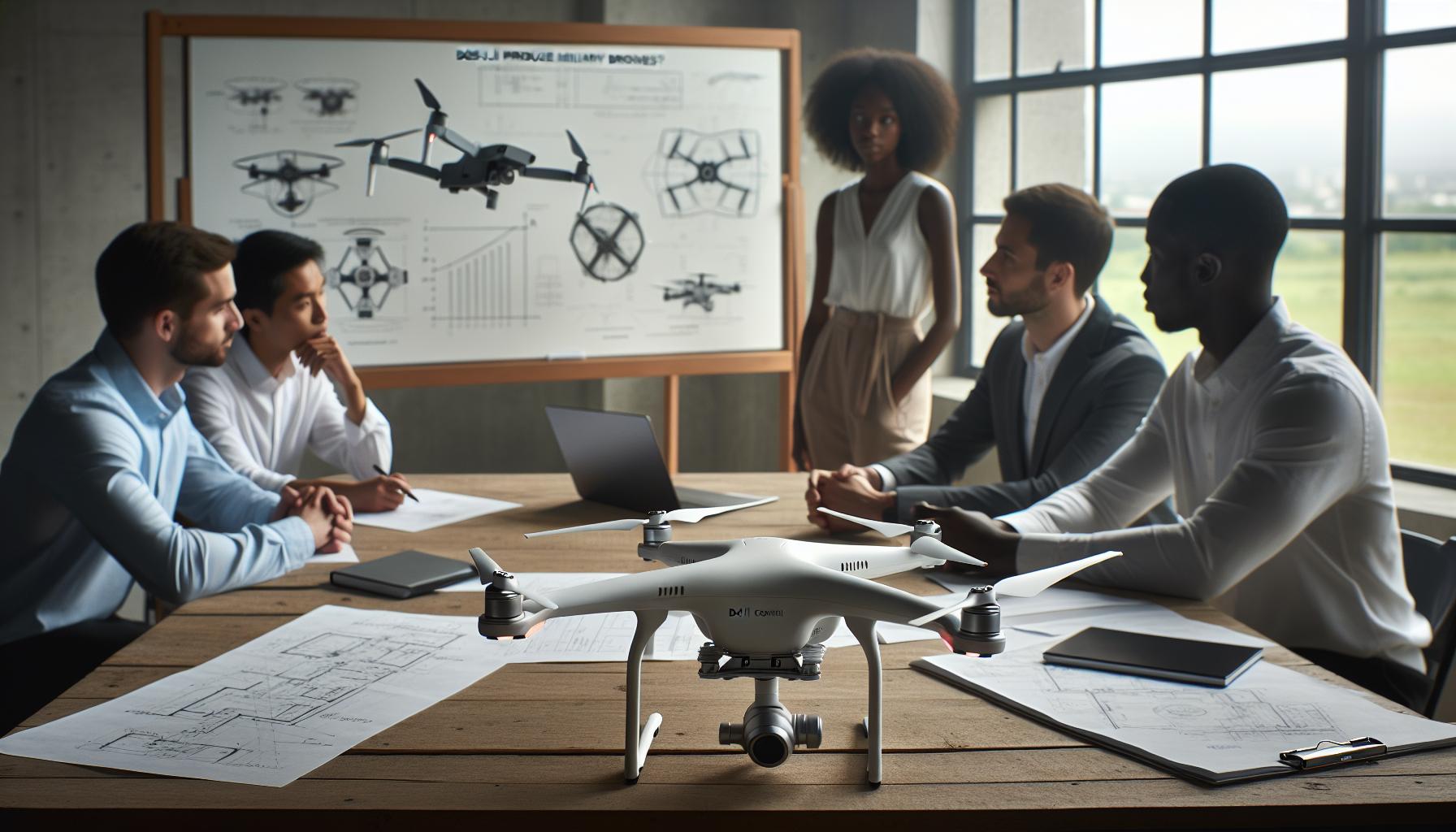
Does DJI Produce Military Drones? Understanding the Reality
DJI is predominantly known for its innovative camera drones aimed at consumers and professionals in the photography and videography sectors. However, the question of whether DJI produces military drones is nuanced. Currently, DJI does not manufacture drones specifically classified as military applications. Instead, its products-the Mavic, Phantom, and Air series-are tailored for recreational and commercial use, showing remarkable capabilities for aerial photography, film production, and surveillance.
Despite the lack of direct military products, DJI drones have been reported to feature in military settings. Various armed forces globally use these drones for reconnaissance and other non-combat purposes. Their affordability, advanced imaging technology, and user-friendly design make them appealing in environments where high-cost military-grade equipment is not viable. Reports indicate that several tactical units employ DJI drones for intelligence gathering, primarily due to their portability and ease of deployment.
However, the crossover of DJI technology into military applications raises security concerns, especially regarding data privacy and technology capture. For example, military organizations are increasingly cautious about using commercial drones due to potential vulnerabilities that can be exploited by adversaries. In response, DJI has introduced features aimed at addressing these concerns, such as geofencing to prevent flights in sensitive areas and the DJI Government Edition, which offers enhanced data security features for government customers.
As drone technology advances, the line between commercial and military usage continues to blur. While DJI has yet to enter the defense sector officially, the intrinsic capabilities of its drones offer potential for future development. The ongoing evolution of drone technology ensures that discussions about the implications of drone use, both ethical and legal, are increasingly relevant in contemporary military discourse. Thus, while DJI may not produce military drones per se, the influence of its technology in military applications is undeniable.
Distinguishing Between Commercial and Military Drones
The distinction between commercial and military drones is evolving, especially as the technology behind these flying devices becomes more sophisticated. Commercial drones, like those produced by DJI, are primarily designed for recreational and professional use, emphasizing photography, videography, and surveying. These drones are equipped with high-quality cameras that can capture stunning imagery and data, making them invaluable tools for industries such as agriculture, real estate, and filmmaking. Their user-friendly interfaces, portability, and advanced features-like obstacle avoidance-make them appealing to a broad audience, from hobbyists to professionals.
In contrast, military drones are engineered with a different focus. They are designed for tactical applications, including surveillance, reconnaissance, and even combat. These drones typically possess enhanced capabilities, such as longer endurance, advanced payload options (including weapon systems), and robust communication systems that ensure data security in sensitive operations. Whereas commercial drones prioritize performance in clear, controlled environments, military drones must operate reliably in complex and often hostile conditions. Layers of redundancy and security measures are built into military-grade models to mitigate risks associated with electronic warfare and cyber attacks.
Despite their differences, there’s an increasing overlap in the capabilities of commercial and military drones. Some military units have adopted DJI’s drones for non-combat roles, capitalizing on their advanced imaging technology and affordability. This crossover raises questions about safety and data integrity, prompting companies like DJI to develop specialized versions of their products, such as the DJI Government Edition, tailored for use by government and military organizations. These versions come with enhanced security protocols to mitigate vulnerabilities often found in consumer-grade equipment.
In summary, understanding the nuances between commercial and military drones is essential for consumers and policymakers alike. While both types of drones harness advanced technologies, their intended uses, designs, and operational capabilities reflect distinctly different goals. As drone technology continues to advance, these distinctions may blur further, presenting new challenges and opportunities in both sectors.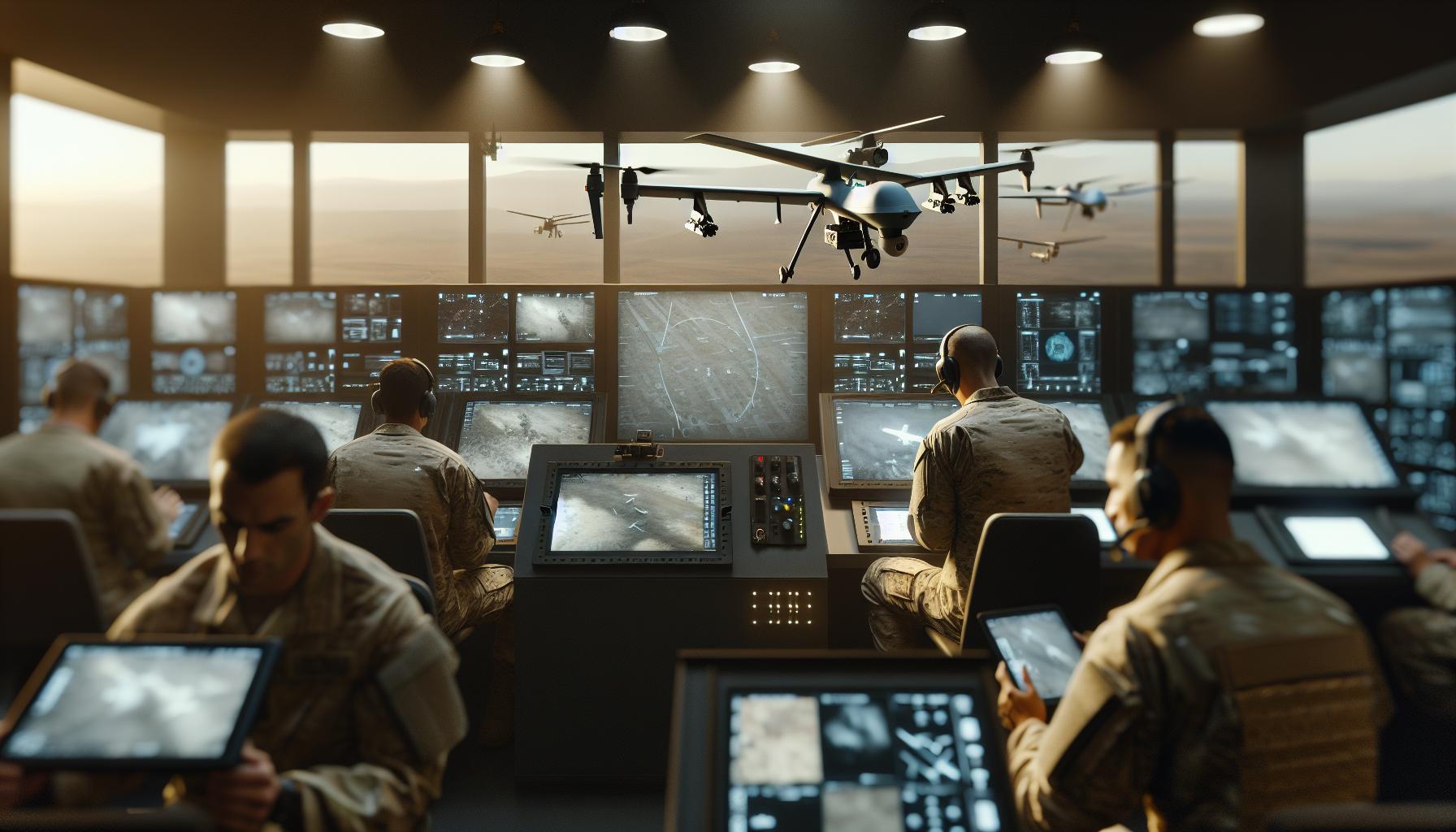
The Role of Drones in Modern Warfare
The use of drones in modern warfare has revolutionized how military operations are conducted, transforming various aspects of reconnaissance, surveillance, and even combat. As military conflicts evolve, the integration of unmanned aerial vehicles (UAVs) has provided armed forces with unprecedented capabilities. Drones allow for real-time intelligence gathering without putting pilots at risk, offering a significant advantage in both offensive and defensive operations.
Modern warfare increasingly relies on drones for a variety of roles, including:
- Surveillance and Reconnaissance: Drones equipped with advanced imaging sensors can conduct continuous surveillance over battlefields, providing commanders with critical data to inform strategic decisions. For instance, the use of drones offers a low-cost alternative to traditional reconnaissance aircraft, enabling prolonged monitoring without the risk of human loss.
- Combat Operations: Armed drones can deliver precision strikes with surgical accuracy, minimizing collateral damage and increasing operational effectiveness. The ability to engage targets from a distance reduces the risks associated with ground assaults.
- Logistics and Resupply: Drones are increasingly being used to deliver supplies and equipment to remote or contested areas, enhancing logistical support in regions that are difficult to access.
Moreover, the emergence of smaller, more agile drones has led to innovative combat strategies. These drones can be deployed in swarms, overwhelming enemy defenses through sheer numbers while providing real-time data to ground forces. Such tactics not only enhance situational awareness but also complicate the adversary’s ability to respond effectively.
presents several implications for both military strategies and the ethical considerations surrounding their use. While these technologies offer clear advantages in effectiveness and efficiency, they also raise questions about accountability, civilian safety, and the potential for conflict escalation. As drone technology continues to advance, military organizations must balance operational advantages with these ethical challenges, shaping the future of warfare as a landscape increasingly defined by unmanned systems.
Examining DJI’s Drone Technology for Defense Applications
In the evolving landscape of drone technology, DJI stands out for its advanced imaging capabilities and user-friendly interface, making it a key player even in defense-related applications. While DJI primarily focuses on commercial drones, its technology and features hold significant potential for defense scenarios, particularly in surveillance, reconnaissance, and mapping. DJI drones, such as the Matrice series, are equipped with high-resolution cameras, GPS accuracy, and sophisticated stabilization systems. These traits allow for detailed aerial assessments and real-time video feeds that can enhance situational awareness on the battlefield.
One of the most compelling aspects of DJI’s technology is its adaptability. For instance, integrating thermal imaging and multispectral sensors into their drones can provide vital data for military operations without necessitating the design of entirely new platforms. The Matrice 300 RTK is a notable example, featuring a payload capacity that supports various sensors tailored for different mission requirements, from disaster response to border security. The drone’s AI capabilities, including object detection and tracking, improve operational efficiency by accelerating data analysis and decision-making processes.
Furthermore, the ease of use and rapid deployment of DJI drones is another decisive factor. Their intuitive controls and automated flight modes enable users, even those with minimal experience, to execute complex missions effectively. This accessibility allows military personnel to focus more on their strategic objectives rather than worrying about complicated piloting techniques. As a result, training time can be significantly reduced, enabling faster integration of drone technology into military operations.
However, as DJI expands its presence in markets that touch on defense applications, it raises questions about regulation, security, and ethical risks. Governments and military organizations must scrutinize how these technologies can be employed responsibly while considering potential repercussions, such as unauthorized data collection or the use of drones in conflict situations. Balancing the innovative advantages offered by DJI’s drones against these risks will be crucial as military strategies continue to evolve with technological capabilities.
Military Contracts and Collaborations: What We Know
In recent years, the shifting dynamics of modern warfare and surveillance have illuminated the potential for commercial drone technology to support military operations. Although DJI is primarily known for its consumer drones, the adaptability and sophistication of its products have not gone unnoticed by defense agencies worldwide. Key insights into the company’s involvement in military contracts and collaborations reveal both the opportunities and challenges that arise when integrating commercial technology into defense strategies.
DJI’s drones have found a variety of applications within military contexts, particularly in reconnaissance, mapping, and situational awareness. While DJI has not actively marketed its drones for military use, they have been utilized by armed forces and security agencies globally, often for non-combat roles. Notable forces, ranging from the U.S. military to law enforcement agencies in Europe, have reported using DJI equipment for monitoring, surveillance, and intelligence-gathering operations. This has generated a somewhat informal yet notable partnership between DJI and military organizations, with users often modifying or repurposing their commercial drones for specific defense needs.
Despite the benefits, concerns regarding data security and privacy have prompted military organizations to explore greater control over drone technology and data management. Some military agencies have sought alternatives or initiated discussions with DJI regarding the potential for creating militarized versions of their existing platforms. This includes considerations for enhanced encryption and security features tailored specifically for defense applications. However, DJI has faced scrutiny over its ties to the Chinese government, leading some countries to restrict the use of its products within their military operations. This backdrop of geopolitical tension ultimately complicates any formal collaboration between DJI and governmental defense sectors.
To successfully navigate this complex landscape, DJI could consider transparent communication with defense partners, emphasizing data integrity and operational reliability. Establishing clear guidelines on the use of their technology in military contexts will be vital as policymakers look for ways to integrate commercial technological advancements while addressing security and ethical concerns. As military demand for drone capability continues to rise, the relationship between DJI and defense factions may evolve, fostering innovative collaborations that address the specific needs of military applications while leveraging the strengths of DJI’s consumer-grade technology.
Civilian vs. Military Capabilities: Key Differences
The rise of drone technology has revolutionized both civilian and military applications, showcasing capabilities that differ significantly depending on the intended use. For civilian purposes, DJI drones like the Mavic and Phantom series highlight user-friendly features such as high-resolution cameras, obstacle avoidance systems, and easy-to-use flight modes that appeal to hobbyists, filmmakers, and commercial users alike. These drones are designed for accessibility, enabling users to capture stunning aerial imagery and conduct tasks like surveying, real estate photography, and agricultural monitoring with minimal training.
In contrast, military drones require a robust set of specifications tailored for sophisticated operations. While DJI’s consumer models can be repurposed for military applications, they lack certain critical features inherent to military-grade drones. Key differences include advanced GPS systems that ensure higher accuracy and reliability in unpredictable environments, ruggedized designs capable of enduring harsh conditions, and communication systems that secure operational data against interception. Military drones also often employ integration with payloads designed for surveillance, reconnaissance, or even combat, which are not available in civilian models.
The use of advanced sensors is another area where military capabilities diverge from civilian drone functionalities. For instance, military drones might include infrared or thermal imaging systems for night operations, sophisticated data collection and transmission systems, and longer flight endurance supported by larger battery capacities. These features are vital for missions requiring stealth, precision, and reliability in battlefield conditions, making them distinctly different from DJI’s consumer offerings. As evident from the increasing reports of military use of DJI drones, the adaptation of commercial technology poses both advantages and challenges, leading to ongoing discussions about enhancing features while maintaining operational standards necessary for defense applications.
Thus, while the lines between civilian and military drone capabilities can blur, understanding these distinctions is crucial for users aiming to select the appropriate technology for their specific needs. As the demand for advanced aerial systems continues to rise, understanding these key differences will empower both civilian operators and military strategists to make informed decisions regarding drone technology.
Navigating Legal and Ethical Issues in Military Drones
The rapid proliferation of drone technology has sparked crucial discussions surrounding the legal and ethical implications of their use, especially in military contexts. Unmanned aerial vehicles (UAVs) offer vast potential for surveillance, reconnaissance, and tactical operations, but their deployment raises significant questions about compliance with international law and the ethical considerations of such technologies. When exploring the intersection of DJI’s commercial drones with military applications, understanding these issues becomes essential for all stakeholders.
One of the primary concerns related to military drones is adherence to legal frameworks governing warfare and human rights. International law, particularly the Geneva Conventions, establishes guidelines that govern the conduct of armed forces, including the use of drones. The lawful use of military drones must be evaluated through principles of distinction and proportionality: ensuring that operations differentiate between combatants and civilians and that any military advantage gained outweighs potential harm to non-combatants. As commercial drones like those produced by DJI find their way into military operations, ensuring compliance with these standards becomes increasingly complex. This necessity highlights the importance of robust training programs and operational protocols that inform military personnel about legal obligations when integrating such technology into warfare.
Moreover, ethical issues regarding the use of drones cannot be overlooked. The ability to engage targets remotely has altered the traditional dynamics of warfare, potentially desensitizing operators to the consequences of their actions. This detachment raises moral questions about accountability and responsibility. In instances where DJI drones are adapted for military use, operators must be thoroughly educated not only in the technological capabilities of the drones but also in the ethical implications inherent to their deployment. Developing frameworks for accountability, including clear lines of responsibility for drone operators, is imperative to ensure adherence to both legal and ethical standards.
Finally, transparency in drone operations is critical. The clandestine nature of many military drone missions can obscure the realities of their impact on civilian populations and broader geopolitical landscapes. Stakeholders, including governments and manufacturers like DJI, must navigate the delicate balance between operational security and the public’s right to be informed. By fostering open discussions about their technologies’ applications and potential consequences, these entities can contribute to a more responsible dialogue surrounding the future use of drones in military settings, promoting an environment where technology serves humanitarian goals rather than undermining ethical and legal standards.
In summary, as drone technology continues to evolve, addressing legal and ethical challenges remains paramount. Both users and regulators must remain vigilant in ensuring that military applications of drone technology align with established laws and ethical norms, thereby fostering a responsible approach to the complexities of modern warfare.
Popular DJI Models for Commercial Use: An Overview
DJI has established itself as a leader in the consumer drone market, providing advanced technology that empowers both hobbyists and professionals to capture stunning aerial imagery and data. With a commitment to innovation, DJI’s diverse lineup of drones offers something for everyone, from beginners exploring the skies to seasoned pilots requiring high-performance capabilities. Here’s a look at some of the most popular DJI models tailored for commercial use.
DJI Mavic Series
The DJI Mavic line is known for its compact design combined with exceptional performance. The Mavic 3 Pro is a standout, offering dual-camera systems that include a wide-angle lens and a telephoto option, enabling users to capture breathtaking landscapes and detailed shots from a distance. With a flight time of over 40 minutes and advanced obstacle avoidance systems, this model is perfect for commercial cinematography and photography.
Another popular choice is the Mavic Air 2S, which features a 1-inch CMOS sensor and 5.4K video capabilities. Its intelligent shooting modes, such as Mastershots and FocusTrack, allow users to create professional-quality content with ease. For those seeking portability without sacrificing power, the Mavic Air 2S is an ideal solution.
DJI Phantom Series
The Phantom 4 RTK is specifically designed for mapping and surveying tasks in professional environments. It offers high-precision GNSS capabilities, making it a reliable tool for civil engineering and construction projects. Equipped with a 20MP camera and a mechanical shutter, it captures sharp images without motion blur, even at high speeds.
For filmmakers and photographers, the Phantom 4 Pro V2.0 delivers superb image quality and extended flight time. Its 4K camera and 1-inch sensor enable clear images and videos, making it a staple for those in the media and entertainment industry.
DJI Mini Series
For users seeking ultra-portable options, the DJI Mini 4 Pro packs advanced features in a lightweight design. This model provides 4K video and a 48MP camera, making it suitable for travel vloggers and casual content creators. It’s an excellent choice for beginners due to its user-friendly interface and intelligent flight modes, such as QuickShots and Dronie.
Advanced Features Across Models
Across all these models, DJI integrates advanced features like OcuSync technology for stable video transmission, intelligent flight modes for automated shooting, and comprehensive safety systems including GPS positioning and geo-fencing to keep operators compliant with local regulations.
With the rapid evolution of drone technology, DJI’s models empower users with the tools necessary for high-quality aerial photography, mapping, and surveillance. Each drone caters to different needs and skill levels, ensuring there’s a suitable option for professionals across various industries. As you consider the potential use of drones-whether for commercial projects or personal exploration-familiarity with these top DJI models can enhance your capabilities and inspire creative possibilities.
Potential for DJI to Enter the Defense Sector
With the increasing integration of drone technology in various sectors, the has become a hot topic among industry experts and enthusiasts alike. As a company that has made remarkable strides in consumer drone technology, DJI’s capabilities in creating advanced aerial vehicles could offer significant benefits to military applications, such as surveillance, reconnaissance, and even logistical support.
DJI’s existing product lineup, particularly models like the Phantom and Mavic series, showcases features like high-resolution cameras, long flight times, and GPS capabilities that could be adapted for defense use. For instance, the Phantom 4 RTK is designed for precision mapping, which can be invaluable for military planning and operations. Moreover, the use of proprietary software for mission planning and data collection could be modified for defense purposes, enhancing situational awareness on the battlefield.
However, the transition from commercial to military applications would require significant alterations in both technology and business strategy. One aspect to consider is the rigorous compliance and certification standards needed for military contracting. This entails not only demonstrating reliability and safety but also addressing security concerns, particularly regarding data integrity and control over sensitive information. Additionally, DJI would need to navigate complex international regulations and potential backlash regarding the ethical implications of operating in military environments.
Another factor is the growing competition in the military drone market. Various companies are already established in providing defense-specific drone systems, offering tailored solutions designed specifically for military needs. This compels DJI to innovate and perhaps expand its R&D into features that are critical for defense operations, such as enhanced durability, secure communication protocols, and the ability to operate in contested environments.
While DJI has not officially announced a move into military drones, the existing technological foundation positions it uniquely to meet the rising demand for advanced drone capabilities in defense. As military operations increasingly rely on aerial surveillance and unmanned systems, any future entry by DJI into this sector could not only reshape the landscape but also bring a wealth of consumer-oriented innovation into military practices.
Trends in Military Drone Use and Technology
As the landscape of warfare continues to evolve, the role of drones-especially military drones-has expanded dramatically. One of the most significant trends in military drone use is the integration of advanced technology into unmanned aerial systems (UAS), allowing for enhanced capabilities such as real-time data collection, precision targeting, and automated responses to threats. This technological advancement not only increases the efficiency of military operations but also raises the bar for what is expected from these systems.
Technological Advancements
Modern military drones are becoming more sophisticated with the incorporation of technologies like artificial intelligence (AI), machine learning, and automated flight operations. These enhancements enable drones to analyze vast amounts of data autonomously, providing intelligence and reconnaissance capabilities that were once the sole domain of human operators. Furthermore, the integration of enhanced communication systems allows for better coordination among multiple drones operating in the same theater, facilitating more complex and effective missions.
Diverse Applications
Military drones are now utilized for a plethora of purposes beyond traditional combat roles. They serve as critical tools for logistics, surveillance, search and rescue, and even medical supply delivery in conflict zones. For example:
- Reconnaissance: Drones are equipped with high-resolution imaging systems and thermal cameras that allow for detailed reconnaissance missions without risking human lives.
- Logistics and Supply Chain Management: Unmanned systems can quickly deliver supplies to troops in remote or dangerous areas, enhancing operational flexibility.
- Combat Engagement: Armed drones can engage targets with pinpoint accuracy while minimizing collateral damage, changing the dynamics of air warfare.
Emerging Trends in Drone Design
Another growing trend is the shift towards modular drone systems that can be quickly adapted for different missions. This allows military operators to customize their drones for various tasks by swapping out payloads or sensor packages. Additionally, there is an increasing focus on developing swarming technologies, where multiple drones operate in unison to achieve strategic objectives. This not only enhances the effectiveness of drone missions but also poses new challenges in terms of cybersecurity and counter-drone technologies.
In conclusion, the integration of cutting-edge technology and innovative operational strategies is redefining the landscape of military drone use. As the demand for these advanced unmanned systems continues to grow, it remains essential for developers and military planners to collaboratively explore the possibilities and address the accompanying challenges in this rapidly evolving field.
User Perspectives: Civilian and Military Operators
As drone technology continues to proliferate across various sectors, the perspectives of both civilian and military operators offer a wealth of insights into the practical applications and implications of these innovations. Civilian drone enthusiasts, for example, often emphasize the user-friendly features and accessibility of platforms like DJI’s Mavic and Phantom series, which have made aerial photography and mapping easier than ever. These drones provide high-resolution cameras, smart flight modes, and obstacle avoidance systems, appealing to hobbyists and professionals alike. Many users appreciate how basic drone flight training can lead to significant improvements in aerial skills, allowing operators to capture stunning visuals or conduct detailed surveys with confidence.
In stark contrast, military operators focus on the strategic advantages offered by drones in complex environments. Military drones are engineered with advanced technology tailored for reconnaissance, surveillance, and targeted strikes. The need for reliability and precision in military settings sets apart the operational frameworks from those of civilian use. For example, military operators must account for factors such as flight endurance, payload capacity, and secure communication systems to conduct missions effectively. Training in these environments includes learning to manage advanced payloads and navigation systems, which often differ significantly from civilian models.
Despite the differences, a commonality emerges in the necessity for thorough training and adherence to regulations. Both civilian and military operators must navigate legal landscapes that vary by country and application. Civilian drone pilots must familiarize themselves with local regulations, such as drone registration requirements and no-fly zones, while military users operate under stringent rules of engagement and international humanitarian laws. Each group shares a commitment to safety, though their approaches may vary based on the context of use.
As drone technology evolves, particularly with advancements in AI and automated systems, the boundaries between military and civilian applications may continue to blur. Initiatives like delivering medical supplies to remote areas or using drones for search-and-rescue operations highlight potential crossover benefits. Ultimately, both civilian and military users can draw from each other’s perspectives, fostering a nuanced understanding of how to leverage drone technology for diverse objectives while addressing ethical considerations and operational challenges.
Future of Drone Technology: What Lies Ahead
As drone technology continues to evolve rapidly, the horizon for innovation in both commercial and military applications is bright and filled with potential. The ongoing advancements in artificial intelligence, machine learning, and deep learning are paving the way for smarter drones that can perform complex tasks autonomously, enhancing operational efficiency across various sectors. One significant area of future development for manufacturers like DJI could be the integration of advanced AI capabilities that allow drones to analyze real-time data, enabling them to make autonomous decisions during flight. This could lead to improved functionalities such as optimized flight paths, enhanced obstacle avoidance, and even advanced features for search-and-rescue operations.
Counter-Unmanned Aircraft Systems (C-UAS) are also emerging as a critical focus for the future of drone technology. With the increase in both civilian and military drone use, the demand for systems that can detect and neutralize unauthorized drones is rising. DJI could explore opportunities to develop C-UAS solutions aimed at ensuring airspace security. This would not only enhance their credibility but also allow for a significant contribution to federal and private sector partnerships working towards safer airspace.
The growing concern for privacy and data security is another paramount issue that future drone technology must address. As drones become more integrated into everyday life, from delivery services to emergency response, ensuring secure communication and data transmission will be vital. Manufacturers will need to build trust by guaranteeing that their systems feature robust cybersecurity measures to protect sensitive information from potential threats.
Finally, sustainability is becoming a priority for many technology sectors, including drone manufacturing. Future developments may include electric or hybrid-powered drones that reduce carbon footprints and promote environmentally friendly practices. Additionally, innovations in battery technology that increase flight times and reduce charging times will likely be key areas of focus, making drones more capable and practical for longer missions.
The trajectory of drone technology promises not only exciting advancements but also challenges that both commercial and military sectors will need to navigate. By understanding and anticipating these changes, operators can better prepare themselves to engage with the technology responsibly and effectively. As we look ahead, it is clear that the world of drones will be ever more integrated into our societal fabric, revolutionizing industries while presenting new operational and ethical considerations for users across the spectrum.
Frequently Asked Questions
Q: Does DJI manufacture drones specifically for military use?
A: DJI does not produce drones exclusively for military applications. However, some of their commercial drones may be adapted for defense-related uses. Notably, this has raised concerns regarding security and operational integrity, which are discussed further in the article.
Q: What is the difference between commercial and military drones made by DJI?
A: The primary difference lies in their intended use and features. Commercial drones focus on applications like photography and surveying, while military drones are equipped with advanced sensors and military-grade technology for reconnaissance and combat operations, as explored in the “Civilian vs. Military Capabilities” section.
Q: What regulations govern the use of DJI drones in military contexts?
A: Regulations often vary by country, requiring military operators to comply with defense procurement laws and safety protocols. Compliance can include approvals from military oversight bodies, which is elaborated on in the “Navigating Legal and Ethical Issues” section of the article.
Q: Are there any known collaborations between DJI and military organizations?
A: While DJI has not entered into direct military collaborations, there have been instances of their commercial drones being used in military exercises. The article discusses potential contracts and collaborations with defense sectors, providing insights into their operations.
Q: How does DJI’s drone technology compare to dedicated military drones?
A: DJI drones offer high-quality imaging and ease of use. However, dedicated military drones typically possess enhanced durability, range, and specialized capabilities such as electronic warfare or missile deployment, which are discussed in the “Examining DJI’s Drone Technology for Defense Applications” section.
Q: What trends are shaping the future of military drones?
A: Trends include increased automation, advanced AI integration, and enhanced surveillance capacities. As identified in the article, these advancements imply a significant shift in how both military and commercial drones are expected to operate in the coming years.
Q: Can DJI drones be used for surveillance purposes in military operations?
A: Yes, DJI drones can be utilized for surveillance in military contexts due to their advanced imaging technology. However, their usage raises privacy and ethical considerations, which are discussed in the relevant sections of the article for a comprehensive understanding.
Q: What features make DJI drones suitable for commercial use?
A: DJI drones are designed with user-friendly interfaces, excellent flight stability, and high-resolution cameras, making them ideal for commercial activities like photography, agriculture, and mapping-details elaborated in the “Popular DJI Models for Commercial Use” section.
In Retrospect
Thank you for exploring the fascinating intersection of DJI drones in commercial and defense applications. As we’ve uncovered, DJI’s innovations extend beyond personal use, showcasing their significant role in military technology while also prioritizing safety and compliance. If you’re eager to dive deeper into topics like the latest drone regulations or advanced operational techniques, be sure to check out our detailed guides on drone setup and flight modes.
Don’t miss out on our upcoming articles where we further dissect the capabilities and comparisons of various DJI models, from the nimble Mini series to the robust Mavic and Phantom lines. Join our community by signing up for our newsletter to stay updated with the latest trends and insights in the drone industry.
Your next adventure in drone technology awaits-whether you’re a hobbyist or a seasoned pilot. Explore our resources and enhance your skills today! We’d love to hear your thoughts, so feel free to share your experiences in the comments below.