As drone enthusiasts, we all dream of capturing stunning aerial shots, but weather can be a major hurdle. Understanding whether DJI drones offer waterproof capabilities or reliable weather protection is crucial for safe and successful flying. In this article, we dive into the specifics of DJI drones and their ability to withstand the elements, helping you plan your flights confidently. Whether you’re a hobbyist eager to fly in various conditions or a professional seeking assurance for your gear, knowing the limits of your drone against rain and moisture can save you from costly mishaps. Discover how to optimize your equipment for weather challenges and ensure that your creative pursuits can continue, no matter the forecast.
Are DJI Drones Waterproof? Understanding the Basics
Most pilot enthusiasts know that the excitement of drone flying often coincides with unpredictable weather conditions. While DJI drones are designed with some level of durability, it is essential to understand that they are not fully waterproof. Most models, including the popular Mavic and Phantom series, typically offer varying levels of water resistance, often rated by the Ingress Protection (IP) standard. However, this does not mean they are immune to water damage. Even a light drizzle can pose risks, and it’s crucial to consider how weather conditions can affect drone performance and longevity.
Understanding the basics of DJI drones’ weather resistance involves recognizing their limitations. Most DJI drones are built to withstand light rain and splashes, but they are not designed for immersion in water or operation during heavy rain. This distinction is vital for drone operators who may find themselves in less-than-ideal weather. To gauge their ability for environmental resilience, you can refer to the manufacturer’s specifications, which detail the IP ratings of different models. An IP rating of 43, for instance, indicates protection against splashes, while a rating of 67 would indicate complete dust-tightness and immersion protection in water-qualifying only for specific commercial models.
To enhance weather protection for your DJI drone, consider incorporating accessories such as waterproof backpacks or covers during transport, and protective skins or cases during flight. Also, always perform flight checks before taking off in questionable weather, including examining the gimbal and camera for any signs of moisture accumulation. In situations where flights cannot be avoided in light rain, ensuring that your drone is correctly outfitted with these protections vastly increases its chances of weathering the storm and returning safely. Remember, proactive measures and understanding your drone’s weather resilience are your best allies on those windy, rainy afternoons.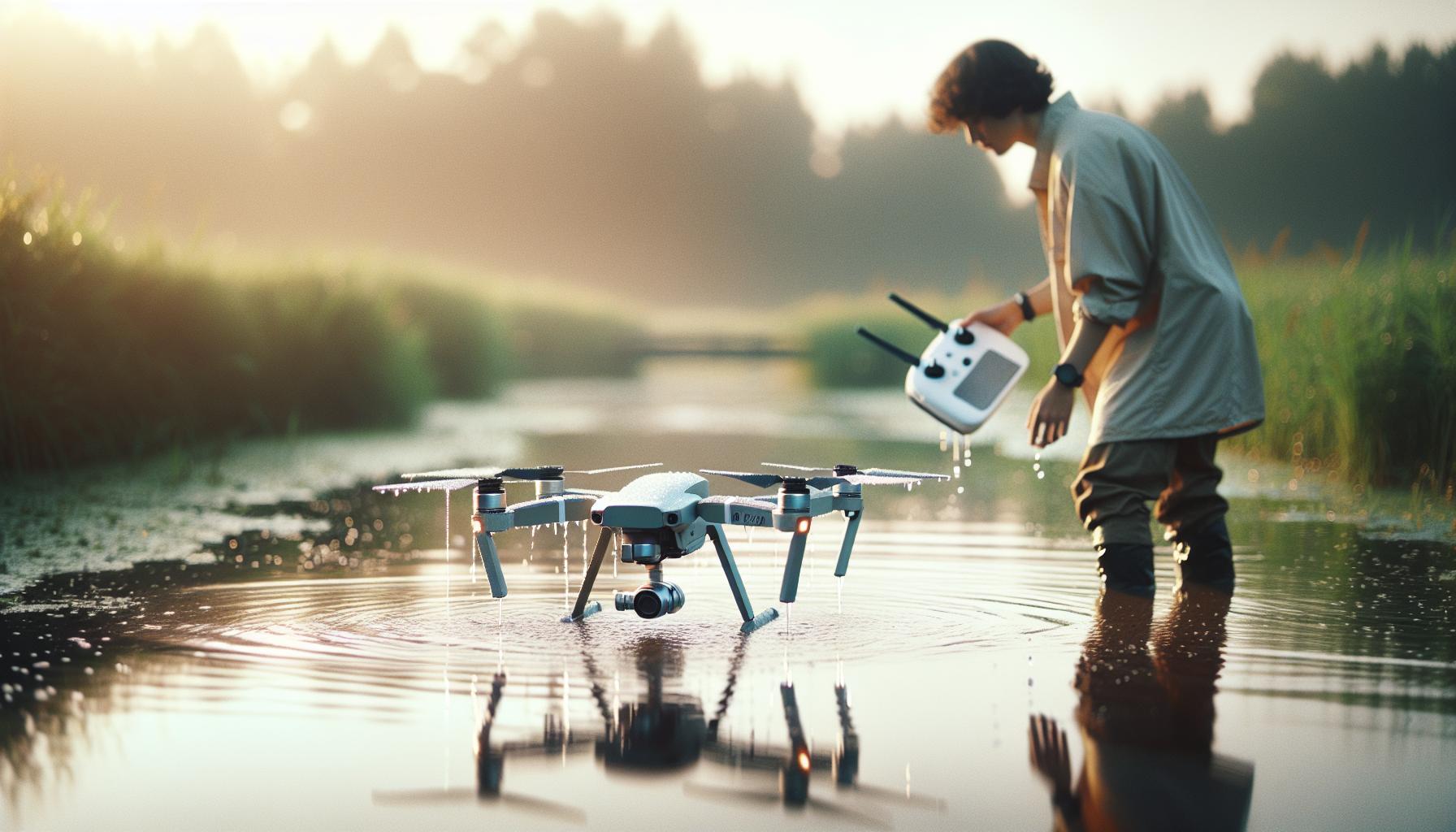
The Importance of Weather Protection for Drones
The unpredictability of weather can significantly affect drone operation, making weather protection a crucial consideration for any pilot. While many DJI drones boast impressive technological features, their resilience against weather elements varies considerably. Without proper precautions, even a brief exposure to moisture can lead to severe malfunctions or irreversible damage. Therefore, understanding the importance of weather protection is not just beneficial but necessary for maximizing your drone’s lifespan and performance.
Incorporating weather protection strategies can safeguard your investment and enhance your flying experience. For example, many pilots opt for waterproof cases to transport their drones safely. These cases provide a barrier against moisture during transit, ensuring that your equipment is ready for action when the skies clear. Additionally, using protective skins or covers during flights can further shield your drone from unexpected rain. Such precautions diminish the risk of electronic failures and maintain the integrity of sensitive components like the camera and gimbal.
Moreover, understanding and utilizing the Ingress Protection (IP) ratings provided by manufacturers is key. While some models are designed for light rain, others may tolerate splashes but not heavier downpours. Always verify the IP ratings specific to your model-a drone with a rating of IP43 might hold up against splashes but isn’t suited for prolonged exposure to wet conditions. This knowledge empowers drone operators to plan their flights more effectively, choosing optimal times and conditions to fly.
In the realm of droning, user experience often tells the best story. Many drone enthusiasts share instances where a well-planned outing was compromised due to unexpected weather changes. By being proactive and selecting appropriate weather protection strategies, pilots can continue to explore and capture stunning aerial footage, regardless of what Mother Nature has in store. Adopting these practices not only enhances safety but also enriches the overall flying experience by allowing pilots to fly with confidence, knowing they have adequately mitigated weather-related risks.
Types of Weather Resistance in DJI Drones
In the world of drone technology, not all aircraft are created equal when it comes to weather resistance. Understanding the different types of weather resistance found in DJI drones is essential for pilots who wish to fly safely and effectively, especially under unpredictable weather conditions. DJI models vary significantly in their ability to withstand moisture, dust, and other environmental factors, which can impact not just the drone’s performance but also its longevity.
DJI utilizes several Ingress Protection (IP) ratings to classify their drones’ weather resistance features. The IP rating system denotes the level of protection offered against solids and liquids. For instance, a drone rated IP43 can handle splashes of water, while an IP68 rating indicates that the device can be submerged in water beyond specified limits. These ratings are crucial for pilots looking to assess their drone’s suitability for inclement weather conditions, such as light rain or heavy fog. The Mavic 2 series, for example, has been designed for increased resistance against dust and water splashes, making it a better choice for slight weather disturbances than the more entry-level Mavic Mini, which lacks significant weather protection.
Beyond IP ratings, the physical design of the drone plays a significant role in weather resistance. Many DJI drones feature tightly sealed compartments that protect internal components from moisture. Additionally, the materials used in the construction of the drone, such as high-grade plastics and carbon fiber composites, lower the risk of damage from accidental spills or exposure to rain.
To maximize the utility of DJI drones under wet conditions, pilots can adopt several preventative measures. These include using waterproof cases for transport, employing protective skins during flights, and being aware of flight conditions to avoid unexpected downpours. In cases where drones are rated for limited weather resistance, such as the Air series, operating in controlled environments and checking weather forecasts become paramount.
Arming oneself with knowledge about the weather resistance features of each DJI model not only enhances the flying experience but also helps in making informed decisions on when and where to fly. An awareness of the environmental limitations of your specific drone can prevent unfortunate mishaps and improve overall flight safety.
Comparing Waterproof Features Across DJI Models
The waterproof capabilities of DJI drones vary significantly across different models, making it crucial for operators to understand the level of water resistance each offers. While some DJI drones are equipped to handle light rain or splashes, others are designed for more rigorous conditions, showcasing their suitability for diverse flying environments.
IP Ratings and Performance
Ingress Protection (IP) ratings provide a standardized method to assess a drone’s resistance to dust and water. For instance, the Mavic 2 series, with an IP rating of IP43, can withstand light exposure to water but is not designed for full submersion. In contrast, the Phantom 4 RTK, while not explicitly waterproof, has a more robust build that allows it to operate in light rain, giving it an edge over the more fragile Mavic Mini series, which has no significant weather protection features.
Model Comparisons
Comparing specific models helps clarify their capabilities:
| Model | IP Rating | Recommended Use |
|---|---|---|
| Mavic 2 Pro | IP43 | Light rain, splashes |
| Phantom 4 RTK | Not rated | Light rain (caution advised) |
| Mavic Mini | Not rated | Dry conditions only |
| Air 2S | IP54 | Light rain and dust |
Practical Considerations
Pilot experience and environmental awareness play a critical role in safely flying drones in potentially hazardous weather conditions. For drones without a robust waterproof rating, using add-on protection such as waterproof cases or protective skins can help mitigate risks during unexpected weather changes. Understanding the limitations of each drone model fosters responsible operation, ensuring that operators can enjoy flying while maintaining the longevity and functionality of their equipment. Regularly checking weather conditions and avoiding flights in inclement weather will enhance safety and operational efficiency.
Best Practices for Flying DJI Drones in Rain
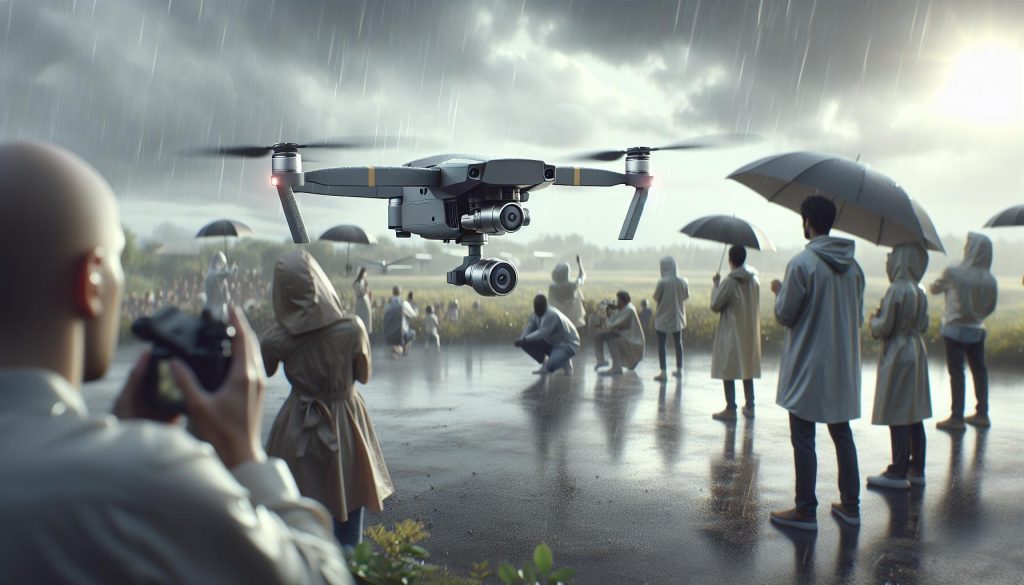
Flying a drone in the rain can be a daunting task, especially given the varying levels of water resistance among different DJI models. A significant number of drone enthusiasts come to grips with the fact that while many DJI drones can handle splashes, few are genuinely waterproof. To ensure a safe and successful flight during wet conditions, it’s critical to adopt the right practices tailored to your specific drone model.
Before taking off, always monitor weather conditions closely. Check for real-time updates regarding precipitation and wind speed, as these can drastically affect flight stability. Using apps or websites that provide detailed local weather forecasts can give you an edge in planning your flight. If light rain is on the horizon, consider postponing the flight or preparing for a quick return by familiarizing yourself with your drone’s emergency landing features.
When flying in light rain with models like the Mavic 2 Pro, rated IP43, operators should remember that while splashes are manageable, prolonged exposure or heavier rainfall can be detrimental. Maintain a moderate altitude to reduce potential water ingress through the drone’s ventilation systems. Additionally, avoid direct headwinds which can direct more rain towards the drone. Optimize your flight path to ensure that you are making controlled movements as opposed to sharp turns which increase the likelihood of water splashing onto sensitive components.
Protective gear and accessories can further enhance rain resilience. Using waterproof cases and protective skins designed for your drone can mitigate the effects of unexpected weather. Always ensure that cable connections and ports are adequately sealed before flying. After a flight in the rain, conduct a thorough inspection of your drone. Dry off wet surfaces and check for any moisture in critical areas like the battery compartment and gimbal housing to maintain optimal drone health.
Incorporating these best practices will not only extend the life of your drone but also ensure that you capture stunning aerial footage even in less-than-ideal conditions. Flying with a purpose and a plan enhances both safety and enjoyment, allowing you to make the most of your flying experiences while navigating through challenging weather.
How to Protect Your Drone from Water Damage
Flying a drone in wet conditions can pose serious risks, even for the most resilient models. To safeguard your DJI drone from water damage, it’s essential to take proactive measures before and during flights. First and foremost, always verify your drone’s water resistance rating and capabilities. Most DJI drones, like the Mavic 2 Pro, have a rating that protects them from light rain and splashes, but they are not fully waterproof. Understanding these specifications ensures you set realistic boundaries for your operations.
Implementing protective accessories can significantly enhance your drone’s resilience to moisture. Consider investing in high-quality waterproof cases that provide additional protection when transporting your drone or during unforeseen weather changes. Furthermore, applying a water-repellent spray designed for electronics can create an additional barrier against moisture, but be sure to use products specifically tailored for drone components.
Regular maintenance is also crucial in preventing water damage. After a flight in rainy conditions, meticulously inspect your drone for moisture ingress. Pay special attention to the battery compartment, camera gimbal, and motors. Use a clean, dry cloth to wipe off any water on the exterior and allow your drone to completely dry before storing it. Additionally, consider using silica gel packs within your storage case to absorb any residual moisture from the air.
Finally, employing careful flying techniques during adverse weather is essential. Always avoid flying directly against the wind, as this can force rain into sensitive areas of your drone. Monitoring the environment and being ready to land quickly in the event of increasing rain can help mitigate potential damage. Following these practices not only protects your investment but also ensures that you continue to capture breathtaking aerial footage in varying weather conditions.
Common Myths About DJI Drones and Water Safety
The notion that any DJI drone is completely waterproof is a common misconception that can lead to significant operational risks. While many DJI models, including the Mavic series, feature varying degrees of water resistance, it is crucial to recognize their limitations. For instance, although drones like the Mavic 2 Pro can withstand light rain and splashes, they are not designed to endure submersion in water. This distinction is vital for maintaining the integrity and functionality of your drone.
Another prevalent myth is that once a drone is labeled “water-resistant,” it requires no additional precautions when flying in wet conditions. In reality, water resistance does not equate to water-proofing. Pilots should still exercise caution by avoiding direct exposure to heavy rain or flying in conditions where water accumulation could affect key components such as the battery and camera. Even drones with higher water resistance ratings can suffer damage from prolonged exposure to moisture.
Additionally, many users believe that cleaning their drone in water after a flight in rainy conditions is harmless if the drone is marketed as water-resistant. This is misleading. Water can easily infiltrate sensitive areas, such as the gimbal or motor compartments, potentially leading to electrical failures. Instead, pilots should use dry, soft cloths to wipe down their drones and carefully inspect for any hidden water ingress.
Finally, the idea that just because a drone has been successfully flown in light rain multiple times means it can be operated in any wet weather without repercussion is dangerous. Environmental factors vary significantly; what may have been a drivable rain one day could become a torrential downpour the next. Therefore, make informed decisions based on the specific weather conditions, and always prioritize prevention over repair. This proactive approach not only extends the life of your DJI drone but also enhances your flying experience.
User Experiences: Waterproof Drones in Action
Maintaining the performance and longevity of your DJI drone while navigating adverse weather conditions can be challenging but rewarding. User experiences reveal that while many DJI drones offer a degree of water resistance, savvy pilots maximize their drones’ capabilities by understanding and respecting these limitations. One notable example comes from a user who captured stunning footage of a landscape during a light rain shower with their Mavic 2 Pro. They noted that despite the brief exposure to moisture, the drone remained operational, providing vibrant colors and clear images that enhanced their project. However, they made it a point to dry the drone immediately after landing to prevent any potential water damage.
Another common scenario involves the DJI Mini series, which some pilots have successfully flown in mild rain. An avid drone enthusiast shared their experience of flying their Mini 2 through a light drizzle while capturing breathtaking sunset shots. Although they achieved excellent results, they emphasized taking precautions, such as limiting flight time and avoiding any maneuvers that could increase water exposure. This user reflected on the thrill of navigating unique weather conditions but stressed the importance of being prepared for quick descents and prompt maintenance after flights in wet weather.
For those considering a drone upgrade for enhanced weather performance, many users express satisfaction with models equipped with superior water resistance ratings, like the Mavic Air 2. Pilots report that this model’s sturdier design provided them with more confidence during flights in unpredictable weather, allowing for creative opportunities that might have been too risky with less capable drones. Users found that having the right accessories, such as waterproof carrying cases or LED light kits that increase visibility during cloudy conditions, can significantly enhance the flying experience, further illustrating the balance between safety and adventure.
In summary, the combination of user testimonials and practical flying insights illustrates that while DJI drones are not entirely waterproof, they can be utilized effectively in inclement weather with careful strategy and preparation. This practical wisdom aids both budding and experienced pilots in making informed decisions that enhance their aerial experiences and minimize risks associated with water exposure.
Accessories for Enhanced Weather Protection
While DJI drones are engineered with certain degrees of weather resistance, the right accessories can significantly bolster your drone’s performance in inclement conditions. Investing in these tools not only protects your equipment but also enhances your flying experience when the weather takes a turn.
One of the most versatile accessories is a waterproof carrying case. Designed to shield your drone from moisture during transport, these cases can prevent potential water damage from accidental exposure. Many cases feature foam padding shaped to fit specific models, providing a snug fit that minimizes movement during transit. Additionally, look for cases with seals and drainage ports, as they provide extra layers of protection should you be caught in unexpected rain.
Protective Skins and Covers
Another excellent investment is a set of protective skins or covers. These are typically made from waterproof and durable materials that adhere directly to your drone’s body. They augment the existing weather sealing and can help repel water. Consider options specifically designed for drones that fly in challenging environments, as these often come with reinforced edges and materials that resist tearing and abrasion.
Landing Gear Extensions
Landing gear extensions can also play a pivotal role in safeguarding your drone from wet ground surfaces. Elevating the drone during takeoff and landing keeps its sensors and cameras dry, reducing the risk of water seeping into sensitive components. Look for options that are lightweight and designed for easy installation, making them practical for quick setups.
Rain Covers for Gimbals and Cameras
For those who frequently shoot in rainy conditions, investing in dedicated rain covers for your gimbal and camera is prudent. These specialized covers help keep moisture away from sensitive electronics without obstructing the camera’s view. Many covers are adjustable and can be fitted to virtually any drone model, providing a tailored look and fit.
By equipping your drone with these accessories, you enhance its resilience against moisture and increase your options for flying under varied conditions. Whether it’s pushing the envelope on your cinematic drone shots or simply maneuvering through unexpected rain, the right gear can make all the difference in maintaining your drone’s performance and extending its lifespan.
Maintenance Tips for Weather-Resistant Drones
Maintaining your weather-resistant DJI drone is essential, especially if you plan to fly in varying environmental conditions. While DJI models come equipped with some level of weather sealing, these features can only perform optimally if the drone itself is well cared for. Regular maintenance can prevent moisture damage, ensure longevity, and enhance performance when the weather turns unfavorable.
Firstly, post-flight inspections are critical. After each flight, especially in damp or rainy conditions, always wipe down the drone with a dry microfiber cloth to remove any moisture. Pay special attention to the gimbal, sensors, and camera, as these are particularly vulnerable to water ingress. Furthermore, check for any signs of wear or damage to the seals around openings; damaged seals can significantly diminish your drone’s weather resistance.
Battery care is another key aspect of maintenance. Wet conditions can cause corrosion on battery contacts, leading to performance issues. After flying in the rain, remove the battery and dry the contact points thoroughly. Storing the batteries in a safe, dry environment will also help maintain their lifespan. Use a silica gel packet in your storage case to minimize moisture. Additionally, be cautious not to expose batteries to extreme temperatures, as this can lead to decreased battery performance or failure.
Firmware Updates and Software Checks
Keeping your drone’s firmware up to date can also enhance its operational reliability. Manufacturers like DJI frequently release updates that may improve the drone’s weather resistance features or fix software bugs that could affect performance during adverse weather conditions. Regularly check for updates in the DJI Go app or through the respective desktop application.
To reinforce your drone’s weather-proofing capabilities, consider using waterproof casings or protective skins specifically designed for your drone model. These can add an extra layer of protection against unexpected rain or splashes. Similarly, replacing worn-out gaskets or seals promptly will ensure effective moisture resistance, keeping your drone’s internal components safe from water damage.
By following these maintenance tips, you’ll ensure that your DJI drone remains not just operational but performs at its peak, regardless of the weather. Regular attention to upkeep will extend the life of your equipment and enhance your overall flying experience, allowing you to focus on capturing stunning aerial footage, no matter the conditions.
Upgrading Your DJI Drone for Better Weather Resistance
When it comes to ensuring that your DJI drone withstands the elements, upgrading for better weather resistance can make all the difference in your flying experience. While many DJI models include some level of weather sealing, these features can be enhanced through careful selection of accessories and modifications. With the right upgrades, you can extend your drone’s operational envelope, allowing for filming in a wider range of weather conditions and on more adventurous shoots.
One of the most effective ways to increase your drone’s resistance to moisture is through the use of high-quality waterproof shells or protective covers. These accessories are custom-designed for specific models and can provide a robust barrier against rain or splashes. Look for options that are lightweight and do not interfere with aerodynamics, as this can affect flight time and stability. Additionally, ensure that any protective gear you select maintains access to essential sensors and ports without compromising integrity.
Upgrading or replacing gaskets and seals is another powerful strategy to enhance moisture protection. These small components can degrade over time, particularly if exposed to harsh conditions. By choosing high-quality replacements, you can ensure that all openings and joints are effectively sealed against water ingress. This simple upgrade can significantly improve your drone’s durability during unexpected weather events.
Moreover, consider investing in anti-corrosive treatments for sensitive electronic components, particularly in environments where your drone is exposed to saltwater or high humidity. Coatings that offer protection against corrosion can be applied to the electrical connections and battery compartments, adding an extra layer of defense.
Regularly checking for software updates is essential as well. DJI frequently releases firmware updates that may offer improvements to your drone’s operational efficiency and weather handling capabilities. By ensuring your drone is consistently updated, you maximize its potential to handle various environmental challenges effectively.
In conclusion, making targeted upgrades can dramatically improve the weather resistance of your DJI drone, providing you with greater confidence to chase the perfect shot in less-than-ideal conditions. Whether through protective cases, upgraded seals, or corrosion treatments, these enhancements equip you to explore the skies without the constant worry of weather-related damage.
Frequently Asked Questions
Q: Are DJI drones waterproof?
A: No, DJI drones are not classified as waterproof. Most models have some level of weather resistance but are not designed for full submersion in water. Users should avoid flying in heavy rain, as moisture can damage internal components.
Q: How can I protect my DJI drone from rain?
A: To protect your DJI drone from rain, consider using a drone rain cover or waterproof pouch. Avoid flying during inclement weather, and ensure all ports and compartments are securely closed before flights to minimize water exposure.
Q: What should I do if my DJI drone gets wet?
A: If your DJI drone gets wet, turn it off immediately and remove the battery to prevent short-circuiting. Dry it thoroughly with a soft cloth and allow it to air dry completely inside and out before attempting to power it on again.
Q: Can I fly my DJI drone in light rain?
A: While many DJI drones can handle light moisture, it is not recommended to fly them in light rain. Moisture can lead to performance issues or long-term damage. Always prioritize safe flying conditions.
Q: Are there specific DJI models that are more weather-resistant?
A: Some DJI models, like the Mavic 3, have enhanced weather resistance due to better sealing. However, none are fully waterproof. Always refer to the manufacturer’s specifications for details on weather resistance levels.
Q: What accessories can enhance my DJI drone’s water protection?
A: Accessories such as drone rain covers, waterproof hard cases, and desiccant packs can help protect your DJI drone from water damage. Consider investing in these items, especially if you fly in variable weather conditions.
Q: How do I know if my DJI drone is safe to fly in specific weather conditions?
A: Always check the manufacturer’s guidelines regarding weather conditions before flying. If weather reports indicate rain, snow, or high winds, it’s safest to delay your flight. Utilize resources and community forums for user experiences in similar conditions to gauge safety [1].
Q: Why is weather protection important for drones?
A: Weather protection is crucial for maintaining a drone’s operational integrity and longevity. Exposure to moisture and extreme temperatures can lead to technical failures, reduced performance, and costly repairs. Always prioritize protection to ensure reliable operation.
Key Takeaways
As we wrap up our exploration of whether any DJI drones are waterproof, remember that knowing your drone’s weather capabilities is crucial for protecting your investment. While some models offer specific weather resistance, it’s always best to err on the side of caution when flying in adverse conditions. Don’t forget to check out our guides on DJI drone maintenance and weather-related flying tips to ensure you get the most out of your aerial adventures.
For real-time updates and discussions, join our community on the DJI Forum or dive deeper into specific model comparisons, such as the Mavic and Phantom series. If you’re uncertain about your drone’s functionality under various weather conditions, consider subscribing to our newsletter for expert tips straight to your inbox. Take action today and ensure your flying experience is safe and enjoyable, no matter the weather! Feel free to leave your questions or share your experiences in the comments below; we’d love to hear from you!