As of 2025, the drone market in the U.S. is rapidly expanding, with DJI leading the charge in popularity and innovation. With thousands of consumers and professionals using these aerial devices for everything from photography to surveying, understanding how many DJI drones are out there is crucial for anyone interested in the industry. This knowledge not only reveals trends in consumer preferences but also emphasizes the increasing importance of regulations and safety in the airspace. By exploring the current statistics, you’ll gain valuable insights into market dynamics, the potential for future growth, and how DJI’s advancements are shaping the landscape of drone technology. Whether you’re a hobbyist looking to understand how your choice impacts the market or a professional seeking to keep pace with technological developments, the statistics we uncover will enhance your perspective on the ever-growing world of drones. Join us as we delve into the fascinating numbers behind DJI’s influence in the United States.
Current DJI Drone Market Share in the US
Currently, DJI dominates the drone market in the United States, capturing a significant share that reflects its widespread popularity and innovation in consumer and professional drone technology. According to various industry analyses, DJI accounts for approximately 70% to 80% of the consumer drone market, solidifying its position as an industry leader. This commanding market share is buoyed by an extensive product lineup that caters to both hobbyists and professional operators, ranging from the accessible DJI Mini series to high-end models like the Mavic and Phantom series.
The sheer volume of DJI drones registered in the United States underlines this dominance. Estimates suggest that millions of DJI drones are in operation across the country, as the brand’s commitment to quality, features, and user-friendly design continually appeals to both new and seasoned pilots. Additionally, the integration of advanced technologies like obstacle avoidance, enhanced flight stability, and innovative camera systems elevates the user experience, contributing to higher customer retention rates and brand loyalty.
Moreover, DJI’s market presence can be attributed to its effective marketing strategies and partnerships across various sectors, including real estate, agriculture, and filmmaking. This strategy not only broadens its customer base but also engrains DJI’s technology into critical workflows across industries, reinforcing its market share. With the ongoing advancements in drone capabilities and the growing acceptance of drone technology in everyday applications, DJI’s market position is likely to remain strong in the near future.
Top DJI Drone Models and Their Popularity
As the largest drone manufacturer globally, DJI has a range of models that cater to various needs, solidifying its popularity among consumers and professionals alike. The most popular models currently available showcase a blend of advanced technology, user-friendly design, and exceptional performance.
Top DJI Drone Models
- DJI Mini 2: Praised for its portability and ease of use, the Mini 2 offers a remarkable flight time of up to 31 minutes and can capture 12MP photos and 4K video at 30fps. Its lightweight design (weighing under 250g) makes it an ideal choice for hobbyists and travelers, allowing users to take it anywhere with minimal hassle.
- Mavic Air 2: Combining high-end features with a compact form factor, the Mavic Air 2 has become a favorite among enthusiasts. With a powerful 48MP camera capable of 4K/60fps video, advanced obstacle avoidance, and intelligent shooting modes, it appeals to both amateurs and experienced pilots looking for quality and convenience.
- DJI Mavic 3: Targeted at professional filmmakers and photographers, the Mavic 3 is equipped with a dual-camera system featuring a Hasselblad camera with a 20MP sensor. It offers an astonishing 46 minutes of flight time and advanced features like advanced Return-to-Home capability, making it exceptionally reliable for long shoots.
- Phantom 4 Pro V2.0: This model appeals to professionals in fields such as real estate and surveying. With its robust image quality and precision flight capabilities, it captures 20MP stills and 4K video at 60fps. Its established reputation for reliability makes it a go-to choice in professional settings.
- DJI Avata: Designed for immersive first-person view (FPV) flying, Avata caters to those looking for a thrill. With its agility and protective propeller design, this drone excels in indoor environments, making it ideal for creative aerial videography.
Market Popularity Insights
The popularity of these models can be attributed to diverse factors, including their technological advancements, user-friendly interfaces, and extensive online support communities. For instance, the DJI Mini 2 saw an immediate increase in adoption not just because of its features but also due to its affordability, making it accessible to a broader audience, including beginners. Similarly, the Mavic 3 has garnered attention for its cinematic capabilities, appealing to professionals seeking high production value without the weight and bulk of larger setups.
In essence, each DJI model reflects the brand’s commitment to addressing the needs of various consumer segments, whether through ease of use for beginners, advanced features for professionals, or cutting-edge technology for hobbyists. As drone technology continues to progress, DJI’s models are regularly updated with new features and improvements, further solidifying their standing as the preferred choice for drone enthusiasts across the United States.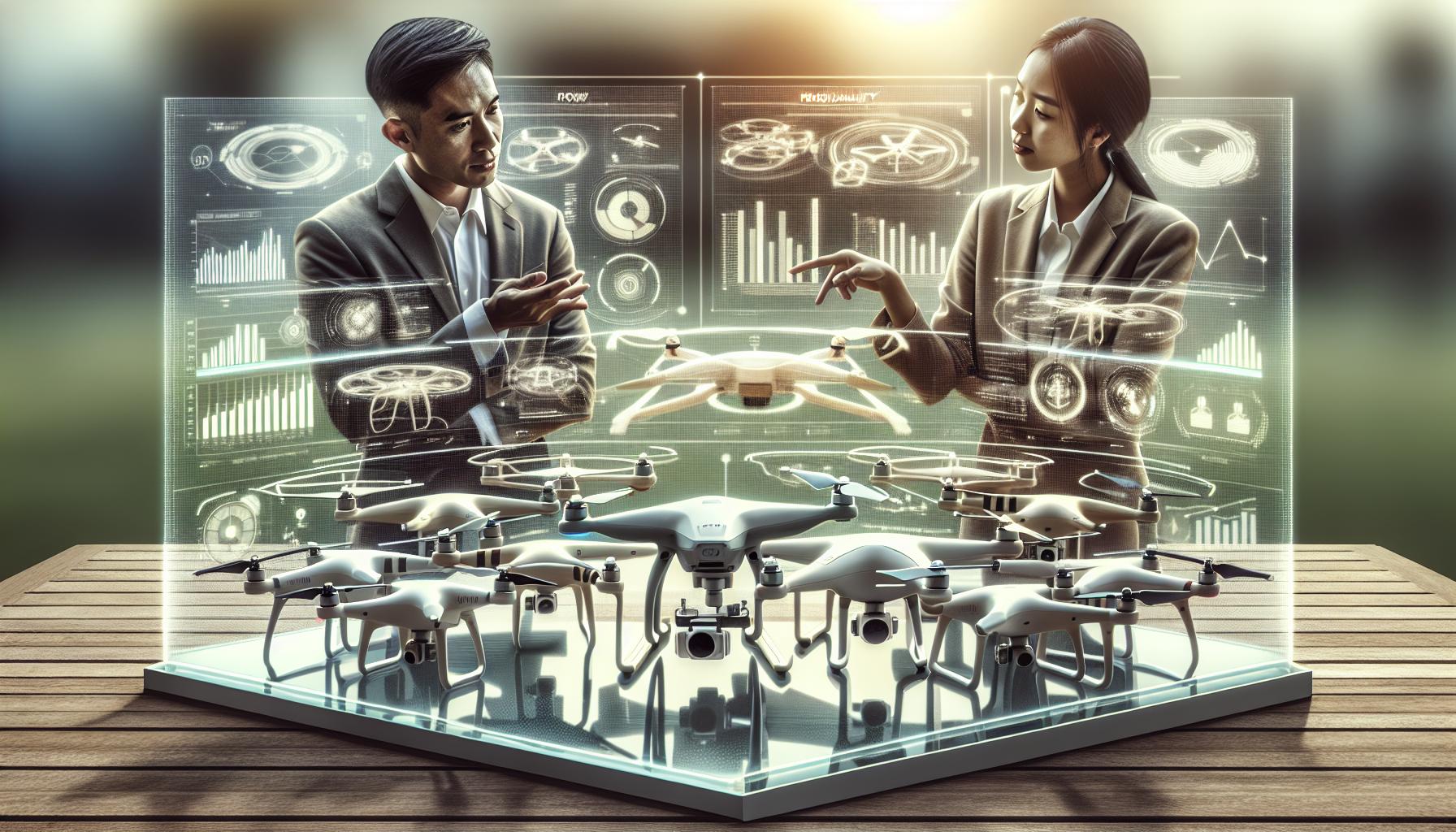
Growth Trends: DJI Drone Sales Over the Years
The past decade has witnessed a remarkable surge in the popularity and sales of DJI drones, showcasing a steadfast growth trend fueled by innovation and expanding applications across various sectors. From the introduction of the Phantom series to the latest high-end Mavic and Mini models, DJI’s commitment to quality and cutting-edge technology has reinforced its dominant market position. In the United States, their drones have become synonymous with aerial photography and videography, attracting both hobbyists and professionals alike.
Sales figures illustrate this impressive trajectory. For instance, following the launch of the DJI Mini 2 and Mavic Air 2, sales skyrocketed, with reports indicating a jump of nearly 50% year-over-year during crucial release periods. The allure of advanced features, such as 4K video capabilities and sophisticated stabilization technology, combined with more accessible price points, has made DJI drones appealing to a broader consumer base. As more users enter the drone community, the demand for both entry-level and professional models continues to rise, reflecting a healthy and diversifying market.
Moreover, the integration of user-friendly technology-like DJI’s intuitive mobile apps and automated flight modes-enhances the user experience, lowering barriers to entry and encouraging novice pilots to engage. This trend is evident as DJI increasingly nurtures new pilots’ skills through online resources and community support, leading to higher retention rates within the hobby sector. In the professional domain, DJI drones are being harnessed for more specialized applications such as real estate photography, environmental monitoring, and infrastructure inspections, further solidifying their role as indispensable tools across industries.
In summary, DJI’s sales growth reflects an evolving market characterized by increasing consumer interest and innovative technological advancements. As drone technology continues to progress and new regulatory frameworks emerge, looking ahead, DJI is well-positioned to maintain and expand its market share in the U.S., paving the way for further integration of drones into everyday applications and industries.
Factors Influencing DJI Drone Adoption in the US
The rapid acceptance of DJI drones in the U.S. can be attributed to several key factors that extend across technology, community engagement, and evolving regulatory landscapes. One of the most significant influences on drone adoption is the impressive technological advancements integrated into DJI models. Features such as user-friendly interfaces, automated flight modes, high-resolution cameras, and advanced stabilization technologies have made these drones more accessible to novices while satisfying the sophisticated needs of professionals. For instance, the DJI Mini series offers a lightweight, compact solution ideal for recreational users, whereas the Mavic series caters to serious aerial photographers and videographers looking for professional-grade equipment.
In addition to their technological edge, DJI has cultivated a robust user community that enhances the ownership experience. Through online forums, tutorials, and dedicated resources, new users can quickly learn essential flying skills and troubleshooting techniques, fostering a supportive environment. This engagement not only increases user confidence but also encourages long-term adoption. The availability of diverse content-from beginner guides on setup and operation to advanced techniques like gimbal calibration and flight mode selection-ensures that pilots at all levels find value in their drone ownership journey.
Moreover, the shifting regulatory environment plays a crucial role in shaping the landscape for drone users. As the Federal Aviation Administration (FAA) refines its regulations concerning drone operation, DJI has proactively adapted by ensuring compliance and providing users with the necessary tools to fly legally and safely. This includes features that facilitate understanding of local airspace rules, no-fly zones, and compliance notifications, which greatly reduce apprehension among potential buyers concerned about legal issues.
Understanding the consumer demographics behind DJI drone purchases is also vital. Hobbyists, professionals, educators, and commercial users each have distinct needs and motivations-ranging from aerial photography and filmmaking to agriculture and infrastructure inspection. This broad spectrum of applications contributes to a larger market, as each user segment drives demand for different types of drones tailored to specific purposes. Overall, these interconnected factors-innovative technology, community support, regulatory clarity, and diverse user demographics-continue to fuel the significant adoption of DJI drones in the American market.
Consumer Demographics: Who Is Buying DJI Drones?
In recent years, the ownership of DJI drones has surged across a diverse range of consumer demographics, with buyers drawn from both recreational and professional backgrounds. As the technological capabilities of these drones continue to evolve, understanding who is purchasing them sheds light on market trends and preferences. DJI drones appeal not only to hobbyists and enthusiasts looking for high-quality aerial imaging tools but also to a growing segment of commercial users who leverage drone technology for specific industry applications.
Hobbyists and Enthusiasts
The largest segment of DJI drone purchasers consists of hobbyists who enjoy aerial photography, videography, and recreational flying. Many of these buyers gravitate towards the DJI Mini and Mavic series due to their balance of portability, ease of use, and advanced features. With the Mini series, for instance, users appreciate the lightweight design, making it ideal for casual outings and travel. Simultaneously, the Mavic line offers more sophisticated features, attracting those who aim to capture stunning visuals without needing extensive technical knowledge.
Commercial Users and Professionals
Professionals across various industries are increasingly adopting DJI drones for applications such as real estate, agricultural monitoring, construction site surveying, and environmental research. These users often opt for higher-end models like the Mavic 3 or the Matrice series, which provide enhanced imaging capabilities, longer flight times, and specialized equipment compatibility. For instance, real estate agents use drones to produce aerial videos and photos that significantly elevate property listings, while agricultural professionals utilize drones for crop monitoring, optimizing field management practices.
Educational Institutions and Researchers
Educational institutions and researchers also represent a growing demographic among DJI drone buyers. Schools and universities incorporate drones into their curriculums to teach students about technology, aviation, and environmental science. Moreover, researchers deploy drones for data collection in fields such as geography and ecology. The multifunctionality of DJI drones, such as their ability to carry various sensors and cameras, makes them invaluable tools in both educational and practical applications.
In summary, the consumer demographic for DJI drones is multifaceted, comprising casual users, established professionals, and academic institutions. Each group is driven by distinct needs, yet they all contribute to the expanding market for DJI products, emphasizing the brand’s versatility and innovative technology. As the drone market continues to grow, so too will the diversity of its user base, opening up new opportunities for tailored drone solutions that meet the unique demands of different segments.
Comparing DJI Drones: Features and Specs Breakdown
When considering a DJI drone, understanding the intricacies of their features and specifications can be the key to selecting the right model for your needs. DJI offers a diverse line-up ranging from the compact Mini series to the advanced Phantom and Mavic series, each designed to cater to various skill levels and purposes.
Camera Capabilities
The heart of any drone lies in its camera. Models like the Mavic 3 feature a 4/3 CMOS sensor that ensures stunning image quality and up to 5.1K video recording. In contrast, the Mini 2 offers a more modest 12 MP camera with 4K video capabilities, making it a fantastic choice for beginners and casual filmmakers. When comparing drones, consider the megapixel count, video resolution, and whether features like HDR or 60 fps at 4K are essential for your projects.
Flight Performance
Flight time and range are critical considerations for aspiring drone photographers and professionals alike. The Mavic 3 boasts up to 46 minutes of flight time, thanks to its powerful battery, while the Mini 3 can stay airborne for about 34 minutes, making it ideal for longer shoots without frequent recharges. Additionally, many DJI drones come equipped with advanced features such as omnidirectional obstacle sensing, which enhances safety during complex flights, particularly in tight spaces or urban settings.
Portability and Design
Portability can significantly influence your purchase decision, especially for travel enthusiasts. The Mini series, renowned for its lightweight and compact design, can easily fit into backpacks, facilitating spontaneous outdoor adventures. On the other hand, the Mavic series is designed for foldability and compactness but offers more advanced features and capabilities that appeal to serious users.
Smart Features and Modes
Modern DJI drones often come with intelligent shooting modes like ActiveTrack, QuickShots, and Waypoints, catering to users looking to capture dynamic videos effortlessly. For instance, the Mavic Air 2’s ActiveTrack 3.0 ensures subject focus while avoiding obstacles, making it perfect for capturing action shots. For those new to drone flying, spending time exploring these features can enhance your shooting experience and lead to creative results.
In summary, understanding the features and specifications of various DJI drone models allows buyers to align their choices with their intended use-whether for casual hobby shooting, professional cinematography, or industrial applications. With careful consideration of camera quality, flight performance, design, and smart functionality, you can empower your aerial photography journey with the right tools.
Understanding Regulatory Impacts on DJI Drone Usage
Operating DJI drones in the U.S. comes with a comprehensive regulatory framework that potential pilots must navigate to ensure compliance and safe usage. The Federal Aviation Administration (FAA) regulates all civilian drone flights, and understanding these regulations is crucial for both hobbyists and commercial users alike. Restrictions can vary significantly based on your flight purposes, such as recreational versus commercial use.
In the U.S., drone operators must adhere to the FAA’s Part 107 rules for commercial activities. This includes obtaining a Remote Pilot Certificate, maintaining visual line-of-sight with the drone, and not flying over people or in controlled airspace without proper authorization. For recreational flyers, while there is no certification required, adherence to community-based safety guidelines is essential, as is registering drones that weigh over 0.55 pounds. Local laws can also impose additional restrictions, such as no-fly zones near airports or certain government facilities.
Licensing and Certification
For commercial drone users, obtaining the Part 107 license involves passing a written exam that covers topics such as airspace classification, weather, and flight restrictions. Pilots must also be knowledgeable about aircraft operations, emergency procedures, and drone maintenance. It is also recommended to stay updated on evolving regulations since changes can occur that may affect operational protocols.
Local Regulations
Beyond federal regulations, drone operators should be aware of local laws and restrictions. Many cities have their own rules regarding drone use, especially in public parks, urban areas, and near sensitive sites like schools and hospitals. For example, certain municipalities may prohibit drone flying entirely or require permits for specific activities. Understanding and respecting these local regulations can prevent legal issues and promote safer flying environments.
With additional considerations such as insurance and liability coverage becoming increasingly important, understanding these regulatory impacts not only protects operators but also enhances the legitimacy and acceptance of drone usage within communities. Keeping abreast of both federal and local regulations, along with continuous education and training, empowers DJI drone pilots to fly safely, responsibly, and with confidence.
The Role of DJI Drones in Various Industries
The emergence of DJI drones has transformed various industries, demonstrating remarkable versatility and efficiency. From aerial photography in filmmaking to agricultural management, the applications are as diverse as they are impactful. For example, in construction, DJI drones facilitate site surveys and progress monitoring by capturing high-resolution images and 3D mapping data, enabling architects and engineers to make informed decisions quickly. This tool minimizes manual labor and enhances safety by allowing operators to assess conditions from a distance.
In agriculture, DJI drones equipped with multispectral cameras provide farmers with critical insights into crop health and soil quality. By gathering data on moisture levels and plant vigor, farmers can optimize irrigation and apply fertilizers more efficiently, ultimately leading to higher yields and reduced resource waste. This precise data collection plays a vital role in the future of sustainable farming practices.
The public safety sector has also benefited significantly from DJI drones. Emergency services utilize them for search and rescue missions, giving responders a comprehensive aerial view of large areas in real-time. Additionally, during disaster management, drones can assess damage quickly and guide resource allocation effectively. The ability to cover vast terrains rapidly can mean the difference between life and death in critical situations.
The integration of DJI drones into these industries is not just about innovation-it’s also about compliance and improving operational efficiencies. The ability to automate tasks traditionally performed manually allows for enhanced productivity while maintaining a focus on safety and regulatory standards. As drone technology continues to evolve, industries are finding new and creative ways to harness their capabilities, ensuring DJI remains a dominant player in the drone market.
Common Use Cases for DJI Drones in the US
DJI drones have become indispensable tools across various sectors in the United States, each finding unique applications that leverage aerial capabilities to enhance productivity and refine processes. Whether employed for recreational purposes or professional applications, the versatility of DJI drones caters to an extensive range of use cases.
In construction and real estate, DJI drones such as the Mavic and Phantom series are employed for aerial surveying and mapping, providing high-resolution images and 3D renditions of construction sites. These drones allow project managers and architects to monitor progress, ensure adherence to designs, and identify potential issues from an elevated vantage point. By integrating drone technology into their workflows, companies can significantly reduce the time and resources typically required for ground-based inspections.
Agriculture stands as another prominent sector benefiting from DJI’s drone technology. With specific models equipped with multispectral cameras, farmers can perform precision agriculture analysis-detecting crop health, assessing soil conditions, and even optimizing irrigation and pesticide application. This data-driven approach not only increases crop yields but also minimizes waste, playing a crucial role in sustainable farming practices that are becoming increasingly vital in today’s world.
Public safety and emergency response agencies find invaluable applications for DJI drones during critical missions. Drones are used in search and rescue operations, providing real-time aerial footage that can significantly speed up the process of locating missing persons or managing disaster response. For instance, during wildfires or floods, drones can survey vast areas quickly, offering crucial insights that facilitate more effective resource allocation and risk management.
In summary, the diverse applications of DJI drones range from enhancing operational efficiency in construction to promoting sustainable practices in agriculture, as well as supporting critical public safety efforts. As drone technology continues to evolve, its integration into these various fields is likely to deepen, expanding the potential use cases and enhancing DJI’s position in the market.
Challenges Facing DJI Drone Growth in the American Market
The growth of DJI drones in the American market faces a myriad of challenges, heavily influenced by regulatory issues, technological complexities, and consumer perceptions. As drone technology continues to advance, understanding these barriers becomes crucial for enthusiasts and professionals alike.
One of the foremost challenges is the complex regulatory landscape governing drone usage. The Federal Aviation Administration (FAA) has implemented stringent guidelines that can hinder operational flexibility. For instance, remote pilots are required to adhere to Part 107 regulations, which include maintaining visual line of sight, obtaining waivers for night flying, and certifying with a remote pilot certificate. These rules can create frustration among potential users who wish to leverage drones for commercial purposes. Additionally, state and local regulations can further complicate matters, imposing restrictions on drone flights in certain areas, thereby limiting opportunities for businesses to utilize DJI drones effectively.
Another significant hurdle is the rapid pace of technological change. While DJI continuously innovates, introducing cutting-edge features and software updates, this can create a steep learning curve for users. Many drone operators struggle to keep up with the latest advancements, particularly those regarding firmware updates, geofencing updates, or new flight modes. For example, emerging technologies like obstacle avoidance and thermal imaging require operators to develop new skill sets, which can be daunting for newcomers. Consequently, this may deter potential buyers who feel overwhelmed by the technology rather than empowered by it.
Consumer perceptions also play a role in DJI’s market growth. While the brand is widely recognized for its quality and performance, concerns over privacy and safety can lead potential buyers to hesitate. High-profile incidents involving drones, such as unauthorized surveillance or accidents, contribute to these apprehensions. Addressing these concerns is crucial for DJI to expand its reach, as building trust within various demographics can lead to increased sales.
In summary, navigating regulatory complexities, keeping pace with technological advancements, and shifting consumer perceptions are vital challenges that DJI must overcome to strengthen its position in the U.S. drone market. By fostering education and open dialogue about regulatory requirements, promoting user-friendly technologies, and addressing privacy concerns transparently, DJI can enhance its market presence and appeal to a broader audience.
Future Projections for DJI Drones in the US Market
The drone market in the United States is on the brink of substantial transformation, driven by technological advancements, expanding consumer adoption, and increasing regulatory refinement. As of now, DJI holds a significant share, estimated to be over 70% in the consumer drone segment, and this dominance is projected to continue as they innovate and improve user experience. By introducing features such as enhanced flight autonomy, obstacle avoidance systems, and improved camera capabilities, DJI is poised to attract a wider audience, including both casual users and professionals.
In the next few years, we can expect a notable shift in the demographics of drone users. As educational initiatives grow and more individuals learn about drone technology, a younger, tech-savvy population is likely to emerge as a substantial market. This demographic shift can be bolstered by the rise of drone-related coursework in schools and universities, making drones more accessible to hobbyists and professionals alike. Moreover, the advent of user-friendly interfaces and comprehensive tutorials will diminish the intimidation factor that often accompanies new technology, thus empowering users to explore advanced functionalities with confidence.
Furthermore, the regulatory landscape is anticipated to evolve positively, fostering a more supportive environment for drone operations. As the FAA progresses with its Remote ID initiative and streamlines regulations, we will likely see a decrease in barriers for commercial drone usage. This evolution will not only enhance safety but also boost innovation and implementation across industries, including agriculture, real estate, and emergency services. Companies that leverage DJI drones will be better positioned to take advantage of these regulations, providing a wider array of services, from aerial surveying to public safety applications.
Investing in training and certification will become increasingly critical for users looking to maximize their drone capabilities. With DJI’s ongoing commitment to professional development courses and community engagement, they foster an ecosystem that encourages safe and responsible drone use. As these dynamics unfold, DJI drones are expected to become a staple in both the hobbyist realm and professional spheres, marking an exciting phase in the evolution of aerial technology in the United States.
How to Choose the Right DJI Drone for Your Needs
Choosing the appropriate DJI drone requires a nuanced understanding of your specific needs, whether you’re an enthusiastic hobbyist, a professional photographer, or a commercial operator. With the rapid growth of the drone market, DJI offers a diverse range of models, each equipped with unique features that cater to various applications. The first step in making an informed decision is to define your primary use case.
For casual users interested in aerial photography or recreational flying, models like the DJI Mini 3 or the Mavic Air 2 are excellent choices. These drones are lightweight, portable, and user-friendly, making them perfect for newcomers. The Mini 3, for instance, boasts impressive camera capabilities and an extended flight time of up to 38 minutes, allowing for extensive shooting opportunities without the hassle of frequent recharges.
Assessing Key Features
When evaluating which drone is best for you, consider the following aspects:
- Camera Quality: If high-resolution images and videos are a priority, look for drones with larger sensors and higher megapixels. The Mavic 3, for example, features a dual-camera system that captures stunning 20MP stills and 5.1K video.
- Flight Time: Longer flight times mean more quality capturing. Many DJI models offer flight times ranging from 30 to 46 minutes, depending on the model and conditions.
- Portability: For travelers and outdoor enthusiasts, weight and foldability are critical. Drones like the Mini series are designed for easy transport without compromising functionality.
- Advanced Features: Consider whether you need obstacle avoidance, follow modes, or automated flight paths, which can significantly enhance your flying experience and improve safety.
Understanding Your Skills and Comfort Level
Your comfort with technology and flying skills should also inform your choice. If you’re a beginner, opting for models with beginner-friendly flight modes and comprehensive tutorials, like the DJI Mini 2, can facilitate a smoother entry into the hobby. Additionally, consider investing in flight training or familiarizing yourself with simulators before taking to the skies.
Furthermore, understanding your regulatory obligations is paramount. Some regions have specific laws regarding drone usage, especially when it comes to commercial operations. Staying informed about local regulations will guide your drone choice, particularly if you plan on leveraging it for business purposes.
Ultimately, the right DJI drone for your needs is one that aligns with your intended use, technical skill level, and personal preferences, ensuring that you can fully leverage the capabilities of aerial technology while enhancing your experience in the sky.
Q&A
Q: How many DJI drones are currently registered in the US?
A: As of 2023, an estimated 1 million DJI drones are registered in the United States. This number is growing as more consumers and professionals adopt DJI products for various applications, from photography to commercial use.
Q: What is the market share of DJI drones in the US drone industry?
A: DJI dominates the US drone market, holding approximately 70% market share. This leadership is attributed to their extensive range of models, advanced technology, and strong customer support.
Q: Which DJI drone models are the most popular in the US?
A: The DJI Mini series, Mavic series, and Phantom series are among the most popular models in the US. The Mini models are especially favored for their portability and ease of use, appealing to both beginners and experienced users.
Q: How has the demand for DJI drones changed over the years?
A: Demand for DJI drones has significantly increased over the past decade, with annual sales growing due to advancements in technology and broader applications in industries like agriculture, real estate, and film production.
Q: What factors influence the sales of DJI drones in the US?
A: Factors influencing DJI drone sales include technological innovation, competitive pricing, regulatory ease, and increasing public awareness of drone applications. Additionally, the appeal of drone experiences in hobbies and professional fields drives sales.
Q: Who primarily buys DJI drones in the US?
A: The primary buyers of DJI drones in the US include hobbyists, professional photographers, filmmakers, and businesses in sectors such as agriculture, real estate, and emergency services. Each demographic values different features specific to their needs.
Q: What impact do regulations have on DJI drone sales in the US?
A: Regulations significantly impact DJI drone sales in the US by affecting how consumers and businesses can operate these devices. Clear regulatory guidelines can boost consumer confidence and increase sales, while ambiguity may hinder growth.
Q: How do DJI drones perform in various industry sectors in the US?
A: DJI drones are widely used across various sectors, including agriculture for crop monitoring, real estate for aerial photography, and emergency services for search and rescue. This versatility enhances their market presence and boosts sales.
Final Thoughts
As we’ve uncovered, the landscape of DJI drones in the U.S. continues to grow rapidly, with increasing demand among both hobbyists and professionals. This booming market not only highlights the innovative capabilities of DJI products but also emphasizes the need for aspiring pilots to understand their potential. Are you ready to take your drone experience to the next level? Explore our comprehensive guides on getting started with DJI drones and advanced flying techniques to enhance your skills and knowledge today.
Don’t miss out on the latest trends and insights in drone technology. Sign up for our newsletter for exclusive updates and tips that will help you stay ahead of the curve. Have questions or experiences to share about your DJI journey? We’d love to hear from you in the comments below! Remember, whether you’re interested in the Mavic series, Air models, or the latest Phantom drones, we are here to support your flying adventure. Your next exciting flight awaits!