Did you know that DJI, a leader in drone technology, has multiple manufacturing facilities around the world? Understanding where DJI drones are manufactured is crucial not just for enthusiasts and professionals who seek quality assurance, but also for those interested in the intricate supply chains that support cutting-edge technology. As demand for drones grows-whether for aerial photography, surveying, or recreational flying-the locations of their production offer insights into quality control, innovation, and the environmental considerations shaping the industry. This exploration into DJI’s manufacturing sites reveals not only the global footprint of this remarkable brand but also the commitment to craftsmanship and technological advancement. Join us as we uncover the factory locations where these remarkable devices come to life and the impact this has on your drone experience.
Where Are DJI Drones Manufactured?
Understanding the geographical landscape of where DJI drones are manufactured reveals a complex interplay of globalization and localized expertise. Shenzhen, China, serves as the heart of DJI’s operations, housing the company’s primary manufacturing facilities. Known as the “hardware capital of the world,” Shenzhen is a city renowned for its technological innovation and manufacturing prowess. Here, DJI benefits from a robust ecosystem that includes both suppliers and a skilled workforce proficient in advanced electronics and engineering.
In addition to Shenzhen, DJI has expanded its manufacturing footprint to incorporate various sites across China. This strategic diversification allows DJI to enhance its production capabilities and responsiveness to market demands. Notably, the company has also sought to increase its presence in the United States, reflecting a broader trend toward domestic drone component manufacturing. This move underscores the growing emphasis on national security issues and supply chain resilience, as highlighted by recent discussions surrounding U.S.-based motor and battery production efforts.
The centralized approach in Shenzhen enables DJI to maintain stringent quality control and innovative production techniques through a continuous feedback loop between engineering and production teams. By integrating cutting-edge technologies such as automation and robotics, DJI optimizes manufacturing efficiency while ensuring the quality and reliability of its drones. The company’s overseas endeavors not only aim at reducing dependency on foreign suppliers but also provide opportunities to cater to localized markets with region-specific product offerings. Such a dual strategy reinforces DJI’s commitment to both innovation and sustainability within the evolving drone market.
The Global Footprint of DJI’s Factories
Shenzhen, often dubbed the “Silicon Valley of Hardware,” stands as the cornerstone of DJI’s manufacturing operations, housing its headquarters and the majority of its production facilities. This strategic location is vital for its drone manufacturing business, where rapid technological advancements and a plethora of skilled engineers converge. The city’s vibrant ecosystem not only fosters innovation but also ensures that DJI has access to an unparalleled network of suppliers, enabling efficient production cycles and timely product launches.
In addition to its primary operations in Shenzhen, DJI has expanded its global footprint significantly. The company has set up facilities in various regions across China to meet the increasing demands of the drone market while enhancing its production flexibility. This decentralization allows DJI to ramp up manufacturing capabilities quickly in response to trends, ensuring that they can deliver the latest technology to their consumers without facing severe delays. Beyond China, DJI is also eyeing opportunities in the United States, with a focus on local component production. This expansion has become increasingly relevant in light of rising national security considerations and the quest for supply chain robustness.
To maintain product excellence, DJI utilizes advanced manufacturing techniques, integrating automation and cutting-edge robotics within its assembly lines. This approach not only enhances operational efficiency but also plays a critical role in upholding strict quality assurance standards. By fostering close collaborations between engineers and production teams, DJI continually refines its processes, leading to high-quality, reliable drones that cater to various market needs-from recreational users to professional filmmakers.
The implications of DJI’s manufacturing locations extend beyond production capacity; they significantly influence pricing strategies and sustainability practices. By situating operations in cost-effective regions, DJI can keep its drone prices competitive while also addressing environmental concerns through localized operations. This strategic mindset enables DJI to remain at the forefront of the drone industry, ready to tackle future challenges while delivering exceptional products to its global customer base.
Key Locations of DJI Drone Production

Shenzhen has firmly established itself as the epicenter of DJI’s drone manufacturing operations, but the company’s production extends well beyond this Chinese metropolis. With its headquarters located in Shenzhen, DJI benefits from the region’s rich ecosystem of technology innovation, skilled labor, and a vast network of suppliers. This concentration of resources supports rapid prototype development and product iteration, allowing DJI to push the boundaries of drone technology efficiently. However, the company’s strategic approach also involves diversifying its manufacturing footprint to enhance scalability, reduce risks, and respond to global market demands.
Beyond Shenzhen, DJI operates several other production facilities across different regions in China, including cities like Zhejiang and Chengdu. These locations not only serve as auxiliary manufacturing sites but also enable the company to optimize logistics and sourcing operations. By decentralizing its production, DJI can quickly adjust to fluctuations in demand and ensure a steady supply of its popular drone models, such as the Mavic and Phantom series. Moreover, DJI is exploring potential facilities in the United States, driven by the desire to bolster supply chain resilience and mitigate geopolitical risks, especially given current concerns regarding national security and trade tensions.
The company’s global approach ensures that it can harness the advantages of various markets while maintaining stringent quality control standards. Each facility adheres to DJI’s commitment to excellence, employing advanced manufacturing techniques and automation systems to produce high-quality drones. For instance, the integration of robotics in assembly lines not only enhances efficiency but also minimizes human error, leading to superior product reliability. This meticulous attention to detail across all locations empowers DJI to deliver innovative products that meet the diverse needs of both amateur enthusiasts and professional operators around the world.
Overall, while Shenzhen remains central to DJI’s operations, the company’s multi-site production strategy illustrates its commitment to adaptability and excellence in the fast-evolving drone market. As DJI continues to expand its global footprint, it expertly balances between optimizing costs and enhancing quality, ensuring it stays ahead of the competition while retaining the trust of its consumers.
Inside DJI’s Major Manufacturing Facilities
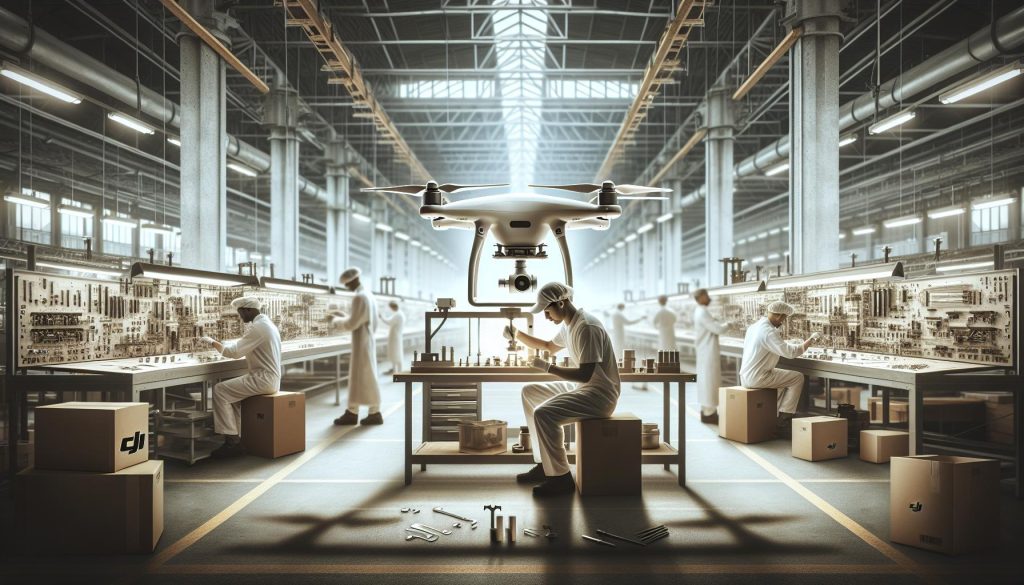
Within DJI’s major manufacturing facilities, cutting-edge technology and meticulous planning converge to produce some of the world’s most advanced drones. Central to this intricate operation is a harmonious balance between automation and skilled craftsmanship, allowing DJI to maintain its reputation for high-quality, reliable products. Each factory is designed not only to maximize efficiency but also to facilitate innovation, enabling swift updates and iterations on existing models.
At the heart of these facilities is advanced robotics and automation. These technologies streamline the assembly process, reducing human error and enhancing repeatability. Automated systems handle everything from precision part placement to quality checks, ensuring that each component meets stringent DJI standards before proceeding to the next phase of production. In addition to automation, skilled technicians are essential for tasks that require a human touch, such as intricate wiring and final assembly of complex components like cameras and gimbals.
Quality Control Measures
Quality assurance is paramount in drone manufacturing, and DJI utilizes a multi-tiered approach to uphold its high standards. Each manufacturing stage is subjected to rigorous inspection processes, ensuring that any defects are identified early in the production line. This not only minimizes waste but also maximizes customer satisfaction by delivering defect-free products. The incorporation of real-time data analysis helps the company make immediate adjustments in case of anomalies, further ensuring quality consistency.
The Role of Collaboration
Collaboration among various teams is vital within DJI’s manufacturing ecosystem. Engineers, designers, and assembly line workers work closely, often meaning that feedback loops are rapid. This synergy enables swift modifications to the manufacturing process in response to new innovations or customer feedback. Engaging in this collaborative environment empowers employees at all levels, fostering a culture of continuous improvement that drives DJI towards the forefront of the drone industry.
By leveraging sophisticated technologies and a team-focused approach, DJI’s manufacturing facilities are not just factories; they are innovation hubs that continually push the boundaries of what drones can achieve. As the drone industry evolves, DJI’s commitment to enhancing their production capabilities ensures they remain a leading player in a highly competitive market.
The Role of Shenzhen in Drone Manufacturing

Shenzhen, often dubbed the “Silicon Valley of China,” plays an essential role in the global drone manufacturing landscape, particularly for DJI. This bustling metropolis is not just home to one of the world’s most prolific drone manufacturers; it is also a hub of innovation and technology that fuels the entire industry. The city’s strong ecosystem combines suppliers, engineers, and logistical support, creating a collaborative environment where cutting-edge drone technology can thrive. Such concentration of expertise and resources enables DJI to stay ahead of the competition while continuously advancing its products.
The advantages offered by Shenzhen are manifold. First, the city hosts numerous suppliers that provide everything from raw materials to high-tech components like circuit boards and sensors. This infrastructure allows DJI to maintain flexibility and reduce lead times when it comes to new product development. Moreover, Shenzhen’s proximity to a vast network of logistics and transportation facilitates efficient shipping and delivery, crucial for meeting the demands of an increasingly global customer base. As a result, DJI can rapidly adapt to market changes, launching new models almost in real-time and ensuring that their latest innovations reach consumers without significant delays.
In addition to its logistical and supply chain advantages, Shenzhen is also a magnet for talent in the tech sector. The city’s universities and technical schools churn out skilled graduates who are well-versed in engineering and design, fostering a pool of talent from which DJI can draw. This influx of fresh ideas and technical prowess contributes to the company’s ability to innovate continuously. Furthermore, Shenzhen’s culture promotes a startup mentality, encouraging engineers and developers to experiment and collaborate, which is vital for pushing the boundaries of drone technology.
While DJI’s manufacturing prowess is grounded in Shenzhen, the company is also mindful of the broader implications of its operations. An emphasis on quality control, ethical manufacturing practices, and environmental sustainability is integral to the brand’s identity. By aligning its manufacturing processes with these principles, DJI not only enhances its reputation but also contributes positively to the local economy and community. This dedication to responsible manufacturing is one of the myriad reasons why Shenzhen is a pivotal location for DJI and the broader drone industry.
Exploring DJI’s Supply Chain Dynamics

The complexity of DJI’s supply chain is a pivotal factor that contributes to the company’s status as a leader in the drone industry. By strategically positioning its suppliers and manufacturing capabilities primarily in Shenzhen, DJI can leverage both efficiency and innovation, making it easier to respond to market demands swiftly and effectively. This localized approach to supply chain management not only reduces logistics costs but also minimizes delays, allowing DJI to continuously roll out new products and updates without compromising on quality.
The company’s supply chain dynamics involve an intricate interplay between raw material sourcing, component manufacturing, and assembly processes. DJI collaborates closely with local suppliers who provide essential components such as batteries, cameras, and electronic circuit boards. This collaborative ecosystem allows for rapid prototyping and iterative design enhancements, enabling products to evolve based on the latest technological advancements and consumer feedback. Moreover, with Shenzhen being a hub for tech talent, DJI can easily recruit skilled engineers and developers, further enhancing its innovation pipeline.
Key Elements of DJI’s Supply Chain:
- Supplier Network: Predominantly located in Shenzhen, minimizing waiting times and transport costs.
- Local Manufacturing: Rapid production capabilities facilitated by a skilled workforce.
- Logistics Infrastructure: Efficient shipping processes due to the city’s extensive transport networks.
- Collaborative Innovation: Continuous feedback loops between design and manufacturing teams that enhance product features.
DJI also emphasizes flexibility within its supply chain to adapt to changing market conditions. For instance, when new regulations or consumer needs arise, the company can swiftly adjust its production lines without significant downtime. This agility is particularly crucial in an industry where technological capabilities are advancing rapidly and consumer expectations are constantly shifting.
Additionally, DJI is committed to responsible sourcing and ethical manufacturing practices. The company actively seeks out suppliers that align with its values, ensuring a positive impact on both the environment and local communities. By prioritizing sustainable materials and ethical labor practices, DJI not only enhances its brand reputation but also strengthens its supply chain’s resilience against potential disruptions, such as those caused by geopolitical tensions or global supply shortages.
In summary, the intricate and efficient supply chain dynamics that DJI has developed provide a substantial competitive edge. By combining local resources with a focus on innovation, agility, and ethical practices, DJI continues to set industry standards while ensuring that its production processes align with a commitment to quality and sustainability.
How DJI Ensures Quality in Production

DJI’s commitment to quality production is a cornerstone of its reputation as a leader in the drone industry. Each drone, from the consumer-friendly DJI Mini to the high-performance Mavic series, goes through a meticulous manufacturing process that integrates cutting-edge technologies and strict quality control measures. This ensures that every device not only meets but often exceeds industry standards for performance and reliability.
The quality assurance process begins well before assembly, involving stringent supplier vetting and component testing. DJI sources materials and parts predominantly from local suppliers in Shenzhen, allowing for close collaboration and real-time adjustments to quality standards. Each component, whether it’s the sophisticated camera or the resilient frame, undergoes rigorous testing for durability and performance, ensuring that they can withstand the demands of aerial photography and complex maneuvers.
Systems of Quality Control
Once manufacturing begins, DJI employs a series of automated systems and manual inspections at various stages of production. These procedures include:
- Pre-Production Testing: Components are tested for functionality before they enter the production line.
- In-Line Inspections: Each drone is subjected to inspections during assembly, which include checks on wiring, mechanical systems, and software integration.
- Final Quality Assurance: After assembly, drones undergo flight simulations to ensure they perform as expected in real-world conditions.
- Post-Market Surveillance: Even after a product is launched, DJI actively gathers user feedback and monitors performance data to identify any potential issues that may arise in the field.
Through this multifaceted approach to quality assurance, DJI not only protects its brand integrity but also fosters consumer trust. For hobbyists and professionals using DJI drones, knowing that every model has undergone such extensive quality validation allows for greater confidence in their equipment, ultimately enhancing the flying experience and helping users achieve their creative ambitions.
Moreover, quality does not simply mean meeting specifications; it encapsulates DJI’s ethos of innovation. The company continuously seeks feedback from users, creating a feedback loop that informs future designs and functionalities. As a result, new models regularly incorporate enhancements based on real-world usage, helping to propel the drone technology landscape forward while maintaining the highest quality standards.
Innovative Technologies Used in DJI Factories
At the heart of DJI’s manufacturing prowess lies a remarkable integration of cutting-edge technologies that drive efficiency, precision, and innovation. These advanced systems not only enhance production capabilities but also ensure the high quality and reliability that consumers expect from DJI drones. For instance, the use of automation in assembly lines has revolutionized the production process. Robotic arms equipped with intricate sensors and AI technology perform repetitive tasks with unmatched speed and accuracy, reducing human error and increasing production rates significantly.
One notable technology utilized in DJI factories is the adoption of computer vision systems. These systems facilitate real-time monitoring during assembly, ensuring each component aligns perfectly with design specifications. This technology can detect minute discrepancies, enabling corrective actions to be taken immediately, which is vital for maintaining stringent quality control standards. Furthermore, automated optical inspection systems analyze the drones at multiple manufacturing stages, assessing critical attributes like solder joints and overall build quality without slowing down the production line.
Additionally, data analytics plays a crucial role in optimizing DJI’s manufacturing processes. By analyzing vast amounts of production data, DJI can identify bottlenecks and inefficiencies in real-time. This proactive approach allows for continuous improvement initiatives, ensuring that manufacturing operations remain agile and responsive to any emerging challenges. The integration of IoT devices within the production environment permits seamless communication between machines, allowing for predictive maintenance and minimizing downtime.
Moreover, DJI’s commitment to sustainability is reflected in its manufacturing innovations. The use of environmentally friendly materials and energy-efficient production techniques not only mitigates the environmental impact but also aligns with global trends towards more sustainable practices. This holistic approach reflects DJI’s recognition that advanced manufacturing technologies can enhance both product performance and environmental responsibility, appealing to a growing demographic of eco-conscious consumers.
Incorporating these innovative technologies into its manufacturing facilities not only solidifies DJI’s status as a leader in the drone industry but also empowers users with devices that embody high standards of quality, performance, and sustainability.
The Impact of Manufacturing Locations on Drone Pricing
The location of manufacturing plays a crucial role in the pricing strategies of DJI drones, as several factors come into play, including labor costs, operational efficiencies, and logistics. DJI, headquartered in Shenzhen, China, strategically capitalizes on this region’s advantages. Shenzhen is not only a global hub for electronics manufacturing but also boasts a rich ecosystem of suppliers, engineers, and skilled labor. This concentration allows DJI to minimize costs while maximizing speed and innovation, ultimately reflecting on the consumer prices of their products.
Cost Influencers
Drones produced in regions with lower labor costs can lead to more affordable retail prices. For instance, while Shenzhen offers competitive wages, the abundance of local suppliers can reduce material costs significantly. Additionally, the efficiency of supply chains in these manufacturing locales can decrease shipping times and costs, further enabling DJI to offer competitive pricing. Here are some aspects that impact the pricing:
- Labor Costs: Lower wages in manufacturing hubs often correlate with reduced product prices.
- Supply Chain Efficiency: Proximity to suppliers can streamline operations, minimizing delays and expenses.
- Economies of Scale: High production volumes in well-established facilities can spread fixed costs over many units, lowering per-unit prices.
Market Position and Pricing Strategy
DJI employs a premium pricing strategy but adapts its approach depending on regional markets. In areas where competition is fierce, such as North America and Europe, the presence of localized manufacturing facilities can also influence pricing by allowing for faster turnarounds and better customer support. While manufacturing primarily resides in China, DJI has explored establishing additional facilities in other regions to mitigate tariffs and align better with local market demands, thereby influencing the retail pricing structure.
Ultimately, understanding the nuanced relationship between manufacturing locations and pricing can empower consumers to make informed purchasing decisions. Buyers should consider not only the cost but also the quality and innovation associated with DJI’s renowned manufacturing capabilities, solidifying the brand’s reputation within the competitive drone market.
Environmental and Labor Practices in DJI Factories
DJI’s commitment to responsible manufacturing practices is evident in both environmental and labor aspects within its production facilities. As a major player in the drone industry, DJI understands that its global footprint carries responsibilities. The company emphasizes sustainable practices and has taken significant steps to minimize its environmental impact by integrating eco-friendly materials in their products and optimizing factory processes to reduce waste and energy consumption. For instance, the use of recyclable materials in packaging and product design is a testament to their dedication to environmental stewardship.
Furthermore, labor practices in DJI’s factories are crucial not only for compliance but also for the company’s brand integrity. DJI reports on continuous improvements in worker conditions and strives to meet international labor standards. The company acknowledges the importance of fair wages, safe working conditions, and adequate employee training. By investing in workforce development and offering competitive compensation, DJI aims to foster a motivated and skilled labor force, essential for maintaining high product quality and innovation levels.
However, like many multinationals operating in China, DJI faces scrutiny regarding labor practices. The company has implemented regular audits and transparency measures to ensure compliance with local laws and ethical standards. These audits not only help in assessing working conditions but also provide insights into potential areas for improvement. Importantly, DJI is progressively working towards social responsibility initiatives that enhance the quality of life for its employees, such as healthcare programs and community development projects surrounding its manufacturing hubs.
In this fast-evolving industry, DJI’s proactive stance on environmental and labor practices reflects a broader commitment to corporate social responsibility, ensuring that both the planet and the people behind their innovative products are respected and prioritized. Balancing operational success with ethical considerations positions DJI as a leader not just in technology but also in sustainable manufacturing practices.
Understanding DJI’s Manufacturing Challenges
The competitive landscape of drone manufacturing is riddled with challenges that industry leaders like DJI must navigate. Scaling production while ensuring quality and keeping costs in check requires a delicate balance. One significant hurdle stems from the fast-paced technological advancements in the field. DJI must remain agile, quickly adapting to changes, whether in materials, manufacturing processes, or drone features. This means investing in research and development to pioneer new technologies while also upgrading existing production lines to accommodate these innovations.
Global supply chain disruptions, particularly since the COVID-19 pandemic, have further complicated manufacturing. DJI relies on a network of suppliers for everything from raw materials to components. Delays or shortages can stall production timelines and inflate costs. To counteract this, DJI has been diversifying its supplier base and investing in local sourcing where possible, aiming not only to minimize risks but also to enhance its responsiveness to market demands.
Labor challenges also play a critical role in manufacturing operations. As a company that employs thousands, DJI faces the constant task of maintaining an effective workforce amid rising labor costs and the need for specialized skills. This demands continuous training and development programs to ensure that employees possess the necessary competencies to handle advanced manufacturing techniques. Moreover, the focus on improving labor conditions and meeting international standards remains paramount, as workforce satisfaction directly influences productivity and product quality.
Lastly, rising environmental awareness imposes additional constraints on manufacturing practices. DJI has to ensure compliance with stringent environmental regulations while enhancing the sustainability of its production processes. Implementing eco-friendly practices-such as using recyclable materials and reducing energy consumption-has become an integral part of DJI’s operational strategy. However, balancing these environmental initiatives with financial viability and market competitiveness remains an ongoing challenge that DJI must navigate carefully.
Future Trends in DJI Production and Technology
As the drone industry continues to evolve, DJI remains at the forefront, leveraging cutting-edge technologies and innovative production practices. A key trend in the future of DJI’s production is the integration of advanced automation within its manufacturing facilities. By employing robotics and AI-driven processes, DJI can enhance precision and efficiency, resulting in higher-quality drones that meet the increasing demands of both hobbyists and professional users. This automation not only speeds up production timelines but also helps reduce human error, which is crucial in maintaining DJI’s high standards of reliability.
Another pivotal area is the push towards sustainable manufacturing. As environmental concerns grow, DJI is increasingly focusing on implementing eco-friendly practices in its production lines. This includes utilizing recyclable materials, reducing waste, and enhancing energy efficiency in its facilities. Future trends will likely emphasize the circular economy, where materials are reused, and products are designed for longevity. By adopting these practices, DJI enhances its reputation as a responsible leader in the global market while responding to consumer preferences for sustainable products.
Furthermore, the evolving landscape of technological advancements will continue to shape DJI’s production approach. The company is expected to invest heavily in research and development to explore new materials, such as lightweight composites and innovative battery technologies, which can improve flight times and performance. Additionally, the incorporation of internet-of-things (IoT) technologies for real-time monitoring of production metrics will allow DJI to enhance operational efficiencies while swiftly adapting to industry shifts.
Looking ahead, DJI’s commitment to continuous improvement in production technologies will ensure that it not only meets but exceeds the expectations of its diverse user base. By blending cutting-edge manufacturing practices with a strong dedication to sustainability and innovation, DJI is poised to maintain its leadership in the competitive landscape of drone manufacturing.
Frequently Asked Questions
Q: Where are most DJI drones manufactured?
A: Most DJI drones are manufactured in Shenzhen, China, where the company has its main production facilities. Shenzhen plays a crucial role in the global supply chain for drone technology, leveraging its advanced manufacturing capabilities and proximity to components suppliers.
Q: How does DJI ensure quality in its manufacturing process?
A: DJI employs stringent quality control measures, including regular testing and inspections throughout the production process. The company utilizes cutting-edge technology and automation in its factories to maintain high standards of production quality, ensuring their drones meet rigorous performance benchmarks.
Q: What are the primary locations of DJI’s production facilities?
A: In addition to Shenzhen, DJI has manufacturing facilities in other regions, including Hong Kong and possibly locations in Europe to support international demands. This strategic placement helps streamline logistics and reduce delivery times for customers across the globe.
Q: Why is Shenzhen significant for drone manufacturing?
A: Shenzhen is significant due to its reputation as a tech hub with a highly skilled workforce, advanced infrastructure, and a collaborative ecosystem of suppliers and innovators. This environment fosters rapid prototyping and production, critical for companies like DJI that prioritize innovation in drone technology.
Q: Are DJI drones manufactured outside China?
A: While the bulk of DJI’s drone production occurs in China, the company has explored manufacturing in other countries, including potential partnerships and facilities in the United States and Europe, aiming to expand its global footprint and adapt to varying market regulations.
Q: What challenges does DJI face with its manufacturing processes?
A: DJI faces challenges like fluctuating supply chain dynamics, regulatory changes, and the need for sustainable practices. These factors can impact production efficiency and cost, prompting the company to continuously innovate and adapt its manufacturing strategies.
Q: How does the location of manufacturing impact DJI drone pricing?
A: The manufacturing location can significantly impact pricing due to differences in labor costs, logistics, and tariffs. By strategically situating its manufacturing in cost-effective regions like Shenzhen, DJI can keep prices competitive while maintaining quality.
Q: What innovative technologies are used in DJI’s manufacturing?
A: DJI utilizes advanced robotics, automation, and AI-driven quality assurance systems in its manufacturing processes. These technologies enhance operational efficiency, reduce human error, and aid in the swift production of high-quality drones.
In Conclusion
Now that you know where DJI drones are manufactured and the quality behind these products, it’s time to elevate your drone game. Understanding these factory locations enhances your trust in DJI’s commitment to excellence, ensuring you fly with confidence. Don’t miss out on more essential insights; explore our in-depth reviews of the latest drone models like the Mini, Mavic, and Phantom to find your perfect match.
Interested in expanding your skills? Check out our guides on drone setup, firmware updates, and advanced flight modes to optimize your flying experience. Join our newsletter for exclusive tips and resources-you won’t want to miss the next big update in the drone world. Share your thoughts or experiences in the comments, and let’s connect over our shared passion for aerial innovation. Explore further to keep your skills sharp and your knowledge up-to-date!