In the world of drones, DJI stands out as a leader, praised for innovation and quality. But have you ever wondered where these exceptional flying machines are made? Understanding the manufacturing process and locations of DJI drones not only enhances your appreciation for the technology but also provides insights into the brand’s commitment to quality control and distribution. Whether you’re a seasoned pilot or a curious beginner, knowing the origins of your drone can deepen your connection to it and guide informed purchasing decisions. Explore with us as we uncover the intricacies of DJI’s manufacturing, revealing how seamless integration of technology happens on the factory floor and what that means for your flying experience. Dive into this complete guide and satisfy your curiosity about the birthplace of the drones that capture breathtaking aerial views and elevate your adventures.
Where Are DJI Drones Manufactured? A Global Overview
The intricate world of DJI drone manufacturing is as captivating as the technology itself, with its roots deeply embedded in China, notably in Shenzhen, where DJI was founded. Shenzhen has emerged as a global tech hub, fostering innovation and providing a robust supply chain. However, DJI has strategically expanded its manufacturing presence across various countries, such as the United States and Europe. This diversification not only allows for better compliance with regional regulations but also helps in minimizing shipping costs and improving delivery times for customers worldwide.
Understanding where DJI drones are manufactured is essential for both potential buyers and industry enthusiasts. The majority of components, including critical parts like motors and camera systems, are typically sourced and assembled in China. Still, certain models may include components manufactured in other countries to enhance their appeal in international markets or to navigate local legislation. For instance, some of DJI’s models may incorporate parts from European manufacturers, reflecting a nuanced approach to global supply chains and demand.
Furthermore, DJI’s commitment to quality control is evident in their use of advanced assembly technologies and stringent testing protocols throughout their manufacturing processes. By harnessing automation and sophisticated quality assurance measures, DJI ensures that each drone not only meets high standards of performance but also adheres to comprehensive safety guidelines. This meticulous attention to detail positions DJI as a leader in the competitive drone market, impacting user experience from seamless assembly lines to the skies.
To address potential buyers’ concerns about product consistency and reliability, DJI has implemented standardized procedures across its various manufacturing locations. These practices ensure that regardless of where a drone is assembled, users can expect the same exceptional performance and durability. The company’s global manufacturing strategy not only focuses on cost-effectiveness but also emphasizes sustainability and ethical production practices, which are increasingly important to consumers in today’s market.
The Evolution of DJI’s Manufacturing Locations
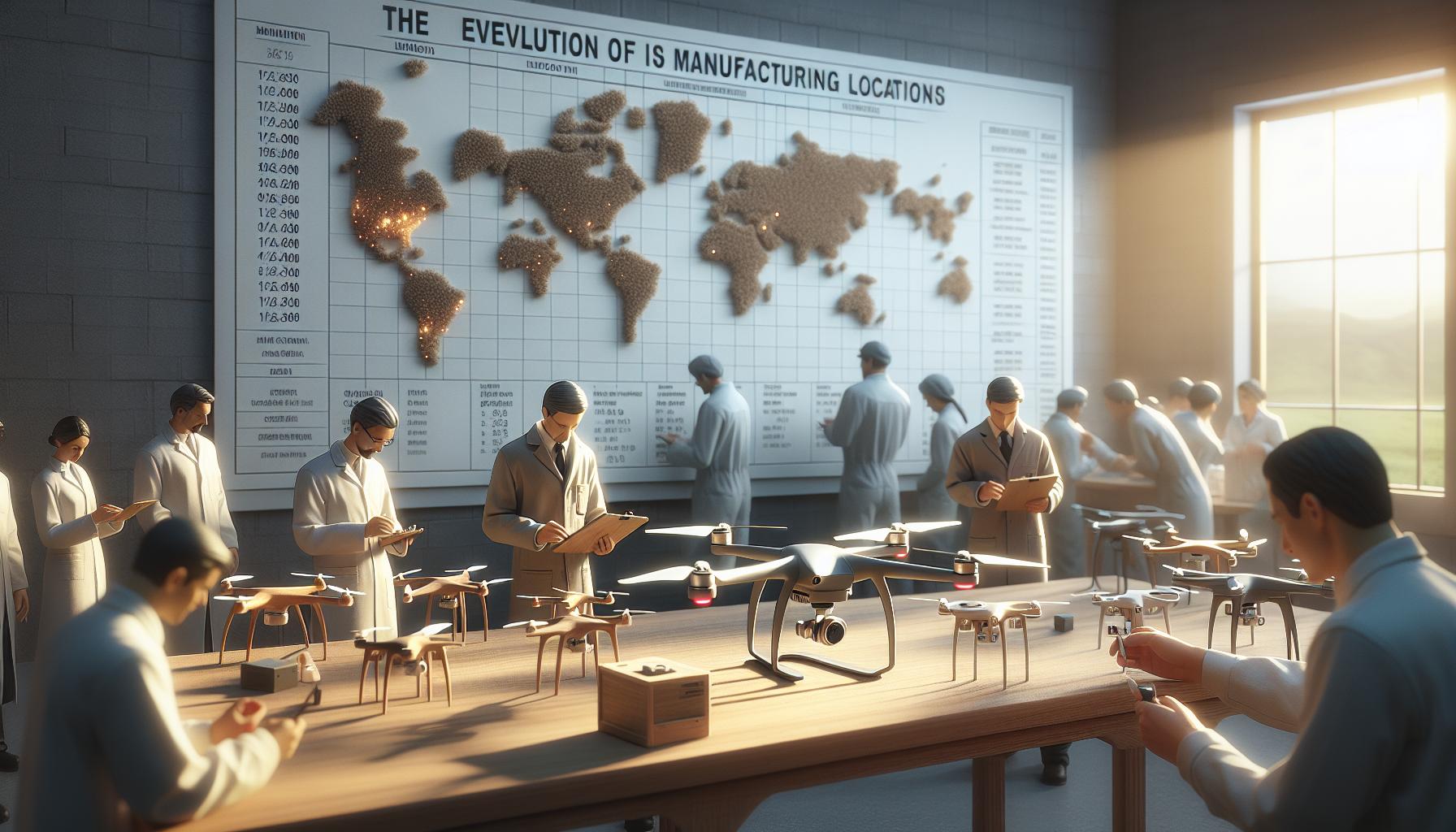
The journey of DJI’s manufacturing locations reflects the company’s commitment to innovation and adaptability in a fast-evolving technological landscape. Started in Shenzhen, China, DJI emerged in a city renowned as a global tech hub, where high-end manufacturing meets rapid development. Initially, most operational processes-from design, prototyping, to final assembly-were centralized in Shenzhen, allowing for close collaboration between engineers and manufacturers. This concentration helped DJI to quickly iterate on product designs, implement enhancements, and maintain control over quality from the ground up.
As DJI grew, the need for a more diversified manufacturing strategy became apparent. This evolution was driven not only by increasing global demand but also by the complexities of international regulations and market dynamics. To meet these challenges, DJI strategically established manufacturing partnerships in other regions, including the United States and various European countries. These expansions facilitate compliance with local regulations and minimize shipping times, thus enhancing customer satisfaction. By sourcing components from local suppliers and assembling products closer to key markets, DJI can respond more swiftly to consumer needs while also navigating the legal landscape of drone operation more effectively.
Manufacturing Partnerships: A Key to Success
DJI’s approach to manufacturing is underscored by robust partnerships. Collaborations with established overseas manufacturers enable the company to expand its product offerings while leveraging local expertise. This not only aids in adhering to regulatory frameworks but also enhances the overall quality and performance of DJI’s drones. For instance, in certain models, you might find high-quality camera systems sourced from reputable European manufacturers, signifying DJI’s commitment to excellence through strategic alliances.
In addition to operational efficiency, this global manufacturing landscape allows DJI to maintain high standards of production. By employing advanced technologies and automation across different facilities, the company effectively enforces consistent production practices. This ensures that every drone, regardless of where it’s manufactured, meets DJI’s stringent quality benchmarks, solidifying its status as an industry leader and offering peace of mind to both hobbyists and professionals alike.
Understanding DJI’s Supply Chain Dynamics
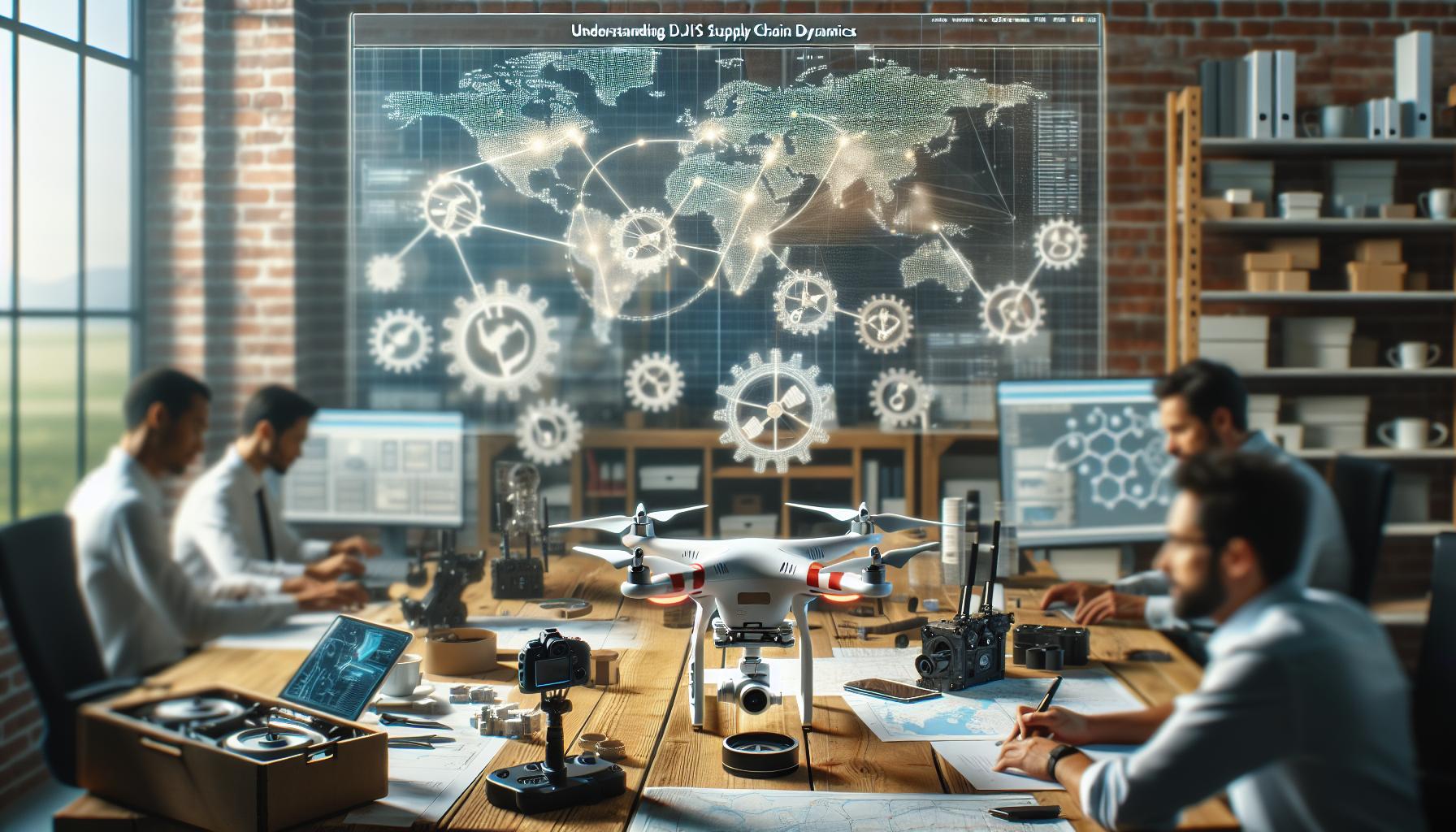
Understanding the complexities of DJI’s supply chain dynamics reveals how this market leader maintains its competitive edge in the drone industry. DJI has meticulously crafted a multi-faceted supply chain that integrates various components and partners around the globe, enabling the company to respond to international demand while navigating regulatory challenges and geopolitical pressures.
The backbone of DJI’s supply chain is its ability to source high-quality materials and components from trusted suppliers worldwide. For instance, key electronic components may be sourced from Asia, while specialized cameras are often procured from established European manufacturers. This practice not only ensures that DJI’s drones are equipped with cutting-edge technology but also allows the company to leverage local expertise, enhancing the final products’ performance and reliability. Additionally, this diversified sourcing strategy mitigates risks associated with dependency on a single manufacturing hub, especially in a landscape where trade tensions can disrupt supply chains.
Logistically, DJI employs advanced technology and data analytics to optimize its supply chain operations. This includes real-time inventory management systems that streamline production schedules and facilitate efficient distribution channels. By using predictive analytics, DJI can anticipate demand fluctuations and adjust its procurement strategies accordingly, reducing lead times and improving customer satisfaction. Such proactive management is crucial in an industry characterized by rapid technological advancements and evolving consumer preferences.
Furthermore, establishing manufacturing facilities in various regions has enhanced DJI’s agility in meeting local regulations. For example, by producing certain drone models in the U.S. or Europe, DJI not only reduces shipping costs and delivery times but also aligns with compliance standards that may differ from those in China. This regional approach to manufacturing allows DJI to effectively navigate the complex legal landscape of the drone industry while remaining committed to its market leadership.
In summary, DJI’s supply chain dynamics are a remarkable convergence of strategic sourcing, advanced logistics, and regulatory compliance, all aimed at delivering high-performance drones that meet global market demands. By understanding these intricacies, both hobbyists and professionals can gain deeper insights into how DJI maintains its innovative edge and ensures product availability in an ever-evolving industry landscape.
Quality Control Measures in DJI Drone Production
To ensure the highest standards in drone production, DJI implements rigorous quality control measures at every stage of its manufacturing process. This commitment to quality begins with the selection of suppliers and continues through to the final testing of finished products. By leveraging advanced technology and meticulous protocols, DJI guarantees that each drone meets the expectations of both hobbyists and professionals alike.
One key aspect of DJI’s quality control is its stringent supplier qualification process. Before a supplier is approved, DJI conducts thorough assessments to verify that the materials they provide meet specific quality standards. This is crucial because high-quality components, such as sensors and batteries, directly influence the performance and reliability of the drones. Additionally, ongoing audits and evaluations are performed to ensure compliance with DJI’s high standards over time.
Throughout the manufacturing process, DJI employs automated inspection systems and human oversight to monitor the assembly of drones. Each unit undergoes a series of tests, including function checks and safety assessments. For instance, during the assembly of the gimbal-a critical component for stabilization-engineers perform precision calibrations that ensure optimal performance. Furthermore, drones are subjected to environmental tests that simulate real-world conditions, verifying their durability and functionality in various settings.
The final quality assurance phase involves comprehensive flight tests where each drone is flown to assess its performance in real-time scenarios. This meticulous testing not only identifies potential issues but also offers valuable insights into improving future models. Feedback loops from these tests guide ongoing product development and enhancement strategies, helping DJI maintain its position as a leader in the drone industry.
In summary, DJI’s robust quality control measures-from component sourcing to rigorous testing-are foundational to the company’s reputation for excellence. By prioritizing quality at every step, DJI ensures that its drones are not only innovative but also reliable and ready for the demands of users around the globe.
How DJI Ensures Product Consistency Worldwide
To maintain product consistency across its global manufacturing network, DJI employs an intricate system that blends advanced technology with skilled human oversight. This dual approach ensures that every drone produced-whether intended for hobbyists or professional applications-meets stringent quality standards and operational reliability. DJI’s success in harmonizing manufacturing processes across diverse locations is a testament to its commitment to excellence and customer satisfaction.
One of the cornerstones of DJI’s strategy is its comprehensive training programs for employees at manufacturing sites worldwide. By ensuring that all personnel are well-versed in the latest assembly techniques and quality control protocols, DJI can replicate the same high standards regardless of where the drone is produced. This is complemented by the use of sophisticated automation systems that make the assembly process faster and more efficient, while also minimizing human error. Advanced robotics, along with detailed procedural documentation, assist workers in maintaining a consistent level of quality and precision during production.
Data-Driven Quality Assurance
DJI harnesses data analytics to monitor production continuously. Key performance indicators (KPIs) are established for each manufacturing facility, and real-time data allows for proactive adjustments if any discrepancies arise. For example, if a specific location experiences a higher rate of issues during the assembly of a particular model, engineers can swiftly investigate and rectify the situation. This data-driven approach not only enhances product consistency but also supports continuous improvement initiatives aimed at elevating the overall manufacturing process.
Furthermore, DJI integrates customer feedback into its quality assurance framework. Insights gathered from users around the globe help the company identify recurring problems or desired enhancements promptly. By addressing these aspects during subsequent production cycles, DJI reinforces its reputation for delivering reliable and innovative drones that align closely with the expectations of its diverse user base. Such responsiveness is crucial in an industry that evolves rapidly, ensuring that DJI remains at the forefront of drone technology while providing consistent, high-quality products worldwide.
Through this multifaceted strategy-rooted in employee training, automation, data analysis, and customer engagement-DJI effectively safeguards the consistency of its products, helping both experienced pilots and novices alike enjoy a seamless flying experience with every drone they operate.
Examining DJI’s Assembly Process and Technology
The assembly process of DJI drones is a marvel of modern manufacturing, integrating advanced technology with meticulous craftsmanship. Each stage of assembly is designed to uphold stringent quality standards while ensuring efficiency. At the heart of this process is a combination of automated systems and skilled technicians. For instance, robotic arms are employed for repetitive tasks such as fitting components and screwing parts together, significantly reducing the margin for human error. This combination not only speeds up production but also allows for precision in the intricate assembly of drone components.
Key Technologies in Assembly
DJI utilizes cutting-edge technologies throughout its assembly process, including:
- Automated Optical Inspection (AOI): High-resolution cameras scan each drone at various assembly points to ensure that every component is placed correctly and meets quality parameters.
- Data Analytics: Real-time data collection from the assembly line allows for immediate feedback and adjustments. Managers can monitor production rates, identify potential bottlenecks, and implement corrective actions swiftly.
- 3D Printing: Prototypes and certain components are created using 3D printing, which enhances the design process and allows for rapid iteration before moving to full-scale production.
These technologies work in tandem to enhance both the efficiency and effectiveness of the manufacturing process, reducing lead times while maximizing quality.
Employee Training and Skill Development
While automation plays a crucial role, the human element remains invaluable in DJI’s assembly process. Comprehensive training programs are implemented to ensure that all employees are well-versed in assembly techniques and quality assurance protocols. This commitment to training fosters a skilled workforce capable of identifying potential issues during assembly and making informed decisions in real-time. Furthermore, experienced technicians often mentor new employees, ensuring the transfer of knowledge and best practices that define DJI’s high-quality output.
Challenges and Continuous Improvement
Despite its advanced processes, DJI faces challenges typical of global manufacturing, such as supply chain disruptions and fluctuating materials costs. To navigate these issues, the company emphasizes a culture of continuous improvement, frequently revisiting and refining its processes based on industry feedback and operational data. This proactive approach not only addresses current challenges but also positions DJI for future innovations in drone technology.
By marrying advanced technology with skilled human oversight, DJI’s assembly process stands as a testament to the company’s commitment to excellence, providing users with reliable and cutting-edge drones that push the boundaries of aerial creativity.
The Role of Partnerships in DJI Manufacturing
In the fast-evolving world of drone manufacturing, partnerships play a pivotal role in ensuring DJI remains at the forefront of the industry. Collaborations with various suppliers, technology firms, and research institutions not only enhance production capability but also drive innovation in design and functionality. These relationships enable DJI to leverage cutting-edge materials, sophisticated manufacturing processes, and advanced technologies, essential for maintaining the high performance and reliability that customers have come to expect from their products.
One of the most significant aspects of DJI’s partnerships lies in its supply chain. By collaborating with specialized parts manufacturers, DJI ensures that every component, from GPS modules to camera sensors, meets stringent quality and performance standards. For instance, partnerships with optical sensor manufacturers allow DJI to integrate state-of-the-art camera technology into its drones, enhancing aerial photography and video capabilities. This collaborative approach not only streamlines production but also results in superior product offerings that stand out in a competitive market.
Additionally, DJI’s use of technology partnerships has been crucial in refining its manufacturing techniques. Collaborating with software developers enables the company to implement sophisticated data analytics and automated systems on the assembly line. These innovations improve both speed and precision, allowing for quick adjustments based on real-time production data, ultimately ensuring a higher quality output. Furthermore, these partnerships extend to research institutions, which aid DJI in exploring new technologies, such as AI-driven systems for improved flight stability and intelligent obstacle avoidance features.
To navigate the complex global landscape of drone manufacturing, DJI continually seeks out new partnerships while strengthening existing ones. As the industry faces challenges such as regulatory hurdles and fluctuating supply chains, these strategic alliances facilitate adaptability and resilience. By maintaining a robust network of collaborators, DJI positions itself not only to respond to current demands but also to lead in future innovations, setting the stage for the next generation of drone technology.
Comparing DJI Drones: Model-Specific Manufacturing Insights
Understanding the nuances in manufacturing across different DJI drone models can provide valuable insights for both enthusiasts and professional users. Each model, from the compact Mini Series to the robust Phantom and the innovative Mavic line, is designed with specific use cases in mind, impacting not only features but also the manufacturing processes involved.
DJI’s Mini Series, known for its portability and user-friendly features, is primarily manufactured in China, where precision in lightweight materials is crucial. The focus is on compactness and ease of use, which requires specialized molding and assembly techniques. In contrast, the Mavic series reflects a more advanced manufacturing paradigm, integrating complex technology like obstacle avoidance systems and superior imaging capabilities. These drones often see contributions from various global suppliers to enhance features, necessitating precise quality control measures throughout their production lines.
Phantom and Air Series Manufacturing Insights
The Phantom series showcases DJI’s commitment to professional-grade aerial photography, and its manufacturing process involves stringent quality assessments and more extensive assembly due to higher complexity in components. The manufacturing locations can vary, with some parts sourced from Europe for optics and sensors, ensuring top-of-the-line performance. Conversely, the Air Series combines features aimed at both amateurs and professionals, often benefitting from newer manufacturing techniques that emphasize drone versatility and adaptive technology integration.
Key Considerations for Model-Specific Production
When comparing models, consider:
- Material Sourcing: Different models may utilize varied suppliers for critical components like batteries and sensors.
- Assembly Techniques: Advanced automation in assembly lines helps maintain consistency, especially in more sophisticated models.
- Quality Control: Each drone series has distinct protocols based on their intended use, impacting the final output quality.
Real-world applications of these differences can affect user experience; for instance, the professional-grade imagery from the Phantom series comes at the cost of portability, highlighting a fundamental trade-off driven by each model’s manufacturing strategy. By understanding these distinctions, drone pilots can make informed decisions that align with their specific needs, whether for leisure flying, photography, or commercial applications.
Challenges Faced by DJI in Global Manufacturing
As the world’s largest drone manufacturer, DJI faces a myriad of challenges in its global manufacturing operations that can significantly impact its supply chain, product availability, and overall market competitiveness. One prominent challenge is navigating the complexities of international trade regulations. Changes to tariffs, import/export restrictions, and trade relations, especially between China and other nations like the U.S., can result in unexpected costs and delays. As such, DJI must constantly adapt its strategies to mitigate these risks, potentially sourcing materials from alternative suppliers or adjusting pricing strategies to maintain market presence.
Another critical challenge lies in logistics and the reliability of supply chains. Given that many of DJI’s components come from various countries, disruptions-whether due to natural disasters, political instability, or logistical obstacles-can stall production. This was notably observable during the COVID-19 pandemic, which highlighted vulnerabilities in global supply chains. To counteract these issues, DJI could implement more robust inventory management practices, allowing them to stockpile essential components during favorable conditions to sustain operations during abrupt disruptions.
Additionally, the rapid pace of technological advancement poses a challenge. DJI must continually innovate to maintain its leadership position, but this requires a significant investment in research and development. Balancing the need for cutting-edge technology with cost-efficiency can strain resources, especially in the competitive drone market where new entrants and technologies continuously emerge. Collaborations with tech startups and universities, alongside an in-house focus on innovation, can help alleviate this burden.
Lastly, maintaining quality control across diverse manufacturing facilities is an ongoing challenge. As production is often distributed across different locations, ensuring consistency and high standards in product quality can be daunting. DJI employs strict quality assurance protocols, but varying regulations and practices in different countries may affect compliance. Regular audits and an emphasis on building strong relationships with local suppliers can enhance the overall quality control process, helping to assure consumers of the reliability and safety of their drones.
This blend of regulatory navigation, supply chain management, technological demands, and quality assurance is vital for DJI’s ongoing success and adaptability in a fast-evolving market, allowing them to uphold their reputation as a leader in drone technology.
Future Trends in Drone Manufacturing by DJI
The landscape of drone manufacturing is evolving at an unprecedented pace, and DJI, as a frontrunner in the industry, is poised to adapt to several critical trends that are shaping the future. One significant trend is the increasing integration of artificial intelligence and automation in production processes. By employing advanced AI algorithms, DJI can enhance its manufacturing efficiency, optimize supply chain logistics, and elevate quality control measures. This integration enables more precise assembly processes and real-time monitoring, reducing errors and improving overall productivity.
Another noteworthy future trend is the shift toward sustainability in manufacturing practices. As environmental concerns continue to escalate, DJI is likely to invest in greener production methods and materials. This could involve using recyclable components, minimizing waste during production, and reducing energy consumption by leveraging renewable energy sources. Adopting sustainable practices not only meets consumer demand for environmentally-friendly products but also positions DJI favorably against competitors, showcasing its commitment to ecological responsibility.
Moreover, the rise of modular drone designs is expected to influence DJI’s future offerings. By creating drones that are easily customizable and repairable, DJI can extend the lifecycle of its products, allowing users to upgrade components as technology advances. This trend caters to both professional users needing specialized drone capabilities and hobbyists seeking personalized experiences, fostering a loyal customer base that values adaptability and longevity in their equipment.
Lastly, DJI’s emphasis on forming strategic partnerships within the technology sector will play a vital role in its manufacturing future. Collaborating with innovative startups on cutting-edge technologies or establishing alliances with local manufacturers can enhance capabilities and diversify the product lineup. Such partnerships can also facilitate knowledge sharing, driving further innovation in drone technology and applications, from aerial photography to agricultural monitoring.
In summary, the future of DJI’s drone manufacturing is set to be marked by AI integration, sustainable practices, modular designs, and strategic partnerships. By staying ahead of these trends, DJI can reinforce its market leadership while meeting evolving consumer needs in a dynamic tech landscape.
Environmental Impact and Sustainability in Drone Production
In an era where environmental consciousness is paramount, the drone manufacturing sector, led by DJI, is progressively aligning itself with sustainability goals. An impressive aspect of DJI’s approach involves integrating sustainable practices right from the sourcing of materials to the end of the production lifecycle. By utilizing recyclable components and leveraging renewable energy in their manufacturing processes, DJI not only mitigates its ecological footprint but also sets a standard for the entire industry.
One vital component of DJI’s sustainability commitment is its innovation in material selection. The company is increasingly using biodegradable plastics and sustainable materials for its drone casings and components. This shift reduces reliance on fossil fuels and promotes a circular economy by enabling product recyclability. Furthermore, the adoption of energy-efficient manufacturing techniques, such as minimizing waste and optimizing energy use, underlines DJI’s dedication to protecting natural resources while maximizing production efficiency.
Battery Technology and Environmental Impact
Another significant factor is the ongoing research and development in drone battery technology. Traditional lithium-ion batteries, while effective, pose environmental challenges. DJI has been exploring alternative battery technologies that boast lower environmental impacts, such as solid-state batteries. These innovations aim to extend battery life, reduce the number of replacements needed, and ultimately diminish landfill waste associated with short-lived lithium batteries.
Continuous Improvement and Community Engagement
DJI’s commitment to sustainability isn’t solely limited to its operations. The company actively engages with communities and participates in initiatives aimed at environmental conservation. For instance, DJI has been involved in projects that use drones for wildlife monitoring and reforestation efforts, demonstrating a dual focus on minimizing its ecological impact while enhancing its corporate social responsibility.
By embracing sustainable practices in manufacturing and fostering community-focused environmental initiatives, DJI not only meets consumer expectations but also champions the move towards a greener future in the tech landscape. The company’s holistic approach integrates advanced engineering, resource efficiency, and social responsibility, setting the benchmark for sustainable practices in the drone industry. Thus, for consumers and operators of DJI drones, investing in this technology also means supporting a commitment to a sustainable, eco-friendly future.
Navigating Legal Regulations in DJI’s Manufacturing Countries
Navigating the intricate landscape of legal regulations in the countries where DJI manufactures its drones is crucial for understanding both the operational capabilities and the product’s compliance with various safety and privacy standards. Different nations have their own sets of laws concerning drone usage, importation, and manufacturing practices, heavily influenced by factors like aviation authority guidelines and local economic policies.
In China, DJI’s primary manufacturing hub, regulatory frameworks are influenced by the national government’s emphasis on technological advancement. The Civil Aviation Administration of China (CAAC) plays a significant role in overseeing drone operations, ensuring that local manufacturers, like DJI, adhere to strict safety protocols and quality standards. This compliance not only aids in maintaining high safety measures but also facilitates DJI’s ability to innovate rapidly and bring advanced drone technologies to market effectively.
In addition to domestic regulations, DJI faces a myriad of challenges when exporting products internationally. Different countries have their own regulatory bodies, such as the Federal Aviation Administration (FAA) in the United States and the European Union Aviation Safety Agency (EASA). Each of these entities imposes specific regulations on drone operation, registration, and pilot licensing. DJI has worked diligently to ensure its products not only meet but exceed these international standards, which often involves adjusting their technologies and even the drones’ features to comply with local requirements. For instance, some regions may require enhanced geofencing technology to prevent drones from entering restricted airspace, a critical feature that DJI incorporates to ensure safe operation.
Furthermore, as environmental regulations evolve globally, DJI is keenly aware of how these changes can impact their manufacturing practices. Stricter environmental laws, particularly in Europe and North America, are influencing production processes, driving the company to integrate more sustainable materials and practices into its manufacturing operations. Addressing such legal nuances not only fortifies DJI’s reputation but also strengthens its competitive edge in the global drone market.
Understanding these regulatory frameworks is vital for both manufacturers and consumers alike, fostering greater awareness around the complexity of drone operations. DJI’s ability to navigate these varied legal landscapes positions it as a leader in the drone industry, ensuring that safety, compliance, and innovation go hand in hand.
Q&A
Q: Where are DJI drones made?
A: DJI drones are primarily manufactured in China, with significant production facilities in Shenzhen. The company has expanded its global reach with partnerships and assembly plants in other countries, emphasizing quality control and efficient supply chain management.
Q: What factors influence the manufacturing locations of DJI drones?
A: Manufacturing locations for DJI drones are influenced by cost efficiency, access to skilled labor, local regulations, and supply chain logistics. The company continually assesses these factors to optimize production capabilities and reduce operational risks.
Q: How does DJI maintain quality control in its manufacturing process?
A: DJI implements stringent quality control measures throughout its manufacturing process, including regular inspections, automated testing systems, and compliance with international standards. These practices ensure consistent product quality across all manufacturing sites.
Q: What is DJI’s approach to sustainability in drone production?
A: DJI focuses on sustainability by optimizing material usage, reducing waste, and employing eco-friendly manufacturing practices. The company actively seeks to minimize its environmental impact and engages in initiatives that promote responsible sourcing.
Q: How does global trade impact DJI’s drone manufacturing?
A: Global trade dynamics, such as tariffs and international regulations, significantly impact DJI’s drone manufacturing. The company navigates these challenges by diversifying production locations and establishing robust supply chain networks to mitigate risks.
Q: Are DJI drones manufactured in countries outside China?
A: Yes, while the majority of DJI drones are made in China, the company has also established manufacturing partnerships in various countries to support local demand and address regional regulatory requirements.
Q: What is the assembly process for DJI drones?
A: The assembly process for DJI drones involves a combination of automated systems and skilled labor. Components are meticulously pieced together in clean environments to ensure precision and functionality, followed by rigorous testing before packaging.
Q: How has DJI adapted its manufacturing strategy over time?
A: DJI has adapted its manufacturing strategy to include technological advancements, increased production capacity, and partnerships with local manufacturers. This evolution ensures they meet evolving market demands and maintain competitive advantages in the drone industry.
The Way Forward
Understanding where DJI drones are made is just the beginning of your journey into the world of aerial technology. With insights into their manufacturing practices, you’re now equipped to appreciate the quality and innovation behind each model. If you’re eager to explore more about drone specifications and comparisons of models like the Mavic and Phantom, check out our detailed reviews and setup guides for each series. Don’t miss out-sign up for our newsletter to receive the latest drone tips and exclusive updates directly to your inbox!
Questions may still linger about drone assembly or the finest accessories for your new purchase. Dive deeper into our resources on firmware updates, gimbal calibrations, and safe flying practices. Explore the fascinating world of DJI drones and elevate your flying experience. Your next adventure is just a click away-explore more and join our community of drone enthusiasts today!