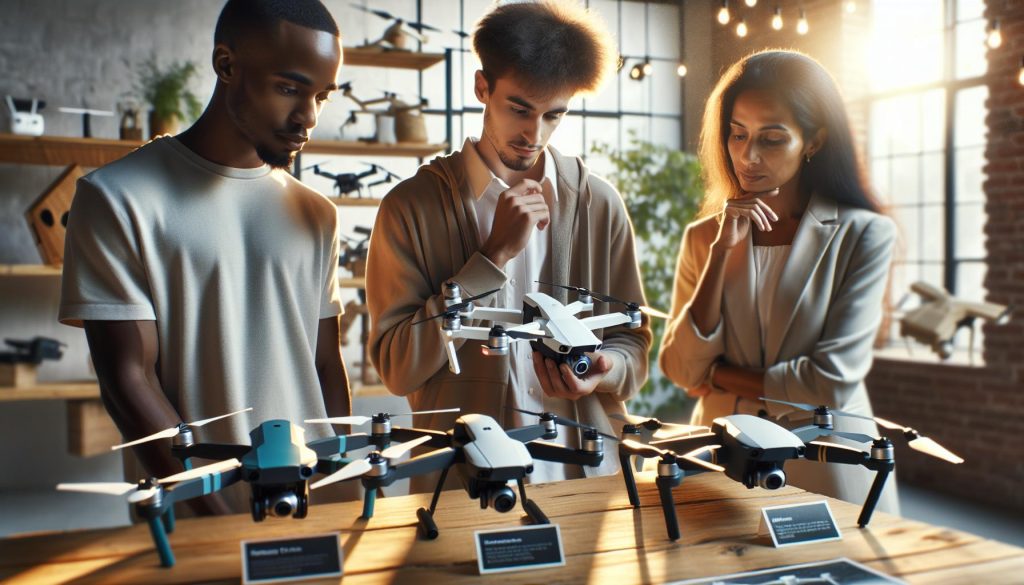
Investing in a DJI drone can elevate your photography, videography, and overall flying experience, but understanding the cost associated with these advanced machines is crucial. In a market where options cater to every budget, knowing how much you can expect to spend helps you make informed decisions without overspending. Whether you’re a hobbyist seeking their first drone or a professional looking to upgrade, this price guide will illuminate the landscape of DJI drones, detailing features, benefits, and budget considerations. As the leading brand in the drone industry, DJI offers models that range from beginner-friendly to cutting-edge technology, ensuring there’s something for everyone. Dive into the details to discover which drone best fits your needs and budget, setting you on the path to capturing stunning aerial perspectives and unforgettable moments.
Understanding DJI Drone Pricing: Key Factors to Consider
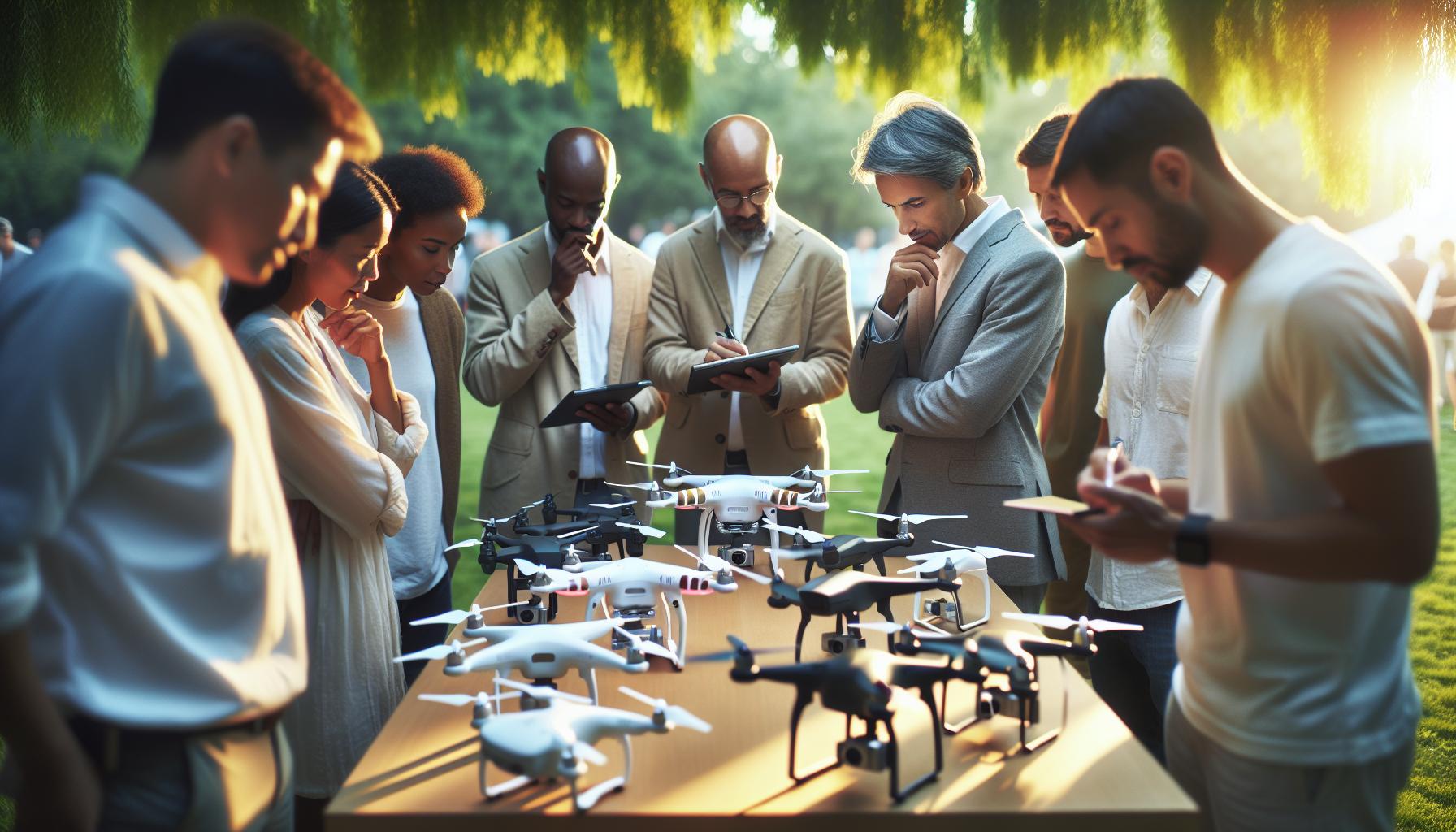
Understanding DJI drone pricing involves several key factors that can significantly impact your purchasing decision. The first consideration is the type and model of the drone. DJI offers a variety of models, each designed for different functionalities, ranging from entry-level devices, like the DJI Mini, to more advanced platforms, such as the Mavic and Phantom series. Each model comes with its own set of features, which naturally influences the price. For instance, drones equipped with higher-quality cameras and advanced flight capabilities will typically be more expensive due to the added technology.
Another important factor to consider is the included features and specifications. Features such as flight time, camera quality, obstacle avoidance, and range can all contribute to the overall cost. High-end models may offer 4K video capability, longer battery life, and intelligent flight modes that enhance usability for professionals and enthusiasts alike. Consequently, assessing what you need in a drone-whether it’s high-resolution imaging for aerial photography, extensive flight time for comprehensive surveys, or compactness for travel-can help align choices with budget, ensuring you don’t overspend on capabilities that aren’t necessary for your intended use.
Additionally, market dynamics and seasonal trends can play a crucial role in pricing. The introduction of new models often leads to price reductions on older versions, making it a strategic time to purchase if you’re open to slightly older technology. Sales events, such as Black Friday or seasonal clearances, can provide significant savings, creating opportunities for buyers to acquire a powerful drone without breaking the bank.
In essence, understanding DJI drone pricing is about recognizing your specific needs, assessing the relevant features of potential models, and timing your purchase for optimal value. By carefully analyzing these factors, you can make an informed decision that balances both quality and cost, ensuring a rewarding flying experience suited to your budget.
DJI Drone Models: A Comprehensive Overview
With a reputation as one of the leading manufacturers in the drone industry, DJI offers a diverse range of drone models that cater to varying skill levels and use cases. Whether you’re an aspiring filmmaker, a hobbyist, or a professional surveying vast landscapes, there’s a DJI drone designed to meet your needs. Each model features unique capabilities that can significantly influence your shooting experience and effectiveness, so understanding these options is crucial for making an informed purchase.
Popular DJI Drone Models
DJI’s product lineup includes:
- Mini Series: Compact and lightweight, the Mini series, including the Mini 2 and Mini SE, is perfect for beginners and travelers. These drones provide 4K video quality and a user-friendly interface, making them excellent for casual use and quick shoots without the hassle of complicated setups.
- Mavic Series: Renowned for its folding design and superior performance, the Mavic series encompasses a broad range of models, including the Mavic Air 2 and the flagship Mavic 3. These drones boast advanced features like intelligent flight modes, superior image stabilization, and impressive battery life, appealing to both amateur and professional filmmakers.
- Phantom Series: The Phantom series, particularly the Phantom 4 Pro, is celebrated for its excellent camera capabilities and robust flight features. This model offers 4K video at 60fps, making it ideal for high-quality cinematic storytelling and complex aerial photography. Its larger body makes it less portable but enhances stability and wind resistance.
- Avata: This FPV (First Person View) drone brings an immersive experience using advanced flight technologies. Perfect for thrill-seekers and those looking to capture dynamic footage, the Avata features enhanced obstacle avoidance and rugged design.
- Air Series: The Air series represents a balance between performance and portability. Models like the Air 2S feature a large 1-inch sensor for stunning image quality and efficient flight operations, ideal for users requiring high-end footage in a compact form.
Each series serves different purposes, appealing to various preferences based on the intended use, budget, and required features. When selecting a model, consider factors like camera quality, flight time, and portability to ensure it aligns with your filming goals or hobbyist endeavors.
Choosing the Right Model for Your Needs
Before making a purchase, reflect on what you plan to achieve with your drone. If portability and ease of use are your priorities, the Mini series may be the best option. For more advanced users aiming for professional-grade content, the Mavic or Phantom series will offer more sophisticated features and better camera capabilities.
DJI’s diverse range of models ensures that there’s something suitable for everyone, whether you’re aiming to shoot breathtaking landscapes, capture thrilling aerial footage, or simply enjoy recreational flying. By understanding the strengths of each series, you can make a more informed decision and select a drone that will enhance your flying experience while meeting your specific needs.
Budget-Friendly DJI Drones: Best Options Under $500
For those entering the world of drone flying, affordability doesn’t need to come at the expense of quality. DJI has crafted several budget-friendly options that maintain impressive performance and features while keeping the price under $500. These models are ideal for beginners looking to explore aerial photography or simply enjoy the thrill of flying without a hefty financial commitment.
One of the top contenders in this price range is the DJI Mini SE. This compact drone weighs just 249 grams, making it incredibly portable and easy to handle. It boasts a 2.7K camera capable of capturing stunning photos and videos, alongside a flight time of up to 30 minutes. Its simplicity and user-friendly interface make it perfect for novice pilots, while its reliability and solid build ensure a great flying experience. Additionally, the Mini SE’s intelligent flight modes, such as QuickShots, allow users to capture creative shots with ease.
Another excellent option is the DJI Ryze Tello, a collaboration between DJI and Ryze Technology. Priced even lower, the Tello is designed with education and fun in mind, making it perfect for young aspiring pilots. While it features a 720p HD camera, it supports electronic image stabilization for smoother footage. With a flight time of about 13 minutes and a range of user-friendly programming options, Tello encourages learning and exploration of drone technology in an engaging way.
For those seeking slightly more capabilities without breaking the bank, consider the DJI Mini 2. Slightly higher in price than the Mini SE, it enhances the camera quality to 4K resolution while maintaining the lightweight design. The Mini 2 offers robust wind resistance and a remarkable flight time of up to 31 minutes, along with advanced features such as 12MP photography and OcuSync 2.0 for extended operation range. This model represents a fantastic balance between affordability and features, perfect for budding filmmakers on a budget.
These affordable DJI drones not only enable fun flights and stunning visuals but also provide a solid foundation for developing piloting skills. As users become more comfortable, they can explore more advanced models in DJI’s lineup, fostering a continuous journey of discovery in the world of drone technology.
Mid-Range DJI Drones: Balancing Quality and Cost
For those ready to elevate their drone experience without taking a substantial financial leap, mid-range DJI drones offer an impressive blend of features and performance tailored to meet the needs of both aspiring enthusiasts and budding professionals. These drones typically fall within the $500 to $1,500 price range, striking a balance between affordability and advanced functionality, making them an attractive option for a wide audience.
One standout choice in this category is the DJI Mini 3, characterized by its remarkable lightness combined with a robust feature set. With a 4K camera capable of capturing stunning imagery and versatile shooting modes, the Mini 3 allows for creative expression in various environments. Its extended flight time of up to 38 minutes and OcuSync 3.0 transmission technology further enhance its appeal, enabling extended range and reliable control. Additionally, its compact design makes it highly portable, perfect for travel and on-the-go shooting.
Similarly, the DJI Air 2S is another exemplary model that exemplifies quality within a reasonable price bracket. Fitted with a large 1-inch CMOS sensor, this drone captures 20MP stills and 5.4K video at 30fps, providing professional-grade imaging capabilities. Advanced safety features like obstacle avoidance in multiple directions and intelligent shooting modes like Mastershots cater to those looking to enhance their skills while flying in a variety of conditions. The combination of user-friendly interfaces and advanced capabilities makes the Air 2S an ideal choice for those looking to push their creative limits without overwhelming complexity.
As you venture into mid-range options, keep in mind the accessories that can further enrich your flying experience. Optional add-ons like additional batteries, ND filters, and carry cases can significantly impact your shooting versatility and extend your flight capabilities, making them worthwhile investments. Moreover, exploring local drone clubs or online communities can offer valuable insights and tips from fellow enthusiasts, helping you maximize the potential of your mid-range DJI drone while developing your piloting skills.
Overall, mid-range DJI drones successfully cater to a broad spectrum of users, enabling them to achieve professional results while honing their flying skills. As pilot proficiency increases, these drones serve as a stepping stone towards higher-end models, allowing users to continuously explore and expand their aerial capabilities.
Premium DJI Drones: Features That Justify the Price
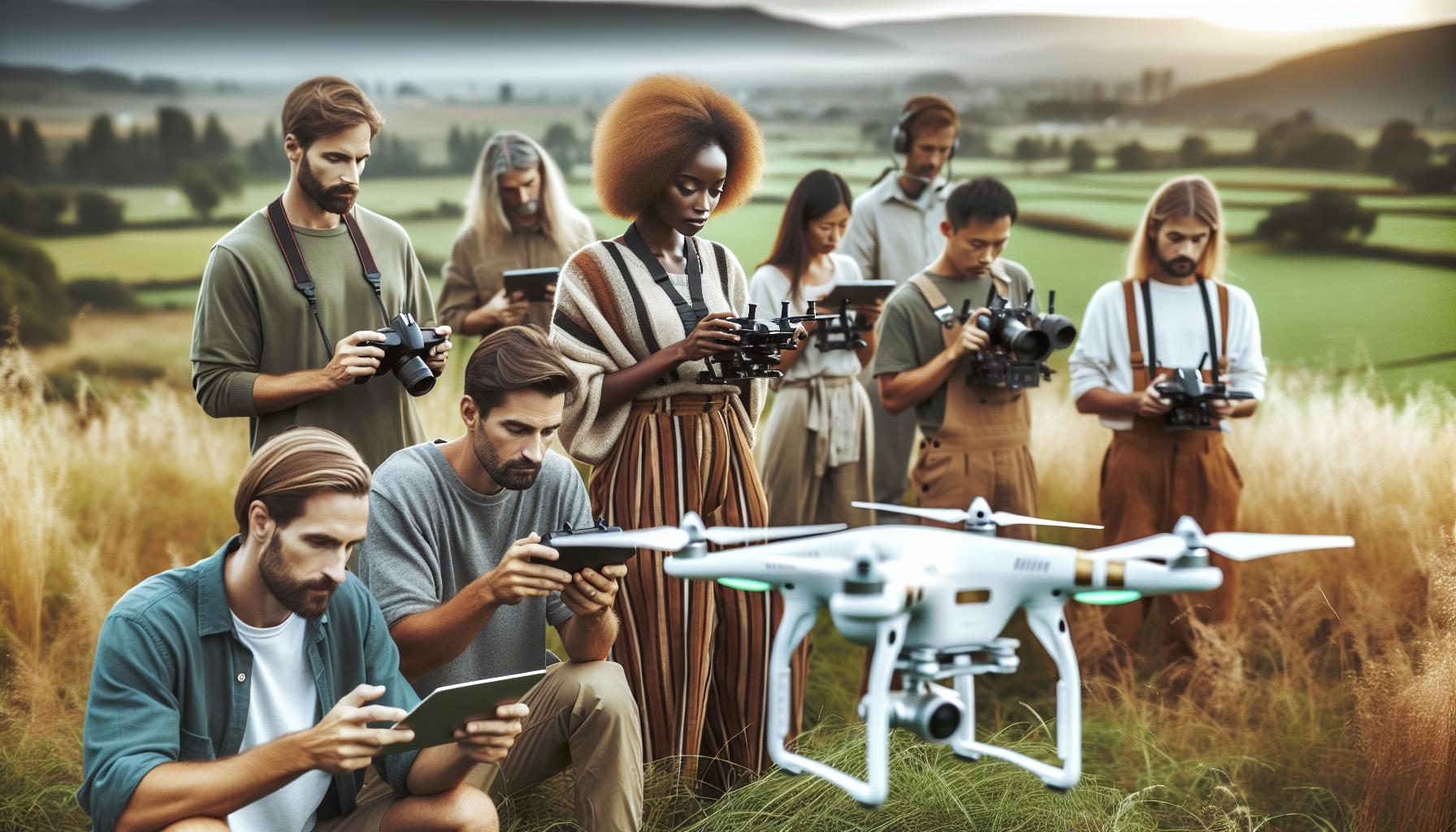
The allure of premium DJI drones lies not just in their sleek designs but also in the cutting-edge technology that justifies their higher price points. For professional photographers, filmmakers, and serious hobbyists, investing in a premium model can mean the difference between capturing stunning, high-quality aerial footage or settling for mediocre results. High-end drones like the DJI Mavic 3 or DJI Inspire 2 offer features that significantly enhance the flying experience and the quality of the recorded media, making them invaluable tools for creativity.
One of the standout features of premium DJI drones is their advanced camera systems. For instance, the DJI Mavic 3 boasts a dual-camera setup, including a large 4/3 CMOS sensor capable of shooting 20MP photos and up to 5.1K video. This not only increases the dynamic range but also enhances performance in low-light conditions, a critical feature for professional shoots. Moreover, premium models typically include sophisticated stabilization technology, ensuring smooth video and clear images even in windy conditions. The ability to shoot D-log and HDR formats allows for greater flexibility in post-production, providing filmmakers with the tools to create cinematic masterpieces.
Another significant advantage of premium models is their advanced flight capabilities. High-end drones often feature extended flight times, with the Mavic 3 offering up to 46 minutes of flying time under optimal conditions. This allows for longer shooting sessions without the need for frequent battery changes. Furthermore, they come with intelligent flight modes like Waypoint Navigation, FocusTrack, and ActiveTrack, making complex shots easier to execute. These autonomous features are especially beneficial for solo operators, enabling them to capture professional-grade footage without the need for a dedicated camera operator.
When considering an investment in a premium DJI drone, it is also essential to keep in mind the associated accessories that can enhance usability and performance. High-capacity batteries, ND filters for better light control, and robust carrying cases should be considered essential purchases that amplify the drone’s capabilities. Understanding these features and their justifications helps potential buyers appreciate the value of investing in a premium DJI drone, ensuring they are equipped with the tools needed to take their aerial photography and videography to the next level.
Cost of Accessories: Maximizing Your DJI Investment
When investing in a DJI drone, understanding the additional costs of essential accessories can significantly impact your overall experience and capabilities in aerial photography and videography. While the drone itself might seem like the main expense, the right accessories can enhance functionality, extend flight time, and improve the quality of your footage. This makes it vital for both novice and experienced pilots to consider these supplementary investments to truly maximize their DJI experience.
One of the primary accessories to consider is high-capacity batteries. Extended flight time is often the difference between capturing that perfect moment or missing it due to battery limitations. Depending on the model, additional batteries can range from $100 to $200 each. Some enthusiasts recommend carrying at least two or three extra batteries for longer outings. This ensures you can fly continuously without constant interruptions for recharging.
Other essential accessories include ND (neutral density) filters that help control light exposure for better image quality in various lighting conditions. These filters can cost anywhere from $30 to $100, depending on their quality and compatibility with your drone model. Similarly, investing in a sturdy carrying case not only protects your drone but also organizes your gear, making it easier to transport your entire setup. Quality cases can range from $50 to several hundred dollars depending on customization options.
For those who plan to explore more advanced uses, additional equipment such as propeller guards to ensure safety during indoor flights or extra propellers as backups can serve as wise investments. Additionally, mobile devices or tablet mounts enable you to operate your drone with ease, further enhancing your flying experience. Overall, budgeting for these accessories allows you to personalize your drone set-up and ensures you’re ready for any situation you may encounter in your flying adventures.
In summary, understanding the costs associated with accessories is essential for maximizing your investment in a DJI drone. By strategically selecting high-quality, practical accessories, you not only enhance your operational capabilities but also create a more enjoyable and productive flying experience.
Understanding DJI’s Warranty and Support Costs
Understanding DJI drones means recognizing not just the upfront purchase price, but also the comprehensive support package that comes with your investment. DJI provides a standard warranty for its products that typically lasts for one year, but specifics can vary based on the model and region. This coverage includes manufacturing defects and issues arising during normal usage, protecting your investment from unexpected failures. For drones, the warranty is critical, as it can save you from costly repairs or replacements due to errors not on your part.
In addition to the standard warranty, DJI offers an optional DJI Care Refresh service plan. This service is particularly valuable for those who are either new to flying or prone to accidents. It allows for up to two replacements for a small additional fee within a given period, which can be a reasonable alternative compared to potential repair costs. For instance, standard repair services can be quite expensive, especially when dealing with sophisticated parts like gimbals or cameras. The cost of DJI Care Refresh varies depending on the model, typically from $49 to about $199, reflecting the complexity and value of the drone.
Moreover, accessing customer support adds another layer to your investment considerations. DJI provides multiple support channels, including live chat and email support, and there is a robust online knowledge base full of tutorials and troubleshooting guides. While most users can find answers through these resources without issue, in more complicated cases, paid repair services handled through DJI’s official channels can lead to faster resolutions, albeit at an additional cost.
Lastly, consider ongoing costs in your budget, such as firmware updates and potential accessories for improved performance. Investing time in regular updates not only enhances safety and performance but can also extend the life of your drone. Overall, understanding the warranty and support framework from DJI not only helps you protect your drone but also fosters a more confident flying experience as you dive into the world of aerial photography and videography.
How to Buy a DJI Drone: Pro Tips for Smart Purchases
Navigating the vibrant world of DJI drones can be exhilarating and overwhelming, especially with such a wide array of choices available. Whether you’re intrigued by the cinematic capabilities of the Mavic series or the compact convenience of the Mini models, making an informed purchase is essential to maximize your investment. Begin by establishing a clear understanding of your needs and budget, which can significantly guide your selection process toward the right model.
When considering your budget, it’s beneficial to evaluate the features that matter most for your intended use. If you aim to capture stunning visuals for professional projects, diving into the premium segment may be worthwhile, even if it means stretching your budget. Alternatively, for hobbyists or casual users, DJI’s budget-friendly options offer impressive performance and features without the hefty price tag. Researching specific models like the DJI Mini 3 or the Air series can help you uncover which options fit your criteria. Make sure to pay attention to specs such as camera quality, flight time, and obstacle avoidance technology, all of which can dramatically enhance your flying experience.
Before finalizing your purchase, pay consideration to seasonal sales events or promotions, which can lead to substantial savings. Signing up for newsletters from DJI or your preferred retailers keeps you informed about upcoming discounts and bundle deals. Moreover, investing in accessories such as extra batteries or propellers can greatly enhance your flying experience, so include these in your overall budget planning.
Lastly, engage with the community by reading reviews and joining forums to gain insights from other users. You’ll find multiple perspectives on what works best in real-world scenarios, as well as tips on setup and maintenance. That knowledge can not only help you make an informed choice but enable you to fly with confidence, knowing you’ve made a smart investment in your DJI drone adventure.
Comparing Used vs. New DJI Drones: Pros and Cons
Purchasing a DJI drone can be a thrilling endeavor, especially when weighing the options between new and used models. While new drones often come with the latest technology, warranties, and customer support, used drones present an opportunity for significant savings. Understanding the benefits and drawbacks of each option can help you make a more informed decision that aligns with your budget and flying aspirations.
When considering new DJI drones, you typically gain access to cutting-edge features, such as improved camera capabilities, enhanced flight times, and the latest firmware updates. Additionally, purchasing new means you’re backed by manufacturer warranties, ensuring peace of mind should any issues arise. However, buyer enthusiasm for the latest models can come at a steep price, which may not be feasible for every budget.
On the other hand, exploring the used drone market often reveals remarkable bargains, particularly for enthusiasts looking to enter the world of drone flying without overspending. However, this comes with potential pitfalls. Used drones may require repairs or updates and may not have a warranty. It’s crucial to thoroughly evaluate the condition of a used drone, checking for signs of wear and ensuring all components function correctly. If possible, buy from reputable sources with solid return policies.
Ultimately, the choice between used and new DJI drones boils down to your priorities: if the latest features and manufacturer support are essential for your needs, go new. If cost efficiency is your primary goal, a meticulously chosen used model can provide incredible value. Make sure to engage in due diligence, checking for online forums and reviews, to understand how specific models perform over time, regardless of your choice.
Flight Features vs. Price: What You Actually Need
Choosing a DJI drone involves balancing features and price, ensuring that you get the most value for your investment. Drones can come packed with technology such as advanced camera systems, extended flight times, and sophisticated navigation aids. However, understanding what you genuinely need and how much you’re willing to spend is crucial to making a wise choice. It’s easy to get lost in a sea of specifications, but the key is to focus on the features that directly align with your intended use.
When it comes to flight features, consider the specific activities you plan to engage in. For instance, if your focus is aerial photography or videography, investing in a model with a high-quality camera and stabilization features is essential. Drones like the DJI Mavic 3 Pro offer excellent imaging capabilities but also come at a premium price. On the entry-level side, models like the DJI Mini 2 come with impressive functionality suitable for casual shooters without breaking the bank.
Another important aspect to consider is flight time and range. Higher-priced models usually include longer battery life and more extensive operational range, which is especially vital for professionals who need maximum efficiency during shoots. However, beginners might be better off with models that offer sufficient flight time (around 30 minutes) and range (up to a few kilometers) without needing the most expensive options.
Lastly, evaluate additional features like obstacle avoidance, intelligent flight modes, and ease of use. While these enhancements can significantly improve your flying experience, they may come at a higher cost. Define what’s essential versus what’s merely a nice-to-have feature. Many users find that they can save significantly by choosing drones that fit their primary use case without opting for every cutting-edge feature. Look for drones with a good balance of performance, usability, and cost that help you achieve your creative goals without overspending.
Navigating Seasonal Sales: When to Buy Your DJI Drone
Shopping for a DJI drone can feel overwhelming, especially when considering factors like pricing and timing. However, knowing when to make your purchase can lead to significant savings. Seasonal sales are prime opportunities for finding deals, especially during holidays or specific promotional events. Black Friday, Cyber Monday, and even back-to-school seasons often feature discounts on a variety of DJI models, from entry-level options like the Mini series to the more advanced Mavic and Phantom drones.
Key Sale Seasons to Watch
1. Major Holidays: Shopping days like Black Friday and Cyber Monday consistently yield some of the best drone deals. Retailers, both online and in-store, frequently offer substantial discounts, bundle deals, or even exclusive limited-time offers that can reduce prices significantly.
2. DJI Announcements: Keep an eye on announcements from DJI regarding new model releases. When a new drone hits the market, older models typically see a price drop, making it an excellent time to purchase if you’re looking for quality at a lower cost.
3. Spring and Summer: Many enthusiasts purchase drones in anticipation of outdoor activities during the warmer months. Retailers often respond to this demand by running promotions ahead of peak flying season.
4. Special Events and Sales: Events like Prime Day for Amazon Prime members can also offer exclusive deals on DJI products. Subscribe to newsletters or follow deal websites that track technology sales to ensure you don’t miss out.
Tips for Effective Shopping
- Sign Up for Alerts: Many retailers offer email notifications for sales. Subscribe to these lists to stay updated on when prices drop.
- Compare Prices: Use price comparison tools to check listings across reputable retailers, ensuring that you are getting the best possible deal.
- Consider Refurbished Models: DJI often sells certified refurbished drones at discounted prices. These can be a great way to save while still getting a quality device.
- Act Fast: Limited-time sales can go quickly, so if you find a deal that meets your budget and needs, don’t hesitate.
Timing your purchase strategically around these seasonal sales can lead to substantial savings, allowing you to invest in the features that matter most to you while avoiding the premium prices associated with newly launched products.
Future Trends in DJI Drone Pricing: What to Expect
As the drone market continues to evolve rapidly, anticipating future pricing trends for DJI drones can significantly impact purchasing decisions. With the relentless pace of technological advancements, it’s crucial to stay informed about what the future holds. One of the key trends affecting DJI drone pricing in the coming years is the release of new models equipped with enhanced features such as improved camera technology, longer battery life, and advanced AI capabilities. When DJI introduces new models, typically, the prices of older models decrease, providing excellent opportunities for buyers to secure high-quality drones at reduced prices.
Additionally, the demand for drones across various industries-including real estate, agriculture, and cinematography-is set to foster competition among manufacturers. As more players enter the market, DJI may need to adjust its pricing strategies to maintain its competitive edge. This landscape could drive down prices across the board, making drones more accessible to hobbyists and professionals alike. Here’s what potential buyers should consider for future drone purchases:
- Technological Innovation: With each new generation, expect DJI to push the envelope with cutting-edge features. These innovations may justify premium pricing initially, but older models will likely see price reductions.
- Market Competition: As competition increases, particularly from emerging brands that offer budget-friendly options, DJI could respond by refining its pricing strategy to appeal to a broader audience.
- Regulatory Changes: Changes in drone regulations could also impact pricing. If regulations promote simpler compliance and ease of use, it might result in lower operational costs for consumers, influencing how much they are willing to invest in high-end models.
- Accessory Costs: As DJI continues to expand its ecosystem-offering accessories like enhanced batteries, camera filters, and carrying cases-understanding the cost of these accessories will also be important for your overall investment in drone technology.
In summary, prospective buyers should keep an eye on new launches, industry trends, and competitive landscapes to make informed decisions about when and what to purchase. By understanding these dynamics, you can better position yourself to take advantage of price drops or bundle offers, ensuring that you get the best possible value for your investment in DJI drone technology.
Frequently asked questions
Q: How much do DJI drones typically cost?
A: DJI drones can range from around $100 for basic models like the Tello to over $2,000 for premium drones like the Mavic 3. Prices vary based on features, camera quality, and capabilities, so it’s important to choose one that fits your budget and intended use.
Q: What is the cheapest DJI drone available?
A: The cheapest DJI drone is the DJI Tello, typically priced around $100. This entry-level drone is designed for beginners and casual flyers, offering fun flying experiences without a significant investment.
Q: Are DJI drones worth the price?
A: Yes, DJI drones are generally considered worth the price due to their advanced features, reliable performance, and excellent camera quality. Investing in a DJI drone can significantly enhance your aerial photography and videography experience.
Q: What factors affect the price of DJI drones?
A: The price of DJI drones is influenced by several factors, including camera specifications, flight features, build quality, and additional accessories. Understanding these factors can help you make an informed decision that fits your needs and budget.
Q: Can I find used DJI drones at a lower price?
A: Yes, purchasing used DJI drones can save you money, often allowing you to acquire higher-end models within a mid-range budget. However, ensure you evaluate the condition and check for any issues before buying.
Q: What is the average price for mid-range DJI drones?
A: Mid-range DJI drones, like the Mavic Air 2, typically cost between $700 and $1,200. These drones offer a balance of features and performance, ideal for enthusiasts and semi-professional use.
Q: When do DJI drones go on sale?
A: DJI drones often go on sale during seasonal events such as Black Friday, Cyber Monday, and around major holidays. Watching for promotions and discounts can lead to significant savings.
Q: Is there a price difference between drone bundles and standalone purchases?
A: Yes, bundles often provide better value compared to standalone purchases, as they may include accessories like extra batteries, carrying cases, and propellers. Bundles are particularly beneficial for new users looking to enhance their flying experience.
In Conclusion
As you explore the exciting world of DJI drones, remember that there’s a model to fit every budget and need, from the compact Mini series to the advanced Mavic and Phantom lines. With prices typically ranging from entry-level options to high-end professional drones, now is the perfect time to invest in a drone that enhances your creative pursuits or professional projects. Don’t miss out on maximizing your capabilities; take a look at our comprehensive guides on drone setup and advanced features like obstacle avoidance and thermal imaging to elevate your flying experience.
For those eager to dive deeper, check out our in-depth reviews of various DJI models, and don’t forget to subscribe to our newsletter for the latest updates and exclusive offers. If you have any questions or need advice on which drone suits your needs best, join our community in the comments below or explore more about the safety procedures, legal compliance, and purchasing decisions in our related articles. Your drone journey awaits-let’s take to the skies together!