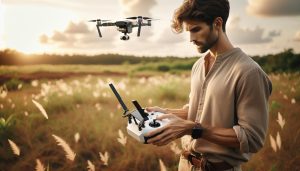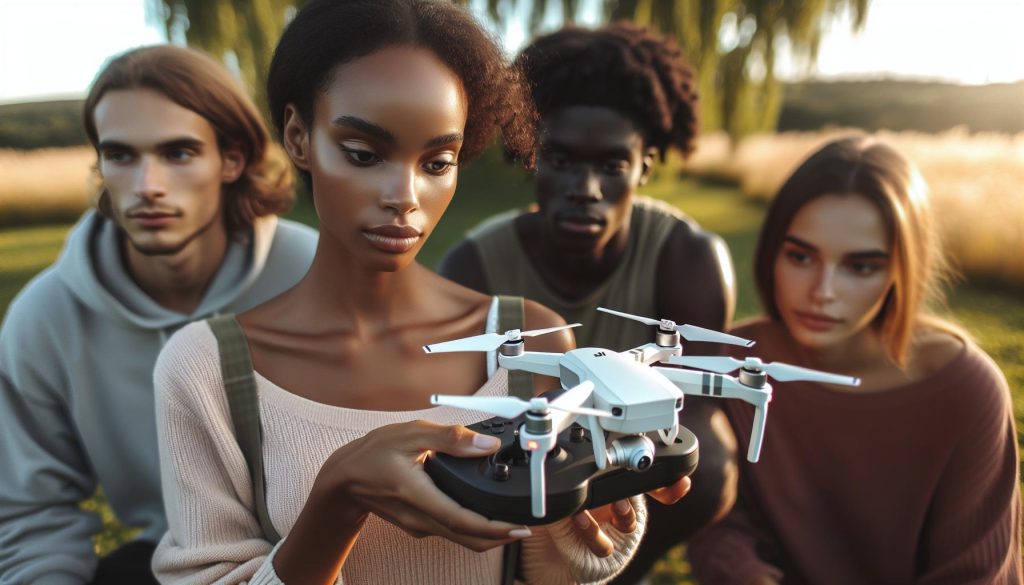
As drone technology evolves, safety features like obstacle avoidance have become a top priority for operators looking to prevent collisions during flight. The DJI Mini 3, while lightweight and packed with features, raises an important question: does it include this crucial safety measure? Understanding the capabilities and limitations of the Mini 3 can significantly enhance your flying experience, whether you’re a hobbyist capturing stunning aerial views or a professional navigating complex environments. In this guide, we’ll explore the Mini 3’s obstacle avoidance functionality, helping you make informed decisions that prioritize safety while maximizing your creativity in the skies. Join us as we dive deeper into its features and what they mean for your aerial adventures.
Does the DJI Mini 3 Have Obstacle Avoidance?
The DJI Mini 3, while compact and user-friendly, does have limitations when it comes to obstacle avoidance systems. Unlike its predecessor models, such as the Mini 3 Pro, which is equipped with a more advanced obstacle detection suite, the Mini 3 sacrifices some of these features for a reduced price point. As a result, the Mini 3 lacks comprehensive forward and downward obstacle avoidance capabilities, relying instead on basic visual sensor technology primarily for descending maneuvers.
This absence means that users must be more vigilant when flying, especially in cluttered environments where obstacles like trees and power lines are present. The limited obstacle avoidance can pose challenges for drone operators when flying at lower altitudes or in dynamic environments, where quick responses to sudden obstacles are crucial. However, it is worth noting that the drone’s intuitive controls and other safety features-such as precise GPS positioning and automatic return-to-home functionality-can still significantly assist pilots in enhancing flight safety.
In practical terms, if your flying routines involve navigating through densely populated areas or inspecting structures, consider pairing the Mini 3 with careful planning and situational awareness to mitigate collision risks. For more serious aerial applications, looking into higher models like the Mini 3 Pro or the Mavic series with superior obstacle avoidance capabilities may be a better investment. Understanding these trade-offs allows you to make an informed decision based on your specific flying needs and environments.
Understanding Obstacle Avoidance in Drones
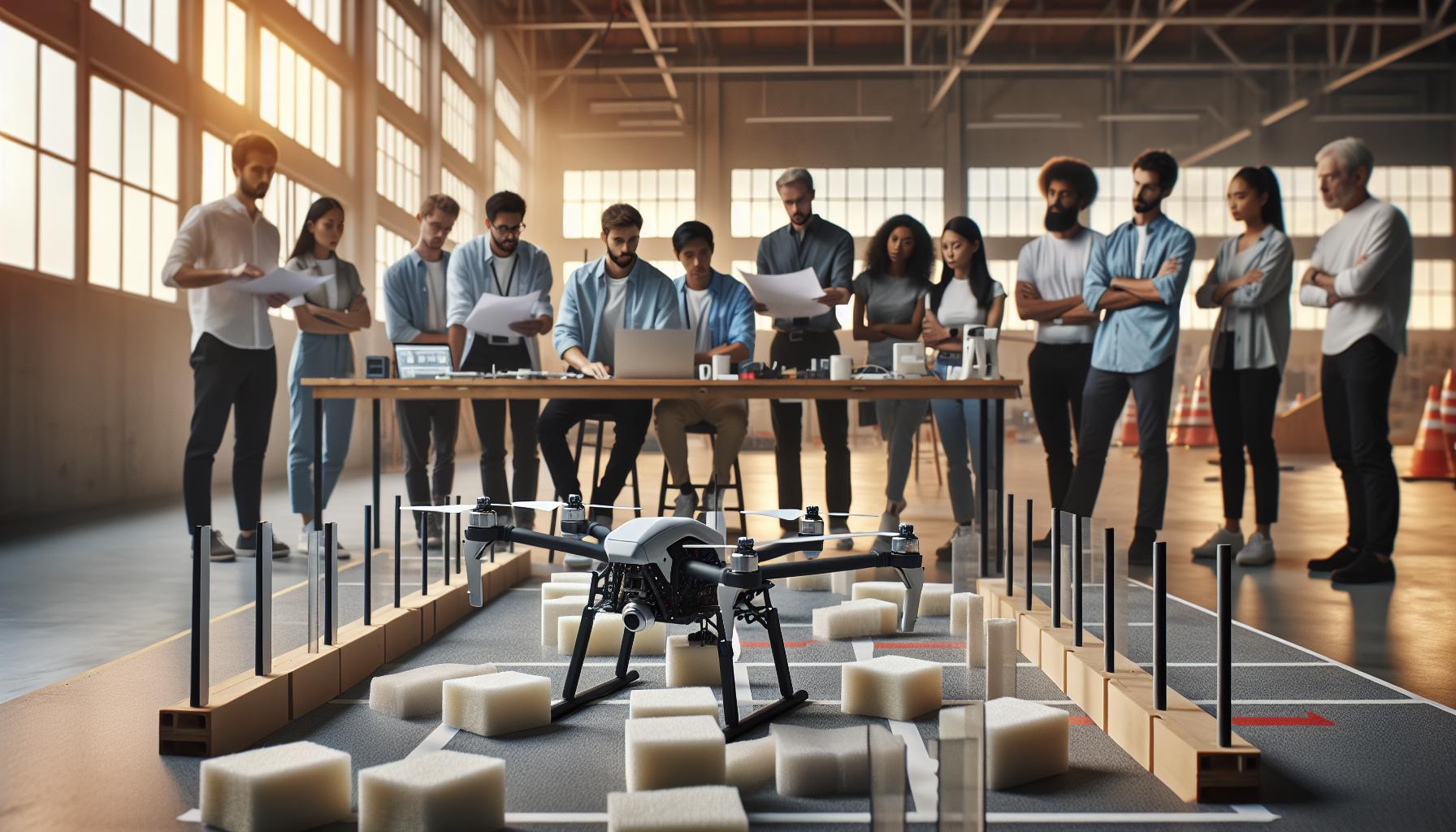
is crucial for both novice and experienced pilots aiming for safe and efficient operation. At its core, obstacle avoidance technology is designed to prevent collisions by using sensors to detect obstacles in the drone’s path. This system can significantly enhance flight safety, allowing pilots to focus more on capturing stunning aerial footage and less on continuously monitoring their surroundings.
Drones equipped with obstacle avoidance systems typically utilize either ultrasonic sensors, infrared sensors, or advanced computer vision technology. These systems can recognize various obstacles-ranging from trees and buildings to power lines-enabling the drone to navigate complex environments gracefully. For pilots operating in urban settings or while following intricate flight paths, understanding how these systems function becomes paramount. The ability of a drone to autonomously alter its course or halt its progression in real-time can make a substantial difference in preventing accidents.
In the case of the DJI Mini 3, while it does facilitate basic visual sensor technology for detecting obstacles, it lacks the advanced obstacle avoidance features found in its Pro counterpart. This limitation necessitates greater piloting skill and situational awareness. Users should be adept at not only flying but also anticipating potential hazards during flight. By developing a thorough understanding of your drone’s capabilities and limitations regarding obstacle avoidance, you can make more informed decisions and enhance your flying experience.
When flying in environments where obstacle detection is critical, consider incorporating additional strategies to complement your drone’s limited obstacle avoidance features. This could include planning your flight path meticulously, flying at safer altitudes, or even utilizing a spotter to assist in detecting potential hazards. Such precautions, paired with an understanding of the technology at hand, can dramatically improve flight safety and reduce the risk of collisions.
Key Safety Features of the DJI Mini 3

The DJI Mini 3, while designed with a range of impressive features, showcases specific safety elements that cater to both novice and experienced drone pilots. One standout feature is the drone’s ability to return to home (RTH), ensuring that it can automatically fly back to its launch point if it loses connection or encounters a low battery. This capability is essential for maintaining safety, as it minimizes the risk of losing the drone in unforeseen circumstances.
Moreover, the Mini 3 integrates geofencing technology, which restricts the drone’s flight within designated safe zones. This feature prevents unauthorized or unsafe flights into sensitive areas, such as airports or other protected locations, thereby ensuring compliance with regulatory standards and enhancing overall flight safety. Pilots can confidently explore the skies while being mindful of legal boundaries.
Another critical aspect is the Mini 3’s lightweight design and compact form factor, making it more forgiving in tricky situations compared to larger drones. This portability allows for easier transport and handling, which is particularly beneficial for users who navigate dynamic environments or urban landscapes. However, pilots should still exercise caution, as the absence of advanced obstacle avoidance systems requires greater vigilance and proactive maneuvering skills.
Incorporating real-time telemetry data, the DJI Mini 3 alerts users to important flight parameters, such as altitude, speed, and battery life. These insights empower pilots with the knowledge needed to make informed decisions throughout the flight, ensuring timely interventions when necessary. To maximize safe operations, users should familiarize themselves with these safety features and practice flying in varied conditions, progressively enhancing their skills and confidence while exploring the remarkable capabilities of the DJI Mini 3.
How Obstacle Avoidance Works: A Technical Overview

The DJI Mini 3 is equipped with a variety of innovative features designed to enhance the flying experience, but when it comes to obstacle avoidance, the technology varies significantly compared to other models in DJI’s lineup. Unlike drones with sophisticated obstacle avoidance systems that utilize multiple sensors to detect and navigate around obstacles in real-time, the Mini 3 relies primarily on its user’s piloting skills. This design decision stems from the Mini 3’s target user demographic, which includes beginners and hobbyists who may not require advanced features but still expect a reasonable level of safety.
At its core, obstacle avoidance technology in drones typically involves the use of sensors such as cameras, ultrasonics, and lidar that detect surrounding objects. When an obstacle is detected, the drone can execute one of several responses: it may stop, hover, or reroute its flight path to avoid a collision. In DJI’s higher-end models like the Mavic series or the Phantom range, multiple forward and downward-facing sensors create a comprehensive 3D mapping of the surroundings, allowing for more complex automation in navigation.
While the Mini 3 does not incorporate such advanced systems, it features essential precursors to obstacle avoidance through its lightweight design and responsive handling capabilities. Pilots are encouraged to cultivate their awareness and responsiveness when flying, especially in environments with sudden obstacles. Enhancing your skillset through consistent practice and understanding the drone’s limitations will significantly mitigate risks during operation.
For pilots determined to fly safely, a thorough understanding of the Mini 3’s limitations in obstacle detection is crucial. Techniques such as maintaining a safe altitude, executing slow and controlled maneuvers, and utilizing the drone’s Return-to-Home feature can help ensure safety during flights. Moreover, familiarizing oneself with the operational environment and scouting routes can further prepare pilots to navigate effectively without reliance on advanced sensors. Ultimately, while the Mini 3 lacks the extensive obstacle avoidance features of its counterparts, dedicated practice and awareness equip pilots with the tools needed for a safe and enjoyable flying experience.
Comparing DJI Mini 3 Obstacle Avoidance to Other Models
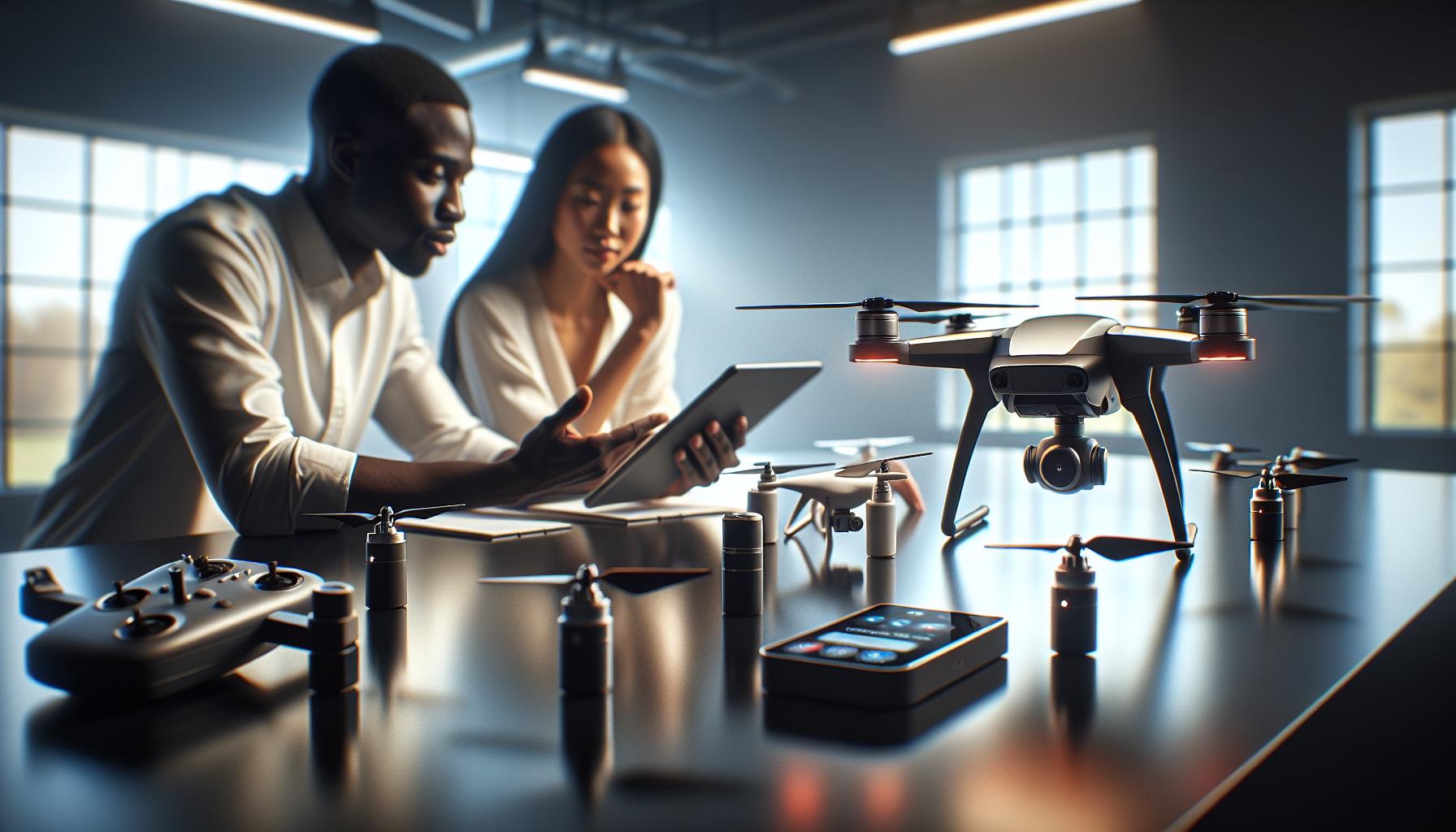
While the DJI Mini 3 captures the imagination with its incredible portability and user-friendly design, it falls short of the advanced obstacle avoidance functionalities found in its higher-end siblings like the Mavic series and Phantom drones. Understanding this distinction is key for prospective buyers, especially those new to drone flying or who are considering which model to purchase.
The DJI Mini 3 is designed primarily with beginner and hobbyist pilots in mind. It lacks the multi-directional obstacle detection and avoidance systems present in models such as the Mavic 3 Pro or Phantom 4, which utilize a suite of sensors, including forward, rear, and downward-facing cameras and ultrasonic sensors. These more sophisticated drones can autonomously navigate and avoid potential collisions, making them ideal for complex flying conditions or professional uses, such as aerial photography in tight spaces or inspections of infrastructure like power lines.
In contrast, the Mini 3 relies heavily on the pilot’s skills to avoid obstacles. While it does feature basic stopping capabilities, its lack of extensive sensor coverage means pilots must remain vigilant and prepared to respond quickly to obstacles. This doesn’t diminish the Mini 3’s usability for recreational flying, but it does require a commitment to practice and an understanding of the drone’s limitations. For example, a recent test showed that while the Mini 3 performed adequately with larger obstacles, it struggled with thin wires compared to the Mavic 3, which demonstrated superior detection capabilities under similar conditions[[3]](https://www.youtube.com/watch?v=6OtrUQ3p9Jo).
Ultimately, comparing the DJI Mini 3 to other models highlights crucial factors: budget, intended use, and personal skill level. If a pilot’s primary aim is recreational flying in open spaces with occasional light obstacles, the Mini 3 may indeed suffice. However, for those seeking advanced features, such as reliable obstacle avoidance during complex maneuvers, investing in a model like the Mavic 3 Pro would provide far more safety and peace of mind during operation. The choice ultimately aligns with how much autonomy and safety features the pilot desires in their flying experience.
Real-World Performance: Is Obstacle Avoidance Effective?
The effectiveness of obstacle avoidance in the DJI Mini 3 often comes under scrutiny, especially when compared to its more advanced counterparts like the Mavic 3 Pro and Phantom series. While the Mini 3 is equipped with some basic safety features, it’s essential to understand how these translate into real-world performance. Unlike higher-end models that boast comprehensive multi-directional sensors, the Mini 3 primarily relies on the pilot’s skill to navigate around obstacles, which can significantly influence its effectiveness in avoiding collisions.
Pilots have reported that while flying in open environments, the Mini 3 performs relatively well, responding adequately to larger obstacles such as trees and buildings. However, when it encounters thinner or more complex hazards-like power lines or small branches-the obstacle avoidance capabilities may falter. For instance, many users have noted that the Mini 3 lacks the finesse that more sophisticated drones exhibit in dynamic environments, leading to situations where a quick pilot intervention is necessary to prevent mishaps. This is crucial feedback, especially for new pilots who may underestimate the importance of active monitoring during flight.
To enhance your overall flying experience and maintain safety, pilots should adopt proactive strategies. For example:
- Pre-flight Planning: Before takeoff, familiarize yourself with the flying area and identify potential obstacles.
- Practice Situational Awareness: Continuously scan the environment while flying, adjusting altitude and path as needed.
- Maintain Adequate Distance: Keep a safe distance from high-risk areas and avoid flying close to structures, especially in uncertain visibility conditions.
In practical applications, the effectiveness of the Mini 3’s obstacle avoidance may vary significantly depending on the pilot’s experience and the specific flying conditions. Understanding its limitations is critical; thus, engaging in regular practice and honing your skills will not only improve safety but also enhance your confidence in operating the drone under various circumstances. By combining a solid understanding of the drone’s capabilities with vigilant piloting, users can navigate the challenges of aerial photography and recreational flying more safely and effectively.
Limitations of DJI Mini 3’s Obstacle Avoidance System
While the DJI Mini 3 offers a range of innovative features to enhance the flying experience, its obstacle avoidance system is often less capable compared to more sophisticated models. This limitation primarily arises due to its reliance on a single forward-facing sensor, which restricts its ability to detect obstacles in multiple directions simultaneously. As a result, the Mini 3 may struggle when navigating tightly spaced environments or in situations with complex obstacles, like power lines or dense vegetation.
In open areas, the Mini 3 can effectively respond to larger, easily identifiable obstacles-such as buildings and trees-thanks to its straightforward navigation assistance. However, its performance can significantly decline in environments where precision is necessary. Pilots have noted that when faced with slender obstacles or sudden directional changes, the Mini 3’s system may offer no warning, necessitating quick reflexes from the operator to prevent potential collisions. This limitation underscores the importance of active piloting skills, particularly for those who may be less experienced.
To mitigate these challenges, understanding the limitations of the obstacle avoidance system can help pilots remain vigilant. Adapting flying techniques can improve safety:
- Always Choose Open Spaces: When practicing, select larger open areas to give the drone ample room to navigate without frequent challenges from nearby objects.
- Maintain Altitude Awareness: Flying at higher altitudes can provide an additional buffer between the drone and potential obstacles, allowing for safer navigation.
- Plan Your Route: Before takeoff, take the time to survey the area. Identifying possible obstacles ahead of time can enhance situational awareness while flying.
Ultimately, while the lack of comprehensive obstacle avoidance can present challenges, it is also an opportunity for pilots to develop their skills. Familiarity with the Mini 3’s capabilities and limitations is critical for safe operation, especially in less-than-ideal flying conditions. By marrying technical understanding with practical piloting knowledge, operators can traverse environments more confidently, ensuring not only their safety but also the integrity of their drone.
Tips for Maximizing Safety While Flying
Flying a drone can be an exhilarating experience, but without proper precautions, it can also lead to costly accidents. To keep your DJI Mini 3 operating safely, understanding its limitations and employing strategic flying techniques is crucial. Here are essential tips that can augment your safety and enhance your overall flying experience.
Start by familiarizing yourself with your surroundings before taking off. Always conduct a detailed site survey to identify potential hazards. Be particularly cautious of areas with dense vegetation, low-hanging branches, or power lines. Additionally, perform a thorough pre-flight check of your Mini 3 to ensure all components, such as propellers and batteries, are in optimal condition. A well-maintained drone is less likely to experience failures that could lead to accidents.
Utilize Technology Wisely
Your Mini 3’s obstacle avoidance system, while less advanced than in higher-end models, can still be beneficial when used correctly. Keep in mind its limitations, primarily its forward-facing sensor. When navigating, maintain a safe distance from obstacles and give the drone enough room to react. If you’re in a tight space, consider switching to a more manual flying mode where you can actively control the drone’s path. This enables you to avoid sudden collisions, especially in complex environments.
Enhance Your Skills
Invest time in refining your piloting skills through practice. Begin in open areas with minimal obstacles, gradually introducing more complex environments as you gain confidence. Consider practicing maneuvers such as sharp turns and altitude adjustments, allowing you to become more adept at instinctively handling your drone in unexpected situations. Weaving these practice sessions into your routine can significantly enhance your reaction times when flying under pressure.
Finally, keep updated with firmware upgrades and tips from the drone community. Regular updates can improve your Mini 3’s performance and may enhance its obstacle avoidance capabilities. Additionally, reviewing user experiences can provide insights into safe flying practices that others have found effective.
By integrating these strategies into your flying routine, you’ll not only ensure a safer operation for your DJI Mini 3 but also maximize the enjoyment of capturing stunning aerial footage with confidence.
Firmware and Updates: Enhancing Obstacle Avoidance
Keeping your DJI Mini 3’s firmware updated is a key strategy for optimizing its obstacle avoidance capabilities. Regular updates from DJI not only enhance existing features but often introduce new functionalities that can significantly improve safety during flight. For instance, a firmware update might refine the algorithms that process sensor data, allowing for more accurate understanding and reaction to potential collisions. This is particularly important for beginners who may find themselves flying in complex environments.
To ensure you are benefiting from the latest improvements, check for firmware updates regularly through the DJI Fly app. Updating the firmware is a straightforward process that typically involves a few simple steps:
- Connect your drone to the DJI Fly app on your smartphone or tablet.
- Select the “Firmware Update” section. The app will automatically check for available updates.
- Follow the on-screen prompts to download and install the latest firmware, ensuring you have a stable internet connection and adequate battery life.
After performing updates, consider recalibrating the drone’s sensors if the option is available, as this can further maximize performance and reliability.
In addition to firmware installations, active participation in the DJI community forums and social media groups can provide insights into how others are utilizing updates to enhance obstacle avoidance. By exchanging experiences, pilots can learn about specific updates that have made a difference in real-world scenarios. Engaging with the community also allows you to stay informed about best practices and innovative flying techniques that can complement your drone’s technical features.
In summary, staying proactive with firmware updates and leveraging community knowledge not only enhances the Mini 3’s built-in obstacle avoidance but also fosters a safer flying experience overall, empowering you to explore the skies with greater confidence.
User Experiences: Safety Features in Practice
The DJI Mini 3 has gained a reputation among users for its impressive safety features, particularly its obstacle avoidance system, which is designed to detect and navigate around potential collisions. Many drone operators report that these capabilities not only enhance their flying experience but also provide peace of mind, especially for those who are newer to aerial photography and drone operation. The incorporation of this technology allows pilots to focus more on capturing stunning visuals and less on the anxiety of potential accidents.
Numerous users have shared success stories where the Mini 3’s obstacle avoidance sensors proved invaluable. For instance, in a densely wooded area, a user reported that the drone adeptly detected trees and adjusted its flight path, allowing them to complete their shoot without any incidents. This kind of practical feedback showcases how effective these systems can be in real-world scenarios. Users have also noted that the Mini 3’s ability to recognize a variety of obstacles-including low-hanging branches and other unexpected terrain features-has fundamentally changed how they approach flying in complex environments.
However, despite its strengths, it’s important to note that some users emphasize that the obstacle avoidance system is not infallible. In low light conditions or extreme weather, the sensors may struggle to accurately perceive obstacles, which serves as a crucial reminder for pilots to remain vigilant and maintain manual control when necessary. This feedback reinforces the idea that while technology enhances safety, understanding the drone’s limitations is equally important.
To maximize the effectiveness of the obstacle avoidance system, operators are encouraged to continually practice and familiarize themselves with how the drone reacts in various environments. Engaging with the community, whether through forums or local flying clubs, can provide insights and tips from seasoned pilots who have navigated similar situations. By combining user experience with practical advice, the DJI Mini 3 enables pilots to explore their creativity safely and confidently.
Legal Considerations for Safe Drone Operation
Navigating the legal landscape of drone operation is crucial for both hobbyists and professionals, especially with advanced technology like the DJI Mini 3’s obstacle avoidance features. Understanding the regulations helps ensure safety and compliance, minimizing the risk of accidents or legal repercussions while flying. Laws vary by country and even by state, so familiarity with local regulations is essential to avoid fines and potential confiscation of your equipment.
In the United States, the Federal Aviation Administration (FAA) sets forth several guidelines for drone operators, which include obtaining a Remote Pilot Certificate for commercial use. Regardless of intent, drone operators are required to follow the Visual Line of Sight (VLOS) rule, meaning the operator must keep the drone within their direct sight at all times. This requirement becomes even more critical when using advanced obstacle avoidance technology; pilots still need to be aware of their surroundings and remain vigilant, as sensors can fail under certain conditions, such as low light or adverse weather.
Moreover, it’s important to respect the privacy of others. Many regions have specific laws regarding the use of drones for aerial photography or videography, particularly in residential areas. Operators should refrain from capturing images of individuals or private property without consent. Violating these privacy laws can lead to legal actions, including fines and civil lawsuits.
Additionally, certain areas are designated as no-fly zones, such as near airports, military bases, and populated regions. Checking apps or regulatory websites that provide real-time restrictions is advisable. File requests for authorizations where necessary, and take the time to establish communication with relevant local authorities if unsure about specific regulations. This proactive approach not only fosters safety but enhances the community’s perception of drone use.
In preparation for each flight, operators should be mindful to conduct a pre-flight checklist that includes verifying compliance with local laws, checking for updated regulations, and assessing the operational environment. By adopting a responsible approach to legal considerations, drone pilots can leverage the capabilities of the DJI Mini 3 safely and effectively while enjoying its advanced features.
Maintenance Tips for Optimal Obstacle Avoidance Performance
Routine maintenance and proper care are vital for maximizing the usability and effectiveness of the DJI Mini 3’s obstacle avoidance system. Neglecting these can lead to sensor malfunction or unreliable performance, potentially compromising safety during flights. By integrating a few best practices into your drone maintenance regimen, you can ensure that the advanced technologies embedded in the Mini 3 function optimally.
Begin by regularly cleaning the drone, especially the sensors. Dust, dirt, and water droplets can obscure the obstacles detection abilities of the sensors, which are typically located on the front, back, and bottom of the drone. Use a microfiber cloth to gently wipe the sensor lenses, taking care not to scratch them. For more thorough cleaning, using compressed air to clear away debris can be beneficial. This should ideally be done after every flight, particularly in environments with a lot of foliage or debris.
Next, perform routine checks on the firmware. Keeping your DJI Mini 3 updated with the latest firmware is crucial for improving obstacle avoidance capabilities. DJI often releases updates that enhance functionality and resolve any known issues. Connect your drone to the DJI Fly app to check for and install updates regularly. This simple step can significantly improve sensor performance and responsiveness.
Calibrate Sensors Periodically
Calibration of sensors is another key practice that enhances obstacle avoidance performance. The Mini 3 may occasionally need recalibration, especially if it experiences sudden changes in its operating environment, such as a change in ambient light or a crash. Refer to the user manual for instructions on how to perform a sensor calibration. This process helps ensure that the drone’s sensors can accurately detect obstacles in various flying conditions.
Additionally, always monitor battery health, as low battery levels can compromise performance, including obstacle avoidance. A well-maintained battery typically provides longer flight times and better overall performance. Consider using only DJI-approved batteries and accessories to prevent issues related to power supply.
Incorporating these maintenance tips into your routine will not only enhance the performance of the DJI Mini 3’s obstacle avoidance system but also ensure a safer and more enjoyable flying experience. By staying proactive in your drone care, you can focus on capturing stunning aerial footage while minimizing safety risks.
FAQ
Q: Does the DJI Mini 3 come with obstacle avoidance?
A: Yes, the DJI Mini 3 features advanced obstacle avoidance capabilities. It uses upward, downward, and front-facing sensors to detect obstacles in its flight path, enhancing safety during operation. This feature is designed to prevent collisions while flying.
Q: How effective is the obstacle avoidance system of the DJI Mini 3?
A: The obstacle avoidance system on the DJI Mini 3 is quite effective for most environments. It accurately detects obstacles within its specified range, allowing for safer navigation. However, users should still exercise caution in complex surroundings.
Q: What safety features are included in the DJI Mini 3?
A: The DJI Mini 3 includes several key safety features, such as automatic return-to-home, GPS tracking, and real-time obstacle detection. These features work together to ensure safer flying experiences, especially for beginners.
Q: Can the DJI Mini 3 avoid obstacles when flying backward?
A: No, the DJI Mini 3 does not have obstacle avoidance capabilities when flying backward. Pilots should be mindful of their surroundings and manually navigate during backward flight to avoid potential collisions.
Q: How can I improve the obstacle avoidance performance on my DJI Mini 3?
A: To improve obstacle avoidance performance, keep your firmware updated and ensure sensors are clean and unobstructed. Regularly calibrate your drone and avoid flying in low-light conditions, which can affect sensor accuracy.
Q: What obstacles can the DJI Mini 3 detect?
A: The DJI Mini 3 can detect various obstacles, including trees, buildings, and other large structures. However, smaller objects or those at sharp angles may not be detected effectively, so users should always remain vigilant.
Q: Does the obstacle avoidance feature work in all flight modes?
A: The obstacle avoidance feature primarily functions in P-mode (Positioning Mode). In other modes, such as Sport Mode, the system may be limited or disabled, so pilots should be cautious and aware of their surroundings during those flights.
Q: How does the DJI Mini 3’s obstacle avoidance compare to other DJI models?
A: Compared to other DJI models, the Mini 3’s obstacle avoidance is efficient but not as advanced as those found in higher-end models like the Mavic series, which often include multiple directional sensing capabilities. For detailed comparisons, see the section on comparing obstacle avoidance in the main article.
Key Takeaways
If you’re looking for a drone that excels in safety features, the DJI Mini 3 with its obstacle avoidance capabilities should be at the top of your list. This innovative technology not only enhances your flying experience but also gives you the confidence to explore new heights without worrying about potential hazards. Don’t miss out on making the most of your creative adventures-consider upgrading your kit with the Mini 3 today!
For more insights, check out our detailed comparisons on the DJI Mini Series and learn how to maximize your drone’s performance through proper setup and maintenance. Feel free to dive into our beginner’s guide on drone regulations to ensure you’re flying safely and legally. If you have questions or tips to share, drop a comment below-we love hearing from fellow enthusiasts! Remember to subscribe to our newsletter for the latest in drone technology and exclusive content. Your next flying adventure awaits!