As the popularity of drones soars, many drone enthusiasts find themselves anxiously wondering about the future of DJI drones, particularly in light of recent legislative discussions. The potential for a ban has stirred concerns among both hobbyists and professionals alike, as DJI continues to dominate the consumer drone market. In this article, we’ll explore the current landscape of DJI drone legislation, addressing the latest updates and what they mean for you. Stay informed about the implications for your passion or business and discover how to navigate these evolving regulations effectively. Whether you’re a seasoned pilot or just starting out, understanding the future of DJI drones is crucial for safe and compliant flying.
Understanding the Potential DJI Drone Bans
The conversation surrounding potential DJI drone bans has gained significant traction recently, driven by a mix of geopolitical tensions, privacy concerns, and regulatory scrutiny. DJI, a market leader in consumer drones, faces scrutiny not only from government entities but also from privacy advocates who argue that drone technology poses risks to public safety and personal privacy. As laws evolve, understanding the implications of these bans is critical for both hobbyists and professionals who rely on DJI technology for their aerial photography, surveying, and recreational needs.
The reasons behind the potential bans are multifaceted. National security concerns often top the list, with some countries wary of DJI’s ties to the Chinese government amid broader geopolitical tensions. Additionally, there are growing calls for stricter regulations on drone operations to ensure public safety, which can encompass everything from noise pollution to the potential for collisions in urban settings. Privacy issues also come to the forefront as drones equipped with high-definition cameras raise alarm bells about unauthorized surveillance.
As governments around the world reconsider their stance on drone regulations, the impact on users can be profound. Increased restrictions could lead to limited flight capabilities or outright bans in certain areas, making it imperative for drone pilots to remain informed about their local laws and any potential changes. Moreover, compliance with existing drone laws becomes increasingly crucial, as failing to do so could result in fines or confiscation of equipment. By actively engaging with the drone community and government agencies, operators can better navigate this evolving landscape.
In light of these challenges, exploring alternatives to DJI drones may also be a viable path for many pilots. A range of manufacturers is emerging that may provide solutions that align more closely with local regulations or personal ethics regarding data privacy. Ultimately, staying educated, proactive, and adaptable is essential for anyone looking to continue their drone operations successfully amid these potential bans.
Reasons Behind Potential DJI Drone Bans

The growing discourse around potential bans on DJI drones is fueled by a complex web of concerns that touch on national security, privacy, and regulatory standards. One of the most pressing issues is the apprehension surrounding DJI’s ownership and its links to China. In an era marked by geopolitical frictions, nations are scrutinizing foreign technologies, particularly those that can capture sensitive data. With DJI being a major player in the drone market, many governments question whether the integration of such technology could pose risks to national security, potentially allowing foreign entities to access aerial data collected by consumers and professionals alike.
In addition to security concerns, the regulatory landscape for drones is evolving rapidly. Local authorities are pushing for stricter regulations to enhance safety-not only to mitigate the risk of collisions in congested urban areas but also to address noise pollution and other disruptive impacts of drone usage. Moreover, the ability of drones to perform high-definition surveillance raises significant privacy issues. Citizens express valid concerns about being monitored without their consent, leading to a demand for tighter controls over where and how drones can operate.
Another underlying factor is the standardization of drone legislation, which varies widely from country to country. The inconsistency in regulations can create confusion for drone operators, especially when traveling internationally or when operating near sensitive areas such as military bases or government facilities. Consequently, this regulatory uncertainty could lead to more countries adopting outright bans on specific drone models-primarily those manufactured by companies perceived as security risks.
To navigate these challenges, drone operators must stay informed and adaptable. Understanding the reasons driving these potential bans not only helps users anticipate regulatory changes but also empowers them to engage proactively with local legislation. As the drone community continues to evolve, remaining knowledgeable about the broader implications of technology will facilitate a smoother operational experience amidst this shifting landscape.
Key Countries Implementing DJI Drone Bans
Countries across the globe have begun to take a closer look at DJI drones, leading to a series of regulatory actions, including outright bans. One key factor fueling these decisions is national security concerns, often tied to the perception that DJI, based in China, could potentially facilitate data collection for the Chinese government. Countries like the United States, Canada, and Australia have made significant moves in this regard.
In the United States, government agencies have been vocal about their apprehensions, with the Department of Defense specifically banning the use of DJI drones in certain scenarios. The concerns here revolve around security protocols and the fear that sensitive data may be at risk, especially in military contexts. Beyond defense, various states and municipalities have enacted legislation that either restricts or outright bans the use of these drones in public spaces – a reflection of the growing unease regarding privacy and surveillance capabilities.
Canada has also stepped into the conversation, exploring options for stricter controls over drone operations. While DJI drones remain available in the market, there are discussions around greater oversight and regulations that could impact their use. Additionally, the European Union is aligning its drone regulations, and while a blanket ban has not been imposed, it is under increased scrutiny. Countries like France and Germany have noted concerns regarding data privacy and could follow a similar path if diplomatic tensions escalate.
Australia, responding to both domestic and geopolitical pressures, has placed restrictions particularly around sensitive areas, including near defense installations or government buildings. This approach underscores a trend where nations evaluate the risks associated with using foreign drone technologies, especially those perceived as potential threats to sovereignty or national security.
As these discussions and regulatory changes unfold, drone operators must remain vigilant and informed. Understanding the legal landscape in key markets is crucial for planning operations and ensuring compliance, making it imperative to monitor updates on regulations pertaining to DJI and other drone manufacturers.
Impact of Regulatory Changes on Drone Users
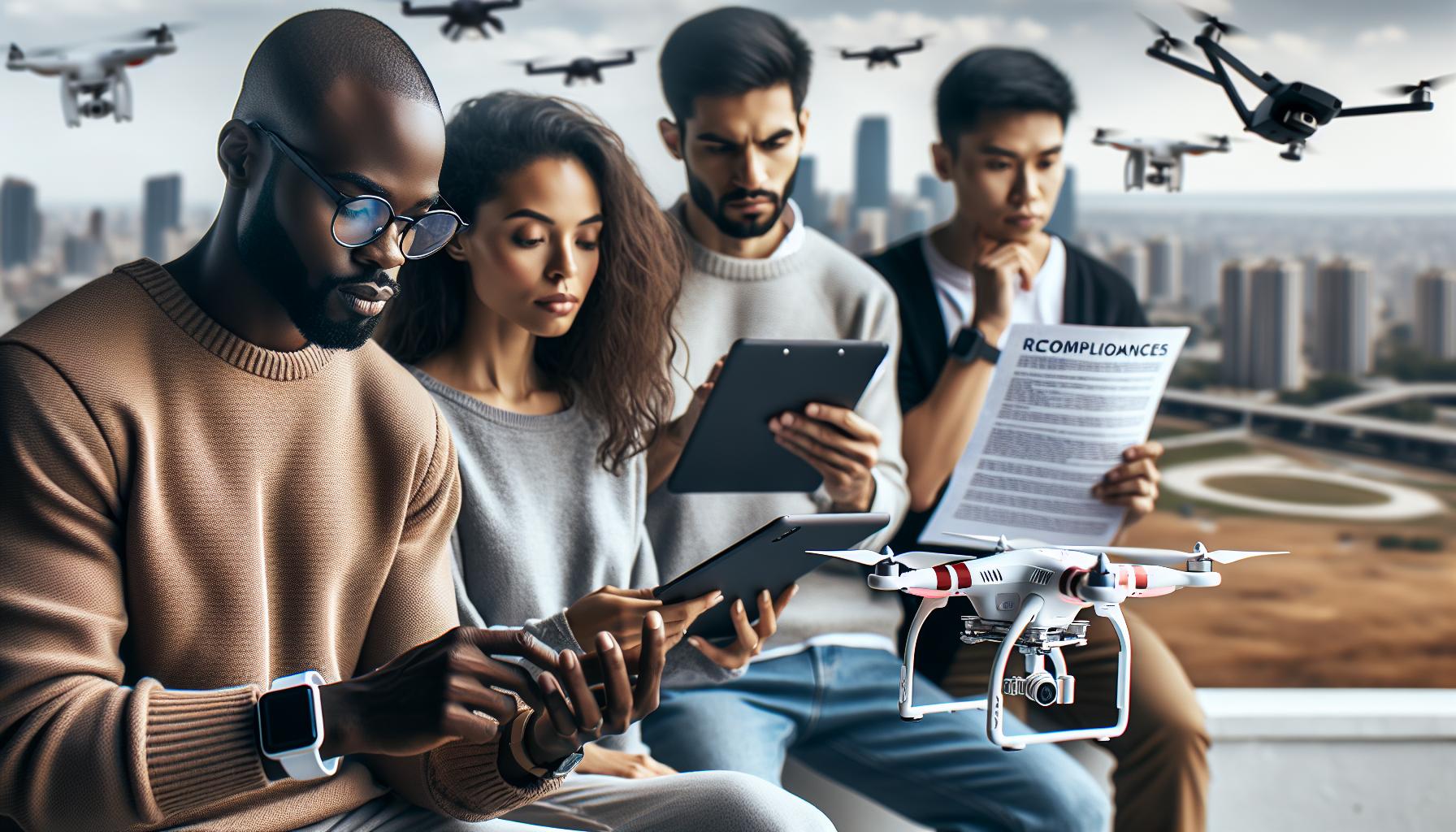
As governments around the world increasingly scrutinize drone technologies, the -especially those employing DJI equipment-can be significant. An evolving regulatory landscape can create confusion, limit operational capabilities, and heighten compliance challenges for both recreational and commercial drone pilots. This shift may lead to a greater emphasis on understanding and navigating applicable laws, making it essential for users to stay informed.
Uncertainties stemming from potential bans or strict regulations can lead to reduced consumer confidence in DJI products. Users may hesitate to invest in new DJI drones or accessories if they fear their use could be restricted in the near future. Furthermore, pilots who primarily use DJI drones might have to consider transitioning to alternative platforms that have less regulatory scrutiny. Diverse regulations across countries also create a patchwork of compliance requirements, complicating international drone operations. For instance, a drone operator planning a shoot in Europe may face different restrictions in Germany compared to those in France or the UK.
To mitigate risks associated with these changes, users are advised to:
- Stay informed: Regularly check for updates on regulations from local aviation authorities and international organizations. Websites of relevant governmental agencies are valuable resources.
- Diversify equipment: Consider integrating drones from multiple manufacturers into your fleet to enhance flexibility in operations, particularly if DJI products face significant restrictions in certain regions.
- Participate in communities: Engage with local drone clubs, online forums, and social media groups to share experiences and strategies regarding compliance and safe flying practices.
- Educate yourself: Familiarize yourself with the specific laws in your area regarding drone usage, including registration, altitude limits, and no-fly zones.
By proactively adapting to regulatory changes and exploring best practices for safe drone operation, users can ensure their flying experiences remain enjoyable and compliant, even amid uncertainty regarding specific drone models like those from DJI. This adaptability will not only enhance user confidence but will also promote responsible drone piloting in an ever-changing legal environment.
How to Stay Compliant with Drone Laws

In an age where drone technology is rapidly evolving and regulatory scrutiny is increasing, understanding has never been more crucial. For DJI drone operators, navigating this complex landscape requires diligence and awareness of local regulations, which can vary significantly from one jurisdiction to another. This variation can impact everything from where you can fly to whether you need specific licenses or permits.
To ensure compliance, it’s essential to familiarize yourself with the regulations set forth by your local aviation authority. This includes understanding altitude limits, no-fly zones, and any restrictions related to flying over populated areas or sensitive sites. Many countries, including the United States, follow the guidelines set by the Federal Aviation Administration (FAA), while other regions have their own governing bodies with unique rules. Checking official government websites regularly will help you stay updated on any changes that might affect your operations.
Participating in local drone clubs and online forums can also enrich your understanding of current laws and best practices. These communities often share valuable insights, experiences, and resources that can guide you in avoiding legal pitfalls. Additionally, many of these groups provide opportunities for training and certification, which can not only enhance your flying skills but also help you demonstrate your commitment to safe and responsible drone usage.
Another effective strategy is to diversify your drone portfolio. While DJI drones are popular for their advanced technology and user-friendly features, having equipment from different manufacturers can mitigate risks if regulations tighten around specific brands. This flexibility may allow you to adapt more readily to changes in the regulatory landscape, ensuring that your operations can continue without disruption.
Ultimately, staying informed, engaging with your community, and preparing for potential changes can greatly enhance your ability to comply with drone laws while enjoying the recreational or commercial benefits of flying DJI drones.
Alternatives to DJI Drones for Pilots
In a landscape where regulatory uncertainty looms, especially surrounding DJI drones, exploring alternatives can give pilots peace of mind and flexibility. While DJI is renowned for its advanced technology and user-friendly interfaces, there are several high-quality alternatives in the market that cater to both hobbyists and professionals, ensuring that your flying experience remains uninterrupted despite possible bans on specific brands.
Top Alternatives to Consider
- Autel Robotics: Autel’s Evo series, particularly the Evo Lite and Evo Lite+, are potent contenders against DJI’s offerings. They provide impressive 4K video capabilities, robust flight times, and excellent low-light performance. With a focus on ease of use and portability, these drones can be an excellent option for casual and professional photographers alike.
- Parrot: Known for innovation, Parrot offers drones like the Anafi and Anafi USA, featuring 4K HDR video and a unique, compact design. The Anafi USA also packs thermal imaging capabilities, making it a prime choice for both filmmakers and industrial applications like search and rescue missions.
- Skydio: For those needing advanced obstacle avoidance and autonomy, Skydio drones take the lead. The Skydio 2 features exceptional AI-driven navigation and is particularly adept at following subjects while avoiding obstacles, making it ideal for action shots and dynamic environments. This drone is particularly popular among professionals involved in surveying and infrastructure inspection.
- Holy Stone: If you’re looking for budget-friendly options without sacrificing quality, Holy Stone drones offer excellent entry-level models. The HS720 and HS740 provide 4K cameras, GPS-assisted flight, and user-friendly controls, making them great introductory devices for new drone pilots.
Understanding Your Needs
When selecting an alternative, consider what features matter most to your use case. For cinematic work, prioritize video quality and stabilization, while for mapping or surveying, robust GPS and software compatibility may be essential. If flying in areas with stricter regulations against specific brands, acquiring a drone from a less scrutinized manufacturer could ensure continuity in your operations.
Moreover, diversifying your skills by piloting different drones can create a more versatile toolkit for tackling various projects. Each drone brand has its unique software, controls, and maintenance requirements, which can enhance your overall piloting proficiency.
In conclusion, while DJI remains a dominant player in the drone market, exploring alternatives offers flexibility and security, especially as regulations evolve. Keeping abreast of market options can ensure that when change happens, you are ready to adapt without losing your operational capabilities.
Navigating the Drone Market in a Restricted Environment
In an era where drone regulations are becoming increasingly stringent, navigating the drone market requires a keen understanding of both the current landscape and the potential future of your equipment. The rise in potential bans on DJI drones in various regions could lead you to question your investment and find solutions that ensure compliance while maintaining the quality and capabilities of your aerial photography and exploration.
Staying informed is crucial. Regularly consult legal resources and drone forums to better understand emerging regulations and their implications for drone use in your area. For example, countries like the United States, Canada, and parts of Europe are implementing robust checks on drone imports and usage, which could complicate ownership of specific brands. Engaging with communities on platforms like the DJI Forum can provide insights and user experiences that highlight best practices for flying under these conditions and adapting your operations accordingly.
When considering alternatives, think not only about the technical specifications but also the reputation of manufacturers regarding regulatory compliance. Brands like Autel Robotics or Skydio might offer solutions that are more resilient in the face of impending regulations. Additionally, diversifying your skillset by familiarizing yourself with various drones can create a more robust operational foundation, lessening dependency on any single brand. This adaptability can help mitigate risks associated with potential bans, keeping your aerial activities uninterrupted.
Finally, proactive communication with local aviation authorities can facilitate a smoother navigation process through the regulatory landscape. By establishing connections and demonstrating a commitment to safety and compliance, you can position yourself as a responsible drone operator, ready to adapt to any changes that lie ahead in the ever-evolving drone market.
User Experiences: Flying DJI Drones Amidst Bans
In recent times, many drone enthusiasts have found themselves navigating a complex landscape marked by potential bans on DJI products. Real-world experiences reveal a mix of concern and adaptability among pilots faced with this uncertainty. One user recounts how they switched their intended shooting location after learning about local regulations tightening around DJI drones; instead, they explored unused rural areas that not only allowed drone use but offered stunning vistas. These personal accounts highlight the reality that while restrictions may limit certain operations, they also encourage creativity and exploration within compliance.
Many pilots report using forums and community groups to share strategies for abiding by these evolving regulations. Discussions often revolve around modifying flight plans, leveraging less-publicized features of their DJI drones for compliance, and even experimenting with alternative settings that could circumvent potential operational constraints. For instance, understanding firmware settings that limit altitude or geofencing can help navigate restrictions effortlessly. A common thread is the use of learning opportunities-such as informal meet-ups where pilots can exchange tips on flying within the confines of local regulations, thereby ensuring everyone remains informed and compliant.
Furthermore, there is a noticeable community spirit among DJI drone users, as many share insights about potential alternatives or assist with tech support issues. Some have invested time in learning about other drone models that comply with stricter regulations, actively comparing flight performance and adaptability. This adaptive mindset not only strengthens their skills as pilots but also fosters a commitment to responsible drone use.
As the regulatory environment continues to evolve, staying connected with the community proves invaluable. Online platforms serve as treasure troves of knowledge, where individuals discuss best practices, share updates on legal changes, and celebrate their successes and challenges in flying amidst these bans. Engaging in this community allows for vital connections, ensuring that drone enthusiasts are better equipped to fly legally and creatively, regardless of the challenges presented by potential bans on DJI drones.
Future of DJI Drones: Trends and Predictions
As the drone industry continues to evolve, DJI finds itself at a critical crossroads shaped by shifting regulatory landscapes and growing competition. The future of DJI drones hinges on their ability to innovate while addressing concerns related to privacy, security, and safety. This is particularly important as various countries contemplate bans on DJI products, necessitating agile adaptations in technology and compliance measures.
A key trend is the push for enhanced safety features that mitigate risks associated with drone usage. This includes the integration of advanced technologies like automated detection and avoidance systems, real-time geofencing updates based on regulatory changes, and improved navigation capabilities. By equipping drones with these sophisticated features, DJI could ease regulatory pressures and bolster user confidence, ensuring safer operations even in increasingly restricted airspace.
Moreover, there is a growing emphasis on transparency and data security. As governments express concerns over data management and the potential for surveillance, DJI may need to advance its privacy policies, ensuring that user data is handled with the utmost care. This could involve more stringent encryption protocols, local data storage options, and clearer user agreements focused on data usage. Meeting these expectations not only aids in compliance but also helps to restore trust among users anxious about technology’s implications.
Additionally, the emergence of alternative drone manufacturers signals a competitive landscape that could influence DJI’s market strategy. As consumers explore other options, DJI must maintain a clear value proposition that could include diversifying its product lineup with models that cater specifically to emerging markets or niche applications like agricultural monitoring or industrial inspections. By focusing on unique selling points-such as superior camera technology, extended battery life, or comprehensive flight automation-DJI can secure its position in a crowded marketplace.
As the industry progresses, keeping an eye on trends such as regulatory adaptations, technological innovations, and competitive dynamics will be crucial for DJI and its user community. Staying ahead of these trends not only prepares pilots for future challenges but also positions them to embrace the potential of drone technology fully, ensuring compliance without compromising their creative pursuits.
Preparing for Changes in Drone Regulations
As the regulatory landscape surrounding drones continues to evolve rapidly, staying informed and prepared is essential for all drone operators, especially those using DJI products. The possibility of bans or stricter regulations can feel daunting, but proactive measures can help mitigate potential issues. Engaging with the upcoming changes in drone regulations starts with understanding local laws and the motivations behind them.
One effective way to prepare is to monitor government updates and legislation related to drone usage frequently. Many countries are ramping up their scrutiny of drone technology, particularly in terms of privacy and national security. Signing up for newsletters from aviation authorities or joining drone communities online can provide timely information and insights. Being an active part of the drone community can also foster connections with other operators, who may share valuable tips and resources to navigate any regulatory shifts.
Furthermore, ensure your drone is equipped and updated with the latest firmware and features designed to comply with existing regulations. Regularly checking for software updates ensures that your drone adheres to the latest safety and compliance protocols, which is vital as regulations can change swiftly. Consider integrating advanced safety features, such as geofencing and obstacle detection, to enhance your operational compliance. These capabilities not only ensure safer flights but also position you as a responsible operator in the eyes of regulators.
Lastly, diversifying your drone capabilities and familiarizing yourself with alternative brands or models can be a strategic move in a fluctuating market. By understanding various technologies and their regulatory compliance, you can create a contingency plan should access to certain DJI products become limited. Preparing for regulatory changes means not just adhering to the rules but also embracing adaptability as a core part of your flying skill set. This proactive attitude will empower you to continue enjoying drone operations, regardless of how regulations evolve.
Best Practices for Safe and Responsible Drone Use
Flying a drone responsibly is essential, especially given the increasing scrutiny and regulations surrounding their use. Understanding the best practices for safe and responsible drone operation not only enhances your flying experience but also minimizes the risk of violating laws that could lead to drone restrictions or bans. Here are some guiding principles to ensure you operate within the boundaries of legality and safety.
First and foremost, it is crucial to stay informed about the laws and regulations governing drone use in your area. Regulations can vary widely between countries, states, and even municipalities, so always check for the latest updates from local aviation authorities. Familiarize yourself with specific rules regarding no-fly zones, altitude restrictions, and required permits. Being well-versed in these regulations ensures you fly within legal boundaries, reducing the likelihood of facing penalties or restrictions.
Another core aspect of responsible drone use involves pre-flight checks and thorough preparation. Before every flight, inspect your drone for any signs of damage or wear. Ensure that all components, including batteries, cameras, and remote controls, are functioning properly. Moreover, plan your flights by assessing the weather conditions, which can significantly affect drone performance and safety. Utilizing apps that provide real-time updates about weather and airspace restrictions can help you make informed decisions before heading out.
Educating yourself about flight etiquette and safety practices is equally important. When flying in public spaces or around other people, always maintain a safe distance and avoid flying over crowds or private property without permission. Employ features available in your DJI drone, such as geofencing, to prevent accidental incursions into restricted areas. Additionally, practicing good communication with fellow drone flyers and other airspace users fosters a cooperative environment that enhances safety and minimizes risks.
Finally, consider participating in local drone clubs or online communities dedicated to keeping drone pilots informed and engaged. These networks often share valuable resources, tips, and experiences that can inform your flying practices. By adopting a proactive approach to drone operation, you not only contribute to safer skies but also demonstrate your commitment to responsible flying, which is essential in an era of increasing regulation and scrutiny.
Resources for Staying Updated on Drone Legislation
Staying informed about the rapidly evolving landscape of drone legislation is vital for every drone operator, especially with the potential for DJI drones to face bans in various regions. One of the best strategies for keeping up-to-date is to subscribe to authoritative newsletters and websites that specialize in UAV regulations. Resources like the National Oceanic and Atmospheric Administration (NOAA), the Federal Aviation Administration (FAA), and local aviation authorities provide regular updates on laws concerning drone operation. Additionally, organizations like the Association for Unmanned Vehicle Systems International (AUVSI) offer educational materials and timely information regarding regulatory changes that could impact users.
Participation in community forums and social media groups dedicated to drone flying can also be beneficial. These platforms often feature discussions around the latest legislative developments and personal experiences from fellow drone operators, which can be invaluable for firsthand insights. Sites like DJI’s official forum or community-driven pages on platforms like Reddit can help you gauge the atmosphere surrounding specific legislations and public sentiments on drone policies.
Utilizing specialized apps that track airspace and provide notifications about no-fly zones is another effective method. Apps such as AirMap or DJI’s own Fly app include features that inform drone pilots of temporary flight restrictions and airspace updates. By leveraging these tools, you can proactively avoid legal pitfalls and stay in compliance with current laws.
Ultimately, engaging with a combination of official resources, community insights, and technology tools can empower drone pilots to navigate the complexities of legislation effectively. This proactive approach not only enhances safe flying practices but also fosters a responsible flying culture as regulations continue to evolve.
Faq
Q: Are DJI drones currently banned in the U.S.?
A: No, as of now, there is no federal law banning the purchase or use of DJI drones in the U.S. Users can operate these drones legally for both recreational and commercial purposes [2[2].
Q: What prompted discussions about banning DJI drones?
A: Discussions about a potential ban on DJI drones have been driven by national security concerns, particularly related to the Countering CCP Drones Act, which is focused on potential risks from Chinese technology [3[3].
Q: How can I stay updated on DJI drone regulations?
A: To stay informed, regularly check the FAA’s official website and reputable drone news sources. You can also subscribe to newsletters focusing on drone regulations to receive updates directly [1[1].
Q: What countries have implemented bans on DJI drones?
A: Several countries have already imposed bans or restrictions on DJI drones due to national security concerns. Examples include India and the U.S. federal government for certain applications [1[1].
Q: What should I do if DJI drones are banned in my area?
A: If DJI drones are banned, consider exploring alternative brands that comply with local regulations. Research available options and consult local drone clubs or forums for recommendations on reliable alternatives [3[3].
Q: How can I participate in discussions around drone bans?
A: Engage with industry forums and local drone associations to voice your opinion on regulations. Attend public hearings or consultations and follow advocacy groups that focus on drone rights to stay active in the conversation [1[1].
Q: What happens if DJI drones are banned in the future?
A: If a ban occurs, existing owners may need to comply with new regulations or seek alternative models. Maintaining awareness of changing legislation will be crucial for adapting and ensuring compliance as the drone landscape evolves [2[2].
Q: Why are DJI drones under scrutiny by the U.S. government?
A: DJI drones are under scrutiny due to concerns over data security and potential ties to the Chinese government, raising fears about privacy and national security for users operating these devices within the U.S. [3[3].
The Way Forward
As the landscape of drone regulations continues to evolve, it’s crucial to stay informed about potential bans affecting DJI drones. We hope this discussion has clarified your concerns and provided valuable insights into the current situation. Don’t wait-take action now by exploring our guides on drone safety and compliance to ensure your flying experience remains uninterrupted.
For more on how to navigate these changes effectively, check out our article on the most recent drone laws in your area and the latest firmware updates for DJI models. Join our community of drone enthusiasts by signing up for our newsletter, where we share tips, updates, and exclusive content regularly. Your input matters-leave a comment below to share your thoughts or questions about DJI drones and regulations, and let’s keep the conversation going. Your next great flight awaits!