Understanding the speed capabilities of DJI drones is crucial for both enthusiasts and professionals who want to optimize their flying experience. From capturing breathtaking aerial footage to completing time-sensitive missions, speed can be a decisive factor. With models ranging from the compact Mini to the robust Mavic series, knowing how fast each can fly helps you choose the right drone for your specific needs. This comparison not only highlights performance differences but also enhances your ability to plan flights effectively, ensuring that you make the most of each flight session. Dive in as we explore the speed specifications of various DJI models, empowering your decision-making and elevating your drone flying skills.
– Understanding DJI Drone Speed: Key Factors Explained
In the realm of drone technology, speed is often a primary concern for both hobbyists and professionals alike. Understanding the factors that influence the speed of DJI drones can significantly enhance the flying experience, allowing operators to optimize performance for various scenarios. Several elements contribute to a drone’s speed, including its design, motor power, weight, and aerodynamics. For instance, a lightweight drone with powerful motors and an aerodynamic body can achieve higher speeds than bulkier models.
One key factor affecting drone speed is the flight mode selected by the pilot. DJI drones offer multiple flight modes, including Normal, Sport, and CineSmooth, each designed to cater to different flying styles and objectives. Sport mode, for example, unlocks the maximum potential of a drone’s speed and maneuverability, essential for racing or capturing dynamic footage. Conversely, CineSmooth mode is tailored for cinematographers seeking stable, fluid shots, at the cost of speed. Knowing how to switch between these modes effectively can help pilots tailor their flight experience to specific needs, balancing speed and control.
Another significant aspect that impacts speed is environmental conditions. Flying in windy or turbulent weather can hinder a drone’s ability to reach its maximum speed due to resistance forces acting against it. Furthermore, higher altitudes may reduce air density, impacting performance and control. Pilots should consider these factors when planning flights, ensuring that conditions are optimal for achieving their desired speed. Lastly, maintaining the drone’s firmware and ensuring that the propellers and motors are in top condition can also greatly influence overall speed and responsiveness. Keeping abreast of maintenance routines will empower operators to enjoy a smoother, faster flight experience.
For those who desire even more control over their drone’s speed, understanding the intricacies of speed ratings is essential. These ratings provide insights into the maximum speed achievable under optimal conditions but do not always reflect real-world use cases. Thus, pilots should be cautious not to rely solely on these numbers, as actual speeds can vary based on load factors, environmental conditions, and pilot skill.
– The Fastest DJI Drones: Model-Specific Speed Breakdown
In the competitive realm of consumer drones, speed often emerges as a key criterion for performance enthusiasts and professional operators alike. DJI, a leading name in drone technology, offers an array of models each boasting impressive speed capabilities, substantiating their reputation for innovation and design. Among these, a few standout models command attention for their exceptional velocity.
The DJI Mavic 3, for instance, showcases a top speed of approximately 42.5 mph (68.4 km/h) in Sport mode, making it an attractive option for those who value speed alongside advanced features like high-quality imaging and extended flight time. Not far behind, the DJI Air 2S captures the excitement of speed with a maximum velocity of around 42.5 mph as well, coupled with an impressive 1-inch CMOS sensor, ensuring stunning visuals don’t come at the cost of performance.
Another model to consider is the DJI Mini 2, which, with a maximum speed of 36 mph (58 km/h), manages to balance portability with agile maneuverability. This makes it particularly appealing for novice pilots who may be advancing to more skilled maneuvers without compromising on excitement. Similarly, the DJI Phantom 4 Pro V2.0 reaches speeds of about 45 mph (72 km/h), designed for serious aerial photography and videography, provided with robust features that make it a favorite among professionals.
While speed is a significant factor, it’s crucial to understand the context in which these numbers apply. Factors like battery life, wind conditions, and altitude can all influence a drone’s actual performance. Whether racing through the sky or capturing cinematic shots at high speed, knowing the capabilities of each model enhances not only performance but also overall satisfaction during flight. Investing in a DJI drone means aligning speed with quality, ensuring that both enthusiasts and professionals achieve their aerial ambitions effectively.
Understanding this model-specific speed breakdown not only informs purchase decisions but also enhances overall flying strategies, optimizing each flight experience based on individual goals and environments.
– Speed Comparison Chart: DJI Models at a Glance
When it comes to DJI drones, understanding how speeds compare across different models is essential for selecting the right aircraft for your aerial needs. Speed plays a crucial role not just in racing or agility tasks but also impacts the effectiveness of capturing dynamic and rapidly changing scenes. Below, a streamlined comparison of key DJI models highlights their maximum speeds, informing users on which drone can best meet their flying ambitions.
| Drone Model | Top Speed | Flight Mode | Max Flight Time |
|---|---|---|---|
| DJI Mavic 3 | 42.5 mph (68.4 km/h) | Sport Mode | Up to 46 minutes |
| DJI Air 2S | 42.5 mph (68.4 km/h) | Sport Mode | Up to 31 minutes |
| DJI Mini 2 | 36 mph (58 km/h) | Sport Mode | Up to 31 minutes |
| DJI Phantom 4 Pro V2.0 | 45 mph (72 km/h) | Sport Mode | Up to 30 minutes |
| DJI Avata | 34 mph (55 km/h) | Sport Mode | Up to 18 minutes |
This chart provides a quick reference to some of the most popular DJI drone models. It’s clear that both the Mavic 3 and Air 2S stand out with their high-speed capabilities, making them suitable for fast-paced shooting scenarios. The Phantom 4 Pro V2.0, while slightly faster, offers professional-grade features that are ideal for serious filmmakers and photographers who require both speed and high-quality imagery.
Moreover, understanding how to leverage flight modes can lead to enhanced performance. For instance, engaging Sport Mode optimizes speed at the expense of some automated features, encouraging pilots to take control and push the limits. Balancing speed with understanding the operational context-such as navigating obstacles or responding to weather conditions-ensures not only speed but also safety and quality during operations.
Considering these factors will empower drone operators, from beginners to seasoned professionals, to make informed decisions tailored to their mission objectives, whether capturing breathtaking landscapes or thrilling action shots at rapid speeds.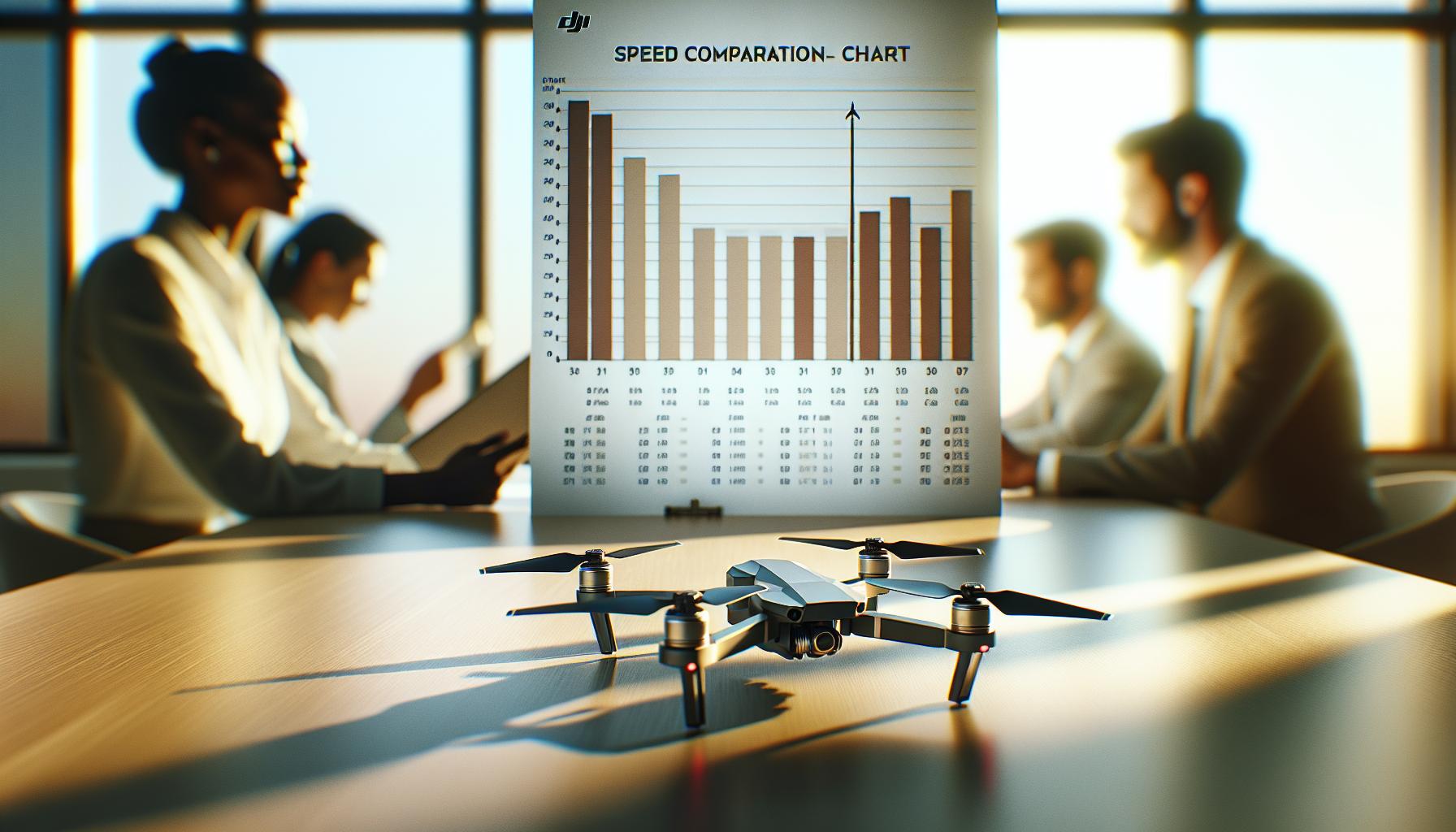
– How Flight Modes Affect Drone Speed
Engaging the right flight mode can significantly enhance your DJI drone’s speed, allowing you to master various aerial tasks with precision. Each drone model comes equipped with multiple flight modes-such as GPS, Attitude, and Sport Mode-each designed to optimize performance under different conditions. By understanding how these modes interact with your drone’s capabilities, you can tailor your flying experience to achieve your desired results, whether that’s racing, filming, or simply enjoying the thrill of flying.
Sport Mode is where you’ll experience the peak potential of speed across most DJI drones. In this mode, the drone is capable of reaching its maximum speed while disabling various automatic safety features, such as obstacle avoidance and altitude hold. For example, the Phantom 4 Pro V2.0 can reach up to 45 mph (72 km/h) in Sport Mode, and both the Mavic 3 and Air 2S can achieve 42.5 mph (68.4 km/h). By engaging this mode, you enter a more responsive flying experience where the drone reacts quickly to control inputs, making it ideal for those who seek adrenaline-fueled flights or need to capture fast-moving subjects. However, pilots should exercise caution, as the lack of automation in this mode requires heightened manual control and awareness of surroundings.
In contrast, GPS Mode integrates several automated features for a more stable flight, which is particularly beneficial for beginners. In this mode, the drone’s top speed is capped, but the added security of features like altitude hold and position locking can mitigate risks associated with fast flying. While you’ll sacrifice some speed, this mode is excellent when flying in complex environments, as it allows you to navigate with confidence, especially when capturing detailed shots that require smoother, slower movements.
Attitude Mode offers a middle ground by removing GPS assistance while allowing pilots to experience increased agility and speed. This mode can be useful for skilled pilots looking to navigate challenging terrains or execute complex flight maneuvers without the limitations imposed by GPS stabilization.
Overall, selecting the appropriate flight mode not only affects how fast your drone can fly but also influences how it handles and responds to pilot commands. By mastering these modes, you can significantly improve your flying skills and make the most out of your aerial adventures.
– Environmental Impact on DJI Drone Flight Speed
Flying at top speeds isn’t solely dependent on the drone’s specifications; environmental factors play a crucial role in determining how fast your DJI drone can actually fly. Various elements such as wind conditions, temperature, altitude, and obstacles in the surroundings can significantly impact performance. For instance, strong headwinds can drastically reduce the effective speed of a drone, forcing it to expend more energy just to maintain altitude, let alone gain speed. Conversely, tailwinds can enhance speed, allowing drones to reach their maximum capabilities more easily.
Wind Conditions
When flying in windy conditions, it’s vital to understand that DJI drones have a wind resistance rating, indicating the maximum wind speeds they can handle. If wind speeds exceed this limit, not only does the drone struggle to maintain speed, but safety can also become compromised. Ideally, pilots should check local weather reports and assess wind conditions before attempting high-speed flights.
Temperature Effects
Temperature not only affects battery performance but also the density of the air through which the drone flies. Colder air is denser than warm air, which can create more lift but also increase drag, potentially affecting speed. Therefore, it’s best to conduct flights in moderate temperatures to achieve optimal performance.
Altitude Considerations
The altitude at which you are flying can also impact speed. At higher elevations, the air density decreases, reducing lift but also drag, which may allow drones to achieve higher speeds. However, this advantage is offset by potential battery performance issues due to thinner air, so careful monitoring is essential, especially in high-altitude environments.
In summary, while you may aim for top speeds during your drone operations, understanding and adapting to environmental conditions will maximize your flight performance. Whether it’s planning flights around weather patterns or choosing the right time of day to fly, these strategies contribute significantly to efficient drone operation.
– Practical Tips for Maximizing Drone Speed
Achieving optimal speed with your DJI drone isn’t just about having the latest model; it requires a blend of strategic planning, environmental awareness, and technical proficiency. To truly maximize your drone’s speed capabilities, consider these practical techniques that not only enhance performance but also ensure a smoother flying experience.
Optimize Flight Modes
Different flight modes radically affect drone speed. For instance, when you switch to Sport Mode, your DJI drone can reach max speeds, but this comes with a trade-off in battery life and flight stability. Use this mode in open areas with few obstacles, allowing for rapid adjustments in speed without compromising safety. Ensure you’re familiar with the controls and responsiveness in this mode, as it can be challenging to manage at high speeds.
Maintain Equipment
Regular maintenance of your drone can also impact performance. Ensure that propellers are clean and uncompromised. Any debris or damage can create excess drag, hampering speed. Additionally, make sure your drone’s firmware is updated. Manufacturers frequently release updates that can improve flight efficiency and, in some cases, speed. Regularly check the manufacturer’s website or app for updates.
Payload Considerations
Be mindful of the weight you’re adding to your drone. Excessive payload, whether it be a camera or other attachments, can significantly decrease your drone’s ability to achieve and maintain high speeds. If speed is your priority, consider removing unnecessary gear or using lighter models where possible. This approach not only improves speed but also prolongs battery life during flight.
Weather and Environmental Awareness
Lastly, always consider external conditions before you fly. Ideal weather is crucial for maximizing speed. Calm, clear days are optimum, as strong winds or turbulence can reduce speed or threaten stability. Using an app or local weather services to check wind speeds can inform your flying decisions. On breezy days, flying with the wind rather than against it can help you reach your speed goals more efficiently.
By implementing these strategies, you can leverage the full potential of your DJI drone’s speed capabilities while ensuring a safe and enjoyable flying experience.
– Understanding Speed Ratings: What Do They Mean?
Understanding the specifications and ratings of DJI drones can significantly enhance your flying experience by aligning expectations with performance. When you see speed ratings such as “max speed 42 mph” or “cruise speed 30 mph,” these figures indicate the optimal speeds a drone can achieve under ideal conditions. However, interpreting these numbers accurately requires an understanding of their context, including factors such as payload, flight mode, and environmental conditions.
Importance of Speed Ratings
Speed ratings are often derived from rigorous testing in controlled environments, where variables are minimal. For instance, a drone achieving a maximum speed of 42 mph might do so in Sport Mode with no payload and on a day with perfect flying conditions. In practical scenarios, this number can vary; adding weight or flying in windy conditions will likely reduce the maximum achievable speed. Furthermore, the speed ratings differ between models, reflecting their intended use-racing drones are designed for high speed and agility, while aerial photography drones often prioritize stability and flight time over sheer speed.
Practical Application of Speed Ratings
Understanding these ratings empowers drone operators, whether hobbyists or professionals, to tailor their flying strategies. For example:
- Flight Mode Selection: Knowing that different flight modes can affect speed, operators can choose Sport Mode for faster flying but must be vigilant regarding battery life and maneuverability.
- Weight Considerations: The impact of additional gear on speeds can be substantial. For projects demanding high speeds, minimizing payload is advisable.
- Weather Readiness: Optimal speed ratings are for calm conditions. Understanding how varying wind conditions affect flight can reduce potential disappointments during flight.
In conclusion, while speed ratings offer a benchmark for performance, they should serve as guides rather than guarantees. Leveraging knowledge of how various factors interact with these ratings allows drone pilots to maximize their aircraft’s capabilities, ensuring a more rewarding and successful flying experience.
– Comparing DJI Drones: Speed vs. Performance
When evaluating the speed versus performance of DJI drones, it’s essential to consider more than just the maximum velocity. While raw speed can be impressive-many models boast top speeds upwards of 40 mph-performance encompasses a broader array of factors, such as stability, maneuverability, endurance, and functionality. For instance, a drone that zips through the air at high speeds may not excel in capturing steady aerial footage, while another might prioritize smoothness over speed but offer advanced features beneficial for photography and videography.
One significant aspect of performance is how well the drone handles in various flight conditions. The Mavic Air 2, known for its agility, can reach impressive speeds, but flying in gusty winds can dramatically affect its ability to maintain stability. In contrast, the Phantom series-while not the fastest-offers remarkable stability and camera quality, making it the go-to choice for professionals prioritizing visual output. This distinction highlights the importance of matching the drone to the intended use; racing drones may thrill with speed but may lack the features essential for capturing high-quality images.
Battery life also plays a crucial role in overall performance. A drone that can achieve high speeds but only for short durations may prove frustrating for users who require extended flight times for their projects. The DJI Mini series, for example, while not the fastest, is lauded for its impressive battery life, which enhances usability, especially for casual flyers or those new to the hobby.
When comparing models, consider the integrated technologies that contribute to performance. Features such as obstacle avoidance, GPS-based stability, and intelligent flight modes can greatly enhance the piloting experience, allowing for both fast maneuvers and controlled photography. For example, utilizing Sport Mode on a high-speed drone demands experience and skill, while Intelligent Flight Modes on more stable drones provide functionality that enhances creativity and safety.
Ultimately, understanding the balance between speed and overall performance enables pilots to choose the right drone based on their specific needs, ensuring successful and fulfilling flights.
– Common Misconceptions About Drone Speed
When it comes to the speed of DJI drones, several misconceptions can cloud understanding. One prevalent myth is that faster drones are inherently better. While it is true that speed can enhance certain aspects of flight, such as racing or dynamic photography, it does not automatically equate to superior performance across all use cases. For instance, models like the DJI Phantom series prioritize stability and camera quality, making them preferred choices for professional videography, even if their maximum speeds are not as high as some racing drones.
Another common belief is that a drone’s advertised top speed is what users should expect under normal flying conditions. However, various factors can dramatically influence real-world performance. Wind resistance, battery levels, and the specific flight mode activated can all affect how fast a drone can fly during actual operation. Users may find that conditions such as wind or terrain can significantly lower the speed compared to the specifications listed by the manufacturer.
There is also confusion surrounding flight modes and their impact on speed. Some pilots assume that activating Sport Mode guarantees maximum speed at all times. While Sport Mode enables faster flight rates and more dynamic maneuvers, it’s essential to note that the pilot’s experience and the drone’s current conditions play critical roles. Newer pilots might struggle to harness the full potential of Sport Mode, leading to mishandling and potential crashes.
Lastly, many enthusiasts mistakenly believe that speed is the only metric to consider when assessing a drone’s capabilities. Other metrics such as flight time, camera stability, and range should also be prioritized, especially for aerial photography or surveying tasks. Understanding these nuances can help prospective buyers choose a drone that best fits their desired use case, ensuring a more rewarding flying experience.
– Speed in Different Flight Conditions: What to Know
In understanding the dynamics of drone speed, it’s crucial to appreciate how various environmental factors can significantly influence performance. For instance, high winds can drastically reduce a drone’s effective speed. DJI drones, designed with aerodynamic bodies, still face resistance when confronting gusty weather, which can lead to decreased stability and control. To illustrate, while one might expect a DJI Mavic 3 to max out at around 15 m/s in calm conditions, gusts exceeding 20 km/h could force the pilot to adjust plans, favoring lower altitudes and more cautious maneuvers.
Similarly, temperature plays a vital role. Cold weather can affect battery efficiency; lithium-polymer batteries tend to perform robustly within a generous temperature range, but extreme cold can lead to reduced flight times and responsiveness, ultimately impacting speed. Pilots venturing into colder climates will find their drones struggling to maintain both speed and altitude as battery cells drain more rapidly, leading to a sluggish performance. Be prepared: always check the battery voltage and consider a battery warmer if flying in colder conditions.
Drone Speed Variability in Various Terrain Types
The terrain over which a drone flies also significantly influences its speed capability. Flying over open water or wide fields typically presents less resistance than navigating densely forested or urban areas. In cluttered environments, particularly with obstacles like trees and buildings, pilots will need to adjust speeds to ensure safe navigation-often opting for lower speeds to maintain control and prevent collisions.
Additionally, flying at different altitudes affects drone speed. At higher altitudes, the thinner air can reduce lift, necessitating engines to work harder and reduce top speeds. Pilots should always consider local regulations regarding altitude limits, as flying above permissible heights can also lead to problematic situations with both law enforcement and other air traffic.
In summary, recognizing how wind conditions, temperature fluctuations, terrain type, and altitude impact speed will enhance the flying experience. Pre-flight assessments and real-time adaptations to change can ensure safe and effective operations while maximizing the benefits of each flight session. Engaging with these elements will not only lead to improved speeds but also elevate overall flying skill and confidence in various environments.
– Exploring Custom Speed Settings Across Models
Adjusting speed settings is one of the key ways drone pilots can tailor their flying experience to suit specific conditions or personal preferences. Many of DJI’s latest models incorporate customizable speed settings that allow both beginners and seasoned pilots to enhance performance based on their unique flying scenarios. Understanding how to effectively utilize these settings can greatly improve flight efficiency and safety.
DJI drones typically offer several flight modes-such as Sport, Position, and Tripod-each coming with its own predefined speed limits. In Sport mode, for instance, pilots can enjoy maximum speeds, often exceeding 15 m/s depending on the model. This mode is ideal for capturing fast-moving subjects or covering large distances quickly. However, in more complex environments, utilizing slower modes can enhance stability. In Position mode, a drone might limit its speed to around 10 m/s, providing the pilot with more control and smooth movement, crucial when navigating obstacles.
Custom speed settings can usually be adjusted via the DJI Fly or DJI GO 4 apps, giving pilots the ability to fine-tune their maximum speed and respond to environmental conditions effectively. To modify these settings, pilots must navigate to the control settings in the app and adjust the speed sliders to match their desired performance metrics. This flexibility ensures that whether flying indoors, over water, or in crowded areas, pilots can maintain optimal control without compromising on speed or agility.
It’s also important to note that experimenting with custom speed settings can help pilots develop better flying skills. By gradually increasing speed in controlled environments, users can gain confidence and learn how their specific model reacts to different commands, honing their reflexes and understanding the nuances of flight dynamics. Ultimately, this knowledge not only improves the immediate flight experience but also cultivates better overall drone piloting abilities.
– Are Faster Drones Better? Evaluating Overall Performance
Faster drones often seem appealing at first glance, promising quick capture of stunning aerial footage or rapid exploration of vast landscapes. However, the allure of speed does not always equate to enhanced performance or usability, particularly when considering the diverse environments and scenarios in which drones are operated. While high-speed capabilities can be valuable, evaluating whether faster drones offer a significant advantage over their slower counterparts requires a deeper understanding of overall performance metrics.
When assessing drone performance, speed must be viewed in conjunction with other critical factors such as stability, maneuverability, battery life, and camera quality. For example, a drone like the DJI Mavic 3, renowned for its high speed and premium camera capabilities, excels in dynamic filming environments but may not always be the best choice for tightly controlled indoor flights where agility and stability are paramount. In such cases, a slower drone may perform better, providing smoother footage and easier navigation through obstacles.
Equally important is how different flight modes influence a drone’s performance. Many DJI models feature various settings that allow pilots to prioritize speed or stability as needed. For instance, while Sport mode can unlock impressive speeds for capturing fast-paced action shots, it may sacrifice the fine control needed for precise photography. Conversely, utilizing a more moderate flight mode can enhance stability and control, which is crucial when shooting in challenging environments or conditions.
Ultimately, selecting the right drone should be determined by your specific needs and use cases rather than solely on its top speed. For instance, a drone ideal for racing might have impressive accelerative performance but lack the sophisticated camera features necessary for professional filmmaking. Similarly, a drone optimized for stability may offer slower speeds but provide exceptional footage quality. Therefore, pilots should assess their priorities-whether that be speed, camera quality, or flight stability-ensuring they choose a model that aligns with their flying style and intended use.
The pace at which a drone operates can be an enchanting feature, but understanding the comprehensive landscape of performance benefits helps enthusiasts and professionals make informed choices that lead to more successful flying experiences.
Faq
Q: How fast can DJI drones fly?
A: DJI drones can fly at speeds ranging from approximately 13 m/s (29 mph) to 19 m/s (42 mph), depending on the model. The fastest models, like the DJI Mavic 3, can reach speeds of about 21 m/s (47 mph) in Sport mode. Check the specific model for accurate speed ratings.
Q: What factors affect the speed of DJI drones?
A: Several factors influence DJI drone speed, including model specifications, weather conditions, battery charge, and flight mode. Wind resistance can also impact how fast a drone flies, so pilots should consider these elements before flight.
Q: Which DJI drone is the fastest?
A: The DJI Mavic 3 is currently one of the fastest DJI drones, capable of reaching speeds up to 21 m/s (47 mph). Other models, like the Air series, also offer impressive speeds suited for various applications.
Q: How does temperature affect DJI drone flight speed?
A: Temperature can impact battery performance and overall drone efficiency. Cold weather can reduce battery life and motor efficiency, potentially leading to slower speeds. It’s essential to consider environmental conditions before flying to maximize performance.
Q: Can I adjust the speed settings on my DJI drone?
A: Yes, DJI drones allow users to adjust speed settings through different flight modes. For example, enabling Sport mode unlocks higher speeds, while Cine mode offers smoother and slower controls for filming. Check the user manual for detailed guidance on adjusting settings.
Q: How does wind impact the speed of DJI drones?
A: Wind can significantly affect a drone’s speed and stability. Flying against strong winds may slow down the drone, while tailwinds can help it achieve higher speeds. Pilots should monitor wind conditions and adjust their flight plans accordingly.
Q: Do DJI drones have a speed limit?
A: Yes, DJI drones have built-in speed limits that vary by model and flight mode. These limits are designed to ensure safety and compliance with aviation regulations. Users can adjust the limits in settings for certain modes, but caution should always be exercised.
Q: Are faster drones better for photography?
A: Not necessarily; while speed is beneficial for certain scenarios, slower drones often provide better stability and control for photography. Features like gimbal stabilization and flight modes are more crucial for capturing high-quality images and videos than sheer speed.
For more details on how speed impacts drone performance, visit our Speed Comparison Chart in the article.
To Wrap It Up
Now that you’ve explored how fast DJI drones can fly through our detailed model speed comparison, it’s clear that understanding these capabilities can significantly enhance your flying experience. Whether you’re capturing breathtaking aerial footage or racing against the clock, knowing your drone’s speed helps optimize every flight. Don’t miss out-check out our guides on optimizing drone performance and essential accessories for your model!
Ready to take your drone skills to the next level? Join our community by signing up for our newsletter, where you’ll receive tips, exclusive insights, and the latest updates on the best DJI drones. If you have specific questions or experiences to share, drop a comment below-your expertise could help fellow drone enthusiasts! Continue your journey with us as we delve into advanced flight techniques and the latest in drone technology. Let’s keep flying high together!