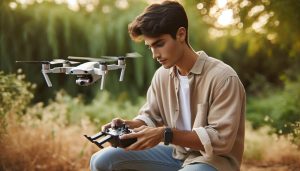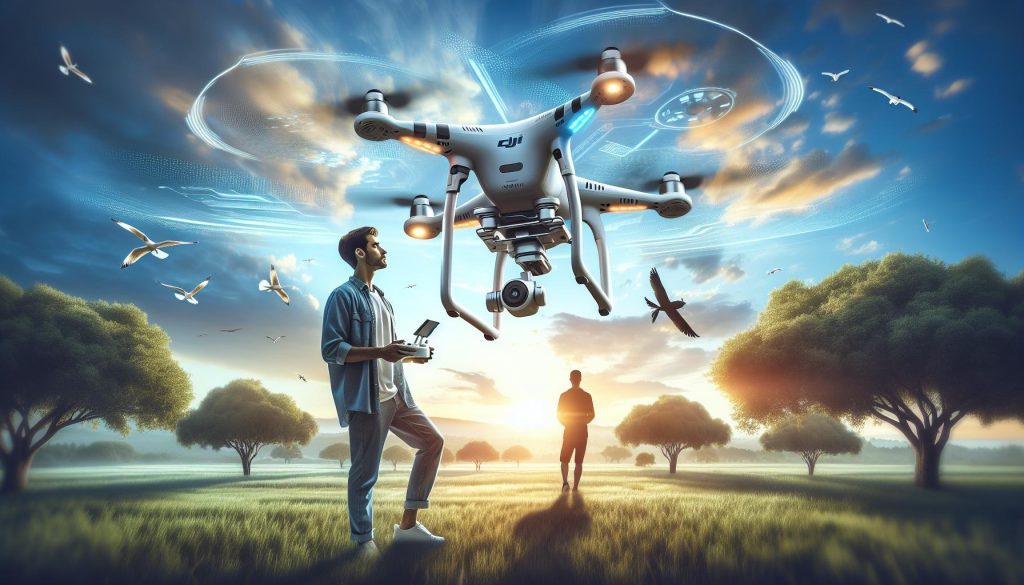
Drones have revolutionized photography, adventure, and exploration, yet many aspiring pilots often wonder: Are DJI drones easy to fly? With user-friendly models like the DJI Mini series, beginners can experience the thrill of aerial photography without overwhelming complexity. However, concerns about mastering controls and ensuring safety are common. Understanding the basics of flying a DJI drone is crucial for a fulfilling experience. In this guide, we’ll explore the realities of piloting these advanced devices, addressing fears and misconceptions while empowering you to take your first flight with confidence. Discover how intuitive features and practical tips can bridge the gap between novice and expert, making your journey into drone flying both enjoyable and rewarding.
Understanding DJI Drones: A Beginner’s Perspective
Flying a drone can be one of the most exhilarating experiences, blending technology with the joy of exploration. DJI, the leading manufacturer of consumer drones, has crafted its products with beginners in mind, making them accessible and user-friendly. Their drones, like the Mavic series, are designed not only for high-quality aerial photography but also for an intuitive flying experience. With features like automated takeoff and return-to-home, DJI drones allow newcomers to focus on enjoying the flight rather than getting overwhelmed by technical intricacies.
One notable aspect of DJI drones is their advanced safety features. For instance, many models come equipped with omnidirectional obstacle sensing, which helps avoid collisions by detecting obstacles in all directions. Additionally, the user interface in DJI’s Fly app streamlines the flying experience, providing live telemetry, flight modes, and even tutorials for beginners. These features enhance confidence and encourage users to experiment with aerial photography, even if they’re not seasoned pilots.
To further empower new pilots, it’s essential to familiarize oneself with the various DJI models available. Each drone offers unique capabilities suited for different needs; whether it’s the compact Mini series for portability or the robust Mavic series for professional-quality imaging. Understanding these distinctions will guide beginners in choosing the right drone, ultimately ensuring a more enjoyable and rewarding flying experience. Emphasizing practice and taking time to learn the controls can transform the initial complexities of flying into a satisfying hobby or profession over time.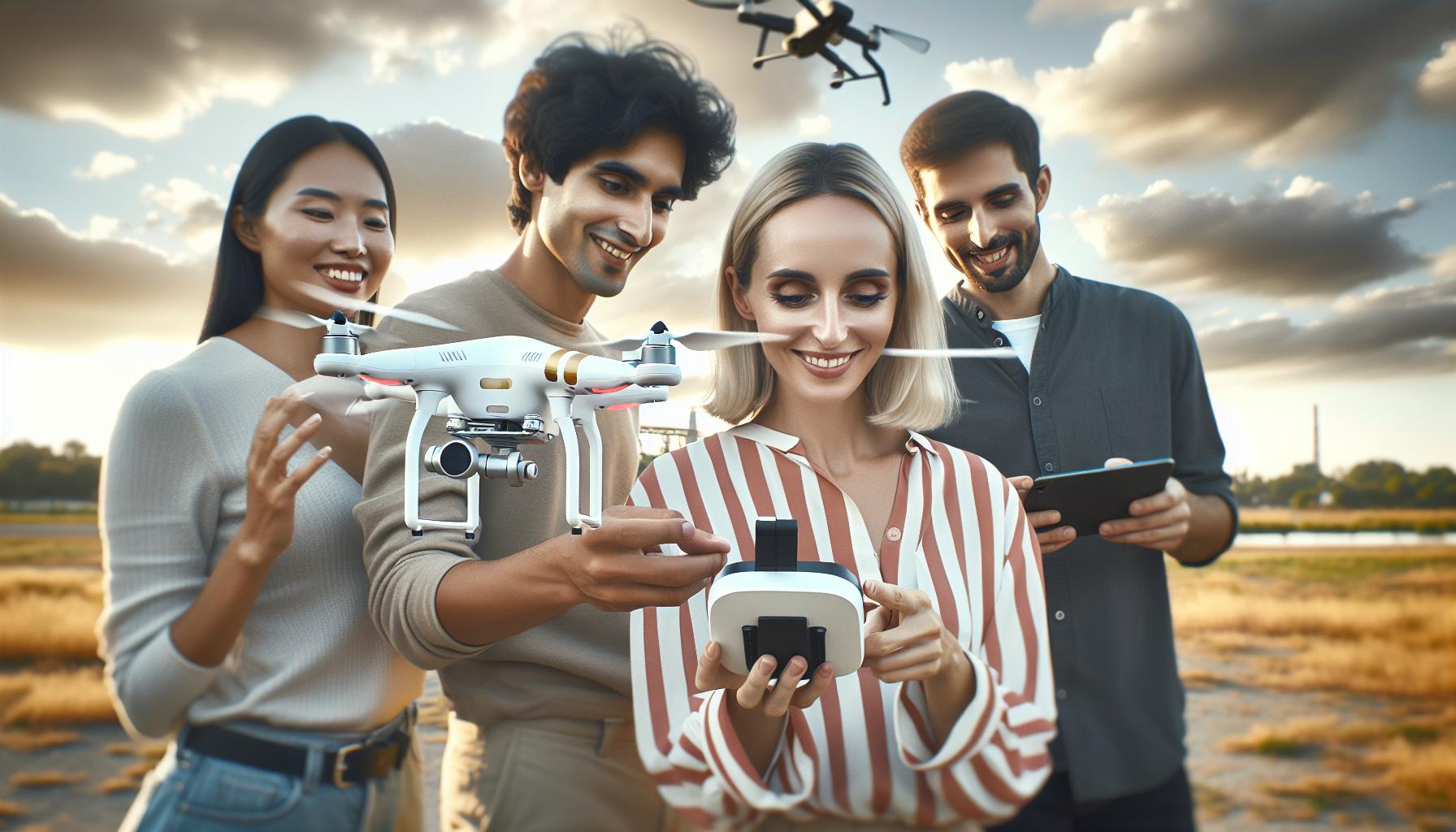
User-Friendly Features of DJI Drones
The journey into the world of drone flying can be thrilling yet daunting, especially for beginners. DJI drones stand out in the market with features specifically designed to ease the learning curve and promote a seamless flying experience. One of the most appealing aspects of these drones is their intuitive design and user-friendly interface, making it simple for newcomers to grasp the basics of aerial photography and videography quickly.
A significant feature that enhances usability is the automated flight modes. DJI drones come equipped with options like “QuickShots,” which allow users to capture cinematic shots with just a tap. These preset flight paths perform complex maneuvers, such as orbiting or reveal shots, without the need for expert piloting skills. Additionally, the GPS-assisted positioning keeps the drone stable during flight, allowing beginners to concentrate on capturing amazing footage rather than worrying about keeping the drone airborne.
Safety is paramount in drone operation, and DJI incorporates several robust features to ensure a worry-free flying experience. With advanced obstacle detection systems, many models can sense and avoid obstacles autonomously. This diminishes the risk of collisions, which is especially reassuring for newcomers who may not yet be able to predict every situation that could arise during flight. Another major advantage is the Return to Home (RTH) function, which brings the drone back to its takeoff point automatically in case of a lost signal or low battery, adding an extra layer of security for inexperienced pilots.
To enhance the overall experience, DJI’s dedicated Fly App provides an interactive platform for flight management. Users can monitor real-time telemetry data, navigate through flight modes, and access tutorials to help them make the most out of their drone. With a combination of these features, DJI drones are not just mechanical devices; they are smart, user-centric tools designed to empower enthusiasts and creative professionals alike, fostering an engaging environment to explore aerial potential confidently.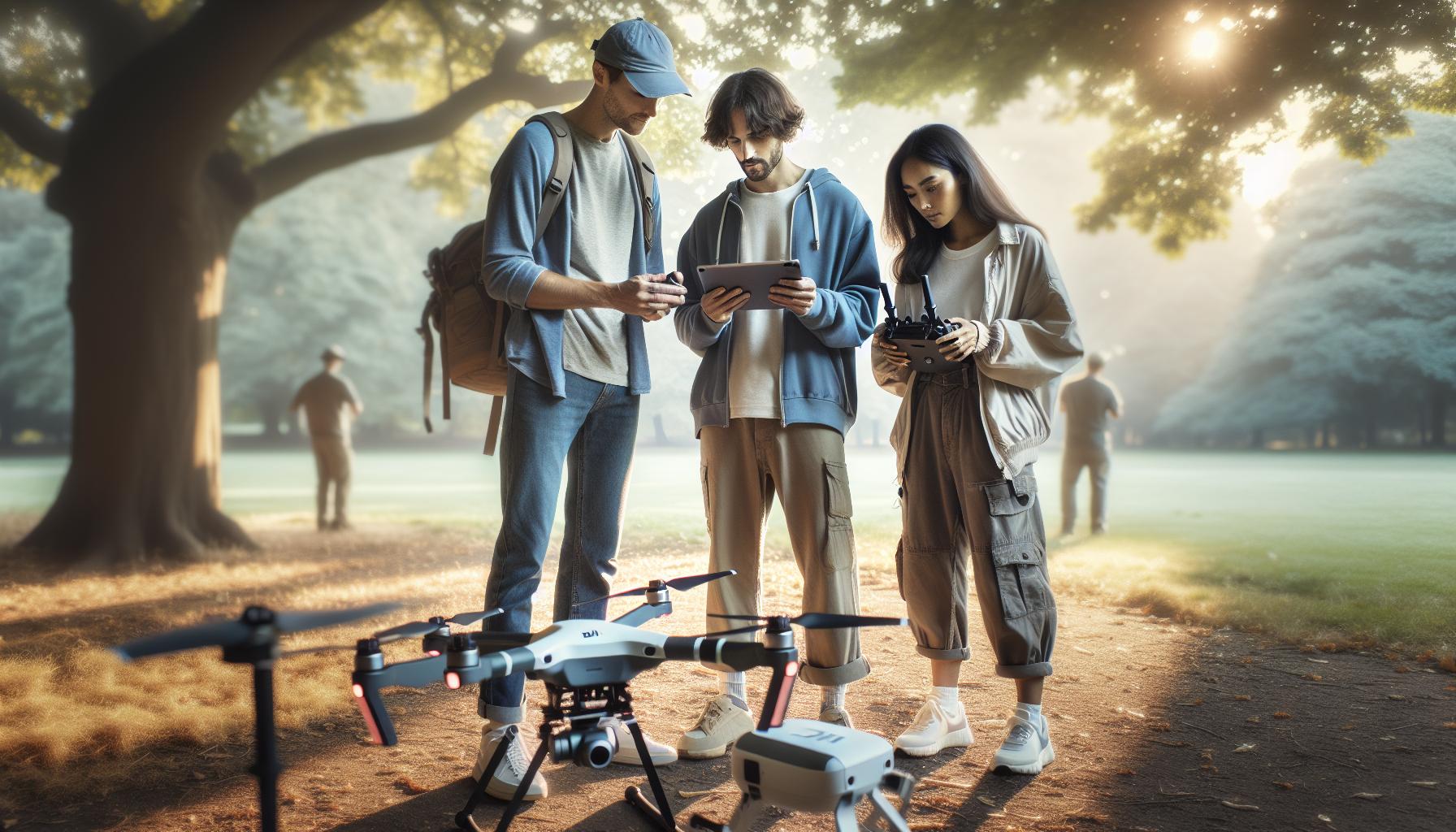
Step-by-Step Guide to Flying DJI Drones
Flying a DJI drone can be an exhilarating experience that combines technology, artistry, and adventure. With advanced engineering and user-friendly features, these drones have become popular among both hobbyists and aspiring aerial photographers. If you’re new to the world of drones, the following guide walks you through essential steps that ensure a safe and enjoyable flying experience.
Begin by unpacking and checking your drone. Make sure all components, including the remote controller, batteries, and cables, are in good condition and accounted for. Next, charge the batteries fully before your first flight. Most DJI drones feature battery management systems that can help optimize battery life and performance, so be sure to understand how to use these effectively.
Once you’re ready, install the DJI Fly App on your mobile device. This app connects to your drone and serves as a vital toolkit for flight preparation. Before taking off, conduct a firmware update to ensure your drone has the latest features and fixes. The app will guide you through this process. After updating, ensure your gimbal is calibrated, as this is critical for stable, high-quality footage during flight.
When you find a suitable location to fly-preferably an open area away from people and obstacles-turn on your drone and remote controller. Follow the pre-flight checklist, which includes ensuring the area is clear for takeoff and checking that the GPS signals are strong, ideally indicated by green lights on your drone. With everything set, place the drone on a flat surface and initiate takeoff using the app or the controller, which often includes a simple one-touch takeoff option.
As you ascend, familiarize yourself with the controls. The left stick generally controls altitude and rotation, while the right stick moves the drone laterally. Start with gentle movements. Employ Intelligent Flight Modes like Beginner Mode available on the DJI Fly App. This feature limits altitude and distance, helping you to focus on getting comfortable with basic operations without the risk of losing your drone too far from you.
Remember to take things slow and practice hovering. Gradually maneuver left, right, forward, and backward. It’s also paramount to plan your landing ahead of time: use the app’s smart return-to-home feature when you’re ready to land or whenever you feel uncertain.
Finally, don’t forget to review and learn from every flight. Use the app’s flight data to analyze your performance, and take note of any mistakes or challenges for improvement. By following these steps, you’ll not only feel more competent but also more confident, paving the way for a rewarding journey in drone flying.
Common Mistakes Beginners Make When Flying
Flying a DJI drone for the first time can be thrilling, but many beginners quickly find themselves facing common pitfalls that can hinder their overall experience. One of the most prevalent mistakes is neglecting the initial preparations. Failing to read the manual and understand the specific features of your drone can lead to confusion during your first flight. Each DJI model, from the Mini series to the Mavic, has unique attributes and settings that are crucial for maximizing flight safety and performance.
Another frequent error involves not verifying battery life and GPS connection before takeoff. Regardless of the seemingly simple nature of these checks, we’ve seen newcomers launch into flights only to discover that their battery is insufficient or that GPS signal is weak, which can lead to loss of control or unintended landing issues. Always ensure you have a full charge and that you’re flying in an area with strong GPS reception-visible by solid green lights on the drone.
Additionally, many beginners underestimate the importance of practicing in open spaces. Flying in crowded or confined areas can quickly escalate into stress and potential crashes. Choose a wide-open space free from obstacles, people, and other aircraft for your initial flights. This environment allows you to get comfortable with the controls and maneuvers without the anxiety of imminent collisions. Utilizing Beginner Mode, which limits altitude and distance, is a smart strategy to gain momentum without pushing your capabilities too far too fast.
Lastly, one of the most critical yet overlooked points is the tendency to underestimate the power of the environment. Weather conditions can dramatically affect flying safety; high winds, rain, or low visibility can lead to accidents. Always check the weather before flying and avoid operating during unfavorable conditions. Learning to respect the drone’s capabilities and limitations, combined with sound operational practices, sets the foundation for an enjoyable and successful flying journey.
How to Set Up Your DJI Drone for Success
Flying a DJI drone can be a transformative experience, connecting you with vast landscapes and creating stunning aerial imagery. However, the path to successful flight starts well before takeoff. Proper setup is crucial in ensuring your DJI drone operates smoothly and effectively. For beginners, understanding this setup process can significantly enhance their flying confidence and skills.
To begin, it’s essential to download and install the DJI Fly app. This app serves as the central hub for controlling your drone, accessing tutorials, and flying your aircraft with ease. After installing, power on both the drone and the remote controller, following the on-screen prompts in the app to activate your device. This initial activation may require you to validate your firmware. Updating both the aircraft and the remote controller using the DJI Fly app is highly recommended to ensure optimal performance and access to the latest features. Alternatively, updates can also be managed through the DJI Assistant 2 software for consumer drones, which offers a more detailed interface for those who prefer it.
Once your drone is activated and updated, conduct a gimbal calibration. Proper gimbal calibration is critical for ensuring stable footage and accurate direction when flying. This process can be initiated through settings in the app and usually involves rotating the drone as prompted. Next, check the battery levels on both the drone and remote controller, making sure they are fully charged before any flight. The last thing any pilot wants is to run out of power mid-air. Also, verify the GPS signal; strong GPS reception is indicated by solid green lights on the drone, which enriches flight stability and safety.
When you’re ready to fly, it’s wise to start in Beginner Mode. This mode limits the drone’s maximum altitude and distance, allowing novice pilots to acclimate to the controls without feeling overwhelmed. Coupling this with practice in open areas not only fosters comfort with the drone’s maneuvers but also minimizes the risk of accidents. Finally, always conduct a pre-flight check: inspect the propellers for any damage, ensure all components are securely attached, and confirm that the environmental conditions are suitable for flying.
By carefully following these setup steps, beginners will set themselves up for successful and enjoyable flying experiences with their DJI drones, ultimately evolving into more skilled pilots over time.
Exploring Different DJI Models for New Pilots
Navigating the world of drones can be exhilarating, especially when stepping into the realm of DJI models, which are renowned for their user-friendly design and impressive capabilities. For new pilots, selecting the right drone can significantly enhance the learning curve and flying experience. With a variety of options available, understanding the distinct characteristics of each model can empower beginners to make informed decisions tailored to their specific needs.
DJI Mini Series
The DJI Mini series, including models like the Mini 3 and Mini 3 Pro, is particularly appealing for beginners due to its lightweight design and compact size. Weighing under 250 grams, these drones do not require FAA registration, making them an attractive choice for those just starting their aerial journey. Despite their small stature, they pack advanced features such as impressive camera capabilities with 4K video quality, obstacle detection, and intuitive flight controls, enabling new pilots to capture stunning footage without being overwhelmed by complexity.
DJI Mavic Series
For those seeking a blend of performance and practicality, the Mavic series offers models like the Mavic Air 2 and Mavic 3. While these drones may not be as lightweight as the Mini series, they deliver superior camera technology, longer flight times, and more advanced features such as intelligent flight modes that simplify complex maneuvers. The Mavic Air 2, for example, offers a “FocusTrack” feature that allows automatic subject tracking, which is invaluable for beginners who are still mastering their piloting skills.
DJI Avata
If immersive experiences are what you’re after, the DJI Avata is worth considering. Designed for first-person view (FPV) flying, this drone combines ease of use with thrilling cinematic capabilities, making it ideal for capturing dynamic shots. With its built-in safety features like a robust propeller guard and excellent stabilization, even novice pilots can safely explore the joy of FPV flying without sacrificing performance or safety.
Comparison Table
| Model | Weight | Camera Quality | Flight Time | Special Features |
|---|---|---|---|---|
| DJI Mini 3 | Approx. 249g | 4K Video | Up to 38 minutes | Easy to carry, no FAA registration |
| DJI Mavic Air 2 | Approx. 570g | 4K Video | Up to 34 minutes | FocusTrack features |
| DJI Avata | Approx. 410g | 4K Video | Up to 18 minutes | FPV First-Person View |
Selecting the right DJI drone as a new pilot can influence your overall learning experience and enjoyment. Each model brings its unique strengths, so consider whether you prioritize portability, advanced features, or the thrill of FPV flying. By choosing a model that aligns with your interests and comfort level, you can embark on your drone journey with confidence and excitement.
Safety Protocols Every Beginner Should Know
Flying a drone can be an exhilarating experience, but ensuring safety during each flight is paramount. Before you take to the skies, familiarize yourself with essential safety protocols tailored specifically for beginners. Understanding these guidelines can not only enhance your flying experience but also foster a culture of responsible drone use.
First and foremost, always conduct a pre-flight check. This involves inspecting your drone for any signs of damage, ensuring the propellers are securely attached, and confirming that the battery is fully charged. It’s also vital to update your firmware to the latest version, as updates often include important safety enhancements. Familiarize yourself with your drone’s flight controls, achievable flight times, and unique features like automated return-to-home (RTH) systems, which can be lifesavers in emergency situations.
Choosing the right environment for your first flights cannot be overstated. Opt for open areas away from crowded places, trees, and power lines. This not only reduces the risk of accidents but also ensures that you can practice basic maneuvers without distractions. Additionally, it’s wise to check local regulations regarding drone operation to avoid penalties-using apps or websites that provide information about no-fly zones can be particularly helpful.
When flying, adhere to the basic rules of aviation: maintain line-of-sight with your drone and avoid flying above 400 feet to stay within legal boundaries. It’s also essential to respect the privacy of others by not flying over private property without permission. Always be mindful of weather conditions, as changes in wind speed or precipitation can drastically affect your drone’s performance. Practicing these safety procedures will help you focus on improving your piloting skills while ensuring that both you and your drone are protected.
Flight Modes Explained: Choosing the Right One
DJI drones are equipped with a range of flight modes that cater to both beginners and seasoned pilots, each designed to make flying intuitive and enjoyable. Understanding these modes can significantly enhance your flying experience and help you become a more confident operator. By selecting the appropriate flight mode, you not only optimize your drone’s performance for specific tasks but also simplify the learning curve as you navigate the skies.
One of the most beneficial features for new pilots is the Beginner Mode. This setting limits the drone’s speed and altitude, allowing users to focus on mastering basic controls without the pressure of complex maneuvers or the fear of losing control. In this mode, the drone’s automatic safety features are more pronounced, making it an excellent choice for initial flights. Once you feel more confident, switching to Normal Mode provides enhanced responsiveness and control, allowing for greater exploration and photography opportunities.
For those looking to capture dynamic footage, Sport Mode is a game-changer. This mode unlocks the full potential of the drone, offering increased speed and allowing for more aggressive maneuvers. However, with great power comes the need for greater control; thus, it’s advisable to use this mode only after gaining significant experience. Meanwhile, Cinematic Mode reduces the drone’s speed and smooths out the controls, perfect for creating stunning, stable shots without erratic movements. It’s particularly useful for filmmakers and content creators aiming to capture high-quality video.
When it comes to tackling complex environments, the Waypoint Mode offers an advanced option where users can pre-set specific GPS coordinates for the drone to follow. This feature is invaluable for mapping projects or surveying large areas, ensuring precise flight paths and consistent results. Lastly, Follow Me Mode enables the drone to autonomously track and follow a designated subject, which is perfect for action shots and outdoor adventures.
In summary, selecting the right flight mode is crucial for optimizing your drone experience. With various settings tailored to different skill levels and operational needs, DJI drones empower beginners and pros alike to fly confidently and creatively. Experiment with these modes to discover the full capabilities of your drone while ensuring you maintain a safe flying environment, always keeping an eye on the weather, surroundings, and battery life.
Mastering Basic Maneuvers with DJI Drones
Flying a DJI drone can be an exhilarating experience, but mastering basic maneuvers is essential to build confidence and proficiency as a pilot. Start with simple movements that establish a solid foundation, allowing you to transition into more complex maneuvers as your skills improve. A common first step is to practice hovering; this helps you get a feel for how the drone responds to controls. Begin by gently adjusting the throttle stick to ascend slowly, then practice stabilizing your altitude by making small adjustments. This not only enhances your understanding of your drone’s sensitivity but also prepares you for more challenging tasks.
To develop agility and control, practice the following basic maneuvers. Consider setting up a small obstacle course using objects like cones or markers in an open area. Start with lateral movements: use the left stick to guide your drone left and right while keeping it at a constant altitude. As you gain comfort, practice forward and backward movements. This is crucial for learning how to navigate your drone in various environments.
Another fundamental skill is turning. Implement smooth, gentle inputs on the right stick while maintaining forward motion. Avoid abrupt movements, as they can lead to loss of control. After mastering basic turns, try incorporating vertical movements; ascending and descending smoothly while maintaining directional control is essential for capturing compelling aerial images or adjusting to changing environments.
Tips for Effective Maneuvering
- Use Beginner Mode: Many DJI drones have a Beginner Mode that restricts speed and altitude, allowing new pilots to focus on mastering basic controls.
- Practice Line-of-Sight: Always keep the drone within your line of sight. This helps with spatial awareness and minimizes the risk of accidents.
- Choose Calm Conditions: Flying on calm, clear days will aid in learning, as wind and turbulence can complicate control.
- Utilize Vision Sensors: If your drone has advanced sensors, use them to help navigate and avoid obstacles during practice sessions.
Building a repertoire of these basic maneuvers will enable you to handle more advanced flying techniques, such as sharp turns, rapid ascents, and effective obstacle avoidance. With practice, the drone will start to feel like an extension of yourself, allowing you to unleash your creativity and maximize the potential of your DJI drone.
Troubleshooting Common DJI Drone Issues
A common concern among new drone pilots is encountering issues that can disrupt their flying experience. Understanding these common problems and their solutions can significantly enhance your confidence and proficiency when operating DJI drones. Whether it’s connectivity issues, battery problems, or software glitches, addressing these challenges promptly is essential to enjoying your flights.
One frequent issue is a weak or lost connection between the drone and the remote controller. If you notice erratic movements or if the drone becomes unresponsive, first ensure that your remote controller is fully charged and powered on. Check your drone’s firmware and remote controller app for any updates, as outdated software can lead to compatibility issues. Additionally, flying in areas with less interference, away from Wi-Fi signals and other electronic devices, can help maintain a stable connection.
Battery-related concerns can also arise, particularly among beginners. If your drone isn’t flying for the expected duration, check the battery’s health through the DJI app. A significant temperature drop or overcharging can affect battery performance. Always keep extra batteries charged and ready, especially for longer flying sessions. Furthermore, listen for unusual beeping from the drone or warning messages on your app, as these can indicate battery issues or the need for recalibration.
To troubleshoot software problems, performing a factory reset can often resolve issues related to performance or system glitches. Follow this up with a firmware update to ensure optimal operation. If you experience persistent issues, consulting the DJI support website or community forums can provide tailored advice from seasoned drone pilots who may have encountered similar problems.
In summary, addressing common drone issues quickly through proper checks and maintenance can streamline the flying experience for beginners. This proactive approach not only boosts confidence in handling your DJI drone but also maximizes the enjoyment of this exhilarating hobby.
Best Accessories for New DJI Drone Owners
Understanding your drone and the right accessories to complement it can make all the difference in your flying experience. For new DJI drone owners, investing in the right tools not only enhances functionality but also boosts confidence in navigating the skies. With a plethora of accessories available, it’s essential to choose those that provide real value and usability as you embark on your aerial adventures.
Must-Have Accessories for DJI Drones
To maximize the performance and convenience of your DJI drone, consider the following essential accessories:
- Extra Batteries: While most DJI drones come with a single battery, having additional charged batteries can significantly extend your flight time. Depending on the model, flight times can range from 25 to 40 minutes. Always keep a few spares handy for longer sessions, especially if you’re out capturing stunning landscapes.
- Propellers: Practically every drone owner knows the risk of propeller damage during flights. Keep spare propellers in your kit to quickly replace any that become damaged or worn. Some advanced models even offer quick-release options for easy swapping.
- Carrying Cases: Protecting your investment is crucial. A durable carrying case can safeguard your drone and accessories during transport. Many options come with custom compartments that fit DJI drones perfectly, ensuring that everything stays secure.
- ND Filters: For those aiming to capture stunning aerial footage, neutral density (ND) filters are invaluable. They help manage light and prevent overexposure, allowing for more dynamic images. Perfect for shooting in bright sunlight, ND filters enable smoother video by allowing for longer shutter speeds.
- Sunshade for Controller: Flying in bright sunlight can make it challenging to see your controller’s screen. A sunshade can improve visibility, allowing you to focus on flight and capture quality images without squinting.
Advanced Accessories for Enhanced Experience
Once you’re comfortable with the basics, consider some advanced accessories to elevate your flying capabilities:
- Gimbal Tripod: A gimbal tripod stabilizes your drone for professional-grade photos and videos. This is especially useful in windy conditions, allowing for smoother shots and better image quality.
- Smart Controller: Upgrade your flying experience with the DJI Smart Controller, which features a built-in screen that offers a clearer view and enhanced responsiveness compared to typical mobile setups.
- FPV Goggles: For an immersive flying experience, FPV (first-person view) goggles allow you to view the live video feed directly from your drone. This can make flying feel more engaging and can also help in maneuvering and navigating complex environments.
Equipping yourself with the right accessories not only enhances your flying experience but also integrates seamlessly with your DJI drone, allowing for creativity and precision in every flight. Whether you’re shooting videos, taking photos, or simply enjoying the thrill of flying, having the best gear at your disposal makes every flight an adventure.
Legal Considerations for Drone Pilots: What to Know
Understanding the legal landscape surrounding drone operation is crucial for anyone looking to fly, especially for beginners who may not be fully aware of the regulations. Each country has its own set of rules governing the use of drones, which commonly focus on safety, privacy, and airspace management. In many places, hobbyists flying DJI drones must familiarize themselves with local regulations to avoid potential fines or legal issues. For instance, in the United States, the Federal Aviation Administration (FAA) mandates that all drone pilots, regardless of experience level, must comply with Part 107 regulations if flying for commercial purposes, while recreational flyers are required to follow specific guidelines for non-commercial use.
Key legal considerations include understanding airspace classifications and restrictions. Drones cannot operate in controlled airspaces without proper authorization, which is often facilitated through a specific procedure outlined by the relevant aviation authority. Familiarize yourself with apps and resources that provide real-time information about airspace conditions and no-fly zones. Additionally, drone pilots should adhere to maximum altitude limits-typically around 400 feet-and maintain visual line-of-sight with their drones during flight.
Privacy concerns are also paramount in drone operation. When flying a DJI drone, being respectful of people’s privacy is essential. Avoid flying over private properties without permission, as this can lead to trespassing claims. Furthermore, many jurisdictions have laws regarding aerial photography and video recording, so it’s wise to check local regulations regarding data collection and sharing.
To ensure compliance, consider registering your DJI drone if it’s within the specified weight limits (often 0.55 pounds and above in the U.S.). Registration typically requires providing your name, address, and information about the drone, which can serve as a safety measure and validate your status as a responsible operator. Lastly, obtaining liability insurance might not be a legal requirement, but it can provide peace of mind in case of emergencies or accidents.
By understanding and navigating the legal landscape, new drone pilots can enhance their flying experience while ensuring they operate within the law. Building this foundation of knowledge will not only protect your interests but also contribute to a safer and more responsible community of drone enthusiasts.
FAQ
Q: Are DJI drones suitable for beginners?
A: Yes, DJI drones are designed with beginners in mind, featuring user-friendly interfaces and intuitive controls. Many models include automatic flight modes and safety features that simplify the flying experience, making them accessible even for those new to drone piloting.
Q: What are the essential features of beginner-friendly DJI drones?
A: Beginner-friendly DJI drones typically have features like GPS stabilization, obstacle avoidance, and multiple flight modes. These technologies help ensure stable flights and protect against crashes, enhancing the overall flying experience for new users.
Q: How long does it take to learn to fly a DJI drone?
A: Most beginners can learn the basics of flying a DJI drone within a few hours. Practicing with simpler flight modes and gradually increasing complexity can lead to proficiency in a few days or weeks, depending on individual commitment.
Q: What’s the best way to practice flying a DJI drone?
A: The best way to practice is in an open area away from obstacles and crowds. Start with basic maneuvers in beginner flight modes, gradually exploring advanced features. Utilizing a drone simulator app can also enhance skills before flying in real conditions.
Q: Can you fly a DJI drone indoors as a beginner?
A: Yes, many DJI drones are suitable for indoor flying, especially models equipped with obstacle detection and stabilization features. Start with hovering and basic maneuvers in a large, clear space to avoid collisions while maintaining control.
Q: What safety measures should beginners take when flying DJI drones?
A: Beginners should always conduct pre-flight checks, avoid busy areas, and follow local regulations. Familiarize yourself with your drone’s safety features, such as geo-fencing and return-to-home functions, to ensure safe operations.
Q: How do I troubleshoot issues while flying a DJI drone?
A: Common issues include connection loss and GPS signal problems. Ensure your drone’s firmware is updated and check your remote controller’s battery. For persistent problems, consult the troubleshooting section of the DJI user manual or support website for solutions.
Q: What are the cost considerations for beginners purchasing a DJI drone?
A: Entry-level DJI drones range from affordable options aimed at novices to mid-range models offering enhanced features. Consider additional costs for accessories, such as extra batteries, carrying cases, and potential repair plans, to ensure you’re well-equipped for flying.
Future Outlook
As we’ve explored, flying DJI drones is not only achievable for beginners but also immensely rewarding. With user-friendly controls and extensive resources available, you’re equipped to take to the skies with confidence. If you’re ready to enhance your aerial photography skills, consider diving deeper into our guides on DJI drone setup and advanced flight modes to elevate your flying experience.
Don’t let uncertainty hold you back-start your adventure today! Subscribe to our newsletter for the latest tips and exclusive insights on all things DJI, ensuring you stay informed on the best practices for safe and effective flying. Have questions or experiences to share? We invite you to comment below or explore our troubleshooting tips to address any remaining concerns you might have. Your journey into the world of drone technology is just beginning-let’s soar together!