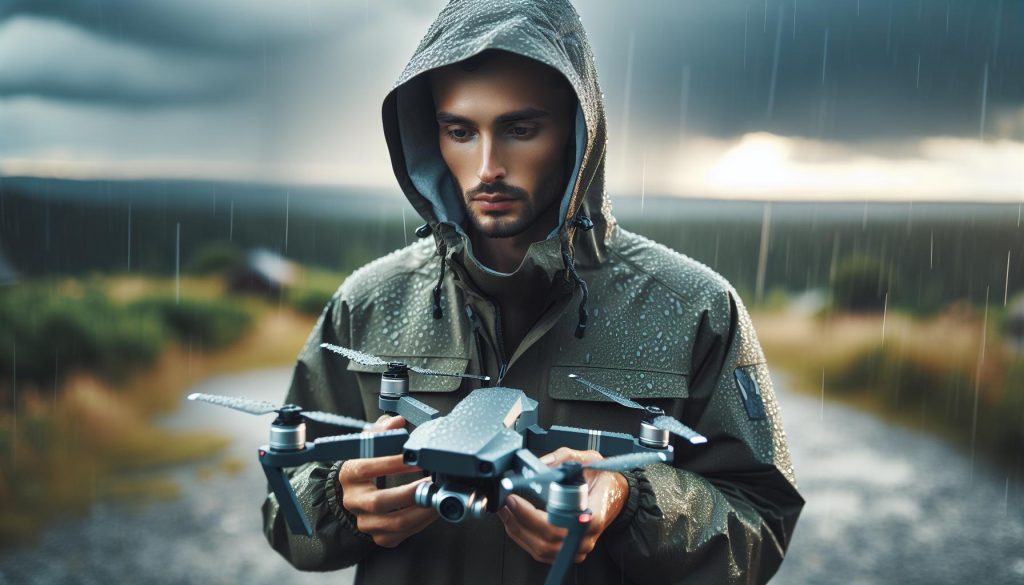
Flying a drone in the rain can be a daunting prospect for both hobbyists and professionals alike. While some DJI models come equipped with advanced weather resistance, the risks of damage and performance issues cannot be ignored. Understanding whether you can safely operate your drone in wet conditions is crucial for preserving your equipment and ensuring optimal flight performance. As you consider your next aerial adventure, it’s essential to weigh the potential hazards against the capabilities of your drone. This guide will illuminate the safety guidelines for flying DJI drones in the rain, helping you protect your investment while expanding your shooting opportunities. Dive in to explore how to navigate weather challenges and enhance your flying skills!
Understanding DJI Drones and Weather Conditions
Understanding how weather conditions impact drone operation can significantly enhance the safety and effectiveness of your flights. DJI drones are sophisticated machines, but their performance can be severely affected by environmental factors, particularly rain. Flying in adverse conditions not only risks damaging your drone but can also affect the quality of video footage and photographs. For instance, wet surfaces can lead to image distortion, while inadequate visibility can hinder your ability to control the drone effectively.
One must recognize that different DJI drone models possess varying levels of weather resistance. While some models, like the DJI Mavic 3 and DJI Phantom 4, boast an IP rating indicating better protection against moisture, others like the Mini series are more vulnerable to rain and should be treated with caution. Knowing your drone’s specifications is crucial; pilots should check the manufacturer’s guidelines to understand the limitations of their specific model.
It is also essential to be observant of weather forecasts before planning a flight. Light rain might seem manageable, but even small amounts of moisture can lead to unexpected drone issues, such as battery performance degradation. Utilizing features such as altitude hold and GPS stability can assist in maintaining control during a flight; however, adverse weather can cause sensor malfunctions, making it imperative to stay vigilant and responsive to changing conditions. By respecting these factors, pilots can ensure a safer flying experience while maximizing the potential of their DJI drones, even in less-than-ideal weather.
In summary, while the allure of capturing stunning aerial shots in rainy conditions can be tempting, informed decisions regarding weather should always prioritize the safety and integrity of both the pilot and the drone.
Why Weather Matters for Safe Drone Flight
Flying a drone in inclement weather can be exhilarating, but it also poses significant risks that cannot be overlooked. Rain is one of the most critical weather factors to consider for drone operations, as it can adversely impact not only the electronics within the drone but also the pilot’s ability to control it effectively. Modern drones, including those in the DJI lineup, are equipped with advanced technology that enables impressive performance in various conditions, yet they are not infallible. The interaction between moisture and sensitive drone components can lead to electrical malfunctions, decreased battery efficiency, and even complete control loss.
Understanding how weather, specifically rain, affects flight operation is essential for all drone pilots. For instance, an unexpected downpour could result in wet surfaces that distort images and videos, compromising the quality of the content you aim to capture. Additionally, limited visibility and pelting rain can hinder a pilot’s spatial awareness and decision-making ability during flight, leading to potentially dangerous situations. Moreover, flying in conditions that are not optimal may violate local regulations designed to ensure safety.
Maintaining situational awareness regarding weather conditions is paramount. Even a forecast predicting light rain may not give an accurate picture of environmental factors like wind conditions or sudden weather changes that can affect your drone’s flight path. Before flying, always consult reliable weather sources and prepare to adjust plans accordingly. Consider flying during times when weather conditions are stable, and ensure that your drone is equipped for potential rain. Some DJI models come with an IP rating, guaranteeing some degree of resistance to moisture, but it’s crucial to understand the limitations of your specific drone model and use it accordingly.
Incorporating proactive measures before embarking on a flight can significantly enhance safety. Always have contingency plans for sudden weather changes, and familiarize yourself with your drone’s settings that assist during adverse conditions, such as Return to Home (RTH) features or altitude hold functions. By adopting a cautious, informed approach, you can protect your investment and ensure safe, enjoyable drone operations in variable weather.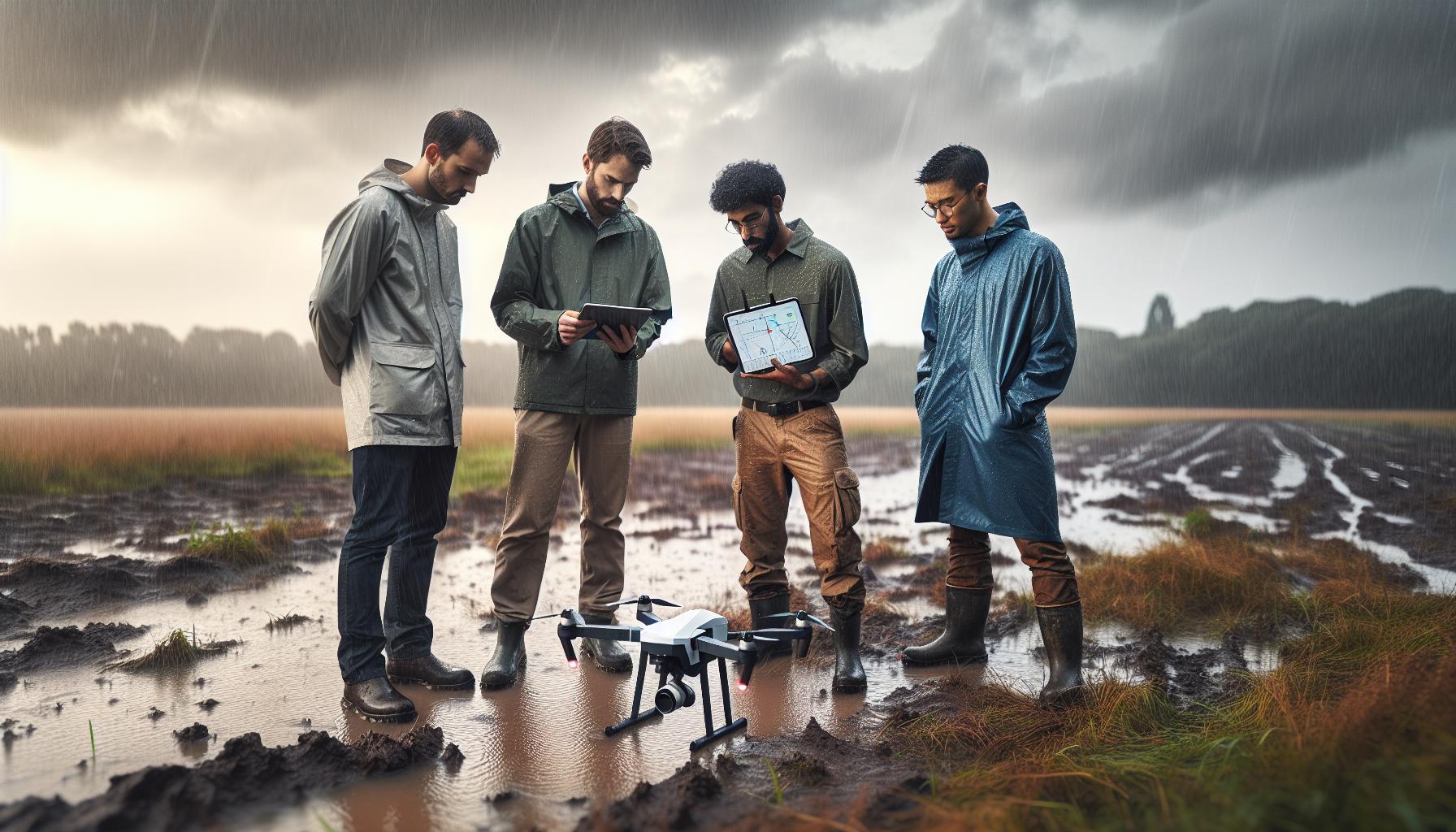
Assessing Rainy Weather Conditions for Drones
Flying a drone in rainy conditions can be an appealing adventure, yet it requires careful consideration of various factors to ensure both safety and performance. One of the primary challenges is how moisture affects key components of the drone. Rain can compromise the integrity of the electronics, leading to potential short circuits or decreased battery life. To mitigate these risks, understanding the specific rainfall intensity and your drone’s limitations is vital.
When assessing rainy weather conditions, start by determining the forecast. Check trusted weather services for not only rain predictions but also wind speeds and potential thunderstorms. Winds can exacerbate rain’s effects, making control of the drone more difficult. If conditions show signs of heavy rain or high winds, it’s advisable to postpone your flight. For lighter rain, however, some DJI models feature partial water resistance. Drones rated with an IP (Ingress Protection) rating, such as IP43 or IP54, are designed to withstand splashes and light rain, but that doesn’t mean you should take unnecessary risks.
- Visibility: Rain can significantly reduce visibility. Ensure you can maintain visual line of sight with your drone. If you cannot see the drone well, it’s safer to remain grounded.
- Battery Performance: Batteries can perform poorly when exposed to moisture. Lower temperatures associated with rain also affect battery efficiency. Watch the battery levels more closely under these conditions.
- Surface Conditions: Wet or muddy landing sites can affect the drone’s landing gear and potentially damage it if the drone tips over upon landing.
Before attempting to fly in light rain, ensure your drone is correctly set up for all conditions. Familiarize yourself with features such as Return to Home (RTH) and GPS positioning systems, which can aid in safely navigating back if you’re caught in worsening weather. It’s also beneficial to practice in suitable setup for conditions like these-fly lower but maintain a safe altitude to avoid moisture buildup on the drone body.
In summary, while flying in rain can be done safely with the right precautions and considerations, it requires heightened awareness and respect for your equipment’s capabilities. By being prepared and attentive to changing conditions, you can enjoy flying even when the weather is less than perfect.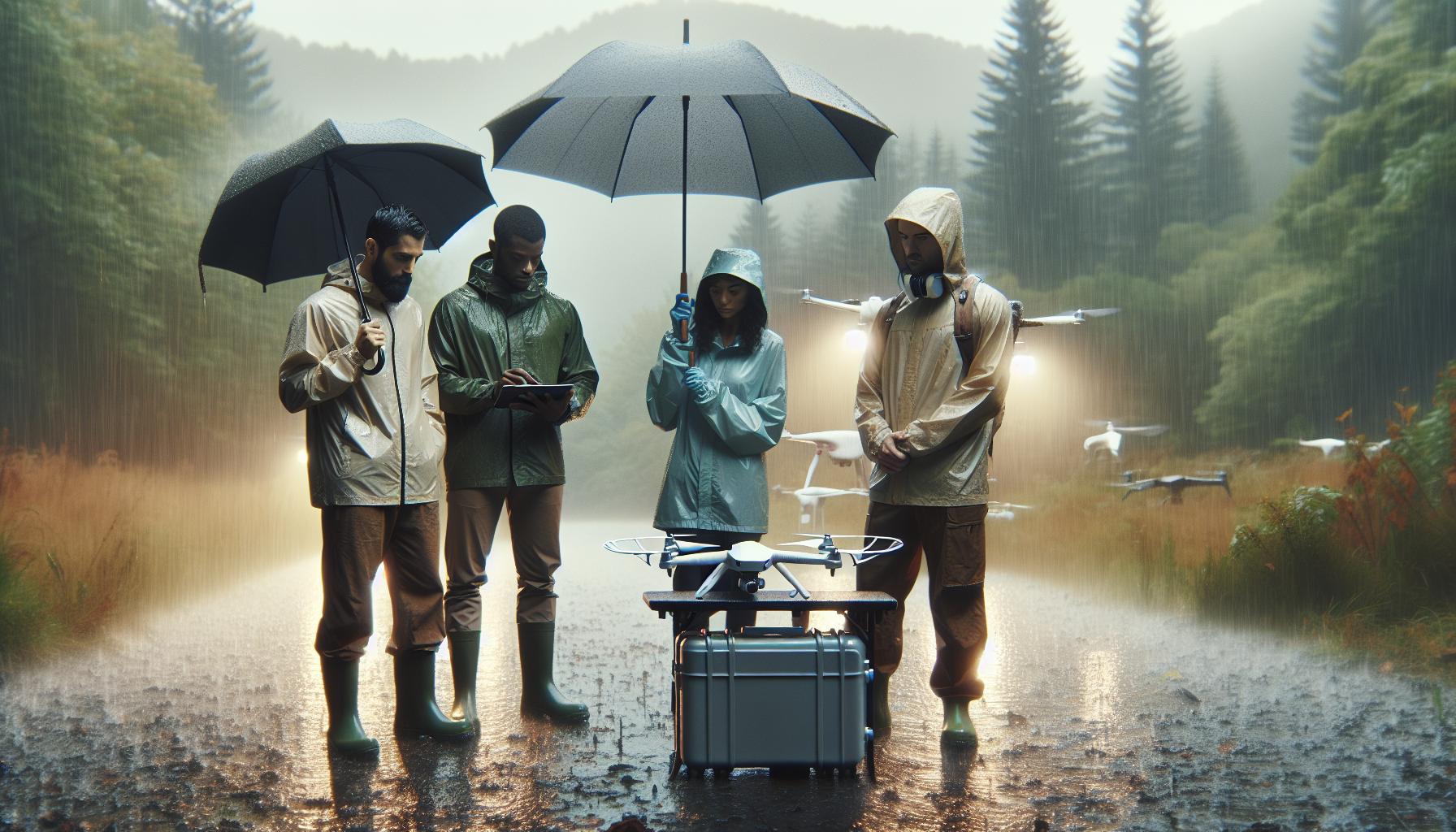
DJI’s Official Guidelines for Flying in the Rain
Flying a drone in rainy conditions not only poses unique challenges but also demands adherence to specific guidelines set by manufacturers like DJI. Understanding these official recommendations can significantly enhance both safety and performance, ensuring your drone operates optimally even in less-than-ideal weather. DJI emphasizes that while some of their drones can handle light rain thanks to varying levels of water resistance, it is crucial for pilots to evaluate all conditions before flight.
DJI’s guidelines suggest examining the severity of rain before taking off. For light drizzle, drones such as the DJI Mini series may perform adequately, but heavier rain should be avoided. Drones are typically equipped with IP ratings, which denote their resistance to solid and liquid ingress. For example, drones rated IP43 withstand splashes from water, while those rated IP54 resist dust and water to some extent. However, it’s essential to remember that these ratings do not guarantee complete protection under continuous heavy rainfall. Pilots should also be aware that while flying in light rain, visibility and battery performance might be compromised. Thus, it’s advisable to maintain a visual line of sight and monitor battery levels closely, as moisture can negatively impact battery life.
Moreover, DJI advises ensuring that the drone’s equipment, like gimbals and cameras, remains dry. Special care should be taken during landing, as wet surfaces can affect the drone’s stability upon touchdown. Where possible, landing in designated dry, flat areas can minimize risks associated with muddy or waterlogged zones. Regular maintenance-such as checking for any signs of wear or water damage on the drone-can further fortify its resilience against adverse weather.
In summary, while DJI drones can be flown in light rain under certain conditions, it is critical for pilots to remain vigilant about the weather’s impact on their equipment. By adhering to official guidelines, regularly checking environmental conditions, and understanding their drone’s capabilities, pilots can make informed decisions that prioritize safety and drone longevity.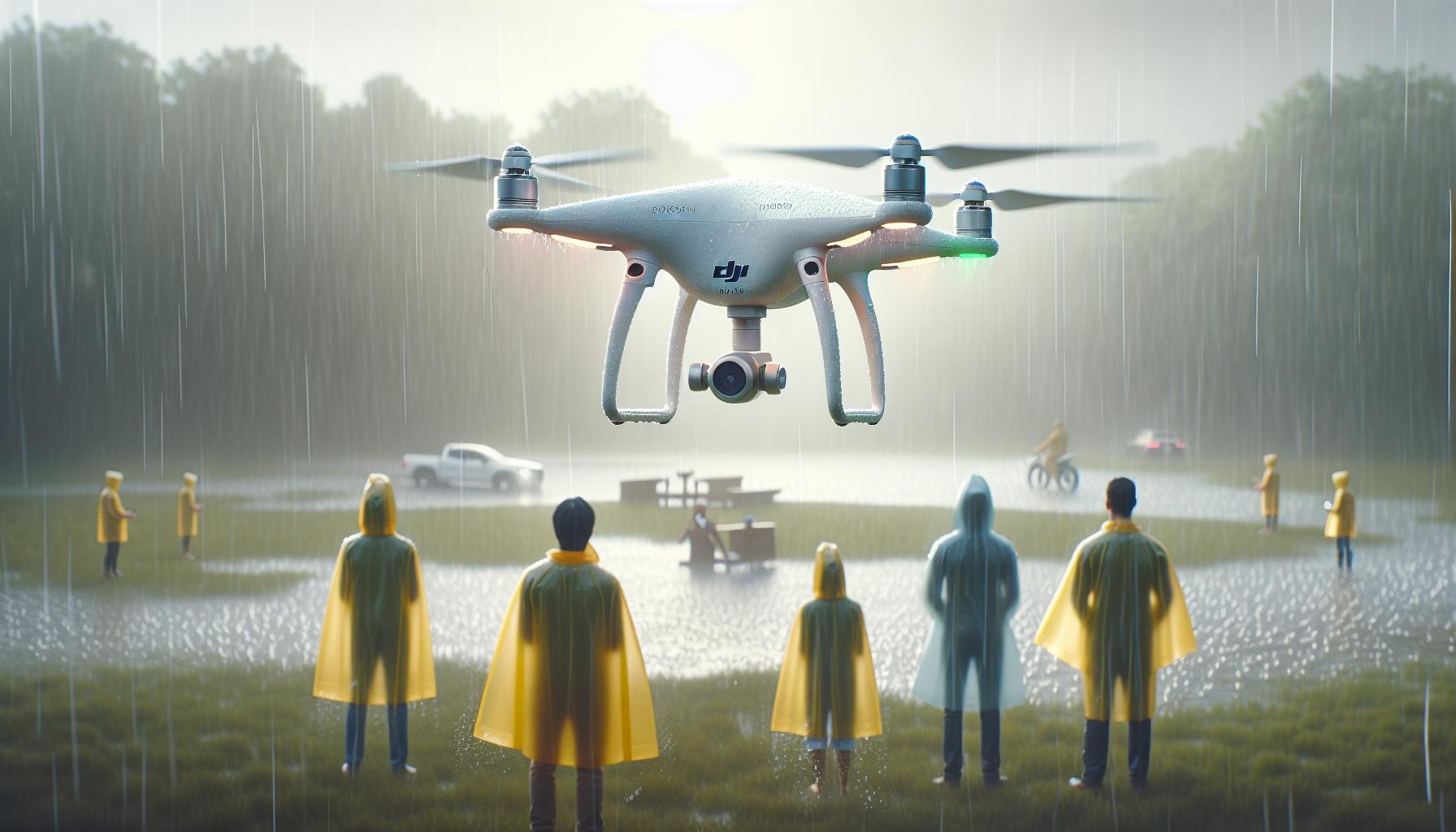
Top DJI Drone Models and Their Weather Resistance
Flying a drone in rainy weather can be a daunting challenge, but knowing which DJI models provide better weather resistance can make a significant difference. Many operators often wonder if their drones can withstand light rain. While DJI’s lineup varies widely in capabilities, certain models shine when it comes to moisture protection. Understanding the specifications of these drones allows you to make informed decisions about your flying activities in less-than-ideal conditions.
Key DJI Models and Their Weather Resistance
- DJI Mini Series: Most models in this series, including the Mini 2 and Mini SE, are lightweight and compact, which makes them less stable in windy and rainy conditions. While they can handle light drizzle thanks to their basic water resistance, pilots should always prioritize caution. The IP rating primarily emphasizes that these models aren’t fully waterproof; thus, flying in steady rain is ill-advised.
- DJI Mavic Air 2: This model showcases enhanced durability with an IP rating of IPx4, meaning it can resist splashes of water from any direction. While not suitable for heavy rain, it’s more capable than the Mini series and allows for cautious operations if the weather turns unexpectedly. However, operators should still monitor the conditions closely and prioritize a quick landing if rain intensifies.
- DJI Mavic 3: The Mavic 3 is equipped with advanced weather resistance and has received positive feedback for handling light precipitation. The drone combines impressive flight stability with an IP rating of IP53, which means it can withstand light rain, but continuous exposure is best avoided. Its premium features allow for reliable performance when conditions are manageable.
- DJI Phantom 4 Pro V2.0: With a more robust design, the Phantom 4 Pro V2.0 offers better weather resilience than most compact models. Although it is not explicitly rated for water exposure, many users have successfully flown it in misty conditions. The larger body and stronger motors contribute to improved handling of gusts and rain.
For operators planning to fly in potentially wet environments, it’s crucial to understand that while some DJI drones exhibit higher levels of resistance, none are designed for submerged or continuous rain exposure. Always remember to check the forecast, assess the conditions before flight, and consider using protective gear for your drone, such as rain covers, when appropriate. This proactive approach can safeguard your investment and enhance your flying experience even in challenging weather conditions.
How to Prepare Your Drone for Rainy Conditions
Flying a drone in rainy conditions requires careful preparation to ensure both the safety of the equipment and the quality of your footage. While many DJI drones feature some level of water resistance, the key is to take proactive steps that can shield your drone from moisture and minimize potential damage. Understanding how to outfit and adapt your drone for wet weather can significantly enhance your flying experience, even in less than ideal conditions.
To start, consider equipping your drone with protective accessories specifically designed for rainy environments. Using a waterproof case or a neoprene cover can provide an extra layer of protection against moisture. These covers are designed to fit snugly around your drone, keeping water from seeping into critical components and seams. For pilots of the DJI Mini or Mavic series, investing in high-quality rain covers can be a practical choice given their more limited water resistance ratings. Remember to test any protective gear before your flight to ensure that it does not obstruct sensors or air intakes.
Additionally, before heading out, conduct thorough pre-flight checks that focus on identifying any vulnerabilities of your drone. Inspect the gimbal and camera for tight seals; ensure that the battery compartment is properly closed to prevent moisture entry. If you know rain is in the forecast, consider updating your drone’s firmware to the latest version. This ensures optimal operating efficiency and helps minimize potential glitches that could arise from unexpected weather changes.
Once ready for flight, keep an eye on the weather conditions in real-time. Weather can be unpredictable, and it is crucial to be ready to land your drone quickly if rain intensifies. Maintain close control of your flight path and try to avoid flying in areas with heavy cloud cover or where sightlines are obscured. By taking these steps, you can improve your chances of a successful flight even in light rain, paving the way for enjoyable and productive drone experiences in varying weather conditions.
Tips for Safe Flying in Light Rain
Flying a drone in light rain can be a thrilling and productive experience, but it also requires additional caution and preparation. Keeping your equipment safe while capturing stunning aerial footage in wet conditions demands a blend of savvy techniques and practical gear. When planning your flight, it’s essential to understand not only your drone’s capabilities but also the nuances of operating it in adverse weather.
To enhance safety while flying in light rain, consider the following tips:
- Check Weather Forecast: Before launching, evaluate the weather for sudden changes. Look for upcoming showers or increased wind speeds that could affect stability.
- Use Protective Gear: Equip your DJI drone with a suitable rain cover, neoprene jacket, or waterproof case to shield critical components from moisture. Ensure these accessories do not impede sensor functionality or airflow.
- Limit Flight Duration: Plan shorter flights to reduce exposure to rain. If conditions worsen unexpectedly, a shorter flight means less risk of significant water damage.
- Conduct Pre-Flight Inspections: Thoroughly inspect your drone for moisture vulnerabilities. Focus on sealing around the gimbal and camera, and check that the battery compartment is sealed tightly.
- Maintain Visual Line of Sight: Flying in light rain may obscure visibility. Always keep your drone within sight to manage its path and avoid obstacles effectively.
- Be Cautious with Altitude: Avoid high altitudes where rain may be heavier, especially if clouds are low. Staying closer to the ground provides better control and response time.
- Consider Flight Modes: Utilize specific flight modes that enhance stability during varied conditions, such as the Positioning or GPS mode, to keep your drone steady amidst light rain.
These strategies empower pilots to make informed decisions, offering insights that can lead to successful and enjoyable flying even as the weather takes a turn. By taking necessary precautions and understanding the behavior of your specific DJI model, you increase your chances of capturing remarkable footage while minimizing risks associated with wet conditions.
Avoiding Common Mistakes Flying Drones in Rain
Flying a drone in rainy weather can be challenging and risky if you aren’t fully informed about the common pitfalls associated with moisture exposure. Many drone pilots underestimate the impact that even light rain can have on their equipment and overall flying experience. The key to successful operations in such conditions lies in understanding these potential mistakes and how to avoid them.
One major misstep is ignoring the drone’s IP (Ingress Protection) rating, which indicates its resistance to dust and water. While some DJI models, like the Mavic 2 Enterprise or the Phantom 4 Pro, possess higher ratings, they are not completely waterproof. Pilots often assume that because their drone has some weather resistance, they can fly safely in rain without any precautions. It’s critical to recognize the limitations of your specific model and plan flights accordingly to avoid water-related mishaps.
Another frequent error involves neglecting pre-flight checks. Even seasoned pilots might forget the importance of ensuring that all compartments are tightly sealed against moisture. This oversight can lead to water entering sensitive components and causing irreversible damage. Always verify that gimbals, batteries, and camera lenses are clean and secure before takeoff. Conducting a thorough inspection and using protective gear such as waterproof bags or covers can significantly mitigate risks.
Additionally, many pilots fail to adjust their flying practices according to rainy conditions. For example, maintaining a lower altitude is essential, as flying too high can expose drones to heavier rainfall. Also, opting for a rapid ascent can lead to instability; rain falling at higher altitudes can disrupt your flight path and affect battery life. Instead, take a more measured approach by flying at a stable altitude and gradually increasing your elevation only when conditions permit.
Lastly, underestimated visibility concerns can lead pilots into trouble. Rain can obscure not just the drone’s onboard cameras but also the pilot’s field of vision. Avoid getting caught in the thick of things; ensure you’re in an environment where you maintain a clear line of sight with the drone to enhance safety. Reinforcing situational awareness with visual checks can help navigate challenges and avoid obstacles effectively.
By being mindful of these common mistakes and implementing proactive strategies, pilots can enhance their safety while enjoying the unique experience of flying a DJI drone in rainy weather. Gradually building expertise in adapting to various conditions ensures a more confident and successful aerial journey, no matter the forecast.
What to Do if Your Drone Gets Wet
If your drone encounters wet conditions or, worse, takes a dive into water, immediate and effective action is crucial to prevent lasting damage. The urgency of dilution becomes paramount; taking swift and thoughtful steps can often save your drone from irreparable harm. Understanding how to respond when your UAV gets wet can be the difference between a smooth recovery and a hefty repair bill.
First and foremost, power down your drone immediately. If it’s still operational after getting wet, shutting it off can help minimize electrical shorts. Once powered down, remove any accessible components such as the battery, SD card, and props. This makes a significant difference as it allows for a clearer path for moisture to escape and reduces the risk of damage to internal electronics.
Next, it’s important to dry the drone thoroughly. Use a soft, lint-free cloth to carefully wipe down the exterior, removing any excess moisture. For internal components, avoid directly blowing air into the drone using a hairdryer, as this can disperse moisture further. Instead, use a can of compressed air, keeping it at an angle to avoid blowing moisture towards sensitive parts. If available, consider placing the drone in a bag of uncooked rice or silica gel packets, which can effectively absorb moisture over time.
After the initial drying steps, let your drone sit in a dry, warm environment for at least 24-48 hours. Patience is vital here; rushing the process can increase the chances of electrical issues later. During this drying period, monitor your drone and check for any visible signs of moisture or corrosion, especially around connectors and internal components.
Before attempting to power the drone back up, perform a thorough inspection. Pay particular attention to the battery, as it may have absorbed moisture, posing risks when recharged. If everything appears dry and intact, reinsert the battery and conduct a test flight in a safe area, remaining vigilant for unusual behaviors or signals from the UAV. If any problems arise, it may be best to consult a repair professional or the manufacturer to avoid further damage.
In conclusion, while wet conditions may seem formidable for drone enthusiasts, knowing how to respond when misfortune strikes can mitigate long-term consequences and save your equipment. Always consider preventive measures, but should your drone take an unplanned plunge, follow these steps to maximize your chances for a successful recovery.
Legal Considerations for Flying Drones in Bad Weather
Navigating the skies with a drone during inclement weather can be a double-edged sword. While the thrill of capturing stunning aerial footage in unique weather conditions can be enticing, it also brings a host of legal considerations that every operator must heed. Flying DJI drones in rain or other adverse weather is not only about skill and preparation; it’s crucial to understand the regulatory frameworks and liabilities that accompany such ventures.
Before taking off, operators must be aware of local regulations regarding weather conditions. Many jurisdictions have specific rules that restrict flying in poor weather, including heavy rain, strong winds, or reduced visibility. For instance, the Federal Aviation Administration (FAA) in the U.S. mandates that drone operators must maintain visual line of sight (VLOS) with their UAV. If rain obstructs visibility or poses a danger, flying could violate these regulations, resulting in penalties or fines. Additionally, drone insurance policies may not cover incidents that occur during unauthorized flights in adverse conditions, potentially leaving the operator financially responsible for damages.
Liability becomes particularly important when considering the safety of others. If a drone malfunctions in the rain, leading to an accident that injures someone or damages property, the pilot could face legal repercussions. To mitigate this risk, it’s advisable to conduct thorough pre-flight checks and ensure that the drone is rated for wet conditions, if attempting flight in such weather at all. Operators should also document their flight plan and any weather conditions, as this can serve as evidence of due diligence should any disputes arise later.
Lastly, engaging with local flying communities and forums can provide insight into best practices for operating drones in changing weather. Many experienced pilots share their lessons learned and legal advice based on personal encounters, contributing to safer flying practices. Keeping informed through continuous education is key; not only does it enhance your flying skills, but it also builds a deeper understanding of the legal landscape surrounding drone operations, particularly in challenging weather.
In summary, while DJI drones can technically operate in light rain, understanding the legal ramifications and ensuring compliance with all regulations before making the leap is crucial for safe and responsible flying. Prioritize safety over spontaneity, and be prepared to adapt your plans based on the weather conditions and legal guidelines in your area.
User Experiences: Flying DJI Drones in Rainy Weather
Flying drones in the rain can be a daunting experience, yet many operators have braved the elements to capture stunning images and footage. User experiences often highlight the balance between maintaining operational integrity and pushing creative boundaries. For instance, pilots with the DJI M300 RTK have reported successful flights in light rain, thanks to its IP45 rating, which provides a sustainable level of moisture resistance. This drone’s ability to withstand the occasional downpour makes it an excellent option for professionals seeking robust performance during varied weather conditions. Such feedback confirms that while many DJI models can handle moderate wetness, understanding the limitations of each specific drone is crucial.
Safety should always be the top priority, and many users recommend rigorous pre-flight checks before operating in rainy weather. Operators often suggest inspecting the propellers, battery connections, and gimbal functionality to ensure that water does not compromise performance. It’s also advisable to keep flight times brief and the aircraft close; this allows for quicker retrieval if unexpected issues arise, as one pilot discovered when their Mavic Air 2 performed admirably in light drizzle but had to be brought down hastily due to increased wind gusts. Feedback from the flying community emphasizes that flying cautiously and preparing can make all the difference when facing less-than-ideal conditions.
Many experienced drone operators also urge against temptation to fly in heavier rains, as the risks far outweigh potential rewards. In user-generated forums, pilots share harrowing tales of drones becoming unresponsive or suffering malfunctions after exposure to excessive moisture. The consensus is clear: while it might be exhilarating to capture images of a stormy landscape, safety protocols should guide the decision-making process. As such, investing in protective gear or modifications for your drone can help prevent damage. Operators frequently recommend waterproof skins, including silicone casings or specially designed bags that keep electronics dry while maintaining maneuverability.
Ultimately, user experiences around flying DJI drones in rain reveal an intricate dance of thrill and caution. Relying on anecdotal evidence paired with manufacturer specifications can help pilots make well-informed choices that enhance their flying adventures while minimizing risks. Engaging with local flying groups and online communities will provide additional insights and recommendations, helping both novice and experienced operators navigate the challenges of flying in variable weather conditions effectively.
Advanced Techniques for Rainy Day Drone Photography
Capturing stunning aerial photography in rainy weather presents a unique set of challenges and opportunities. While you may face obstacles like limited visibility and wet equipment, the resulting images can offer dramatic atmospheres and striking contrasts that dry conditions simply can’t match. Mastering the art of rainy day drone photography involves both technical skills and creative strategies to ensure stunning results while prioritizing safety.
Preparing Your Equipment
Before you even think about launching your drone, it’s crucial to prepare both your equipment and yourself for the conditions. Make use of protective gear to shield your drone from moisture. Consider using:
- Waterproof shells: These will cover vital components, ensuring that water doesn’t seep into critical areas.
- Lens hoods: Useful for preventing rain droplets from splattering on the camera lens.
- Silica gel packets: Place these in your drone’s casing to absorb any excess moisture that may accumulate.
Additionally, it’s wise to apply a protective coating to your drone’s camera lens to enhance water resistance further. Conduct thorough pre-flight checks to ensure everything is functioning optimally.
Taking Advantage of the Conditions
Rainy weather can enhance the mood of your photos, but achieving compelling images requires a different approach. Here are some techniques to make the most of these conditions:
- Timing is key: Wait for the moments when rain is light, or as it begins to taper off. The clouds will create a soft light that can reduce harsh shadows and add depth to your images.
- Focus on reflections: Puddles and wet surfaces can create beautiful reflections. Position your drone at low altitudes over such surfaces to capture striking images that highlight this effect.
- Utilize post-processing: Editing tools can further enhance the atmospheric quality of your shots. Boost the contrast to emphasize the raindrops or add a moody filter to align with the rainy theme.
Mastering Your Drone’s Settings
The settings on your DJI drone can significantly impact your results during rainy weather. Adjusting your camera settings to suit the conditions is vital for optimal shots. Here are a few tips:
- Increase ISO: Since light can be limited during rainy days, you may need to increase your ISO settings. This adjustment allows your camera to capture more light, though be cautious of added noise.
- Adjust shutter speed: To freeze the motion of raindrops or moving subjects, opt for a faster shutter speed. For less movement, slower speeds can help create dreamy, blurred effects.
- Experiment with white balance: Rainy conditions often cast a bluish tone. Adjust your white balance settings to bring warmth back into your footage for a more natural look.
With thoughtful preparation, careful attention to your equipment, and an understanding of the rainy environment, drone photography on damp days can yield breathtaking results. Proper techniques not only enhance your work but also ensure a safe and enjoyable flying experience.
FAQ
Q: Can DJI drones fly in light rain?
A: While some DJI drones can handle minor moisture exposure, it’s generally not recommended to fly them in light rain. Most models, like the Mini series, lack waterproofing and risk damage if water seeps into electronics. Always check your specific drone’s weather resistance ratings before flying in adverse conditions.
Q: What happens if my drone gets wet in the rain?
A: If your DJI drone gets wet, immediately power it off and remove the battery. Dry the exterior with a cloth and let it air dry completely before attempting to power it back on. Consider seeking professional repair if it has sustained significant moisture exposure to avoid long-term damage.
Q: How can I protect my drone from rain?
A: To protect your drone from rain, use a waterproof case or cover when not in flight. Additionally, consider flying during breaks in the weather and avoid areas with high humidity. Some pilots also use drone-specific waterproof bags for transport during inclement weather.
Q: Are there specific DJI models designed for wet conditions?
A: Yes, the DJI M300 RTK is designed for more challenging conditions and has an IP45 rating, offering better protection against moisture compared to consumer models. These enterprise drones are built for reliability and can handle light rain, but it’s still essential to exercise caution.
Q: What are the best practices for flying a drone in rainy weather?
A: Best practices for flying in rainy weather include monitoring weather conditions closely, avoiding heavy rain and strong winds, and conducting pre-flight checks for moisture. Always have a backup plan and be prepared to land quickly if weather conditions worsen.
Q: Can I use a drone to capture footage in the rain?
A: Capturing footage in light rain can be done with weather-resistant drones like the M300 RTK. However, ensure your equipment is protected with appropriate covers and filters to reduce water impact on the camera and lens.
Q: What regulatory considerations should I know when flying in bad weather?
A: Before flying in adverse weather conditions, check local regulations as some areas may have restrictions on drone operations during stormy or hazardous weather. Always prioritize safety and adhere to the guidelines set by your aviation authority.
Q: How can I tell if it’s too rainy to fly my drone?
A: Use visual cues for decision-making: if visibility is reduced, raindrops are heavy, or the wind is gusting, those are signs it may be too risky to fly. Trust your judgment and follow your drone’s onboard alerts for weather-related issues.
Concluding Remarks
While flying DJI drones in the rain may be tempting, it’s essential to prioritize safety and ensure optimal performance conditions. Remember the key guidelines we’ve discussed: always check your drone’s specifications for water resistance, monitor local weather forecasts, and understand potential risks associated with flying in wet or windy conditions. If you’re eager to enhance your flying skills or explore drone capabilities further, consider reading our detailed guides on drone maintenance and safe flight practices.
Don’t let a little rain hold you back! Equip yourself with knowledge by checking out our tutorials on firmware updates and indoor flying techniques to keep your skills sharp. Join our community by signing up for our newsletter for the latest updates and tips directly to your inbox. Have questions or insights to share? We encourage you to leave a comment below and connect with fellow enthusiasts. Your journey in the world of DJI drones is just beginning-let’s discover it together!