Traveling with a DJI drone can elevate your adventures, allowing you to capture stunning aerial footage and unique perspectives. However, flying with your drone means navigating a maze of airline regulations, security procedures, and local laws, which can often feel daunting. Whether you’re a seasoned pilot or a first-time flyer, understanding the ins and outs of traveling with your drone is essential to ensure a smooth journey and hassle-free flights. This comprehensive guide will demystify the process, providing you with the necessary steps to transport your DJI safely, comply with airline requirements, and make the most of your travel experiences. Join us as we explore everything you need to know to bring your aerial photography dreams to life while exploring the skies across the globe.
Can You Fly DJI Drones on Airlines?
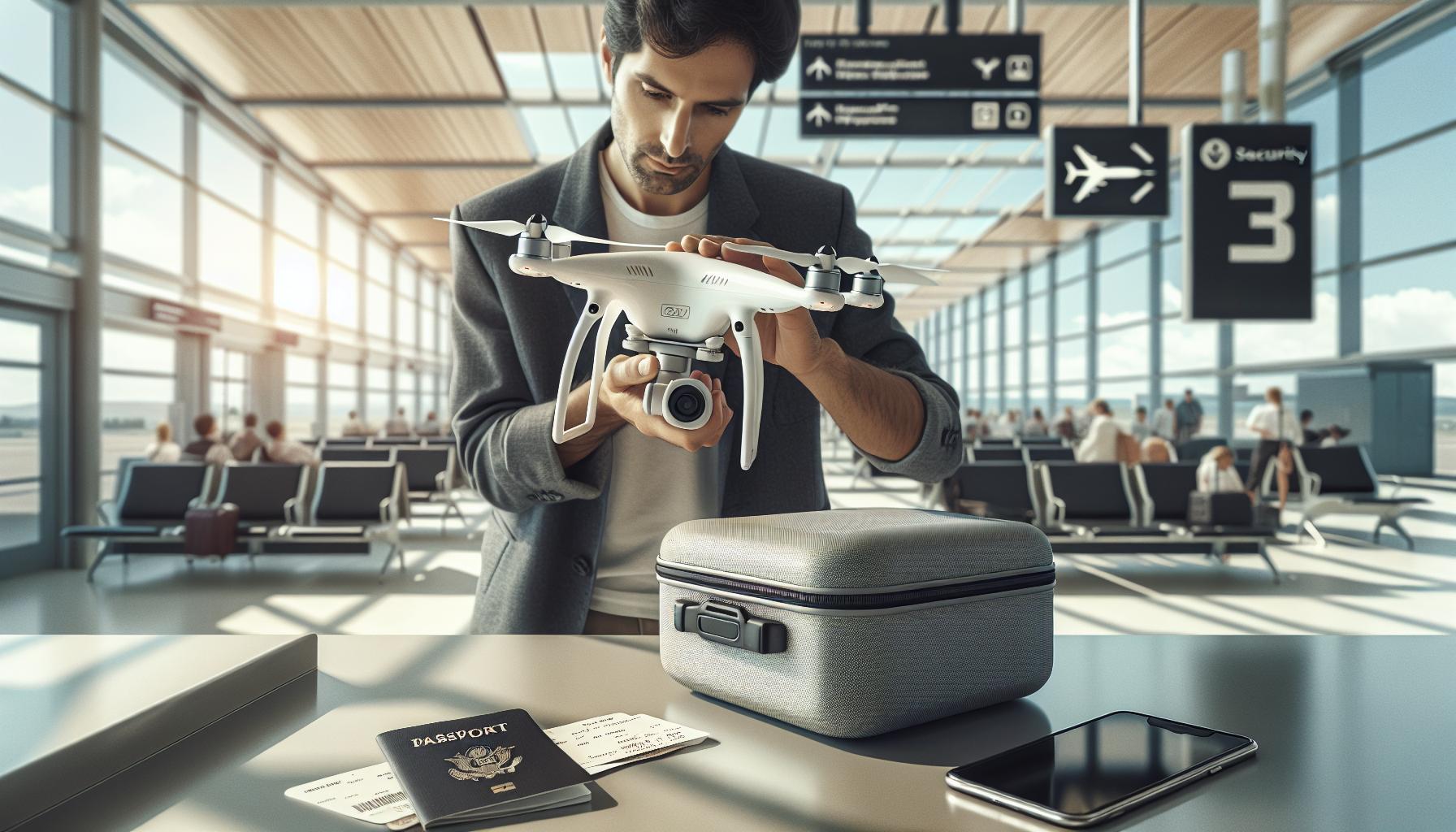
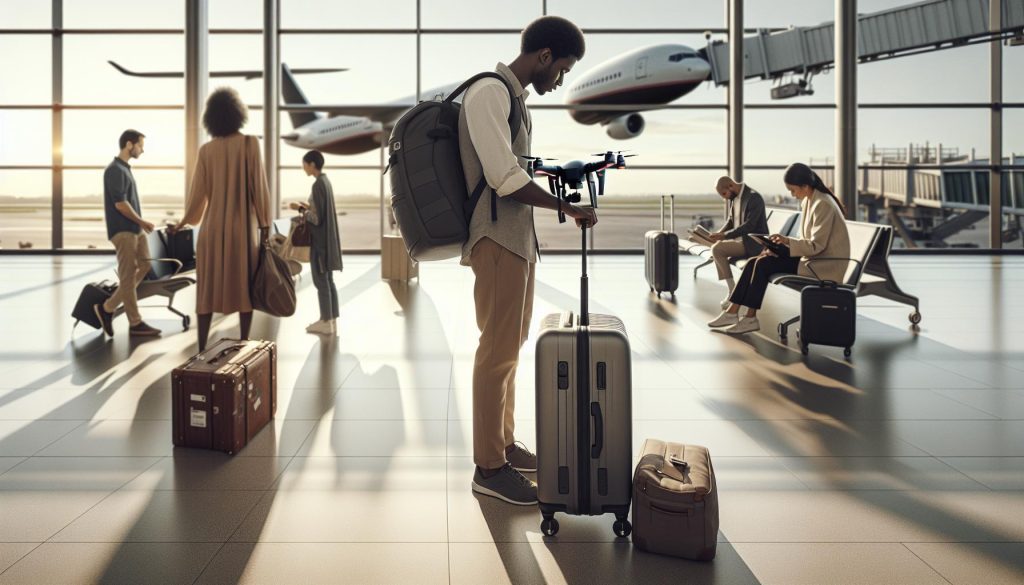
Traveling with a DJI drone can be an exhilarating experience, enabling enthusiasts to capture breathtaking aerial views from exotic locations. However, understanding the regulations surrounding the transport of drones on airlines is essential for a smooth journey. Major airlines generally allow passengers to carry drones in their carry-on luggage, though precise regulations can vary significantly depending on the airline and destination.
Before packing your DJI drone, familiarize yourself with battery size regulations, as the Transportation Security Administration (TSA) has specific rules regarding lithium batteries. For instance, you are typically allowed to take small batteries (less than 100 watt-hours) on board, but larger batteries may be subject to restrictions-medium batteries often limited to two per person, and large batteries are generally prohibited in carry-on luggage [[1]]. It is crucial to check the airline’s policies beforehand to avoid any surprises at the airport.
When preparing to fly with your drone, ensure that all components, including the controller and batteries, are securely packed to prevent damage. Utilize protective cases specifically designed for drones. Moreover, keep your drone and batteries accessible in your carry-on luggage, as TSA agents may need to verify them during security checks. Understanding these travel regulations ensures a hassle-free experience, allowing you to focus on what matters-capturing stunning footage when you reach your destination.
Understanding Airline Regulations for Drones
Traveling with a DJI drone opens up a world of breathtaking photographic opportunities, but it’s essential to navigate the complex web of airline regulations to ensure a smooth journey. While most airlines permit drones in carry-on luggage, understanding the specific guidelines for your chosen airline and destination is crucial. Each airline may have unique policies governing the transportation of drones, particularly regarding battery limits, weight restrictions, and the overall size of your carry-on items. As a general rule, always verify the airline’s latest regulations and any additional requirements related to drone travel before heading to the airport.
Battery regulations play a significant role in drone transport. The Transportation Security Administration (TSA) imposes strict rules on lithium batteries, which are often the most significant challenge for drone operators. Batteries with a capacity of less than 100 watt-hours are typically allowed in carry-on luggage, while those between 100 and 160 watt-hours may require airline approval. It’s advisable to limit the number of medium-sized batteries to two per person, and most airlines prohibit larger batteries altogether in cabin baggage. Always check your specific model’s battery rating to avoid surprises.
Another key aspect is how you pack your drone. Utilize a sturdy, padded drone case to protect your equipment from potential damage during transit. Ensure all drone components, including the controller, batteries, and any accessories, are securely stowed and easily accessible. This preparation not only helps during the boarding process but also ensures compliance with TSA guidelines, as agents may need to conduct additional screenings on your drone and equipment.
In addition to airline regulations, consider the laws and regulations of your destination about flying drones. Each country may enforce different rules regarding drone usage, including registration requirements, no-fly zones, and other local regulations. To make the most of your travels and avoid any legal entanglements, research these aspects well in advance. This diligence will not only safeguard you from potential legal issues but also enhance your drone flying experience wherever your adventures take you.
Essential DJI Drone Travel Preparations
Traveling with a DJI drone can be an exhilarating experience, allowing you to capture stunning aerial imagery from new and breathtaking perspectives. However, successful travel with your drone involves more than just packing it up and heading to the airport. Proper preparation is essential to ensure compliance with both your airline and the regulations of the destination you are visiting.
Among the most critical aspects of preparation is understanding battery regulations. Lithium batteries are typically the most scrutinized items during drone travel due to their fire hazard potential. Most airlines allow batteries under 100 watt-hours in carry-on luggage without restriction. If your drone’s batteries fall between 100 and 160 watt-hours, you’ll need to seek airline approval, and it’s sensible to limit the number of these medium-sized batteries to two per person. For batteries with a capacity exceeding 160 watt-hours, they are generally banned from carry-on luggage. Make sure to check the specifications of your drone’s batteries well in advance to avoid any surprises at security checkpoints.
Organizing Your Gear
Another important consideration is how to organize and pack your drone gear. A sturdy and padded drone case is indispensable for protecting your equipment from impacts during transit. Ensure that all components-drone, controller, batteries, cables, and other accessories-are securely housed within the case. It’s wise to keep your drone’s manual and any potential paperwork (such as a bill of sale or registration details) at hand in case they are needed during travel. Additionally, familiarizing yourself with the layout of your case will make the screening process smoother, as TSA agents may need to inspect items individually.
Lastly, as a responsible drone operator, research is paramount when preparing for international travel with your DJI drone. Different countries have varying rules and regulations regarding drone usage, including registration requirements and designated no-fly zones. Some destinations may require you to register your drone before your arrival, while others may have outright restrictions on recreational drone flying. Planning your drone flights in alignment with local laws ensures you can enjoy your hobby without risking legal penalties.
Traveling with a DJI drone can enhance your adventure, but meticulous preparation is crucial. By understanding battery regulations, organizing your equipment properly, and researching destination laws, you’ll be well-equipped to navigate the complexities of airline travel with your drone. This preparation not only ensures compliance but also unlocks the full potential of your aerial photography aspirations abroad.
Packing Your DJI Drone for Travel
Traveling with your DJI drone can be a thrilling experience, enabling you to capture breathtaking vistas from above, but proper packing is essential to ensure your equipment arrives intact and ready for action. The way you organize and protect your drone gear during travel can significantly impact your flying experience. Here are some vital tips to help you pack your DJI drone effectively.
Begin by investing in a high-quality, padded drone case designed specifically for your model. A well-constructed case offers cushioning against shocks and bumps that can occur during transport. Ensure that the case has separate compartments for the drone, controller, batteries, and accessories. This organization not only protects your gear but also makes it easier to access what you need quickly, saving time during airport security checks.
When packing your drone, disassemble any components that can be removed, such as propellers and antennas. Store them in designated pockets or compartments within your case to prevent them from bending or breaking. Place the batteries in their own compartment, ideally using a fire-resistant battery bag for additional safety. Since lithium batteries are often subject to strict airline regulations, ensure they are either fully charged or within the recommended charge limits before your trip.
Additionally, keep essential documentation handy. This includes your drone’s manual, registration papers, and receipts. Having these documents accessible will streamline the security process, as TSA agents may require proof of ownership and compliance with regulations. Consider attaching a label with your contact information on your drone case, so it can be returned quickly in case it gets lost.
Lastly, make a packing checklist to double-check your gear before leaving for the airport. This should include your drone, batteries, controller, accessories, and any additional items you plan to use, such as propeller guards or ND filters. By taking the time to pack your DJI drone methodically, you’ll set yourself up for a successful journey, ensuring that you can hit the ground flying once you reach your destination.
Navigating TSA Security Checks with a Drone

Navigating airport security with your DJI drone can be a straightforward process if you’re well-prepared and know what to expect. Airports are increasingly familiar with drones, but you still need to demonstrate a clear understanding of TSA regulations. Start by having your drone easily accessible in your carry-on bag. Placing it in a separate bin during screening allows for a smoother inspection. Remember, the TSA recommends that lithium batteries be carried in your hand luggage rather than checked, as this mitigates the risk of fire.
Before arriving at the airport, familiarize yourself with TSA guidelines on drone travel. Key points include ensuring your batteries are under the maximum allowed watt-hour capacity and checking if the drone itself meets size regulations. Carry spare batteries and ensure they are properly stored-often in a battery case or a padded compartment-to protect them from damage. Make sure the battery terminals are taped to prevent short-circuiting.
When you reach the security checkpoint, be ready for your drone to be swabbed for explosive residue, as this is standard procedure. To streamline the process, you can preemptively let the TSA officer know that you are traveling with a drone. Additionally, having all your documentation-such as registration, manuals, and receipts-handy can help answer any questions they may have and show that you are compliant with regulations.
Lastly, remain calm and cooperative throughout the screening process. Security personnel are professionals trained to handle various scenarios, including those involving drones. A friendly demeanor can go a long way in resolving potential issues quickly and getting your gear ready for your next adventure. By following these guidelines, you’ll ensure a hassle-free experience as you embark on your journey with your DJI drone.
International Travel Considerations for Drones

Traveling internationally with a DJI drone can be an exhilarating experience, but it comes with a unique set of challenges and regulations that every pilot must understand. Before you embark on your journey, it’s crucial to research the drone laws and regulations of both the departure and arrival countries. Many nations have specific drone regulations, and flying without the appropriate permits or in prohibited areas can result in significant fines or confiscation of your equipment. For instance, in countries like Japan and Canada, you may require specific licenses or insurance to legally operate your drone, especially in urban environments.
Another important aspect to consider is the health and safety of your drone’s batteries. Most airlines allow you to travel with lithium batteries, but restrictions often apply based on their watt-hour rating. If your batteries exceed the maximum allowable watt hours, you may find yourself unable to bring them on board. Additionally, airlines usually require that all spare batteries be safely stored in your carry-on luggage, preferably in a protective case to prevent damage or short-circuiting during travel.
When arriving at your destination, familiarize yourself with local airspace restrictions and no-fly zones. Different countries have varying approaches to drone regulations, and it’s common for popular tourist destinations to have specific rules in place for drone usage. For instance, flying drones in national parks is often prohibited in many countries, so be sure to check local laws to avoid fines or having your drone impounded. Engaging with local drone communities can also provide insights into safe flying areas and best practices for capturing stunning aerial footage responsibly.
Lastly, it’s equally important to maintain open communication with airline staff both during the check-in process and throughout your flight. Communicating clearly about your drone and its components can prevent misunderstandings that might arise during security checks. Ensuring that your equipment is well-packaged and documented will also smooth the process. With preparation and knowledge, you can enjoy your travels while responsibly flying your DJI drone around the globe.
State-Specific Drone Laws to Know Before You Go
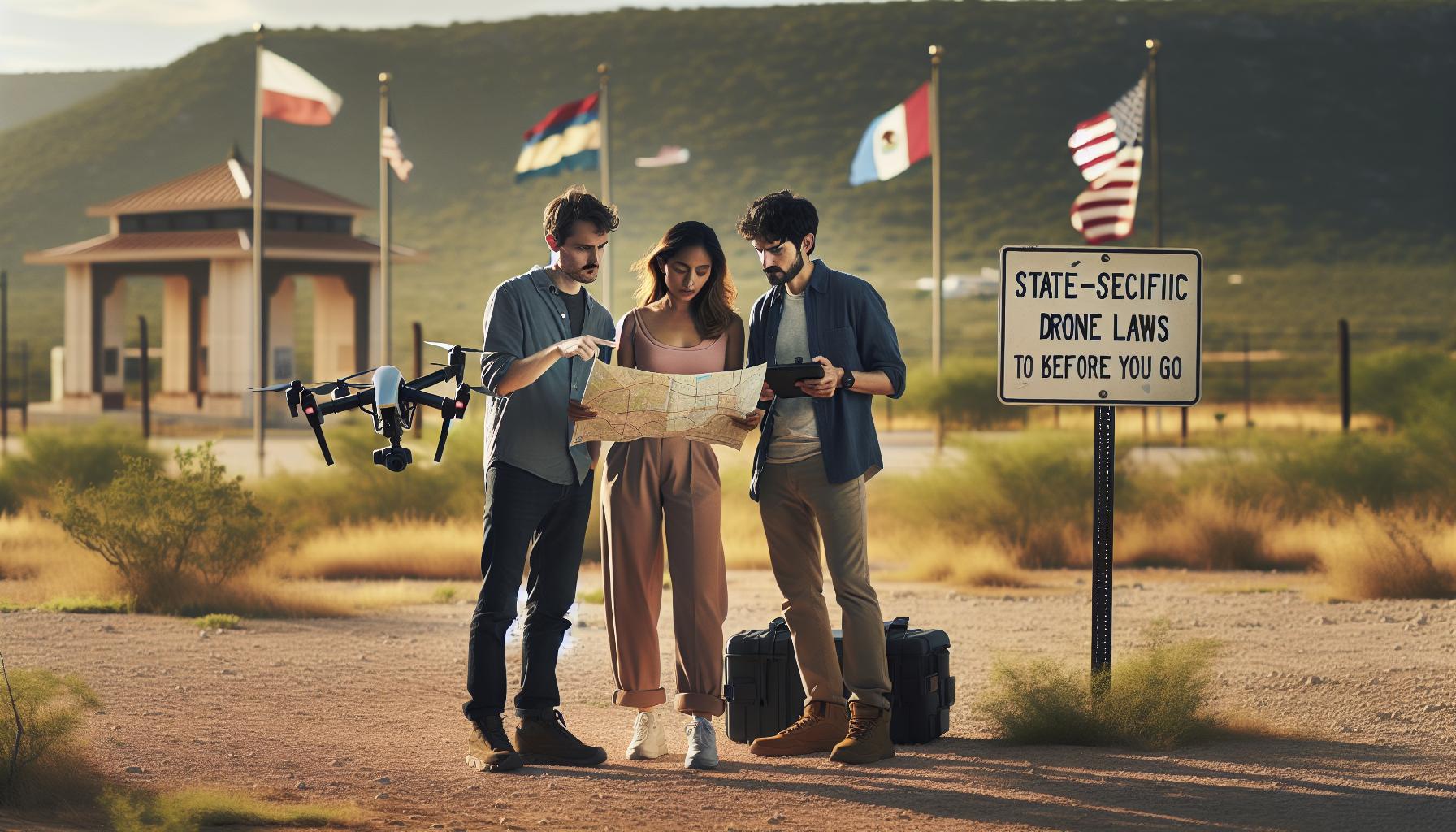
Navigating the complex landscape of drone laws can be daunting, especially when you’re planning to travel with a DJI drone. Each state in the U.S. has its own set of regulations governing drone usage, which means that what might be legal in one area could be strictly prohibited in another. For instance, flying a drone in state parks may be allowed in some states, while others could have outright bans. It’s essential to familiarize yourself with local laws to avoid hefty fines or confiscation of your equipment.
When traveling across state lines or visiting new locales, start by verifying regulations on the official state government websites or through resources like the FAA. Here are some critical aspects to consider:
Common Restrictions
- No-Fly Zones: Many states have designated no-fly zones, especially around airports, military bases, and certain public facilities. Ensure you check these restrictions prior to your flight.
- Local Ordinances: Some cities have enacted their own laws concerning drone usage, often requiring permits for public spaces or banning flights in populated areas.
- Wildlife Protection Areas: Several states restrict drone flights near wildlife reserves and national parks to protect local fauna, which can lead to substantial penalties for violations.
Registration Requirements
In addition to state-specific rules, if your drone weighs more than 0.55 pounds (250 grams), it’s required to be registered with the FAA. This is a federally mandated rule, but states might have additional registration requirements for commercial use, especially in regions like California and New York, where regulations are much stricter.
Example of State Variations
A notable example is New York, where drone operators must adhere to strict guidelines, including operating only in specific areas and obtaining a permit for flights in city parks. In contrast, states like Texas have more lenient regulations, allowing drone flying in many public spaces, provided it does not interfere with others’ privacy rights.
Understanding the intricacies of state-specific drone laws goes beyond mere compliance; it’s about ensuring a respect for local communities and environments. Engaging with local drone clubs or online forums can provide insights into best practices and permissible areas for flying. By being well-informed, you can enjoy the thrill of aerial photography while staying within the bounds of the law.
Insurance and Liability for Traveling with Drones
Traveling with a drone brings excitement and opportunity but also a set of responsibilities, particularly regarding insurance and liability. The risks associated with operating a drone, whether during leisure flights or professional shoots, can be significant. Incidents such as accidents, equipment loss, or damage to third parties can lead to costly claims. It’s crucial for both hobbyist and professional pilots to understand the necessity of having appropriate insurance coverage to protect against such liabilities.
A comprehensive drone insurance policy should ideally cover two primary areas: liability coverage and equipment protection. Liability coverage protects you in the event someone makes a claim against you for damages caused by your drone. This may include bodily injury or property damage during flight operations. Policies can vary significantly; some might cover legal fees while others offer limits on claims, so it’s essential to review the fine print carefully. Additionally, if you plan to use your drone professionally, you may need to provide proof of insurance to comply with local regulations or to satisfy clients’ requirements.
For the protection of your equipment, consider policies that address loss, theft, or damage to your drone and any associated gear, such as cameras and batteries. Depending on your needs, some insurers offer specialized coverage tailored for drone operators, which can be more favorable than standard homeowners’ or renters’ insurance. Having this coverage can give you peace of mind, allowing you to enjoy your aerial adventures without the constant worry of financial repercussions from potential mishaps.
Before you embark on your trip, it’s wise to research insurance options that suit your flying style and the regions you’ll be exploring. Some companies even provide “pay-as-you-fly” policies, which can be advantageous for infrequent travelers. Always ensure that your policy is active and covers you in your travel destination, particularly in foreign countries where regulations may differ significantly from those at home. Engaging with drone pilot communities can also provide insights into recommended insurance providers and tips on managing liability effectively while traveling with your DJI drone.
In conclusion, taking the time to invest in the right insurance coverage not only protects your equipment but also safeguards you against unforeseen circumstances, allowing you to fly your drone with confidence wherever your travels might take you.
Popular DJI Models and Their Travel Suitability
Traveling with a drone is an exhilarating experience, but not all drone models are created equal when it comes to portability and compliance with airline regulations. Popular DJI models, known for their performance and advanced features, vary significantly in their travel suitability, making it crucial to choose wisely based on your specific travel needs.
The DJI Mini series is a standout choice for frequent travelers. With its lightweight design-under 250 grams-these drones do not require FAA registration in the U.S. or similar regulations in many other countries. Their compact size allows them to fit easily within a carry-on bag, minimizing the hassle during airport security and ensuring you can take them anywhere. The Mini 4 and Mini 3 Pro offer remarkable image quality and intelligent flight modes, catering to both beginner and advanced pilots alike.
On the other hand, the Mavic series-particularly the Mavic Air 2 and Mavic 3-strikes an excellent balance between performance and portability. Featuring foldable designs, these drones pack down into a small profile, making them airline-friendly without sacrificing camera capabilities. The Mavic 3, with its advanced obstacle avoidance and impressive flight time, is a perfect companion for serious filmmakers looking to capture stunning landscapes while traveling. Just remember that Mavic models typically have batteries that can exceed the TSA’s limit for lithium polymer batteries (100 watt-hours), so carrying them in your checked luggage may not be an option.
The DJI Phantom series, while offering incredible stability and image quality, is not ideal for travel due to its larger size and weight. These drones are more suited for stationary filming rather than travel, making them less practical for the average traveler. However, for those who prioritize high-quality drone footage over portability and are willing to drive to their locations, the Phantom series remains a top choice.
Lastly, emerging models like the DJI Avata, designed for immersive FPV flying, offer a unique travel experience as they are lightweight and compact. However, piloting an FPV drone can come with specific challenges, such as navigating the legal landscape in different countries, so it’s essential to fully understand local regulations before your trip.
In summary, selecting the right DJI drone for travel hinges on understanding the trade-offs between portability, functionality, and compliance with airline regulations. Opting for lighter, foldable models like the Mini or Mavic series not only enhances your travel experience but also ensures a smoother journey through airports and skies around the world.
Tips for Safe and Respectful Drone Flying Abroad
Flying a drone in another country can be an incredibly rewarding experience, but it comes with its own set of rules and etiquette that every pilot should respect to ensure safe and enjoyable flights. Being well-informed about local drone laws and cultural sensitivities fosters good relationships with the local community and protects both you and your equipment.
Understanding local regulations is crucial before your journey. Every country has its own legal framework for drone usage, which may include restrictions on where and when you can fly. For instance, many places require pilots to maintain visual line-of-sight and avoid flying over crowded areas or sensitive sites. Always check and comply with the local drone laws, even if you’re already familiar with laws in your home country. Websites from aviation authorities and local pilot forums can enrich your knowledge of the requirements and restrictions specific to your destination.
Moreover, always prioritize the privacy and comfort of those around you. Flying in scenic areas may be tempting, but make sure not to intrude on people’s privacy or disrupt wildlife. Before capturing images or videos, assess your surroundings. Seeking permission from individuals if they are identifiable in your footage can also be a respectful approach. Additionally, being considerate of wildlife, especially in protected areas, is essential to avoid ecological disturbances.
Practicing safe flying techniques is paramount when operating a drone abroad. This starts with choosing the right flight modes for different environments. For example, if you’re in a crowded city, utilize the ‘Tripod Mode’ on your DJI drone, which allows for slower, more controlled movements. Obstacle avoidance features available on models like the Mavic series can also protect your drone from unintentional crashes into structures or trees.
Finally, remain adaptable and ready to pivot your plans. External factors such as weather changes or local events might impact your ability to fly. Always have a backup plan for alternate flying locations or indoor settings, like designated flying fields or parks that welcome drone activity. Keeping a respectful attitude and staying informed not only enhances your flying experience but also ensures you build positive relationships with the locales you explore.
Staying Updated: Firmware and Software for Travel
Staying updated with the latest firmware and software for your DJI drone is essential not just for the optimized performance of your device but also for ensuring compliance with the latest regulations, especially when traveling. Firmware updates often contain crucial improvements, bug fixes, and new features that can enhance your drone’s capabilities. Particularly for travelers, keeping your drone’s software updated can mitigate issues that may arise while flying in unfamiliar locations.
Before embarking on your journey, check the DJI website or the associated app for any available firmware updates for your specific model. To ensure a smooth update process, follow these steps:
- Connect Your Drone: Use the DJI app (like DJI Fly for Mavic Mini or Air series) to connect your drone to your smartphone.
- Check for Updates: Navigate to the settings menu and find the firmware update section. The app will indicate if an update is available.
- Follow Instructions: Download and install the update, ensuring that your drone’s battery is sufficiently charged throughout the process to prevent failure mid-update.
Keep in mind that some regulations in foreign countries may require specific firmware versions to enable features such as geofencing, which restricts flying in certain areas. Always confirm that your drone is set up correctly to comply with local rules before your takeoff.
Additionally, familiarize yourself with any new features or performance enhancements that come with your update. For instance, updates might improve your drone’s obstacle avoidance system, or they may streamline the user interface, making it easier for you to manage flight settings, especially under the pressure of traveling.
In the bustling environment of airports or unknown locations, having the latest software can also reduce the risk of encountering technical difficulties that could delay your journey. Always allocate time for these updates well before you depart, ensuring that your equipment is in optimal working condition, which adds one less worry to your travel checklist.
By keeping your DJI drone updated, you’re not just enhancing your flying experience; you’re also equipping yourself with the confidence to navigate new skies responsibly and legally, adding excitement to your travels without unnecessary complications.
Troubleshooting Common Travel Issues with Drones
Traveling with a DJI drone presents unique challenges, but being prepared can help minimize stress and ensure a smooth experience. One of the most common issues travelers face is battery management. Most airlines impose strict regulations on lithium batteries, requiring them to be carried in carry-on luggage rather than checked baggage. Before heading to the airport, ensure your batteries are charged but not at maximum capacity; this reduces the risk of encountering issues during security checks. Carry extra batteries if necessary, keeping in mind the airline’s limits and guidelines on battery watt-hours.
Another frequent obstacle is incompatibility with local regulations. Each country has its own rules regarding drone operations, which may include no-fly zones or registration requirements. Researching these rules beforehand can save you from fines or confiscation of your equipment. Utilize the DJI Fly app to check for geofencing restrictions in your flying area. This can help you avoid restricted airspace and ensure compliance with local laws, enabling you to enjoy your flying experience worry-free.
Additionally, ensuring your equipment is in optimal working condition before you travel can resolve many potential issues. Checking for firmware updates, recalibrating your gimbal, and verifying that all accessories are functioning properly can help avoid technical difficulties on-site. Familiarize yourself with troubleshooting common problems such as GPS signal loss or connection issues with your controller. Carrying an external power bank also provides a backup solution for charging your remote controller or mobile device during layovers.
Lastly, be ready for unexpected challenges such as weather changes or equipment malfunctions. Having a plan for various scenarios, like knowing the nearest service centers or repair shops for your model, can be invaluable. Joining local drone enthusiast groups can also provide insights into the best flying spots and regulations. By preparing thoroughly and maintaining a flexible attitude, you can navigate common travel issues and make the most of your flying adventures.
Frequently asked questions
Q: Can I bring my DJI drone on a plane?
A: Yes, you can bring your DJI drone on a plane. However, it’s essential to check airline regulations beforehand, as some airlines may have specific guidelines regarding size, weight, and battery restrictions. Ensure your drone and batteries are packed properly to comply with TSA and airline guidelines.
Q: What are the battery regulations for flying with a DJI drone?
A: Most airlines allow lithium batteries under 100 watt-hours (Wh) in carry-on baggage only. For DJI drones, ensure you store batteries protected against shorts and carry them in their original packaging or a dedicated battery case. Check your airline’s specific regulations for any additional restrictions.
Q: What should I do if my drone is damaged during travel?
A: If your drone is damaged during travel, report the issue immediately to the airline’s baggage claim department. Document the damage with photos and keep the receipt of your baggage claim. Review your travel insurance policy and consider purchasing insurance that covers drone damage for future trips.
Q: Are there any countries where I cannot fly my DJI drone?
A: Yes, many countries have strict regulations regarding drone usage. Prior to traveling, research the specific drone laws of your destination country. Some nations may require permits, while others might prohibit drone flights altogether. Refer to your article section on “International Travel Considerations for Drones” for more details.
Q: How do I register my DJI drone for international travel?
A: To register your DJI drone for international travel, check the regulations of both your home country and the destination country. In some cases, you may need to register with local aviation authorities or obtain permission in advance. This step can help avoid legal issues while flying abroad.
Q: What should I do if I encounter TSA issues with my drone?
A: If you encounter TSA issues with your drone, remain calm and cooperate with security personnel. Provide details from your “Navigating TSA Security Checks with a Drone” section to help clarify the situation. Ensure the drone and batteries are easily accessible to expedite the screening process.
Q: Can I use my DJI drone in national parks?
A: Flying DJI drones in national parks is generally prohibited in the U.S. Always check the specific regulations of the park you’re visiting, as many have strict policies regarding drone usage. Refer to “State-Specific Drone Laws to Know Before You Go” for thorough guidelines.
Q: What are the consequences of flying a drone without permission abroad?
A: Flying a drone without permission abroad can lead to severe penalties, including fines, confiscation of your equipment, or even legal action. Always adhere to local laws to avoid such consequences and refer to “Tips for Safe and Respectful Drone Flying Abroad” for guidance.
The Way Forward
As you prepare to take your DJI drone on your next adventure, remember that understanding airline regulations and packing wisely can make all the difference. Whether you’re flying with a Mavic, Air, or Mini, mastering the essentials of airline travel with your drone ensures a smoother journey for both you and your device. Ready to elevate your drone experience? Check out our articles on drone setup and firmware updates to optimize your flying adventures!
Don’t hesitate to dive deeper into topics like safety procedures and advanced flight modes to enhance your skills. If you’re unsure about traveling with your drone, consider signing up for our newsletter to stay updated on the latest tips and industry news. Your feedback matters to us, so share your experiences in the comments below or explore our community for more insights. Safe travels, and happy flying!