Did you know that the lifespan of a DJI drone can dramatically affect your aerial photography and videography experience? Understanding how long your drone will last and when to consider a replacement is crucial for maximizing your investment. Factors like model type, usage, and maintenance can significantly impact performance and longevity. As a drone enthusiast or professional operator, knowing when to upgrade or replace your gear ensures you capture those stunning images and videos without disappointment. In this article, we’ll explore the typical lifespan of DJI drones, offering insights into replacement timelines and best practices to extend your device’s life. Whether you’re just starting or looking to enhance your fleet, this information will empower you to stay ahead in the exciting world of drone technology.
How Long Do DJI Drones Typically Last?
The longevity of DJI drones can significantly influence how often you may have to invest in replacements or repairs. Typically, most DJI drones are designed to last anywhere from 2 to 5 years, depending on factors such as usage, maintenance, and the specific model. For instance, consumer models like the DJI Mini and Mavic series may show effective lifespans closer to the lower end of this range, especially with frequent use, while professional-grade drones like the Inspire and Phantom series are built to endure longer durations due to their more robust construction.
Various factors play a pivotal role in determining how long a drone will function optimally. Regular maintenance, including thorough pre-flight and post-flight checks, cleaning, and firmware updates, can extend the operative lifespan significantly. Additionally, the environments in which the drones are flown-such as dusty construction sites or wet conditions-can affect wear and tear. Pilots who avoid overloading their drones or subjecting them to extreme maneuvers may also enjoy enhanced longevity.
It’s important to remember that battery life is a critical component of overall drone longevity. DJI’s batteries typically have a cycle life of about 300-500 full charge cycles before their capacity diminishes significantly. To maximize battery life, maintain a charge level between 40-60% when storing, and avoid deep discharges. By managing your drone and its components wisely, you can ensure it remains functional and reliable for many years, making the most out of your investment.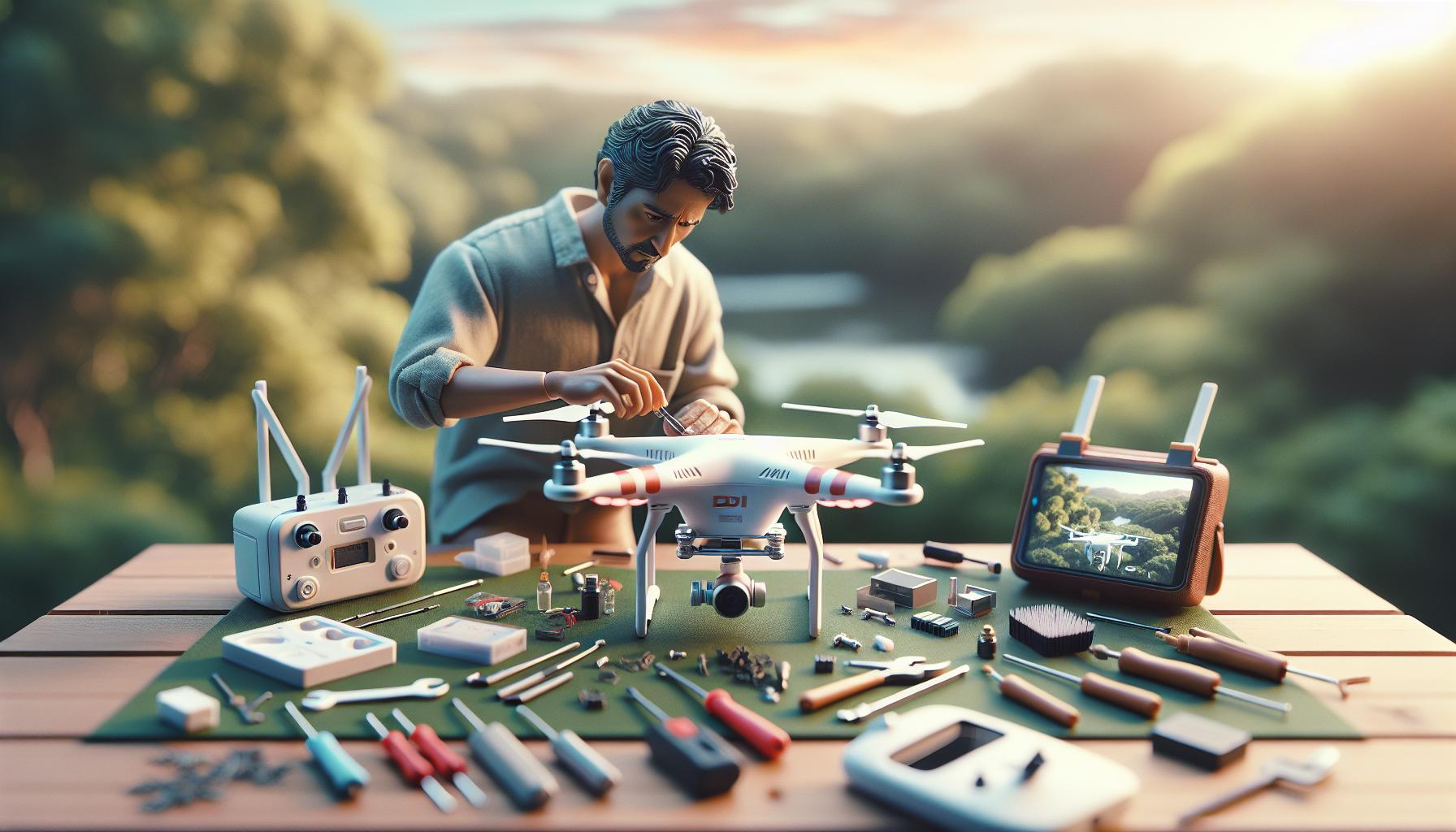
Factors Influencing DJI Drone Longevity
The longevity of DJI drones is not merely a result of their engineering; it’s greatly influenced by how they are treated and maintained. Understanding these influencing factors can empower pilots to maximize their drone’s effective lifespan.
One of the primary determinants of drone longevity is maintenance. Regular activities such as pre-flight checks-inspecting for physical wear, ensuring the propellers are secure, and verifying the battery’s condition-are essential. Additionally, post-flight care, which includes cleaning the drone to remove dust and debris that could impair performance, plays a critical role. Furthermore, keeping the firmware updated is not only crucial for accessing the latest features but also for ensuring optimal performance and safety. DJI frequently releases updates to refine settings and fix bugs that could potentially harm your drone if left unaddressed.
The operating environment also significantly impacts longevity. Flying in harsh conditions-such as sandy beaches, over water, or in extreme temperatures-can accelerate wear and tear. Pilots should be cautious about flying in environments laden with obstacles, which could lead to collisions and subsequent damage.
Lastly, the way a drone is flown has substantial implications for its lifespan. Gentle, considered maneuvers generally prolong the aircraft’s operational efficiency, while aggressive flying can lead to mechanical failures. Avoiding payload overloads, which can strain the motors and affect battery life, further ensures the drone remains in good working condition.
By focusing on these key factors-maintenance, operational environment, and piloting style-drone operators can significantly enhance the lifespan of their DJI drones, ensuring they are a reliable tool for both hobby and professional use.
Understanding DJI Battery Life and Replacement
The heart of any drone, including those from DJI, is its battery, and understanding battery life and replacement is crucial for maximizing your drone’s performance and longevity. DJI drones are equipped with lithium-polymer (LiPo) batteries, which provide efficient power for flight but require careful management to ensure optimal performance and lifespan. Typically, these batteries offer a flight time ranging from 25 to 40 minutes, depending on the model and usage conditions. However, factors such as temperature, flying style, and battery maintenance play significant roles in determining how long these batteries will last.
To extend the lifespan of your DJI battery, adhere to these best practices:
- Charge Wisely: Always use the official DJI charging equipment, and avoid letting the battery discharge below 20%. This can help prevent damage to the cells.
- Avoid Extreme Conditions: LiPo batteries perform best between 20°C and 28°C (68°F and 82°F). Keeping batteries in extreme heat or cold can lead to rapid deterioration.
- Storage Tips: When not in use, store your batteries at about 50% charge to prevent them from entering a deep discharge state, which can permanently damage them.
- Regular Maintenance: Inspect your batteries for any signs of swelling or physical damage, and remove them from service if these issues arise.
Over time, even with meticulous care, all batteries will degrade, typically losing their ability to hold charge after about 300 to 500 cycles. If you notice a significant drop in flight time, it may be time for a replacement. DJI usually provides a battery health indicator within their apps, helping you monitor performance and plan for replacements. When considering a new battery, ensure you are purchasing from reputable sources to avoid counterfeit products, which can often be substandard and unsafe.
In addition, understanding how to maximize your battery life during flights is essential. Employing energy-efficient flight techniques-such as smooth maneuvers and avoiding sharp turns or rapid ascents-can conserve battery power, allowing for a longer and more enjoyable flying experience. Always keep an eye on your remaining battery life, and return the drone well before the battery gets critically low to avoid potential flyaways or damage.
Regularly evaluating your battery’s performance and understanding replacement needs will ensure your DJI drone remains operational and ready for action whenever you take to the skies.
The Importance of Firmware Updates
Keeping your DJI drone in optimal condition involves more than just managing battery life and flights-regular firmware updates are crucial for ensuring long-term reliability and performance. Firmware updates are designed to enhance your drone’s capabilities, improve flight stability, and fix bugs that could lead to unexpected failures or safety issues. By neglecting these updates, you risk missing out on significant advancements that could extend your drone’s operational lifespan and overall enjoyment.
One of the primary benefits of firmware updates is the enhancement of flight performance. For example, updates can optimize the algorithms that control your drone, resulting in smoother maneuvers and improved handling. This is particularly important for complex tasks such as maneuvers in tight spaces, where flight precision can mean the difference between a successful capture and an unfortunate crash. Furthermore, updates often include improvements to navigation features-ensuring that your drone can better avoid obstacles and respond to flight commands.
Besides performance enhancements, firmware updates are critical for security. Just like any technology, drones are subject to vulnerabilities that can be exploited. DJI regularly rolls out security patches that help protect against potential threats that could compromise your drone’s functionality or safety. Keeping your firmware up-to-date minimizes the risk of unauthorized access and ensures that your data remains secure during flights.
To streamline the firmware update process, ensure that you have the DJI app installed and regularly check for updates. Before performing an update, your drone should have a fully charged battery and a stable internet connection to avoid interruptions. Additionally, it’s advisable to back up any critical settings or data, as some updates may reset certain preferences. This proactive approach not only enhances the longevity of your drone but also makes for a safer flying experience.
Incorporating firmware updates into your regular maintenance routine is essential for every DJI pilot, whether you’re a seasoned professional or a casual hobbyist. By committing to a routine of upgrading, you are investing in the longevity and performance of your drone, helping to ensure it remains a reliable and effective tool for all your aerial needs.
Maximizing Your DJI Drone’s Lifespan
To ensure that your DJI drone serves you well for years to come, incorporating a series of proactive care practices is essential. A well-maintained drone not only performs better but also extends its operational lifespan significantly. Regular maintenance can resemble a routine you might have for a vehicle or another technical device, blending the practices of care with knowledge about the equipment.
Regular Maintenance Checks
Conducting periodic inspections of your drone is one of the most effective ways to maximize its lifespan. Before every flight, check for physical damage, especially on propellers, landing gear, and the body. Ensure that the battery connections are clean and free of debris, and that no dirt or moisture is present on the sensors. Keeping the drone clean, especially the motors and camera lenses, can prevent overheating and ensure optimal performance.
Understand Battery Care
The battery is often one of the most critical components affecting a drone’s longevity. DJI drones utilize lithium polymer batteries, which require proper charging practices. Always use the OEM charger and avoid letting the battery drop below a 20% charge consistently. Store batteries at around 50% charge if not used for extended periods, as this preserves their health. Regularly calibrating your battery can also help in maintaining its performance.
Utilizing Correct Firmware and Software
Keeping your drone’s firmware updated is crucial. DJI regularly releases software updates that fix bugs, enhance flight performance, and add new features. Make it a routine to check the DJI Fly or DJI GO app for updates before your sessions. This not only keeps your drone performing at its best but also minimizes risks associated with potential security vulnerabilities.
Pilot Skill Development
Your ability to fly and manage the drone affects its longevity. Familiarizing yourself with the different flight modes such as Sport, Tripod, and CineSmooth can help in optimizing performance based on the situation. For instance, using Tripod mode for delicate shots will prevent abrupt movements that might strain the drone’s motor. Additionally, undertaking a course on drone piloting can help you understand the nuances of flying, thus preventing accidents that lead to repair or replacement.
By committing to these practices, you empower yourself to extend the life of your DJI drone, ensuring it remains a reliable tool for capturing stunning aerial footage and achieving creative projects. A comprehensive approach to care not only avoids costly repairs but enhances your overall flying experience.
Comparative Lifespan: Different DJI Models
When considering the lifespan of DJI drones, it’s essential to recognize that different models come with varying durability and longevity, shaped by their build quality, usage patterns, and technological features. While many DJI drones can last several years with proper care, specific models like the Mavic series, Phantom series, and Mini series often exhibit distinctive characteristics that can influence their overall lifespan.
The Mavic series, known for its advanced features and compact design, generally offers a robust lifespan. Models like the Mavic Air 2 and Mavic 3 Pro can last between 3 to 5 years, particularly when maintained diligently. Their high-quality cameras and flight systems contribute to this longevity, but they also demand regular firmware updates and battery maintenance to maintain optimal performance.
In contrast, the Phantom series tends to have a slightly longer operational life due to its more rugged build and advanced stabilization technology. Drones like the Phantom 4 RTK are often used in professional settings and can last up to 5 years or more under careful handling. These models, however, require substantial investment in spare parts, especially as components degrade over time.
The compact and beginner-friendly Mini series, such as the Mini 2 and Mini 3, while designed for casual use, can still provide impressive longevity when cared for properly. With their lightweight design and lower price point, these drones typically last around 2 to 3 years. Pilots who fly them frequently in varied conditions should pay extra attention to battery management and external wear and tear.
Ultimately, understanding these differences can help drone owners make informed decisions regarding maintenance, repairs, and potential upgrades. Regular maintenance, including the replacement of worn batteries and adherence to firmware updates, is critical in prolonging the life of any DJI model, ensuring a rewarding flying experience over the years.
Common Issues That Reduce Drone Longevity
Regular maintenance is crucial for maximizing the lifespan of a DJI drone, yet several common issues can significantly reduce its longevity. Understanding these issues can help drone enthusiasts take proactive steps to mitigate risks and extend the operational life of their devices.
One of the most prevalent factors affecting drone longevity is battery management. DJI drones typically depend on lithium-polymer batteries, which can degrade over time if not handled properly. Charging practices significantly influence battery life; overcharging or allowing batteries to deplete completely can lead to reduced capacity. Additionally, extreme temperatures-whether hot or cold-can adversely affect battery performance. Pilots should consistently monitor battery health through the DJI app, replace batteries that show signs of swelling or other damage, and strive to maintain charge levels between 40% and 80% for optimal longevity.
Another issue stems from physical wear and tear, which is especially pronounced in drones subjected to rugged conditions. Frequent crashes, rough landings, or flying in harsh weather can lead to structural damage. Components like propellers, landing gear, and even camera gimbals can suffer from fatigue over time. Regular inspections before and after flights can identify potential issues, while timely replacements of damaged parts can prevent more serious malfunctions down the line. Keeping a well-stocked supply of spare parts can also expedite repairs when necessary.
Lastly, complications arising from outdated firmware can result in performance issues that affect longevity. Firmware updates not only unlock new features but also fix bugs that could potentially harm the drone’s performance. Pilots should regularly check for updates and implement them promptly to ensure that their drone operates smoothly and efficiently. Ignoring these updates could lead to erratic flying behaviors or increased vulnerability to software glitches, ultimately shortening the drone’s lifespan.
By addressing these common issues through diligent battery management, regular maintenance, and firmware updates, pilots can significantly enhance the longevity of their DJI drones and enjoy a rewarding flying experience for years to come.
Signs Your DJI Drone Needs Replacement
As time goes on, it’s essential to recognize when your DJI drone may be approaching the end of its effective lifespan. There are various signs that can indicate your drone is in need of replacement, which can help you avoid compromising safety and performance.
One of the most apparent indicators is a drastic decrease in battery performance. If your drone’s flight times have significantly shortened, even with proper battery maintenance, it could suggest that both the battery and possibly the drone itself are nearing the end of their lifespans. Regularly monitor your battery’s health through the DJI app; any swelling or damage is a clear sign that replacement is needed. Additionally, if the drone shows signs of persistent connectivity issues, such as loss of signal or erratic flight patterns, it may indicate internal component failures that could be costly to repair.
Another critical symptom to watch for is physical damage. Cracks in the body, damaged propellers, or malfunctioning gimbals can severely affect flight stability and image quality. While minor repairs can extend a drone’s life, extensive structural issues may warrant an entirely new unit. If you’ve invested in repairs and the drone continues to perform poorly, it’s time to consider whether it’s more cost-effective to replace rather than continually patch up an aging device.
Mechanical complications, such as odd sounds during flight, overheating, or loss of visual or GPS signals, can also signal underlying problems. Pay attention to the drone’s response during takeoff and landing, as any inconsistent performance may result from wear and tear on essential components like motors and sensors. Frequent repairs and a growing list of issues are often a strong indicator that the drone’s longevity is in question and replacement costs may outweigh the potential benefits of keeping it operational.
Ultimately, staying attentive to these signs not only enhances your flying experience but also maximizes safety. Regularly evaluating your DJI drone’s performance and condition will empower you to make informed decisions about repair versus replacement, ensuring you maintain the quality and reliability necessary for successful flights.
DIY Repairs vs. Professional Services
Repairing your DJI drone can be a captivating and sometimes daunting task, especially given the precision involved in drone technology. As advancements continue to push the limits of what drones can do, understanding when to perform DIY repairs versus when to seek professional assistance is crucial for maintaining optimal functionality and safety. DIY repairs can save you time and money, allowing you to extend the lifespan of your device without waiting for professional intervention. However, there are particular scenarios where professional services will prove beneficial, guaranteeing that your drone is up to standard and safe to operate.
One of the most straightforward DIY repairs involves routine maintenance tasks, such as replacing propellers or batteries. These components wear out faster and can easily be swapped out without specialized tools. DJI provides detailed guides and instructional videos that assist users in performing these basic repairs, allowing for quick fixes that can significantly enhance flight performance. Additionally, regular firmware updates can also be managed through the DJI app, ensuring that your drone stays current without needing a technician’s advice. If you’re comfortable handling small screws and components, tools like precision screwdrivers and tweezers will help you tackle many minor repairs.
On the other hand, some issues necessitate a call to professionals. Complex problems-such as internal sensor failures, motor malfunctions, or software glitches beyond your control-often require specialized knowledge and tools that are not worth a DIY attempt. Seeking professional services ensures that any intricate repairs are handled with the appropriate expertise, often resulting in a faster and more reliable solution. Additionally, attempting DIY repairs on intricate components can lead to further damage, ultimately costing more in the long run.
When to DIY
- Battery Replacement: Regularly inspect and replace batteries as needed.
- Propeller Changes: Replace damaged or worn propellers to maintain flight stability.
- Firmware Updates: Keep your drone’s software up-to-date through the DJI app.
When to Seek Professional Help
- Sensor Issues: Persistent errors that might relate to GPS or camera functionality.
- Motor Problems: Strange noises or erratic movements suggesting motor failure.
- Severe Physical Damage: Cracked frames or significant signs of impact that challenge structural integrity.
In conclusion, equipping yourself with the right knowledge can empower you to effectively manage your DJI drone’s upkeep. By knowing when to roll up your sleeves and tackle repairs yourself, and when to defer to the experts, you can maximise your drone’s lifespan and performance while ensuring safe and reliable operation. Whether you’re a seasoned pilot or new to the aerial game, maintaining a balance between DIY fixes and professional support will set the stage for a rewarding flying experience.
Understanding Warranty Coverage and Support
Understanding the warranty coverage and support systems that DJI provides is crucial for any drone operator, whether you’re a hobbyist or a professional. DJI offers a standard warranty that covers manufacturing defects, such as issues arising from faulty materials or workmanship. Usually, this warranty lasts for 12 months from the date of purchase. However, some models or specific components, like batteries, might have different coverage periods, so it’s important to check the warranty terms relevant to your particular model.
What the Warranty Covers
The warranty typically includes the following aspects:
- Manufacturing Defects: If your drone has problems due to faulty assembly or materials, you can expect coverage to repair or replace the affected components.
- Parts Replacement: If critical components fail within the warranty period, DJI will often provide replacements at no extra cost.
- Technical Support: You gain access to DJI’s customer service team, who can assist with troubleshooting and advice on repairs.
However, the warranty does not cover damage resulting from user error, crashes, or alterations made to the drone. It’s essential to ensure that you operate the drone according to the guidelines provided in the manual to avoid voiding your warranty.
How to Access Support
In case your drone encounters an issue, DJI provides multiple avenues for support. You can begin by reaching out to their customer service through their website or the DJI Go app. For hardware repairs, DJI offers several service centers worldwide where you can send or drop off your device. They also provide a user-friendly online portal for tracking the status of your repairs, which can give you peace of mind knowing where your drone stands in the repair queue.
Extended Warranty Options
For those looking for added protection, DJI offers an extended warranty service called DJI Care Refresh. This program covers accidental damage at a nominal fee and provides peace of mind for flying in challenging conditions. With this plan, you can receive up to two replacement units within a single year, making it a valuable option for frequent flyers.
In conclusion, understanding DJI’s warranty and support options can significantly enhance your experience as a drone pilot. By knowing what is covered and how to access services, you can ensure that your investment is protected, allowing you to focus on capturing stunning aerial footage instead of worrying about potential mishaps.
Choosing Accessories to Extend Drone Life
Investing in quality accessories for your DJI drone can significantly enhance its durability and overall performance, extending its lifespan and ensuring it operates at its best. Just as a well-maintained vehicle performs better and lasts longer, the right accessories can help protect your drone from wear and tear, improve its functionality, and even offer additional features that enrich your flying experience.
One of the most critical accessories to consider is a reliable carrying case. A rugged, custom-fit case not only safeguards your drone from physical damage during transport but also provides organized storage for batteries, propellers, and other essential tools. Look for cases with soft interiors and secure straps to prevent movement.
Battery Management
Another vital aspect of drone longevity is battery care. Investing in multiple batteries and a quality charger can ensure that you always have a backup ready, reducing the stress on individual batteries through constant cycling. Opt for high-capacity, third-party batteries that are compatible with your model, and remember to store your batteries at optimal charges to avoid degradation.
Below are other useful accessories that can extend the life of your DJI drone:
- Propeller Guards: These can protect your propellers and reduce damage in case of minor crashes, making them a worthwhile investment for both beginners and experienced pilots.
- Screen Protectors: If you use a smartphone or tablet for your drone’s interface, a screen protector will help prevent scratches and damage from debris during outdoor operation.
- Firmware Update Tools: Accessories such as a micro-SD card with a significant storage capacity can help streamline the process of keeping your drone’s firmware up to date-an essential task for ensuring the drone runs smoothly and safely.
A thorough understanding of these accessories can empower both novice and veteran drone enthusiasts to maintain their equipment, thus enhancing their flying experience while nurturing a longer-lasting investment. Choosing the right accessories tailored to your flying habits and the specific model of your DJI drone can make a palpable difference in its performance and longevity.
When to Upgrade Your DJI Drone
Upgrading your DJI drone is not just about having the latest model; it’s a crucial decision driven by various factors that affect performance, features, and overall flying experience. As technology advances rapidly, older models may struggle to keep up with new features such as improved camera quality, enhanced battery life, and advanced safety systems. For example, if you find that your current drone cannot capture 4K video or lacks advanced obstacle avoidance, it might be time to consider an upgrade to a more recent model that offers these features. Additionally, if your drone requires frequent repairs or has been subjected to wear and tear that impacts its reliability, investing in a new unit can save you time, money, and frustration in the long run.
Another significant factor to assess is your evolving needs as a pilot. Whether you’re progressing from hobbyist to professional use or seeking to capture higher-quality aerial footage for a specific project, your requirements may change over time. Models like the DJI Mavic series offer various features tailored for both recreational and commercial use, providing options between portability and advanced capabilities. If you’re using your drone for critical tasks, such as surveying or filmmaking, having a model equipped with the latest technology can enhance your productivity and the quality of your work.
Performance issues are also a telling sign of when an upgrade may be necessary. An increase in maintenance costs due to mileage on older drones, like the Phantom series, can indicate that parts are wearing down. A lack of consistent flight times or battery performance can severely limit your operational capacity. If your during from critical flight time and reliability-especially in demanding environments-it’s worth considering an upgrade. Keeping an eye on reviews and comparisons can help identify models that would suit your needs while offering superior performance and reliability.
Lastly, consider the support and updates available for your model. Older drones may lose firmware support over time, which can affect features and compatibility with the latest necessary software. DJI frequently releases updates to enhance performance and fix bugs, and if your drone no longer receives these updates, it’s a clear signal that you might be on the verge of obsolescence. Keeping an eye on these factors will guide you to a timely and beneficial upgrade for your DJI drone fleet, ensuring you stay at the forefront of aerial technology.
Q&A
Q: How can I maximize the lifespan of my DJI drone?
A: To maximize your DJI drone’s lifespan, ensure regular maintenance, perform firmware updates, and store it properly between flights. Additionally, avoid extreme weather conditions and follow safe flying practices to reduce wear and tear on components. Check out the “Maximizing Your DJI Drone’s Lifespan” section for more tips.
Q: What are the common signs that indicate my DJI drone may need replacement?
A: Common signs that your DJI drone may need replacement include persistent battery issues, frequent crashes, malfunctioning propellers, and degraded image quality. If you experience any of these issues, refer to the “Signs Your DJI Drone Needs Replacement” section for further guidance.
Q: When should I consider upgrading my DJI drone?
A: Consider upgrading your DJI drone if you find its performance lacking, such as reduced flight times or outdated technology compared to newer models. For more detailed criteria, check the “When to Upgrade Your DJI Drone” section.
Q: How often should I replace the battery on my DJI drone?
A: DJI drone batteries typically last about 300 to 500 cycles, depending on usage. Replace your battery when you notice a significant drop in flight time or performance. For more on battery life, see the “Understanding DJI Battery Life and Replacement” section.
Q: Does DJI offer warranty coverage and support for drone replacements?
A: Yes, DJI provides warranty coverage that may include repairs or replacements within a specified period after purchase. Check the “Understanding Warranty Coverage and Support” section for details on what is covered.
Q: What firmware updates should I regularly check for my DJI drone?
A: Regularly check for firmware updates that improve your drone’s functionality and security. Firmware updates can enhance battery life, flight stability, and camera performance. Visit the “The Importance of Firmware Updates” section for more information.
Q: How do environmental factors affect the lifespan of my DJI drone?
A: Environmental factors such as humidity, extreme temperatures, and exposure to dust can shorten your DJI drone’s lifespan. Store your drone in a controlled environment and avoid flying in harsh conditions. For more details, refer to the “Factors Influencing DJI Drone Longevity” section.
Q: Can DIY repairs extend my DJI drone’s life?
A: Yes, DIY repairs can extend your DJI drone’s life by allowing you to fix minor issues without professional help. However, for complex problems, consider professional services to avoid further damage. Check the “DIY Repairs vs. Professional Services” section for insights.
Concluding Remarks
As we’ve explored, the lifespan of your DJI drone depends on several factors including maintenance, usage, and model. Whether you’re flying a Mavic, Phantom, or Mini, understanding when to consider a replacement is vital for peak performance and safety. Don’t wait for your drone to show signs of wear; take proactive steps to keep it in top shape by following our detailed guides on firmware updates and maintenance.
If you found this information valuable, dive deeper into our comprehensive resources on drone comparisons and setup tutorials. Curious about which accessories can enhance your flying experience? Check out our recommendations to elevate your skills. And remember, staying informed is key to enjoying the skies safely-join our newsletter for the latest updates!
Share your thoughts or experiences in the comments below! Your feedback not only enriches our community but also helps fellow enthusiasts navigate their drone journeys. Keep flying high, and don’t hesitate to explore the resources we have linked for your next adventure.