When it comes to DJI drones, understanding where they are made unlocks insights into their quality, innovation, and performance. Did you know that much of DJI’s production takes place in specialized facilities in China? This specialized manufacturing process not only influences cost and delivery times but also impacts the technology found in the drones used by both hobbyists and professionals around the globe. As drone enthusiasts, knowing the origins of these devices can help you appreciate the intricate engineering and hard work behind them. In this article, we’ll delve into the secrets of DJI’s manufacturing practices, exploring how they affect everything from design choices to regulatory compliance. Join us as we uncover the fascinating world of drone manufacturing and its significance to your flying experience.
Where Are DJI Drones Manufactured? An Overview
Understanding where DJI drones are manufactured reveals a complex and strategic global landscape. While DJI is headquartered in Shenzhen, China, the company has also recognized the necessity of diversifying its manufacturing base amid rising geopolitical tensions. This has led to discussions about establishing manufacturing facilities in the U.S. to mitigate the risks associated with potential export bans or tariffs targeting Chinese technology firms. Such a move could enhance local assembly capabilities, thereby ensuring faster delivery times and potentially addressing concerns over national security expressed by lawmakers regarding the use of Chinese-made technology in sensitive domains.
In its existing facilities, DJI employs advanced robotics and automation to optimize production efficiency and maintain high standards of quality. The manufacturing process primarily revolves around sourcing components from a wide array of suppliers, with many key elements like sensors, batteries, and cameras produced in China before final assembly. This carefully orchestrated supply chain not only enhances the production speed but also lowers costs, making DJI drones competitively priced against their rivals. Additionally, the company has been proactive in ensuring rigorous quality control measures at every stage of production, which is critical in upholding the reliability and safety of its products.
From an environmental standpoint, DJI is increasingly focused on sustainable manufacturing practices. Efforts include reducing waste during production and exploring eco-friendly materials for their drone components. These initiatives cater not only to regulatory expectations but also to a growing consumer base that values corporate responsibility and sustainability in product sourcing and manufacturing processes.
Ultimately, the landscape of DJI’s manufacturing operations is characterized by a blend of advanced technology, strategic geographical positioning, and a commitment to quality and sustainability, factors that collectively contribute to the brand’s dominance in the global drone market.
The Global Landscape of DJI Drone Production
The intricate landscape of DJI drone production illustrates not only the company’s dominance in the consumer drone market but also its strategic responses to the evolving global economy. Nestled in Shenzhen, China, DJI has positioned itself as the world’s largest drone manufacturer, and its manufacturing prowess is fueled by a network that spans continents. This extensive reach includes facilities in Asia, specifically China, where the bulk of production takes place, but also hints at future expansions that could see manufacturing begin on U.S. soil.
DJI’s manufacturing strategy capitalizes on China’s robust supply chain for electronic components. Key parts like sensors, batteries, and cameras are often sourced locally, allowing for efficient assembly while keeping costs competitive. The sheer volume of production enables DJI to maintain a steady output, effectively meeting the skyrocketing demand for drones in various sectors, from leisure to commercial applications.
Moreover, understanding the geopolitical factors influencing DJI’s manufacturing choices is crucial for appreciating the current landscape. As tensions rise between China and the West, the potential for local assembly in the U.S. emerges as a tactical maneuver. Such shifts could alleviate concerns regarding national security and ensure compliance with regulations governing technology imports. This transition would not only enhance production flexibility but could also solidify DJI’s presence in a market increasingly wary of foreign-made technology.
In summary, the global production landscape of DJI drones is a tapestry woven with strategic decisions, cutting-edge technology, and a keen awareness of international relations. As drone technology continues to evolve, DJI remains at the forefront, poised to adapt its manufacturing processes to meet both consumer demand and regulatory challenges head-on.
Inside DJI’s Manufacturing Facilities: A Closer Look
The intricate design and functionality of DJI drones originate from advanced manufacturing facilities that reflect a blend of cutting-edge technology and meticulous craftsmanship. Located primarily in Shenzhen, China, these manufacturing plants serve as the epicenter for producing a diverse range of drones, from the compact Mini series to the professional Phantom and Mavic lines. A significant aspect of DJI’s success lies in its ability to integrate highly automated processes with skilled labor, ensuring both precision and quality in every product.
Inside these facilities, the assembly lines operate under strict quality control protocols, utilizing real-time data analytics to monitor production efficiency and product integrity. Each drone undergoes multiple stages of inspection, including functional tests for flight mechanisms, camera quality, and battery performance, before reaching the consumer. The embrace of automation is evident, as robotic systems assist in tasks such as soldering and component placement, achieving levels of accuracy that are essential for drone performance. However, human oversight remains crucial; experienced technicians finalize assembly and conduct detailed checks to uphold DJI’s rigorous standards.
Furthermore, DJI’s commitment to sustainability influences its manufacturing practices. Efforts include optimizing resource use, minimizing waste, and adopting environmentally friendly materials where possible. The integration of efficient energy systems within the manufacturing plants contributes to a lower carbon footprint, showcasing DJI’s awareness of its environmental responsibilities as a leading technological innovator.
This multifaceted approach not only enhances the quality of DJI drones but also positions the company as a proactive player in the rapidly evolving drone market. As demand continues to surge, DJI’s ability to scale operations while maintaining high standards in manufacturing will be critical to its ongoing success and reputation. Pilots and enthusiasts alike can appreciate that every flight with a DJI drone is backed by an elaborate network of advanced manufacturing processes designed to deliver reliability and excellence.
Key Components: Understanding DJI’s Supply Chain
The success of DJI drones can be largely attributed to a complex and well-organized supply chain that ensures high-quality components and efficient production processes. Understanding this supply chain is essential for both consumers and industry enthusiasts alike, as it integrates a variety of essential parts that contribute to the overall performance and reliability of these drones.
One of the key aspects of DJI’s supply chain is its diverse sourcing strategy. The company collaborates with a global network of suppliers for critical components, including sensors, batteries, motors, and cameras. This not only allows DJI to maintain high standards of quality but also ensures that they can adapt to fluctuations in supply and demand. For example, DJI uses advanced images and video stabilization technology, which relies heavily on high-quality sensors and gimbals sourced from specialized suppliers. By strategically partnering with experts in specific fields, DJI enhances both innovation and efficiency in its product offerings.
Another vital component is the logistics framework that supports the supply chain. DJI operates large-scale warehouses and uses highly sophisticated inventory management systems. This capability enables them to keep up with production demands swiftly and efficiently. The integration of real-time tracking systems helps DJI to monitor the flow of materials and components, reducing delays and ensuring seamless transitions between various stages of manufacturing.
Finally, DJI places a strong emphasis on quality control throughout its supply chain. Once components arrive at their manufacturing facilities, they undergo rigorous testing to ensure they meet the specific standards required for drone operations. This multi-tiered quality assurance process encompasses everything from the raw materials used in batteries to the calibration of cameras and flight systems. By implementing this level of scrutiny, DJI not only guarantees the reliability of its drones but also fosters consumer confidence in its products.
Overall, the interplay of diverse sourcing, efficient logistics, and stringent quality control creates a robust supply chain for DJI drones, directly impacting their performance and customer satisfaction. Understanding these components empowers consumers and operators to appreciate the intricate network behind their devices, reinforcing the value of investing in DJI’s cutting-edge technology.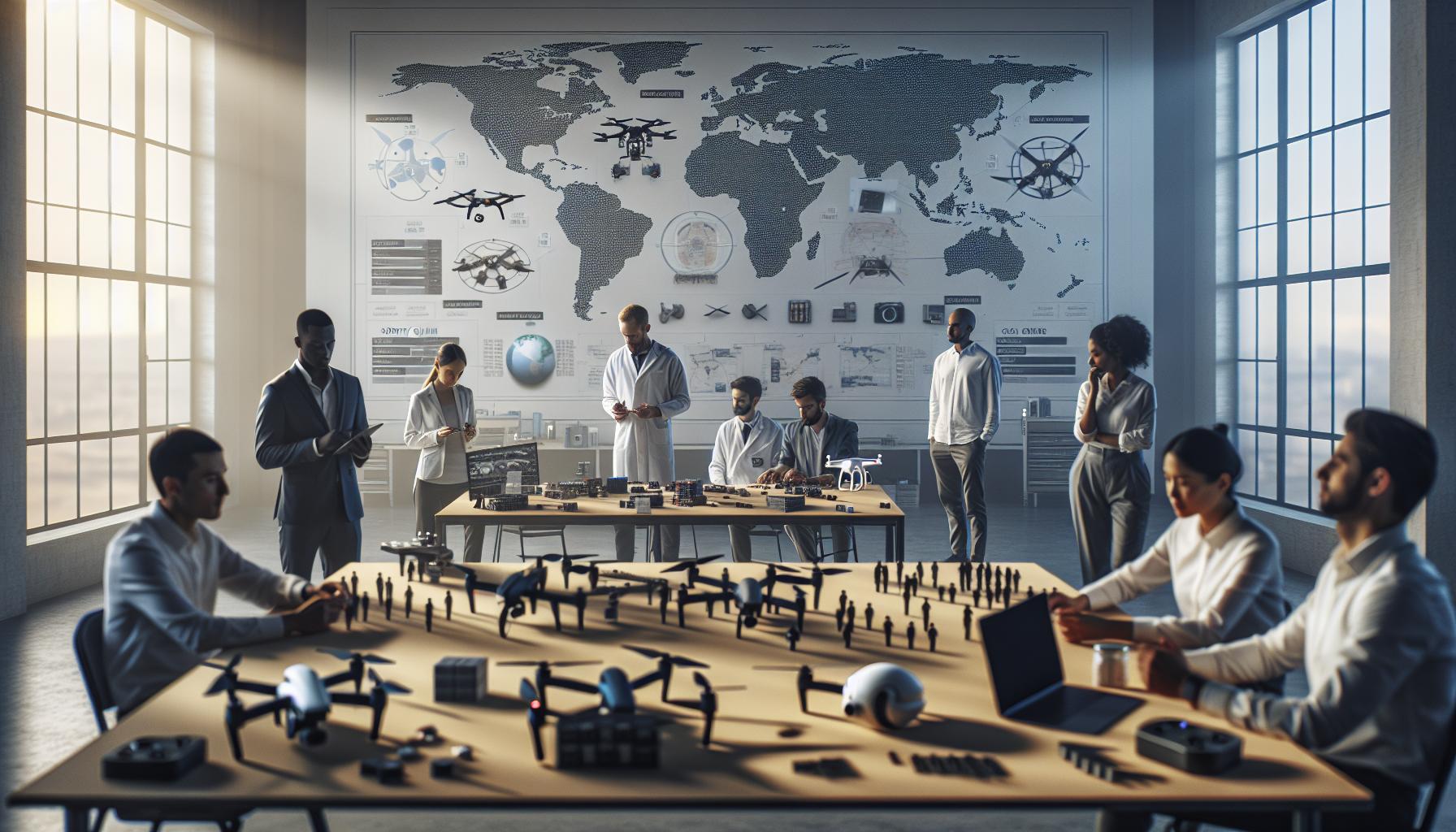
Insight into DJI’s Quality Control Processes
The integrity and performance of DJI drones are a direct result of meticulous quality control processes designed to ensure that every component and system meets high industry standards. DJI employs a multi-tiered quality assurance strategy that begins the moment components leave the suppliers’ facilities and continues through every phase of manufacturing and assembly. This rigorous inspection process is critical in guaranteeing that DJI drones not only function reliably but also provide the exceptional performance that pilots expect.
Upon receipt of components, such as advanced sensors, batteries, and motors, each part undergoes a thorough inspection where it is tested against stringent quality benchmarks. For example, battery packs are subjected to stress testing to ensure they can withstand extreme temperatures and loads. Similarly, gimbals and cameras are calibrated with precision instruments to guarantee optimal performance in various flight conditions. This proactive approach prevents defects from making it into the final product, enhancing overall reliability.
Furthermore, quality control doesn’t stop at the component level; it extends throughout the entire manufacturing process. DJI uses advanced testing rigs and simulation environments to evaluate the performance of fully assembled drones. Each unit is subjected to a series of functional tests, including flight simulations that mimic real-world conditions, ensuring every feature works seamlessly. This practice not only enhances product quality but also builds consumer trust in DJI’s brand by ensuring that every drone is ready for safe and effective operation right out of the box.
In incorporating the latest technologies into their quality assurance protocols, DJI stays ahead of industry trends. This includes utilizing artificial intelligence (AI) to analyze performance data and predict potential failures, which allows the company to refine its quality control methods continuously. By understanding the complex dynamics at play within its production processes, DJI not only ensures the durability and safety of its drones but also demonstrates a commitment to innovation that benefits all drone users. Considering these factors empowers drone operators to appreciate the depth of research, development, and quality assurance that goes into their devices, contributing to safer and more reliable flying experiences.
The Role of Advanced Technology in Production
The integration of advanced technology in the production of DJI drones is a game-changer that significantly enhances both the manufacturing process and the final product. Unlike traditional manufacturing methods, DJI leverages cutting-edge technologies to streamline operations, optimize design, and ensure product reliability. For instance, the implementation of robotics in assembly lines not only increases efficiency but also minimizes human error. Automated systems handle repetitive tasks with precision, allowing skilled workers to focus on more intricate components that require a human touch.
Moreover, data analytics plays a pivotal role throughout the production lifecycle. By collecting and analyzing vast amounts of data from various stages of manufacturing, DJI can identify trends and potential issues before they escalate into problems. This not only aids in refining manufacturing processes but also informs design iterations for future drone models. Advanced analytics tools help in forecasting demand, allowing for just-in-time production that reduces waste and helps in maintaining sustainability goals.
Embracing Smart Manufacturing Techniques
One of the standout aspects of DJI’s production technology is its embrace of smart manufacturing techniques. The use of the Internet of Things (IoT) facilitates a connected environment where machines communicate seamlessly. This interconnectedness ensures real-time monitoring and control, enabling DJI to maintain quality and adherence to timelines. Machines can automatically adjust parameters based on live data inputs, ensuring that manufacturing stays at peak efficiency.
Furthermore, DJI’s commitment to research and development ensures that they stay at the forefront of technological innovation. Continuous investment in AI and machine learning enables the company to improve the predictive capabilities of its production systems, anticipating mechanical failures or quality dips before they can affect output. This proactive approach exemplifies how technological integration not only boosts productivity but also cultivates a culture of quality that resonates with consumers.
In summary, the role of advanced technology in the production of DJI drones cannot be overstated. From robotics and IoT to data analytics and AI, these technologies not only enhance operational efficiency but also contribute to the overall reliability and performance of DJI’s product lineup. Engaging with these advancements empowers both novice and seasoned drone operators to appreciate the intricate craftsmanship behind their devices, ensuring a smoother, more reliable flying experience.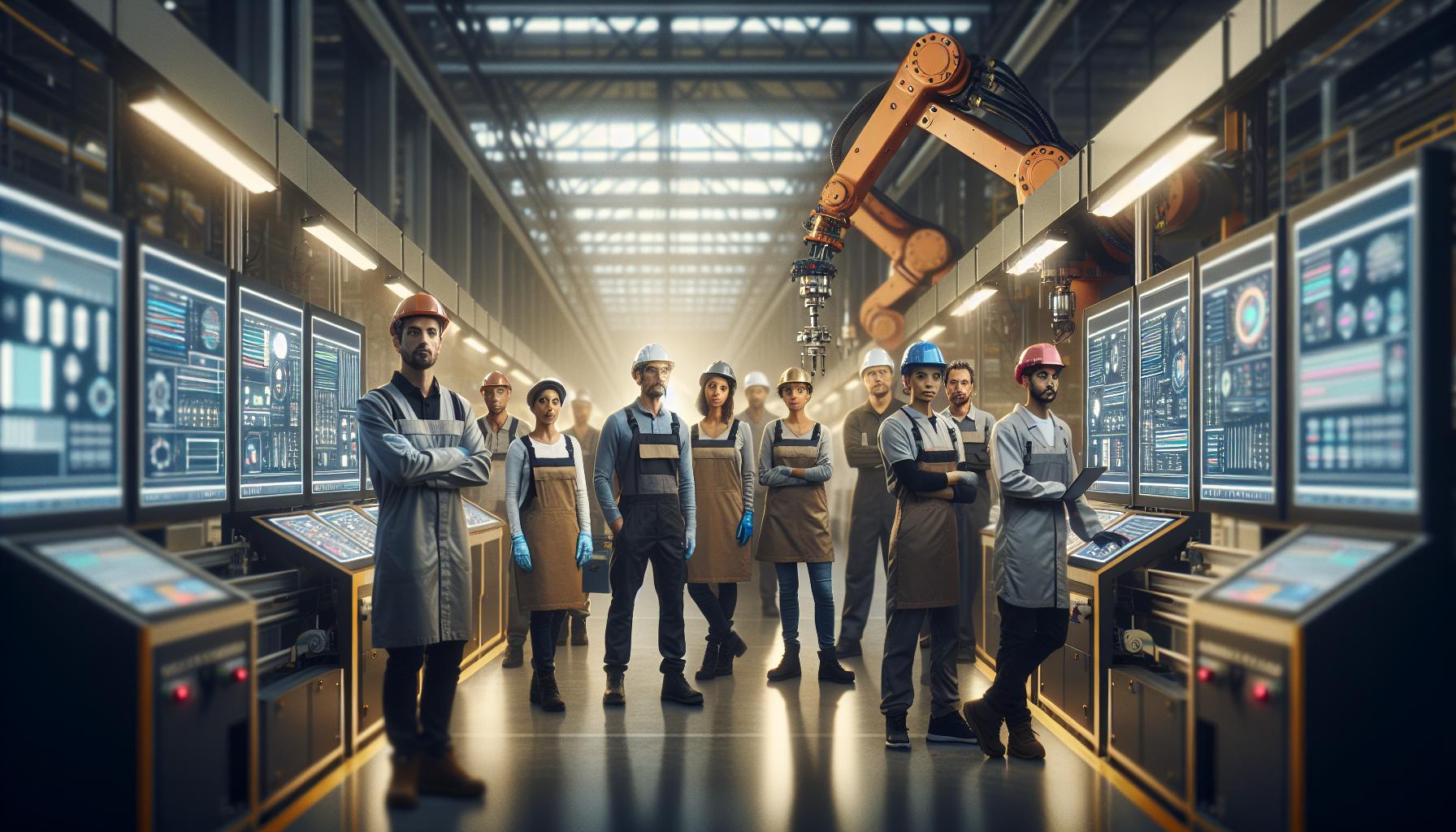
China’s Impact on DJI Manufacturing Operations
The Chinese manufacturing landscape is intrinsically linked to DJI’s operations, playing a pivotal role in the company’s success as a leader in drone technology. With Shenzhen as the heart of its manufacturing prowess, DJI benefits from an ecosystem rich in resources, skilled labor, and technological innovation. This city, often dubbed the “Silicon Valley of Hardware,” provides the company with unparalleled access to advanced fabrication facilities, component suppliers, and logistical networks that facilitate rapid development and production.
A significant advantage of manufacturing in China is the country’s ability to scale production quickly. For instance, when DJI launches a new drone model, it can rely on local supply chains and manufacturing capabilities to produce thousands of units in a short timeframe. This agility not only responds to fluctuating market demands but also reduces lead times, allowing DJI to introduce innovative products more swiftly than many competitors. Furthermore, the proximity to suppliers means that ensuring quality standards and resolving production issues can be done promptly, thus enhancing overall product reliability.
Despite facing scrutiny and challenges related to trade policies and geopolitical tensions, DJI’s commitment to quality and innovation remains steadfast. The company has adopted rigorous quality control processes that take advantage of China’s advanced automation technologies. Robotics and AI-driven systems are employed to monitor production lines, ensuring that every drone meets stringent performance criteria before it reaches consumers. This level of precision is essential, as DJI is not only competing on price but also on the performance and reliability of its products in a marketplace increasingly focused on advanced technologies.
Moreover, as global demand for drones continues to soar, DJI’s manufacturing operations in China are evolving to embrace sustainability. Initiatives such as reducing energy consumption in production facilities and minimizing waste through smarter resource management are becoming integral to its operations. By aligning manufacturing practices with environmental responsibility, DJI is not only enhancing its brand reputation but also responding to the growing consumer demand for sustainable and ethically produced technology.
In summary, China’s influence on DJI’s manufacturing operations is profound, providing the foundation for innovation, efficiency, and adaptability. The synergy between cutting-edge technology and the robust manufacturing ecosystem in Shenzhen positions DJI to maintain its leadership in the competitive drone market, balancing speed with quality and sustainability.
Exploring DJI’s Sustainable Manufacturing Practices
In an age where environmental concerns are at the forefront of consumer consciousness, DJI stands out by integrating sustainability into its manufacturing practices. As a leader in drone technology, the company recognizes that its production processes not only impact its bottom line but also have wider implications for the planet. By optimizing operations and implementing eco-friendly initiatives, DJI is committed to reducing its carbon footprint and promoting responsible manufacturing.
One of the cornerstone practices in DJI’s sustainable manufacturing approach is the emphasis on energy efficiency. The company has invested in advanced technologies that lower energy consumption throughout its production facilities. This includes utilizing renewable energy sources wherever possible, thus significantly diminishing reliance on fossil fuels. Moreover, DJI actively seeks to minimize waste through smarter resource management strategies, which involve recycling materials and reducing byproducts generated during the manufacturing cycle.
Additionally, DJI’s commitment to sustainability extends beyond mere energy and waste reduction. The company is continuously working on innovative design practices that prioritize long-term durability and modularity. This not only enhances the longevity of its drones but also reduces the frequency of replacements, thereby lessening e-waste-a critical aspect of drone production often overshadowed by other factors. By creating products that are easier to repair and upgrade, DJI informs consumers about maintaining their equipment sustainably, fostering a culture of responsible ownership among drone pilots.
In summary, as consumers increasingly demand environmentally responsible options, DJI’s proactive stance in integrating sustainability into its manufacturing practices positions it as a forward-thinking leader in the drone market. By balancing innovation, efficiency, and ecological responsibility, DJI not only enhances its brand reputation but also contributes positively to the broader objective of sustainability in technology production.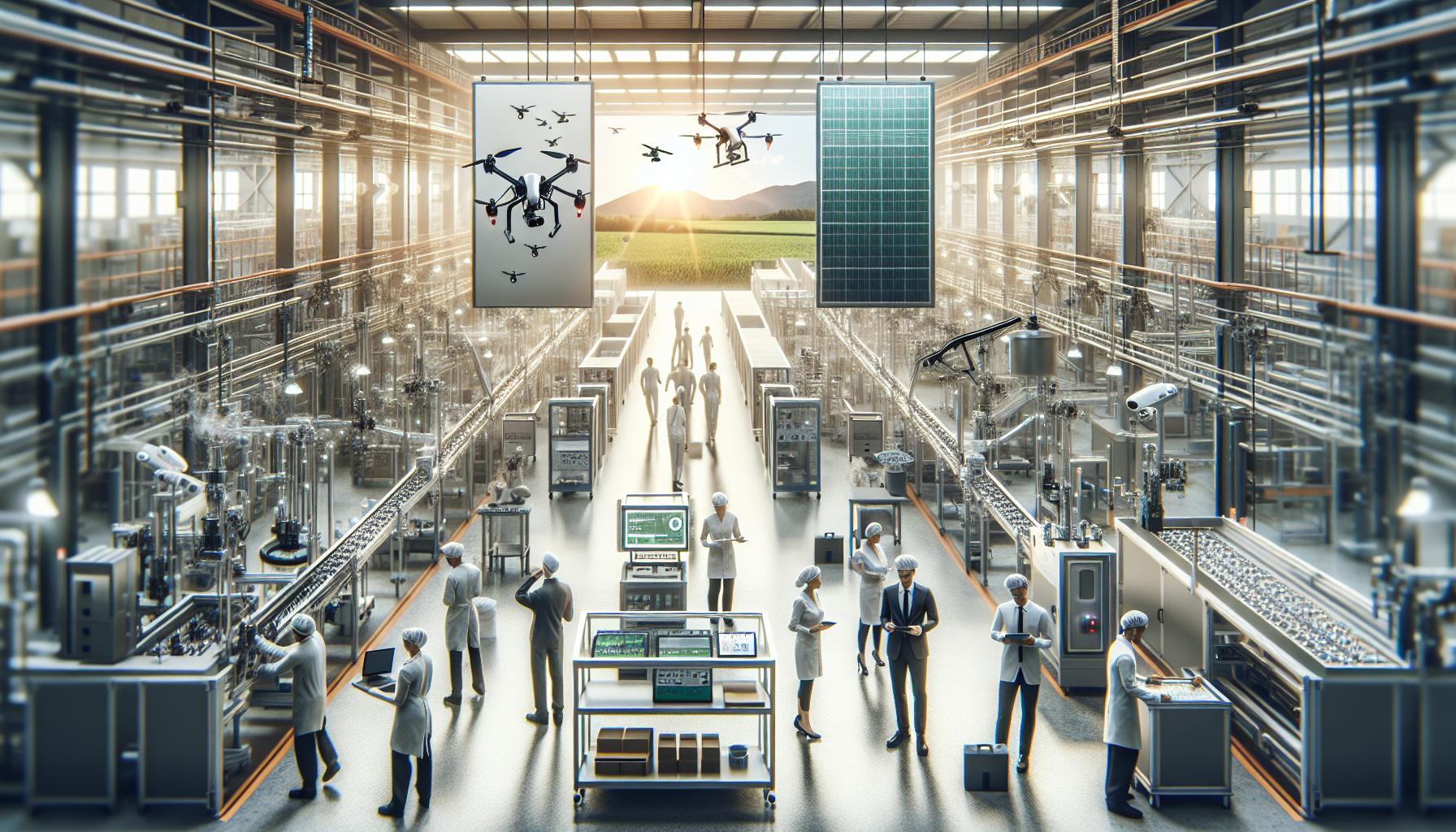
Comparative Insights: DJI vs. Competitors in Drone Production
While DJI has dominated the drone market with its innovative technology and diverse product lineup, it operates in a competitive landscape where numerous companies strive for market share. Understanding how DJI’s manufacturing and production strategies compare to its competitors offers insights into factors influencing drone quality, pricing, and technological advancement.
A significant advantage of DJI is its centralized manufacturing operations primarily based in China. This location provides not only cost-effective labor but also a well-established supply chain infrastructure. Companies like Parrot and Autel, which are based in Europe and the U.S. respectively, face challenges with higher operational costs and are often reliant on overseas manufacturing for components. As a result, DJI is often able to release new models more swiftly and at competitive prices due to shorter lead times and optimized production processes.
Moreover, DJI’s investment in research and development sets it apart. With a robust team dedicated to innovation, DJI consistently introduces advanced features-such as intelligent flight modes and high-quality imaging capabilities-earlier than many competitors. For instance, the integration of AI-driven functionality in DJI drones enhances their usability, making them appealing to both hobbyists and professionals. Competitors like Yuneec and Skydio are making strides, particularly in niche markets such as autonomous flying, but often lag behind DJI in comprehensive product offerings and market presence.
In terms of quality control, DJI employs stringent practices throughout its manufacturing process to ensure the reliability and durability of its drones. Advanced testing for environmental factors, battery performance, and software stability is an integrated part of their production. Competitors may not have the same level of in-house testing infrastructure or resources, which can lead to variability in product quality and customer satisfaction.
Finally, when it comes to sustainability in manufacturing, DJI has made strides that can influence consumer choices. While some competitors are beginning to adopt eco-friendly practices, DJI’s commitment to energy efficiency and waste reduction is embedded in their operations, setting a benchmark in the industry. This not only enhances their brand image but also resonates with a growing consumer demand for environmentally responsible products.
Overall, DJI’s centralized production, commitment to innovation, rigorous quality control, and sustainable practices contribute to its strong competitive advantage, shaping the dynamics of the drone market and driving technological progress.
How Manufacturing Influences DJI Drone Pricing
The price of DJI drones is heavily influenced by the intricacies of their manufacturing process. With most production based in China, DJI benefits from lower labor costs and established supply chain networks. This geographical advantage enables the company to keep production expenses significantly lower than competitors who may rely on more expensive labor markets in North America or Europe. Consequently, DJI can offer high-quality drones at competitive pricing, allowing them to maintain a leading market position.
Cost-Effective Manufacturing
- Labor Costs: Manufacturing in China provides access to a skilled workforce at a fraction of the cost compared to Western labor markets.
- Streamlined Supply Chains: Proximity to suppliers of critical components like cameras, batteries, and sensors allows for quick production adjustments and minimizes delays.
- Economies of Scale: With a broad product line, DJI leverages mass production techniques, further reducing costs per unit and enabling lower retail prices.
DJI’s commitment to advanced technology and innovation requires substantial investment in research and development. This focus not only leads to sophisticated features and reliable performance but also helps to differentiate DJI products from those of competitors, justifying their price points. By maintaining a balance between cutting-edge technology and cost-efficiency, DJI creates products that deliver value to both consumers and professionals alike.
Competitive Advantage from Efficiency
Manufacturing efficiencies play a pivotal role in pricing strategy. DJI employs rigorous quality control measures throughout its production cycle, ensuring consistent quality which reduces costly recalls or repairs. This reliability not only enhances brand reputation but also leads to customer loyalty, further supporting stable pricing strategies. By maximizing throughput and minimizing waste, DJI creates a pricing structure that can adapt to market conditions without sacrificing profit margins.
In addition, the company’s investments in sustainable practices contribute to operational efficiencies, which can result in cost savings passed on to consumers. As environmental regulations tighten globally, DJI’s proactive approach to sustainability positions it as a leader not just in technology but also in ethical manufacturing, positively influencing how consumers perceive the value associated with their products.
Overall, DJI’s manufacturing efficiencies, bolstered by strategic location choices, innovative practices, and rigorous quality control, enable it to maintain competitive pricing while delivering top-tier drone technology that meets the diverse needs of its users.
Future Trends in Drone Manufacturing and Production
The future of drone manufacturing is not just a continuation of current practices; it is a revolution in technology, sustainability, and production methodologies. As the demand for drones expands across various sectors-from agriculture and infrastructure to entertainment and defense- manufacturers must adapt and innovate. DJI, as the industry leader, is particularly well-positioned to harness these advancements, pushing the envelope further than competitors.
One significant trend is the integration of automation and artificial intelligence (AI) into the manufacturing process. Automated assembly lines can enhance efficiency while maintaining high precision, reducing labor costs and minimizing human error. As AI algorithms become more sophisticated, they can optimize logistics and supply chains, predicting inventory needs more accurately and adjusting production schedules in real time. This shift not only speeds up manufacturing but also enhances flexibility, allowing for quicker responses to market demands or supply chain disruptions.
Another focal point is environmental sustainability. With increasing regulations around carbon footprints and waste management, DJI and other manufacturers are exploring eco-friendly materials and production methods. This might include using biodegradable plastics for parts, implementing energy-efficient processes, or even recycling drones at the end of their lifecycle. Emphasizing sustainability could become a significant differentiator for brands, aligning with consumer values and enhancing brand loyalty.
The emergence of new technologies, such as drone swarm operations and advanced sensing capabilities, is also shaping the future of drone production. Manufacturers will increasingly focus on developing drones that can communicate with each other, operating in swarms for complex tasks like disaster response or crop monitoring. Additionally, incorporating enhanced sensors, including thermal imaging and LiDAR, into more affordable models can open up new markets and applications, serving both commercial and consumer needs.
Finally, regulatory changes worldwide will dictate the course of future drone manufacturing. As governments establish new airspace regulations and safety standards, companies like DJI must remain agile, evolving their designs to comply while ensuring user safety and data privacy. This proactive compliance will not only avoid fines but can also serve as a selling point, reinforcing the brand’s commitment to responsible innovation.
In summary, the landscape of drone manufacturing, particularly for industry leaders like DJI, is rapidly transforming with advancements in automation, sustainability, and technology. Embracing these trends will not only streamline production but also meet the evolving demands of consumers and regulators alike. This dynamic environment presents both challenges and opportunities, shaping the future of how drones are made and how they will serve us in the years to come.
Navigating Legal and Ethical Considerations in Drone Manufacturing
Navigating the complex landscape of legal and ethical considerations in drone manufacturing requires companies, especially leaders like DJI, to be deeply aware of the implications of their production processes. As the drone industry evolves, so too do the regulations shaping its future. These regulations often dictate everything from where drones can be legally flown, to the privacy concerns surrounding aerial surveillance capabilities. For DJI and other manufacturers, maintaining compliance isn’t just a legal obligation-it’s essential for public trust and market viability.
Regulatory frameworks in various countries are increasingly focused on data security and privacy protections. DJI, given its Chinese roots, faces heightened scrutiny from U.S. lawmakers and others regarding data handling practices. The potential for unauthorized access to user data raises ethical questions about how drones gather, store, and transmit information. Companies must adopt transparent data management policies, ensuring that customers are aware of how their information is being used. This is not just about compliance but building trust among users who are increasingly concerned about privacy.
Furthermore, ethical sourcing is becoming a focal point for manufacturers as global supply chains come under increased scrutiny. Consumers and regulators alike demand transparency regarding where components are sourced and under what labor conditions they are produced. DJI must ensure that its supply chain adheres to ethical practices, from material extraction to assembly processes. This can involve engaging with suppliers committed to sustainable and fair practices, and providing clear communication about the company’s sourcing policies.
As the drone industry becomes more regulated, DJI’s commitment to compliance sets a precedent that others in the sector can follow. Proactive engagement with regulatory bodies, alongside robust public relations strategies that emphasize responsible innovation, can foster a more favorable operational environment. By aligning manufacturing practices with ethical standards while actively participating in discussions around drone legislation, DJI can not only safeguard its interests but also contribute to the broader conversation about the role of technology in society.
In summary, effectively is foundational for DJI’s ongoing success. By focusing on compliance, transparency, and ethical practices, DJI can maintain its leadership position while also addressing the growing concerns of consumers and regulators.
Frequently asked questions
Q: Where are DJI Drones manufactured?
A: DJI drones are primarily manufactured in China, where the company has multiple facilities dedicated to the production and assembly of its drone models. This location allows for efficient supply chain management and access to a skilled workforce in electronics manufacturing.
Q: What materials are DJI drones made from?
A: DJI drones are typically made from a combination of lightweight plastic, carbon fiber, and high-quality metals. These materials enhance durability and performance while keeping the drones lightweight, which is essential for flight efficiency and maneuverability.
Q: How does DJI ensure the quality of its drones?
A: DJI employs a comprehensive quality control system throughout its manufacturing process, including rigorous testing of components and final products. Quality assessment includes functionality tests, environmental tests, and adherence to safety standards to ensure reliable performance.
Q: What advanced technologies are used in DJI’s drone production?
A: DJI incorporates advanced technologies such as automated assembly lines, robotic arms, and AI-driven quality checks in its manufacturing process. These technologies enhance precision, reduce production times, and maintain high standards of quality control across its product line.
Q: Are DJI drones environmentally friendly?
A: DJI is committed to sustainable practices in its manufacturing processes. This includes reducing waste, employing energy-efficient technologies, and recycling materials whenever possible. The company has also launched initiatives aimed at minimizing its environmental footprint during production.
Q: How do DJI’s manufacturing practices compare to competitors?
A: DJI’s manufacturing practices set industry benchmarks, particularly in automation and technology integration. Unlike many competitors who may rely on outsourced production, DJI maintains direct control over its manufacturing processes, enabling it to innovate rapidly and uphold quality standards.
Q: When did DJI start manufacturing drones?
A: DJI began manufacturing drones in 2006, originally focusing on the development of flight control systems. The company’s first commercial drone, the Phantom, launched in 2013, which significantly expanded its presence in the consumer drone market.
Q: Why is China significant for DJI’s manufacturing?
A: China plays a crucial role in DJI’s manufacturing due to its established supply chain and access to cutting-edge technology. The country’s advanced electronics market offers a rich ecosystem for sourcing components, as well as a skilled labor force that is adept in high-tech manufacturing processes.
Key Takeaways
We hope you found the insights into where DJI drones are made as fascinating as the technology itself. Understanding the craftsmanship behind these innovative devices enhances appreciation for their advanced features and reliability. If you’re eager to delve deeper, check out our detailed guides on mastering drone operations, including firmware updates and gimbal calibration, as well as comparisons between the Mini, Mavic, and Phantom series.
Don’t miss out on the latest tips and tricks! Subscribe to our newsletter for exclusive updates and join the conversation in the comments below. Your thoughts and experiences enrich our community and help fellow drone enthusiasts learn. Explore further, discover the potential of your DJI drone, and stay ahead in the world of aerial photography and videography. The skies are waiting-let’s take flight together!