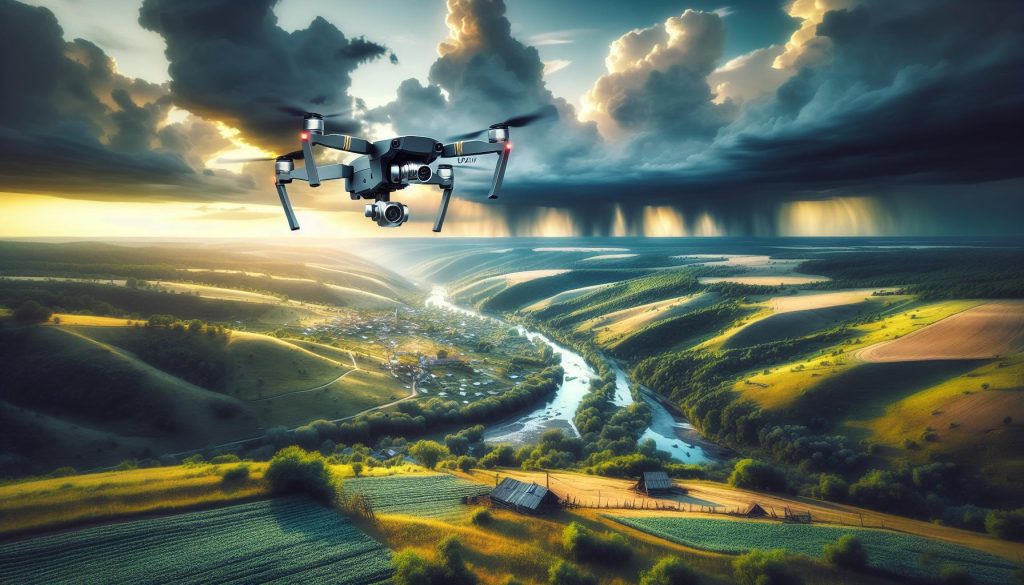
As the conflict in Ukraine evolves, the role of drone technology becomes increasingly critical in modern warfare. Specifically, DJI drones have gained prominence for their reconnaissance capabilities, enhancing battlefield awareness and operational efficiency. With recent events indicating both a surge in acquisitions of these drones and challenges due to export restrictions from China, understanding the strategic implications and ongoing developments surrounding their use is essential. This article explores how DJI drones are being utilized in Ukraine, the challenges faced by military forces, and the potential for domestic alternatives to emerge. Dive deeper into this analysis to uncover the complexities of drone warfare today and what it means for the future of military operations.
Understanding the Role of DJI Drones in Ukraine’s Military Operations
In the ongoing conflict in Ukraine, DJI drones have emerged as critical tools for military operations, evolving from recreational devices into pivotal assets for reconnaissance and intelligence-gathering missions. These drones offer a combination of versatility and ease of use, allowing operators to swiftly adapt them for various operational needs. With features such as real-time video transmission and high-resolution imaging, DJI drones enable Ukrainian forces to gain valuable situational awareness, identify enemy positions, and plan tactical operations more effectively.
Utilizing models like the DJI Mavic series, the Ukrainian military leverages advanced drone technology to enhance their operational capabilities. These drones can be deployed for surveillance missions, delivering precise reconnaissance data that informs command decisions. Moreover, the portability and rapid deployment of these drones facilitate quick strikes and real-time monitoring without the extensive logistical requirements associated with larger military aircraft. This adaptability has made them an integral part of Ukraine’s defensive strategies against Russian forces, as emphasized by Ukrainian Prime Minister Denys Shmyhal’s remarks on the heavy reliance on this technology for defense purposes[3[3].
Additionally, the extensive procurement of DJI drones, including recent acquisitions that have substantially increased their fleet, illustrates the emphasis on drone warfare within modern military strategies. The Ukrainian Ministry of Defence’s decision to acquire thousands of new units points to a long-term commitment to integrating this technology into their operations, reflecting the strategic importance of drones in contemporary combat environments[2[2]. As the conflict progresses, the role of DJI drones in Ukraine’s military is likely to expand, shaping both tactical execution and overall military strategy.
Current DJI Drone Models Used in the Conflict
In the dynamic landscape of military operations in Ukraine, DJI drones have become integral assets. Their versatility and advanced features, particularly from the Mavic and Matrice series, allow for a wide array of applications, from reconnaissance to logistics support. These drones are not just tools for aerial photography; they are robust platforms that can be equipped with various payloads to meet the demands of modern warfare.
One of the most notable models in use is the DJI Mavic 3. Renowned for its exceptional camera capabilities, it provides high-resolution imaging and real-time video streaming, enhancing situational awareness for Ukrainian forces. Its lightweight design and extended flight times allow for agile operations, making it suitable for quick deployments in urban and rural environments. Additionally, the Mavic 3’s obstacle avoidance system significantly reduces the risk of crashes during critical missions.
Another crucial model is the DJI Matrice 300 RTK, which demonstrates the next level of drone technology with its robustness and adaptability. This drone is primarily utilized for intelligence gathering, offering advanced features such as thermal imaging and LiDAR capabilities. The Matrice 300 can carry multiple payloads simultaneously, which is invaluable for complex operations involving surveillance and reconnaissance in contested areas.
These drones not only provide tactical advantages but also come with ease of use and rapid deployment capabilities that are essential in combat scenarios. The ability to quickly adapt to varying mission parameters and environmental conditions has made DJI drones a reliable choice for the Ukrainian military. The continuous acquisition of new units, highlighted by recent purchases of thousands of additional Mavic drones, reflects a strategic commitment to drone warfare which is transforming the operational landscape in Ukraine.
Advantages of Utilizing Drones in Modern Warfare
In the rapidly evolving landscape of modern warfare, the strategic advantages of employing drones like those from DJI have become increasingly apparent. These aerial systems offer unique operational capabilities that enhance military effectiveness on a variety of fronts. They enable forces to gather crucial intelligence, conduct reconnaissance missions, and even carry out logistical support, all while minimizing the risk to personnel. This multifaceted utility makes drones an essential component in contemporary military strategy, reshaping the way operations are planned and executed.
One of the most significant benefits of using DJI drones is their ability to provide real-time aerial surveillance. Equipped with high-definition cameras and advanced imaging technologies, these drones can deliver live feed to command centers, allowing commanders to make informed decisions based on the latest battlefield conditions. This capability is vital in conflict situations where information superiority can determine the success of missions. The lightweight construction and portability of models like the DJI Mavic 3 also facilitate swift deployment, enabling troops to adapt to changing situations more effectively.
Furthermore, the cost-effectiveness of drones such as the DJI Matrice series plays a crucial role in modern military operations. Compared to traditional manned aircraft, drones require lower operational costs, including maintenance and personnel training. Their versatility means they can be used in diverse roles-from reconnaissance and surveillance to delivering payloads-without the extensive investment needed for specialized aircraft. This advantage allows military planners to allocate resources more efficiently while maintaining operational readiness.
Additionally, the integration of drone technology in warfare has also transformed tactical approaches on the ground. Drones enable forces to perform operations with a high degree of precision, reducing collateral damage and enhancing mission success rates. The ability to execute pinpoint strikes or conduct assessment missions at a safe distance from enemy combatants is a game changer, allowing for greater strategic flexibility. This changing paradigm not only enhances combat effectiveness but also alters the ethical considerations of warfare, as drone use raises questions about accountability and the implications of remote engagement in combat scenarios.
As the conflicts in Ukraine demonstrate, DJI drones have become indispensable tools for military forces seeking an edge in reconnaissance, intelligence gathering, and operational efficiency. The ongoing adaptations and innovations in drone technology are likely to continue shaping modern warfare, emphasizing the importance of these aerial systems in future military strategies.
Challenges and Limitations of DJI Drones in Combat Zones
In the challenging environment of combat zones, the deployment of DJI drones, while beneficial, also brings a unique set of challenges and limitations that military operators must navigate. The reliance on consumer-grade drones like the DJI Mavic series may seem advantageous due to their ease of use and cost-effectiveness, but these models face significant operational hurdles. For instance, their vulnerability to electronic warfare tactics poses a serious concern. Adversaries can jam or hack into drone signals, rendering these sophisticated devices inoperable or leading to potential capture.
Another critical limitation stems from battery life and flight time. While DJI drones are engineered for efficiency, they offer relatively short operational periods-typically ranging from 20 to 30 minutes per flight. In combat scenarios, where prolonged surveillance can be crucial, this constriction represents a tactical disadvantage. Operators must meticulously plan missions with battery constraints in mind, often necessitating pre-identified landing zones for quick recharge or replacements.
Furthermore, the physical durability of DJI drones must be considered. Designed primarily for commercial use, these drones may struggle under the harsh conditions of battlefield operations, including inclement weather, dust storms, or extreme temperatures. Operators must therefore implement enhanced protective measures, such as modifications or the use of protective housings, to ensure reliability in varying environmental conditions.
Despite these challenges, military operators in Ukraine continue to adapt their strategies around the limitations of DJI drones. Training programs focused on rapid deployment, emergency protocols for loss of signal, and environmentally protective measures are developed to mitigate these issues. Finally, a comprehensive understanding of these limitations, combined with innovative operational tactics, can empower drone operators to maximize the utility of DJI drones while minimizing their drawbacks in combat scenarios.
Comparative Analysis: DJI Drones vs. Other Military Drones
In the fast-evolving landscape of modern warfare, the deployment of drones has transformed operational strategies on the battlefield. While DJI drones, particularly the Mavic series, have gained significant traction for their affordability and ease of use, they must be compared against a range of purpose-built military drones that offer distinct advantages tailored for combat scenarios.
One of the most notable differences is ruggedness and durability. Military drones, like the MQ-1 Predator or the Switchblade, are designed to withstand harsh environmental conditions and battlefield operations. These drones often include reinforced structures, enhanced weather resistance, and military-grade components that support extended missions and heavy payloads, unlike consumer-grade DJI drones, which may struggle with extreme weather, swift changes in temperature, or physical impact.
Another area of comparison lies in capabilities and functionalities. Military drones typically come equipped with advanced surveillance systems, including high-resolution thermal imaging and real-time data link capabilities that provide enhanced situational awareness. These features allow for persistent reconnaissance that is crucial in combat operations. In contrast, while DJI drones can be outfitted with capable cameras for reconnaissance, they often lack the integrated advanced targeting systems and onboard processing capabilities that military-grade drones provide.
When looking at flight performance, military drones often boast longer flight times and greater distances, essential for missions requiring deep penetration into enemy territory. For instance, some military drones can fly for over 24 hours, while DJI’s Mavic series typically offers only 20 to 30 minutes of operational time per flight. This limitation forces operators to plan meticulously around fuel and battery constraints, which can be a tactical disadvantage during critical operations.
Lastly, considering cost versus effectiveness, DJI drones represent a cost-effective solution for immediate reconnaissance needs, allowing military forces like Ukraine to rapidly scale their drone fleets without extensive budget constraints. However, as operational requirements intensify, the cost benefits must be weighed against the potential operational gaps that consumer-grade drones could introduce, such as vulnerability to electronic warfare tactics and limitations in response to rapidly changing battlefield dynamics.
Overall, while DJI drones play a vital role in the ongoing conflict due to their accessibility and initial effectiveness, understanding their limitations compared to purpose-built military drones is crucial. A hybrid approach, combining both consumer and military drone systems, may ultimately yield the best strategic advantage on the battlefield. This nuanced view underscores the importance of adapting drone strategies to the unique demands of modern warfare.
Case Studies: Successful Missions Involving DJI Drones
In a conflict where rapid response and real-time intelligence are crucial, DJI drones have emerged as valuable assets for Ukrainian military forces. One of the standout cases involves the use of the DJI Mavic 3 Thermal, which has provided troops with critical aerial reconnaissance capabilities. Equipped with advanced thermal imaging, operators have successfully identified enemy troops and assets from considerable distances, significantly enhancing situational awareness during operations. A notable mission involved the surveillance of a supply line, allowing ground forces to intercept enemy logistics effectively, demonstrating the tactical advantages of DJI technology in modern warfare.
Another compelling example lies in the use of DJI Phantom drones for artillery spotting. These drones can quickly assess target areas and relay vital visual information back to artillery units, enabling precision strikes that minimize collateral damage. In one documented instance, operators managed to adjust firing coordinates in real-time, resulting in a significant increase in the efficiency of artillery fire. This highlights not only the operational flexibility of consumer drones but also how effectively they can be integrated into military frameworks.
Challenges Faced in Missions
Despite their numerous successes, operators also face challenges with DJI drones in military contexts. One critical issue is vulnerability to electronic warfare, where signals can be jammed or intercepted. For instance, there have been instances where drones have lost control or crashed due to interference, exposing sensitive operations. As a result, some units have begun adopting countermeasures, such as using alternative frequencies and employing tactical flying techniques that minimize the risk of detection and interception.
In sum, the successful deployment of DJI drones in Ukrainian military operations illustrates their usefulness for reconnaissance and targeting tasks. The combination of advanced imaging capabilities and operational adaptability has proven to be beneficial, making DJI drones an integral part of Ukraine’s tactical landscape. However, addressing their limitations is crucial for maintaining their effectiveness in future missions.
User Experiences: Ukrainian Operators Share Insights
Ukrainian drone operators have transformed the battlefield dynamics with their strategic use of DJI drones, providing invaluable insights into their real-world applications and experiences. From reconnaissance to targeting, the operators emphasize how these drones have shifted their operational capabilities and outcomes. One operator shared that the user-friendly controls of models like the DJI Mavic 3 Thermal allow even less experienced personnel to conduct critical surveillance missions effectively. The drone’s thermal imaging has been pivotal in identifying troop movements in obscured environments, enabling proactive responses that have saved lives and resources.
Additionally, operators noted the importance of agility in the field. With rapid deployment times, DJI drones can be in the air within minutes, imperative for time-sensitive missions. A case in point involved the use of a DJI Phantom for real-time artillery adjustments. An operator recounted a scenario where quick aerial assessments allowed artillery units to recalibrate their fire in response to enemy positioning, leading to a significant increase in accuracy. This kind of operational adaptability not only enhances mission success rates but also fosters confidence among troops in technological support.
However, these operators are acutely aware of the challenges involved in utilizing consumer drones for military purposes. Jamming and electronic countermeasures pose significant threats to drone operations. One operator highlighted that during missions in contested areas, they have adopted advanced tactical maneuvers, such as flying at lower altitudes and navigating through natural cover, to minimize detection risks. These adaptations illustrate the necessity for continual learning and strategic planning in drone operations, ensuring that operators remain one step ahead of adversaries.
To strengthen their drone skills further, operators recommend ongoing training, especially in areas like firmware updates and gimbal calibration. Regular practice not only improves familiarity with the equipment but also enhances overall mission effectiveness. As soldiers continue to navigate this evolving landscape, their experiences with DJI drones serve as a testament to the invaluable role that technology plays in modern warfare, underscoring both its potential and the need for adaptability in the face of emerging challenges.
Legal and Ethical Considerations of Drone Use in War
The rise of drone technology in military operations has sparked a complex dialogue about the legal and ethical implications of their use in warfare, particularly in conflict zones like Ukraine. Drones, especially consumer models such as those produced by DJI, are increasingly utilized for surveillance, reconnaissance, and even targeting. This trend raises crucial questions about accountability, user responsibility, and adherence to international humanitarian law.
First, one must consider the legal frameworks governing the use of drones in warfare. International laws, including the Geneva Conventions, emphasize the principles of distinction and proportionality. These guidelines require combatants to distinguish between military targets and civilians, ensuring that any military action is proportionate to the anticipated military advantage. However, the use of UAVs blurs these lines. The accessibility of consumer drones allows non-state actors and less experienced personnel to engage in military operations, potentially leading to violations of these laws. Without rigorous training and understanding of these legal frameworks, operators may inadvertently commit acts that contravene established military conduct.
Additionally, ethical considerations abound concerning the psychological impact of drone operations. The remote nature of drone piloting can detach operators from the realities of warfare, leading to a desensitization to violence. This moral distancing raises concerns about the decision-making processes involved in engaging targets, as some operators might approach drone warfare with a video-game mentality rather than a sober recognition of human consequences. The stark contrast between the safety of the operator and the potential devastation on the ground necessitates a careful examination of the ethical responsibilities of those deploying such technology.
Implications for Operators
To navigate these legal and ethical challenges effectively, operators should engage in continuous training and education regarding both the technical operation of drones and the legal responsibilities tied to their use. This includes:
- Understanding International Law: Familiarizing oneself with the relevant legal standards governing armed conflict and drone use.
- Establishing Clear Protocols: Developing standard operating procedures that emphasize compliance with humanitarian law and ethical standards.
- Promoting Accountability: Implementing measures that ensure operators are held accountable for their actions during missions, reinforcing the need for responsible drone usage.
By fostering an environment of ethical awareness and legal compliance, drone operators can enhance their operational integrity, ultimately leading to a more responsible implementation of this powerful technology in military contexts. In a rapidly evolving battlefield landscape, these considerations are not just academic; they are vital to upholding the moral and legal tenets that govern armed conflict.
Impact of Drone Technology on Warfare Strategies
The advent of drone technology has fundamentally transformed military strategies, particularly highlighted by their use within the ongoing conflict in Ukraine. Drones, notably those produced by DJI, have become indispensable tools for reconnaissance, intelligence gathering, and tactical operations. Their integration into military tactics has allowed for a more agile, responsive approach to modern warfare, significantly altering operational paradigms and battlefield dynamics.
One of the critical impacts of drone technology on warfare strategies is the enhancement of situational awareness. Drones equipped with high-resolution cameras and thermal imaging capabilities enable military units to monitor enemy movements from a distance, reducing the risks associated with ground reconnaissance. This capability allows for real-time intelligence that can inform immediate tactical decisions, enhancing responsiveness and adaptability in combat situations. Moreover, Ukrainian forces have utilized these drones for damage assessment and target acquisition, ensuring that operations are more precisely aligned with strategic objectives while minimizing collateral damage.
Another notable shift has been the democratization of warfare technology. The ease of access to consumer drones means that smaller units can operate with a level of intelligence and coordination that was once the purview of larger, more technologically advanced militaries. This trend has enabled non-state actors and smaller forces to engage in asymmetric warfare effectively. For example, Ukrainian forces have heavily relied on DJI drones, not only to gather intelligence but also to coordinate artillery support and facilitate communication across dispersed units. This operational flexibility showcases how drones can level the playing field, allowing forces with less traditional militaristic resources to leverage technology in innovative ways.
Furthermore, the psychological impact of drone usage in warfare cannot be overstated. The presence of drones can alter enemy behavior, while their ability to deliver swift engagements from a distance can serve as a deterrent. The intimidation factor cannot be overlooked; adversaries may be less likely to position themselves in vulnerable spots, knowing they could be detected and targeted quickly. However, this also raises critical considerations about the morale and psychological experiences of operators and those who are targeted. The remote nature of drone operations detaches operators from the traditional consequences of military engagement, potentially leading to ethical dilemmas and an evolving battlefield ethos centered on technology rather than human engagement.
As the conflict continues, the implications of drone technology will likely expand. The opportunities for integrating advanced features, such as artificial intelligence and autonomous operations, could further redefine military strategies. Ultimately, the strategic use of drones will necessitate a reevaluation of traditional military doctrines, with a focus on flexibility, real-time data, and the integration of diverse technological systems to maintain a competitive edge in an ever-evolving conflict landscape.
Future of DJI Drones in Military Applications
The recent surge in the use of DJI drones within military operations, particularly in the context of the Ukraine conflict, hints at a transformative future for this technology in warfare. As drone technology evolves, DJI could remain at the forefront, leveraging advances to develop more sophisticated models that cater specifically to military needs. This evolution is not just limited to hardware enhancements but also extends to software capabilities, with a focus on real-time data processing, autonomous flight, and artificial intelligence integration.
In the near future, we may see DJI enhancing its drones with features like advanced machine learning algorithms that enable better decision-making capabilities in real-time. This would be particularly beneficial for reconnaissance missions, where swift and accurate information gathering can significantly impact tactical outcomes. For instance, employing AI for target recognition and threat assessment could streamline operations considerably, making drones not only tools for observation but also essential elements of offensive and defensive strategies.
Moreover, the push for modular designs could allow military operators to customize drones for specific missions, integrating payload options that range from surveillance cameras to electronic warfare equipment. This adaptability would represent a significant trend in military drone applications, facilitating a tailored approach to diverse operational requirements. As conflicts evolve, the ability to quickly reconfigure drones for different tasks-such as search and rescue or precision strikes-will provide considerable strategic advantages.
In tandem with these advancements, the importance of drone swarming technology cannot be overstated. UAV swarms, coordinated by AI algorithms, could revolutionize military tactics by allowing multiple drones to conduct missions collaboratively, covering larger areas and significantly enhancing situational awareness. This capability could dramatically shift the dynamics between opposing forces, compelling conventional military strategies to adapt to the new realities of drone-enhanced warfare.
As DJI continues to innovate, the prospects for expanded military applications will represent not only an evolution of the technology but also a vital shift in the operational landscape of modern warfare. The integration of advanced features, coupled with a focus on tactical versatility and swarm intelligence, hints at a future where DJI drones play an indispensable role in military strategies worldwide.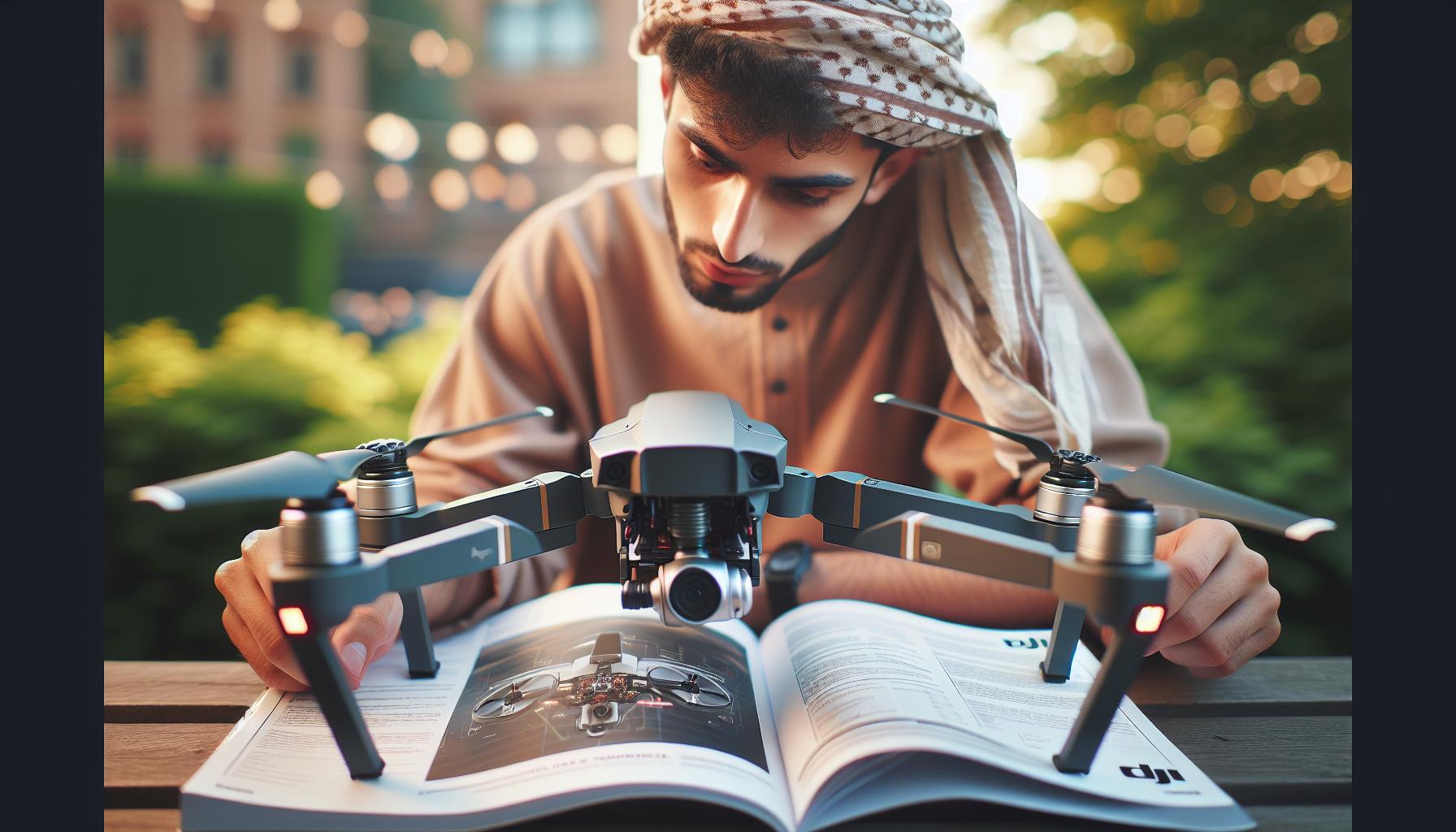
Technical Specifications: What Makes DJI Drones Effective?
The effectiveness of DJI drones in military operations, particularly in the Ukraine conflict, is rooted in their cutting-edge technical specifications. One of the standout features of these drones is their camera systems, which include high-resolution imaging capabilities, such as 4K video and thermal imaging. This ensures that military operators can conduct surveillance and reconnaissance with remarkable clarity, allowing for advanced target detection and monitoring in varied conditions.
Another critical aspect is the flight stability and autonomy that DJI drones offer. Thanks to their advanced GPS positioning and altitude hold systems, these drones maintain stable flight patterns essential for both aerial photography and strategic military operations. Their autonomous flight capabilities, driven by sophisticated algorithms, allow for pre-programmed flight paths and automated return-to-home functions, minimizing risks in hostile environments.
Moreover, the modularity of DJI drones enhances their adaptability across different mission profiles. This is particularly important in military contexts where operational flexibility can dictate success. Operators can easily switch payloads, ranging from enhanced cameras for surveillance to more specialized equipment like signal jammers or specific sensors for environmental monitoring.
The combination of robust battery life, typically offering flight times between 20 to 30 minutes depending on the model, and strong transmission ranges, often exceeding 10 km, enables operators to engage in prolonged missions without frequent landings or disruptions. These specifications ensure that DJI drones can cover significant ground, gathering critical intelligence in real-time.
In conclusion, the integration of high-quality imaging, advanced stability, modular adaptability, and extended operational capabilities makes DJI drones particularly effective tools in modern military engagements, positioning them as valuable assets on the battlefield.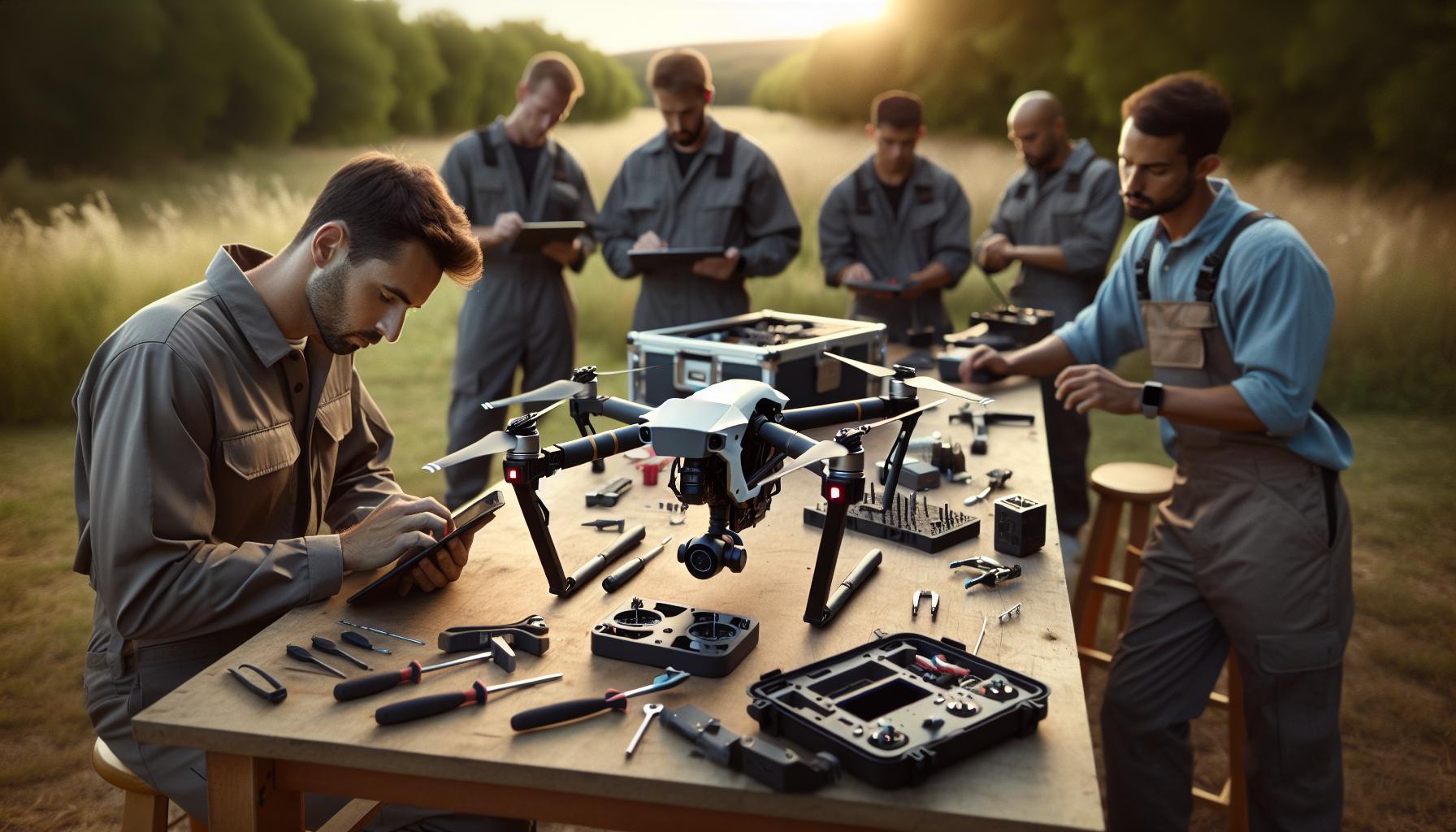
Maintenance and Support for DJI Drones in the Field
To maintain peak operational capability in the field, UAV operators must prioritize effective maintenance and support strategies for DJI drones. Regular upkeep not only ensures longevity but also guarantees reliability during critical missions. One fundamental aspect of maintenance involves routine pre-flight inspections. Operators should inspect key components such as the battery, propellers, camera systems, and the airframe. A simple checklist can streamline this process:
- Battery: Check for damage, ensure proper charge, and inspect connections.
- Propellers: Look for cracks or deformations that could affect aerodynamics.
- Camera Systems: Clean lenses and ensure stabilization mechanisms are functioning correctly.
- Airframe: Examine for signs of wear, especially after high-stress missions.
In the field, quick access to spare parts and tools can be a game changer for operators. Carrying a compact repair kit that includes spare propellers, screws, and basic tools can prevent downtime due to minor issues. Additionally, utilizing DJI’s mobile app for firmware updates can enhance drone performance and system stability on-the-fly. Keeping the firmware updated not only improves functionality but also ensures compatibility with various operational protocols.
Utilizing local resources is another effective strategy. Ukrainian operators often collaborate with tech-savvy civilians or local drone enthusiasts who can offer invaluable tips based on hands-on experiences. Engaging in training sessions or workshops for field maintenance practices can enhance crew competence, leading to fewer failures during critical operations.
Lastly, maintaining thorough flight logs is essential. Recording details about flights-including weather conditions, battery usage, and any technical anomalies-can inform future maintenance needs and help in troubleshooting recurring issues. A comprehensive tracking system, whether analog or digital, reinforces a culture of proactive maintenance, which is crucial in the unpredictable dynamics of a conflict zone.
By integrating regular maintenance, quick-repair strategies, community knowledge, and detailed flight documentation, Ukrainian military operators maximize the effectiveness and reliability of DJI drones, solidifying their role as indispensable tools on the battlefield.
Q&A
Q: What are the primary military uses of DJI drones in Ukraine?
A: DJI drones are primarily used for reconnaissance, surveillance, and targeting assistance in Ukraine. They provide real-time aerial imagery that aids in tactical decision-making on the battlefield, allowing Ukrainian forces to monitor enemy movements effectively.
Q: How have DJI drones impacted warfare strategies in Ukraine?
A: DJI drones have revolutionized warfare strategies in Ukraine by enabling quick reconnaissance and flexible response tactics. Their low cost and ease of use have made them essential tools for gathering intelligence and directing firepower effectively.
Q: What alternative drones are being developed to replace DJI models in Ukraine?
A: Ukrainian manufacturers are developing home-grown reconnaissance drones to replace DJI models like the Mavic 3, focusing on enhancing local capabilities and reducing reliance on foreign technology amid export restrictions from China2.
Q: What challenges do Ukrainian forces face with DJI drones in the conflict?
A: Ukrainian forces are facing a drone crisis due to China’s export restrictions, which limit the availability of DJI Mavic drones. This shortage threatens frontline reconnaissance and operational effectiveness3.
Q: How do DJI drones compare with other military drones being used in Ukraine?
A: DJI drones are favored for their affordability and ease of operation compared to more advanced military drones. However, they may lack some features found in purpose-built military drones, such as advanced payload capacities and encrypted communications.
Q: What ethical considerations surround the use of DJI drones in warfare?
A: The use of DJI drones in warfare raises ethical concerns regarding surveillance, civilian privacy, and the potential for misuse in targeting. Discussions also focus on the responsibilities of operators in combat situations and adherence to international laws1.
Q: When were DJI drones first deployed by Ukrainian forces in the conflict?
A: Ukrainian forces began deploying DJI drones early in the conflict, leveraging their capabilities for reconnaissance and surveillance as soon as they recognized their utility in monitoring enemy troop movements and providing intelligence support.
Q: What measures are in place for the maintenance of DJI drones used in combat?
A: Ukrainian operators perform regular maintenance checks on DJI drones to ensure they remain operational amid combat conditions. This includes firmware updates, battery checks, and gimbal calibration, ensuring reliability in critical situations.
Concluding Remarks
As we’ve explored, the role of DJI drones in Ukraine presents profound implications for modern warfare and surveillance capabilities. Understanding their impact and operational significance is crucial for anyone interested in military technology trends. To dive deeper into the discussion, consider exploring our detailed guides on drone regulations and safety measures, perfect for both enthusiasts and professionals.
Don’t miss out on learning about the latest advancements in DJI technology, including tips on drone setup and maintenance. Stay informed-sign up for our newsletter to receive insights directly to your inbox. Your journey into the world of drones doesn’t have to stop here. Engage with us in the comments below, share your thoughts, or check out our articles on the latest drone innovations and best practices. Let’s continue to shape the future of aerial technology together!