When it comes to utilizing DJI drones for aerial photography or videography, the ability to operate in various weather conditions is crucial. Many enthusiasts wonder: are DJI drones truly waterproof, or can they withstand unexpected rain and moisture? Understanding the weather resistance of these popular models is essential not only for preserving your investment but also for ensuring safe flight experiences. In this article, we’ll explore what it means for a drone to be “waterproof,” the specific weather resistance features of DJI drones, and tips on how to protect your drone from the elements. Whether you’re a hobbyist eager to capture stunning landscapes or a professional pilot aiming for the perfect shot, knowing the limits of your equipment can make all the difference. Join us as we dive into the facts and insights surrounding DJI drones and their ability to handle adverse weather conditions, empowering you to fly with confidence regardless of the forecast.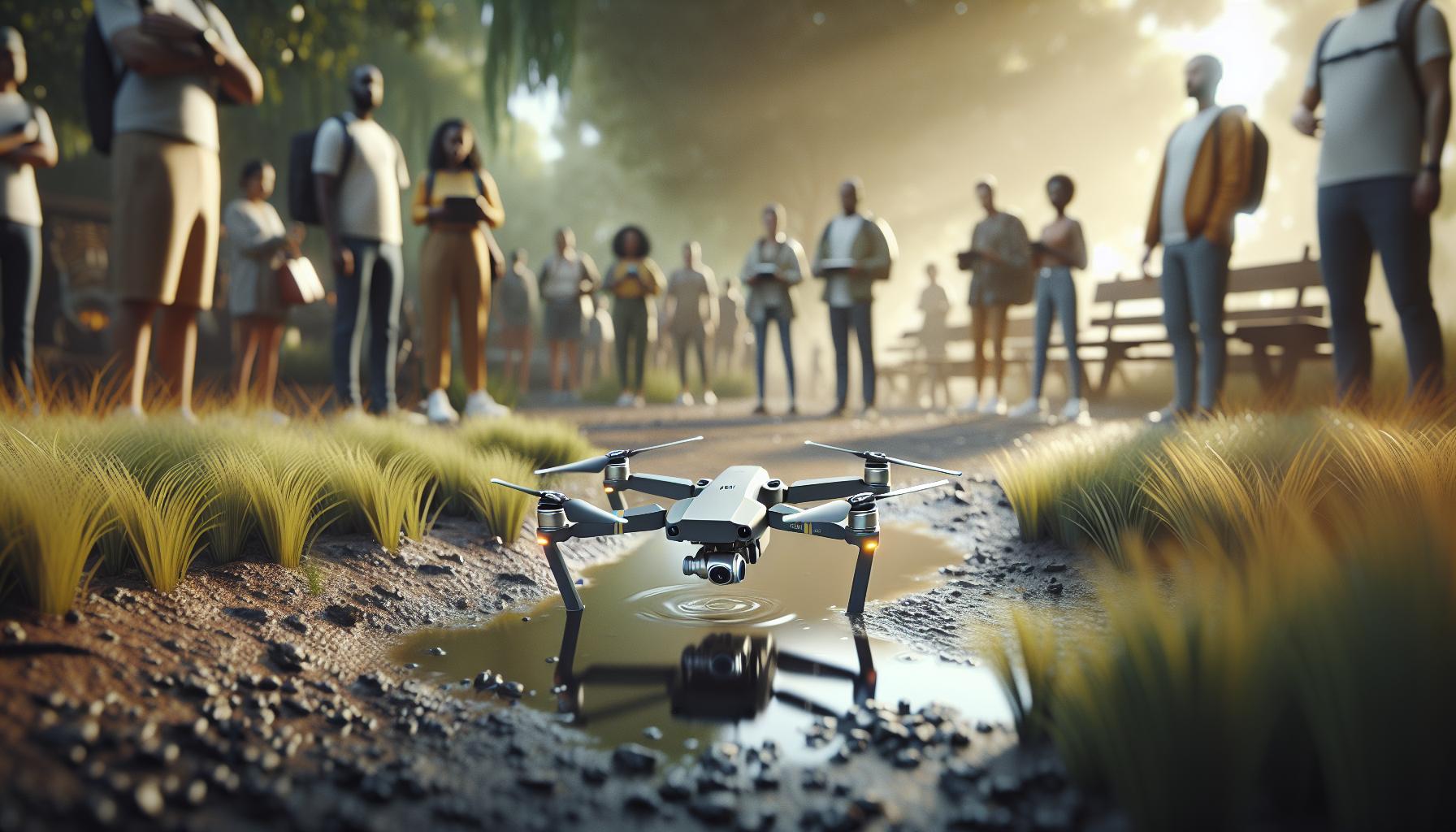
Are DJI Drones Waterproof? Debunking the Myths
Many drone enthusiasts mistakenly believe that DJI drones are completely waterproof, leading to unfortunate mishaps when operating these machines in wet conditions. In reality, while some DJI models offer a level of water resistance, none are truly waterproof. Understanding this distinction is essential to avoid damaging your valuable equipment.
The term “waterproof” implies a complete impermeability to water, while “water-resistant” indicates that a device can withstand some exposure to water without significant harm. DJI drones, like the Mavic series, may feature water-resistant designs that protect against light rain and splashes, but prolonged exposure to water or dunking them in deep puddles can lead to serious issues. The ingress protection (IP) rating is a key factor to consider. For example, models like the Mavic 2 Enterprise have an IP rating of 54, meaning they can handle limited water exposure; however, this does not equate to the drone being safe to fly in heavy rain or crash-landing in water.
To best protect your drone from potential water damage, it’s crucial to recognize the risks associated with flying in adverse weather conditions. Rain can affect battery life, signal stability, and motor performance. Additionally, moisture can infiltrate sensitive components, leading to corrosion or functional failures. Always err on the side of caution: avoid flying in heavy precipitation or strong winds and consider shielding your drone with waterproof covers or enclosures designed specifically for your model. By understanding the limitations of your equipment, you can enjoy enhanced longevity and performance from your DJI drone.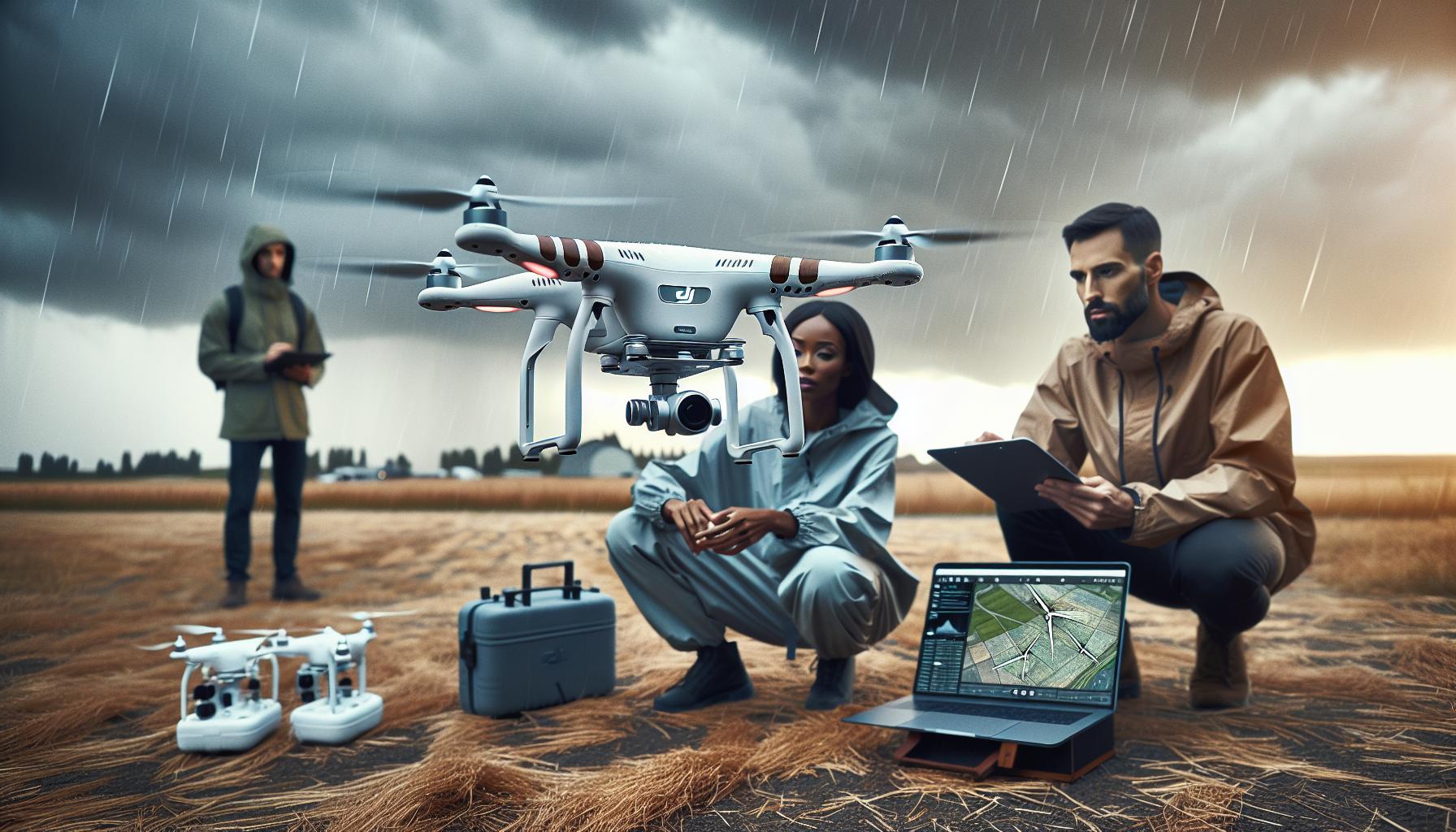
Understanding DJI Drone Weather Resistance
Understanding the intricacies of weather resistance in DJI drones is critical for any operator looking to maximize their flying experience while ensuring the longevity of their equipment. Many models, including the Mavic and Mini series, come with varying degrees of water resistance, often indicated by an Ingress Protection (IP) rating. This rating provides insight into how well the drone can withstand exposure to moisture and dust. For instance, a drone with an IP54 rating can resist limited water splashes, but it isn’t built for flying through heavy rain or being submerged.
In addition to the IP ratings, DJI integrates various design elements to enhance a drone’s ability to handle adverse weather conditions. These could include reinforced seals and protections around electronic components. Nevertheless, it’s vital to recognize that even the most weather-resistant models are not maintenance-free in wet conditions. Operators must remain vigilant about potential issues, such as water infiltration, which can lead to corrosion or electrical failure over time.
Flying in challenging weather can affect other performance aspects, too. Reduced visibility from rain can hinder navigation, while gusty winds may destabilize the drone, leading to more challenging handling. Thus, understanding how environmental factors influence your drone’s operation is crucial; many seasoned pilots suggest checking the weather forecast before a flight, paying attention to wind speed, potential rainfall, and temperature fluctuations.
To ensure a safe and enjoyable flying experience, consider adopting best practices: check for visible signs of water damage after flying in rain, use protective covers, and always monitor battery performance during and after flights in less-than-ideal weather. By being proactive and informed, you can enhance both the performance and lifespan of your DJI drone while enjoying the thrill of flying in varied conditions.
Key Differences: Waterproof vs. Water-Resistant
Understanding the distinction between “waterproof” and “water-resistant” is essential for any drone pilot, particularly when considering the various operating conditions that can impact the longevity and performance of DJI drones. While these terms are often used interchangeably in everyday language, they have specific technical meanings that can significantly influence how you care for and operate your UAV.
Waterproof means that a device can withstand water immersion to a certain depth for a specified duration. This implies a higher level of protection, meaning that if a drone were to be submerged in water, it would remain operational. In contrast, water-resistant describes a drone that can resist the ingress of water but is not designed for immersion. For instance, a drone with an IP68 rating may be completely waterproof, while one rated IP54 can handle splashes but should not be flown in heavy rain or near water bodies.
Understanding IP Ratings
The International Protection (IP) rating system is crucial for deciphering these categories. Here are a few key differences highlighted through IP ratings:
- IP54: A drone can withstand limited dust ingress and splashes of water, but direct exposure to heavy rain can cause damage.
- IP67: Devices can be submerged in water up to 1 meter for 30 minutes without damage, making them much more robust against the elements.
Understanding these distinctions can allow drone operators to make more informed decisions about when and where to fly their devices. Always consult your drone’s specifications to know its limits, and avoid unnecessary water exposure that could lead to malfunction or permanent damage. By being mindful of these differences, pilots can better protect their equipment, ensuring safe and enjoyable flying experiences in varying weather conditions.
Weather Conditions Affecting Drone Performance
Flying your DJI drone in adverse weather conditions can significantly impact its performance and safety. Understanding how factors such as wind, rain, temperature, and humidity can affect your drone’s capabilities is crucial for ensuring safe and effective operation.
Strong winds are one of the primary concerns for drone pilots. DJI drones, while engineered for stability, have varying tolerances to wind speeds based on their size and model. Generally, lightweight models like the DJI Mini series can struggle in winds exceeding 15-20 mph, leading to potential loss of control. Conversely, heavier models like the Mavic series can handle stronger gusts but may still face stability issues in turbulent conditions. Pilots should always check wind forecasts before flights and consider using an anemometer to gauge the exact conditions at their launch site.
Rain poses another significant challenge, especially for those flying drones with lower IP ratings. While some DJI models have limited water resistance, flying in light rain can introduce moisture into the drone’s internal electronics. This exposure can lead to malfunctions or permanent damage. It’s advisable to avoid flying when precipitation is forecasted or when rain is visible. Additionally, the humidity level can affect drone performance-high humidity can lead to condensation, potentially impacting sensitive components like the camera and gimbal.
Temperature fluctuations are also critical considerations. Extreme cold can reduce battery performance, leading to shorter flight times and reduced responsive controls. Conversely, excessive heat can overheat components, affecting the drone’s internal systems. Pilots are encouraged to monitor the ambient temperature and take necessary precautions, such as keeping batteries at optimal temperatures before and during flights.
Lastly, environmental factors like dust and pollen can compromise the drone’s sensors and camera lenses. Prior to launching, ensure your drone is clean and free from debris that could affect flight performance. By being mindful of these weather conditions and their potential implications, drone operators can enhance both the safety and quality of their aerial operations.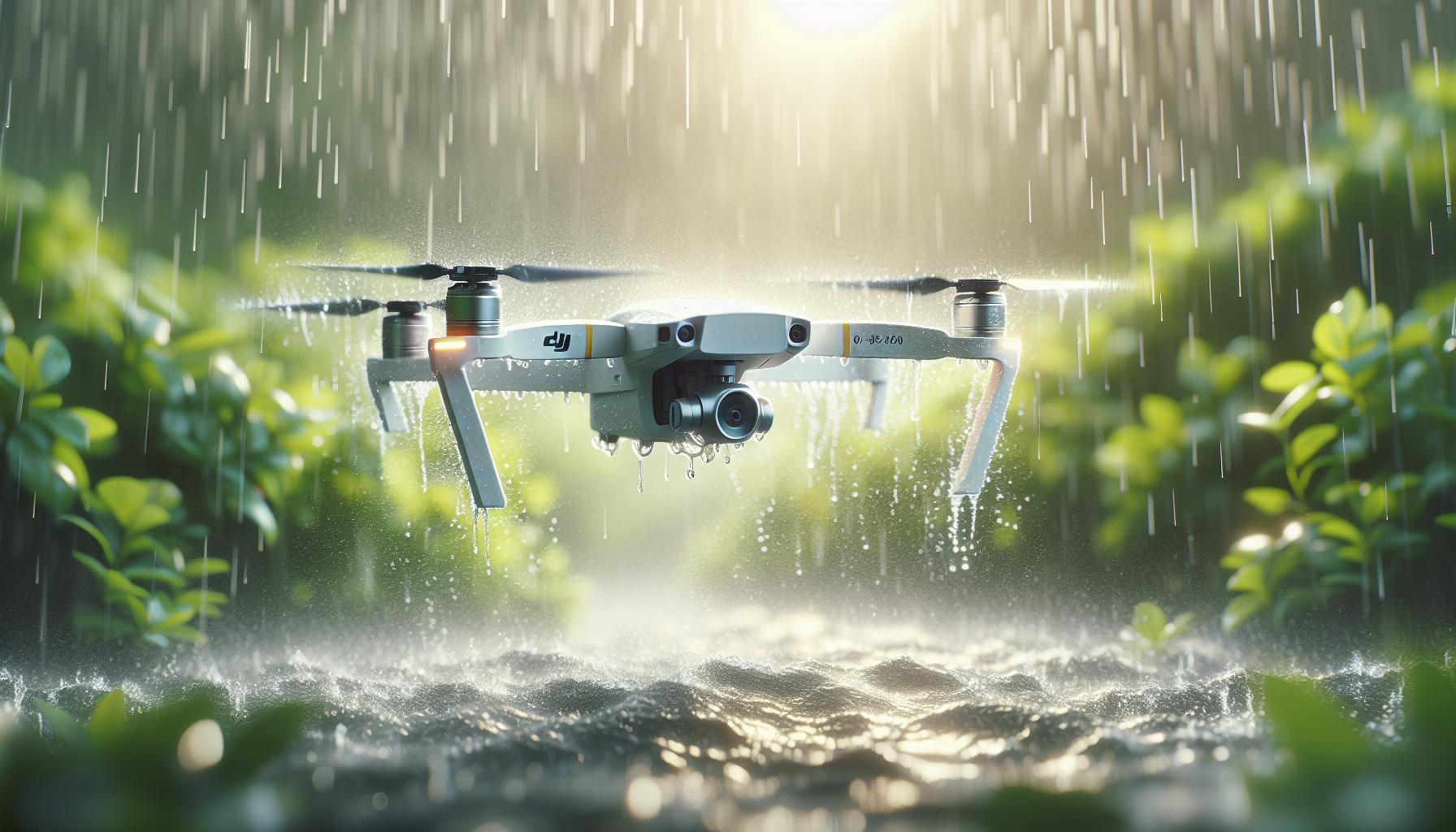
Which DJI Drone Models are Water-Resistant?
While no DJI drone is fully waterproof, several models offer varying degrees of water resistance, making them better suited for inclement weather conditions. Understanding which drones provide this protection is crucial for pilots looking to fly in less-than-ideal scenarios. The level of water resistance typically correlates with the model and its intended use, particularly in professional or industrial applications.
One of the standout models in terms of water resistance is the DJI Mavic 3 series. This drone features a robust design that allows it to resist light rain and splashes, thanks in part to its improved sealing mechanisms. Similarly, the Mavic Air 2S is built to endure slightly wet conditions; however, it’s worth noting that while these drones can handle light moisture, they should not be immersed in water or flown in heavy rain.
Another notable mention is the DJI Matrice 300 RTK, which is designed for industrial applications. This drone includes weather-resistant properties, hence it can endure harsher environments than consumer models. For such drones, protection is not just about casual moisture; they are built for operational versatility, able to withstand challenging conditions encountered in various commercial sectors, thus expanding operational scenarios.
For those considering exploring water-resistant flying, it’s essential to understand the specifications and limitations of the models. In particular, looking at the Ingress Protection (IP) rating can provide insight into how much water a drone can withstand without suffering damage. Many consumer models, like the Mini series, should be kept clear of moisture entirely, emphasizing the need for careful flight planning during rainy conditions. Having the right drone can greatly enhance your capabilities in diverse weather situations, but awareness of each model’s limitations is key to successful operation.
Real-Life Reviews: DJI Drones in Wet Conditions
In real-world scenarios, pilots have put DJI drones to the test in wet conditions, revealing a range of insights into their performance and reliability. For instance, many users have reported that the DJI Mavic 3 series proves effective in light rain, thanks to its robust construction and improved sealing mechanisms. Flyers have shared experiences of successfully capturing stunning aerial shots during overcast weather, although they emphasized the importance of avoiding prolonged exposure to heavier rainfall. These accounts highlight that while the Mavic 3 can handle splashes, it is not a substitute for waterproofing; caution is advisable when conditions escalate.
Similarly, the Mavic Air 2S has garnered positive feedback, particularly for short flights in misty environments. Pilots have successfully navigated through light drizzle, noting that the drone maintained stable flight and impressive image quality. Users stress, however, that after operating in damp conditions, it’s critical to dry out the drone thoroughly and check for any moisture around the gimbal and battery compartments. Such diligence can prevent potential long-term damage and ensure the drone’s longevity.
On the other hand, the DJI Matrice 300 RTK, designed for professional and industrial applications, has been tested in more extreme weather conditions. Users servicing search and rescue operations have reported that the Matrice 300 can withstand not just rain but also snow and humidity, making it a reliable option for demanding environments. However, even with its enhanced weather resistance, pilots are advised to keep operations within manufacturer recommendations and avoid flying in severe weather to ensure safety and equipment integrity.
In conclusion, while several DJI drones demonstrate versatility and resilience in wet conditions, it is essential for operators to remain vigilant and understand the limitations of their specific models. Many seasoned pilots recommend carrying out pre-flight checks and keeping a close eye on weather forecasts, as conditions can change rapidly, impacting drone functionality. By sharing real-life experiences, these pilots provide invaluable insights that can inform and guide fellow enthusiasts in harnessing the capabilities of their DJI drones while mitigating the risks associated with flying in adverse weather.
Best Practices for Flying in Rainy Weather
Flying a DJI drone in rainy weather can be both exhilarating and challenging. While some models come equipped with enhanced weather resistance, it’s crucial to adopt specific best practices to safeguard your drone and ensure a successful flight. Understanding your drone’s capabilities and preparing properly can make all the difference.
First and foremost, thoroughly check the weather forecast before heading out. This includes not only looking at precipitation levels but also wind speeds and temperature changes. Weather can be unpredictable, and what starts as a light drizzle can quickly escalate. If rain is expected to become heavy, it’s best to postpone your flight. Additionally, avoid flying in strong winds as this can agitate the drone and increase the risk of losing control.
When flying in light rain or mist, consider the following practices to enhance safety:
- Use the right mode: Switching to a more stable flying mode, such as Tripod mode, can help. This limits speed and improves control, which is vital in wet conditions.
- Limit flight time: Keep your flights short to reduce the drone’s exposure to moisture. This is particularly important if water begins to accumulate on the drone.
- Keep the drone level: During your flight, maintain a level flight path as much as possible to prevent water from pooling on the drone’s surface.
- Pre-flight checks: Before takeoff, ensure that all seals and compartments are intact and dry. Pay special attention to any areas that might trap moisture during flight.
After flying, it’s imperative to properly dry and inspect your drone. Remove the battery and any covers, then use a soft cloth to wipe off any moisture. Pay extra attention to the gimbal and sensors, as these are critical for flight performance. Consider using silica gel packs or other moisture-absorbing materials in your storage bag to absorb any residual humidity.
Ultimately, the key is to know your drone’s limitations and make informed decisions about flying in wet conditions. By proactively managing your flight environment, you can capture stunning aerial footage while keeping your equipment safe and sound. Always remember: when in doubt, don’t fly!
How to Protect Your DJI Drone from Water Damage
Flying a drone in wet conditions can lead to significant risks, as water can damage internal electronics and disrupt flight functionality. To safeguard your DJI drone from potential water damage, incorporating a few precautionary measures before, during, and after your flight can make a substantial difference in protecting your investment and ensuring optimal performance.
One effective strategy is to use moisture-proof accessories. Consider investing in silicone protective sleeves or waterproof bags that fit your model. These can provide an additional layer of protection against light rain and splashes. Furthermore, ensure to apply water-repellent coatings on the drone’s exterior. Several manufacturers provide sprays specifically designed for drones, which create a barrier against moisture. Just be cautious to avoid any openings, like vents or the gimbal, where fluid could enter.
In addition to physical protection, conduct rigorous pre-flight checks. This includes inspecting seals, battery compartments, and propeller areas for potential vulnerabilities. Taking the time to ensure that all components are secure and intact will minimize risks while flying. Also, consider limiting your drone’s exposure to moisture by planning shorter flight times during expected rain. If you detect any water accumulation on the body of the drone after a flight, promptly wipe it away using a microfiber cloth, and allow the drone to dry in a well-ventilated area.
Lastly, familiarize yourself with post-flight care. After flying in damp conditions, always remove the battery and covers, and store them separately in a dry environment. Using silica gel packets in your drone’s carrying case can help absorb any residual moisture. Regular maintenance, such as cleaning the drone and checking for signs of corrosion or water intrusion, will extend the life of your drone and enhance its performance for future flights. Keeping these best practices in mind will empower you to fly confidently in varying weather conditions while protecting your gear.
Troubleshooting Water Damage in DJI Drones
Operating a drone in wet conditions can pose serious challenges, especially if your DJI aircraft is exposed to moisture. Quick and effective troubleshooting can minimize damage when you suspect your drone has suffered water intrusion. Begin with a thorough examination; disassemble as much of the drone as possible, including the battery and propellers, to inspect for visible moisture. Utilize a lint-free cloth to carefully dry any surfaces and components you can access.
Next, consider the internals. If water has penetrated the body, it’s crucial to create a dry environment. Use silica gel packets or place the drone in a container filled with uncooked rice to draw out moisture. Allow it to sit for at least 24-48 hours. Ensure the battery compartment and any electronic connections are completely dry before reinserting the battery.
If your drone fails to power on or shows erratic behavior after this initial drying phase, it may require a professional evaluation or repair. Keeping in mind that water can corrode delicate electronics, you might also consider removing and inspecting the circuit boards if you’re comfortable doing so. Look for any residue or corrosion, which can indicate damage not initially visible. In some cases, a gentle cleaning with isopropyl alcohol and a soft brush can revive moisture-affected components but proceed with caution.
Lastly, always document your troubleshooting process. Should you need to contact customer service or a repair shop, detailed information on symptoms and the steps you’ve already taken will be invaluable. Preventative measures are equally important; investing in waterproof bags or coatings specifically designed for drones can save you from the hassle of dealing with water damage in the first place.
Essential Accessories for Water-Resistant Flying
Flying a drone in varied weather conditions can be exhilarating, but it also comes with its own set of challenges, especially when faced with rain or wet environments. To ensure a robust flying experience in these conditions, investing in essential accessories can greatly enhance the safety and performance of your DJI drone.
Waterproof Cases
One of the most effective ways to protect your drone from water damage is by using a high-quality waterproof case. These cases are specially designed to keep moisture out while providing cushioning against impacts. They can also facilitate easier transport, ensuring that your drone remains safe before and after flights. Look for cases that have a reliable seal and are rated for waterproofing standards.
Drone Skins and Protective Coatings
Applying a protective skin or water-resistant coating on your drone can bolster its resistance to moisture. There are various products available that create a hydrophobic layer, repelling water and protecting sensitive electronics. These coatings are often transparent, allowing you to maintain the aesthetic of your drone while adding a critical layer of protection against the elements.
Propeller Guards
Investing in propeller guards helps protect the drone’s propellers and body from the splashes that come with flying in rain or near water bodies. Propeller guards not only offer additional physical protection but also give peace of mind when flying in challenging environments.
Desiccant Packs
For added protection, consider using desiccant packs inside your carrying case or storage area. These silica gel packs help absorb moisture, thus preventing any accumulation that might cause damage. Keeping your drone dry, even during transport, is crucial in ensuring optimal performance when you take to the skies again.
Using these accessories not only improves the resilience of your DJI drone against water but also enhances your overall flying experience by providing peace of mind in unpredictable weather conditions. When coupled with good flying practices, these tools create a safe and enjoyable operating environment for your aerial adventures.
Comparing DJI Drones for All-Weather Flying
When evaluating DJI drones for all-weather flying, it’s essential to consider the specific weather resistance capabilities of each model and how they perform in less-than-ideal conditions. While most DJI drones are not officially classified as waterproof, certain models possess enhanced weather resistance, allowing them to function in light rain or humid environments. Understanding these nuances can help both hobbyists and professionals choose the right drone for challenging conditions.
Drones like the DJI Mavic Air 2 and Mavic 3 series come equipped with improved weather sealing, making them more robust against the elements than earlier models. Their design is intentionally focused on wind resistance and light rain protection, providing peace of mind for users who may often encounter varying weather conditions. Conversely, the Mini series is more lightweight but generally lacks the advanced weatherproofing features present in the Mavic line. Thus, while Mini drones excel in portability and convenience, they are less suited for wet or windy environments.
It’s also important to consider the material quality and build durability across models. The use of high-quality plastics and modern coatings in many DJI drones contributes to their resilience. For instance, drones equipped with aerodynamic designs can handle wind more effectively, minimizing the risk of performance issues during inclement weather.
When comparing DJI models for all-weather flying, it’s worth contemplating the following factors:
- Weather Rating: Check official specifications or user reviews for insights on how well a model withstands water or humidity.
- Battery Life: Wet or cold conditions may drain batteries faster; opt for models known for stability and longer flights in adverse conditions.
- Flight Features: Advanced flight modes, like automated return-to-home features, can be beneficial in unpredictable weather, enhancing safety.
In sum, while no DJI drone is completely waterproof, understanding the specific capabilities of various models can greatly influence a pilot’s choice for all-weather flying. Make informed decisions based on environmental needs, ensuring an optimal flying experience regardless of the weather challenges that may arise.
Legal Considerations for Flying Drones in Bad Weather
Flying a drone in bad weather can often bring more than just technical challenges; it also raises important legal considerations that pilots must navigate to ensure compliance with aviation regulations. Whether it’s rain, snow, or high winds, understanding your legal obligations before taking off is paramount for responsible drone operation. For example, many jurisdictions have specific rules allowing or restricting drone flights during adverse weather conditions, reflecting the need for safety and the preservation of airspace integrity.
Local regulations often stipulate that if weather conditions deteriorate to a point where flight safety is compromised, pilots may be legally bound to refrain from flying. For instance, flying in strong winds can not only endanger your drone but also pose a threat to people or property on the ground. Additionally, flying in rainy conditions can obscure visual line-of-sight operations, which is a crucial requirement under many aviation laws. This can lead to potential fines or penalties for non-compliance, making it essential to stay informed about these regulations.
Moreover, insurance implications should not be overlooked. Many insurance providers explicitly state that coverage may be void if a drone is operated in weather conditions deemed unreasonable, which could include flying in heavy rain or storms. Incidents arising from negligence in adhering to these regulations can result in claims being denied, leaving pilots to shoulder the financial burden of any damages incurred. Thus, it is wise to carefully review your insurance policy before engaging in flights under less-than-ideal weather conditions.
In summary, engaging in drone flights during adverse weather requires an understanding of the legal landscape that governs these operations. Stay updated on local laws, ensure compliance with safety regulations, and review your insurance coverage to navigate the complexities of flying drones in bad weather. By doing so, you not only enhance your safety and that of others but also solidify your reputation as a responsible drone operator in the aviation community.
Frequently Asked Questions
Q: Are any DJI drones completely waterproof?
A: No, DJI drones are not completely waterproof. Most models are water-resistant but not designed for full submersion. Check the specifications of your specific drone model to understand its water resistance capabilities and limitations.
Q: What happens if a DJI drone gets wet?
A: If a DJI drone gets wet, it may suffer from water damage affecting its electronics and flight performance. It’s essential to dry it thoroughly and let it air out before attempting to reconnect or charge the battery. Refer to the section on troubleshooting water damage for more guidance.
Q: How can I protect my DJI drone from rain during flights?
A: To protect your DJI drone from rain, consider using a drone cover or a rain shelter designed for drones. Additionally, you can avoid flying in inclement weather and monitor weather forecasts to plan your flights effectively.
Q: What is the difference between waterproof and water-resistant drones?
A: Waterproof drones can withstand full submersion in water, while water-resistant drones can handle splashes or light rain. It’s crucial to know your drone’s rating to ensure proper use in wet conditions.
Q: Can I fly my DJI drone in light rain?
A: It’s generally best to avoid flying your DJI drone in light rain. While some models can handle minor moisture, flying in any precipitation can lead to performance issues or water damage. Always refer to your drone’s user manual for specific weather guidelines.
Q: Which DJI drones are best for all-weather conditions?
A: DJI drones like the Mavic 3 and the Matrice series are better suited for all-weather conditions due to their enhanced weather resistance features. Check the detailed comparison of models for more insights on suitable choices for diverse environments.
Q: What should I do if my DJI drone gets wet?
A: If your DJI drone gets wet, immediately power it off, remove the battery, and dry it thoroughly. Place it in a dry area or use silica gel packets to absorb moisture. Avoid charging the battery until you’re sure it’s completely dry.
Q: Are there accessories to improve water resistance in DJI drones?
A: Yes, accessories such as waterproof cases and drone covers can enhance water resistance. Additionally, applying silicone sealants to vulnerable areas can help protect against moisture. Check the internal accessory section for recommendations on suitable products.
To Conclude
While DJI drones offer impressive capabilities, understanding their weather resistance is crucial for safe operation. Remember, these drones are designed to withstand certain environmental conditions, but that doesn’t make them fully waterproof. If you’re planning flights in less than ideal weather, consider exploring our detailed guides on drone maintenance and best practices for handling moisture.
For more in-depth information, check out our articles on choosing the right accessories to improve your drone’s durability or our tips for safe flying in adverse conditions. If you want to stay updated on the latest drone insights, don’t forget to subscribe to our newsletter or join our community for expert advice and support. Empower your flying experience-dive deeper into our resources and elevate your drone skills today!