In the rapidly evolving world of drone technology, DJI has emerged as a leader, offering a range of models that cater to both hobbyists and professionals. With stunning aerial photography capabilities and user-friendly features, DJI drones are designed to elevate your creative pursuits. However, with so many options available, how do you determine which model is truly the best for your needs? This article delves into a comprehensive market comparison of DJI drones, exploring their unique strengths and functionalities. Whether you’re a seasoned pilot or just starting your journey, understanding the nuances of different models will empower you to make informed decisions. Keep reading to discover what makes DJI drones stand out in a crowded market and how they can help you achieve your aerial ambitions.
Understanding the DJI Drone Market Landscape
The drone market has rapidly evolved, with DJI emerging as a front-runner known for its innovative technology and diverse product offerings. With a commitment to quality and performance, DJI has established itself as a household name for hobbyists and professionals alike. Their comprehensive range of drones caters to different use cases-from aerial photography and videography to racing and industrial applications. By staying abreast of consumer needs and technological advancements, DJI consistently pushes the envelope, setting industry standards that competitors strive to meet.
Understanding the DJI landscape involves recognizing not just the variety of models available, but also the core technologies that define them. Key features like advanced GPS, obstacle avoidance, and intelligent flight modes contribute to making DJI drones user-friendly and versatile. For instance, the high-performance gimbals in models like the Mavic and Phantom series ensure smooth, professional-grade footage. Additionally, the incorporation of software advancements, such as quickshot modes and the fly app, enhances the flying experience, making it accessible even for beginners.
DJI’s strategic focus on innovation is also reflected in its market positioning. Different models, such as the ultra-compact Mini series, are engineered for casual users aiming for portability and ease of use, while more sophisticated offerings like the Mavic series target seasoned professionals requiring advanced features. This tiered approach allows DJI to cater to a wide audience, making them a preferred choice among users at various skill levels.
As the drone community continues to grow, the brand’s commitment to safety and regulatory compliance further solidifies its reputation. DJI invests in developing features that help users navigate complex airspaces responsibly, exemplifying their role as a leader not just in technology but also in the evolution of safe flying practices. Therefore, whether you’re capturing stunning landscapes or conducting critical inspections, is crucial for making informed purchasing decisions and enhancing your flight experience.
Key Features That Make DJI Drones Stand Out
Innovative engineering and user-centric design set DJI drones apart in a crowded marketplace, making them a favorite choice for both casual users and industry professionals. One of the standout features of DJI drones is their advanced GPS technology, which ensures precise navigation even in challenging environments. With strong satellite connectivity and the ability to leverage multiple GNSS systems, DJI drones deliver reliable positioning, allowing users to execute complex flight patterns and ensure accurate returns to home, which is essential for safe operation, particularly in urban areas or during long-range flights.
The intelligent flight modes available on DJI drones make aerial photography and videography accessible to users of all skill levels. Features such as ActiveTrack and Waypoints simplify capturing dynamic shots without requiring extensive piloting skills. For example, the ActiveTrack mode enables users to focus on creative composition while the drone autonomously follows a subject, perfect for videographers looking to capture stunning action shots. Additionally, the QuickShots feature provides an array of preset maneuvers that can be executed with just a few taps, making it easy to create professional-looking films in minutes.
Another critical advantage is the superior imaging capabilities of DJI drones, especially those equipped with high-performance gimbals and advanced camera systems. Models like the Mavic 3 and Phantom series are renowned for their ability to shoot in 4K resolution or higher, coupled with exceptional stabilization technology. This combination yields stunning footage that meets the professional demands of filmmakers and content creators. Furthermore, advanced features like HDR imaging and low-light performance enable users to capture high-quality images and videos in various lighting conditions.
Moreover, DJI’s commitment to safety and regulatory compliance is evident in their aircraft design. Drones are equipped with obstacle avoidance systems that employ sensors to detect and navigate around obstacles autonomously, significantly reducing the risk of crashes during flight. Additionally, regular firmware updates ensure that all models remain compliant with evolving regulations and benefit from the latest features and enhancements. Taken together, these features not only enhance usability but also instill confidence in users, supporting safer and more reliable flights across diverse settings.
Ultimately, these key attributes-advanced GPS, intelligent flight modes, exceptional imaging capabilities, and robust safety features-combine to solidify DJI’s standing as a leader in the drone market, making their models a worthy consideration for anyone looking to purchase a drone.
DJI Drone Model Comparison: Which is Right for You?
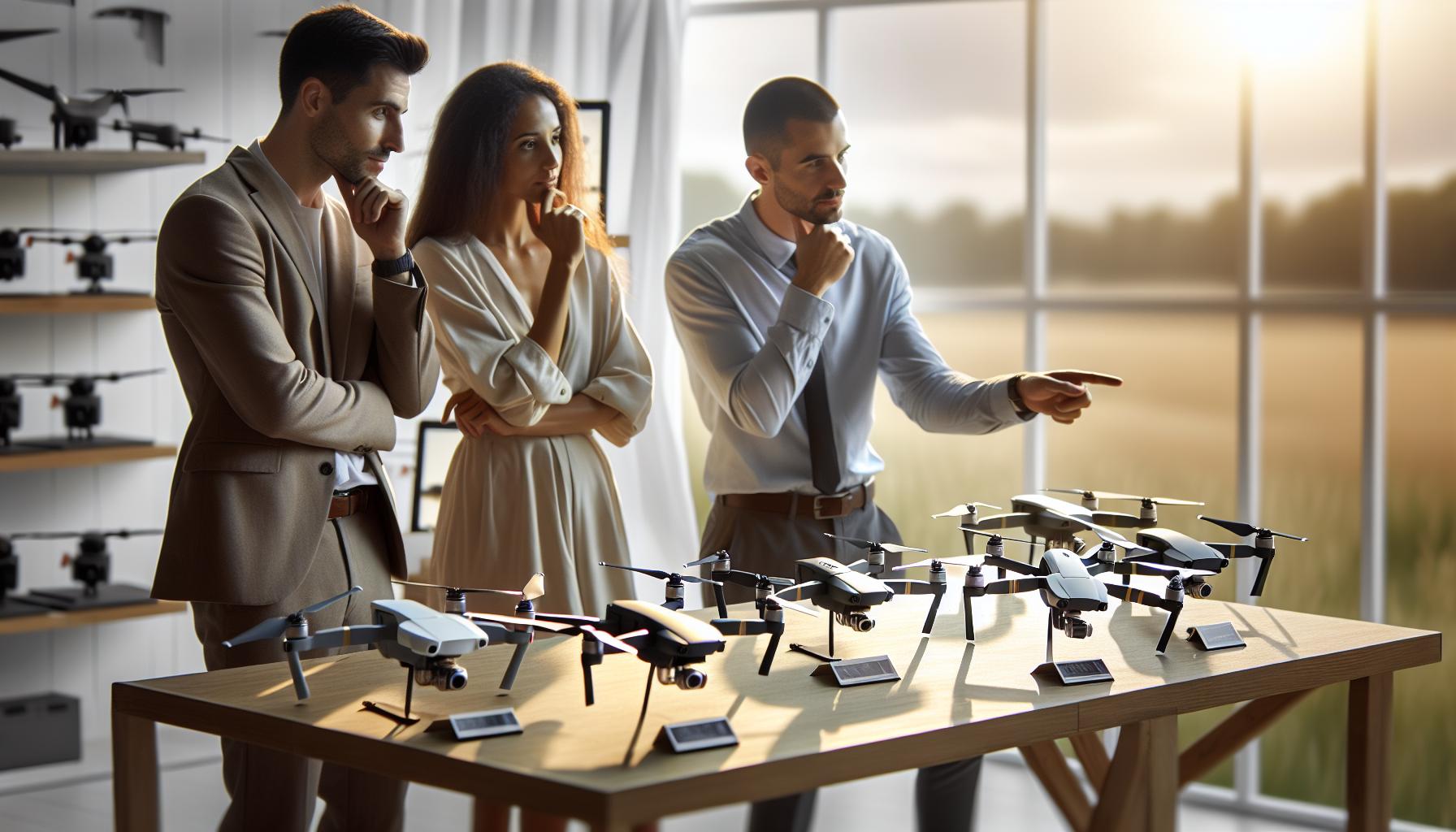
Are you overwhelmed by the plethora of DJI models available? You’re not alone; choosing the right drone can feel like navigating a maze given the diverse features each of DJI’s offerings presents. DJI’s lineup includes everything from compact models like the Mini series to feature-rich options like the Mavic and Phantom series, not to mention specialized drones like the Avata. Understanding the strengths and ideal use cases for each model is essential for making an informed decision that aligns with your flying needs and skill level.
Mavic Series
The Mavic series strikes an impressive balance between portability and performance, making them ideal for both new and seasoned pilots. The Mavic Air 2, for instance, offers a 48MP camera, 4K video capability, and a flight time of up to 34 minutes. This makes it perfect for aerial photographers and travel enthusiasts who prioritize capturing high-quality images without sacrificing ease of transport. Meanwhile, the Mavic 3 raises the bar even further, featuring dual cameras for stunning 5.1K video and a 46-minute flight time. It’s a great choice for professionals who need top-tier performance in a compact form.
Phantom Series
In contrast, the Phantom series is known for its robust design and advanced capabilities. The Phantom 4 Pro V2.0 offers a 20MP camera with a 1-inch sensor, providing superior low-light performance and incredible image quality, making it a favorite in the film and surveying industries. While less portable than Mavic drones, the Phantom’s stability in the air and high-grade imaging qualifies it for professional-grade applications.
Mini Series
If you’re just starting out or looking for a drone for casual use, the Mini series stands out for its ultra-lightweight design and user-friendly features. The DJI Mini 2, with its 4K video and impressive 31-minute flight time, is an excellent entry-level choice that won’t break the bank. Its simplicity and ease of use make it suitable for family outings and casual photography, allowing users to enjoy the drone experience without the complications often associated with larger models.
Avata Series
For those interested in immersive flight experiences, the DJI Avata offers a unique first-person view (FPV) flying experience. This model is particularly appealing for adventure seekers and filmmakers looking to capture dynamic, high-speed footage. With features like built-in stabilization and a durable design, it opens up new avenues for creative aerial exploration while still being accessible to newcomers.
Ultimately, selecting the right DJI drone depends on your specific needs-whether you want portability, professional-grade camera capabilities, or simply an easy-to-use flying experience. Each model encompasses unique features that cater to different user preferences and flying scenarios, empowering you to choose the best fit for your aerial adventures. Consider your primary goals, whether they’re aerial photography, videography, or simply enjoying the thrill of flight, and let that guide your decision. With DJI’s diverse offerings, you’re sure to find a drone that matches your vision and skills.
User Experience: Beginner vs. Professional Pilots

The experience of flying a DJI drone varies significantly between beginner and professional pilots, shaped largely by the skill set and expectations of the user. Beginners often find the user-friendly designs of drones like the DJI Mini 2 or Mini SE incredibly welcoming. With their intuitive controls, built-in tutorials, and automated flight modes such as Auto Takeoff and Return to Home, novice pilots can quickly gain confidence in the air. These drones typically feature lightweight designs and simplified interfaces, making it easy for anyone to capture stunning aerial footage with minimal preparation.
For beginners, the importance of safety cannot be overstated. DJI drones come equipped with numerous safety features like Obstacle Sensing and Geofencing, which help prevent crashes and ensure responsible flying within legal airspace. Taking the time to understand these features not only enhances the safety of the flight but also contributes to a more enjoyable flying experience. Beginners are encouraged to utilize the DJI Fly App, which offers flight tutorials, media management, and even a flight simulator, allowing new pilots to practice controls without the risk of damaging equipment.
In contrast, professional pilots typically leverage the advanced capabilities of high-end models like the Mavic 3 or Phantom 4 Pro V2.0 to achieve specific outcomes in their work. These drones provide enhanced features such as dual-camera systems, adjustable aperture settings, and RAW photo capabilities, which cater to the needs of serious photographers and filmmakers. Professionals often engage in meticulous pre-flight preparations that include firmware updates, gimbal calibration, and adjusting sophisticated flight modes. The ability to customize settings allows seasoned operators to fine-tune their drones for optimal performance in varying conditions, be it for capturing breathtaking landscapes, conducting aerial surveys, or filming cinematic productions.
Moreover, professional pilots often remain conscious of evolving regulations and compliance requirements governing drone use. They may utilize DJI’s AirSense technology to maintain situational awareness and avoid possible conflicts with manned aircraft in the vicinity. The trade-offs in terms of complexity and required knowledge can be significant when transitioning from a recreational pilot to a professional one; however, this journey can lead to rewarding opportunities in various fields such as environmental monitoring, real estate, and cinematography.
Ultimately, while the barriers to entry for flying DJI drones are low, the complexities and rewards of mastering their advanced features can set apart a casual user from a dedicated professional. Embracing a methodical approach to learning and practicing flight operations can elevate anyone’s experience, regardless of their starting point in the expansive world of drone technology.
Advanced Features and Innovations in DJI Drones
To remain competitive in the rapidly evolving drone market, DJI continually incorporates cutting-edge technology and advanced features into their models, significantly enhancing the flying experience for hobbyists and professionals alike. For instance, the latest drones are equipped with powerful AI capabilities that assist in real-time obstacle avoidance, allowing pilots to focus on capturing the perfect shot without worrying about crash risks. This innovative system can detect obstacles in multiple directions and adjust the flight path accordingly, paving the way for a safer and more intuitive flying experience.
Intelligent Flight Modes
One of the standout innovations in DJI drones is the variety of intelligent flight modes designed to simplify complex maneuvers. These include:
- ActiveTrack: This mode allows the drone to follow and keep a subject in frame autonomously, perfect for action shots in dynamic environments.
- Waypoints: Users can pre-set a specific flight path for their drone, enabling advanced planning for tasks like mapping or surveying.
- Point of Interest: This mode enables the drone to circle around a subject while maintaining its focus, providing dynamic shots without manual adjustments.
- QuickShots: With just one tap, users can initiate complex cinematic shots that would typically require advanced piloting skills.
These features not only cater to professional filmmakers and photographers but also enhance the user experience for casual users looking to create stunning videos effortlessly.
Camera Capabilities and Imaging Technology
Moreover, DJI drones, such as the Mavic 3, feature dual-camera systems that include a Hasselblad camera capable of shooting 5.1K video and 20MP stills. The inclusion of variable aperture settings allows pilots to manage exposure creatively, mimicking settings found in high-end DSLR cameras. Such capabilities empower both advanced users and creatives to produce high-quality footage that meets professional standards.
With the integration of thermal imaging technology in models like the DJI Mavic 2 Enterprise, users can conduct nighttime inspections, search and rescue missions, or agricultural monitoring, showcasing the versatility of DJI drones in various fields. These advanced imaging options significantly extend the usability of DJI drones beyond recreational flying, creating opportunities for commercial applications that were once only dreamt of in the drone industry.
Emphasizing user-friendliness while packing sophisticated technology, DJI consistently pushes the boundaries in drone innovation, ensuring that every model, from the Mini series to the powerful Mavic and Phantom lines, resonates with both novice and expert pilots. Whether it’s through cutting-edge camera systems, intelligent flight features, or robust safety protocols, DJI’s commitment to excellence keeps them at the forefront of the drone market.
Pricing Analysis: Are DJI Drones Worth the Cost?
When considering the investment in a DJI drone, potential buyers often grapple with whether the cost aligns with the value they will receive. DJI drones range from entry-level models like the Mini series, priced around $300-$500, to advanced options such as the Mavic 3, which can exceed $2,000 when equipped with premium accessories. The compelling question-are these price tags justified?
One of the primary strengths of DJI drones lies in their sophisticated technology and user-friendly design, which greatly enhances the total flying experience. For instance, the inclusion of features like obstacle avoidance and intelligent flight modes-such as ActiveTrack and QuickShots-simplifies complex missions and allows users to capture high-quality footage with minimal effort. Additionally, the camera systems on many DJI models boast capabilities such as 4K or even 5.1K video recording, and impressive still image quality that can rival professional photography equipment. Such performance typically justifies the higher price point, especially for individuals involved in film production, real estate, or other fields dependent on high-quality aerial imagery.
Moreover, DJI’s commitment to software updates ensures that even older models receive enhancements long after their initial purchase, maximizing the longevity of your investment. This includes not only performance improvements but also the addition of new features, thus keeping the drone relevant within the competitive market. However, it is essential to consider that the cost of ownership extends beyond the initial purchase price; users should factor in potential expenses for accessories, replacement parts, and maintenance.
Ultimately, when evaluating if a DJI drone is worth the investment, consider your specific needs, the intended applications of the drone, and how the advanced features provided will impact your projects or hobbies. For those who prioritize quality, reliability, and peace of mind in their flying experiences, DJI drones often represent a worthwhile investment that can deliver impressive results over time, affirming their reputation in the drone market.
Legal Considerations for Flying DJI Drones
Given the rapid growth of drone technology, understanding the legal landscape for flying DJI drones is crucial for both new and seasoned operators. Each country has its own regulations governing drone use, emphasizing the need for all pilots to familiarize themselves with local laws before taking to the skies. In the United States, for instance, the Federal Aviation Administration (FAA) has established guidelines that pilots must adhere to, including registering their drones, flying below 400 feet, and maintaining visual line of sight with the aircraft.
To ensure compliance, consider the following essential legal aspects:
- Drone Registration: In the U.S., drones weighing more than 0.55 pounds must be registered with the FAA. This process is straightforward and can be completed online.
- Flight Restrictions: Avoid flying in restricted areas, such as near airports or military bases. The FAA provides resources like the B4UFLY app to check airspace status.
- Local Regulations: Different states and municipalities may impose additional restrictions. Always check local laws and ordinances that pertain to drone operation, as these can vary widely.
- Insurance and Liability: Consider obtaining liability insurance to protect against potential damages caused by drone operations. This is especially important for commercial pilots using their DJI drones professionally.
- Privacy Laws: Respect individuals’ privacy when flying. Many regions have strict laws about filming or photographing private property without consent.
Understanding these points will not only enhance your safety as a pilot but also contribute to the growing respect for drones as legitimate tools rather than nuisances. Ignoring the legal requirements can lead to hefty fines and the loss of flying privileges, which can be detrimental, especially for professional operators who rely on their drones for work. By staying informed and compliant, DJI drone users can enjoy their flying experience while upholding the standards expected in today’s regulated skies.
Accessories to Enhance Your DJI Drone Experience
Investing in the right accessories can significantly elevate your DJI drone experience, enabling enhanced functionality and creativity. With the advancements in drone technology, the market is flooded with various accessories designed to improve performance, streamline operation, and enhance the overall flying experience. Whether you are a novice or a seasoned professional, equipping your drone with the right tools can help you achieve your aerial photography and videography goals.
Batteries and Charging Solutions
One of the most critical accessories for any drone pilot is extra batteries. Longer flight times are often necessary for capturing those perfect shots or covering vast areas. DJI offers high-capacity batteries specifically designed for models like the Mavic or Mini series, ensuring you can extend your flight sessions without waiting for a recharge. Additionally, investing in a multi-charger can save you time by allowing you to charge several batteries simultaneously.
Camera Filters
For those interested in aerial photography, camera filters are essential for improving image quality and reducing glare. Neutral density (ND) filters help control exposure and motion blur, allowing for smoother footage when filming in bright conditions. Polarizing filters can enhance colors and contrast, especially when shooting landscapes or water bodies. These filters are designed to easily attach to DJI cameras, making them an indispensable addition to your photography toolkit.
Propellers and Landing Gear
Durability and safety should be top of mind for every drone pilot. Upgrading to high-performance propellers can improve flight efficiency and stability, especially in windy conditions. Similarly, consider investing in upgrade landing gear that adds extra stability during takeoff and landing, which is essential for protecting your drone in rugged terrains.
Carrying Cases and Bags
Keeping your DJI drone secure and organized when not in use is paramount. A high-quality carry case or backpack can protect your equipment from damage while providing compartments for batteries, tools, and additional accessories. Look for rugged, waterproof options to safeguard your drone against harsh weather conditions, ensuring that your equipment remains in top shape.
Smartphone Mounts and Remote Controllers
Enhancing control during flight can be easily achieved with customized remote controllers or smartphone mounts. Many accessories allow for better ergonomics, making it easier to manipulate your drone while providing a more immersive flying experience. Some advanced controllers even include built-in screens, eliminating the need for a separate device to view your live feed.
Incorporating these accessories into your DJI drone setup can not only enhance performance but also elevate your creative potential. With the right tools, you can take full advantage of what DJI drones offer, leading to more successful and enjoyable flight experiences.
Troubleshooting Common DJI Drone Issues
When operating a DJI drone, encounters with issues can be frustrating, especially for those invested in capturing stunning aerial perspectives. Fortunately, many common problems are easily troubleshootable. Whether you’re grappling with connectivity issues or experiencing erratic flight patterns, knowing how to properly diagnose and resolve these concerns can elevate your flying experience and ensure that your device performs optimally.
A frequent hurdle faced by drone pilots is signal loss or weak connectivity between the drone and the remote controller. This issue can often be mitigated by repositioning yourself to avoid physical obstructions, such as trees or buildings, which can interfere with the signal. Additionally, it’s a best practice to perform a pre-flight check ensuring that the firmware on both the drone and controller is up to date, as outdated software can lead to connectivity problems. You can check for updates via the DJI app before every flight, providing peace of mind knowing your software is current.
Another common concern is the calibration of the gimbal, which can cause stabilization issues, particularly when capturing video. If you notice that your camera is not level or is responding poorly to movement commands, perform a gimbal calibration through the DJI app. This process typically involves the drone being placed on a flat surface while it automatically adjusts the gimbal positioning. Ensuring the gimbal is calibrated correctly can significantly improve the quality of your footage, leading to smoother and more professional-looking results.
Battery-related issues can also arise, affecting both flight time and drone performance. It’s crucial to check the battery level before each flight and to inspect the battery for any visible damage or swelling, which can indicate a malfunction. If your drone fails to take off or is unable to maintain flight altitude, consider replacing the battery or ensuring that it is adequatelycharged. Utilizing high-quality, genuine DJI batteries is essential, as counterfeit batteries can lead to unpredictable performance and safety risks.
By utilizing these practical troubleshooting techniques, you can navigate through common DJI drone issues with confidence. Whether you’re a hobbyist or a professional, understanding how to address these challenges will not only enhance your flying ability but will also ensure that you make the most of your aerial photography and videography experiences.
Tips for Maximizing Flight Performance and Safety
When you take to the skies with your DJI drone, maximizing both performance and safety is paramount. With cutting-edge technology at your fingertips, understanding how to utilize it effectively can make all the difference in achieving stunning aerial shots and smooth flights. Whether you’re a seasoned pilot or just starting, certain tips can enhance your flying experience, helping you avoid common pitfalls and enabling safer operations even in challenging conditions.
Maintaining optimal battery health is critical for safe flights. Before every flight, check the battery level and inspect it for any visible damage or swelling, which could indicate a malfunction. The use of genuine DJI batteries is essential, as third-party options may not deliver reliable performance, leading to potential crashes or failures mid-flight. Always ensure your firmware is up-to-date, as updates can improve performance and fix bugs that may affect battery efficiency. You can verify and update firmware via the DJI app prior to takeoff, providing you with the necessary confidence to fly safely.
Flight conditions also play a significant role in the performance of your drone. Always check the weather before flying; avoid soaring in heavy winds, rain, or extreme temperatures, which can compromise your drone’s stability and battery life. Utilize the DJI app’s features, such as the AirSense system, which provides real-time alerts about nearby aircraft, further enhancing your situational awareness and safety. Additionally, mastering the use of flying modes-such as Tripod, Sport, and Atti mode-can help you navigate different environments, allowing for precision in tight spaces or high-speed maneuvers when needed.
Lastly, conduct thorough pre-flight checks and familiarize yourself with your drone’s controls and features. This includes calibrating the compass and gimbal prior to the first flight of the day. Taking a few extra minutes for these preparations can help prevent issues like drift or unstable footage while airborne. When you understand how to leverage your drone’s advanced features, including obstacle avoidance technology, you enhance your ability to capture breathtaking visuals while keeping your equipment safe.
By integrating these practices into your flying routine, you not only ensure a superior experience with your DJI drone but also build a solid foundation for advanced flying skills that can elevate your aerial photography and videography projects. Happy flying!
The Future of DJI Drones: Trends and Predictions
As the drone industry evolves rapidly, DJI continues to lead the charge, setting trends that shape the market landscape. The emergence of advanced technologies, like AI integration and autonomous flight capabilities, has positioned DJI not just as a manufacturer of drones but as a pioneer in redefining what’s possible in consumer and professional aerial videography. With each new release, DJI enhances features that cater to both casual enthusiasts and professional pilots, solidifying its status as a go-to brand in the drone market.
Predictions for Technology Advancement
The next wave of DJI drones is likely to focus heavily on enhanced autonomy. Innovations such as automated flight paths using GPS and advanced obstacle avoidance systems are expected to become more sophisticated, allowing users to capture complex shots with minimal intervention. Drones equipped with AI will analyze flight conditions and automatically adjust settings for optimal performance. For example, fewer pilot inputs will be needed for tasks traditionally challenging, such as flying indoors or navigating tricky environments, ultimately broadening the accessibility of drone technology to less experienced users.
User Experience: Bridging the Gap
As DJI enhances its technology, the user experience is set to become even more intuitive. Expect to see improved apps that facilitate easier control and provide real-time data analytics about flight performance, battery health, and environmental conditions. These advancements will not only help novice pilots gain confidence faster but also allow seasoned professionals to fine-tune their flights with unparalleled precision. Furthermore, expanding user communities and forums, such as those found on DJI’s own platforms, are vital for sharing experiences and tips, fostering a collaborative learning environment among users globally.
Market Positioning: Sustainability and Integration
In addition to technological advancements, sustainability will play an increasingly important role in DJI’s future. With growing environmental concerns, DJI is likely to invest in eco-friendly production processes and promote recycling initiatives for drone components. Incorporating greener technology, such as batteries with longer life spans and reduced environmental impact, could set DJI apart from competitors. Moreover, integrating drones with smart city infrastructures and emergency services will be critical, creating new applications for UAV technology in urban environments, such as traffic management and disaster response.
The future of DJI drones appears poised for exciting transformations, driven by technology, user accessibility, and a commitment to sustainability. These factors will not only enhance DJI’s market position but also ensure that it remains a dominant force in the drone industry, consistently delivering cutting-edge solutions that resonate with users across all skill levels.
Faq
Q: What makes DJI drones stand out in the market?
A: DJI drones are known for their superior camera quality, advanced flight modes, user-friendly interfaces, and robust safety features. These attributes enhance the overall flying experience, making them popular among both beginners and professionals. For a detailed comparison, refer to the section on key features in our article.
Q: How do DJI drone prices compare to other brands?
A: DJI drones generally fall into the premium price range due to their advanced features and build quality. While other brands may offer lower-cost options, DJI’s reliability and performance often justify the investment. Explore the pricing analysis section in the article for a more in-depth breakdown.
Q: Are DJI drones easy to operate for beginners?
A: Yes, DJI drones are designed with intuitive controls and user-friendly apps, making them accessible for beginners. Features like GPS positioning, automatic takeoff/landing, and obstacle avoidance further enhance ease of use. For beginner tips, check out our user experience section.
Q: What are the legal considerations for flying DJI drones?
A: When flying DJI drones, pilots must comply with local laws regarding drone use, including registration, altitude limits, and restricted airspaces. Understanding these regulations is crucial for safe flying. More information can be found in our legal considerations section.
Q: How does DJI compare with other drone manufacturers like Parrot and Autel?
A: DJI typically outperforms competitors in terms of technology, camera quality, and user experience. While brands like Parrot and Autel offer unique features, DJI is often viewed as a market leader. For a comprehensive comparison, refer to the DJI drone model comparison section.
Q: What accessories enhance the performance of DJI drones?
A: Accessories such as high-capacity batteries, carrying cases, ND filters, and additional propellers can significantly enhance the flying experience and performance of DJI drones. Learn more about recommended accessories in our accessories section.
Q: What common issues do DJI drone users face?
A: Common issues include battery drain, connectivity problems, and software updates. Users can troubleshoot these problems by following the guidance in our troubleshooting section, aimed at ensuring a smooth flying experience.
Q: What are the future trends for DJI drones?
A: The future of DJI drones may include advancements in AI technology, increased flight autonomy, and improved safety features. For insights into upcoming trends and predictions, refer to the future of DJI drones section in the article.
Concluding Remarks
As we wrap up our exploration of whether DJI truly stands as the best in the drone market, it’s clear that their innovative features and advanced technology offer significant advantages for both hobbyists and professionals alike. If you’re considering which drone to invest in or looking to enhance your flying skills, don’t hesitate-explore our detailed guides on getting started with your new DJI model, mastering firmware updates, and troubleshooting common issues.
Ready to take your drone experience to the next level? Check out our comprehensive reviews of the Mini, Mavic, and Air Series drones to find the perfect match for your needs. And if you’re interested in staying updated with the latest drone tech, subscribe to our newsletter for insider tips and exclusive deals.
Engage with us: leave your thoughts or questions in the comments below, and join our growing community of drone enthusiasts. Your journey with DJI could just be beginning-let’s explore it together!