The debate surrounding the potential ban of DJI drones is heating up, as regulatory bodies increasingly scrutinize the technology and its implications for privacy, security, and safety. As a leading brand in the drone industry, DJI has captured the interest of both enthusiasts and professionals alike. However, the uncertainty regarding future regulations can leave many operators anxious about their investments and operational freedom. Understanding the factors that could lead to a ban, including geopolitical tensions and compliance with local laws, is crucial for anyone involved in drone usage. In this article, we will explore the current landscape of drone regulations, the concerns influencing policymakers, and what it could mean for DJI drone owners in the years to come. Stay informed to ensure your flying practices align with evolving standards and to prepare for the increasingly complex world of drone operation.
The Current Regulatory Landscape for DJI Drones
The landscape surrounding DJI drones is increasingly complex as regulatory scrutiny escalates. The U.S. government has not yet officially banned DJI drones, but there are substantial discussions and legislative movements indicating that a ban could be on the horizon. Recent developments have led to concerns that sales of new DJI drones may be restricted, potentially affecting various sectors, including agriculture, filmmaking, and emergency services, which rely heavily on these technologies for critical operations [[3]](https://dronedj.com/2025/06/17/dji-ban-6-months-deadline/).
At the heart of this regulatory climate are national security concerns and allegations regarding data security risks associated with DJI products. Proponents of a ban argue for prioritizing domestic drone manufacturing to enhance self-reliance and mitigate risks of foreign surveillance. As of now, potential bans arise from legislative maneuvers such as Section 1709 of the FY25 NDAA, which highlights a pressing need for the U.S. to reinforce its own drone technology sector [[2]](https://www.thedroneu.com/blog/updating-the-dji-drone-ban-what-you-need-to-know-about-section-1709-of-the-fy25-ndaa/).
Public sentiment mirrors the uncertainty and mixed reactions to potential DJI restrictions. Many consumers express concern about losing access to products they have come to rely on, with fears that such a ban could stifle creativity and innovation in various industries. The ongoing discussions and potential regulations may prompt current DJI users to explore alternatives and prepare for compliance with any forthcoming rules [[1]](https://mashable.com/article/are-dji-drones-banned). As the situation evolves, keeping abreast of regulatory changes and exploring alternative solutions will be crucial for users in navigating this precarious landscape.
Potential Reasons for a DJI Drone Ban
The ongoing discussions regarding a potential ban on DJI drones are rooted in several significant concerns, primarily centered around national security and data privacy. As the market leader in consumer and commercial drones, DJI has come under scrutiny from U.S. lawmakers who fear that the technology, largely manufactured in China, could be leveraged for surveillance or hacking. This fear is amplified by incidents where drone data is believed to have been improperly accessed or stored, raising alarm bells within government and military circles that prioritize the safeguarding of sensitive information.
Additionally, legislation like the Countering CCP Drones Act has become a focal point in the debate. This act aims to reduce reliance on Chinese technology in key sectors, asserting that national security must take precedence over consumer preferences. Proponents argue that a ban would promote the growth of domestic drone manufacturing, which could not only enhance security but also create jobs and stimulate the economy. The push for a ban also reflects broader geopolitical tensions between the U.S. and China, as tensions have turned increasingly hostile, thereby impacting trade practices and technology trustworthiness.
Public sentiment plays a critical role in how these discussions unfold. Many consumers, particularly professional drone operators and hobbyists, feel that a ban could stifle innovation and limit the tools available for creative and commercial endeavors. DJI drones, renowned for their performance and capabilities, have become staples in various industries, including filmmaking, agriculture, and emergency services. A ban would force users to explore alternatives, potentially leading to a decline in quality and functionality, as competitors may not yet match DJI’s technological edge.
Moreover, the potential for a ban encourages users to consider compliance strategies early on. Staying informed about legislative updates not only aids in preparing for possible restrictions but also helps engage in constructive dialogue about the future of drone technology. By understanding the motivations behind potential bans, users can better position themselves for the evolving landscape of drone regulations.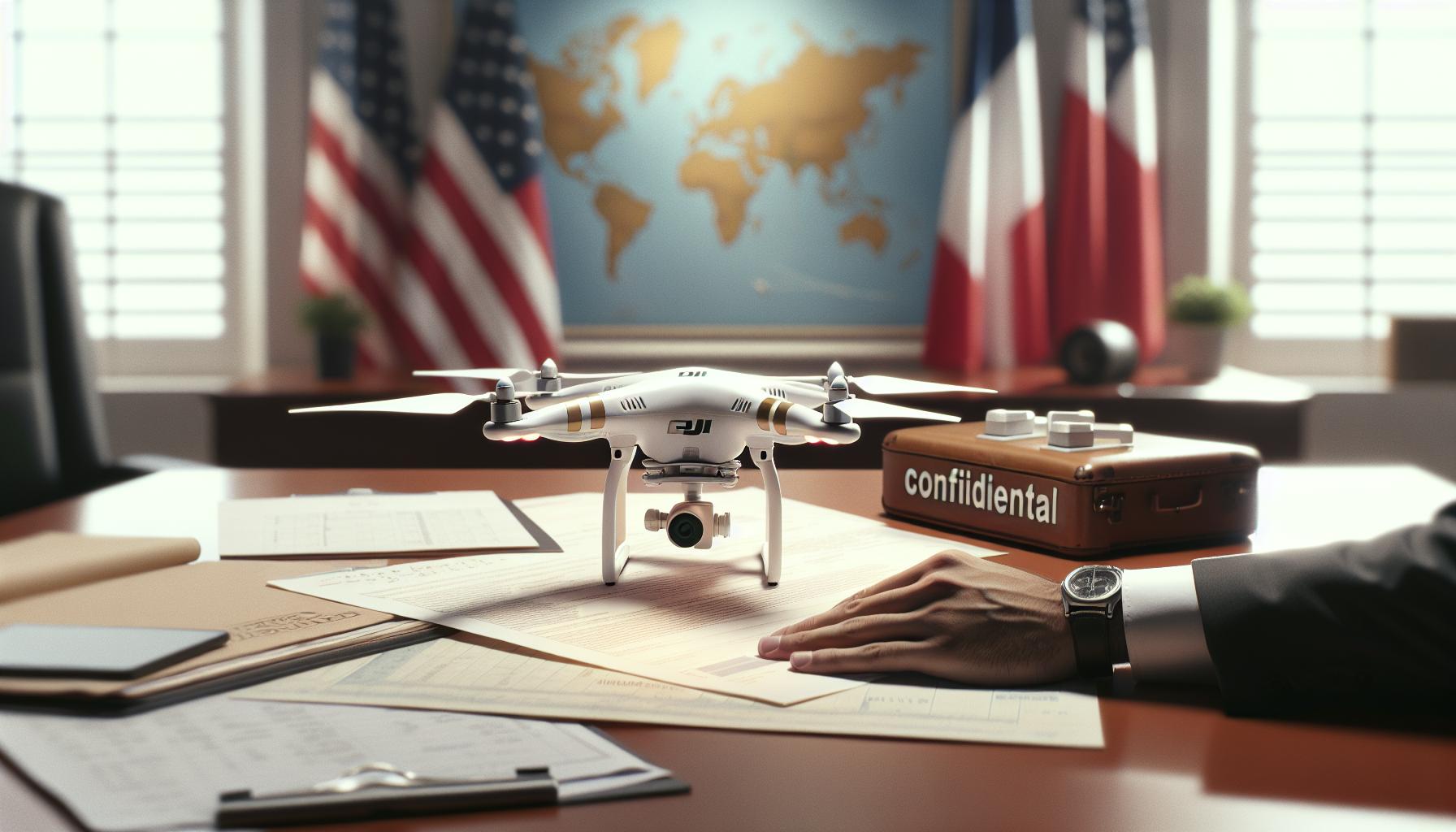
Impact of Geopolitical Tensions on DJI Drones
The rising geopolitical tensions between the U.S. and China are having a profound impact on DJI drones, which dominate the global drone market. Amid concerns over national security, the U.S. government has increasingly scrutinized DJI products, fearing that data collected by these drones could be accessed or misused by the Chinese government. This atmosphere of distrust has led to heightened calls for a ban, reflecting a broader strategy to reduce reliance on Chinese technology in critical sectors.
Many industry experts believe that the potential ban on DJI drones could serve as a catalyst for innovation within the domestic drone industry. A significant portion of professional drone users relies on DJI for its advanced technology and functionality. However, should a ban materialize, these users may have to adapt by exploring alternative manufacturers, potentially leading to an influx of new products in the market. This shift could benefit smaller companies looking to fill the void, though they may initially struggle to match the sophisticated technology DJI offers, especially in high-performance areas such as aerial photography, data analytics, and agricultural monitoring.
Internationally, the situation has prompted a reassessment of drone technology use and regulation. While some countries may seek to capitalize on the situation by promoting their local manufacturers, this could create a fragmented market where interoperability and standardization become challenges. For hobbyists and professionals alike, understanding the future regulatory landscape will be pivotal. It is advisable for UAV operators to stay informed about international relationships and their implications on the technological ecosystem they operate in.
The potential for regulatory shifts indicates a pressing need for drone operators to develop compliance strategies. Knowledge of ever-changing laws and maintaining open dialogues with local regulatory bodies will be critical. By preparing for changes, users can build agility into their operations, ensuring continued access to the best drones for their needs-whether they are DJI or emerging competitors aiming to fill the gap left by such a ban.
Public Sentiment and Consumer Reaction to Bans
The growing discourse surrounding the possible ban on DJI drones has stirred a complex wave of public sentiment and consumer reaction. As many consider the implications of such a decision, it’s clear that DJI, as a leading manufacturer, holds a significant place in the hearts and minds of users, both hobbyists and professionals alike. A potential ban would not only disrupt the market dynamics but also evoke strong emotional responses from loyal customers who value the brand’s innovation and capabilities in drone technology.
Consumers often express a mix of frustration, concern, and opposition to the notion of a ban, driven by the practical challenges it poses. Many drone enthusiasts rely on DJI’s advanced features for various applications-ranging from aerial photography to agricultural monitoring. A sudden removal of DJI products from the market could hinder their projects, disrupt business operations, and force them to search for alternative brands, which may not be able to offer the same level of functionality or support. Discussions in online forums highlight this unease, with users sharing their thoughts on potential impacts, raising questions about how they will adapt to different technology, and seeking insights on viable alternatives.
Moreover, the narrative is further complicated by a growing awareness of national security concerns tied to foreign technology. While some users understand the government’s rationale behind increased scrutiny of DJI, many feel that a blanket ban would not only stifle innovation but also unfairly penalize individuals who utilize these drones responsibly. The conversations surrounding DJI have thus become a blend of technological advocacy and emotional loyalty, underlining the need for continued dialogue about regulatory measures that don’t alienate the very users who help propel drone technology forward.
The response from consumers also reveals a proactive stance, with many urging manufacturers, including potential DJI competitors, to step up their game. As the ban discussions unfold, users are keenly interested in how emerging companies can fill the niche created by a potential absence of DJI products. The sentiment appears to reflect a broader desire for innovation and competition, highlighting that while loyalty to a brand is strong, the market’s evolution is equally pivotal to the future of drone technology. Ultimately, the current sentiments surrounding potential bans serve as a reminder of the interconnectedness of technology, community, and regulatory frameworks, urging a balanced approach to future drone governance.
Comparative Analysis: DJI vs. Competitors in the Market
When exploring the drone market, DJI stands out as a clear leader, particularly known for its high-quality imaging, user-friendly technology, and innovative features. However, in light of potential bans, understanding how DJI stacks up against its competitors becomes crucial for both professionals and enthusiasts who rely heavily on drone technology.
For instance, Autel Robotics has emerged as a formidable competitor, particularly with its EVO series. These drones often offer similar camera capabilities to DJI, with some models providing features like 8K video resolution and robust obstacle avoidance systems. Additionally, Autel’s user interface is designed to be intuitive, catering to those transitioning from DJI models. While DJI maintains an edge in market share and ecosystem integration, Autel’s products often come at a competitive price, making them a viable option for budget-conscious buyers looking for reliable alternatives.
Skydio represents another innovative competitor, especially renowned for its autonomous flying capabilities. With advanced AI, Skydio drones excel in obstacle avoidance and dynamic tracking, making them particularly attractive for users focused on action sports or surveying challenging landscapes. Although Skydio may lack the extensive accessory ecosystem that DJI offers, its superior navigation technology presents a compelling argument for many users, particularly in professional contexts where reliability is paramount.
Key Comparisons
| Feature | DJI | Autel Robotics | Skydio |
|---|---|---|---|
| Camera Quality | 4K to 8K, excellent low-light performance | 4K to 8K, solid performance | 4K, optimized for tracking |
| Autonomy | Good, with some automated features | Decent, but primary focus on manual control | Outstanding, highly automated |
| Price Range | Mid to high | Lower to mid | Higher due to advanced tech |
| Accessory Ecosystem | Extensive range | Limited, but growing | Minimal |
With the looming possibility of a DJI ban, it becomes essential for users to consider the functionalities and attributes of these alternative brands. As the market shifts, competition may drive innovation and push the envelope on features traditionally dominated by DJI. Hence, remaining informed about leading competitors not only prepares users for potential access challenges but also fosters a landscape where they can make well-rounded decisions based on their specific needs.
Ultimately, while DJI currently leads in many respects, the rise of competitors like Autel and Skydio signals a vibrant and competitive market where users can find great choices that may cater to their particular requirements, especially in a period of regulatory uncertainty.
Historical Precedents of Drone Bans Worldwide
In recent years, the landscape of drone technology has been marked by significant regulatory challenges, leading to the prohibition of various drone models in different parts of the world. These bans not only reflect growing national security concerns but also highlight how past incidents have shaped current policies. For instance, several countries, including the United States and India, have implemented restrictions on certain foreign-made drones, particularly from manufacturers perceived as having ties to governments that may pose a risk to national security.
One notable example occurred in 2020 when the U.S. government targeted the use of drones manufactured by Chinese companies, including DJI. This move was fueled by allegations regarding data security, as concerns rose about sensitive data being potentially accessed by foreign entities. Following these allegations, various municipal and federal bodies in the U.S. began to curtail the use of foreign drones for public safety operations, leading to a wave of local bans that impacted many drone operators across different sectors.
Additionally, the situation in India presents another illustrative case. The Indian government has placed strict regulations on drone imports, particularly focusing on the components of drones, which has led to specific bans on models that fail to comply with domestic manufacturing guidelines. This shift not only showcases the efforts to bolster local drone industries but also underscores how geopolitical tensions can directly influence drone policy and citizen access to technology.
These historical precedents serve as a reminder of the intricate relationship between drone technology and national security. As DJI continues to face scrutiny globally, understanding these trends becomes vital for drone operators. Remaining informed about potential legislative changes and geopolitical factors can help users navigate an increasingly volatile regulatory environment. Operators must adapt to these dynamics, ensuring compliance with local laws while being aware of the ongoing discussions concerning drone safety and security.
Such awareness is crucial, especially since the landscape may shift quickly, and future bans could emerge based on evolving political landscapes. Hence, keeping abreast of historical context aids drone users not just in anticipating possible restrictions but also in shaping their strategies for safe and compliant drone operation.
Future Technologies: What’s Next for DJI Drones?
In the ever-evolving landscape of drone technology, DJI is at the forefront of innovation, constantly developing new features and products that meet the demands of various industries and recreational users. As regulatory scrutiny intensifies, DJI’s focus will likely shift toward enhancing security features and building trust with regulatory bodies. Future iterations of DJI drones could include hardware-level encryption for data transmission, more robust compliance with international standards, and even features tailored to meet the specific needs of government and corporate clients concerned about cybersecurity.
Emerging Technologies and Innovations
DJI’s commitment to research and development is expected to yield drones equipped with advanced technologies such as improved autonomous navigation systems, better obstacle avoidance through enhanced sensors, and artificial intelligence that aids in mission planning and execution. Features like *swarm technology*, which allows multiple drones to operate in tandem without direct human control, might revolutionize industries ranging from agriculture to disaster response. Additionally, integration of 5G capabilities may enable real-time data streaming and remote piloting in complex environments, taking drone operations to unprecedented levels of efficiency and safety.
Better Adaptations to Regulatory Changes
In response to the potential for bans and regulatory challenges, DJI might accelerate the development of models that are compliant with national security regulations. This could include either creating drones that utilize locally sourced components or offering modular systems where users can customize hardware to meet local requirements seamlessly. Furthermore, DJI’s future drones may have built-in features for remote ID that ensure compliance with upcoming regulations, allowing operators to fly with confidence that they are adhering to legal standards.
Expanding Ecosystem and Accessories
As DJI continues to broaden its ecosystem, enhancements in companion applications and accessories are anticipated. Future drones may support real-time collaborative flight experiences, where multiple users can contribute to a single mission through enhanced app integrations. Accessories like upgraded thermal cameras or multi-spectral sensors could enable new functionalities in sectors such as public safety and environmental monitoring, giving operators access to tools they need to conduct complex analyses and surveys.
Overall, as DJI navigates the complexities of international politics and regulatory environments, the focus on innovation and compliance will not only ensure the survival of the brand but also bolster its reputation as a leader in drone technology. For operators, staying updated on these advancements and understanding how they may play into the regulatory landscape is essential for future operations.
Understanding the Legal Framework Surrounding Drones
Navigating the legal landscape surrounding drone operation is crucial for any pilot, especially with the potential for regulatory changes impacting popular brands like DJI. As the use of drones expands across various sectors-from agriculture to cinematography-governments are implementing increasingly complex regulations aimed at ensuring safety, privacy, and national security. Understanding these regulations will empower drone operators to fly confidently and legally, mitigating the risks associated with potential bans or limitations.
A primary consideration is
U.S. Federal Aviation Administration (FAA) regulations, which govern drone usage. Under the FAA, all drone operators must adhere to rules regarding registration, pilot certification (such as obtaining a Remote Pilot Certificate), and operational limitations, including altitude, airspace restrictions, and the requirement to keep drones within visual line of sight. Additionally, any commercial drone operation must comply with Part 107 regulations, which set forth guidelines to ensure both safety and accountability.
In light of geopolitical tensions, especially with regard to DJI, there’s an increasing focus on data security, which could influence the legal framework surrounding drone usage. Concerns have arisen over data ownership and transmission, prompting discussions about the need for stricter regulations on foreign-manufactured drones. This could culminate in new national security laws that could, for instance, restrict the use of certain drone models in sensitive areas or require additional safeguards for data handling. Understanding these evolving legal frameworks is imperative, especially as they might differ significantly across states and municipalities.
While staying compliant, operators should also be aware of
local laws and ordinances that could further regulate drone usage. For example, some cities may have strict no-fly zones, while others might require permits for commercial operations. Engaging with local drone communities or forums can provide valuable insights into specific legal requirements and best practices for compliance. Furthermore, utilizing resources like the FAA’s UAS website can ensure operators are up to date with federal laws and amendments.
Ultimately, developing a comprehensive understanding of the legal framework surrounding drones is not simply about compliance, but about fostering a culture of responsible flying. By implementing best practices, maintaining awareness of regulatory changes, and actively participating in the drone community, operators can help navigate this landscape effectively, ensuring a sustainable future for drone technology and usage.
What Users Need to Know About DJI Firmware and Updates
To keep a DJI drone functioning at its best while navigating a potentially complex regulatory landscape, understanding firmware updates is crucial. Firmware acts as the operating system of a drone, controlling its hardware and enabling new features. Regularly updating firmware can enhance flight performance, improve safety, and ensure compliance with local regulations, especially as authorities impose new standards and guidelines.
One of the key benefits of updating your DJI firmware is addressing security vulnerabilities. In an era where data privacy and security are paramount-particularly for drones manufactured by companies under foreign scrutiny-firmware updates often include critical patches that safeguard against potential exploits. Users can check for updates via the DJI Fly app or the DJI Assistant 2 software, which provide straightforward prompts to facilitate the process. Prior to any update, ensure that the drone is fully charged and connected to a stable Wi-Fi network to prevent interruptions that could lead to malfunctions.
Steps for Updating DJI Firmware
- Connect to Wi-Fi: Ensure your drone and remote controller are connected to a stable Wi-Fi connection.
- Access the App: Open the DJI Fly app or DJI Assistant 2 software on your computer.
- Check for Updates: Navigate to the firmware update section; the app will automatically check for available updates.
- Download and Install: If an update is available, follow the on-screen instructions to download and install it.
- Restart Your Device: After installation, restart the drone and the remote controller to complete the update process.
- Verify Update: Check the firmware version in the app to confirm the update was successful.
Keeping your firmware up to date not only optimizes your drone’s performance but also reflects responsible flying practices that align with regulatory expectations. In a market where DJI faces criticism over data handling and safety procedures, maintaining the latest firmware can demonstrate to regulators that you prioritize compliance and security. Regular engagement with the drone community for tips and shared experiences can further enhance your flying skills and understanding of the best practices, ensuring a smooth operation in a challenging environment.
In summary, staying current with firmware updates is an actionable step for drone enthusiasts and professionals alike, fostering a safer and more compliant flying experience. By understanding the implications of firmware on operational safety and regulatory compliance, users can confidently navigate the skies while working within the evolving backdrop of drone legislation.
Strategies for Compliance with Drone Regulations
Navigating the complex landscape of drone regulations requires a proactive approach for DJI drone operators. As regulations evolve and enforcement increases, understanding and adhering to these rules becomes not just a best practice but a necessity for continued flight operations. One of the most effective strategies is to familiarize yourself with local laws concerning drone use, including airspace restrictions, no-fly zones, and other safety protocols.
Regularly checking updates from relevant aviation authorities, such as the FAA in the United States or the EASA in Europe, ensures you are informed of the latest regulatory changes. Equipping yourself with knowledge about where and when you can fly can minimize the risk of being penalized or banned from operating your drone. It can be beneficial to join local drone clubs or online forums where members often share insights and current information regarding compliance and upcoming legislation.
Implementing technology can also aid in compliance. Many DJI drones come with built-in safety features that prevent flights in restricted areas. Before takeoff, use the DJI Fly app to check for any real-time notifications regarding airspace restrictions or required registrations. Enhancing your understanding of your drone’s operational capabilities and leveraging these features can significantly reduce compliance issues.
Moreover, maintaining proper documentation is critical. Keep track of your drone registration, any necessary permits, and proof of insurance. Being able to present this information can demonstrate your commitment to responsible flying practices, especially in the face of increasing scrutiny on drone operations. By combining knowledge, technology, and proper documentation, DJI pilots can navigate regulatory challenges effectively and continue to enjoy their aerial experiences without interruption.
In summary, adherence to regulations not only cultivates a safer flying environment but also enhances public trust in drone technology, which is essential amid discussions about potential bans or restrictions on DJI drones. By taking these steps, you not only protect your right to fly but also contribute positively to the evolving narrative around drone usage.
Community Perspectives: Forums and Discussions on Drone Use
The conversation surrounding DJI drones is as dynamic as the technology itself, with communities actively discussing the implications of potential bans and regulatory challenges. Online forums serve as vital platforms for drone enthusiasts and professionals to share insights, voice concerns, and seek guidance on navigating the evolving landscape of drone usage. Engaging in these discussions not only helps users stay informed about upcoming changes but also fosters a sense of community among pilots of varying skill levels.
Members of these forums often emphasize the importance of staying updated on both regulatory changes and public sentiment regarding drone use. Some users share firsthand experiences with confrontations or misunderstandings related to drone operations, providing valuable lessons for others. For instance, many recommend that pilots engage with local authorities to clarify regulations and showcase their commitment to responsible flying. Additionally, discussions often focus on sharing best practices for compliance and safety, such as utilizing DJI’s built-in geofencing features to avoid restricted areas, which can protect operators from inadvertently facing legal issues.
Moreover, community perspectives on alternatives to DJI drones are gaining traction, particularly in light of geopolitical tensions that have influenced public sentiment. Users often discuss the pros and cons of competitors, sharing reviews and performance comparisons to assess which brands offer comparable technology without the baggage of regulatory scrutiny. Insights on importing or using non-DJI products also emerge, as hobbyists seek to mitigate risks associated with potential bans. Engaging with these perspectives is essential for any drone operator wishing to make informed purchasing and operational decisions.
Participating in online forums not only enhances a pilot’s knowledge base but also cultivates a proactive approach to the future of drone operations. As sentiments towards drone technology continue to evolve, leveraging community insights can empower users to adapt and innovate in their flying practices-ensuring they remain informed and engaged within this rapidly changing landscape.
How to Prepare for Potential DJI Restrictions
As the uncertainty surrounding DJI drones and potential restrictions continues to grow, proactive preparation becomes crucial for both hobbyists and professional pilots. Staying ahead of regulatory changes not only safeguards your investment in drone technology but also enhances your operational capabilities. Here are several strategies to help you navigate the landscape effectively.
Stay Informed on Regulatory Developments
Regularly check official sources such as the Federal Aviation Administration (FAA) and other relevant governmental bodies for updates on drone regulations. Subscribing to industry newsletters and following drone-related news platforms can provide real-time information about changes that could affect your operations. Knowledge is your first line of defense against sudden restrictions.
Consider Alternative Drones
In light of the potential for a DJI ban, assessing other brands and models may be prudent. Research alternatives that provide similar features and capabilities without the regulatory concerns associated with DJI. Many emerging brands focus on compliance and offer innovative technologies, making them viable substitutes. Engage with online drone communities to get user reviews and firsthand experiences regarding the performance of these alternatives.
Maintain Compliance with Current Regulations
Ensure you are fully compliant with existing drone regulations, including FAA registration and any local legislation regarding drone usage. Take advantage of your DJI drone’s built-in safety features, such as geofencing, to help avoid restricted areas and minimize the risk of operational issues. Familiarize yourself with the “Know Before You Fly” initiative to ensure responsible drone operation.
Invest in Firmware and Technology Updates
Regularly check for firmware updates from DJI to ensure your drone operates optimally and remains compliant with any new functionalities. These updates may include security patches that enhance the safety and reliability of your drone system. Staying up-to-date with firmware not only secures your device against vulnerabilities but also ensures you have the latest features designed for performance enhancement.
Build a Community Connection
Engage actively within drone enthusiast forums and local pilot groups to discuss concerns, share insights, and stay abreast of any communal sentiment regarding DJI and other drones. Building community relationships can lead to collaborative strategies on coping with possible restrictions and exchange experiences that could guide your next operational move.
By implementing these strategies, you’ll not only prepare yourself for potential DJI restrictions but also empower your flying experience, ensuring you remain adaptable and informed in a rapidly evolving market. Consistent attention to regulatory landscapes, community engagement, and technological readiness will solidify your standing as a responsible and innovative drone operator.
FAQ
Q: Will DJI drones be banned in the U.S. in 2025?
A: A potential ban on DJI drones in the U.S. aligns with the upcoming 2025 NDAA deadline, which includes provisions that could restrict the use of these drones. As geopolitical tensions rise, the situation remains uncertain, necessitating close monitoring of regulatory updates for drone users [2[2].
Q: What impact could a DJI drone ban have on consumers?
A: If a DJI drone ban is implemented, consumers may face limited options for drone technology, as DJI currently dominates the market. Alternatives may not offer the same features or affordability, affecting both hobbyists and professionals [1[1].
Q: Are there competitive brands to consider if DJI is banned?
A: Yes, brands like Autel, Skydio, and Parrot present viable alternatives if DJI drones are banned. Each offers unique features, making them worth considering for consumers seeking reliable drone technology amid regulatory changes [1[1].
Q: How should drone pilots prepare for potential DJI restrictions?
A: Drone pilots should stay informed about regulatory updates and consider diversifying their hardware with alternative brands. Engaging in community forums can provide insights on best practices and emerging technologies to stay compliant [1[1].
Q: What are the potential reasons behind a ban on DJI drones?
A: Potential reasons for a DJI drone ban include national security concerns, data privacy issues, and ongoing geopolitical tensions. These factors are critical as lawmakers assess the risks associated with foreign drone manufacturers [2[2].
Q: What can drone enthusiasts do to voice their concerns over a ban?
A: Drone enthusiasts can advocate for their interests by participating in public forums, contacting legislators, and joining organizations that represent consumer drone interests. Engaging actively can help influence opinions on drone regulations and bans [1[1].
Q: How does public sentiment affect the likelihood of a DJI drone ban?
A: Public sentiment plays a crucial role in the regulatory landscape. Widespread concern regarding privacy and security related to DJI products can pressure lawmakers, influencing the decision to impose restrictions or bans [2[2].
Q: What legal framework surrounds potential DJI drone bans?
A: The legal framework includes federal regulations that dictate drone usage and importation. Understanding these laws helps users navigate potential changes and ensures compliance with emerging regulations [1[1].
In Conclusion
As we navigate the evolving landscape of drone regulations, it’s crucial to stay informed about the potential impact on DJI drones. While concerns about bans may loom, understanding the factors at play can empower you to adapt and thrive in this dynamic environment. For those seeking more insights on drone technology, be sure to check out our in-depth guide on the latest DJI models, including comparisons of the Mavic and Air series, and discover essential tips for safe and effective flying.
Don’t miss out on our valuable resources-explore our tutorials on drone setup and firmware updates to enhance your flying experience. Stay connected by subscribing to our newsletter for the latest news and updates in drone flying and regulations. Your feedback is invaluable, so feel free to share your thoughts below or connect with fellow drone enthusiasts. Together, we can navigate this exciting world of aerial technology and ensure that your passion for flying continues to soar!