In 2025, DJI drones continue to capture the imagination of both enthusiasts and professionals, but the question on everyone’s mind is: how much does a DJI drone cost? With a wide range of models featuring cutting-edge technology, pricing can vary significantly based on features, performance, and intended use. Understanding the cost of these drones is essential whether you’re looking to elevate your photography skills, start a drone-based business, or simply enjoy the thrill of flying.
This comprehensive pricing guide will not only break down the costs associated with popular DJI models like the Mini, Mavic, and Phantom, but also highlight the features that justify their price tags. You’ll gain insights into what best meets your needs, helping you make informed decisions in this exciting and rapidly evolving market. Dive in to discover the options available and the value each model brings to the table!
How DJI Drone Pricing Compares to Other Brands
In the realm of consumer drones, DJI has established itself as a leading brand, often setting benchmarks for both performance and price. When comparing DJI’s pricing to other brands in 2025, it becomes evident that while DJI drones may carry a premium price tag, the value they deliver often justifies the investment. Many other brands, such as Parrot, Skydio, and Autel, offer competitive models; however, the feature set, build quality, and ecosystem of support that DJI provides can make its drones appear more expensive at first glance.
For example, entry-level models like the DJI Mini SE are priced similarly to drones from brands like Holy Stone and Potensic, which target casual users. However, DJI’s software and flight capabilities offer a more seamless and enjoyable user experience. As you move up the range to models like the Mavic Air or the Mavic Pro, the pricing diverges significantly, particularly when compared to competitors that may not have the same reputation for reliability, camera quality, or customer support.
When considering professional-grade drones, DJI’s pricing can be seen in stark contrast to other options like the Skydio 2 or the Autel Evo Lite. While Skydio’s specialized autonomous flying features may appeal to certain sectors such as public safety and surveying, the cost can escalate quickly. DJI’s offerings, like the Matrice series, not only incorporate cutting-edge technology but also come with an extensive suite of accessories and support, often perceived as worth the investment for commercial operators.
Ultimately, while DJI drones may feel more expensive relative to entry-level competitors, the same is not true when looking toward higher-tier professional options. A deeper analysis into the capabilities, features, and ecosystem surrounding DJI drones reveals that their pricing reflects a commitment to quality and user experience, setting a standard that many competitors strive to meet but often fall short of. Thus, those investing in DJI products may ultimately find better long-term value, not just in terms of performance but also resale potential and support ecosystem.
Understanding the Different DJI Drone Models
DJI’s extensive lineup of drones caters to various user needs, ranging from casual hobbyists to professional filmmakers and industrial operators. Understanding the nuances of these models can help potential buyers make informed decisions based on their specific requirements and budget.
One of the most popular categories is the Mini Series, which includes models like the DJI Mini SE and Mini 4 Pro. These drones are lightweight, easy to use, and highly portable, making them ideal for beginners and those who want a compact solution for aerial photography. Despite their small size, they come equipped with impressive features like 4K cameras and intelligent flight modes, often at a more accessible price point, generally between $300 to $600.
The Mavic Series represents DJI’s mid to high-end offerings, balancing advanced technology with user-friendly interfaces. Models such as the Mavic Air 2 and the Mavic 3 boast high-quality camera systems and extended flight times, targeting enthusiasts and professionals who seek exceptional performance without venturing into the high price territory of industrial drones. Prices for Mavic drones typically range from $800 to $2,200, depending on the model and included accessories.
For those seeking professional capabilities, the Phantom Series and the Matrice Series are noteworthy. Phantom drones, like the Phantom 4 Pro, offer robust performance with excellent stability and high-quality imaging, suitable for commercial use, mapping, and surveying. They are priced in the $1,200 to $1,800 range. The Matrice Series, such as the Matrice 300 RTK, is designed for enterprise applications, supporting various payloads and advanced software solutions-often culminating in prices that exceed $5,000.
Lastly, DJI also offers unique models like the Avata, intended for FPV (first-person view) enthusiasts. This category lets users immerse themselves in the flying experience while capturing high-quality footage from unique angles. The Avata is typically priced around $1,200, which includes the drone and necessary accessories.
Each DJI drone model is purpose-built, and potential buyers should consider factors such as flight experience, intended use, and budget when selecting the right drone. With such a diverse range of models, there’s a DJI drone for nearly every type of aerial application, making it essential for buyers to familiarize themselves with the specifics to maximize their investment and ensure satisfaction with their new flying companion.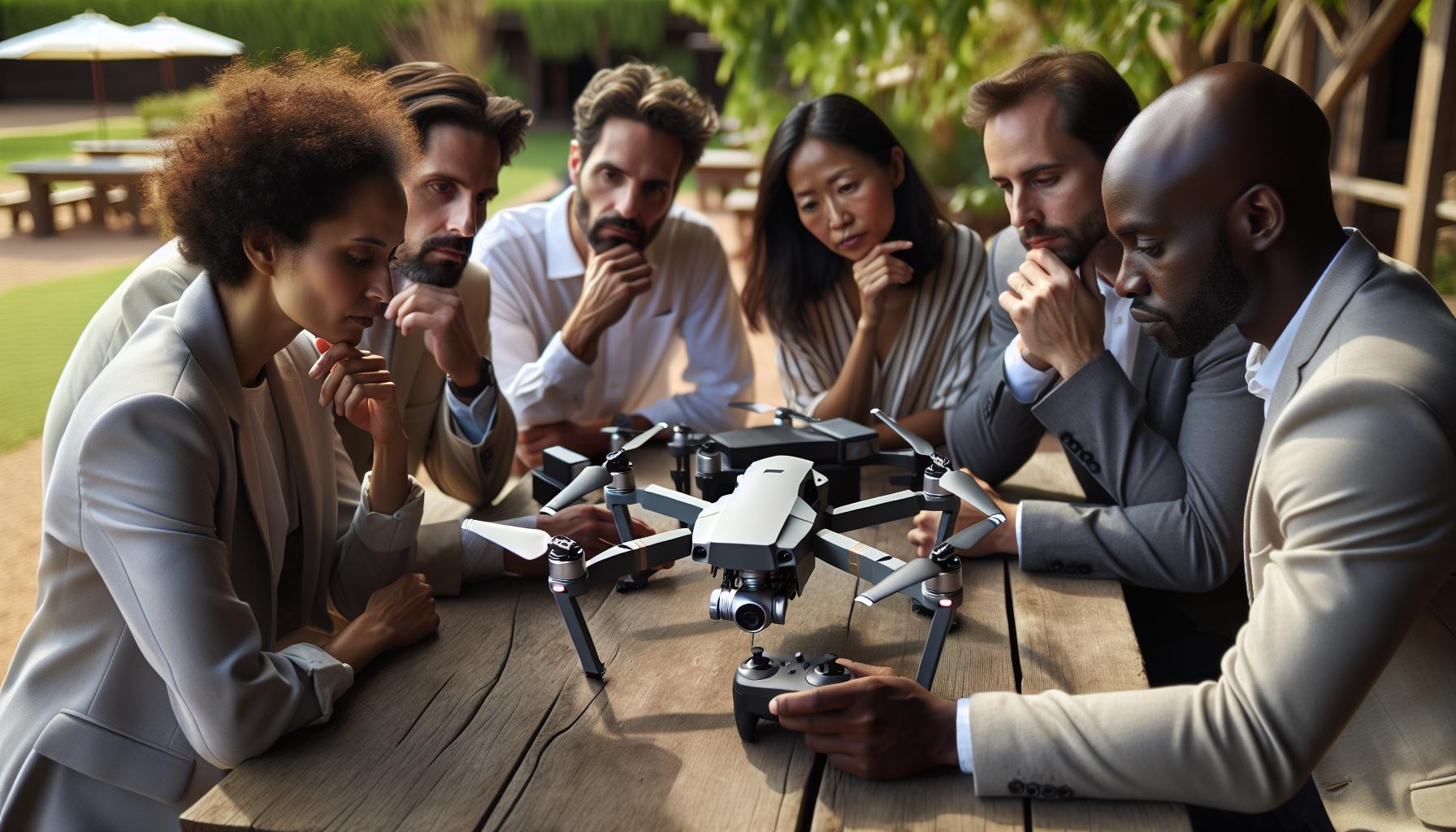
Cost Breakdown: Entry-Level to Professional Drones
With drones becoming increasingly popular across multiple domains-ranging from casual photography to comprehensive industrial applications-understanding the pricing structure of DJI’s offerings can significantly aid potential buyers in making informed decisions. DJI caters to a wide spectrum of users, providing options that span from budget-friendly entry-level models to high-end professional machines, each engineered for specific tasks and audiences.
Entry-level models, such as the DJI Mini SE and Mini 3, typically retail between $300 and $600. These drones are designed for beginners, featuring intuitive controls and robust camera capabilities, making them excellent for personal use and casual aerial photography. They are often lightweight and portable, allowing users to explore drone flying without a significant financial investment.
As we ascend the ladder to mid-range drones, we encounter the Mavic series, where prices generally range from $800 to $2,200. The Mavic Air 2 and Mavic 3, for instance, blend advanced imaging technology with user-friendly interfaces, ideal for hobbyists and semi-professional content creators. These models support higher resolution video and longer flight times, enhancing the overall flying experience. Such versatility makes them a favorite among enthusiasts who are serious about drone videography but do not require the extensive features of enterprise models.
For professional needs, the Phantom and Matrice series represent DJI’s top-tier offerings. Phantom drones, including the Phantom 4 Pro, are priced from $1,200 to $1,800 and are renowned for their stability and sophisticated imaging capabilities, perfect for commercial applications like surveying and mapping. Meanwhile, the Matrice series addresses enterprise solutions, with pricing starting above $5,000, depending heavily on the configuration and payload options. These drones are equipped with advanced software, robust flight systems, and high payload capacities, suitable for complex tasks in industries such as construction, agriculture, or search and rescue.
Understanding how these diverse pricing tiers align with specific needs can not only simplify purchasing decisions but also enhance the user experience across various applications of drone technology. As you evaluate your options, consider what you plan to achieve with your drone-whether it’s casual FPV flying, high-quality cinematic captures, or rigorous industrial inspections-to find the perfect match within DJI’s extensive lineup.
Factors Influencing DJI Drone Prices
The pricing of DJI drones is influenced by a myriad of factors that cater to both novice and professional users, ensuring a tailored experience for each user category. One primary component is the technology embedded within the drone. Advanced features such as high-resolution cameras, superior stabilization systems (like gimbals), obstacle avoidance sensors, and enhanced flight capabilities directly impact the cost. For instance, the inclusion of 4K video recording and longer transmission distances may significantly raise the price tag, appealing particularly to professionals in photography and videography.
Model Classification
DJI’s range is segmented into various models, from entry-level to professional-grade drones. This classification naturally results in differing price points. Entry-level models, such as the DJI Mini series, are designed to be affordable, making drone technology accessible for hobbyists. In contrast, professional series like the Phantom and Matrice cater to commercial users who require advanced functionalities for complex operations, which are reflected in their higher costs.
Brand Reputation and Support
DJI’s established reputation in the drone industry also plays a significant role in pricing. As a leading manufacturer, DJI invests in robust customer support and continuous product innovation, which adds to the overall value of their drones. This commitment to quality and service ensures that users often select DJI over competitors, despite potential price differences.
Accessories and Bundled Features
Additionally, sellers often influence pricing through bundles that include essential accessories. Drones sold with additional batteries, carrying cases, or propeller guards may have higher initial costs, but they provide better value in the long run. Understanding these bundled options can lead to better purchasing decisions, minimizing additional expenses post-purchase.
In summary, when considering the price of a DJI drone, potential buyers should thoroughly assess the features they need, weigh them against their budget, and factor in future costs related to accessories and support. This strategic approach not only aids in making a well-informed choice but also enriches the overall satisfaction with the investment.
Where to Buy: Best Retailers and Online Stores
Finding the right place to purchase your DJI drone can be as critical as selecting the model itself. The market is filled with a variety of retailers, both online and brick-and-mortar, each offering unique features, pricing strategies, and customer experiences. For instance, purchasing from authorized retailers ensures you receive genuine products along with the benefits of warranty protections and after-sales support.
Authorized Dealers
When shopping for DJI drones, always consider authorized dealers. These retailers are certified by DJI and are your safest bet for a quality purchase. Authorized dealers often have access to the latest models and accessories, exclusive bundles, and promotions that may not be available elsewhere. Some well-known options include:
- Best Buy – As a leading electronics retailer, Best Buy offers a range of DJI products both online and in-store, along with customer support services.
- B&H Photo Video – Renowned in the photography community, B&H not only stocks a wide array of DJI drones but also provides extensive product reviews and buying guides.
- Adorama – Another trusted name in imaging technology, Adorama often features DJI drones at competitive prices alongside knowledgeable staff ready to assist.
Online Marketplaces
Online shopping platforms such as Amazon offer convenience and a plethora of options. With user reviews and ratings, you can make informed decisions based on other customers’ experiences. However, it’s crucial to verify if the seller is reputable to avoid counterfeit products. Always check:
- Seller ratings and feedback
- Return policies and warranty options
- If the product is shipped directly from Amazon or a trusted third-party seller
Direct from DJI
Purchasing directly from the DJI website is always a reliable choice. This option allows you access to the latest releases and promotions. DJI frequently offers bundles, including essential accessories that can provide savings in the long run. Additionally, buying directly can offer peace of mind regarding warranties and customer service.
By understanding the landscape of retailers, you can make a well-informed decision that suits your purchasing preferences and needs. Whether you’re a beginner looking for an entry-level model or a professional seeking advanced capabilities, knowing where to find the best deals will enhance your drone-buying experience.
Hidden Costs: Accessories and Maintenance Fees
Understanding the overall cost of owning a DJI drone requires looking beyond the initial purchase price. While the price tag may seem reasonable for the drone itself, potential owners should factor in various hidden costs associated with accessories and maintenance fees that can quickly add up.
One of the most significant expenses you may encounter is the cost of essential accessories. Drones often come with the bare necessities, but to enhance your flight experience, you may find yourself needing additional items such as extra batteries, propellers, and carrying cases. For example, spare batteries are crucial for extending flight time, as most drones have limited operational hours on a single charge, and they can range from $50 to $200 depending on the model. Similarly, throwing in a high-quality ND filter set for aerial photography can boost your visual output but adds another $50 to $100 to your total spend.
Maintenance Considerations
Just like any other technology, drones require regular maintenance to ensure optimal performance. Depending on usage, you might need to replace parts such as propellers or motors, especially in the event of collisions or rough landings. Each propeller set could cost anywhere from $15 to $50. Additionally, firmware updates and battery care are vital for keeping the drone functioning correctly. Failing to maintain batteries can shorten their lifespan, leading to costs in replacements sooner than expected.
Beyond the physical components, consider the potential for software subscriptions or cloud storage fees for managing your footage, especially if your drone is used for professional purposes. These can add another layer of expense that many novice drone pilots overlook.
Overall, to fully appreciate the financial commitment required for a DJI drone, it’s crucial to account for these hidden costs. Whether you’re a hobbyist seeking stunning aerial shots or a professional looking to capture high-quality video, budgeting for both accessories and maintenance will ensure your drone remains a valuable tool in your arsenal.
Seasonal Sales and Discounts on DJI Drones
Purchasing a DJI drone can be a significant investment, but savvy shoppers can take advantage of seasonal sales and discounts to make their purchase more budget-friendly. Major shopping events like Black Friday, Cyber Monday, and year-end holiday sales often feature substantial reductions on popular models. During these times, not only are discounts common on drones themselves, but bundling options that include essential accessories-such as extra propellers, carrying cases, and batteries-are also frequently available. This not only saves money initially but enhances the overall flying experience by ensuring you have the necessary gear right from the start.
Timing Your Purchase
Understanding when to buy can be just as important as knowing what to buy. DJI typically announces new models in the spring and fall, which can trigger price drops on previous models. Additionally, checking for sales during key seasons, such as summer and back-to-school promotions, can yield excellent opportunities. Subscribe to newsletters or follow social media channels of both DJI and authorized retailers to stay informed about upcoming deals. Many retailers also have clearance sections that may feature past generation drones at significantly reduced prices without sacrificing quality or features.
Utilizing Coupon Codes and Promotions
In addition to seasonal sales, utilizing coupon codes and promotional offers can further decrease the overall cost of a DJI drone. Websites that specialize in discounts often compile current promotional codes that can be applied at checkout for additional savings. Sometimes DJI offers trade-in programs or loyalty discounts for returning customers, which also provide a seamless way to upgrade while saving money. Always read the terms and conditions of these promotions to ensure you fully understand the eligibility and potential savings.
By strategically planning your purchase and being aware of the seasonal sales trends, you can find exceptional deals on DJI drones. This approach not only maximizes your savings but also ensures you get a high-quality product that fits your flying needs, whether you’re just starting or looking to upgrade your aerial photography gear.
Budgeting for Your First DJI Drone Purchase
When setting out to purchase your first DJI drone, it’s crucial to establish a clear budget that encompasses not only the initial cost of the drone itself but also the various associated expenses that can arise. DJI drones range in price from affordable entry-level models to high-end professional units. For instance, entry-level drones like the DJI Mini SE may be available for around $300, while advanced models like the Mavic 3 can exceed $2,000. Having a solid understanding of these costs will help you make an informed decision that aligns with your needs and financial situation.
In addition to the drone’s price, consider the following costs that are integral to the ownership experience:
- Accessories: Essential accessories such as extra batteries, propellers, carrying cases, and ND filters can significantly enhance your flying experience. Budgeting an additional 20-30% of your drone’s price for these accessories is advisable.
- Insurance: Especially for higher-end models, insuring your drone can protect your investment. Look into drone-specific insurance policies that can cost anywhere from $100 to $300 per year depending on the coverage.
- Software and Apps: Some advanced features may require specific software or apps, often available for a fee. Be sure to account for any additional subscriptions that may be necessary.
- Maintenance and Repairs: Plan for potential repairs or maintenance costs over time. This includes items such as replacing damaged parts or periodic software updates.
By taking all these factors into account, you can create a comprehensive budgeting plan that will empower you to enjoy your aerial adventures without unexpected financial stress. Make sure to exercise caution when choosing the model that best suits your needs, balancing features, quality, and your budgetary constraints.
Upgrade Options: When to Buy a New Model
Upgrading to a new DJI drone model can significantly enhance your aerial photography and videography capabilities. As technology evolves, DJI frequently releases new models packed with innovative features and improved specifications. Knowing when to make the leap can be pivotal for both hobbyists and professionals aiming to stay ahead in their craft.
One key indicator that it might be time to upgrade is your current drone’s performance. If you find yourself frequently facing limitations with flight time, camera quality, or obstacle avoidance capabilities, evaluating newer models may reveal options that better fit your requirements. The DJI Mini 3 Pro, for instance, offers advanced tracking and improved low-light performance compared to its predecessors, making it an excellent choice for enthusiasts focused on high-quality visuals.
Additionally, consider the lifespan and maintenance needs of your current drone. If repairs are becoming common or if your drone’s software is no longer receiving updates, you might be better off investing in a new model. DJI often provides firmware updates to enhance features and performance; however, if your model is obsolete, you may miss out on essential improvements that could elevate your flying experience.
Lastly, timing your upgrade with seasonal sales or when a new model is announced can lead to better deals. Keep an eye on major retail events or promotional periods, which can provide significant discounts on both new releases and existing models. For instance, during the holiday season, many retailers offer competitive prices that can make upgrading more appealing.
By staying aware of your drone’s limitations and technology trends, you can make informed decisions about when to invest in a new DJI drone that will elevate your aerial endeavors.
Resale Value of DJI Drones: What to Expect
When considering the purchase of a DJI drone, it’s essential to evaluate not only the initial investment but also the potential resale value as technology and market trends evolve. DJI drones typically retain a respectable resale value compared to other brands, thanks in part to their reputation for quality and reliability. This intrinsic value is bolstered by the company’s consistent release of updated models and accessories, creating a robust ecosystem that enhances the desirability of previous generations.
Factors affecting resale value include model popularity, condition, and market demand at the time of sale. Popular models like the DJI Mavic Air 2 or DJI Mini 2 often enjoy higher resale values due to their favorable features and broad appeal among both hobbyists and professionals. In contrast, older or less popular models may depreciate more significantly. A well-maintained drone that has been kept in excellent condition-free from crashes and major wear-can fetch a higher price in the resale market.
To maximize your drone’s resale potential, consider these tips:
- Keep original packaging and accessories: Original boxes, manuals, and cables can help maintain value.
- Maintain your drone: Regularly clean the drone and repair any minor damages promptly to ensure it remains in optimal condition.
- Market at the right time: Timing your sale around new model releases or holiday seasons can attract more buyers and potentially higher bids.
- Document usage: Providing a history of maintenance and firmware updates can reassure buyers of your drone’s reliability.
Another vital aspect is the platform you choose for resale. Websites like eBay or specialized drone marketplaces can offer good exposure, but local online classifieds can also yield quick sales without shipping hassles. As an added consideration, DJI often has trade-in programs that allow you to receive credit towards a new purchase, which simplifies upgrading while providing fair value for your previous investments.
In summary, a well-maintained DJI drone can maintain its value quite effectively, making it a solid investment. Understanding the traits that influence resale value will empower you to make informed decisions about upgrades and sales, ensuring you get the most out of your drone ownership experience.
Financing and Payment Plans for DJI Drones
Investing in a DJI drone can be a significant financial commitment, especially for those new to the hobby or professional realm. Fortunately, many retailers offer financing and payment plans that can make affording a high-quality drone more manageable. By breaking down the total cost into smaller, more digestible payments, aspiring pilots can access cutting-edge technology without a hefty upfront expense.
One common option is zero-interest financing, which allows eligible buyers to pay for their drone over time without incurring additional costs. This feature is often available through retailers like Best Buy or directly from DJI’s official store. Customers can choose a payment term that suits their budget, typically ranging from six to 24 months. It’s essential for potential buyers to read the fine print regarding financing options, as terms can vary significantly between providers.
Another avenue involves using popular buy-now-pay-later services such as PayPal Credit or Klarna. These platforms allow consumers to make a purchase immediately and then repay the balance in installments. This strategy can be particularly attractive when an upgrade to a newer model is desired but immediate cash flow is a concern.
Before committing to any finance plan, it’s wise to calculate the total cost after interest, if applicable, and consider how it fits into your overall budget. Understanding the available financing options can empower you to make informed purchasing decisions while ensuring you have the necessary funds for accessories and maintenance in the long run. Always factor in any additional costs associated with drone ownership, ensuring you have a comprehensive financial plan for your aerial adventures.
Tips for Getting the Best Deals on Drones
Navigating the world of drone purchases can be as exhilarating as the flights themselves, especially when you discover where to find the best deals. With DJI drones being a popular choice for both hobbyists and professionals, being strategic can lead to significant savings. Timing your purchase is crucial; retailers frequently offer seasonal sales coinciding with holidays, Black Friday, or back-to-school promotions. Signing up for newsletters from both DJI and major retailers can give you a heads-up on upcoming sales and exclusive offers.
Utilize Price Comparison Tools
In today’s digital age, price comparison websites and applications can be invaluable. These tools allow you to compare prices across different retailers instantly, helping you identify the lowest available price for your desired model. Websites like CamelCamelCamel can track Amazon prices over time, so you can purchase when prices dip.
Explore Refurbished Options
Another effective strategy for saving money is to consider refurbished models. DJI often sells certified refurbished drones at a reduced price, allowing you to enjoy the quality of a DJI product while keeping your budget in check. These refurbished units undergo rigorous testing and come with a warranty, ensuring that you’re not sacrificing quality for price.
Leverage Loyalty Programs and Bundles
Taking advantage of loyalty programs from retailers can provide additional discounts or points that can be redeemed on future purchases. Bundled deals are also worth exploring; many retailers offer packages that include extra batteries, carrying cases, or essential accessories at a lower overall price compared to buying each item separately.
With these strategies in mind, aspiring drone pilots can secure their desired DJI models without compromising on quality. Making informed and timely decisions will pave the way for both gratifying aerial experiences and smart financial management.
FAQ
Q: What is the average price range for DJI drones in 2025?
A: In 2025, DJI drones typically range from around $300 for entry-level models like the DJI Mini SE to over $2,000 for high-end models such as the Mavic 3 and Phantom 4. Understanding your flight requirements can help you choose the right model within your budget.
Q: Are there budget-friendly DJI drones available?
A: Yes, DJI offers budget-friendly options, including the DJI Mini series, which starts at approximately $300. These drones are great for beginners and provide excellent features without breaking the bank. Check the “Cost Breakdown: Entry-Level to Professional Drones” section of the main article for more insights.
Q: What factors affect the pricing of DJI drones?
A: Several factors influence DJI drone prices, including model features, camera quality, flight range, and battery life. Advanced technology and additional features such as obstacle avoidance or enhanced flight stability can lead to higher prices.
Q: How do DJI drone prices compare to other brands?
A: DJI drones are generally more expensive than many competitors due to their advanced technology and reliability. However, the price often reflects the quality and innovative features that DJI products offer, making them a preferred choice for many professionals.
Q: When is the best time to buy a DJI drone for a better price?
A: The best time to purchase a DJI drone is during seasonal sales or major holidays, such as Black Friday, Cyber Monday, or Prime Day. These events often feature significant discounts, making it an excellent opportunity to save.
Q: Are there hidden costs associated with buying a DJI drone?
A: Yes, potential hidden costs may include accessories like spare batteries, propellers, and carrying cases, as well as maintenance and repair fees. It’s crucial to budget for these additional expenses to avoid surprises after your purchase, as noted in the “Hidden Costs: Accessories and Maintenance Fees” section.
Q: What financing options are available for purchasing DJI drones?
A: DJI offers financing plans through several retailers that allow for monthly payments, making it easier to afford higher-priced models. Check with retailers for specific financing options and terms that can help you manage your purchase budget.
Q: What is the resale value of DJI drones after use?
A: Generally, DJI drones maintain a good resale value, often fetching 50% to 70% of their original price depending on the model and condition. Factors such as upgrades and demand in the market also affect resale prices, which can be a consideration if you plan to upgrade later.
Insights and Conclusions
Now that you have a clearer picture of what to expect in the 2025 DJI drone pricing landscape, why not take the next step in your drone journey? Whether you’re ready to dive into purchasing your first drone or looking to upgrade, exploring our comprehensive guides on specific models like the Mavic, Phantom, and Mini series will provide you with the insights you need. Don’t miss our tips on essential accessories and maintenance best practices!
If you still have questions about features, flight modes, or the best drone for your needs, feel free to leave a comment below. We’d love to hear your thoughts and assist you further! Stay connected by signing up for our newsletter to receive the latest tips and exclusive offers directly to your inbox. Your adventure in aerial photography and videography starts now-let’s make it unforgettable!