Flying the DJI Mini 4 Pro indoors can be an exhilarating experience, but it comes with unique challenges and safety considerations that every pilot should understand. With its advanced stabilization technology and compact design, this drone is built for agility and precision, making indoor flights a tempting option for those unable to take to the skies outdoors. However, proper knowledge of settings, potential hazards, and safety protocols is essential to safeguard both the drone and your surroundings. Whether you’re a seasoned pro or a beginner eager to explore indoor aerial photography, understanding how to navigate space, minimize risks, and utilize safety features is critical. Join us as we dive into essential tips and settings that will empower you to fly your Mini 4 Pro safely indoors, enhancing your flying skills and ensuring an enjoyable, incident-free experience.
Understanding Indoor Flying with DJI Mini 4 Pro
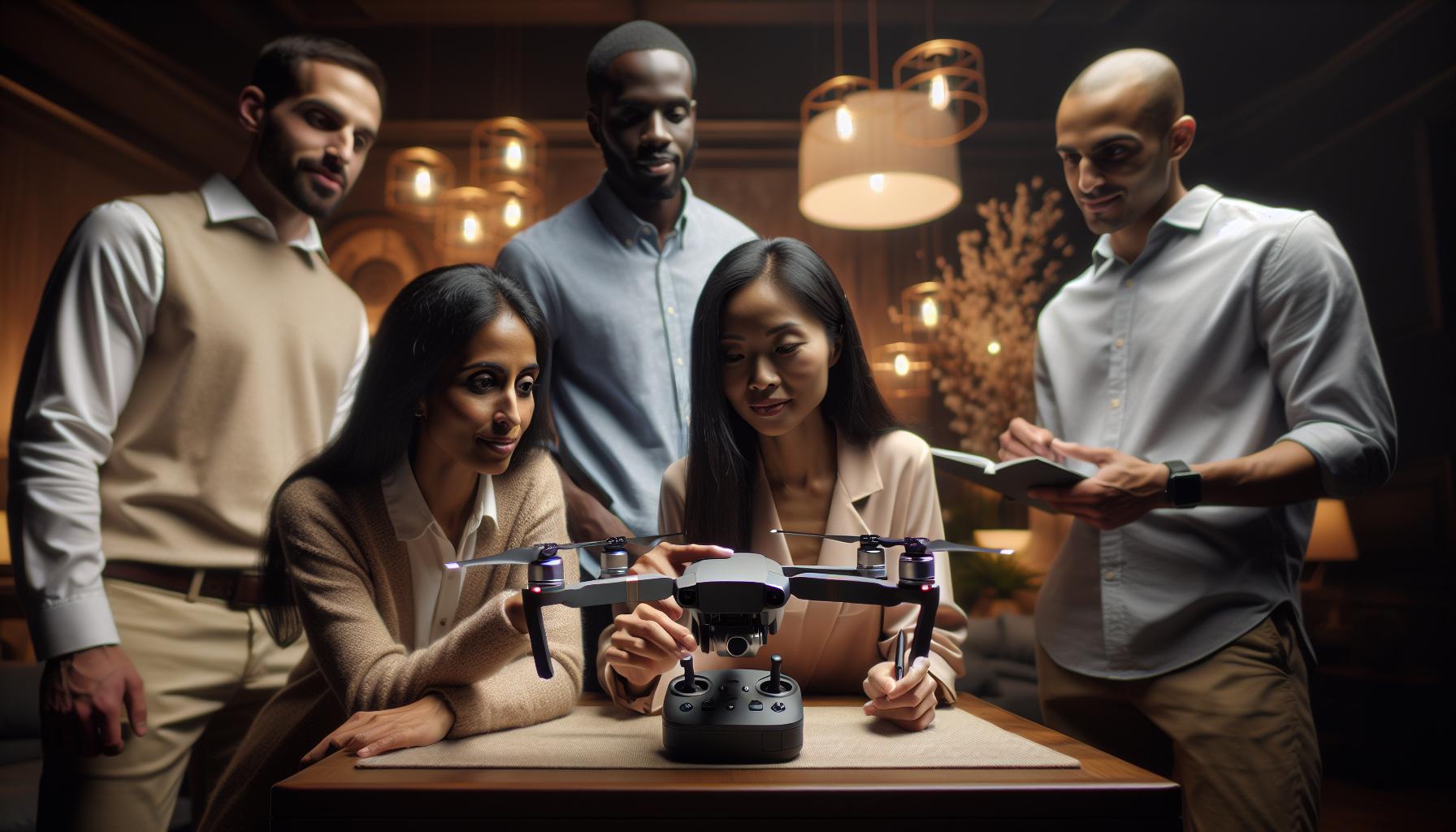
When navigating the indoor flying landscape with the DJI Mini 4 Pro, a sense of intuition combined with technical understanding can greatly enhance your experience. Indoor environments, despite their limitations in space and light, present unique opportunities for creativity and experimentation in aerial photography and videography. Understanding how to operate your drone within these closed settings requires a comprehensive grasp of its features and the appropriate settings to maximize safety and performance.
One of the key factors to consider is the absence of GPS signals typically vital for drone navigation. This necessitates using modes that rely on visual sensors and inertial measurement, such as ATTI mode, which can help maintain control even when GPS is unavailable. The ability to switch flight modes is critical; most pilots prefer utilizing CineSmooth mode to achieve softer, slower movements that are ideal for indoor piloting. This mode allows for greater maneuverability and precision, minimizing the risk of collisions with walls or delicate objects.
Additionally, before your indoor flight, ensure that your drone is equipped with the latest firmware. Regularly updating your drone helps optimize performance and fix known issues. Performing a thorough pre-flight check is also essential: inspect the propellers for damage, verify battery levels, and test the gimbal’s responsiveness. Since indoor flying conditions can vary significantly-such as lighting and space constraints-be prepared to adjust your flying style. Practice smooth throttle changes and gentle turns to maintain stability and avoid abrupt movements that could disrupt your flight path or lead to accidents.
In summary, mastering indoor flight with the DJI Mini 4 Pro involves understanding the unique challenges posed by confined spaces and taking advantage of the aircraft’s advanced features. By being mindful of your surroundings, utilizing the right flight modes, and keeping your drone in optimal condition, you can unlock the potential for stunning aerial shots, all while ensuring a safe flying environment.
Key Safety Considerations for Indoor Drone Flight
Flying a DJI Mini 4 Pro indoors can be an exhilarating experience, but it comes with its own set of unique challenges and safety considerations. Awareness of your surroundings and understanding the limitations of drone technology are crucial to ensuring smooth operations. One of the primary concerns when flying indoors is the potential for collisions with objects. The confined space of an indoor environment increases the risk of bumping into walls, furniture, or lighting fixtures. This necessitates a gentle touch when controlling the drone and heightened vigilance throughout the flight.
Before taking off, it’s essential to perform a meticulous pre-flight check. Start with inspecting the propellers for any signs of damage, which can lead to catastrophic failure mid-flight. Also, verify that the drone’s battery is adequately charged, as indoor flights may require more power for maneuvering in tight spaces. Given the absence of GPS in many indoor settings, utilizing the DJI Mini 4 Pro’s visual sensors becomes vital. These sensors help the drone maintain stable flight and avoid obstacles, but they require good lighting conditions to function effectively.
Another key safety measure is selecting the appropriate flight mode. Operating in CineSmooth mode can significantly enhance control, allowing for smoother, slower movements that are ideal for navigating through indoor spaces. This mode not only reduces the risk of abrupt maneuvers that could lead to collisions but also makes it easier to capture steady footage. Moreover, keep in mind that indoor environments can vary widely in terms of layout and lighting, necessitating adaptable flying strategies.
Lastly, be conscious of the current legal and regulatory landscape, even for indoor flights. While many indoor venues may not have strict drone regulations, it’s still prudent to check if there are any specific rules laid out by the property owner or local authorities. Being informed and prepared can make all the difference in executing a safe and enjoyable indoor flight with your DJI Mini 4 Pro.
Ideal Settings for Indoor Flying Success

Flying a DJI Mini 4 Pro indoors presents a unique opportunity for capturing stunning aerial footage in a controlled environment. However, to achieve optimal performance and safety during your indoor flights, it’s crucial to configure your settings appropriately. By following these guidelines, you can enhance your experience and ensure the safety of both your drone and your surroundings.
Camera Settings
For indoor flying, lighting conditions can vary dramatically. If you’re in a well-lit area, using a higher shutter speed can help mitigate motion blur, particularly during fast maneuvers. In lower light conditions, consider lowering the shutter speed but be cautious of blur caused by movements. Along with setting the ISO to a minimum level to reduce grain, adjusting the white balance to match your indoor environment can significantly improve video quality.
Flight Mode Optimization
Utilizing flight modes tailored for stability is essential in indoor environments. The CineSmooth mode allows for more gradual movements, which is ideal when navigating close to walls or around furniture. This mode not only enhances control but also helps in capturing smooth cinematic shots. Additionally, employing Tripod Mode can further limit your drone’s speed and responsiveness, making it easier to navigate tight spaces without the risk of sudden jerky movements.
Obstacle Avoidance
The DJI Mini 4 Pro comes equipped with advanced obstacle detection. Ensure that this feature is enabled during indoor flights to enhance safety. Make a habit of recalibrating the downward sensors before each flight, as this can help the drone maintain altitude and stability in the absence of GPS.
Battery Management
Indoor flying often demands more power due to constant altitude adjustments and maneuvering. Keep a close eye on your battery levels, and consider reducing flight times to ensure you have sufficient power for a safe landing. Carrying spare batteries can mitigate the risk of power loss mid-flight, allowing for extended flying sessions without interruptions.
By thoughtfully adjusting these settings and understanding the nuances of flying indoors, you can not only improve the success of your flights but also enhance the overall enjoyment of piloting your DJI Mini 4 Pro in indoor spaces.
Preparing Your DJI Mini 4 Pro for Indoor Flight
Flying a DJI Mini 4 Pro indoors can create remarkable opportunities to capture unique footage, but thorough preparation is essential to ensure a safe and successful experience. Start by familiarizing yourself with the drone’s features, as the Mini 4 Pro is equipped with intelligent flight modes and obstacle avoidance technology. Understanding these capabilities will help you navigate indoor spaces effectively, significantly reducing the risk of collisions with furniture, walls, or other obstacles.
Essential Preparations
Before taking to the skies, perform a thorough pre-flight checklist:
- Firmware Updates: Ensure that your drone’s firmware is up-to-date. This will not only improve performance but also fix potential bugs that may interfere with flight.
- Battery Charge: Fully charge your batteries and carry extras, as indoor flights often consume more power due to frequent altitude adjustments and maneuvering.
- Environment Assessment: Scan the indoor area for potential hazards such as low ceilings, fragile objects, and tight corners.
- Practice Maneuvers: In an open area, practice basic flight maneuvers using the Mini 4 Pro in modes like Tripod or CineSmooth to ease into controlled movements.
Sensor Calibration
Calibrating your drone’s sensors is crucial when flying indoors. Unlike outdoor settings where GPS signals help maintain position, indoor environments often lack such signals. To enhance stability, calibrate the downward sensors before takeoff, ensuring they can detect the floor accurately and help maintain altitude. This step is vital for navigating close proximity to walls or furniture without the risk of losing control.
Flight Mode Selection
Choosing the right flight mode can significantly impact your indoor flying experience. The Mini 4 Pro features advanced modes designed for specific scenarios. Consider utilizing the Tripod Mode for slow and precise movements, making it easier to navigate through tight spaces. Alternatively, the CineSmooth Mode allows for smoother transitions and reduces the risk of abrupt maneuvers that could lead to crashes.
By diligently through careful environmental assessment, sensor calibration, and appropriate flight mode selection, you’ll enhance not only the safety of your operation but also the overall quality of your aerial footage. Happy flying!
Essential Indoor Obstacles and Challenges
Indoor flying with the DJI Mini 4 Pro presents a unique set of challenges that every operator should be prepared for. Unlike vast outdoor spaces where maneuverability is less restricted, indoor environments are often cluttered with furniture, walls, and other obstacles that can complicate navigation and increase the risk of accidents. Understanding these obstacles is crucial for ensuring both the safety of your drone and the quality of your footage.
One of the most significant challenges when flying indoors is limited visibility. In tight spaces, both the pilot’s line of sight and the drone’s camera can be obstructed by furniture or other structures. To mitigate this, familiarize yourself with the layout of the indoor space and consider using the Mini 4 Pro’s obstacle avoidance features to help navigate safely. Utilizing Tripod Mode can slow down your drone’s movements, giving you more control when close to potential hazards.
Another critical aspect to consider is ceiling height. Many indoor environments have low ceilings, which can lead to collisions if you’re not careful. Before taking off, assess the ceiling height in the area and plan your flight path to avoid any ascent that might cause you to strike overhead fixtures. Additionally, be aware of any hanging ornaments or light fixtures that could pose a threat if you ascend too quickly.
The indoor environment can also present unique issues related to airflow. Open windows or air conditioning vents can create unpredictable air currents that may affect the stability of your drone. Make adjustments to your flight style accordingly, and always be ready to react to sudden shifts in your drone’s position. In instances of turbulence, using the Mini 4 Pro’s gimbal stabilization can help maintain steady footage while flying.
In summary, flying the DJI Mini 4 Pro indoors requires a keen awareness of your surroundings and proactive planning. By understanding the distinct challenges posed by obstacles, low ceilings, and airflow, you can navigate these environments effectively, ensuring a safe and successful flight experience. Always remember to practice patience and control, allowing your skills to develop as you become more adept at indoor drone flying.
Tips for Maneuvering in Tight Spaces
Navigating tight spaces with the DJI Mini 4 Pro can be both exhilarating and daunting. The compact size and agility of this drone make it an excellent tool for indoor photography and videography, but the risks associated with obstacles and limited maneuverability require deliberate tactics for successful flight. To make the most of your indoor flying experience, here are several strategies to enhance your control and precision.
Utilizing Obstacle Avoidance is critical when maneuvering in confined areas. The Mini 4 Pro is equipped with advanced sensors that help detect nearby objects, allowing it to avoid collisions automatically. Before flying, familiarize yourself with the drone’s various obstacle avoidance features. Ensure they are enabled in the app settings. This will give you peace of mind as you navigate around furniture, walls, and other obstructions.
Employing Tripod Mode significantly reduces the drone’s speed and increases sensitivity to control inputs. This mode is particularly useful in tight spaces where precision is vital. By activating Tripod Mode, you can make smaller, more deliberate adjustments to your flight path, ensuring you avoid potential pitfalls. It’s advisable to practice in this mode until you feel comfortable before attempting more complicated maneuvers.
Additionally, planning your flight path is essential when you’re in a crowded space. Take the time to visualize the area and chart a course that minimizes risk. Remember to factor in the ceiling height and the proximity of shelves or decorations. If possible, walk through the proposed flight path beforehand to identify hazards that might not be immediately obvious. Being mindful of airflow, especially from HVAC vents or open windows, can also help you maintain stability during your flight.
Finally, practice makes perfect. Use trial runs to get accustomed to how the Mini 4 Pro responds to your commands in various scenarios. Start with simple maneuvers, gradually increasing complexity as you gain confidence. This experience will refine your skills and enhance your ability to tackle tight spaces with confidence and competence.
How to Calibrate Your Drone for Indoor Use
Calibrating your DJI Mini 4 Pro for indoor use is essential for ensuring optimal performance, especially in environments with limited GPS signal. A proper calibration process enhances stability and responsiveness, making indoor flying safer and more reliable.
To begin calibrating your drone, you should first find a flat, open space free of obstructions. Ensure that the drone is powered on and is on a level surface. Launch the DJI Fly app and connect your smartphone or tablet to the controller. Navigate to the settings menu and locate the calibration option. Here’s a straightforward step-by-step guide to follow:
- Sensor Calibration: In the app, select “Calibration” under the “Settings” menu. You will typically see options for IMU (Inertial Measurement Unit) and compass calibration. Start with the IMU calibration:
– Place the drone on a stable surface away from metal objects and rotating machinery.
– Follow the prompts displayed in the app to align the drone in different orientations as directed, ensuring that it remains stationary during the process.
- Compass Calibration: After the IMU calibration, proceed to calibrate the compass:
– Move outdoors to a clear area with good satellite visibility, or if you have a large indoor space free from interference, this might be possible as well.
– Rotate the drone horizontally in a circular motion until the app indicates that the compass is calibrated. After that, tilt the drone vertically and rotate it again. Ensure the app confirms the successful calibration.
- Gimbal Calibration: Though primarily vital for outdoor photography, gimbal calibration helps maintain stability during indoor shots. Open the DJI Fly app, navigate to Mavic settings, and select “Gimbal Calibration.” Follow the instructions to adjust the gimbal, allowing it to stabilize and align properly.
- Test Fly: Once calibrated, conduct a test flight in a controlled environment. Start in a large open space to confirm that the calibrations were successful, and observe how the Mini 4 Pro behaves. Ensure that the obstacle avoidance features work effectively and that the drone responds accurately to controls.
By ensuring your Mini 4 Pro is well-calibrated for indoor use, you can mitigate common flight issues such as drift and instability, thus enhancing your indoor flying experience. Remember to recalibrate if you change locations or experience any unusual behavior from the drone during flight.
Battery Life and Performance in Indoor Environments
The battery life and performance of the DJI Mini 4 Pro can vary significantly when operating indoors, primarily due to the unique challenges posed by enclosed environments. One of the most notable factors is the absence of GPS, which can have a direct impact on battery usage. In indoor settings, the drone often relies more on its visual sensors for positioning, which may increase power consumption. Understanding these dynamics can help pilots optimize flight time and maintain performance.
When flying indoors, pilots should anticipate a reduction in flight time compared to outdoor conditions. While the Mini 4 Pro boasts impressive battery specifications, the typical flight duration can be shortened due to factors such as maneuvering in tight spaces, frequent stops for obstacle avoidance, and possibly higher throttle usage in a confined area. To maximize the benefit from each charge, it’s advisable to keep the drone’s settings optimized. Utilizing flight modes such as CineSmooth can allow for gentler throttle inputs and smoother movements, ultimately conserving battery life while ensuring a more controlled flight experience.
Battery Management Tips
To enhance performance and battery longevity during indoor flights, consider the following strategies:
- Conduct Shorter Flights: Instead of extended flights, plan for shorter missions to reduce strain on the battery.
- Monitor Battery Levels: Always keep an eye on battery indicators and have a safe landing strategy in case of low battery alerts.
- Avoid Sudden Moves: Smooth, gradual adjustments to controls can help conserve energy and provide a steadier flight.
- Pre-Flight Checks: Ensure the battery is fully charged and in good condition before takeoff to maximize flight time.
In summary, careful awareness of how indoor environments affect battery performance can lead to more efficient flights. By adopting thoughtful management practices and adapting flight styles, operators can enjoy longer and safer indoor sessions with their DJI Mini 4 Pro. Exploring the unique aspects of indoor flying not only enhances the flying experience but also builds skill and confidence in handling complex environments.
Handling Common Indoor Flight Issues
Flying the DJI Mini 4 Pro indoors presents unique challenges that require heightened awareness and preparation. One of the most common issues pilots face is limited visibility due to obstacles, which can lead to collisions and damage to both the drone and the surroundings. To mitigate this risk, it’s crucial to conduct a thorough walk-through of the indoor space before flight, identifying potential hazards such as low-hanging fixtures, furniture, and tight corners.
Another issue stems from flying without GPS, as the Mini 4 Pro relies heavily on its visual sensors for stabilization indoors. This can lead to erratic responses if the drone encounters reflective surfaces or poor lighting conditions. Pilots should consider using the ATTI mode, which allows more manual control and reduces reliance on GPS. It’s advisable to familiarize yourself with the drone’s behavior in various lighting conditions during practice runs, ensuring quick adaptation as the flying environment changes.
Battery performance can also wane more rapidly during indoor flights due to the increased throttle demands when maneuvering through tight spaces. To address this, pilots should maintain conservative throttle usage and avoid rapid ascents or descents, which can lead to unnecessary battery drain. Utilizing settings that prioritize smooth movements, such as the Cinema mode, allows for more efficient flight and helps conserve battery life.
Lastly, understanding the indoor environment’s acoustics is essential. The noise created by the drone can bounce off walls and may disturb inhabitants or pets, creating distractions that could lead to mistakes. Therefore, choosing quieter flight times and keeping flights brief can significantly enhance the experience. Following these strategies will not only improve safety but also foster greater confidence and enjoyment in indoor drone flying.
Legal and Regulatory Aspects of Indoor Flying
When it comes to flying your DJI Mini 4 Pro indoors, understanding the legal and regulatory aspects is crucial to ensure a safe and responsible experience. Drones, including the Mini 4 Pro, may be subject to different regulations compared to outdoor flying, and it’s essential for pilots to familiarize themselves with the local laws governing indoor flights. While many regions do not have specific laws for indoor drone operation, certain guidelines can help avoid legal complications, particularly regarding privacy and property rights.
Firstly, regardless of the location, you should always secure permission from the property owner if you are flying in a private space. This is particularly important in residential or commercial buildings where individuals may expect a certain level of privacy. If your indoor flying involves any publicspaces, such as gyms, community centers, or other facilities, you must check specific regulations and any required permits. These policies often outline hours of operation, flight zones, and any restrictions on the use of drones within the premises.
In addition to property rights, be mindful of anyone present in the indoor space during your flight. The key to responsible drone operation is ensuring the safety and comfort of others. If you are flying in a multi-use environment-like a shared office or recreational area-clear communication about your flying activity is vital. You may also want to establish a designated flight time to minimize disruption.
Lastly, drone operation indoors often falls outside the purview of many aviation authorities, but that doesn’t mean you should disregard safe flying practices. Educate yourself on best practices for indoor flying, including techniques to reduce noise, manage battery life, and avoid collisions with obstacles. Keeping informed about the general guidelines can not only enhance your flying experience but also contribute to a culture of safety within the drone community.
By blending knowledge of the prevailing legal landscape with safe operational practices, you can enjoy the unique challenges of indoor flying with your DJI Mini 4 Pro without running into regulatory pitfalls. Adhering to these principles will not only keep you compliant but also help foster respect for drone flying among the wider public.
Comparing Indoor vs. Outdoor Flight Dynamics
Indoor and outdoor flight dynamics present unique challenges and opportunities, particularly for drone pilots operating the DJI Mini 4 Pro. Understanding these differences not only enhances your flying experience but also ensures you can navigate both environments with ease and confidence.
When flying outdoors, drones typically benefit from the open space and the ability to utilize GPS positioning systems effectively. The DJI Mini 4 Pro comes equipped with advanced stabilization and obstacle avoidance features that thrive in unobstructed environments, allowing for smooth and stable aerial maneuvers. However, the outdoors also introduces variables such as wind speed, weather conditions, and uncontrolled airspace where other aircraft may be present. Pilots must be vigilant about these factors, as they can significantly impact the drone’s flight performance and overall safety.
In contrast, indoor environments present a different set of dynamics. The lack of GPS signals in enclosed spaces means that the Mini 4 Pro relies heavily on its built-in sensors for stability and navigation. These sensors work effectively to maintain hover and position, but they may struggle with rapid changes in altitude or aggressive maneuvers due to the close proximity of walls, furniture, and other obstacles. Thus, pilots should adopt a more cautious approach when flying indoors, focusing on gentle, controlled movements to maintain stability and avoid collisions.
Moreover, lighting conditions vary greatly between indoor and outdoor settings. While the outdoor environment typically offers ample natural light, indoor flying may involve lower or inconsistent lighting levels. This can affect the drone’s camera performance and the effectiveness of its sensors. To mitigate these challenges, using additional lighting or selecting well-lit areas for indoor flying can promote smoother operation and enhanced video quality.
In summary, while both indoor and outdoor flying require skill and adaptability, their differences in environmental factors, sensor reliance, and maneuverability necessitate tailored approaches for successful operation. By understanding these dynamics, you can harness the full potential of your DJI Mini 4 Pro, improving both your flying technique and the quality of your aerial footage.
Enhancing Your Indoor Flight Experience with Accessories
To maximize the indoor flight experience with your DJI Mini 4 Pro, incorporating the right accessories can make a significant difference. Whether you are looking to enhance stability, improve visibility, or protect your drone during operation, these additions can elevate your flying skills and ensure a smoother experience.
One of the most beneficial accessories for indoor flying is a set of propeller guards. These lightweight shields help to reduce the risk of collision with walls and furniture by serving as a buffer, allowing the drone to bounce off obstacles without sustaining damage. Given the tight confines often encountered indoors, propeller guards provide an added layer of safety, especially for novice pilots still mastering their maneuvers.
Lighting Equipment is another essential accessory to consider. Indoor environments can vary significantly in lighting conditions, which may affect the drone’s camera performance. Using small LED lights or even external light sources can enhance visibility, making it easier to capture high-quality footage. Additionally, brighter conditions can improve the drone’s sensor accuracy, further stabilizing its flight path in low-light situations.
Incorporating a controller tablet mount can also be highly effective. This accessory allows for a better viewing angle of your screen, minimizing glare and making it easier to monitor your drone’s camera feed. Staying aware of your surroundings can help maintain control and awareness during flight, especially in cluttered indoor settings.
Lastly, for those looking to take their indoor flying to the next level, consider utilizing a drone simulator for practice. Many flight simulation apps mimic the flying experience and allow you to familiarize yourself with the DJI Mini 4 Pro controls in a risk-free environment. This type of preparation can greatly enhance your confidence and skill when transitioning to real-world indoor flying.
By strategically selecting these accessories, you can significantly enrich your indoor flying experience with the DJI Mini 4 Pro, paving the way for impressive aerial maneuvers and high-quality footage.
FAQ
Q: Can the DJI Mini 4 Pro fly indoors safely?
A: Yes, the DJI Mini 4 Pro can fly indoors safely, provided that you follow specific safety tips and settings to avoid obstacles and ensure stable flight. It is crucial to calibrate the drone correctly and be aware of your surroundings.
Q: What are the best tips for flying a DJI Mini 4 Pro indoors?
A: To fly a DJI Mini 4 Pro indoors, maintain a steady altitude, use the drone’s obstacle avoidance features, and keep the drone within the line of sight. Practice in an open area to gain confidence and control before navigating tighter spaces.
Q: How do I prepare my DJI Mini 4 Pro for indoor flight?
A: Before flying indoors, make sure to calibrate the drone’s sensors, select the appropriate flying mode, and check battery levels. Additionally, remove any unnecessary attachments that may add weight and increase the risk of collision.
Q: What are common obstacles to consider when flying indoors with a DJI Mini 4 Pro?
A: Common obstacles include furniture, walls, and lighting fixtures. Additionally, be cautious of pets or people that may enter the flying space unexpectedly. Setting up a clear flying area can help minimize risks.
Q: How can I enhance my indoor flying experience with the DJI Mini 4 Pro?
A: Enhance your indoor flying experience using propeller guards to prevent damage, adjusting camera settings for better visibility, and utilizing the drone’s gimbal features to stabilize your shots even in tight spaces.
Q: What will affect the battery life of the DJI Mini 4 Pro during indoor flights?
A: Battery life can be affected by factors such as indoor temperature, flight duration, and aggressive maneuvers. To conserve battery, maintain a steady flight pattern and reduce rapid accelerations or sharp turns.
Q: What settings should I adjust for flying a DJI Mini 4 Pro indoors?
A: For indoor flying, adjust settings such as the flight mode to ensure smoother control, lower the maximum altitude to prevent crashes, and enable the obstacle avoidance system for added safety.
Q: Are there legal restrictions for flying a DJI Mini 4 Pro indoors?
A: Generally, there are no specific legal restrictions for flying indoors. However, it is advisable to obtain permission from property owners and to respect privacy laws when flying in public or residential areas.
In Retrospect
Ready to elevate your indoor drone flying experience with the DJI Mini 4 Pro? Remember to prioritize safety with proper settings, check your environment, and stay updated on flight guidelines. If you have more questions or need personalized tips, don’t hesitate to explore our in-depth articles on drone safety and advanced flying techniques. For the latest updates and exclusive insights, sign up for our newsletter today!
Curious about flying in tight spaces or want tips for outdoor adventures? Check out our resources on optimizing your flight strategy and navigating challenging environments. Each flight is a new opportunity-embrace the experience, and stay informed for endless exploration and creativity in the world of drone flying! Your next ambitious flight awaits; let’s make it unforgettable.