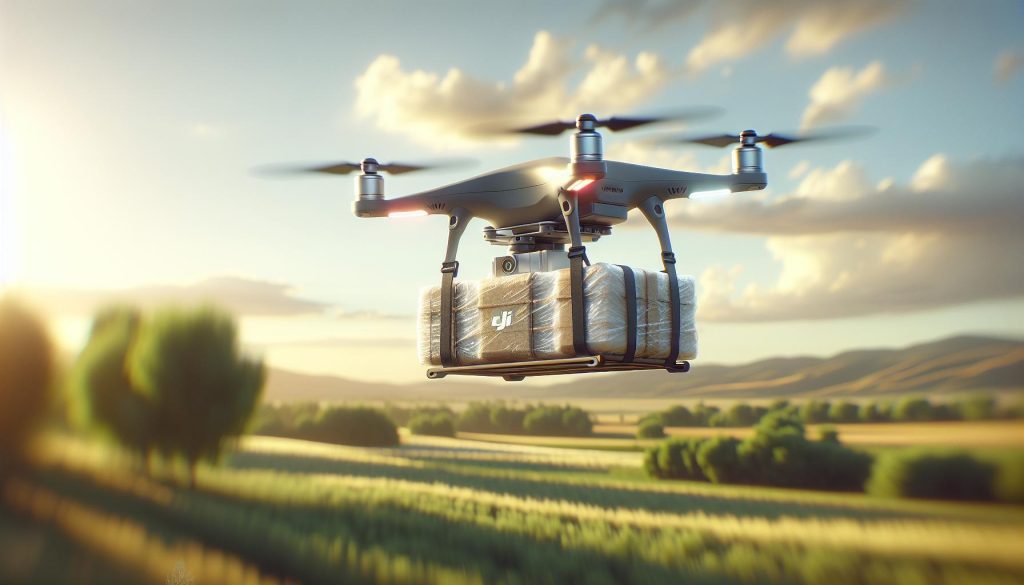
Did you know that DJI drones have the capability to transport objects, revolutionizing industries from agriculture to deliveries? Understanding the payload limits of these drones is crucial for hobbyists and professionals alike, whether you want to capture aerial footage with added gear or utilize your drone for practical applications like transporting small packages. This guide will help you navigate the specifications and limitations of various DJI models, ensuring that you maximize their potential while operating within safe and legal parameters. Join us as we delve into the fascinating world of drone payload capacities and discover how they can enhance your aerial adventures.
Understanding DJI Drone Payload Capacity
Understanding the payload capacity of DJI drones is essential for anyone looking to harness their aerial capabilities for practical applications. Payload capacity refers to the maximum weight a drone can safely carry while maintaining stable flight, which can vary significantly among different models and configurations. This characteristic is crucial not only for commercial users who may need to transport equipment but also for hobbyists interested in utilizing their drones for creative projects.
Several factors influence a drone’s payload capacity, including the design and materials of the drone, the strength of its motors, battery performance, and whether it has a gimbal or other stabilization systems. For instance, a drone equipped with high-performance motors and a lightweight body will likely have a higher payload limit than a bulkier model. Additionally, it is essential to consider that exceeding the recommended payload can affect flight stability and battery life, compromising the effectiveness of the mission and potentially leading to accidents.
To better understand how to optimize your payload capacity, you should consider both the drone’s specifications and its operational conditions. Proper calibration, flight planning, and weight distribution also play critical roles. For example, unevenly distributing the weight can lead to unintended yaw or pitch during flight. Engaging in thorough testing with varying payload scenarios not only enhances understanding but also builds confidence in managing heavier loads effectively.
As drones continue to evolve, manufacturers like DJI increasingly incorporate advanced technologies and features, making payload management a combination of technical knowledge and practical application. Understanding your drone’s payload capacity is not just a technical necessity; it empowers operators to maximize the potential of their drones across various fields, including photography, surveying, and delivery services.
Factors Influencing Drone Payload Limits
The ability of a drone to carry additional weight hinges on several critical factors, making understanding these elements vital for both enthusiasts and professionals seeking to maximize their aerial operations. At the forefront is the motor performance. Drones equipped with high-efficiency motors generally offer superior lifting capabilities. For instance, while a DJI Mini may comfortably lift small accessories, larger models like the Mavic or Phantom series are engineered to transport heavier payloads thanks to their powerful motors and optimized thrust-to-weight ratios.
Battery capacity also plays a significant role in determining payload limits. A drone’s battery must not only support the weight but also provide sufficient power for flight duration and control. Carrying a heavier load demands more energy, which can quickly deplete battery life, potentially compromising flight time and increasing the risk of emergency landings. As such, selecting a drone with a robust battery system becomes essential when planning for payload transportation.
Furthermore, aerodynamics should not be overlooked. The design and build materials contribute to how efficiently a drone can maneuver under load. For example, lightweight materials such as carbon fiber not only enhance the drone’s overall strength but also reduce weight, allowing for greater payload allowances. Conversely, drones with bulky or inefficient designs may struggle under the same weights, leading to performance issues or stability concerns.
Other factors include the presence of gimbals and stabilization systems, which can influence how weight is managed in flight. Gimbals stabilize cameras and other equipment, ensuring that even when carrying heavier payloads, the footage remains smooth and usable. Proper weight distribution further enhances stability, requiring operators to thoughtfully plan how and where to attach payloads to avoid affecting flight dynamics negatively.
In conclusion, successful payload management in DJI drones relies on a combination of motor strength, battery efficiency, aerodynamic design, and attention to stabilization and weight distribution. Understanding these factors enables drone operators to maximize their machines’ capabilities, ensuring safe and effective flights even when transporting added weight.
Comparison of DJI Drone Models by Payload
Understanding the payload capability of DJI drones is crucial for anyone looking to utilize them beyond simple aerial photography. Different models in DJI’s lineup offer varying payload capacities based on their design, motor strength, and battery performance. For example, while the DJI Mini 3 is a compact and lightweight choice, it has a payload limit of approximately 250 grams, making it suitable for small accessories like lightweight cameras or sensors. In contrast, heavier models like the Mavic 3 can manage up to 500 grams, facilitating more extensive applications such as carrying gimbals for cinematography, or even packages for delivery.
Model Payload Comparisons
To highlight the diversity in payload capacities among DJI’s drone offerings:
| Drone Model | Payload Capacity | Use Case Examples |
|---|---|---|
| DJI Mini 3 | Up to 250g | Light camera, small sensors |
| Mavic Air 2 | Up to 500g | Action cameras, light gimbals |
| Mavic 3 | Up to 500g | Professional cameras, thermal sensors |
| Phantom 4 RTK | Up to 1kg | LIDAR systems, agriculture sensors |
| Matric 300 RTK | Up to 2.7kg | Surveying equipment, emergency response payloads |
The Phantom 4 RTK, designed for mapping and surveying, demonstrates a significant payload advantage, accommodating up to 1kg of equipment such as LIDAR sensors or high-resolution cameras, crucial for commercial applications. Furthermore, the Matrice 300 RTK marks the pinnacle of DJI’s payload capabilities, boasting a capacity of 2.7kg. This model is tailored for industrial and emergency response operations, effectively carrying sophisticated tools like thermal imaging cameras or multi-spectral sensors.
In summary, selecting the right drone for payload transport depends substantially on the specifics of the task at hand. Understanding each model’s limitations and capabilities allows operators to optimize their aerial operations, ensuring they implement the correct technology for their payload needs. Whether it’s leisure photography or complex industrial applications, knowing how much weight a particular DJI drone can handle is a fundamental aspect of effective drone management.
How to Calculate the Payload for Your Drone
Calculating the payload for your DJI drone is an essential step in ensuring optimal performance and safety during operation. The payload capacity not only affects the drone’s flight characteristics but also its overall stability and battery life. A drone that is overloaded can experience diminished performance, including reduced flight time and erratic handling. Therefore, understanding how to accurately calculate what your drone can carry is crucial before engaging in any mission.
To determine the maximum payload your specific DJI drone can handle, you will first need to reference the manufacturer’s specifications. Each model has a defined payload capacity, often expressed in grams or kilograms. For instance, while the DJI Mini 3 accommodates a maximum payload of 250 grams, models like the Matrice 300 RTK can handle up to 2.7 kilograms. To ensure accuracy:
- Consult the Product Manual: Review the detailed specifications and tables provided for your drone model.
- Consider Additional Weight: Remember to factor in the weight of any mounting equipment, batteries, and other accessories that will be attached.
- Monitor Battery Impact: The weight carried will impact battery life; carrying heavier payloads can lead to shorter flight times.
- Test in Controlled Conditions: Before deploying in critical missions, test the drone with a fraction of the expected payload to observe its performance.
It’s advisable to stay well within the limits of the recommended payload capacity, aiming for about 70-80% of that maximum. This practice not only prolongs the life of the drone but also enhances safety and efficiency while achieving smoother flight operations. Additionally, consider the type of weight being carried. Dynamic payloads, such as cameras with gimbals, can shift during flight, affecting stability, so a cautious approach to weight distribution will help ensure better control during maneuvers.
In summary, by systematically evaluating and calculating the payload your DJI drone can carry, you can maximize performance and safety. Familiarize yourself with the specifications of your model, plan your load carefully, and conduct preliminary tests to maintain effective and successful drone operations.
Practical Applications for Carrying Payloads
DJI drones have evolved into powerful tools that not only capture breathtaking aerial footage but also serve practical purposes in various industries through their ability to carry payloads. From agriculture to filmmaking, the applications are as diverse as they are impactful. For instance, in agriculture, drones equipped with payloads for crop monitoring, seed dispersal, or precise pesticide spraying are revolutionizing how farmers manage their fields, allowing for optimized resources and better yields. Similarly, in search and rescue operations, drones can transport essential supplies, such as water or medical kits, to hard-to-reach areas, showcasing their potential for life-saving applications.
### Exploring Practical Applications
Harnessing payload capacity opens up vast possibilities in multiple sectors:
- Filmmaking: Drones fitted with high-quality cameras can elevate storytelling by capturing unique perspectives. With payload capabilities that accommodate stabilizers and cameras, filmmakers can achieve cinematic shots that were once possible only with expensive helicopter rentals.
- Inspection and Surveillance: Industries like construction or energy can utilize drones to conduct inspections of infrastructure such as bridges, wind turbines, or pipelines. Carrying thermal cameras or multispectral sensors allows for detailed analysis and evaluation without risking human safety.
- Delivery Services: Companies are exploring the logistics of drone deliveries. With advancements in payload technology, DJI drones are being tested for transporting small packages, ensuring faster delivery to customers in urban areas.
- Environmental Monitoring: Researchers and environmentalists can deploy drones with payloads of sensors or data collection devices to monitor wildlife, collect data on air quality, or track deforestation. The ability to cover large areas quickly provides invaluable insights that inform conservation efforts.
The choices made in payload design and attachment also enhance safety and stability during flight. For practical applications, using modular payload systems that are easy to attach and detach can help ensure that operators can quickly adapt to different missions or tasks without needing extensive downtime or complicated setup processes.
Integrating payload functions into drone operations not only maximizes efficiency but also demonstrates the technology’s growing role in addressing modern challenges. As DJI continues to release innovative models with increasing payload capabilities, the opportunities for creative and functional uses of drones will undoubtedly expand, bridging gaps in various industries and enhancing operational success.
Safety Considerations for Carrying Loads
When carrying loads with drones, particularly DJI models, understanding the safety implications is paramount. Drones are impressive technological marvels, but excessive or improperly managed payloads can compromise flight stability, increase risks of accidents, and potentially lead to damage to both the drone and the environment. Therefore, adhering to specific safety protocols is crucial for any operator looking to maximize the benefits of drone payload capabilities while minimizing hazards.
First, it’s essential to respect the maximum payload capacity of your drone model. Each DJI drone comes with a manufacturer-specified limit, often indicated in the specifications. Overloading a drone can cause it to lose lift, struggle in windy conditions, or even crash. Operators must conduct thorough pre-flight checks, ensuring that the total weight, including the drone’s own weight and any additional payloads, does not exceed the recommended limit. A good practice is to weigh the payload before attaching it, using a reliable scale, to guarantee accuracy.
Moreover, consider the distribution of weight when attaching a payload. Uneven weight distribution can lead to complications such as yawing or pitching during flight. To optimize balance, always attach payloads centrally and as close as possible to the drone’s center of gravity. For instance, if using a camera gimbal setup, ensure that the camera is properly calibrated and balanced on the gimbal to maintain steady flight dynamics.
In addition to weight management, drone pilots must also be aware of local regulations governing drone operations and payload transport. Many regions have specific guidelines that dictate what loads can be carried and where, particularly concerning commercial applications. Operators should familiarize themselves with the Federal Aviation Administration (FAA) rules or the relevant aviation authority’s regulations in their area, which may require registration for certain drone models and adherence to specific operational procedures when carrying loads.
Finally, it’s wise to exercise caution during flights that involve payloads. Avoid flying in adverse weather conditions, as wind and rain can significantly affect control and stability. Take-off and landing phases are particularly critical; pilots should ensure that the area is clear of obstacles and people to prevent accidents. Consider using a larger safety margin when performing maneuvers that involve heavier payloads to ensure control is maintained throughout the flight. Following these guidelines will help foster a safe and effective experience with DJI drones and their payload capabilities.
Upgrading Your DJI Drone for Better Payloads
When aiming to enhance the payload capacity of your DJI drone, there are several critical avenues to consider that can significantly improve its ability to transport heavier or more complex payloads effectively. One of the most impactful upgrades involves selecting compatible accessories and modifications designed specifically to augment a drone’s lifting power and operational stability.
Upgrade Propellers and Motors
One of the simplest yet most effective ways to increase your drone’s payload capacity is by upgrading its propellers and motors. High-efficiency propellers can provide better lift and improve thrust, allowing the drone to carry additional weight without severely impacting flight performance. When considering motors, opt for those rated for higher performance, which can provide the necessary torque to lift heavier payloads. Be sure to check compatibility with your current drone model, as not all upgrades will work with every design.
Install a Gimbal for Stabilization
For payloads that include cameras or sensitive equipment, upgrading to a higher-quality gimbal is essential. A professional-grade gimbal can minimize vibrations and ensure that the equipment remains steady during flight. This not only enhances the payload’s safety but also improves the quality of the captured media, making it particularly beneficial for those involved in aerial photography or surveying. For example, the Zenmuse series of gimbals from DJI is well-known for compatibility with various models and provides outstanding stabilization features.
Consider Battery Upgrades
Increased weight load requires more power, and a battery that can’t deliver sufficient energy can lead to shorter flight times. Upgrading to high-capacity batteries specifically designed for your drone model is key. These batteries can provide better performance, allowing you to carry heavier loads without sacrificing flight duration. Keep in mind the balance between battery weight and total lift; ensure that the increase in battery size does not negate the benefits of carrying additional payloads.
Weight Distribution and Custom Payload Mounts
Another pertinent consideration when upgrading your drone for better payloads is the way payloads are attached and distributed. Custom mounting solutions can optimize the center of gravity and ensure the drone maintains stability in the air. Weight distribution also plays a crucial role; using mounts that allow for adjustable positioning can assist in achieving a balanced setup. This practice is particularly relevant for drones used in commercial applications, where payload precision is paramount.
In summary, to maximize the payload capabilities of your DJI drone, focus on targeted upgrades that enhance propulsion, stabilization, power supply, and weight management. Each of these approaches can significantly impact the overall lifting ability and flight safety, enabling you to utilize your drone for a broader range of applications.
Tips for Safe and Effective Drone Transport
When operating a DJI drone for carrying payloads, safety and efficiency should be your top priorities. Ensuring that your drone is equipped to handle its load correctly can significantly affect flight performance and stability. Before any flight, it’s crucial to conduct a pre-flight checklist that includes confirming the drone’s payload capacity. Exceeding this limit can lead to poor performance or even loss of control during flight.
One essential tip for managing drone transport is to securely attach any payload. Use custom mounting solutions that fit your specific drone model and help distribute weight evenly. This helps maintain the drone’s center of gravity and control. Always opt for mounts that minimize shifting during flight to prevent any sudden changes that could compromise stability. For instance, when using gimbals for camera payloads, ensure they are calibrated and adjusted before takeoff.
Additionally, consider conducting test flights with lighter payloads to observe how your drone performs under different weights. This approach allows you to familiarize yourself with the drone’s behavior, helping you make necessary adjustments prior to carrying more significant loads. Pay attention to flight times and battery usage, as added weight will affect how long you can stay in the air. It’s wise to have a plan for returning home if you notice battery levels dropping faster than expected.
Moreover, familiarize yourself with the local regulations regarding drone payload operations. Different regions may have specific guidelines about what you can transport and how to do it safely. By keeping informed about these rules, you not only enhance your flying experience but also ensure compliance with legal standards, reducing the risk of fines or accidents.
In conclusion, to transport payloads safely and effectively with your DJI drone, prioritize secure attachment methods, perform thorough pre-flight checks, conduct test flights, and stay updated on local regulations. Mastering these practices will enhance your capabilities, enabling you to leverage the full potential of your drone for various applications, whether they involve aerial photography, surveying, or delivering goods.
Frequently Asked Questions About Drone Payloads
Understanding how much weight your DJI drone can carry is essential for both safety and efficiency. When it comes to payload capacity, many users have common questions that can help clarify what they can realistically transport. Below are some of the frequently asked questions regarding DJI drone payloads, addressing practical considerations that every operator should keep in mind.
What is the typical payload capacity of DJI drones?
The payload capacity of DJI drones varies widely depending on the model. For instance, the DJI Mavic Mini can handle approximately 0.3 kg, while the Phantom 4 Pro can carry up to 1.5 kg. On the other hand, enterprise models such as the Matrice series can support heavier loads, often exceeding 2.0 kg, making them suitable for commercial applications. It’s crucial to consult your specific model’s user manual for detailed payload specifications.
How can I calculate the effective payload for my drone?
To effectively calculate your drone’s payload capacity, start with the manufacturer’s recommended limit. Consider the weight of the drone itself, any additional accessories (like cameras or gimbals), and the expected battery capacity. A simple formula is:
Effective Payload = Maximum Payload Capacity – (Weight of Drone + Weight of Accessories + Weight of Battery)
This calculation helps ensure you stay within safe operating limits and maintain flight stability.
Can I exceed the recommended payload capacity?
No, it is not advisable to exceed your drone’s recommended payload capacity. Doing so can significantly compromise flight performance, leading to reduced control, shorter flight times, and increased risk of crashes. Some operators may claim they can handle heavier loads, but this will likely result in stability issues and greater wear on the drone’s motors. Prioritize safety and performance by adhering to the specified limits.
Are there specific accessories to assist with payload management?
Yes, utilizing the right accessories can greatly enhance payload management. Here are a few recommendations:
- Custom Mounting Solutions: Ensure payloads are securely attached with mounts designed for your specific drone model.
- Lightweight Cameras: Choosing cameras and equipment that balance performance with a lower weight can maximize your effective payload.
- Batteries: Invest in high-capacity batteries that provide additional lift without adding unnecessary weight.
These accessories can improve your drone’s capacity to handle payloads while maintaining stability and control.
By understanding these aspects of payload management, operators can enhance their flying experience, ensuring both safety and performance when carrying varying loads with their DJI drones.
Legal Regulations for Drone Payload Operations
Flying a drone equipped to carry payloads introduces a necessary layer of legal consideration that varies greatly by jurisdiction. Operators must understand and adhere to the relevant regulations to ensure not only compliance but also the safety of others. In many countries, regulations set forth by aviation authorities place stringent limits on the weight a drone can carry, as well as specific operating procedures. For example, in the United States, the Federal Aviation Administration (FAA) requires that any drone operation involving payloads must comply with Part 107 of the regulations, which includes restrictions on flying over people, limitations on maximum altitude, and guidelines for maintaining visual line-of-sight.
To operate legally when carrying payloads, drone pilots need to be familiar with the local laws governing drone operations. This typically includes understanding whether a special waiver is required for commercial use and knowing the maximum allowable drone weight, including its payload. Many jurisdictions also require that drone operators register their aircraft, particularly if the drone’s weight exceeds a certain threshold, often around 0.55 lbs (250 grams) in the US. Regulations can often be found on official aviation authority websites, which provide up-to-date information on the latest legal requirements.
Moreover, safety considerations extend to the types of payloads being transported. Some items may be prohibited or allowed only under specific conditions. For instance, carrying hazardous materials or larger packages may introduce additional regulatory scrutiny and necessitate adherence to safety protocols. Ensuring that payloads are securely fastened and do not impede the drone’s operation is vital. Using appropriate mounting solutions can help avoid accidents, which might lead to legal repercussions and negatively impact community trust in drone operations.
Lastly, staying informed about ongoing regulatory changes is crucial for responsible drone operation. Authorities around the world are continuously updating their frameworks to respond to the rapid evolution of drone technology and its applications. Engaging with local drone communities, professional associations, and online forums can help operators share knowledge regarding both challenges and best practices related to legal payload operations. By fostering a culture of compliance and safety, drone pilots can not only mitigate legal risks but also enhance the reputation of drone technology as a reliable tool across industries.
Innovations in Drone Payload Technology
The landscape of drone technology is rapidly evolving, and innovations in payload capabilities are at the forefront of this transformation. DJI has been a leading force in this area, introducing sophisticated systems that significantly enhance how drones handle and manage loads. This development not only opens new possibilities for commercial applications, but also allows hobbyists to explore creative use cases for their drones, from aerial photography to emergency response.
One of the most significant advancements is the implementation of intelligent load management systems, which help pilots maximize payload effectiveness. These systems use advanced sensors and algorithms to monitor weight distribution and drone performance in real-time, ensuring that flights remain stable and efficient, irrespective of the payload’s size or weight. For example, the DJI Matrice 300 RTK is designed for heavy-lift operations, supporting a maximum payload of up to 2.7 kg. Its built-in AI capabilities analyze flight conditions, allowing professionals in industries such as agriculture and construction to carry sensors and equipment without compromising flight integrity.
Another noteworthy innovation is the integration of modular attachments and smart payload technology. DJI drones, like the Matrice series, offer compatibility with various custom payloads, including thermal imaging cameras and multispectral sensors. This flexibility enables operators to adapt their drones to specific tasks, whether it’s conducting inspections, surveying land, or performing search and rescue operations. The ease of swapping payloads translates into increased productivity and showcases how DJI caters to both specialized commercial needs and innovative personal projects.
Furthermore, the expansion of battery technology has contributed significantly to payload advancements. DJI’s continuous improvements in battery efficiency allow drones to carry heavier loads while maintaining longer flight times. Innovations such as higher-capacity batteries and energy-efficient designs improve the ability to transport essential equipment, all while adhering to the payload limits imposed by regulations. This combination empowers users to effectively plan their flights, manage resources, and increase operational capabilities across diverse industries.
In essence, the are not just about carrying more weight but also about enhancing flight safety, adaptability, and operational efficiency. With continual advancements, DJI enables both enthusiasts and professionals to push the boundaries of what’s possible, confirming that the future of drone applications will be heavily influenced by these emerging technologies.
FAQ
Q: What is the maximum payload capacity for DJI drones?
A: The maximum payload capacity for DJI drones varies by model, with higher-end drones like the Matrice series capable of carrying over 6 kg. In contrast, consumer models like the Mavic series typically have payload capacities ranging from 0.5 kg to 1.5 kg. Always check specific model specifications for accurate limits.
Q: How do you determine the payload capacity of a DJI drone?
A: To determine a DJI drone’s payload capacity, refer to the manufacturer’s specifications in the user manual or on the official DJI website. The payload is influenced by factors such as the drone’s weight, battery life, and intended use. Understanding these details helps ensure safe flight performance.
Q: Can DJI drones carry cameras or other equipment?
A: Yes, many DJI drones can carry additional cameras and equipment, depending on their payload capacity. For instance, drones like the Mavic 2 Pro can carry small cameras or attachments. However, it’s essential to check compatibility and weight limits to avoid compromising flight stability.
Q: Are there limitations to payload carrying in DJI drones?
A: Yes, limitations exist when carrying payloads with DJI drones. These include weight restrictions, flight time reduction, and potential impact on flight stability and control. Pilots should conduct test flights after adding loads to ensure performance is not adversely affected.
Q: What are the best DJI drones for heavy payloads?
A: The DJI Matrice 600 and DJI Matrice 300 RTK are excellent options for heavy payloads, capable of carrying professional cameras and other equipment. These drones are designed for commercial use and support various payload configurations, making them ideal for photography and surveying tasks.
Q: Can DJI drones operate under legal restrictions when carrying payloads?
A: Yes, when carrying payloads, DJI drone operators must comply with local regulations, which may include restrictions on weight limits and flight altitude. Check the legal guidelines from aviation authorities to ensure safe and compliant operations, especially for commercial purposes.
Q: How does payload affect flight time in DJI drones?
A: Adding payload to a DJI drone reduces flight time because the motors must work harder to lift the extra weight. A general rule is that for every additional 100 grams above a drone’s optimal payload, flight time may decrease by about 2-5 minutes.
Q: Is upgrading batteries necessary when increasing drone payload?
A: Upgrading to higher capacity batteries can be beneficial when increasing the payload on your DJI drone. High-capacity batteries can help offset the reduced flight time caused by carrying heavier loads, but make sure they are compatible with your specific drone model.
In Summary
Understanding the payload limits of DJI drones is crucial for maximizing their potential in various applications, from photography to delivery services. Now that you know how much weight your drone can effectively carry, don’t miss your chance to enhance your flying experience further. Explore our in-depth guides on drone setup and safety precautions to ensure you’re fully prepared for your next adventure.
Ready to elevate your skills? Check out our comparison guides for the latest models like the DJI Mavic 3 Pro and DJI Mini 4 Pro, or download essential firmware updates and manuals for optimal performance. For more tips on utilizing your drone’s capabilities, consider subscribing to our newsletter for exclusive insights and resources. Feel free to share your experiences or questions in the comments below, as connecting with fellow enthusiasts will enrich your drone journey. Whether you’re a seasoned pro or a beginner, the world of DJI drones has something valuable to offer-all you need to do is explore!