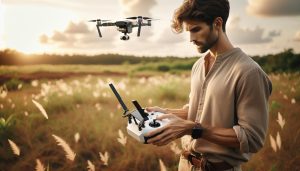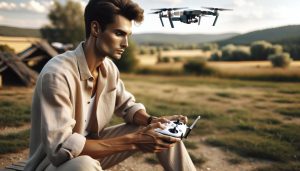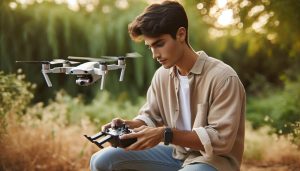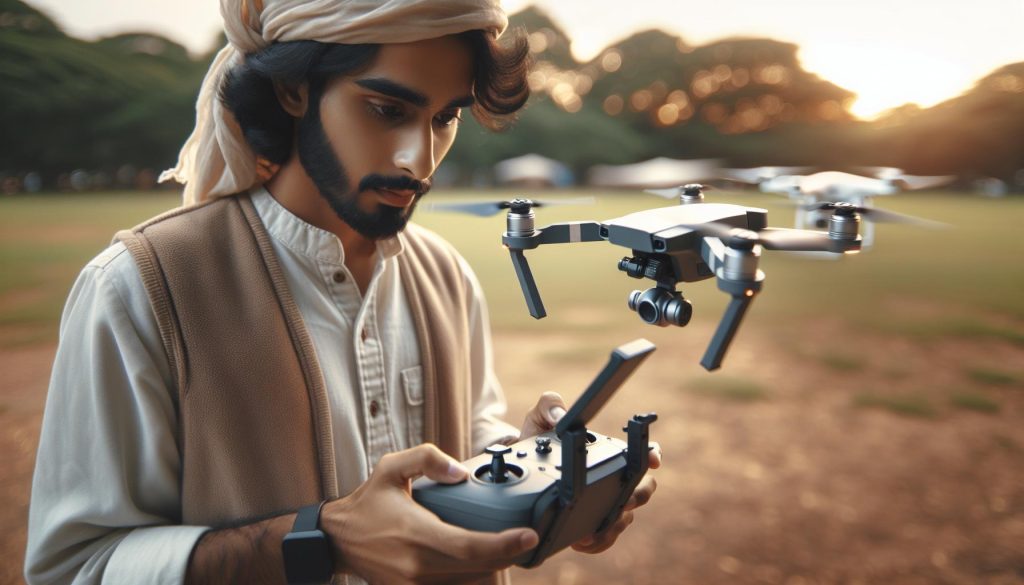
The DJI Mini 3 Pro is not just any drone; it embodies cutting-edge technology that caters to both casual hobbyists and seasoned pilots seeking to capture stunning aerial footage effortlessly. One of its standout features is Active Track, which allows the drone to autonomously follow subjects while they’re in motion-whether they’re cycling, walking, or engaging in a range of activities. This capability is particularly valuable for those looking to document dynamic scenes without the hassle of manual controls. Understanding how to effectively utilize Active Track can elevate your creative projects and enhance the overall flying experience. Dive into this feature breakdown to discover how Active Track works, its different modes, and tips for optimizing performance, empowering you to make the most of your DJI Mini 3 Pro.
Understanding Active Track on DJI Mini 3
Active Track on the DJI Mini 3 represents a significant advancement in drone technology, providing users with the ability to capture dynamic footage effortlessly. With this feature, you can track a subject autonomously, allowing for stunning aerial shots without the need for constant manual control. This capability is particularly beneficial for users involved in sports, outdoor activities, or creative filming, as it opens up new possibilities for capturing difficult angles and fast-paced movements.
The Active Track feature functions by utilizing advanced computer vision technology. Upon activation, the drone identifies and locks onto a designated subject. Users can initiate this mode simply by drawing a box around the subject on the screen of the DJI Fly app. Once selected, the drone automatically adjusts its position, speed, and altitude to keep the subject centered in the frame, resulting in smooth and professional-looking footage. Whether you are filming a mountain biker navigating rugged terrain or a child playing in a park, the ability to focus on the action enhances storytelling through visuals.
Active Track includes several modes tailored for different shooting scenarios, notably the ActiveTrack, Spotlight, and Point of Interest (POI) options. Each mode serves a specific purpose, allowing users to adapt to various situations. For instance, ActiveTrack follows the subject from behind or the side for a dynamic perspective, while the Spotlight mode keeps the camera focused on the subject regardless of your drone’s movement. The POI mode enables the drone to circle around the subject, providing a 360-degree view that can elevate any production.
In real-world use, adventurers and content creators can leverage Active Track to capture exhilarating footage without compromising their ability to engage in the action. This seamless integration of technology and creativity not only enhances the user experience but also raises the bar for what drone footage can achieve in storytelling. As you embrace this feature, you’ll find that it greatly enriches your aerial photography and videography, paving the way for innovative album-worthy shots.
How Active Track Works: A Technical Overview
Active Track technology on the DJI Mini 3 is an impressive blend of advanced computer vision and user-friendly design, enabling the drone to autonomously follow a designated subject, whether that’s a person, vehicle, or object. The operation begins when users activate this feature through the DJI Fly app. By simply drawing a box around the subject, the drone leverages its sophisticated visual recognition algorithms to lock onto that object. This robust tracking system is not only responsive but also adaptable; as the subject moves, the Mini 3 seamlessly adjusts its altitude, speed, and orientation to maintain the perfect shot, ensuring dynamic and engaging footage.
At its core, Active Track employs sophisticated sensors and algorithms that interpret real-world movements. The system considers various parameters, such as the distance between the drone and the subject, to optimize its flight path while minimizing the risk of collisions with obstacles. The DJI Mini 3 is equipped with obstacle avoidance capabilities, which enhance safety during tracking operations by automatically adjusting the drone’s course when potential collisions are detected. This feature allows users to explore creative filming opportunities without the nagging worry of controlling the drone manually at all times.
Moreover, the Mini 3 offers different Active Track modes that cater to various shooting styles. For instance, in the ActiveTrack mode, the drone can follow the subject from behind, creating a cinematic effect perfect for chasing sports activities. The Spotlight mode, on the other hand, keeps the camera focused on the subject while the drone itself can move around, giving a versatile viewpoint without losing focus. Lastly, the Point of Interest (POI) mode allows the drone to circle around a selected subject, providing comprehensive coverage and engaging visuals suitable for promotional content or creative storytelling.
With this technology, filmmakers and adventure enthusiasts alike can capture stunning aerial footage that would be challenging to achieve through traditional filming methods. Whether recording actions in sports or documenting breathtaking landscapes, the Active Track feature empowers users to focus on the scene unfolding in front of them rather than the complex controls of the drone itself, thus enhancing both the creative process and the final output.
Comparing Active Track Modes: Which One to Use?
Choosing the right Active Track mode for your DJI Mini 3 can significantly enhance your aerial cinematography experience, allowing you to capture stunning visuals tailored to different activities. The Mini 3 features three distinct Active Track modes: ActiveTrack, Spotlight, and Point of Interest (POI), each designed to meet unique filming scenarios and creative needs.
ActiveTrack Mode
This mode is designed for dynamic, fast-paced activities. When you select ActiveTrack, the drone will follow your subject while keeping it centered in the frame. This is particularly useful for capturing sports, outdoor adventures, or any scene where the subject is constantly on the move. The drone autonomously adjusts its altitude, speed, and angle to keep pace with you, enabling you to focus on your activity rather than piloting the drone. For example, if you’re biking downhill or running on a trail, ActiveTrack seamlessly captures your movement while framing you perfectly against the landscape.
Spotlight Mode
For more creative shots where you want to maintain constant focus on a subject without having to constrain the drone’s movements, Spotlight mode is the ideal choice. In this mode, the drone locks onto the subject while allowing itself to fly in any direction around it. This mode is excellent for achieving dynamic shots, where the background might change dramatically, or when you want to circle around a subject to show different angles. Imagine filming a dancer performing on a stage; Spotlight mode ensures that the dancer remains the focal point while the drone elegantly maneuvers around them, providing rich context through varying perspectives.
Point of Interest (POI) Mode
Point of Interest mode is best suited for capturing stationary subjects or creating cinematic reveals. In this mode, the Mini 3 will orbit around a designated point, keeping the camera focused squarely on the subject. It’s perfect for showcasing landmarks, events, or objects in a way that highlights their features through motion. POI is particularly effective for promotional videos where you want to showcase the beauty of a location or product through smooth, circular shots. For instance, if you’re documenting an outdoor wedding venue, using POI will allow you to create beautiful footage of the location while maintaining the focus on the venue itself.
In summary, selecting the right Active Track mode depends largely on the type of content you wish to capture. Each mode brings its strengths, providing versatility for different filming scenarios. By understanding how each mode functions and experimenting with them during your flights, you’ll be empowered to capture breathtaking aerial footage like never before.
Step-by-Step Guide to Using Active Track
ActiveTrack is a transformative feature that takes the stress out of capturing dynamic shots with your DJI Mini 3. Whether you’re filming a scenic outdoor activity, a dance performance, or an action-packed sports event, mastering this feature can elevate your drone footage to new heights. To get started, follow this straightforward guide that walks you through the essential steps to effectively use ActiveTrack on your DJI Mini 3.
Begin by ensuring that your drone is fully charged and that the DJI Fly app is installed on your mobile device. Once you’ve powered up your drone and connected it to your smartphone, proceed to the flying field where you can freely maneuver without obstacles. Before engaging ActiveTrack, familiarize yourself with the environment, especially the area where you’ll be flying, and ensure there are no legal restrictions for drone usage in that area.
Now, it’s time to activate ActiveTrack. Follow these steps:
- Launch the DJI Fly App: Open the app and ensure you’re connected to your Mini 3.
- Select a Flight Mode: Choose “Camera” mode from the main interface.
- Enable ActiveTrack: To activate ActiveTrack, simply draw a box around the subject you intend to track on your screen. This could be yourself, a friend, or any moving object. Once selected, a menu will pop up at the bottom of the display.
- Choose Your Track Mode: In this menu, select from the three ActiveTrack options: ActiveTrack, Spotlight, or POI. Each mode serves different filming needs, as outlined previously.
- Start Tracking: After selecting the desired mode, the Mini 3 will automatically lock onto your subject and begin to follow. Make sure to keep your subject within the tracking range for optimal performance.
While tracking, you can adjust the flying altitude and speed using the remote control, allowing for creative shot variations without losing sight of the subject. It’s crucial to monitor both your drone’s battery levels and the surrounding area to avoid any obstacles.
ActiveTrack is not just an automated feature; it’s an invitation to explore creative filming techniques. For instance, combining ActiveTrack with variances in altitude or speed can yield unique perspectives that engage viewers. Embrace the possibilities-try different modes and see how they transform your shots into compelling narratives. With practice, you’ll master this feature, making your drone a true extension of your artistic vision.
Real-World Applications of Active Track
ActiveTrack on the DJI Mini 3 is not just a gimmick; it’s a game-changer for capturing stunning aerial footage in a variety of scenarios. One popular use case is outdoor sports. Whether you’re biking down a trail, skiing down a slope, or running on a beach, ActiveTrack enables the drone to seamlessly follow you, allowing you to focus on your activity while capturing dynamic shots from above. This frees you from the need for a dedicated camera operator and ensures that every exhilarating moment is recorded without interruption.
In addition to sports, ActiveTrack is particularly advantageous for capturing family events or gatherings. Imagine a birthday party where the birthday child is running around with friends. With ActiveTrack, the drone can follow the children as they play, ensuring that nothing is missed-from the cake-cutting to the laughter of friends. This ability to keep the subject framed perfectly adds a professional touch to amateur captures, producing videos that can be cherished for years.
Moreover, the creative potential of ActiveTrack extends to nature videography. Outdoor enthusiasts can take advantage of this feature while hiking or exploring while the drone can autonomously capture breathtaking landscape shots. This not only enhances the production quality but also allows creators to experiment with different types of shots, such as a dramatic video of a river as they walk alongside it or sweeping panoramas of the scenery.
ActiveTrack also has applications in real estate and property showcasing. Real estate agents can employ this feature to create unique property tours that show potential buyers the layout and surroundings in an appealing way. By using ActiveTrack, agents can highlight various property angles while maintaining a steady shot, enhancing the presentation with minimal effort.
In summary, the versatility of ActiveTrack on the DJI Mini 3 opens up numerous possibilities in different contexts, whether it’s sports, family events, nature photography, or real estate. Embracing this technology empowers users to produce visually engaging content that resonates with audiences and captures the essence of their experiences.
Common Challenges with Active Track: Troubleshooting Tips
ActiveTrack is a powerful feature on the DJI Mini 3, designed to autonomously follow subjects with smart tracking capabilities. However, like any sophisticated technology, it can present some challenges that operators may need to address. Understanding these common issues and their solutions will empower users to maximize their ActiveTrack experience with confidence.
One of the main challenges users might encounter is the ActiveTrack failing to lock onto a subject. This can happen due to insufficient contrast between the subject and the background or poor lighting conditions. To improve tracking reliability, ensure that your subject is clearly defined-wearing contrasting colors can help. Additionally, good lighting is vital; avoid tracking in low-light situations or during twilight hours. If possible, perform a test flight in varying conditions to see how different scenarios affect tracking.
Another issue occasionally observed is the drone losing the selected subject during movement, particularly in crowded settings or when subjects move quickly. To mitigate this, always start with a clear view of the subject with minimal obstructions. If the Mini 3 loses track, try to pause and reposition the drone to reacquire the subject. You can also use the “Profile” mode in ActiveTrack, which allows the drone to follow from the side, giving it a clearer view and helping it maintain better tracking.
Interference from obstacles can also pose a challenge, as ActiveTrack relies on the drone’s sensors to navigate while following a subject. Be mindful of your surroundings; tall trees, buildings, or sudden terrain changes can disrupt the tracking process. To enhance safety, utilize the drone’s obstacle avoidance settings, and always have a clear flight path. It’s advisable to fly in open areas when trying out ActiveTrack for the first time to familiarize yourself with how the drone interacts with various objects.
Lastly, ensuring that the firmware is up to date is crucial for optimal performance. Firmware updates often include performance enhancements and bug fixes that can improve tracking stability and functionality. Regularly checking and applying updates via the DJI Fly app can help maintain the efficient operation of your drone’s ActiveTrack feature.
By addressing these challenges proactively, you’ll be able to enjoy a smoother, more productive experience with ActiveTrack on your DJI Mini 3, capturing dynamic footage without interruption.
Features Exclusive to the DJI Mini 3 Workspace
The DJI Mini 3 brings a suite of innovative features tailored specifically for enhanced user experience and dynamic filming capabilities. Among these, users will find a range of functionalities that not only elevate the connectivity and usability of the drone but also streamline the creative process for both amateur and professional pilots.
One standout feature is the enhanced DJI Fly App, which offers an intuitive interface to access all drone capabilities, including ActiveTrack. This app provides step-by-step tutorials, allowing pilots to quickly familiarize themselves with the settings and features of the Mini 3, thus reducing the learning curve for new users. The app also allows for customization options, enabling pilots to adjust tracking parameters to suit their specific filming needs. With the integration of advanced artificial intelligence, the Mini 3 can intelligently frame subjects, providing an unparalleled autonomous filming experience.
In addition, the Mini 3 supports advanced gesture controls, which allow for hands-free operation. This is especially useful for vloggers or action sports enthusiasts who might need to initiate filming without physically interacting with the drone. Simply gesturing towards the camera can activate recording, while other gestures can command it to follow or hover, adding a layer of accessibility and convenience to the flying experience.
Furthermore, the drone’s Live View feature streams high-definition video directly to the user’s smartphone or tablet, ensuring real-time monitoring of the footage being captured. This feature is particularly beneficial during complex shots, allowing users to make instant adjustments while ensuring that their subject remains perfectly framed.
In summary, the exclusive features found within the DJI Mini 3’s workspace not only enhance its tracking capabilities but also provide pilots with tools to maximize their creative potential. By integrating smart technology, intuitive controls, and real-time feedback, DJI ensures that both novice and seasoned drone operators can capture stunning aerial footage with confidence and ease.
Comparative Analysis: DJI Mini 3 vs. Other Drones
The DJI Mini 3 stands out in the crowded drone market, especially with its ActiveTrack feature, offering capabilities that appeal to both novice and experienced drone operators. When comparing the Mini 3 with other popular models like the Mavic Air 2, Phantom 4 Pro, and Skydio 2, it becomes evident that each drone has unique strengths, but the Mini 3 positions itself well for specific user needs, particularly in terms of portability and ease of use.
The Mini 3’s ActiveTrack excels in providing a seamless tracking experience, significantly enhanced by its lightweight design and compact form. This allows for easy transport, making it a favorable option for travel and spontaneous shoots. In contrast, while the Mavic Air 2 and Phantom 4 Pro offer more advanced features and better obstacle avoidance systems, they are bulkier, which can limit their usability in certain outdoor scenarios. The Skydio 2, known for its autonomous flying capabilities and superior obstacle avoidance, still lags behind the Mini 3 in terms of affordability and ease of flight for beginners.
Key Features Comparison
- ActiveTrack Modes: The Mini 3 supports various modes, ensuring that users can easily select how they wish to capture their subjects, whether static or in motion.
- Portability: Weighing in at under 249 grams, the Mini 3 requires no FAA registration, making it incredibly accessible for casual users.
- Camera Quality: While the Mini 3 maintains competitive resolution and quality, the more advanced drones like the Phantom 4 Pro offer higher frame rates and better low-light performance, appealing more to professional cinematographers.
- Intuitive Controls: The DJI Fly App enhances the user experience for the Mini 3 through feature tutorials and gesture controls, something the more sophisticated drones may not prioritize.
Ultimately, the choice between the DJI Mini 3 and its counterparts hinges on the user’s specific needs. If you’re a beginner or an enthusiast looking for a user-friendly experience with reliable tracking capabilities, the Mini 3 is an outstanding option. For those who need robust features and exceptional image quality, investing in a Mavic or Phantom model might be more suitable, albeit at a higher cost and complexity.
User Experiences: Success Stories with Active Track
The ActiveTrack feature of the DJI Mini 3 has inspired numerous users to share success stories that highlight its versatility and effectiveness in real-world scenarios. Many drone enthusiasts have found that this intelligent tracking capability enables them to capture dynamic and engaging footage effortlessly, catering to a wide range of activities, from sports to adventurous outings.
For example, one user took their Mini 3 on a hiking trip and utilized ActiveTrack to film their ascent up a mountain. The drone followed them with precision, maintaining the perfect framing while they navigated rugged terrain. This allowed for stunning panoramic shots that otherwise would have been challenging to achieve without a dedicated camera operator. The user praised the Mini 3’s lightweight design, making it easy to transport, and complemented the feature for producing exceptional footage without requiring advanced piloting skills.
Another user, an amateur filmmaker, tested ActiveTrack during a cycling event. By setting the drone to follow a fellow cyclist, they captured exhilarating shots as the cyclist sped along scenic trails. The ability to change tracking modes on the fly allowed the filmmaker to adapt to the cyclist’s movements easily, demonstrating how the DJI Mini 3 can enhance storytelling through breathtaking visuals while minimizing the workload on the operator.
Moreover, fitness enthusiasts have shared their experiences using ActiveTrack while performing workouts outdoors. Whether jogging in a park or practicing yoga on a beach, they found that the drone kept pace methodically, delivering captivating footage to share on social media. Users noted that the ease of use, paired with the drone’s camera quality, elevated their content creation, bringing a professional touch without requiring extensive editing or post-production.
In summary, the success stories surrounding the DJI Mini 3’s ActiveTrack feature highlight its practical applications in a variety of settings, empowering users to capture stunning footage while enjoying their favorite activities. As the technology continues to improve, these experiences reflect the potential for even broader creativity and cinematic possibilities for both amateur and professional drone operators.
Firmware Updates: Enhancing Active Track Performance
One of the most compelling aspects of the DJI Mini 3 is its ability to adapt and evolve through firmware updates, specifically designed to enhance features like Active Track. These updates are critical because they often include significant improvements in tracking algorithms, obstacle avoidance capabilities, and overall drone performance. This continuous refinement allows operators to achieve smoother and more accurate tracking, enabling more dynamic and creative shots during their flights.
When a new firmware update is released, it typically includes detailed release notes highlighting the enhancements made to Active Track. For instance, updates may improve the drone’s ability to recognize and follow subjects in varying environments, such as crowded or complex landscapes. This means that whether you’re filming a busy street or a serene park, your DJI Mini 3 can keep up with your subject more efficiently. Additionally, firmware updates often fix bugs that might hinder performance, ensuring that the drones operate at their best.
To ensure you are reaping the full benefits of your DJI Mini 3’s Active Track capabilities, it’s essential to regularly check for firmware updates. Here’s a simple process to follow:
- Open the DJI Fly App: Connect your drone and your remote control to the app.
- Check for Updates: After connecting, navigate to the firmware update section to see if any updates are available.
- Install Updates: If an update is available, follow the prompts to download and install it. Make sure to have a full battery and a safe location to perform this operation.
Incorporating these updates into your routine not only boosts the performance of Active Track but can also extend the functionality of other features in your drone. For instance, improved obstacle avoidance capabilities can provide peace of mind as you operate in tighter or more challenging spaces, allowing you to focus on capturing the moment rather than managing the drone’s path.
By staying current with firmware updates, users unlock the full potential of the DJI Mini 3, embracing new features and enhancements as they become available. This not only elevates the flying experience but also significantly expands the creative possibilities for capturing striking aerial footage.
Safety Precautions While Using Active Track Features
When utilizing the Active Track feature of the DJI Mini 3, it’s crucial to prioritize safety to ensure smooth operation and prevent any mishaps. Active Track allows your drone to autonomously follow selected subjects, which is remarkable for capturing dynamic footage. However, this automated capability doesn’t eliminate the need for vigilant oversight and proper safety protocols.
Before taking off, always conduct a thorough pre-flight checklist. Verify that your drone’s batteries are fully charged and that all firmware updates are applied. This step not only enhances performance but also ensures that the latest safety features are integrated. Check the surrounding environment for obstacles, and avoid areas with heavy foot traffic, wildlife, or hazards that can interfere with your drone’s flight path.
Additionally, maintain a clear line of sight with your drone at all times. While Active Track can independently follow a subject, visual monitoring is essential for ensuring that the drone does not enter restricted or hazardous areas. Be aware of changing weather conditions, as wind or rain can alter your drone’s handling, especially when trying to maintain fixed positions while tracking a subject.
To maximize safety while using Active Track, familiarize yourself with its settings. Different modes, such as ‘Trace’, ‘Profile’, and ‘Spotlight’, each have unique implications for how your drone follows subjects. For example, ‘Trace’ allows the drone to follow behind and keep the subject centered, which is useful for outdoor sports. However, ensure that you’re aware of the drone’s flight altitude and speed to avoid any collisions. Set altitude limits and return-to-home settings appropriate for your environment.
In situations where the drone might struggle to track its subject, or if it gets too close to obstacles, be ready to intervene manually. Always be equipped to switch to manual control and take over as needed. This preparedness is vital, especially in complex environments where Active Track may misidentify or lose sight of subjects.
By following these safety precautions, operators can enjoy the powerful capabilities of the DJI Mini 3 without compromising safety, ensuring that aerial photography and videography experiences are as seamless and enjoyable as possible.
Future of DJI Active Track Technology
The evolution of Active Track technology is set to redefine how drone users capture dynamic content, blending innovation with user-friendly features. As manufacturers like DJI continue to innovate, the possibilities for autonomous tracking are expanding significantly. Future updates and advancements in algorithms will likely enhance the accuracy and responsiveness of Active Track, enabling drones to follow subjects more effectively, even amidst crowded environments or complex landscapes. This adaptive tracking could involve improved object recognition and machine learning capabilities that allow the drone to learn from previous flights and adapt to the nuances of different shooting scenarios.
In the coming years, one of the anticipated developments is enhanced obstacle avoidance systems that work in tandem with Active Track. Current systems do an excellent job, but future models may feature 360-degree obstacle detection, allowing for safer flight paths even in tight or complex settings. This would not only give operators confidence when capturing action shots but also significantly reduce the chances of mid-air collisions, especially in dynamic situations like sporting events or outdoor adventures where movements are unpredictable.
Moreover, integration with mobile technology could create a more interactive experience when using Active Track. Imagine being able to set complex flight paths using a simple app interface, where the drone can recognize specific gestures or voice commands to alter its tracking behavior in real time. Such advancements would empower creators to focus entirely on their activities (like mountain biking or surfing) while the drone takes care of the filming, providing more creative freedom and innovative storytelling opportunities.
As drones are increasingly used in various fields-from action sports filming to commercial applications in real estate-the expansion of Active Track technology will inevitably enhance creativity and productivity. High-definition aerial shots, seamless dynamic tracking, and the ability to capture footage from unique angles are becoming essential for content creators. The integration of AI-driven features, predictive analytics for flight behavior, and automated editing options will mark a new era for drone operators, making the future of Active Track not just about following but also enhancing the overall visual storytelling experience.
Frequently asked questions
Q: What is Active Track on the DJI Mini 3?
A: Active Track on the DJI Mini 3 is a feature that allows the drone to intelligently follow and capture moving subjects. It identifies the subject through its camera and adjusts its flight path to keep the subject in focus, providing various tracking modes like ActiveTrack, Spotlight, and Point of Interest.
Q: How does Active Track work on the DJI Mini 3?
A: Active Track works by using computer vision to detect and track subjects. Users can simply draw a box around the subject on the screen, and the drone will maintain focus on it while adjusting its altitude and direction to follow various motion patterns.
Q: What are the different modes of Active Track available in the DJI Mini 3?
A: The DJI Mini 3 features several Active Track modes including ActiveTrack, which follows the subject; Spotlight, which keeps the subject in the center while allowing users to control the drone’s movement; and Point of Interest, which circles around a selected subject while keeping it in frame.
Q: Can you use Active Track while flying the DJI Mini 3 indoors?
A: While Active Track can potentially be used indoors, it’s important to note that the effectiveness may vary depending on the environment, obstacles, and lighting. Ensure proper clearance and avoid confined spaces to achieve better tracking performance.
Q: What to do if Active Track is not functioning properly on the DJI Mini 3?
A: If Active Track is not functioning as expected, first check if the firmware is updated. Then, ensure that the subject is within the camera’s view and that there are no obstacles. Before retrying, restart the drone and consider using different tracking modes for better results.
Q: Does the DJI Mini 3 require any specific settings for using Active Track?
A: Yes, it’s recommended to set the drone to a clear flight mode and ensure that the GPS signal is strong. Adjust the camera settings for optimal exposure and focus based on the tracking conditions to enhance Active Track performance.
Q: Is Active Track on the DJI Mini 3 suitable for capturing fast-moving subjects?
A: Active Track can handle fast-moving subjects, but performance may vary based on the speed and direction of movement. To optimize tracking, use the appropriate Active Track mode and ensure there’s a clear line of sight between the drone and the subject.
Q: How can I improve Active Track performance on my DJI Mini 3?
A: To enhance Active Track performance, keep the subject in good lighting, avoid rapid movements, and clear any obstructions in the flight path. Regularly update your drone’s firmware and practice using different tracking modes to understand their strengths.
In Retrospect
Now that you’ve explored the impressive Active Track feature of the DJI Mini 3, you likely see its potential for enhancing your flight experience. Whether you’re a seasoned pilot or a beginner, this functionality can elevate your aerial photography and videography effortlessly, allowing you to focus more on creativity than on control. If you have any lingering questions about setup or using Active Track effectively, check out our detailed guides on drone calibration and flight modes [insert internal link] or read our expert reviews on other DJI models like the Mavic and Phantom [insert internal link].
Don’t miss out-subscribe to our newsletter for the latest updates on drone technology and exclusive tips that will help you master your Mini 3 and beyond. Hit that like button if you found this breakdown helpful, and join the conversation in the comments below! Your next flying adventure awaits, so gear up and explore the skies with confidence.