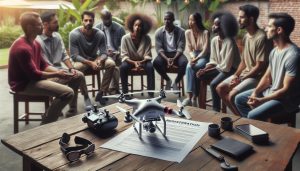
As a drone enthusiast, bringing your DJI drone to India raises important questions about customs regulations. Did you know that India has specific rules governing the import of drones? Understanding these customs regulations is essential not just for compliance, but also to ensure a hassle-free experience as you explore the breathtaking landscapes and vibrant culture of India. Whether you’re a professional filmmaker, a hobbyist capturing stunning aerial views, or just someone eager to document your travels, knowing what you can and cannot do with your drone at customs can save you time and potential legal issues. In this article, we’ll delve into the key customs rules you need to know, empowering you to take your aerial photography to new heights while navigating the regulations smoothly.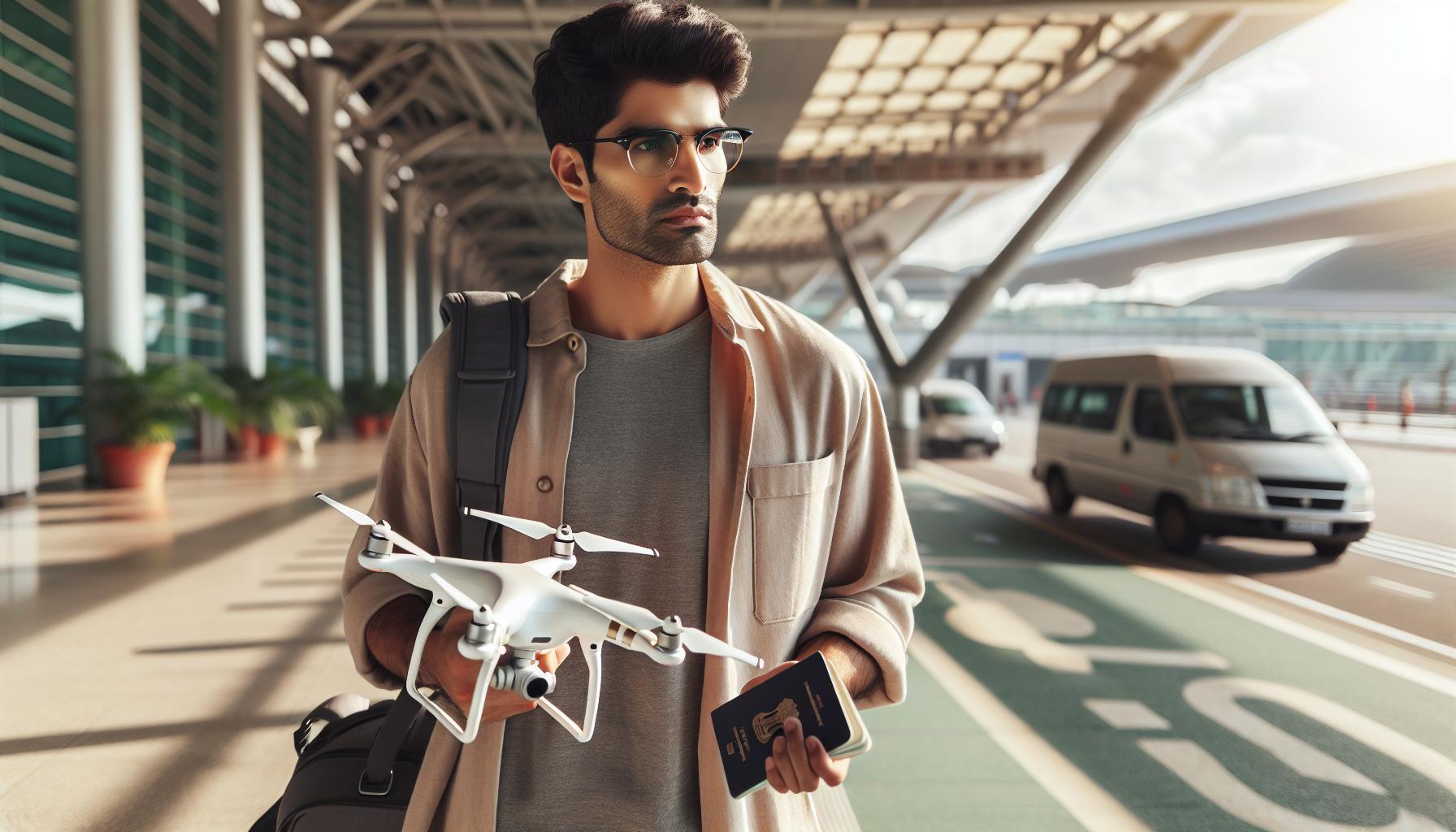
Can I Bring My DJI Drone to India? Understanding the Regulations
Traveling to India with your DJI drone can be an exciting opportunity to capture stunning landscapes, bustling markets, and serene temples from above. However, understanding the regulations governing drone use in the country is essential to ensure a smooth experience. India has specific rules and guidelines that apply to both importation and operation of drones, which every traveler should be aware of.
When planning to bring your DJI drone to India, it is crucial to familiarize yourself with the laws laid out by the Directorate General of Civil Aviation (DGCA). Drones are classified into categories based on their weight and use, and the regulations vary accordingly. Importantly, any drone weighing above 250 grams must be registered with the DGCA, and flying it without a permit can lead to significant penalties. Before departure, ensure you secure the necessary registration and permissions to avoid any legal issues.
Additionally, it’s essential to respect the country’s airspace restrictions and avoid flying in prohibited areas such as near airports, military installations, and certain heritage sites. Researching these zones beforehand and obtaining local insights can save you from unnecessary fines or confiscation of your equipment. Always keep your drone within visual line of sight and follow the established flight operations guidelines to guarantee a lawful and enjoyable aerial adventure.
In summary, bringing your DJI drone to India is feasible and rewarding with proper preparation. Understanding the regulatory framework, respecting local laws, and securing the necessary permits will allow you to focus on what matters most: capturing the incredible beauty of India from the sky.
Key Customs Regulations for DJI Drones in India
Traveling with a DJI drone in India demands an understanding of key customs regulations that are designed to ensure safety and compliance with local laws. When you arrive in India, your drone will be subject to customs checks, and there are several important regulations to factor in.
Firstly, it’s essential to recognize that any drone carrying a camera or weighing over 250 grams is not just a toy-it must be registered with the Directorate General of Civil Aviation (DGCA). This requirement aims to maintain safe air traffic and curb potential misuse of drones. As part of the customs process, you will need to declare your drone and provide relevant documentation, which may include proof of registration. Consequently, having all necessary permits ready before your journey can facilitate the customs process.
Beyond registration, travelers should be aware of the import duties and taxes that may apply to their drones. Depending on the drone’s value, you may incur additional costs that can affect your budget. Understanding these financial implications is vital for successful customs clearance, especially as these fees can vary.
Moreover, drones are not permitted in certain areas across India, such as near airports or densely populated urban regions. As a drone pilot, you carry the responsibility of researching these restrictions beforehand to avoid potential fines or confiscation during your travels. By ensuring that you adhere to customs regulations, including registration, permits, and imposed restrictions, you can enjoy a trouble-free experience capturing India’s breathtaking scenery with your DJI drone.
Permits Required for Flying Drones in India
Traveling with a drone, especially a DJI model known for its advanced capabilities, can be an exhilarating experience. However, to take full advantage of your drone in India, you must understand the regulatory landscape regarding permits. In India, the Directorate General of Civil Aviation (DGCA) has established a framework to ensure the safe and responsible operation of drones. If you plan to fly your DJI drone, obtaining the necessary permits is not just advisable-it’s mandatory.
To legally operate a drone in India, you need to register with the DGCA if your drone weighs over 250 grams or is equipped with a camera. This registration process involves submitting specific details about your drone, such as its make and model, serial number, and your identification as the operator. Once registered, you will receive a Unique Identification Number (UIN) for your drone, which must be clearly displayed on the device. Additionally, if you intend to use your drone for commercial purposes, you will need to acquire a Remote Pilot License (RPL). The RPL can be obtained through DGCA-approved training organizations, and it ensures that you have the necessary skills to operate your drone safely and effectively.
Moreover, drone operators are also required to secure a Permission for Aerial Work (PAW) if the drone will be used for commercial activities, such as photography, surveying, or delivery services. This application must detail the purpose of your operations, the flight path, and any potential risks involved. Familiarizing yourself with these regulations and obtaining the required permits well before your travel dates will not only streamline the customs process but also enhance your flying experience in India.
Lastly, it is essential to keep updated with any changes in regulations, as the DGCA frequently updates its guidelines in response to the evolving landscape of drone technology and airspace management. By understanding and complying with the necessary permits, you contribute to the safe skies of India while enjoying the expansive views only a DJI drone can capture.
Prohibited Areas for Drone Usage in India
Flying a drone in India, especially a DJI model, can offer breathtaking views and unique filming opportunities. However, understanding the specific areas where drone flights are prohibited is essential for compliance and safety. Ignoring these restrictions could lead to hefty fines or even confiscation of your equipment.
In India, there are numerous restricted zones that drone operators must be aware of. Key prohibited areas include:
- Near Airports: Drones cannot be flown within a distance of 5 kilometers from airports, as this is considered a no-fly zone.
- Military Areas: Proximity to military bases, ammunition depots, and other sensitive government installations is strictly off-limits to protect national security.
- Urban Areas: Operation in densely populated urban areas may be limited. Cities may have their restrictions on where drones can be flown to minimize disturbance and ensure safety.
- Protected Areas: Wildlife sanctuaries, national parks, and other conservation zones frequently prohibit drone flights to prevent distress to animals and preserve natural habitats.
- Gatherings or Events: Flying a drone over large gatherings, protests, or events is typically restricted to maintain public safety and privacy.
- International Borders: Drones cannot be flown near international borders due to security concerns; this includes areas close to Pakistan, Bangladesh, China, and Nepal.
It is crucial to always check for specific local regulations and any temporary restrictions, as areas may change status due to events or security alerts. Staying updated on airspaces through official DGCA announcements and local advisories is advisable.
In addition to the prohibitions, be aware that drone operators are encouraged to maintain a distance from critical infrastructure such as dams, bridges, and industrial complexes. Not only does this help ensure safety, but it also fosters good relations with local authorities.
When planning your flight, the use of maps and drone apps that display no-fly zones can be invaluable. By familiarizing yourself with these regulations and demonstrating respect for the established no-fly areas, you can enjoy your aerial adventures in India while ensuring compliance with the law. Happy flying!
Import Duties and Taxes on DJI Drones
When traveling to India with a DJI drone, understanding the import duties and taxes is essential for a smooth entry. The Indian Customs Department applies specific tariffs on imported electronic items, including drones. Typically, these duties can vary from 0% to 28%, depending on the drone’s classification under the Harmonized System (HS) codes. For instance, recreational drones often attract a levy around 28%, while drones used for commercial purposes might be subject to different rates.
Before you fly your drone into India, be prepared for potential value-added tax (VAT) and other state-level taxes that may be applied upon entry. For example, your drone’s assessed value will help determine the final customs duty payable. The assessed value usually includes the cost of the drone plus any additional expenses like shipping and insurance.
To streamline the customs process and avoid unexpected charges, here are a few practical tips:
- Keep All Purchase Receipts: Maintain documented proof of your drone’s purchase price, as this will be crucial for accurate assessment and transparency with customs officials.
- Research Current Tax Rates: Check the current import duty and tax rates before traveling, as these can change, and being informed will help you budget accordingly.
- Declare Your Drone: On arrival, declare your drone at customs to avoid penalties. Failing to do so can lead to confiscation or fines.
- Consider Insurance: Having insurance coverage for your drone may not only protect your investment but can also ease the customs process if questions arise about the drone’s value.
Ultimately, understanding these regulations and preparing accordingly allows drone enthusiasts to navigate the complexities of customs duties and taxes, ensuring a pleasurable flying experience in India.
Necessary Documentation for Customs Clearance
When traveling to a new country with your DJI drone, having the right documentation for customs clearance is not just a requirement but a crucial part of ensuring a hassle-free arrival. India, with its comprehensive regulations around drone use, requires travelers to be well-prepared. Failing to provide necessary documents can lead to delays, fines, or even confiscation of your drone.
For a smooth customs process, make sure to carry the following documents:
- Drone Purchase Receipt: Always have the original receipt that proves ownership and the value of your drone. This documentation is vital for declaring your drone at customs and for potential tax assessments.
- Drone Registration Documents: If your drone requires registration to be legally flown in your home country, bring along copies of those registration documents. Though not typically required for customs in India, having them can help clarify your ownership status.
- Insurance Policy: An insurance document that covers your drone can also be beneficial. While laws may not mandate it, proving coverage can ease any concerns customs officials may have regarding the drone’s value.
- Customs Declaration Form: Familiarize yourself with the customs declaration process. Fill out the declaration form accurately, disclosing the presence of your drone and any accessories, like extra batteries or camera attachments.
It’s essential to understand how customs officials may assess the value of your drone, which is typically based on the declared purchase price plus any additional costs incurred during shipping. Having all relevant documents handy not only facilitates a faster inspection but also demonstrates your preparedness and compliance with local regulations.
Engaging with local guidelines and staying informed about changes in customs requirements can significantly enhance your travel experience. Always check for the latest updates from Indian customs before your trip to ensure your documents align with current regulations. This proactive approach allows you to focus on capturing breathtaking aerial shots, knowing you’ve adhered to all necessary protocols.
Guidelines for Registering Your Drone in India
When considering a trip to India with your DJI drone, understanding the registration process is crucial for ensuring compliance with local regulations. In India, the operation of drones is governed by the Directorate General of Civil Aviation (DGCA), which has established specific guidelines to regulate their use. To legally fly your drone in India, you must register it through the Digital Sky platform, a central web-based system designed to facilitate drone operations in the country.
To get started with registration, you’ll need to create an account on the Digital Sky platform. After registering your account, you can proceed to the drone registration section, where you’ll be required to provide crucial details about your DJI drone, such as its model, weight, and unique identification number. It’s also essential to submit documentation proving ownership, which could include the original purchase receipt. Once registered, you’ll receive a unique identification number for your drone, known as a Unmanned Aircraft Operator Permit (UAOP), which must be displayed prominently on your drone before any flight.
Important Considerations…
- Compliance with Local Laws: Ensure that you familiarize yourself with any state-specific regulations regarding drone flying, as some areas may have additional restrictions.
- Documentation: Keep a digital and physical copy of your registration documents, as you may be required to present them during inspections.
- Usage Limitations: The DGCA imposes certain operational restrictions based on your drone’s weight class and intended use, whether recreational or commercial.
It’s worth noting that registration is not only a legal obligation but also a valuable step in promoting safe and responsible flying practices. Stay engaged with any updates from the DGCA regarding drone regulations to ensure that your operations remain compliant and to avoid potential penalties or issues during your travels. With proper registration in place, you can successfully navigate the skies of India and capture stunning aerial footage with your DJI drone.
Tips for Travelers Carrying Drones to India
When embarking on a journey to India with your DJI drone, being well-prepared can make all the difference between an enjoyable experience and a frustrating one. Before traveling, familiarize yourself with the local customs and laws governing drone operations to ensure a smooth entry. For instance, while small drones may be allowed, larger models often require additional scrutiny and documentation.
Make sure to keep your drone and its accessories organized for easy access during security checks. Bring along a printed copy of your drone registration documents and purchase receipts; these may be requested by customs officials. As an additional precaution, consider keeping your drone in a hard case that clearly displays its brand and model to enhance visibility and minimize potential questions.
Understanding where you can and cannot fly your DJI drone in India is critical. Certain areas, such as near airports and military installations, are strictly off-limits. Utilize local apps or resources available for drone pilots that detail no-fly zones to help you plan your shoots responsibly. Not only will this adherence to regulations keep you in good standing with authorities, but it also protects the safety of those around you.
Lastly, engaging with local drone communities can provide invaluable insights and tips specific to the region. Online forums and local pilot groups are excellent resources for gathering information about the best flying spots, recent changes to regulations, and even potential meet-ups with other enthusiasts. With thorough preparation and a keen understanding of the local landscape, you can ensure a successful and rewarding flying experience while in India.
Common Mistakes to Avoid When Bringing Drones
Navigating customs regulations when traveling with your DJI drone to India can be a daunting task, especially with multiple potential pitfalls awaiting the unprepared. One of the most common mistakes travelers make is overlooking the specific documents required for entry. Ensure that you have not only your drone registration and purchase receipts at hand but also any permits mandated by local regulations. Failing to do so may lead to prolonged questioning by customs officials or, worse, confiscation of your device.
Another frequent oversight involves the failure to check the customs regulations regarding importing drones. Many travelers assume that their domestic rules apply universally; however, India has strict guidelines that may differ significantly from those in your home country. It’s vital to research and understand the current import duties and taxes that may be applicable when bringing a DJI drone into India. Ignoring these aspects could lead to unexpected costs or penalties upon arrival.
Moreover, understanding the designated no-fly zones is crucial-many travelers mistakenly fly their drones in restricted areas, resulting in fines or immediate loss of equipment. Familiarize yourself with local laws and use apps that provide real-time updates on where you can legally operate your drone. This proactive approach not only ensures compliance but also safeguards public safety.
Lastly, communication is key. Many drone operators neglect to connect with local drone communities or online forums before their visit. These resources can provide valuable insights and updates on regulations, popular flying locations, and even recent changes to drone laws. Engaging with local enthusiasts can enhance your experience and prevent rookie mistakes that could hinder your flying experience in India.
Updates on Indian Drone Laws You Should Know
India’s drone regulations have evolved significantly, making it essential for international travelers to stay informed about the latest updates before bringing their DJI drones into the country. As drone technology becomes more prevalent, the Indian government has implemented stricter rules to ensure safety and security in airspace. For those planning to operate a DJI drone in India, understanding these changes can greatly enhance your experience.
Recent legislation introduced by the Directorate General of Civil Aviation (DGCA) has streamlined the registration and operation of drones in India. As of now, all drones weighing over 250 grams must be registered under the Digital Sky Platform, a government initiative designed to manage drone operations effectively. Operators are required to hold a Remote Pilot License if they wish to fly commercially, while recreational users must adhere to specific flight guidelines to avoid legal repercussions.
Furthermore, it’s crucial to familiarize yourself with the defined no-fly zones. Many popular tourist destinations may have restrictions in place, particularly around sensitive areas like military installations, airports, and certain historical sites. The DGCA provides updated maps outlining these zones, allowing pilots to plan their flights accordingly. Utilizing flight apps that incorporate geo-fencing can help prevent accidental incursions into restricted areas.
In addition to registration and no-fly zone awareness, travelers should keep abreast of the import duties and taxes applicable to drones brought into India. Duty fees can vary based on the drone’s value and specifications, so reviewing the latest customs tariffs is advisable to avoid unexpected expenses at the airport. Engaging with online communities and local pilot groups can also provide valuable insights into the most current regulations and best practices, enhancing both safety and enjoyment when flying your DJI drone in the vibrant skies of India.
Resources for Drone Pilots Traveling to India
For drone pilots traveling to India, equipping yourself with the right resources can elevate your experience and ensure compliance with local regulations. Understanding these available assets can be beneficial, whether you’re a seasoned operator or just starting with your DJI drone.
Start by familiarizing yourself with the Digital Sky Platform, a comprehensive portal provided by the Directorate General of Civil Aviation (DGCA) in India. This platform is essential for registering your drone if it weighs over 250 grams. The site offers a plethora of resources, from detailed guidelines on registration to accessing updated maps that outline restricted airspaces. Knowing the layout of no-fly zones is crucial for safe operation, especially in culturally and historically sensitive areas.
Connect with local drone pilot communities, either online on platforms like forums and social media or in-person meetups. Networking with local enthusiasts can provide invaluable first-hand insights into navigating the regulations and unique flying conditions within India. You might discover local customs, drone-friendly spots, and perhaps even flight-sharing arrangements to enhance your experience.
Consider using mobile applications designed for drone pilots, such as AirMap or Drone Assist. These tools not only assist in planning your flights, but they also help visualize restricted areas and provide live weather updates. Understanding environmental factors can be as important as regulatory compliance and can significantly impact the quality of your footage.
Lastly, always stay updated on legal changes and procedures, as drone regulations are subject to modification. Follow the DGCA’s official communications, subscribe to policy updates, or join international drone organizations that can provide the latest news on airspace management in India. Keeping informed will aid you in avoiding potential penalties and enhance the safety of your operations. By taking advantage of these resources, drone pilots can navigate India’s vibrant skies with confidence and responsibility.
Q&A
Q: What are the customs regulations for bringing a DJI drone to India?
A: When bringing a DJI drone to India, travelers must declare their drone at customs, adhere to import regulations, and may need to pay applicable duties. It’s crucial to check the latest customs notices before traveling to ensure compliance.
Q: Do I need a permit to carry a DJI drone to India?
A: Yes, you typically need a permit to carry a DJI drone into India. This includes obtaining necessary approvals from the Directorate General of Civil Aviation (DGCA) before bringing the drone for personal use or commercial purposes.
Q: What documentation is required to bring a DJI drone to India?
A: Travelers must carry their passport, a copy of the drone purchase invoice, and any permits or approvals granted by Indian authorities. Documentation should be readily available during customs clearance to avoid any issues.
Q: Are there restrictions on the type of DJI drones I can bring to India?
A: While most DJI models can be imported, drones equipped with certain features, like advanced imaging technology, may face additional scrutiny or restrictions. It’s advised to check the specific regulations for your drone model beforehand.
Q: How can I clear customs when bringing a DJI drone to India?
A: To clear customs, present your DJI drone along with necessary documentation, including proof of purchase and any permits. Be prepared for possible inspections and ensure you comply with all customs regulations to avoid delays.
Q: What are the import duties for DJI drones in India?
A: Import duties for DJI drones can vary based on their value and specifications, typically ranging from 10% to 30%. It’s essential to verify current duty rates with Indian customs before your trip.
Q: Can I use my DJI drone anywhere in India?
A: No, drone usage is restricted in certain areas, such as near airports, military installations, and in designated no-fly zones. Ensure you are familiar with the prohibited areas for drone operation in India.
Q: What common mistakes should I avoid when bringing a DJI drone to India?
A: Avoid failing to declare your drone at customs, neglecting to acquire the required permits, and not familiarizing yourself with local drone laws. Proper preparation will help ensure a smooth entry process and compliance with regulations.
The Conclusion
By understanding the customs rules for carrying your DJI drone to India, you’re not just ensuring compliance; you’re opening the door to amazing aerial experiences in a breathtaking environment. Remember, staying informed about regulations such as registration and permissible flight areas is key to a hassle-free adventure. If you have any lingering questions, don’t hesitate to check out our guides on drone regulations and setup tips to further enhance your flying journey.
Ready to take your drone skills to new heights? Explore our tutorials on firmware updates and gimbal calibration to optimize your equipment, or dive into our model comparisons to choose the perfect DJI drone for your needs. For the latest news, sign up for our newsletter to stay connected with the drone community. Take action today – your flight adventures await, and we’re here to support you every step of the way!