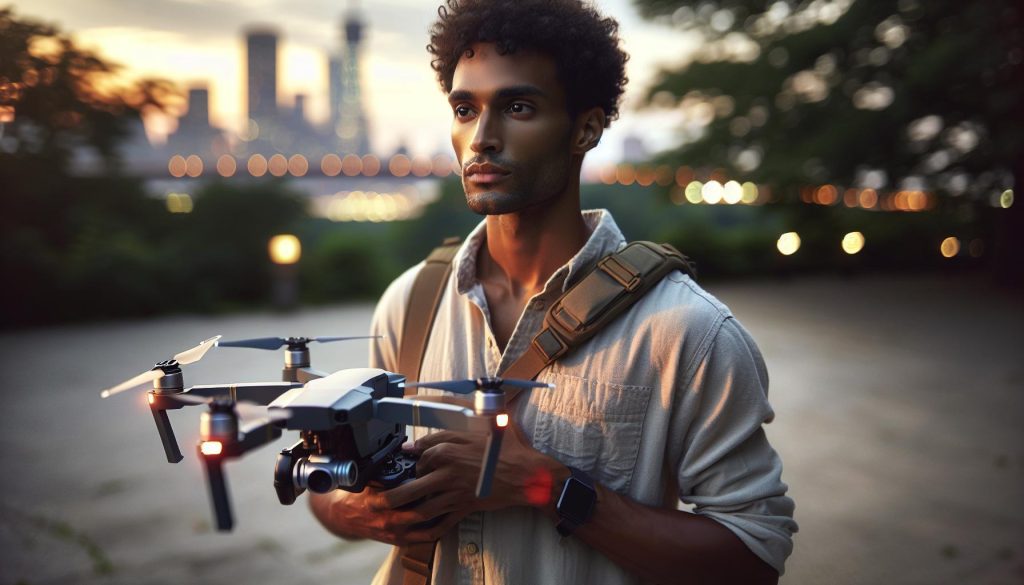
Flying your DJI drone at night can unlock a world of breathtaking aerial photography and starry landscapes, but it also comes with its own set of rules and challenges. Understanding the regulations surrounding night flying not only ensures compliance with local laws but also enhances safety and effectiveness during your flights. Many pilots find the thrill of navigating the night sky tempting, yet they often grapple with the nuances of visibility, equipment readiness, and legal requirements. In this guide, we will delve into essential rules, practical tips, and advanced techniques, empowering both novice and experienced drone operators to explore nighttime drone flying with confidence. Get ready to expand your flying horizons while ensuring you remain informed and responsible in your aerial adventures!
Can I Fly My DJI Drone at Night: Rules & Tips
Flying a DJI drone at night can be a thrilling experience, allowing for stunning aerial photography and unique perspectives that are not achievable during the day. However, it comes with its own set of rules and challenges that every drone pilot must understand before taking to the skies under the cover of darkness. The FAA (Federal Aviation Administration) and local aviation authorities impose specific regulations governing night flights, primarily centered on visibility and safety.
Firstly, a crucial requirement for night flying is to have your drone equipped with appropriate lighting. According to FAA regulations, any drone operated during the night must have a visible anti-collision light. This light must be capable of being seen from a distance of at least three statute miles, ensuring that your drone is noticeable to other aircraft and helping you maintain spatial awareness. Beyond this, it’s essential to conduct pre-flight checks to confirm your drone is in optimal working condition, as night visibility can complicate troubleshooting.
In addition to regulatory compliance, pilots should always consider flight planning. Mapping out your intended flight path is critical to avoid obstacles, as visibility may be limited. Aim to operate in areas where you are familiar with the surroundings, and use apps that can provide real-time information about nearby air traffic and any potential hazards. Additionally, maintain a safe altitude and distance from people and structures to ensure safety and compliance with local laws.
Integrating these best practices into your nighttime drone operations not only promotes safety but also enhances your flying experience. Embracing the unique perspectives offered by nighttime photography, such as cityscapes lit by streetlights or serene landscapes illuminated by moonlight, can yield breathtaking results, making your night flights both memorable and exciting.
Understanding Night Flying Regulations for DJI Drones
Flying a DJI drone at night can open up a world of captivating visuals and stunning landscapes that are otherwise unseen. However, before taking to the skies, understanding the regulations that govern night flying is essential for compliance and safety. The Federal Aviation Administration (FAA) has established specific guidelines aimed at ensuring that drone pilots can operate their UAVs effectively in low-light conditions.
To legally fly your drone at night, it must be equipped with anti-collision lights. These lights must be visible from at least three statute miles, which is crucial for maintaining awareness of other aircraft in the vicinity. Adhering to these lighting requirements not only fulfills legal obligations but also enhances visibility for both the pilot and others in the airspace. Additionally, conducting thorough pre-flight checks becomes all the more vital in nighttime conditions-ensuring that your drone is functioning correctly is key, especially when troubleshooting may be more challenging.
Aside from lighting, another important factor is understanding local airspace regulations. Different regions may have specific rules that could impact your flight, such as restrictions on flying near airports or populated urban areas. Familiarizing yourself with these regulations through resources like sectional charts or drone-specific apps will help avoid legal pitfalls and maintain safety. Moreover, planning your flight path is essential; use GPS tools and apps to identify potential obstacles and ensure a clear route.
By being well-prepared and informed about these regulations, drone pilots can enjoy the thrill of night flying while adhering to safety standards and legal requirements. Embracing the night sky not only enhances your flying experiences but also promotes responsibility within the UAV community.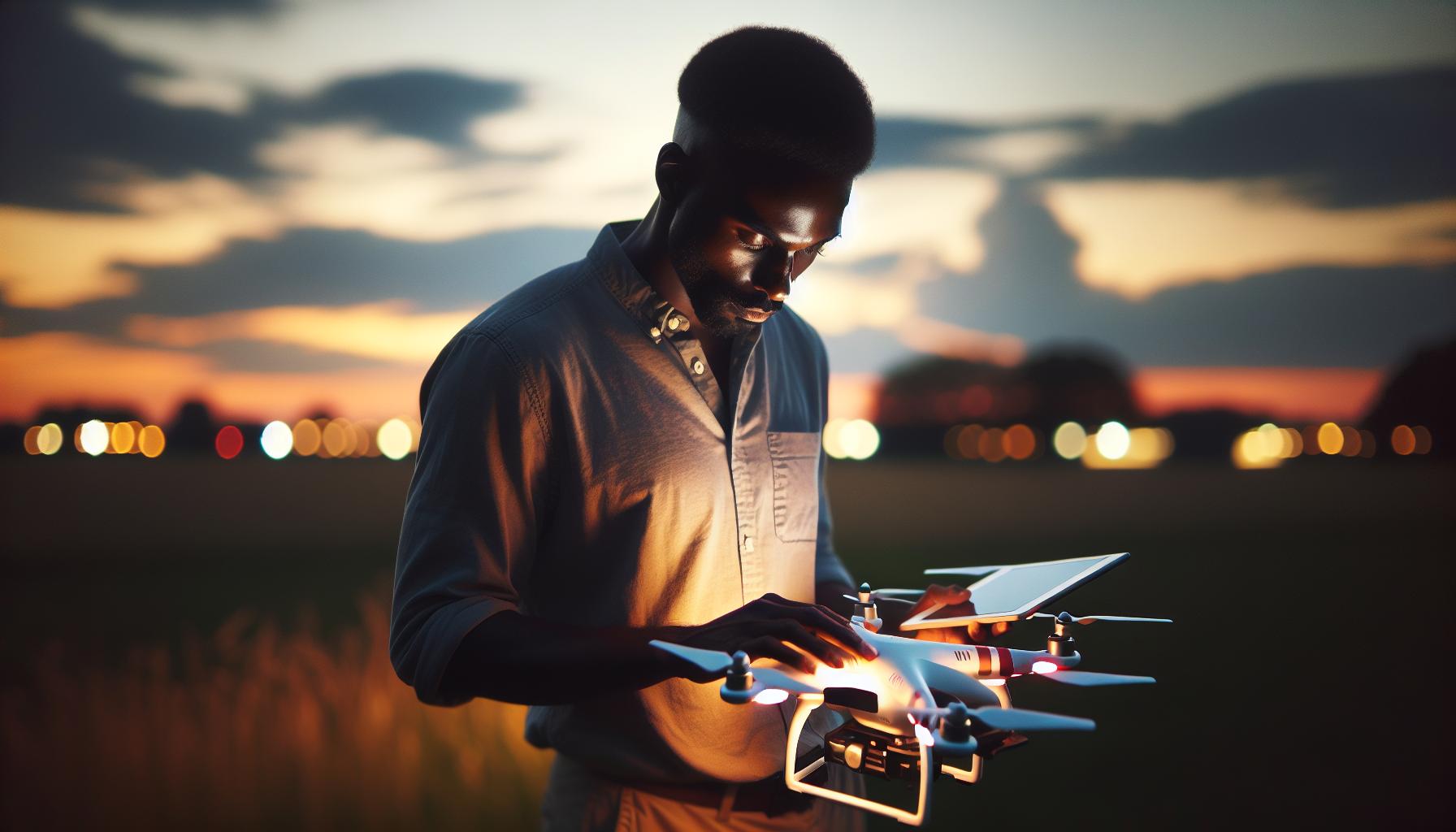
The Best DJI Drone Models for Night Flying
When considering a nighttime flight, the right drone can make all the difference between a memorable experience and a frustrating one. With their advanced features, some DJI models are particularly well-suited for night flying, providing not only enhanced visibility but also the quality necessary for capturing stunning footage in low-light conditions. Here are some of the best DJI drones that are ideal for this venture:
1. DJI Mavic 3
The DJI Mavic 3 stands out as one of the premier choices for night flights, thanks to its exceptional camera capabilities. With a dual-camera system featuring a 4/3 CMOS Hasselblad sensor, it can handle low-light situations with remarkable clarity. The Mavic 3 also boasts an impressive flight time of up to 46 minutes, allowing for extended exploration during twilight hours. Its advanced obstacle avoidance technology helps ensure safety even when visibility is reduced.
2. DJI Phantom 4 Pro V2.0
As a tried-and-true option, the DJI Phantom 4 Pro V2.0 is highly regarded for its stability and camera quality. Its 1-inch 20MP sensor performs well in low light, making it capable of capturing detailed images and videos after sunset. The drone’s robust build and reliable GPS can enhance positioning accuracy during night flights, which is crucial when navigating unfamiliar environments.
3. DJI Air 2S
For those seeking a compact yet powerful option, the DJI Air 2S is a fantastic choice. It features a 1-inch CMOS sensor and can shoot 5.4K video, providing excellent image quality in low-light conditions. The drone’s intelligent flight features, such as FocusTrack and Mastershots, simplify complex maneuvering, making it easier for pilots to capture dynamic shots even in dim light. Its lightweight design also contributes to better portability for night outings.
4. DJI Mini 2
Lightweight and user-friendly, the DJI Mini 2 may be a favorite among hobbyists who wish to embark on night flights without the complexity of larger drones. While it comes with a smaller sensor, it can still produce impressive footage in low-light settings due to its efficient HDR capabilities. Plus, its remarkable battery life lends itself well to nocturnal adventures-making it a viable option for casual flyers.
Using any of these DJI models can enhance the nighttime flying experience, but it’s essential to take precautions. Ensure your drone is equipped with the required anti-collision lights to maintain compliance and avoid accidents. Ultimately, whether you’re seeking breathtaking aerial shots or simply exploring the night sky, selecting the right model will enhance your drone adventures under the stars.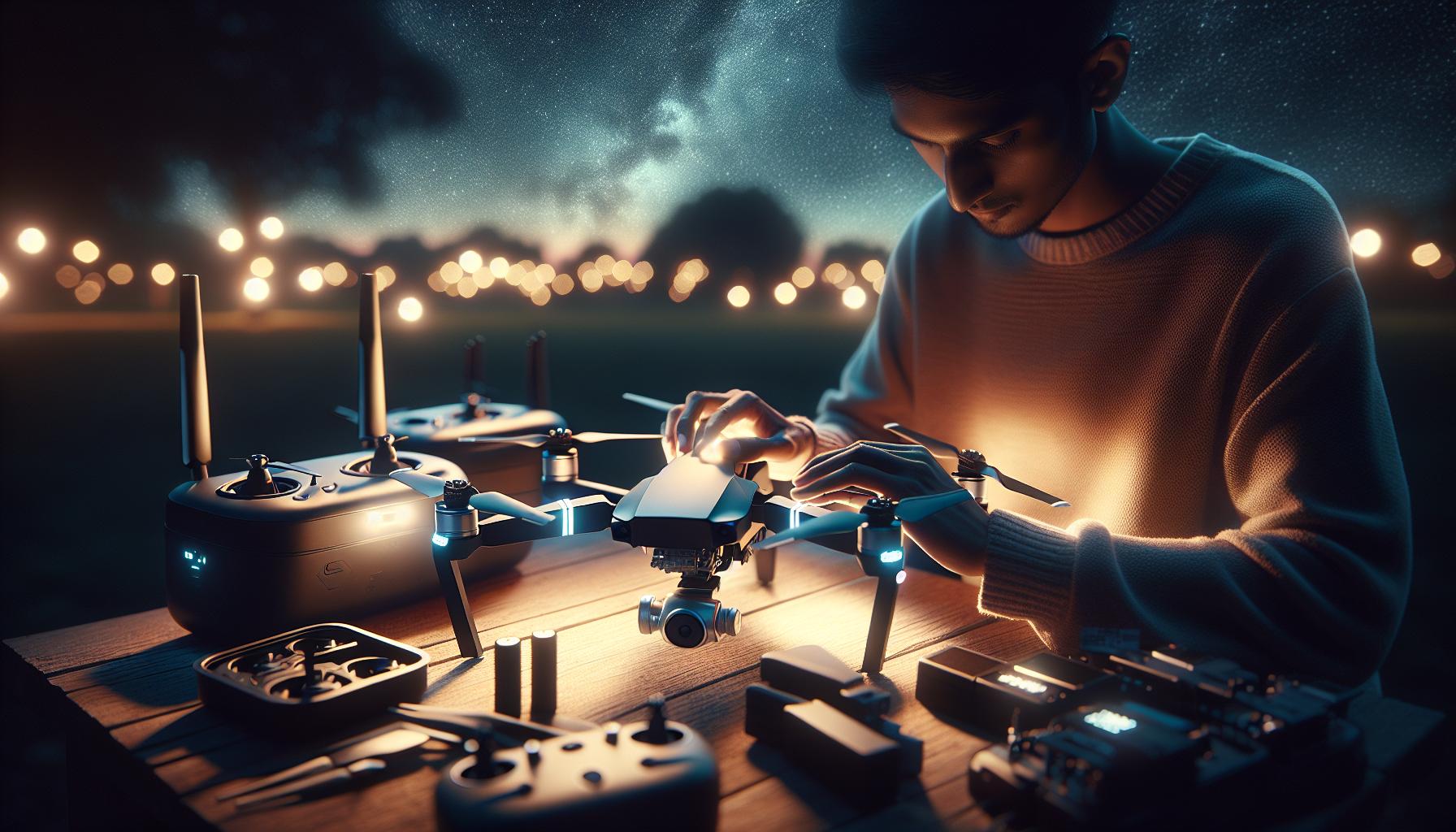
Essential Safety Tips for Nighttime Drone Operation
When it comes to nighttime drone operations, preparing for the challenges of low visibility can make all the difference between a smooth flight and a potential disaster. Flying your DJI drone at night requires a heightened awareness of safety protocols, as visibility is significantly reduced and obstacles become less apparent. Here are several essential safety tips to enhance your nighttime flying experience.
First and foremost, always ensure that your drone is equipped with proper lighting. Anti-collision lights are not merely accessories; they are vital tools for increasing the visibility of your drone to other pilots and people on the ground. FAA regulations often require drones to be visible from at least three miles away at night, so utilizing LED lights that glow brightly and are easily adjustable can help achieve this requirement. Additionally, consider using strobe lights that can be mounted on the drone or on its legs to enhance its visibility against the night sky.
Navigation is another critical component of nighttime operations. Utilize your drone’s GPS and onboard cameras to maintain a clear sense of direction. It’s advisable to conduct a thorough pre-flight check under appropriate lighting conditions, ensuring that your drone’s firmware is up to date and all systems are functional. During the flight, keep your drone within your line of sight at all times, using visual aids such as lighted markers on the ground to keep orientation.
Another key aspect of nighttime flying is situational awareness. Be mindful of your surroundings; the lack of light can obscure potential hazards such as trees, power lines, and buildings. Before taking off, assess the area for obstacles that may pose a risk during the flight. Furthermore, you might want to plan your flight paths using mapping software or apps that can help identify clear zones for takeoff and landing.
Lastly, take advantage of the intelligent flight modes available in many DJI drones. Modes such as Follow Me or Waypoints can help automate certain flight tasks, allowing you to focus on maintaining control and monitoring the environment. However, always remember that relying solely on automated features can be risky; remain vigilant and ready to resume manual control if necessary.
By following these safety tips, you will not only enhance your nighttime flying experience with your DJI drone but also ensure compliance with local regulations, thereby enjoying the beautiful and unique perspective that night flying offers.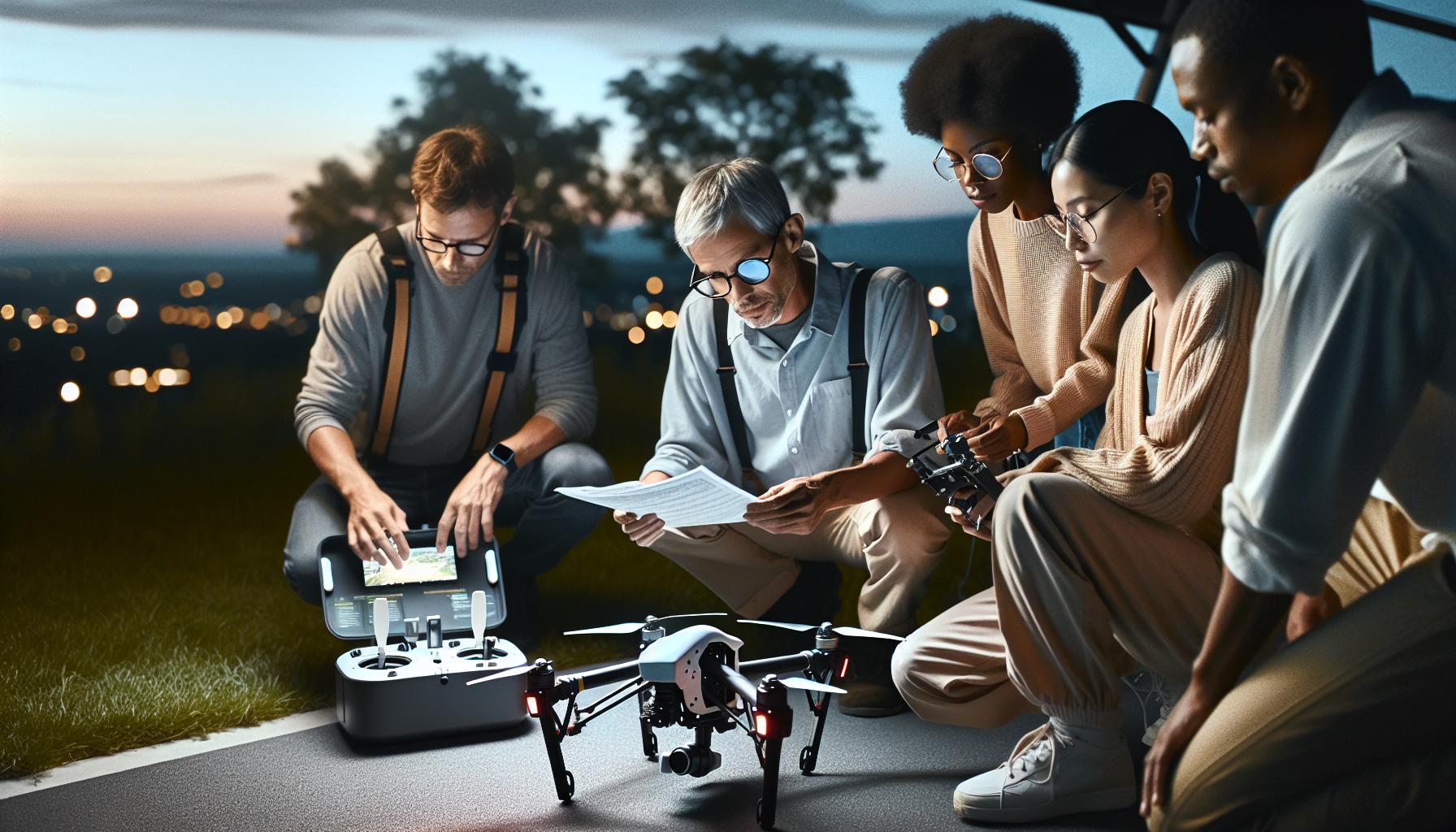
Preparing Your Drone for Night Flights
Flying a DJI drone at night can open up a world of creative photography and exciting aerial perspectives, but it also comes with unique challenges that require careful preparation. The most critical aspect of preparing your drone for nighttime operations is ensuring visibility-not just for yourself, but also for other airspace users. Proper lighting is essential. Equip your drone with anti-collision lights that are bright enough to make it visible from a distance, as per FAA regulations, which typically require drones to be seen from at least three miles away. LED lights that can be adjusted and configured for optimal visibility are highly recommended. Strobe lights can also be beneficial, either mounted on the drone or its landing gear, to enhance its visibility against the night sky.
Next, thoroughly inspect your drone before the flight. Conduct a pre-flight check and ensure that all components are functional, including battery life-an aspect crucial for night flying, as the added weight of lights can impact flight time. Ensure that your drone’s firmware is up to date; this critical step can often resolve many issues that arise during flight. Additionally, check that your remote control is functioning properly, and familiarize yourself with your drone’s specific night flying capabilities-some models have enhanced night vision or lower light sensitivity in their cameras.
Situational awareness cannot be overstressed during night flights. Create a flight plan that considers potential obstacles, such as trees, power lines, and structures that may not be visible at night. Use mapping software to plot clear flight paths and designate safe zones for takeoff and landing. Prioritize maintaining your drone within line of sight at all times; this may require additional visual aids on the ground to help maintain orientation as you navigate through the dark.
Lastly, familiarize yourself with the intelligent flight modes available on your DJI drone. Features like Follow Me or Waypoints can automate flight tasks, allowing you to concentrate on managing your surroundings. However, always be prepared to take manual control when necessary, especially in complex environments where obstacles are prevalent. By comprehensively , you enhance both safety and the overall experience, ready to capture stunning visuals under the stars.
Lighting Requirements for Night Drone Flights
Flying your DJI drone at night can transform a routine shoot into a stunning visual adventure, but ensuring proper visibility is paramount. In many regions, regulations dictate that drones must be equipped with specific lighting to remain compliant and safe during nighttime operations. Typically, the FAA requires that a drone must be visible from at least three miles away when flying at night, making the choice of lighting a critical factor for all drone pilots.
To meet these visibility requirements, consider outfitting your drone with high-quality anti-collision lights. These lights should be bright and visible from a distance. LED lights are often recommended; they can be adjusted and configured to maximize visibility against the dark sky. For optimal effectiveness, strobe lights can also be utilized, either mounted on the drone or affixed to its landing gear. This setup not only helps you see your drone more clearly but also ensures it can be easily spotted by other pilots and aircraft in the vicinity.
When selecting lighting options, it’s essential to consider the weight of the lights, as additional equipment can impact flight duration and battery life. Conduct a thorough pre-flight check to ensure that all lighting systems are fully operational, particularly since you may rely heavily on them during a night flight. Many DJI drones feature built-in lights, but supplemental lighting may be necessary for enhanced visibility.
Moreover, familiarize yourself with your drone’s specific night flying capabilities-some models are equipped with advanced camera systems that have better low-light performance. This can help you maximize image quality while flying at night, allowing for captivating aerial photography that showcases the beauty of illumination after sunset. Maintaining clear visibility and compliance with lighting regulations will ultimately enhance both your safety and your creative potential as a nighttime drone pilot.
Navigating Airspace Restrictions at Night
Flying a DJI drone at night presents a unique set of challenges that require careful navigation of airspace restrictions. Understanding the airspace around you, especially at night, is crucial for ensuring not just your safety, but also the safety of others. Most notably, controlled airspace, which includes Class B, C, and D airspace around airports, has specific regulations that can limit or even prohibit nighttime drone operations. To operate within these boundaries legally, pilots must typically obtain prior authorization, often through the FAA’s LAANC system (Low Altitude Authorization and Notification Capability).
Nighttime Flight Regulations
When flying at night, it is vital to be aware that certain areas could have additional restrictions, such as Temporary Flight Restrictions (TFRs) which may be in place due to special events, emergencies, or military activity. It is advisable to check not only the general airspace layout using tools like sectional charts but also to refer to real-time updates from aviation authorities. This ensures that you are conforming to any temporary regulations that might not be visible on a standard map. Programs and apps designed for drone pilots, like Airmap and B4UFLY, can provide you with up-to-date situational awareness regarding local airspace restrictions.
Preparation is Key
Before embarking on a night flight, it’s crucial to plan your route with safety at the forefront. Prepare by mapping out your intended flight path, highlighting restricted areas and nearby landmarks. Knowing how to read and interpret airspace maps helps clarify where you can fly legally at night. Additionally, ensure that your drone is equipped with the necessary lighting technology, both for visibility and compliance with regulations.
Utilizing pre-flight checklists not only ensures your drone is ready for night operations but also primes you to operate efficiently within airspace limits. Being proactive in recognizing your surroundings will help you react quickly to any changes in airspace usage or unexpected obstacles, maintaining safe operations throughout your nighttime flying adventure.
Optimal Flight Modes for Night Drone Use
Flying a drone at night opens up a new realm of creative possibilities, but choosing the right flight mode is crucial for safety and effectiveness. DJI drones come equipped with various flight modes, each catering to different scenarios and environments. When operating at night, selecting the optimal flight mode can enhance stability, improve navigation, and facilitate capturing stunning footage.
One of the most beneficial modes for nighttime flying is P-Mode (Positioning Mode). In this mode, the drone uses GPS satellite signals and onboard sensors to maintain a stable flight. This is particularly useful at night when visual references may be limited. Ensure that the drone is outdoors, as GPS signals can be weak indoors. For added precision, consider switching to S-Mode (Sport Mode) if you are experienced and confident in your flying skills, as it allows for faster maneuvers and is excellent for covering ground quickly.
Tripod Mode is another flight option worth considering for nighttime photography. This mode greatly reduces the drone’s speed and enhances stability, allowing you to capture long exposure shots without blurriness, which can occur due to vibrations or sudden movements. This is especially important when transitioning from daylight to darkness, as the lighting conditions will require careful adjustment to capture the desired imagery.
Another relevant mode is ActiveTrack, which allows the drone to autonomously follow a subject while maintaining active control over its flight path. When flying at night, this mode can take advantage of ambient light sources, making it easier to track subjects within illuminated areas. This capability is not just practical; it can lead to unique visuals and performances when capturing moving subjects against the night sky.
Finally, always keep in mind that Fail-Safe Mode is activated at night for enhanced safety. If the drone loses connection with the controller or the battery runs low, it will automatically return to its takeoff point. This essential feature can prevent accidents or loss of the drone in dark conditions, ensuring that your night flights remain secure and enjoyable.
In summary, utilizing the correct flight modes-P-Mode for stability, Tripod Mode for photography, ActiveTrack for dynamic shots, and Fail-Safe Mode for security-will greatly enhance your nighttime drone operation experience. Be familiar with these modes, practice beforehand, and ensure all equipment is in top condition, paving the way for safe and successful night flights.
Troubleshooting Common Night Flight Issues
Operating a DJI drone at night can be exhilarating, but it also comes with a set of unique challenges. One common issue pilots face is GPS signal instability. At night, particularly in urban areas, signals can be disrupted by tall buildings or dense structures. If you experience a weak GPS signal, try moving to an open area away from obstructions. Keep your app updated to ensure you’re using the latest firmware, which can improve GPS functionality.
Another frequent challenge is managing battery performance during night flights. Cold temperatures can significantly affect your drone’s battery life. It’s essential to keep your batteries warm before flying and monitor their voltage closely during the flight. Always plan your flight time based on battery capacity and environmental conditions to avoid unexpected landings.
Visual limitations are also a concern when flying at night. Even with onboard lights or your controller’s screen, maintaining visual contact can become difficult. Utilize your drone’s camera with night mode features, if available, to enhance visibility. Additionally, familiarize yourself with your drone’s obstacle avoidance systems and ensure they’re activated. This precaution can help prevent accidents in low-light conditions.
To address any operational glitches, perform a thorough pre-flight check. Confirm that your drone’s sensors, propellers, and lights are all functioning correctly. A malfunctioning light, for instance, can make it challenging for you and others to see your drone at night. Following these steps can help minimize troubleshooting and enhance your overall night-drone experience, allowing you to focus on capturing the stunning visuals that night flying offers.
Captivating Night Photography with Your DJI Drone
Capturing stunning nighttime visuals with your DJI drone can yield breathtaking results, transforming familiar landscapes into otherworldly scenes illuminated by city lights or natural moonlight. To achieve captivating night photography, it’s crucial to understand your drone’s capabilities and the settings that can best enhance low-light scenes.
Start by adjusting your camera settings to optimize for night conditions. Lower your ISO to minimize noise, as higher ISO settings can introduce graininess that detracts from image quality. Utilize longer exposure times, making sure to keep your drone stable to avoid blurring. When flying in darker environments, consider using ND filters to manage light and maintain proper shutter speed. Notably, enabling the “Manual” mode on your drone allows more control over aperture, shutter speed, and ISO, facilitating better creative choices tailored to the scene.
Planning Your Shots
Meticulous planning is crucial for night photography. Scout your location during daylight hours to identify interesting compositions and anticipate any challenges that may arise after dark, such as obstacles or potential restrictions on where you can fly. Create a shot list based on the compositions you envision and the types of lighting available in the area. Consider incorporating foreground subjects illuminated by artificial lights or natural elements like the stars or moon, which can add depth and context to your images.
Before you take to the skies, ensure your drone is equipped with sufficient lighting. Many DJI drones come with built-in lights, but adding extra LED lights can significantly enhance visibility during flight. This is not only important for safety and compliance with regulations but also for enriching your photographs. The interplay of artificial light with natural elements can yield mesmerizing results when captured at the right angle and exposure.
In conclusion, night photography with your DJI drone holds incredible potential for producing exceptional imagery. By mastering your camera settings, carefully planning your shots, and utilizing effective lighting, you’ll be well on your way to creating captivating photographs that showcase the magic of the nighttime landscape.
Planning Safe Night Flight Routes
Planning a safe night flight route is an essential aspect of nighttime drone operation, ensuring both safety and compliance with regulations. Before you head out, familiarize yourself with the landscape and potential hazards that may not be visible in the dark. Low-light conditions increase the likelihood of encountering obstacles, such as trees, buildings, and power lines, so selecting a clear and designated route is paramount.
Start by using mapping software or apps that provide detailed satellite imagery, which can help identify safe flight paths. Pay special attention to areas with significant elevation changes or dense vegetation. An ideal route should prioritize open spaces and avoid crowded or high-traffic zones. It’s also beneficial to scout locations during the day to understand the flight area better, noting any landmarks or potential points of interest that may enhance your nighttime shots.
When planning your route, consider the following factors:
- Lighting Conditions: Ensure your route is adequately illuminated or can be easily navigated with your drone’s built-in lights. Look for areas where natural or artificial light enhances visibility.
- Compliance with Regulations: Check local drone laws regarding nighttime flying, as some jurisdictions have specific requirements on flight paths or no-fly zones.
- Emergency Landing Zones: Identify potential emergency landing spots along your route in case of battery failure or other issues.
- Weather Considerations: Monitor weather conditions, as fog and rain can severely limit visibility, making it challenging to navigate at night.
Integrating these planning aspects not only promotes safety but also enhances the quality of your nighttime photography. A well thought-out route allows for smooth, controlled maneuvers, ultimately resulting in the captivating images you aim to capture with your DJI drone.
How to Stay Compliant with Local Laws for Night Flying
Flying a DJI drone at night can be an exhilarating experience, but it’s essential to navigate the complex web of local laws to ensure compliance and safety. Before you take to the skies when the sun goes down, familiarize yourself with the specific regulations in your area. Many jurisdictions have stringent rules regarding nighttime drone operation, including particular licenses, equipment requirements, and no-fly zones that you need to adhere to.
Start by visiting the Federal Aviation Administration (FAA) website or your country’s aviation authority to gather detailed information on the regulations that apply to drone flying at night. In the United States, the FAA outlines that drone operators must have a Part 107 Remote Pilot Certificate and comply with additional requirements such as maintaining visual line-of-sight and ensuring their drone is equipped with appropriate lighting. Many locations also require you to notify nearby airports or flight operations in advance of your intended night flights to avoid potential collisions and other safety issues.
Moreover, always remain vigilant about local ordinances that might impose stricter regulations than those at the federal level. These may include limitations on where you can fly, noise restrictions in residential areas, and prohibitions on flying over certain properties or public events at night. Engaging with local drone clubs or networks can provide insights into these local rules and also promote best practices in the community.
Lastly, keep track of any changes in the legal landscape as drone regulations continue to evolve. Staying informed not only protects you legally but also ensures that you’re flying in a manner that respects the surrounding community and environment. The thrill of flying at night should come with the responsibility of being a conscientious and informed pilot.
FAQ
Q: Can I legally fly my DJI drone at night?
A: Yes, you can legally fly your DJI drone at night in many jurisdictions, but specific regulations must be followed. Most of the time, you’ll need to have proper lighting on your drone and comply with local aviation rules. Always check your national regulations to ensure compliance.
Q: What equipment do I need to fly my DJI drone at night?
A: To fly your DJI drone at night, you’ll need to equip it with lights that make it visible from a distance. Additionally, ensure your drone has an updated GPS and camera for safer navigation and recording in low light.
Q: How can I improve visibility while flying my drone at night?
A: You can improve visibility by adding bright LED lights to your drone. Ensure these lights are positioned to show the drone’s orientation and enhance its visibility against the night sky. This helps you maneuver safely and comply with visibility regulations.
Q: Are there special training requirements for night flying with my DJI drone?
A: While not always mandatory, completing a specific training program for night flying is advisable. This training may cover navigation and safety techniques unique to nighttime operations, enhancing your piloting skills and legal compliance.
Q: What are the risks of flying my DJI drone at night?
A: Flying your DJI drone at night presents risks such as reduced visibility, potential for collisions, and difficulties in maintaining altitude awareness. To mitigate these risks, always fly within your line of sight, and choose well-lit areas for operation.
Q: Can I use GPS to navigate my drone at night?
A: Yes, you can use GPS to navigate your DJI drone at night, but the effectiveness largely depends on how well the GPS signal penetrates at your location. Always ensure your GPS is reliable, and consider using backup navigation methods for safer flights.
Q: How should I prepare my drone for night flying?
A: To prepare your drone for night flying, perform a thorough check, including battery health, firmware updates, and calibration. Additionally, attach proper lights and familiarize yourself with the night landscape for a smooth operation.
Q: What apps can assist in flying DJI drones at night?
A: Various apps can assist with night flying, including DJI GO 4 and other third-party navigation apps that provide useful info such as weather and airspace restrictions. Ensure the apps you choose are designed to offer features suited for low-light operations.
Final Thoughts
Ready to take your nighttime drone adventures to the next level? Remember, flying your DJI drone at night can be exhilarating, but it’s essential to adhere to the rules for a safe and enjoyable experience. For more insights, check out our guides on drone regulations and the best nighttime flight techniques.
Don’t miss out on future tips and updates-subscribe to our newsletter for expert advice and gear recommendations tailored just for you. Whether you’re a novice looking to master the basics or a seasoned pilot wanting to enhance your skills, exploring our resources will empower you to fly confidently. Have questions or experiences to share? Join the discussion in the comments below! Your next nighttime flight awaits, and we’re here to guide you every step of the way.