Are you thinking about upgrading your aerial technology but unsure what to do with your old DJI drone? You’re not alone! With the rapid advancements in drone capabilities, trading in your current model can be a smart move, allowing you to maximize your investment while stepping into the latest features. In this guide, we’ll explore the best trade-in programs available and share tips to ensure you receive the maximum value for your DJI drone. Whether you’re a hobbyist looking to enhance your flying experience or a professional in need of the latest tech, understanding the trade-in process is essential. Read on to discover how you can turn your old gear into funds for your next aerial adventure!
How to Determine Your DJI Drone’s Trade-In Value
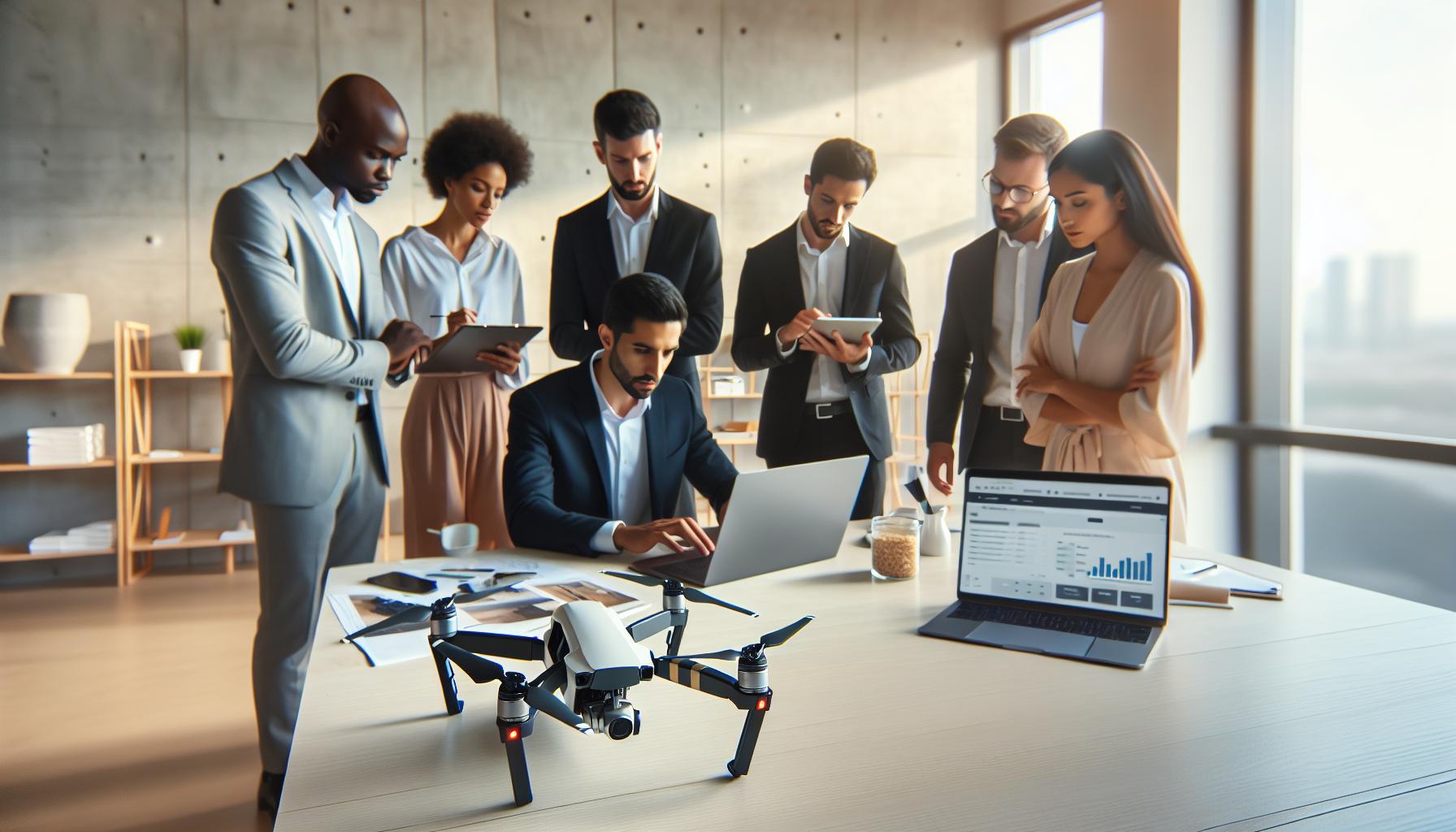
Determining the trade-in value of your DJI drone can be an intricate process that hinges on various factors. The first step is understanding that condition matters immensely; a well-kept drone with minimal wear and tear can fetch a significantly higher value than one that shows signs of physical damage. Inspect components such as the propellers, gimbal, and camera for any abnormalities, as they play a crucial role in overall functionality and market appeal. Additionally, don’t overlook that original packaging, accessories, and documentation can enhance value, indicating to prospective buyers that the drone was cared for.
Another critical factor is the model and age of your drone. Newer models typically retain their value longer due to better technology, enhanced features, and increased demand. Comparing similar models on resale platforms or trade-in websites gives a clearer picture of your drone’s market position. Be cautious, however, as prices can fluctuate based on market trends and recent product releases from DJI. As a general guide, check recent sales on platforms like eBay, Craigslist, or dedicated drone trading forums to gauge current value ranges.
Also, consider external software tools and resources to assist in value assessment. Some online calculators can estimate trade-in values based on condition, model, and included accessories. Incorporating data from these tools, coupled with firsthand market research, will allow you to set a realistic expectation for your drone’s trade-in value while ensuring you capitalize on every opportunity to maximize it. Always keep in mind that timing can also influence value; trading in shortly after a model has been released may yield better returns than waiting until it becomes obsolete.
Top Trade-In Programs for DJI Drones Explained
When considering the trade-in value of your DJI drone, it’s essential to understand the variety of trade-in programs available, as they can significantly impact your return on investment. Companies like DJI, Amazon, and Best Buy offer specific trade-in options designed to streamline the process, making it easier for users to upgrade their technology while receiving fair compensation for their older models.
DJI’s Trade-In Program
DJI itself provides a straightforward trade-in program through its website. Users can enter information about their current drone, including the model, condition, and included accessories, to receive an estimate of trade-in value. This program is particularly advantageous for customers looking to upgrade within the DJI ecosystem, as it often features promotions that increase the value of the trade-in when purchasing a new drone directly from DJI.
General Retailers’ Trade-In Options
Retail giants like Amazon and Best Buy also run trade-in programs, targeting tech enthusiasts across various categories, including drones. At Amazon, users can submit their devices for evaluation via the Amazon Trade-In page, and receive an Amazon gift card based on the assessed value, which can be applied toward their next purchase. Best Buy offers a similar program that allows customers to trade in their used devices, with cash or store credit options available. These platforms often have broad criteria for electronics, making them responsive to various drone models, even older ones.
Drone-Specific Resellers
In addition to manufacturer and retailer offerings, several online resellers specialize in drones and related equipment. Websites like B&H Photo Video and Adorama provide trade-in options that focus on drones. They frequently evaluate the condition of the drone meticulously and offer competitive prices either in cash or as store credit for future purchases. Using these sites can benefit users looking for more dedicated drone trade-in services and potentially higher values compared to generalist retailers.
When searching for the best program, it’s crucial to compare these options not only on the value offered but also on the convenience and speed of the process. Prospective traders should ensure that all conditions and specifications of their drone are accurately represented when obtaining quotes, as discrepancies can lead to lower-than-expected evaluations at the time of final inspection. By leveraging these diverse programs effectively, users can maximize the benefits of trading in their DJI drones and transition smoothly to newer models.
Maximizing Your Trade-In Value: Essential Tips

To maximize the trade-in value of your DJI drone, meticulous preparation and strategic planning are key. Many users are often surprised to find that the condition and presentation of their device can significantly influence the offered price. Presenting a well-maintained drone not only enhances its appeal but also instills confidence in potential buyers or evaluators. Start by performing a thorough cleaning of your drone, ensuring that all components-such as the camera lens, propellers, and body-are free of dust and grime. Consider replacing worn parts, such as propellers or battery, if they detract from the overall presentation.
Additionally, documenting the condition through high-quality images can bolster your trade-in offer. Capture clear photos of your drone from multiple angles and include close-ups of the camera and remote controller. This transparency can reassure evaluators about the drone’s present state, often leading to a more favorable assessment. Furthermore, compiling and presenting original packaging and accessories, like spare batteries and manuals, can add to the overall appeal and value. Many resellers appreciate a complete package, which can often translate into higher offers.
Another essential factor involves timing your trade-in. Drones often depreciate more slowly within certain time frames, particularly around new product launches or seasonal promotions. Keeping an eye on DJI’s release schedule or significant retail events can help you get more for your old device. If your model is still in-demand or has a strong resale market, this can also create opportunities for better offers at trade-in programs.
Lastly, don’t settle for the first offer you receive. Utilizing multiple trade-in programs-whether through DJI directly, big retailers like Amazon and Best Buy, or specialized drone resellers-can provide a wealth of pricing options. By comparing multiple evaluations, you can secure the best possible deal, ensuring you’re fully leveraging the value of your previous investment while upgrading your drone technology.
The Best Time to Trade in Your DJI Drone
The trading landscape for DJI drones is dynamic, and timing your trade-in can significantly impact the value you receive. One of the best times to consider trading in your drone is shortly after the release of a new model. When DJI announces a new drone, interest in older models can spike-people are looking to upgrade, and trade-in programs often offer more competitive pricing to attract those looking to make a switch. This is beneficial for you as a seller; the demand helps increase your drone’s perceived value.
Seasonal promotions and events are another ideal opportunity for trading in your DJI drone. Retailers often run buy-back programs with special incentives during holidays or major sale events, such as Black Friday or back-to-school sales. Timing your trade-in around these periods can result in additional bonuses, cash incentives, or even increased store credit, which means a better deal for you.
Moreover, monitoring the resale market trends is essential. If certain DJI models maintain popularity due to unique features or strong performance in specific niches, the demand remains high even outside launch windows. Using tools like online forums, resale sites, and market trend analysis, you can get a sense of when your drone model is in high demand. This insight can guide you to strike when the market is favorable, enhancing the value of your trade-in.
Lastly, if you notice your drone has recently undergone significant technological advancements or firmware updates that improve its performance, that can also be the perfect moment to trade it in. Educating yourself about when these updates are rolled out can help ensure you are capitalizing on the most advantageous timing possible. By staying informed and strategic, you can maximize your return on investment while upgrading to the latest DJI technology.
Understanding the Trade-In Process for DJI Drones
is crucial for anyone looking to upgrade their equipment while maximizing their investment. The landscape of drone trading can be intricate, but knowing what to expect can simplify the experience and help you make informed decisions.
To initiate the trade-in process, the first step is to choose a reputable program. Various retailers and specialized drone shops offer trade-in schemes, often highlighting their policies online. When evaluating where to trade in your drone, it’s important to carefully review each program’s criteria, including the types and conditions of drones they accept. For example, programs like Expert Drones and Dominion Drones provide structured buy-back schemes which can directly influence the value you receive. On average, trade-in values can range significantly, with some offering up to 50% of market value for certain DJI models, depending on their condition and age [1[1], [2[2].
Once you’ve selected a program, the next step involves evaluating your drone’s condition. Clean your drone thoroughly and check for any physical damage, malfunctioning components, or software issues. Programs often categorize drones into different condition tiers-such as “like new,” “good,” or “fair”-which can substantially impact your trade-in value. Being transparent about your drone’s condition when submitting it for trade-in is crucial; many programs will assess functionality and completeness, including whether original accessories (batteries, remotes, etc.) are included.
After you’ve submitted your drone, a thorough inspection by the retailer will usually follow. They may provide you with an offer based on their assessment. Be prepared to negotiate; understanding current market values for your specific model can give you leverage. Ultimately, upon accepting the offer, you can expect to receive payment in cash or store credit, depending on the terms of the trade-in program you chose.
In conclusion, a clear understanding of the steps involved in the trade-in process can empower you to make the most of upgrading your DJI drone while ensuring you receive a fair return on your original purchase. By staying informed and proactive, you can navigate this process with confidence.
Common Mistakes to Avoid When Trading In
When considering a trade-in for your DJI drone, avoiding common pitfalls can significantly enhance your experience and ensure you get the best value for your equipment. One of the most frequent mistakes is neglecting to conduct thorough research on the trade-in programs available. Not all programs are created equal; some may offer better value or more favorable terms than others. It’s essential to compare multiple options, paying attention to the specific models they accept, their condition requirements, and the types of compensation offered. For instance, programs like Expert Drones or D1 Store may have varying conditions that could impact the offers you receiveo-3x0X”>[2[2].
Another critical error is underestimating the importance of your drone’s condition. Many owners fail to adequately prepare their drones for trade-in, which can lead to lower offers. Ensure to clean your drone carefully, check for any minor repairs, and be honest about its working condition. Drones are often categorized into tiers like “like new,” “good,” or “fair,” and discrepancies can lead to a substantial drop in value. Including original accessories such as remotes and batteries can also improve your offer, as retailers consider a complete package more appealing.
Additionally, many people overlook the potential for negotiation after receiving a trade-in offer. Being well-informed about the current market value of your drone can bolster your position in these discussions. If you notice that your model is in high demand or still holds significant value, don’t hesitate to express this during negotiations. Being assertive can sometimes sway the retailer to offer a better deal than initially proposed.
Lastly, don’t forget about data privacy. Many users neglect to transfer or delete personal data before trading their drones, leaving themselves vulnerable to privacy breaches. Always ensure you reset your device and remove any personal information before handing it over. Following these guidelines will enable you to maximize your trade-in experience and get the best value possible for your DJI drone.
Comparing Trade-In Offers: Where to Get the Best Deal
When it comes to trading in your DJI drone, not all trade-in programs are created equal. Each retailer may offer different values, terms, and conditions that can significantly influence your trade-in experience. Therefore, assessing these details meticulously can help you find the best deal. It’s common for potential sellers to make hasty decisions out of convenience, but taking the time to compare offers can yield better financial results.
Start by identifying and researching several reputable trade-in programs. Some of the standout options include the D1 Store, which provides a simple trade-in process to acquire credit towards a new purchase, and Dominion Drones, known for offering up to 50% of the current market value for DJI products. Each program has its nuances; for instance, while D1 Store may focus on specific models, Dominion Drones offers competitive pricing for both DJI and other brands like Swellpro and QYSEA, potentially broadening your options.
To compare effectively, gather quotes from different sellers focusing on key aspects such as:
- Trade-in Value: Look at the assessed worth of your drone based on its model and condition.
- Condition Requirements: Ensure you understand how condition impacts value and what tier your drone falls into according to each program.
- Accessories Included: Retailers often value complete packages more favorably. Note how many accessories (like batteries and controllers) will enhance your offer.
- Turnaround Time: Some programs may process trades faster than others, which could be a deciding factor.
Once you have this information, create a simple comparison table to visualize your options. This can also serve as a discussion point when negotiating-if one retailer is offering a better price for your drone, use that to see if another program can match or exceed that offer. In a market where demand can fluctuate, being prepared with information can give you the leverage you need to secure the best deal on your trade-in.
Ultimately, the best strategy hinges on patience and thoroughness. Don’t feel pressured to commit immediately; take the time to find the most favorable terms for your drone. By carefully navigating different trade-in offers, you can transform your old DJI drone into a significant upgrade for your next aerial adventure.
Upgrading Your Equipment: When to Trade in Your Drone
Upgrading your drone equipment can be an exciting venture, particularly as technology rapidly evolves and new models hit the market with enhanced features. Knowing when to trade in your DJI drone is crucial-not just for capitalizing on its value, but also for ensuring you have the best tools to meet your aerial photography or videography needs.
Consider trading in your drone when it no longer meets your requirements or when newer models offer significant advancements that can enhance your work. For instance, if your current drone lacks essential features like advanced obstacle detection, better battery life, or high-resolution camera capabilities, it might be time to make the switch. Upgrading to a newer model can vastly improve your shooting quality, range of features, and overall flying experience. Also, keep an eye on trends in drone technology; with each new release, older models may depreciate faster, so timing your trade-in right can help maximize your return.
Another important factor to consider is the state of your drone. If your drone is showing signs of wear and tear or has technical issues, it’s often better to trade it in before those issues become more pronounced. Many trade-in programs assess the drone’s condition and can offer better value for well-maintained units. Additionally, if you spot a promotional trade-in offer or a seasonal campaign, such as during major sales events or around product launches, this could be a golden opportunity to upgrade while maximizing your drone’s trade-in value.
Finally, understanding your personal needs and goals for flying can guide your decision. If you’re a professional needing the latest technology for high-stakes projects, the right moment to upgrade may arise sooner než if you’re a casual hobbyist. Assess your use case and remain aware of when your equipment can enable you to push your creative boundaries further-all these factors contribute to determining the ideal moment for an effective upgrade.
Tips for Preparing Your DJI Drone for Trade-In
Preparing your DJI drone for trade-in can significantly enhance its resale value and ensure a smooth transition to a new model. By taking a few simple steps, you can maximize your drone’s condition and appeal to potential buyers or trade-in programs.
First, thoroughly clean your drone. Dust, grime, and even fingerprints can detract from its perceived value. Use a soft, lint-free cloth to wipe down the body and propellers, and ensure that any camera lenses are free from smudges or dust. It’s not just about appearance; a clean drone signals to potential buyers that it has been well cared for.
Next, conduct a functional check to ensure everything is working correctly. Test essential features like battery performance, camera function, and obstacle avoidance systems. If you notice any issues, consider addressing them prior to trade-in, as this can often lead to a higher offer. If repairs are costly, weigh the benefits of fixing the issues against their potential impact on your trade-in value.
Data Management
Before handing over your drone, it’s vital to remove personal data. Connect your drone to your device and transfer any necessary files you wish to keep. After backing up your data, perform a factory reset through the DJI app to erase all personal information and settings. This step not only protects your privacy but also means the new owner can start fresh without your previous configurations and data.
Documentation and Accessories
Gather all related documentation and accessories that originally came with your drone. This includes the original box, manuals, carrying cases, extra propellers, and any other accessories. Having these on hand can make your drone more appealing to buyers or trade-in programs, as it suggests completeness and care.
By following these guidelines, you’ll turn your trade-in experience into a rewarding transaction, optimizing what you receive and setting the stage for your next flight with a new drone model.
How to Transfer Data and Remove Personal Information
Transferring data and removing personal information from your DJI drone is a crucial part of the trade-in preparation process. Not only does it protect your privacy, but it also ensures that the new owner can start fresh without your personal configurations. Before you hand over your drone, follow these steps to securely manage your files and information.
Start by connecting your drone to your preferred device using the DJI app or a computer. Navigate through the interface to access your stored files, such as photos, videos, and flight logs. It’s a good practice to transfer any important files you want to keep to your personal storage. Ensure that you double-check the content you are transferring, as it can be easy to overlook files that matter to you.
Once you have backed up your data, initiate a factory reset of your drone. This process varies slightly based on the model, but generally, you can find the option in the settings section of the DJI app. Choose the factory reset option and confirm your decision. This action will erase all personal settings, stored images, flight logs, and any associated data from your drone, restoring it to its original state.
Additionally, it’s wise to remove the drone from your DJI account. Log into your account through the app or website and unlink the drone to ensure that your information is completely detached. By doing so, you prevent the new owner from accessing any of your account data or flight history, adding an additional layer of privacy protection.
In summary, properly managing your data before trading in your DJI drone involves backing up essential files, performing a factory reset, and unlinking the drone from your account. Taking these steps not only secures your personal information but also enhances the drone’s appeal to potential buyers, increasing the likelihood of a smooth transaction and maximizing your trade-in value.
Considerations When Trading for a New Model
When considering a trade-in for a new DJI drone model, it’s crucial to weigh various factors that can affect both the value of your current drone and your satisfaction with the new purchase. The landscape of drone technology is ever-evolving, with frequent updates and new releases introducing advanced features, improved flight performance, and enhanced safety measures. Thus, understanding when and why to upgrade can significantly shape your decision.
First and foremost, evaluate your current drone’s capabilities against what the newer models offer. Take note of advancements in camera technology, such as higher resolutions, improved low-light performance, better stabilization systems, and features like obstacle avoidance and tracking. If your current drone lacks certain features that you find essential for your intended usage, this could be a valid reason to pursue a trade-in. For instance, if you are transitioning from hobby flying to professional photography or videography, upgrading to a model like the DJI Mavic 3 could elevate your work due to its exceptional imaging capabilities and extended flight time.
Another consideration is your current equipment’s overall condition. Drones that are in good repair typically fetch better trade-in values. Prior to trading in, assess the physical and operational state of your drone. Has it suffered any crashes? Are the propellers and battery in good working order? Clean and inspect the device to ensure it’s functioning optimally, as a well-maintained drone can lead to a more favorable trade-in offer. Consider investing in minor repairs or clean-ups before approaching trade-in programs, which can maximize the value you receive.
Moreover, timing your trade-in can also enhance your benefits. Keep an eye on new model releases or major updates from DJI. If a new model is announced, the value of your current drone may decrease as the market shifts. Conversely, waiting for the end of a product cycle can sometimes yield higher offers, as trade-in programs often look to incentivize sales during promotional periods.
Lastly, familiarize yourself with various trade-in programs and their terms. Upgrading through authorized DJI dealers or recognized retailers may provide additional advantages, such as guaranteed trade-in values or bundle deals on new purchases. Thoroughly research and compare offers to ensure you receive the best deal possible. By approaching your trade-in with a strategic mindset, you can enhance your value and continue your drone journey with cutting-edge technology.
Customizing Your New DJI Drone: Top Features to Explore
Investing in a new DJI drone opens up a world of customization options, allowing you to tailor your aerial experience to your specific needs and preferences. When upgrading, it’s essential to explore the unique features that each model offers to optimize your drone’s performance and empower your creativity. Whether you’re a hobbyist or a professional, understanding how to leverage these features can significantly enhance your flying experience.
One of the most exciting aspects of modern DJI drones is their advanced camera systems. The latest models, like the DJI Mavic 3, come equipped with dual cameras that allow for stunning 4/3 CMOS resolution and Hasselblad color technology, providing exceptionally high-quality images and videos. You can customize various shooting modes, such as HDR video or hyper-lapse, to suit different filming conditions and creative intentions. Additionally, many drones offer adjustable gimbal settings to ensure stability during flight, enabling you to capture serene landscapes or fast-paced action shots without compromising quality.
Another key area for customization is flight modes and controls. DJI drones typically feature several intelligent flight modes, such as ActiveTrack, QuickShots, and Point of Interest. By understanding and utilizing these modes, you can create complex cinematic shots with minimal effort. For instance, ActiveTrack allows your drone to autonomously follow a moving subject, making it easier to film outdoor activities or sports without needing to manually control the drone’s flight path. Furthermore, adjusting the control sensitivity settings in the DJI Fly app can enhance your piloting experience, making it more responsive to your flying style.
Enhancing Safety and Performance
Safety is paramount in drone operation, and many DJI models incorporate features that can be customized to fit your flying environment. Adjusting obstacle avoidance settings or customizing return-to-home (RTH) altitude can help manage risks when flying in complex terrains. Furthermore, enabling features like DJI’s AirSense or geofencing notifies you of nearby aircraft and applicable no-fly zones, enhancing situational awareness.
To make the most of your new DJI drone, consider utilizing compatible accessories. Upgrading your memory card to a high-capacity, high-speed option can enhance video recording capabilities, especially when shooting in 4K resolution. Using ND filters can improve your image quality by reducing glare and allowing for better exposure settings in bright conditions. Additionally, investing in high-capacity batteries provides longer flight times, enabling you to capture more footage in a single outing.
By exploring the extensive customization options available on your new DJI drone, you can elevate your flying experience and capture jaw-dropping visuals tailored to your artistic vision or professional needs. Knowing how to maximize these features not only enhances your creativity but also supports safety, ultimately leading to more successful and enjoyable flights.
Q&A
Q: What is the best way to prepare my DJI drone for trade-in?
A: To prepare your DJI drone for trade-in, clean it thoroughly, check for any damage, and ensure it’s functioning properly. Remove personal data by resetting it to factory settings and removing accessories that are not included in the trade-in. This boosts its appeal and potential value.
Q: How does the trade-in process for a DJI drone work?
A: The trade-in process for a DJI drone typically involves evaluating your drone’s condition, getting a quote from a trade-in program, and then sending your drone to complete the transaction. Following up with the program’s requirements ensures a smooth trade-in process.
Q: What factors affect the trade-in value of my DJI drone?
A: The trade-in value of your DJI drone is influenced by its model, age, condition, included accessories, and overall market demand. Accurate assessments can be made based on these factors, so maintain your drone well to maximize its value.
Q: When is the best time to trade in my DJI drone?
A: The best time to trade in your DJI drone is when new models are released or just before major sales events. This timing often yields higher trade-in values and allows you to upgrade to the latest technology at a reasonable cost.
Q: Are there specific programs that offer better trade-in values for DJI drones?
A: Yes, many retailers and online platforms specialize in drone trade-ins, like DJI’s own trade-in program and popular electronics retailers. It’s crucial to compare offers and choose a program that maximizes your drone’s value based on its condition and age.
Q: How can I maximize the trade-in value of my DJI drone?
A: To maximize your DJI drone’s trade-in value, keep it in excellent condition, include original packaging, and provide all accessories. Researching market prices and timing your trade during peak demand will also help you secure a better offer.
Q: What should I do if my DJI drone is damaged?
A: If your DJI drone is damaged, it’s essential to get it repaired before trading it in, as this can significantly affect its value. Evaluate repair costs against potential trade-in value increases to decide if repairing is worthwhile.
Q: Can I trade in my DJI drone if I no longer have the original packaging?
A: Yes, you can still trade in your DJI drone without the original packaging. However, including it can improve the drone’s appeal and potentially increase its trade-in value, so consider keeping it for future upgrades.
The Conclusion
Ready to elevate your drone experience? Trading in your old DJI drone is a smart move to get maximum value and stay up-to-date with the latest technology. Consider the various trade-in programs available, like DJI’s own Trade Up program, which can take the hassle out of upgrading while putting cash back in your pocket [1[1][2[2]. For more insights, check out our detailed guides on drone maintenance and the best practices for maximizing your drone’s resale value.
Don’t wait – your next-level flying experience is just a trade away! If you have concerns or questions about the process, drop them in the comments below, and explore our other resources on firmware updates and flight tips. Together, let’s ensure you make the most of your DJI journey. Happy flying!