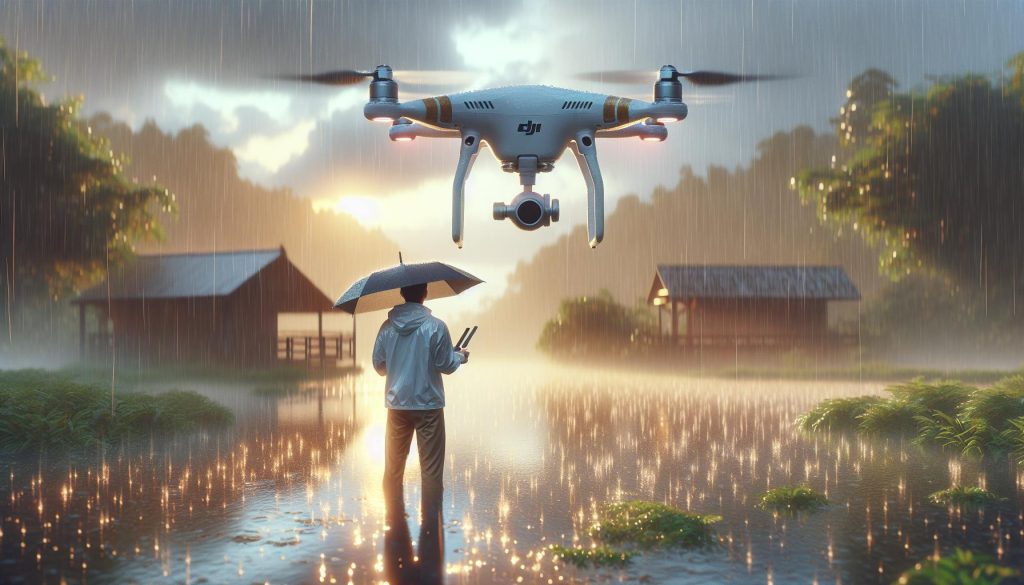
As a drone enthusiast or professional, you might be tempted to take to the skies even when the weather isn’t perfect. But can you fly your DJI drone in light rain? Understanding the weather limits and protection measures for your drone is essential for safe and effective operation. A light drizzle can pose significant risks, not only to your equipment but also to the quality of your aerial footage. As you explore the nuances of flying in various weather conditions, you’ll uncover vital tips for protecting your drone and making informed decisions. Whether you’re capturing stunning landscapes or navigating complex environments, knowing how to manage your drone’s performance in less-than-ideal conditions is key to achieving your aerial photography and videography goals. Keep reading to discover what you need to know before taking off in the rain and how to maintain your drone’s longevity.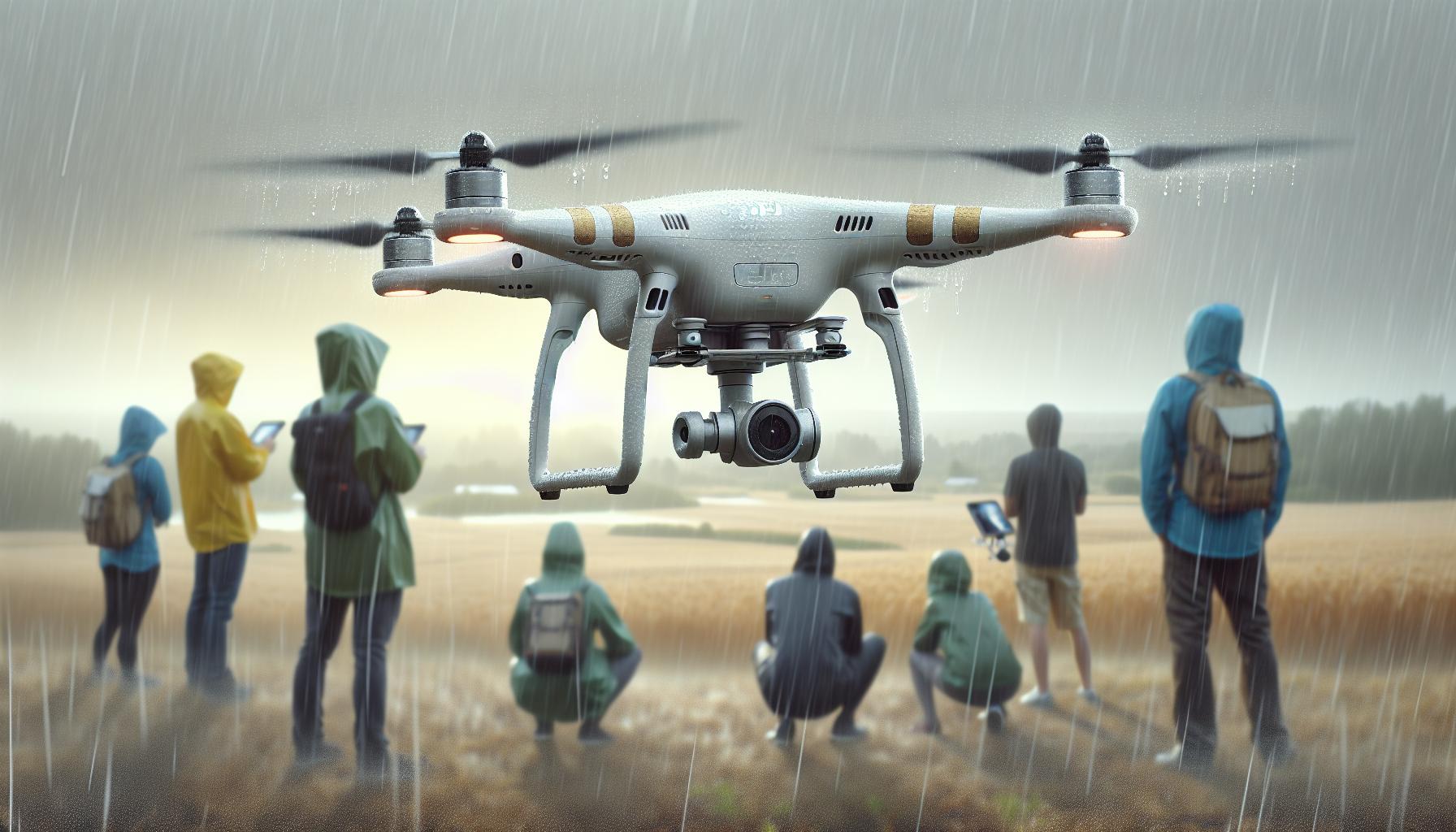
Understanding DJI Drone Weather Limitations
Even seasoned drone pilots can be caught off guard by inclement weather, especially when it comes to operating aircraft like DJI drones. When discussing the limitations imposed by weather, particularly light rain, it’s essential to recognize that the performance and safety of these drones can be significantly impacted. DJI drones vary in their water resistance, and while certain models are equipped to handle light moisture, most are not designed for prolonged exposure to water, which can affect electronics, battery life, and overall functionality.
Understanding the specific weather limitations of your DJI drone model is crucial. For instance, drones like the DJI Mavic 3 and the Phantom 4 series have some degree of weather resistance but are not waterproof. When faced with light rain, these drones may handle brief encounters without immediate adverse effects, but it’s vital to avoid flying directly in rain showers. Water can infiltrate sensors and the camera, potentially leading to impaired operation or permanent damage. Always consult the user manual or the manufacturer’s specifications to determine the weather resilience of your particular model.
Proper care and foresight can mitigate the risks associated with flying in rainy conditions. Keeping an eye on the weather forecast is key; apps offering real-time updates can provide crucial information on impending rain. If you do decide to fly during light rain, consider using protective gear, such as drone covers and gimbals with splash guards, to shield sensitive components. Remember, safety should always be your top priority; if conditions seem unfavorable, it’s best to postpone your flight. Ultimately, awareness and preparation can lead to a safe flying experience, even when facing less-than-ideal weather.
Is Light Rain Safe for DJI Drones?
Flying a DJI drone in light rain can be a tempting proposition for aerial enthusiasts wanting to capture unique shots during less than optimal weather conditions. However, the safety and efficacy of operating in these conditions largely depend on the specific model and its inherent design. Most DJI drones, such as the Mavic series and Phantom 4, boast some level of water resistance but are far from being waterproof. This means that while they might handle brief encounters with light rain, extended exposure can lead to serious issues, including performance degradation and potential damage to internal components.
When assessing if you can fly in light rain, it’s crucial to recognize how water interacts with drone electronics and mechanics. Water that infiltrates sensors, electronics, and battery compartments can compromise functionality, leading to erratic flight behavior or even complete failure. As noted by experts, it’s vital to avoid flying directly into rain showers, as this increases the risk of moisture getting into critical areas of the drone[1[1].
For pilots who choose to take their drones out in light rain, taking precautions is essential. Utilize protective accessories designed to shield sensitive components from moisture, such as covers or splash guards. Additionally, monitoring real-time weather forecasts can provide crucial data on changing conditions, allowing pilots to make informed decisions. Always consult your drone’s user manual to understand its limitations and recommended operating conditions. Ultimately, while light rain might not pose an immediate threat to certain models, prudent preparation and awareness of weather implications are key to ensuring a successful flight.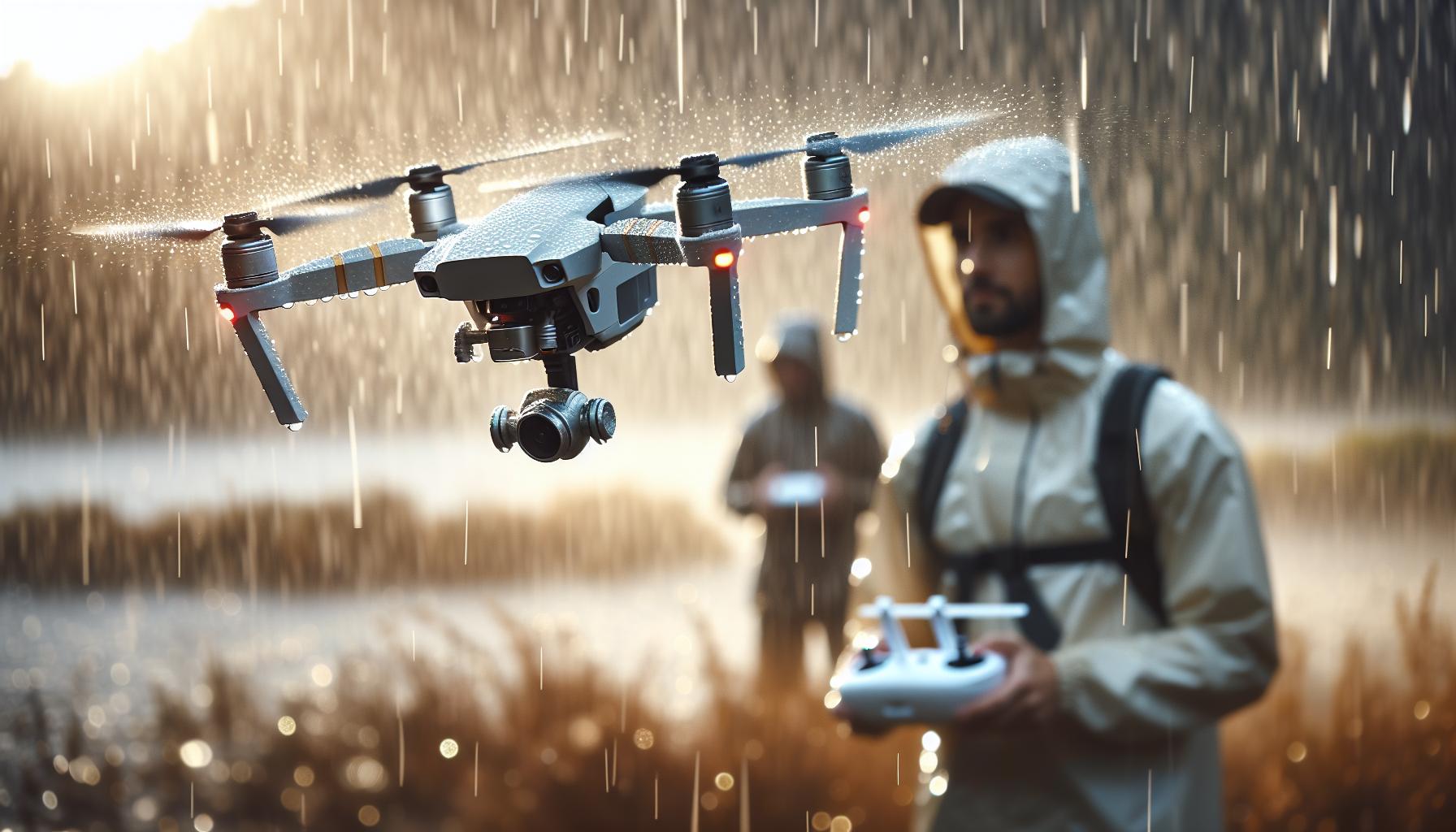
Impacts of Rain on Drone Performance
Flying a drone in the rain can seem enticing, especially when trying to capture those dramatic moody shots, but it’s crucial to understand how rain can impact a drone’s performance. Even a light drizzle can change the flight dynamics and operational efficiency of your UAV. Water intrusion into sensitive electronic components can lead to erratic behavior, compromised sensor functionality, and in severe cases, total system failure.
Drones rely heavily on their electronics for stable flight, navigation, and camera control. Moisture can infiltrate the drone’s motors, circuit boards, and battery compartments, causing short circuits and other malfunctions. For instance, the DJI Mavic series and Phantom drones, while offering some degree of water resistance, are not fully waterproof, meaning excess moisture can lead to significant issues. Users have reported experiences where light rain resulted in unexpected flight responses or even forced landings due to degraded battery performance or navigational errors.
Moreover, rain can affect more than just internal components. The drone’s aerodynamic performance can also be impacted. Wet conditions can lead to poor signal transmission between the drone and remote control because water can dampen radio signals. This interference can cause delays or give the pilot a false sense of security in terms of the drone’s operational range, increasing the risk of losing connection during flight.
In essence, while it may be tempting to capture the perfect rain-drenched shot, pilots must weigh the risks associated with flying in damp conditions. It’s not only about the immediate effect of the rain but also about the cumulative impact on the drone’s longevity and reliability. Understanding these factors is crucial to ensuring not only a successful flight but also the preservation of your equipment.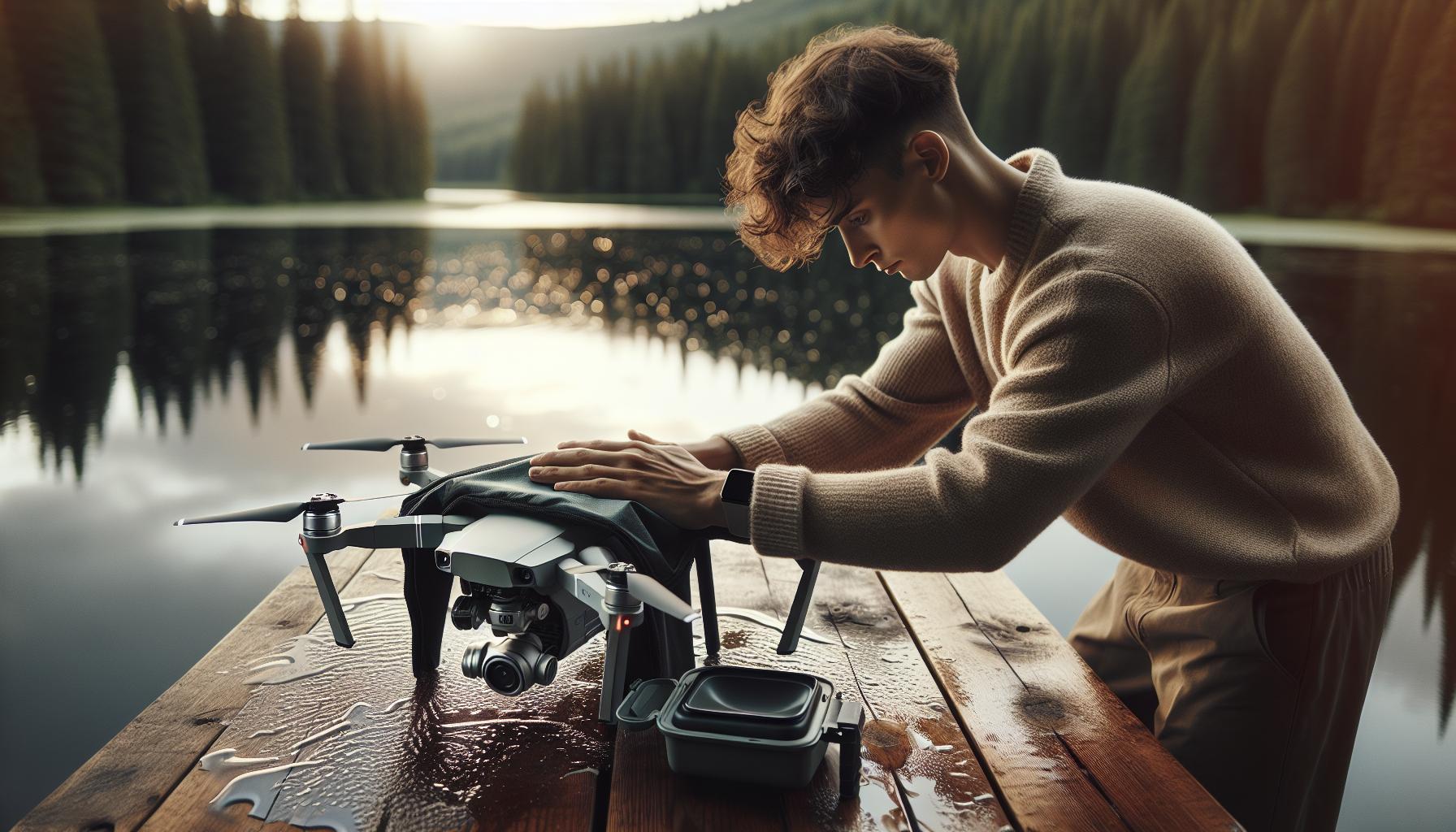
Protecting Your DJI Drone from Water Damage
Even the most advanced drones like those from DJI can be vulnerable to water damage if proper precautions are not taken. The risk intensifies when flying in light rain, which may seem manageable but can lead to significant operational issues. To ensure your DJI drone remains in top condition despite the unpredictable weather, it’s essential to implement protective measures that shield it from water intrusion.
One effective strategy is to invest in a quality waterproof or water-resistant case. This provides a secure barrier against moisture during operation and while storing the drone. Additionally, consider using waterproof silicone seals on vulnerable openings, such as those around the battery and camera compartment. These seals can offer an added layer of protection against water ingress, especially in less-than-ideal weather conditions.
For those who frequently fly in variable weather, drone skins or protective wraps can be helpful. These materials not only add a waterproof layer but also protect the drone’s surface from scratches and dings. A well-fitted propeller guard can also prevent water droplets from being flung into the electronics during flight, further minimizing the risk of damage.
Lastly, pre-flight preparations could include checking weather forecasts to avoid flying in anticipated rain. If conditions change unexpectedly, it’s best to land the drone immediately to prevent damage. After every flight, especially in damp conditions, perform a thorough inspection of the drone, paying particular attention to the motors, battery compartment, and camera gimbal for signs of moisture. By adopting these proactive measures, you can enhance the resilience and longevity of your DJI drone in the face of uncertain weather.
Tips for Flying in Light Rain Conditions
Flying a DJI drone in light rain can be enticing, especially when trying to capture stunning visuals during dynamic weather conditions. However, safety and equipment integrity must remain at the forefront of such endeavors. Understanding how to navigate these conditions effectively can make the difference between a successful flight and potential damage to your drone.
Firstly, pre-flight preparation is crucial. Before launching, check the local weather forecast for any changes that might indicate worsening conditions. Even light rain can lead to unexpected challenges such as decreased visibility and increased wind gusts, which can affect flight stability. If you decide to fly, ensure your drone’s firmware is up to date, as these updates often include improvements related to flight performance in adverse conditions.
When it comes to operational tactics, employ a cautious flying style. Keep your drone close and at a lower altitude to maintain better control, allowing for quick maneuvers if needed. Additionally, refrain from making aggressive turns or fast movements; gentle control inputs will help minimize water spray from the props getting into sensitive electronics. Utilize flight modes that suit less stable conditions, like “Tripod Mode” on DJI drones, which limits speed and enhances stability.
Lastly, consider investing in protective gear specifically designed for light rain scenarios. A well-fitted propeller guard can shield against water droplets being flung into the main body, while protective wraps can further guard the drone’s surface. Always carry a microfiber cloth to wipe down the drone and camera after flight, removing any moisture that may have accumulated. By adopting these proactive tips, you can successfully navigate flying your DJI drone in light rain while minimizing risks associated with moisture exposure.
Weather Forecasting: How to Plan Your Flight
Planning a successful drone flight requires more than just checking your equipment; understanding the weather is crucial, especially when considering the potential for light rain. It’s important to remember that weather can change rapidly, and even a slight drizzle can pose challenges. Before heading out, utilize reliable weather apps or services that provide real-time updates and radar imagery. This way, you can monitor any incoming precipitation and adjust your flight plans accordingly.
When forecasting for rain, pay attention to specific factors such as humidity, temperature, and wind conditions. High humidity may indicate that rain is imminent, and strong winds can cause erratic drone behavior, especially when combined with wet conditions. Look for detailed forecasts that not only indicate the likelihood of precipitation but also describe the intensity and duration. If possible, try to fly during periods with forecasted clear spells between rain showers to maximize safety and visibility.
It’s also beneficial to develop a good understanding of your local climate patterns. Familiarize yourself with typical rainy seasons or frequent weather systems that may impact your flying area. For instance, if you live in a region known for sudden thunderstorms, it’s wise to build a buffer in your planning to account for potential downtimes. Keeping an eye on localized weather alerts can also help you stay informed about sudden changes in conditions that could affect your flight safety.
Lastly, consider setting up a pre-flight checklist that incorporates weather assessment as a key component. This could include checking the forecast not just on the day of flying but also a day or two prior, allowing you to better anticipate conditions. Having this systematic approach ensures you are not only prepared for light rain but can confidently adjust your plans based on the latest weather insights, fostering a safer and more enjoyable flying experience.
Comparing DJI Drones: Which Models Handle Rain?
When considering the impact of light rain on DJI drones, it’s essential to recognize that different models come with varying degrees of water resistance. Water resistance is generally categorized by an Ingress Protection (IP) rating, which indicates how well the drone can withstand dust and water. Drones in the DJI lineup, such as the Mavic series and Air series, offer different levels of protection against moisture, which can be crucial for users who may encounter unexpected weather during flights.
Models like the DJI Mavic 2 Pro and Mavic Air 2 are designed with a moderate level of water resistance. Although they are not fully waterproof, they can handle light moisture and drizzle under specific flying conditions. These drones have been built with protective seals that help defend internal components against water, but exposure to consistent rain or immersion in water can lead to damage. Conversely, the Phantom series, particularly the Phantom 4 RTK, is more rugged and has been noted for better resilience against environmental factors, making it a good choice for professional work in less-than-ideal conditions.
In terms of practical usage, it’s also critical to consider how your flying style and environment affect performance in rain. Lightweight models, such as the DJI Mini 2, can suffer from gusty winds and typical rain due to their less robust frame and electronics. Increased wind resistance can amplify water effects, leading to impaired functionality and potential safety hazards. On the other hand, models equipped with advanced stabilization systems fare better in light rain conditions as they can maintain steadiness even in windier conditions.
Before launching into a soak, pilots should always check their drone’s specifications and review user experiences to gauge how well a chosen model performs in wet weather. Many experienced users have shared practical insights, noting the importance of avoiding puddles, water collectives, and heavy mist while flying, regardless of drone capabilities. Ultimately, understanding the specific water resistance capabilities and performance characteristics of each DJI model can significantly enhance flying safety and enjoyment in light rain conditions.
Legal Considerations for Flying in Adverse Weather
Flying a DJI drone in adverse weather conditions, such as light rain, involves several legal considerations that pilots must keep in mind to ensure compliance with aviation regulations and local laws. While many may assume that flying in light rain is permissible due to the drone’s water resistance capabilities, the reality is that legal frameworks typically do not account for weather conditions directly but instead focus on broader safety and operational regulations.
The Federal Aviation Administration (FAA) in the United States, alongside similar authorities globally, emphasizes flying under Visual Line of Sight (VLOS) and maintaining control of the drone at all times. In rainy weather, visibility can deteriorate rapidly, which can impede the pilot’s ability to adhere to VLOS requirements, potentially leading to legal repercussions. Consequently, if visibility declines to the point where you can no longer see your drone clearly, it’s advisable to refrain from flying, as this could not only breach safety regulations but can also expose the operator to fines or penalties.
Additionally, pilots must consider whether they are operating in areas that have specific restrictions regarding weather conditions. For example, certain jurisdictions may have regulations that prohibit flight during adverse weather for safety reasons. Always check local laws, as restrictions can vary significantly between different regions and may include specific guidelines about flying in rain or near bodies of water.
It is also crucial to understand the implications of insurance coverage when flying in adverse conditions. Some insurance policies may not cover incidents that occur during non-compliant flying, such as operating a drone beyond visual line of sight or in weather conditions deemed unsafe. Review your insurance policy carefully before taking your drone out into the rain, to ensure you are protected in case of an accident or damage to equipment.
In summary, while the temptation to continue flying in light rain exists, it is essential to familiarize yourself with relevant aviation laws and local regulations, maintain visibility and control of your drone, and understand your insurance policy to ensure you operate safely and legally.
Essential Accessories for Rainy Day Flights
Flying a DJI drone in rainy conditions can be a daunting prospect, especially considering the potential for water damage and compromised flight performance. However, with the right accessories, you can enhance your drone’s resilience against the elements and ensure a more successful operation during light rain. The following essential accessories are designed to protect your equipment and improve your flying experience on rainy days.
Waterproof Cases
A waterproof case is crucial for protecting your drone when not in use-whether it’s stored between flights or during transport. Look for cases specifically designed for your model, such as the DJI Mavic series. These cases often come with foam padding to securely hold your drone and accessories while preventing water ingress. Investing in a quality waterproof case not only shields your drone from rain but also from potential impacts.
Rain Covers
When flying in light rain, a drone rain cover can serve as an effective line of defense. These covers wrap around your drone, providing a waterproof barrier while allowing normal operational functionality. Many drone-specific rain covers come with adjustable straps for secure fitting and can be easily removed once the rain passes. They are particularly useful for protecting sensitive components such as gimbals and cameras.
Landing Pads
Using a collapsible, waterproof landing pad can minimize the contact your drone has with wet surfaces, reducing the chance of water damage during takeoff and landing. A landing pad that is 36 inches wide is suitable for most DJI drones, providing a stable and dry platform even in light rain or wet grass. This not only protects the drone but also gives you a clear reference point, ensuring precision during these critical flight phases.
Lens Filters
Rain can create challenges for capturing high-quality footage due to lens distortion caused by water droplets. Utilizing polarizing or ND filters can help mitigate some of these effects by reducing glare and maximizing image clarity while filming in overcast conditions. These filters are particularly beneficial during post-rain scenes, where lighting conditions may vary.
Battery Management
When operating in wet conditions, having additional batteries ready is vital, as cold and damp environments can drain lithium polymer (LiPo) batteries more quickly than normal. Consider insulated battery bags that not only keep batteries warm but also protect against moisture. Always ensure your batteries are dry before charging or storing them after a wet flight.
In conclusion, while flying your DJI drone in light rain presents unique challenges, the right accessories can significantly enhance safety and performance. By equipping yourself with waterproof cases, rain covers, landing pads, lens filters, and effective battery management solutions, you can enjoy a successful flying experience even under less-than-ideal weather conditions.
User Experiences: Flying DJI Drones in Rain
Flying a DJI drone in light rain can sometimes feel like navigating a tightrope. Many experienced pilots have shared their stories-both triumphs and tribulations-when it comes to operating drones in less-than-ideal weather. Those who have braved the rain emphasize that preparation is key. For instance, a user recounts successfully navigating through a drizzle with a set of quality waterproof accessories, including a custom rain cover for their Mavic Air 2. This allowed them to focus on capturing the mesmerizing storm clouds rolling in, rather than worrying about water damage.
However, not all experiences have been so seamless. Some pilots have voiced their concerns about the performance drops associated with rain. One drone enthusiast mentioned how the drone’s sensors sometimes struggled with reading the environment accurately in wet conditions, particularly when raindrops interrupted the camera lens mid-flight. To counteract this, many recommend using lens filters that enhance image clarity even in overcast weather. Regular adjustments before takeoff can also help mitigate these issues, allowing for smoother operation and better visuals, even amidst light rain.
Many in the community agree that scouting the flying location beforehand is crucial. The ones who had the best outcomes were those who checked weather forecasts and prepared for potential downpours. Some used handheld anemometers to ensure wind speeds were manageable, which directly correlates to how well the drone handles rain. Strategically planning flight paths away from trees or other potential water sources and opting for takeoff sites with better drainage can also prevent unwanted mishaps.
Ultimately, the consensus is that flying a DJI drone in light rain can be done successfully, as long as pilots approach it with caution and smart preparation. Utilizing the right protective gear and being mindful of the environmental factors can lead to both stunning aerial photos and satisfying flight experiences, regardless of the weather.
Maintenance Tips: Keeping Your Drone in Top Shape
Maintaining your DJI drone is crucial, especially when considering the potential challenges that come with flying in light rain. Regular upkeep not only extends the life of your drone but also ensures it performs at its best under varying weather conditions. One of the first steps in drone maintenance is to keep it clean; dirt and debris can impair the sensors and camera. Wipe down the drone body, propellers, and lenses with a soft, lint-free cloth after each flight. This is particularly important after flying in moist environments, as water can attract dirt and lead to corrosion over time.
Firmware Updates: Always keep your drone’s firmware up to date. Manufacturers like DJI regularly release updates that not only enhance functionality but also include fixes for known issues, improving your drone’s ability to handle adverse weather conditions. You can easily update firmware via the app before you fly your drone.
Pre-Flight Checks: Develop a routine pre-flight checklist that includes validating battery charge, ensuring that all components are working correctly, and checking for any physical damage. Pay special attention to the gimbal and propellers; even minor nicks can compromise performance. If you’re flying in light rain, be extra cautious to ensure that moisture hasn’t seeped into joints or electrical components.
Storage Solutions: When not in use, store your drone in a dry, safe environment. Invest in a padded, waterproof backpack or case to protect your drone during transport. For pilots who frequently fly in variable weather, consider using a silica gel pack in your storage case to absorb excess moisture, further protecting your drone’s internal components.
With the right maintenance techniques, drone owners can feel confident even when the skies aren’t clear. Proper upkeep goes beyond basic cleaning and encompasses preparation, regular updates, and strategic storage, all essential for ensuring your DJI drone is ready to face the elements.
Faq
Q: Can I fly my DJI drone during a light rain?
A: While some DJI drones can handle light rain, it’s best to avoid flying in such conditions. Drones that are not specifically rated for water resistance can suffer from performance issues or damage. Always check your drone’s specifications and consider weather conditions before flying.
Q: How does rain affect drone flight performance?
A: Rain can affect a drone’s weight, battery life, and electronics. Even light moisture may cause sensitive components to malfunction, potentially leading to a crash. Always prioritize safety by monitoring weather conditions closely when flying your drone.
Q: Which DJI drones are water-resistant?
A: The DJI M300 RTK is notable for its IP45 rating, making it one of the most weather-resistant models. It can handle light rain and moisture better than consumer-grade drones, but caution is still advised. Check your specific model’s specifications for water resistance capabilities.
Q: What precautions should I take when flying a drone in light rain?
A: If flying is necessary, ensure your drone is modified for better water resistance, use rain covers, and keep flights short. Monitor battery levels closely, and check for moisture before and after flights to prevent damage.
Q: How can I protect my drone from water damage?
A: Protect your drone by applying water-resistant coatings, using covers, and avoiding low-altitude flights over water. Regular maintenance, including checking seals and compartments for moisture, can also help prolong your drone’s lifespan during adverse weather.
Q: What should I do if my drone gets wet?
A: If your drone gets wet, power it off immediately and remove the battery. Let it dry completely in a warm, dry place for several days before attempting to turn it back on. Avoid using heat sources like hair dryers, as they could damage components.
Q: Are there legal restrictions on flying drones in rain?
A: There are generally no specific legal restrictions solely based on weather conditions like rain, but pilots must adhere to safety regulations and guidelines. Always ensure the drone is operable and safe, regardless of the weather, to comply with aviation laws.
Q: Will flying in light rain void my drone warranty?
A: Most manufacturers, including DJI, specify that operating drones in conditions not deemed safe or within recommended guidelines can void warranties. Always check the warranty terms regarding adverse weather conditions before flying.
For more tips and detailed guidance on flying your DJI drone in varying weather conditions, explore our sections on “Protecting Your DJI Drone from Water Damage” and “Tips for Flying in Light Rain Conditions.”
The Way Forward
As you consider whether to fly your DJI drone in light rain, remember that while many models are designed with some water resistance, it’s crucial to stay informed about their limitations. Always prioritize safety and the integrity of your drone to ensure a successful flight. Interested in exploring more about maintaining your drone investments? Check out our detailed guides on drone care and legal compliance, or dive into our reviews of the latest DJI models for the best features suited to your flying needs.
Don’t let weather worries hold you back! Stay up to date with our latest tips and tutorials by signing up for our newsletter. Join the community of drone enthusiasts who are eager to learn and improve their flying skills. Already ready to fly? Explore accessories that can enhance your experience in diverse weather conditions. Your next adventure awaits-fly smart and keep those skies clear!