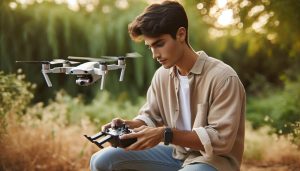
Traveling with your DJI drone from the US to India can be an exciting prospect, but it comes with its unique set of challenges and regulations that you must navigate. Did you know that understanding the local laws can make the difference between capturing stunning aerial footage and facing hefty fines? Whether you’re a seasoned drone enthusiast or a newbie eager to document your adventures, knowing how to comply with Indian regulations is crucial for a hassle-free experience. This article will guide you through the essential travel rules, ensuring you’re well-prepared to bring your drone along on your journey without any surprises. Get ready to explore the skies of India while keeping your flying experience safe and enjoyable!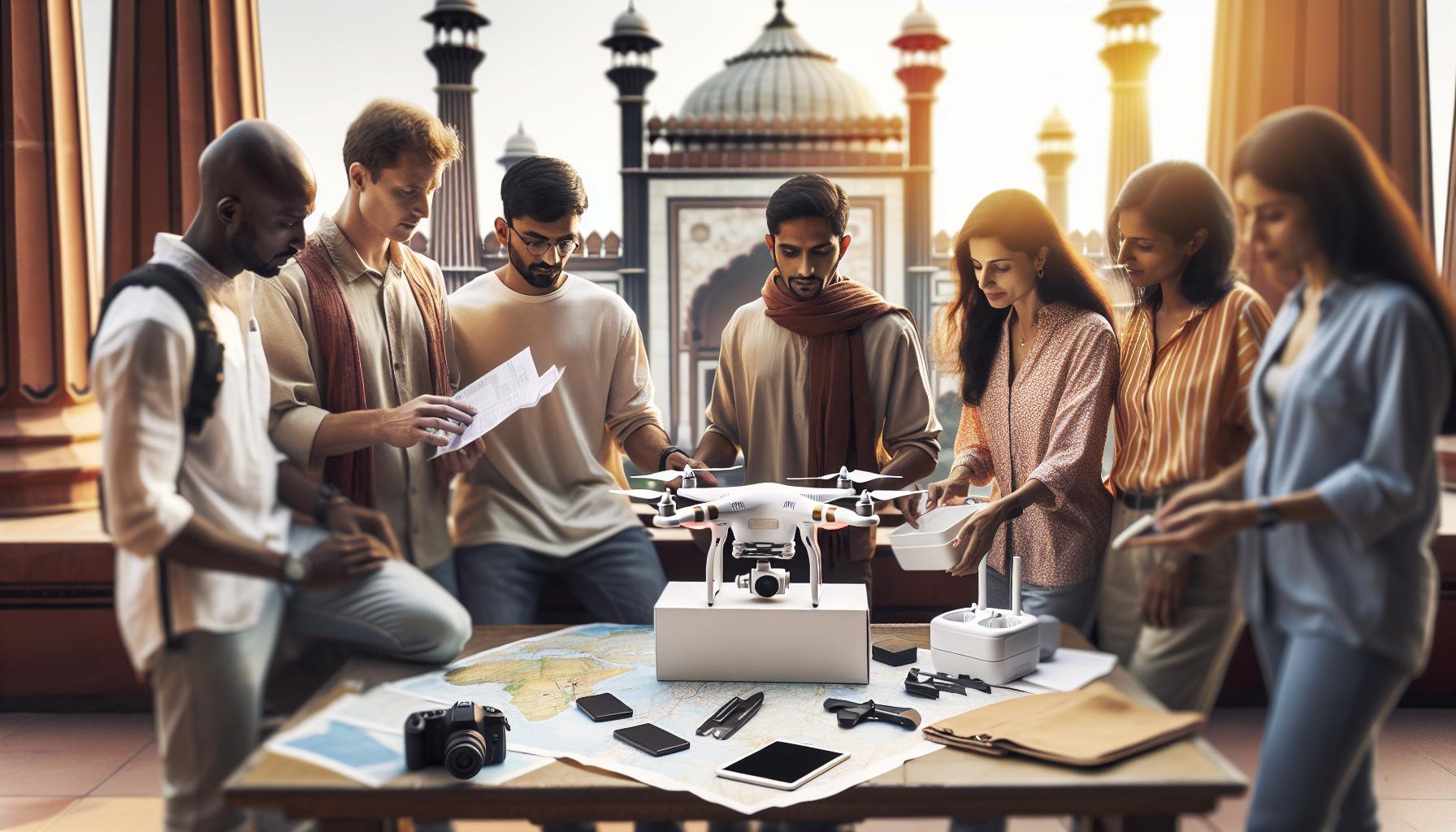
What You Need to Know About Bringing Drones to India
Traveling with your DJI drone to India can be an exhilarating prospect for photography enthusiasts and tech-savvy travelers alike. However, it’s essential to equip yourself with the right knowledge about the regulations, customs, and best practices to ensure a smooth experience. India has stringent laws surrounding drone usage, reflecting its emphasis on security and airspace management. Navigating these regulations will not only simplify your travel plans but also enhance your ability to capture vivid aerial imagery during your trip.
One of the first steps is understanding the regulatory framework governing drone operations in India. Drones in India are categorized based on weight, and each category comes with its own set of rules. For example, all drones weighing more than 250 grams need to be registered and meet specific operational guidelines outlined by the Directorate General of Civil Aviation (DGCA). Ensuring compliance with these regulations is crucial to avoid fines or confiscation of your equipment. Before you embark on your journey, familiarize yourself with the necessary permissions and applications for drone registration in India.
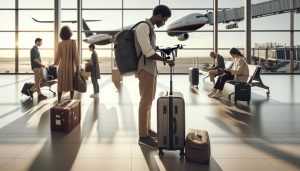
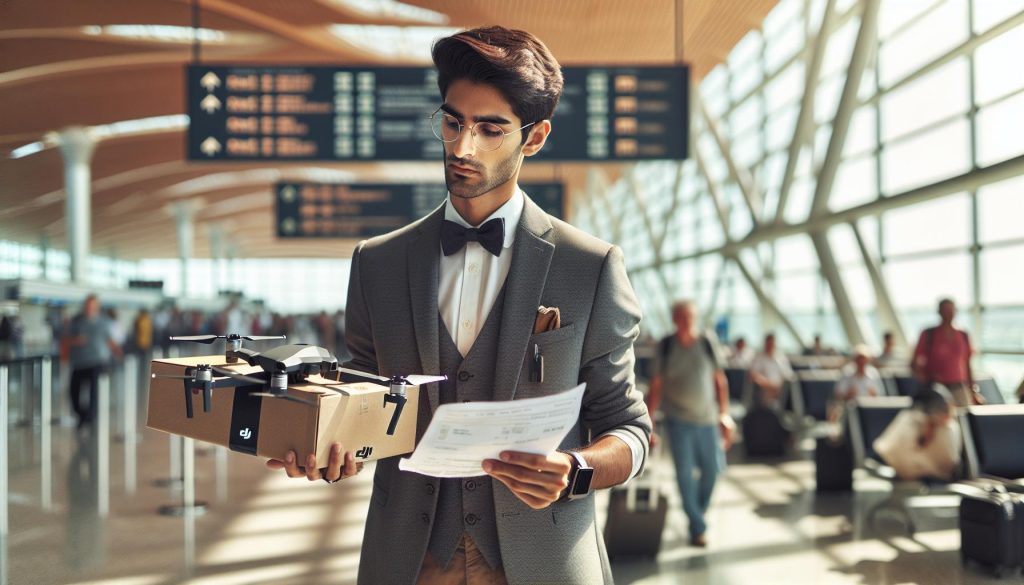
When packing for your trip, it’s wise to prepare your DJI drone to withstand the rigors of travel. Store it properly in a padded case to avoid damage during transit, and consider bringing extra batteries, as some airlines have restrictions on battery transport. Confirm with your airline about their specific policies regarding drone transport, as regulations may differ significantly. Presenting a well-documented plan that includes your drone’s model, weight, and intended flight operations will ease any concerns during customs checks.
Finally, while the stunning landscapes of India beckon drone operators, always prioritize safety and respect local communities. It’s important to be aware of no-fly zones such as near military installations, airports, and densely populated areas. Engaging with local drone communities online can provide invaluable insights and tips on flying safely and responsibly. By being well-prepared and informed, you can fully enjoy your aerial adventures, creating breathtaking memories against the culturally rich backdrop of India.
Understanding India’s Drone Regulations
Navigating the landscape of India’s drone regulations can feel overwhelming, but understanding the framework is crucial for both enjoyment and compliance. India has well-defined rules set forth by the Directorate General of Civil Aviation (DGCA) that govern the use of drones, ensuring safe integration into the country’s airspace. Before taking your DJI drone on your travel adventure, familiarize yourself with a few essential regulations.
First and foremost, drones in India are categorized by weight, which directly impacts the regulatory requirements. Drones that weigh less than 250 grams fall under minimal supervision, while those over 250 grams must undergo a registration process. This involves submitting specific documentation, including details about the drone and its intended use. Upon registration, pilots must also apply for the Unmanned Aircraft Operator Permit (UAOP) for commercial operations, which mandates a comprehensive understanding of operational guidelines, safety protocols, and airspace restrictions.
In addition to registration, obtaining the necessary approvals from governing authorities is vital. Always keep your registration and permit documents handy while flying; failure to present these when requested can result in significant fines or confiscation of your drone. Additionally, be aware of designated no-fly zones, which include areas near airports, military installations, and certain historical or sensitive locations. Engaging with local drone communities online or checking resources from the DGCA can help ensure that your planned flying locations are permissible.
Being well-versed in India’s drone regulations not only enhances your travel experience but also contributes to a responsible flying culture. This preparation can mean the difference between an exhilarating aerial photography journey and frustrating legal complications. Prioritize understanding these rules as you embark on capturing stunning vistas across India, ensuring your drone adventures contribute positively to the local environment and tourism landscape.
Steps to Prepare Your DJI Drone for Travel
Traveling with your DJI drone requires careful planning and preparation, especially when crossing international borders into a country like India, known for its specific regulations governing drone use. Ensuring your drone is travel-ready will help you avoid potential pitfalls and enable you to fully enjoy aerial photography in breathtaking landscapes.
Start by updating your firmware to the latest version. DJI frequently releases software updates that not only improve performance but also ensure compliance with regulations. Use the DJI Fly app to connect to your drone and follow the on-screen instructions to keep it up to date. Failure to update might lead to errors during flight or restrictions on features that could enhance your experience.
Next, package your drone securely. Use a dedicated drone case that offers ample protection against shocks and vibrations during travel. You should remove the propellers for added safety, and ensure your drone’s gimbal is locked. Many DJI cases have specialized compartments for accessories, batteries, and other gear, making travel more organized. Additionally, consider bringing carry-on your most critical equipment, such as the battery and controller, as checked luggage can sometimes be mishandled or lost.
It’s also crucial to charge and manage your battery properly. Lithium-polymer batteries, like those used in DJI drones, are subject to regulations when traveling by air. Airlines typically require that these batteries be carried in your hand luggage and that each battery’s capacity does not exceed specific watt-hour ratings. Check with your airline beforehand about their policies on drone batteries, as rules may vary. Remember to keep your batteries partially charged – around 30% is ideal – to comply with safety regulations while minimizing the risk of damage during travel.
Finally, take a moment to calibrate your gimbal and compass pre-flight upon arrival in India. Changes in location can impact how your drone perceives its environment, so recalibrating ensures that it maintains proper orientation and stability during flight. This is particularly important when flying in new places to avoid potential crashes or loss of control.
By taking these , you’ll not only safeguard your equipment but also lay the groundwork for a successful flying experience in India.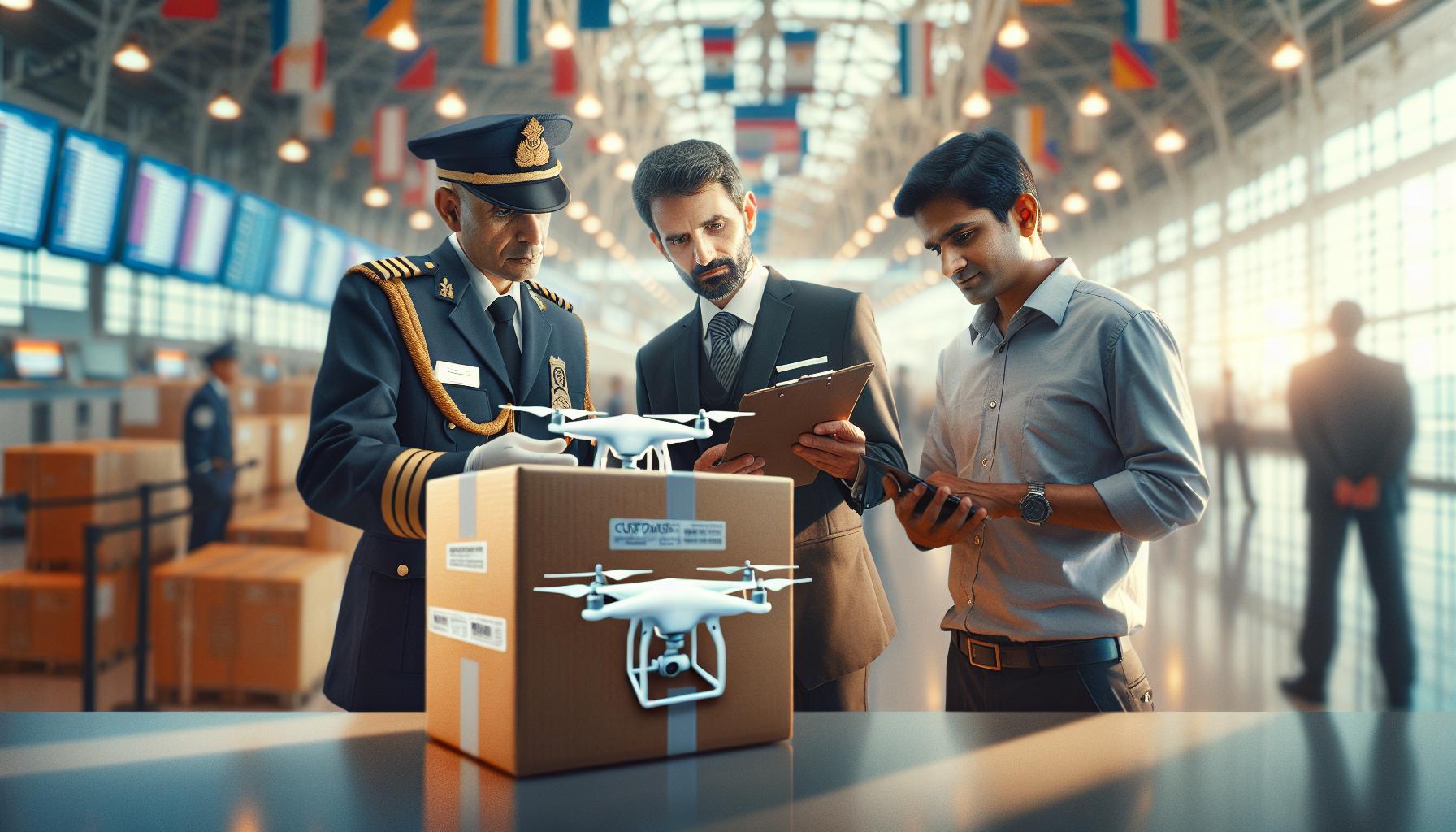
Customs Requirements for Importing Drones
Traveling with your DJI drone into India brings an exciting opportunity for stunning aerial photography, but navigating the can be a complex process. India has laid out specific regulations to ensure the safe use of drones within its borders. Understanding these customs requirements is critical for a smooth entry into the country.
When arriving in India, you must declare your drone and comply with import regulations laid out by the Directorate General of Civil Aviation (DGCA). This includes ensuring your drone has been registered with the Indian government if you plan to use it for commercial purposes. For personal use, you may still need to provide documentation proving ownership. It’s essential to keep your invoice or original purchase receipts handy, as these may be requested by customs officials.
Additionally, familiarize yourself with the import restrictions on drones via the Foreign Trade Policy of India. For instance, drones classified as “Unmanned Aerial Vehicles (UAVs)” with specific weight thresholds may attract additional scrutiny. If your drone weighs more than 2kg, it is advisable to carry all relevant documentation, including your registration details, flight permissions, and any other related certifications. Failure to declare your drone accurately can lead to substantial fines or confiscation of your equipment.
For a seamless experience, consider these practical steps:
- Research Regulations: Visit the DGCA’s official website before traveling to stay updated on any changes in regulations regarding drone imports.
- Customs Declaration: Clearly declare your drone on your customs form upon arrival and be prepared to demonstrate that you are compliant with Indian laws.
- Carry Necessary Documentation: Keep related documents organized and easily accessible to expedite the customs process.
- Be Aware of Import Duty: Some drones may be subject to customs duty, which varies based on the drone’s classification under Indian law.
By being proactive and informed about these customs requirements, you’ll not only ensure the safe entry of your drone into India but also set yourself up for a hassle-free flying experience in the beautiful landscapes awaiting you.
Drone Registration and Permissions in India
When planning to fly your DJI drone in India, understanding registration and permissions is paramount to ensure compliance with local laws and regulations. The Indian government mandates that all drones, especially those weighing more than 250 grams, must be registered with the Directorate General of Civil Aviation (DGCA) prior to usage. This registration process not only legitimizes your operation but also enhances safety by facilitating the tracking of drone activities.
To initiate the registration process, you will need to create an account on the Digital Sky Platform, which is the Indian government’s online interface for drone operations. Here’s how you can navigate the registration process:
- Account Creation: Start by signing up for an account on the Digital Sky Platform. You will need to provide basic personal details, including identification proof.
- Drone Details Submission: Once registered, submit your drone’s specifications, including its make, model, and serial number. This is crucial for identifying your drone within the regulatory framework.
- Document Upload: Prepare to upload various documents, such as the invoice of the drone, proof of ownership, and a government-issued ID. This documentation is essential for verification purposes.
- Approval Process: After submitting your details, the DGCA will process your application. Once approved, you will receive a Unique Authorization Number (UAN), which must be displayed on your drone.
Aside from registration, if you plan to use your drone for commercial purposes, you must obtain a Remote Pilot License. This involves undergoing training and passing an examination to ensure that you’re proficient in operating drones safely and effectively. For hobbyists, obtaining a license may not be necessary, but it’s recommended to review specific rules that govern recreational drone use, including any limitations on flying in certain zones like near airports or crowded areas.
Understanding local regulations extends beyond registration. Flying your drone in India requires adherence to airspace restrictions and no-fly zones, which are clearly marked on the Digital Sky Platform. Always check the latest updates and ensure you’re flying in permitted areas to avoid hefty fines or penalties.
In summary, the successful registration and operation of your DJI drone in India hinge on following the local regulations diligently. Preparation is key: ensure all necessary documentation is accessible, familiarize yourself with training requirements, and always stay updated with airspace restrictions. By doing so, you’ll not only safeguard your equipment but also contribute to the responsible use of drones within India’s diverse airspace.
Best Practices for Safe Drone Transportation
Transporting your DJI drone safely is crucial, especially when journeying across international borders such as from the US to India. A well-prepared approach not only protects your equipment from damage but also ensures compliance with regulations and airline policies, preventing potential travel headaches. By considering a few best practices, you can confidently carry your drone, ensuring it arrives in India ready for operation.
Proper Packing Techniques
One of the most essential aspects of transporting your drone is utilizing appropriate packing materials. When packing your DJI drone, always use a sturdy, padded carrying case specifically designed for your drone model. These cases help cushion the drone against drops and shocks during travel. Ensure that the propellers are either removed or securely fastened in a way that prevents them from moving around. Additionally, placing foam padding around delicate components-such as the gimbal and camera-can offer extra protection.
Charging and Battery Regulations
Batteries are a critical concern when traveling with drones. Most airlines have strict regulations on transporting lithium polymer (LiPo) batteries due to their flammable nature. Generally, you should keep the battery in your carry-on luggage rather than checked baggage. Here are a few tips:
- Discharge Batteries: Before traveling, discharge your batteries to about 30-50% of their capacity, as many airlines require this for safe transport.
- Use Battery Cases: Invest in an FAA-compliant battery case that meets airline regulations and protects the batteries from damage and short-circuiting.
- Check Airline Policies: Always check specific airline guidelines regarding battery capacity limits, as different airlines may have differing allowances.
Documentation and Compliance
In addition to physical precautions, keeping your documentation organized can streamline your travel experience. Having all necessary papers readily available will facilitate smoother inspections and customs checks. Ensure you carry:
- Drone Registration: A copy of your DGCA registration and Unique Authorization Number (UAN).
- Purchase Invoice: Proof of ownership in case your drone is questioned at customs.
- Travel Insurance: Documentation of any travel insurance covering your drone in case of accidents or damage during transit.
By adhering to these , you not only safeguard your valuable equipment but also equip yourself with the confidence to navigate flying talent in India effectively. This careful preparation minimizes risks and ensures you can focus on capturing stunning aerial shots in the vibrant landscapes of India.
Navigating Airline Policies for Drones
Navigating the landscape of airline policies regarding drone transportation can seem daunting, especially when planning international travel to a country like India. Many hobbyists and professionals alike are keen to capture India’s breathtaking scenery from above, but they must first ensure their DJI drones comply with airline restrictions to avoid any potential hiccups in their journey. To maximize the chances of a hassle-free experience, being informed about specific policies and guidelines concerning drone transport is essential.
Airlines vary significantly in their regulations concerning drones and the lithium batteries that power them. Before booking your ticket, always research the specific airline’s policy regarding both drones and batteries. Most carriers require that drones be included in your carry-on baggage rather than checked luggage. Carrying your drone onboard provides better protection from damage and theft while allowing you to keep a close eye on your equipment. Additionally, airlines typically mandate that lithium batteries with a capacity greater than 100 watt-hours must be carried in strict compliance with regulations, often limiting you to two such batteries.
Key Airline Policy Considerations
When preparing for your trip, focus on the following to streamline the process:
- Battery Capacity: Many airlines impose strict limits on the watt-hour rating of lithium batteries you can bring. Generally, batteries exceeding 160 watt-hours are prohibited. Familiarize yourself with the capacity of your DJI batteries and ensure you meet any airline restrictions.
- Size and Weight Restrictions: Each airline has a different set of size and weight limits for carry-on luggage. Make sure your drone and its case comfortably fit within these restrictions to avoid any last-minute surprises at the gate.
- Declared Items: Some airlines may require you to declare any electronic devices equipped with lithium batteries at check-in. Be prepared to inform staff about your drone and its batteries if necessary.
Additionally, consider the importance of documentation when traveling with a drone. Airlines may request proof of ownership or registration, particularly if you’re carrying a high-value item like a professional-grade DJI drone. Having a copy of your drone registration and purchase invoice can help facilitate any inquiries and reduce potential delays.
In conclusion, navigating airline policies for bringing your DJI drone to India demands a proactive approach. By thoroughly understanding each airline’s unique guidelines and preparing your equipment accordingly, you can ensure a smooth travel experience that allows you to focus on capturing stunning aerial visuals in one of the world’s most captivating countries.
How to Avoid Common Travel Pitfalls with Drones
Traveling with a DJI drone can offer stunning perspectives and experiences, but it can also lead to unexpected challenges if you’re not fully prepared. One of the most frequent concerns for travelers is navigating the complexities of regulations, customs, and technology while ensuring a smooth journey. Understanding these common pitfalls can help you avoid unnecessary headaches and enjoy your aerial adventures in India to the fullest.
Firstly, familiarize yourself with India’s drone regulations before you depart. The Directorate General of Civil Aviation (DGCA) has established comprehensive guidelines governing the use and operation of drones in India. Ensure that your drone is registered and that you have obtained any necessary permits to fly legally. This not only protects you from fines and confiscation but also helps in ensuring the safety of other airspace users. Utilize resources such as the DGCA’s official website for up-to-date information and guidelines specific to foreign drone operators.
Documentation is Key
Failing to prepare your documentation can lead to substantial delays at customs and during check-in. Carry printed copies of crucial documents, including proof of ownership, registration details, and purchase invoices. Additionally, having a physical copy of India’s drone operation regulations can be invaluable if you encounter customs officials or security personnel who may not be familiar with regulations governing foreign drone use. Drones will likely attract attention, so being able to provide reassurance and proof of compliance can ease your passage.
Battery Management
Another common travel pitfall pertains to the management of lithium batteries. Lithium batteries are considered hazardous materials by many airlines, and they come with specific restrictions. It’s essential to double-check the watt-hour ratings of your batteries and ensure that you comply with airline policies. Carry them in your carry-on luggage as required, and make certain they’re properly packaged to avoid any damage during transit. For example, use battery cases or tape over terminals to prevent accidental short-circuiting.
Timing and Connectivity
Lastly, plan your travel itinerary considering drone-friendly locations and operating hours. Some areas might be restricted or have specific rules about when and where you can fly. Research local weather conditions, airspace regulations, and popular drone launching sites in advance. Additionally, ensure that you download the latest firmware and app updates for your DJI drone before you leave, as internet connectivity in some regions of India may be inconsistent.
By leveraging knowledge of regulations, preparing thorough documentation, managing your equipment carefully, and planning your drone flights intelligently, you’ll position yourself for a successful and enjoyable experience capturing India’s mesmerizing landscapes. Travel smart, stay informed, and let your drone reveal the beauty of one of the world’s most diverse countries.
Alternatives for Drones Not Allowed in India
Traveling with a drone can be a thrilling way to capture unique perspectives, but the restrictions surrounding drone usage in India can pose challenges, especially if you’re planning to bring your DJI drone from the U.S. If your drone model doesn’t meet Indian regulations or is outright prohibited for import, it’s essential to have alternative solutions ready. Fortunately, there are several ways to ensure you can still engage in aerial photography and videography without running afoul of local laws.
One option is to consider local drone rental services. Several companies in India offer a variety of drone models, including popular choices from DJI. Renting a drone can not only save you the trouble of navigating customs but also provide you with the opportunity to fly a local model that may come equipped with the proper clearance and registration necessary to operate legally. Major cities like Bangalore, Mumbai, and New Delhi often have rental services tailored for tourists, and this option is particularly advantageous if you’re planning to capture specific scenic locations or cultural events.
You might also explore using action cameras with mounts as an alternative to drone photography. Compact cameras like the GoPro Hero series can capture stunning aerial footage when used with pole mounts, and they are generally much easier to transport without intensive regulations. While they won’t provide the true aerial perspective of a drone, they can still offer high-quality content for your travel storytelling, whether you’re hiking, biking, or simply exploring the terrain.
For those intent on drone photography, consider collaborating with local aerial photographers or drone service providers. Many professionals offer services that allow travelers to commission specific shots or projects. Not only will this help you gain access to drone footage without the hassle of transport and compliance issues, but it can also connect you with locals who have a deep understanding of the best places to shoot, as well as the legal considerations involved in drone usage in specific regions.
In some cases, engaging in photography tours that include drone usage can be a seamless way to experience the thrill of aerial shooting under expert guidance. Look for tours led by professionals who are aware of the regulations and can ensure safety and compliance while you capture the beauty of India from above.
By considering these alternatives, you can still enjoy the magic of aerial photography in India, even when direct drone imports present obstacles. Whether through local rentals, action cameras, professional collaborations, or guided tours, there are multiple avenues to enhance your travel experience without compromising on creativity. Explore, capture, and enjoy all that India has to offer without the burden of regulatory concerns related to your precious DJI drone.
Tips for Operating Your Drone Once in India
Navigating the skies with your DJI drone in India offers breathtaking opportunities to capture stunning visuals of the country’s diverse landscapes, but doing so requires knowledge of local conditions and adherence to regulations. To ensure a smooth flight experience, understanding the environment and technical settings specific to India is paramount. Here, we outline essential tips for effectively operating your drone once you’ve touched down.
Familiarize Yourself with Local Laws and Regulations
Before taking to the skies, it is crucial to familiarize yourself with India’s drone regulations. The Directorate General of Civil Aviation (DGCA) has specific rules on where drones can and cannot be flown. For instance, flying in crowded areas, near military installations, or over certain protected regions can lead to heavy fines or equipment confiscation. Always check if you need prior permission, especially for restricted zones, and ensure your drone is registered with the Digital Sky platform.
Understand Local Weather Conditions
India’s climate can vary dramatically depending on the region. Whether you’re flying in the bustling cities or remote mountain ranges, take the following into account:
- Wind Speed: Higher altitudes can present wind challenges that might not be evident at ground level. Always consult local weather apps to check wind speeds before planning your flight.
- Temperature: Different DJI models have varying tolerances for temperature. Ensure your drone is functioning within its rated limits to prevent performance issues.
- Rain and Humidity: Certain DJI drones are less suited for humid or wet conditions. Always adjust your schedule if rain is on the forecast to avoid equipment damage.
Optimize Your Drone Settings
Once conditions are favorable, adjust your drone’s settings for optimal performance. Begin with the following:
- Firmware Updates: Ensure your drone’s firmware is up to date before flying. This not only improves functionality but also enhances safety features.
- Gimbal Calibration: Properly calibrate your gimbal to ensure stable footage and reliable camera operation. This is particularly important when transitioning from one environment to another.
- Flight Modes: Leverage various flight modes like Tripod mode for precision shots or ActiveTrack for capturing moving subjects. Understanding these modes enhances your overall aerial cinematography experience.
Practice Safety and Etiquette
Flying responsibly is vital for both your safety and the safety of those around you. Adopt these best practices:
- Maintain Visual Line of Sight: Always keep your drone within visual line of sight to ensure control and situational awareness.
- Respect Privacy: Be mindful of people’s privacy and property. Avoid flying close to residential areas unless you have explicit permission.
- Emergency Procedures: Familiarize yourself with your drone’s emergency procedures, including RTH (Return to Home) for low battery or loss of signal scenarios. Make sure your pre-flight planning includes potential landing spots.
By embracing these tips, you’ll be well-prepared to operate your DJI drone in the stunning landscapes of India while respecting local regulations and ensuring a safe experience. Enjoy the thrill of aerial photography by capturing the beauty of India from above, all while ensuring compliance and safety are at the forefront of your flying adventures.
Essential Accessories for Traveling with Your Drone
Traveling with your DJI drone can elevate your photography game, but to ensure a seamless journey, packing the right accessories is essential. With unpredictable weather, diverse terrains, and the need for proper equipment care, a well-thought-out accessory kit is crucial for both hobbyists and professional drone operators.
One of the must-have accessories is additional batteries. The exhilarating experience of capturing India’s landscapes can be curtailed by battery life limitations, particularly if you are venturing into remote areas where charging options are scarce. DJI’s batteries are engineered for optimal performance, but carrying multiple spares enhances your flexibility. Consider also investing in a portable battery charger, enabling you to charge your batteries on the go.
Another essential is a well-padded carrying case. This not only serves to protect your drone from bumps and drops as you travel but also keeps all your components organized. Look for cases specifically designed for your DJI model, featuring compartments for spare props, cables, and even a tablet or smartphone-an invaluable tool when piloting your drone. Some advanced cases offer weather-resistant features, ensuring your gear stays safe through India’s varying climates.
Don’t underestimate the value of propeller guards and landing pads. Propeller guards protect your blades from potential damage during takeoff and landing, especially in uneven terrain or bustling urban environments. Landing pads not only provide a stable surface for takeoff and landing but also help keep your drone cleaner, reducing maintenance needs after flying in dusty areas.
Lastly, bring along a suitable cleaning kit. Dust, dirt, and sand can accumulate on your drone’s sensors and lenses, affecting the quality of your shots. A simple cleaning kit with microfiber cloths and a gentle cleaning solution can keep your gear in top shape while you explore.
By equipping yourself with these essential accessories, you’ll be poised for unprecedented aerial adventures while ensuring that your DJI drone operates safely and effectively, regardless of where your travels take you in India.
Understanding Liability and Insurance When Flying Abroad
When traversing international borders with your DJI drone, understanding your liability and securing the right insurance are integral to a worry-free outdoor experience. In a country as diverse and legally complex as India, comprehending the potential risks and ensuring appropriate protection against unforeseen issues is vital for both amateur and professional pilots alike.
The first step is recognizing that drone operation can lead to a variety of liabilities, from accidental crashes causing property damage to privacy infringements when capturing images of individuals without consent. In India, as in many countries, these actions can lead to steep penalties or legal disputes. Thus, having liability insurance can safeguard you against financial loss, covering claims made by affected parties. Many insurance policies also extend to legal fees if you’re faced with a lawsuit regarding drone operations, providing an added layer of security.
Furthermore, ensuring compliance with local regulations is crucial. Drones are governed by the Directorate General of Civil Aviation (DGCA) in India, which imposes regulations on flying height, where you can fly, and permission requirements. Failing to comply can result in hefty fines and confiscation of your equipment. Therefore, consider purchasing insurance specifically designed for drone operations that also covers regulatory violations. Some insurers offer policies that encompass the unique risks posed by drone flights, which can be highly beneficial when traveling abroad.
When selecting insurance, look for the following key factors:
- Coverage Limits: Ensure the policy limit aligns with the potential risk exposure based on your flight activities.
- Geographic Scope: Confirm that the insurance is valid for international travel, specifically covering India.
- Inclusions: Check if the policy covers third-party liability, property damage, and legal fees.
- Exclusions: Understand any restrictions, such as flight skill requirements or limitations related to drone type and size.
Lastly, while navigating the intricacies of insurance coverage, keep your drone’s registration and required permissions handy. Having all relevant documents-like a copy of your insurance on hand-can facilitate smoother interactions with local authorities should questions arise regarding your drone’s operation. By proactively managing your liability and insurance, you can focus on capturing breathtaking aerial views of India’s stunning landscapes rather than worrying about potential pitfalls.
Frequently asked questions
Q: What are the requirements for bringing a DJI drone to India?
A: To bring a DJI drone to India, you need to ensure compliance with the Directorate General of Civil Aviation (DGCA) guidelines, which include obtaining necessary permissions and registering your drone with the Indian government. Consult the “Understanding India’s Drone Regulations” section in the main article for detailed steps.
Q: Do I need to declare my DJI drone at customs in India?
A: Yes, you must declare your DJI drone at customs in India upon arrival. Failure to do so can lead to confiscation or fines. Refer to the “Customs Requirements for Importing Drones” section for specific guidelines.
Q: Can I use my DJI drone for commercial purposes in India?
A: No, commercial drone use in India requires specific approvals and adherence to local regulations. Ensure you check the “Drone Registration and Permissions in India” section to understand the legal prerequisites before flying commercially.
Q: What should I do if my DJI drone is not allowed in India?
A: If your DJI drone is prohibited, consider alternative aerial photography devices or check local rentals. The “Alternatives for Drones Not Allowed in India” section discusses other options that may be available.
Q: Is special insurance needed for flying my DJI drone in India?
A: Carrying liability insurance for drone operations in India is advisable, as local regulations may require it for commercial flights. The “Understanding Liability and Insurance When Flying Abroad” section can provide further insights on required coverage.
Q: What are the airline policies regarding transporting drones?
A: Airline policies vary widely; generally, you must check with your carrier about transporting drones, including size restrictions and whether battery regulations apply. “Navigating Airline Policies for Drones” in the main article provides essential tips for smooth travel.
Q: How do I prepare my DJI drone for travel to India?
A: To prepare your DJI drone for travel, pack it securely, remove the batteries, and ensure all parts are safeguarded to prevent damage. Detailed steps can be found in the “Steps to Prepare Your DJI Drone for Travel” section.
Q: What are the best practices for safe drone transportation?
A: Best practices for safe drone transportation include using a dedicated carrying case, keeping batteries in compliance with airline safety rules, and securing all accessories. Consult the “Best Practices for Safe Drone Transportation” section to learn more.
Insights and Conclusions
Now that you’re equipped with the essential travel rules for bringing your DJI drone from the US to India, you can travel with confidence and excitement. Remember to double-check the latest regulations and ensure your drone is compliant to avoid any hassles at customs. If you’re interested in maximizing your flying experience, explore our detailed guides on drone setup, essential accessories, and flight safety tips. Don’t miss out on our comparison reviews of the latest DJI models, from the Mavic to the Mini series, to find the perfect drone for your needs.
Ready to take your drone adventures to the next level? Subscribe to our newsletter for the latest tips and updates, and check out our engaging community forums to connect with fellow drone enthusiasts. Your journey starts now-don’t hesitate to dive deeper into the world of drones and discover all they have to offer!