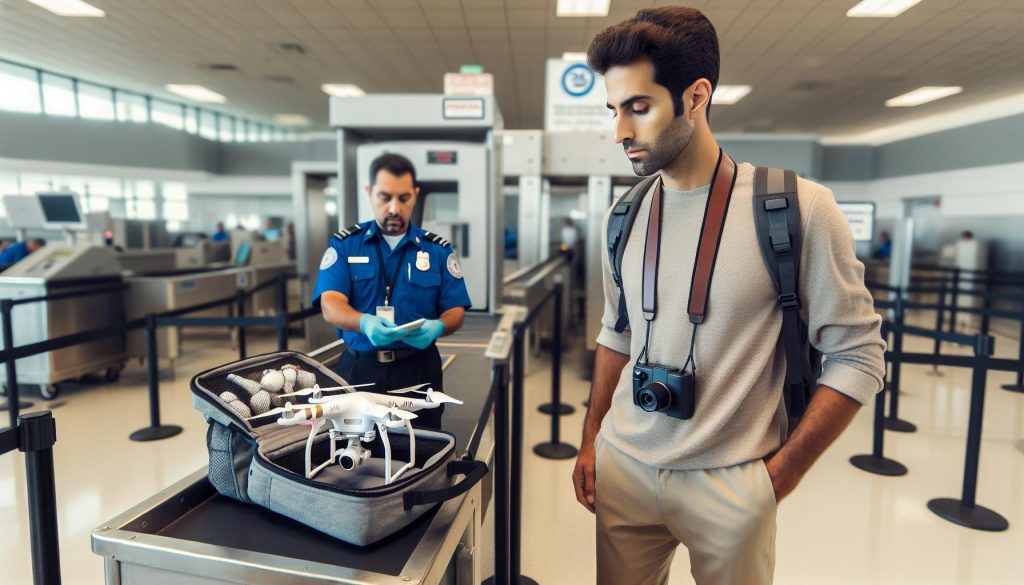
When embarking on your next aerial adventure, understanding how to safely travel with DJI drone batteries is crucial. Did you know that lithium batteries, such as those powering your drone, come with specific regulations set by the TSA? Whether you’re a seasoned pilot or a weekend hobbyist, navigating these rules can be daunting but essential for smooth travel. This article will demystify TSA guidelines, offer packing tips, and ensure you’re prepared to fly your drone without a hitch. Stay tuned to explore how to pack your gear safely and travel confidently, knowing you’re complying with all safety regulations while enjoying the freedom of flight.
Understanding TSA Regulations for Drone Batteries
Traveling with drone batteries can be a daunting task, especially for those unfamiliar with TSA regulations. Understanding these rules is crucial for ensuring a smooth airport experience and safeguarding your equipment. The Transportation Security Administration (TSA) has specific guidelines regarding the transport of lithium-ion batteries, which are commonly used in DJI drones. According to TSA regulations, these batteries can pose a fire risk, making it essential for travelers to adhere to safety protocols when flying.
One of the primary considerations is that lithium batteries under 100 watt-hours (Wh) can typically be carried in your carry-on luggage without prior approval. However, batteries between 100Wh and 300Wh require airline approval. Most DJI drone batteries fall well within the acceptable range, typically between 30Wh and 60Wh, depending on the model. Carrying spare batteries should also be avoided in checked luggage, as cargo holds are not equipped with the same fire containment systems as cabin areas. Ideally, all batteries should be kept in their original packaging or protective pouches to prevent short circuits during transit.
Knowing how to properly declare and store your batteries will enhance your travel experience. Always keep spare batteries separate from the drone and any metallic objects while traveling. If you must travel internationally, different regulations may apply based on individual countries, so it’s wise to check the specific guidelines of your destination. Adhering to these regulations will not only ensure safety but also avoid potential fines or confiscations at security checkpoints. Thus, preparation and understanding of TSA regulations when packing drone batteries are key to a successful and hassle-free travel experience.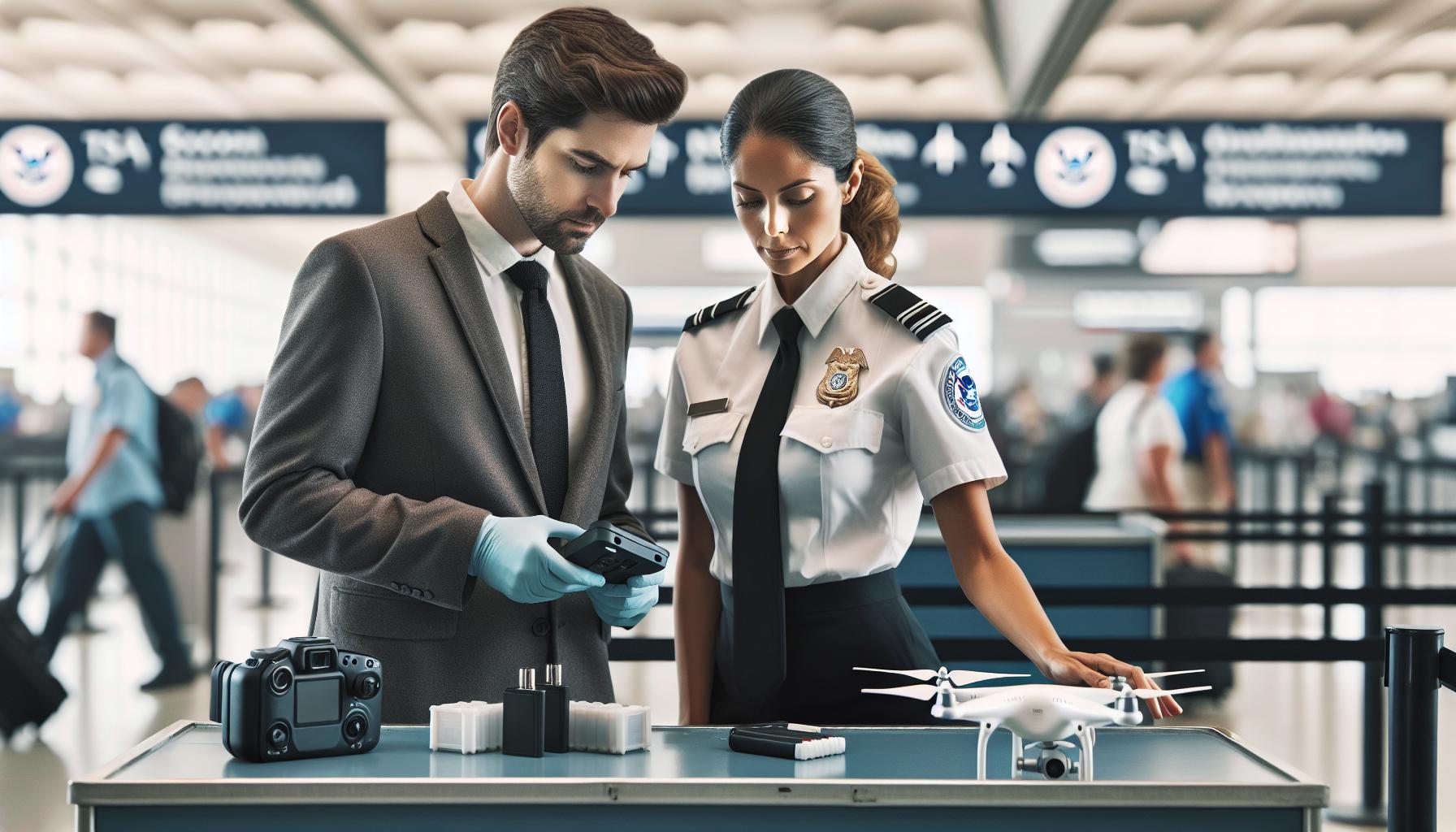
Packing Drone Batteries for Air Travel
When it comes to , understanding the intricacies of the TSA’s regulations can significantly ease the journey and ensure compliance. Lithium-ion batteries, which are commonly used in DJI drones, require careful handling to mitigate fire hazards. As you prepare for your flight, keeping a few essential guidelines in mind can not only protect your gear but also enhance your travel experience.
First and foremost, always pack your drone batteries in your carry-on luggage rather than your checked baggage. The cargo holds of airplanes lack the necessary fire containment systems, increasing the risks associated with lithium batteries. Additionally, most DJI drone batteries fall within the TSA’s threshold of 100 watt-hours (Wh), which means you can transport them with relative ease. However, if you have higher-capacity batteries, be sure to obtain approval from your airline before packing them.
To maximize safety during transport, consider the following tips for effective packing:
- Use protective packaging: Store batteries in their original packaging or use protective pouches designed to prevent short circuits.
- Maintain separation: Keep batteries away from metallic objects and other electronics to avoid accidental activation.
- Label your gear: Clearly label your battery packs and drone equipment to facilitate smooth screening at security checkpoints.
It’s also wise to double-check for any international regulations if you’re flying abroad. Countries may have different standards regarding lithium battery transport, so being informed can save you from potential complications. By adhering to these best practices, you’ll ensure not only the safety of your equipment but also a more enjoyable and hassle-free travel experience.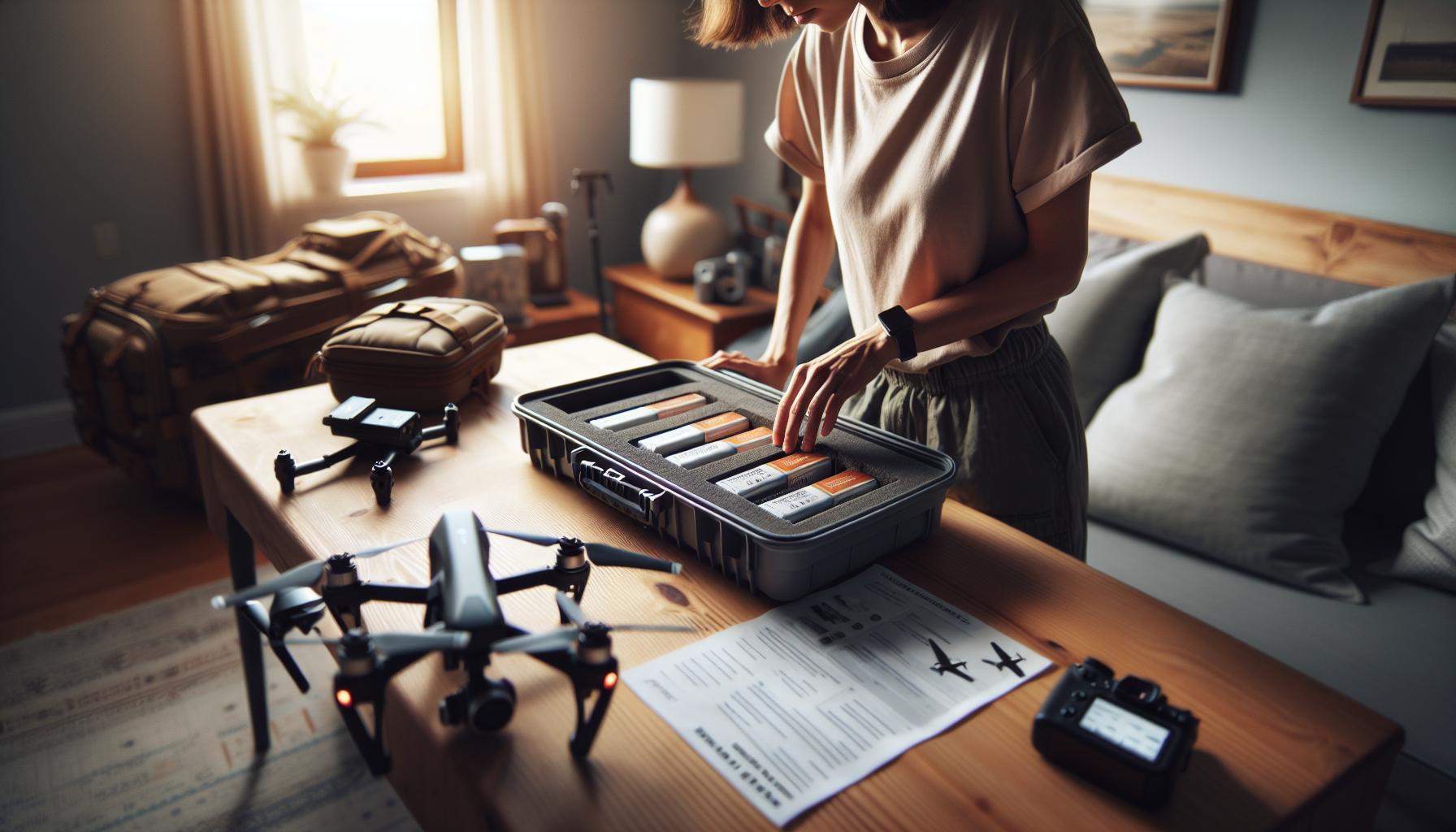
Battery Size and Weight Limits: What You Need to Know
Traveling with drone batteries can be a daunting experience, especially with the various regulations in place regarding size and weight limits. Understanding these specifics is crucial for a seamless journey. In general, the Transportation Security Administration (TSA) allows passengers to carry batteries up to 100 watt-hours (Wh) without extensive restrictions. This threshold encompasses the majority of DJI drone batteries, making them relatively straightforward to transport. However, it’s vital to stay informed about your battery specifications, as exceeding the 100 Wh limit necessitates approval from the airline, which may involve additional scrutiny during the traveling process.
When organizing your gear, refer to your battery’s label for capacity information, typically noted in milliamp-hours (mAh). A simple calculation can help you convert mAh to Wh: divide the mAh by 1000 and multiply by the battery’s voltage (V). For example, a 4,000 mAh battery at 11.1 V would equate to 44.4 Wh, comfortably below the TSA limit. Keep in mind that some batteries are designed for specific flight times and may possess different sizes and weights, so always check specifications if you own multiple drone models.
Additionally, ensure that the total number of batteries you carry meets the TSA’s guidelines: typically, passengers can bring up to two spare batteries in their carry-on. Be sure to thoroughly pack these batteries to prevent any potential short-circuiting, which can be managed by using battery cases or protective pouches. Adhering to these size and weight regulations will not only keep you compliant but also ensure that your drone equipment arrives safely at your destination, ready for takeoff.
Safety Precautions When Traveling with Drone Batteries
Traveling with drone batteries introduces specific safety considerations that are essential to preventing potential hazards, particularly with lithium-based batteries often found in DJI drones. A notable statistic is that lithium batteries are a leading cause of airline cargo fires, highlighting the importance of proper handling and packing. Ensuring the safety of your drone batteries not only protects your valuable equipment but also assists in creating a safe travel environment for all passengers.
One of the first steps in ensuring safety is to prevent short circuits, which can lead to overheating or fires. This can be effectively managed by using battery cases or pouches that are specifically designed for lithium batteries. Whenever possible, keep the battery terminals covered with tape to offer an additional layer of protection. Furthermore, avoid packing batteries with metal objects, which could potentially create a short circuit if they come into contact with the terminals.
Always keep your spare batteries in your carry-on luggage, rather than checked baggage. The TSA and most airlines require that lithium batteries be stored in a way that they are accessible but also secure. Carrying them on your person or in an easily accessible bag allows for quicker response in case of an emergency, and it ensures compliance with airline regulations regarding battery transport. When passing through security, be prepared to remove these batteries from your bag for inspection.
Another important precaution is to ensure your batteries are adequately charged before travel. According to safety guidelines, lithium batteries should ideally be at a charge between 30% and 50% for travel. This charge level minimizes the risk of fire while still allowing the battery to be functional, should it need to be used upon arrival. Additionally, understanding the specific requirements and limitations set by your airline regarding battery capacity and the number of spare batteries will further aid in safe travel practices.
Lastly, always stay informed about local regulations regarding drone and battery transport at your destination. Some locations may have specific laws governing how batteries are handled, and ensuring compliance is critical to avoid legal complications. By taking these precautions, you can travel confidently with your DJI drone batteries, ready for your next aerial adventure.
Best Practices for Storing Drone Batteries
Storing drone batteries properly can significantly extend their lifespan and ensure safe operation whenever you’re ready to fly. Lithium polymer (LiPo) batteries, such as those commonly used in DJI drones like the Mavic, Phantom, and Air series, can be sensitive to environmental factors. To maximize their performance and safety, adhere to the following best practices for storage.
First, always store batteries in a cool, dry place away from direct sunlight and heat sources. High temperatures can degrade battery performance and increase the risk of swelling or leakage. A temperature range of 60°F to 80°F (15°C to 27°C) is ideal for storage. Humidity is another factor; moisture can lead to rust and internal corrosion, so keeping your batteries in a desiccated environment is advisable.
When it comes to charging status, LiPo batteries should ideally be stored at a charge level of around 40% to 60%. This “storage charge” helps to mitigate the risk of swelling and maintains battery health over time. Many DJI chargers have a storage mode feature that can help achieve this balance automatically. If you plan to store your batteries for extended periods, check the charge every few months and recharge as necessary to maintain that optimal level.
Additionally, consider using specialized battery bags designed for LiPo batteries. These bags provide an extra layer of protection against potential fire risks, should a battery malfunction occur. Place the batteries upright within these bags, and avoid stacking them on top of each other. It’s also wise to keep batteries away from conductive materials and in separate compartments where they won’t be subjected to crushing or puncturing forces.
Lastly, conduct regular inspections of your batteries for any signs of damage, such as swelling or corrosion. If you detect any anomalies, it’s best to dispose of the battery according to local regulations rather than risk a potential failure. By following these essential storage practices, you ensure that your DJI drone batteries remain in optimal condition, ready for successful flights whenever the adventure calls.
How to Discharge Drone Batteries Before Travel
To ensure compliance with TSA regulations and maintain the health of your drone batteries during travel, properly discharging them before your journey is crucial. Lithium polymer (LiPo) batteries, like those used in DJI drones, should ideally be discharged to a safe storage level of around 30% to 40%. This reduces the risk of swelling or damage during transport and aligns with TSA guidelines that aim to minimize the danger posed by transported lithium batteries.
Here’s a straightforward approach to discharging your drone batteries effectively:
- Prepare Your Drone: Start by fully charging your drone and batteries before use. Plan a flight where you can easily achieve around 30% to 40% battery capacity. This may involve flying your drone at low altitudes or practicing maneuvers that use power without pushing the battery to its limits.
- Controlled Discharge Testing: If you’re unable to fly the drone before traveling, consider using a battery discharger. These devices can safely reduce a battery’s charge to the desired level, allowing for an easy transition to safe transport. Make sure to follow the manufacturer’s guidelines when using a discharger.
- Monitoring Battery Levels: Keep an eye on your battery readings throughout your flight. DJI drones provide live telemetry on battery life, allowing you to better judge when to land. Aim to land your drone well before the battery reaches critically low levels.
- Post-Flight Inspection: After discharging, inspect your batteries for any signs of swelling, damage, or leakage. If you notice anything unusual, it’s best to dispose of the battery according to local regulations-safety should always come first.
- Safety Compliance: When packing your discharged batteries, follow TSA guidelines by placing them in your carry-on luggage. Batteries should never be placed in checked baggage due to the increased risk they pose when packed tightly with other luggage.
By following these steps, you can ensure that your drone batteries are not only safe for travel but also well-maintained for your next flying adventure. Properly managing battery levels will give you peace of mind as you travel, knowing you’re compliant with safety regulations and ready to enjoy your aerial explorations upon arrival.
Avoiding Common Mistakes with DJI Drone Batteries
When it comes to traveling with DJI drone batteries, many enthusiasts mistakenly believe all batteries are treated equally or assume they can simply pack their equipment and go. However, misunderstandings about packing procedures, battery size restrictions, and safety compliance can lead to delays, confiscations, or even accidents. To ensure a smooth journey with your valuable aerial equipment, here are some common pitfalls to avoid.
Firstly, neglecting to familiarize yourself with the specific size and weight restrictions imposed by the TSA and your airline can lead to significant headaches. Lithium polymer (LiPo) batteries, common in DJI drones, have stringent guidelines regarding watt-hour ratings. Many travelers overlook the fact that batteries with a capacity exceeding 100 watt-hours are often prohibited on planes. Ensure you know the specifications of your batteries and verify them against TSA rules before departure. This can prevent unpleasant surprises at the security checkpoint.
Another frequent error is underestimating the importance of proper packing procedures. Many pilots assume that placing batteries in checked luggage is acceptable; however, this is a critical mistake. Always pack your drone batteries in your carry-on baggage to comply with TSA regulations. Place them in a protective case or original packaging to avoid short-circuiting, which can lead to thermal runaway-a serious fire hazard. If you have spare batteries, consider using insulated bags designed for battery transport for additional safety.
It’s equally essential to refrain from discharging your batteries carelessly before travel. Casual practices, such as letting the battery drain to zero, can damage lithium batteries and reduce their lifespan. Instead, adopt safe discharge practices, aiming for that 30% to 40% level mentioned earlier. If you haven’t flown your drone prior to the trip, invest in a reliable battery discharger to ensure safe storage for transport. Ignoring these maintenance tips can lead to battery failure and ultimately jeopardize your flying experience.
Lastly, many travelers fail to prepare themselves for the airport security process, which can slow down their progress and create stress. Familiarize yourself with the TSA’s protocols and have your batteries easily accessible in your carry-on. Being organized reduces the chances of delays during security checks. Plus, a little knowledge about what to expect can alleviate anxiety and keep your focus on reaching your destination and enjoying your drone adventures.
By remaining mindful of these common mistakes-battery specifications, safe packing methods, proper maintenance, and airport protocols-you can travel confidently with your DJI drone, ensuring your batteries are as ready for an aerial adventure as you are.
Traveling Internationally with DJI Drone Batteries
presents unique challenges and considerations that every drone operator should carefully navigate. Global regulations vary significantly, and failing to comply can result in confiscation of your valuable equipment or even legal repercussions. It’s crucial to familiarize yourself with the battery regulations in both your departure and destination countries, as well as any layover locations, to ensure a hassle-free travel experience.
Understanding Customs and Regulations
Different countries have distinct rules regarding lithium batteries. Many regions limit the watt-hour rating of batteries allowed on passenger flights. As a general guideline, batteries with a capacity over 100 watt-hours are often prohibited. For example, the European Union, Australia, and Canada may restrict battery capacities even lower than this threshold. Before packing your batteries, verify their specifications and consult relevant airline policies, as some may impose stricter regulations than the general laws.
Safety and Security Precautions
Always ensure your drone batteries are properly stored and protected during transit. Use battery-specific carrying cases that prevent short-circuiting and pack them within your carry-on luggage rather than checked baggage. This practice not only adheres to TSA rules but also safeguards your batteries from the risk of damage or thermal runaway. For easier access at security checks, prepare to remove them from your bag when passing through screening.
Moreover, consider keeping a battery management plan on hand, outlining the type, capacity, and serial numbers of your batteries. This information can expedite security checks and may be necessary if customs officials inquire about the specific products you are transporting.
Cultural and Environmental Awareness
In many countries, flying drones is regulated not only for safety but also for privacy and environmental concerns. Before arriving, research local laws governing drone usage. Some countries may require permits or have designated no-fly zones. Understanding these regulations can enhance your experience and prevent unwanted penalties. Additionally, consider the environmental impact of flying drones in sensitive areas, such as national parks or wildlife reserves, where restrictions can be particularly stringent.
By staying informed and prepared, you can navigate the complexities of international travel with DJI drone batteries, ensuring both compliance and enjoyment during your aerial adventures around the globe.
Insurance and Liability Considerations for Drone Travel
When traveling with your DJI drone, understanding the intricacies of insurance and liability is paramount for both peace of mind and financial protection. In today’s world, where drone regulations are becoming increasingly stringent, being adequately insured is not just a precaution-it’s a necessity. Many standard homeowner’s insurance policies offer limited coverage for drone-related incidents, often excluding commercial use or flights outside of the policyholder’s immediate vicinity. For drone operators, particularly those who engage in commercial photography or surveying, exploring specialized drone insurance is advisable. This type of insurance typically covers damage to the drone itself, liability for injury, and even loss of income due to drone-related issues.
Moreover, local regulations can significantly affect your liability. Some jurisdictions require drone insurance for all operators, particularly in urban areas or near airports. Before you embark on your travel plans, ensure that you are aware of the specific insurance requirements and liability protections needed for the regions you will be flying in. It’s also wise to verify that your insurance policy has adequate coverage limits in case of an accident. For instance, crashes can occur leading to injuries or property damage; being underinsured can lead to significant out-of-pocket expenses, potentially far exceeding what you saved by skimping on insurance.
When packing your drone batteries and other gear, ensure that all documentation related to your insurance is readily accessible. This includes certificates of insurance and any other relevant policies that may be required by airlines or authorities during travel. Having this paperwork at hand can help you navigate any potential legal challenges, whether it’s a question of liability or compliance with local drone regulations. It also reassures law enforcement or regulatory bodies that you are a responsible operator, familiar with the legal requirements surrounding drone use.
As you prepare for your trip, consider joining online forums or communities where drone enthusiasts share advice on the best insurance providers and plans tailored for drone owners. This shared wisdom can be invaluable as you finalize plans and ensure that your travels go smoothly. Ultimately, being well-informed on insurance and liability considerations not only protects your investment but also enhances your overall flying experience, allowing you to focus on capturing stunning shots without the cloud of uncertainty overhead.
Tips for Quickly Passing TSA Security Checks
When traveling with DJI drone batteries, quick passage through TSA security can significantly enhance your travel experience. The key to minimizing wait times and avoiding unnecessary hassles lies in preparation and understanding the regulations. One often-overlooked tip is to organize your gear in a way that allows easy access to your drone and its batteries. By placing drone batteries in a designated compartment of your carry-on that is easily visible, you can expedite the screening process.
Be Informed and Ready
Understanding TSA regulations regarding lithium-ion batteries is crucial. According to TSA rules, batteries rated at 100 watt-hours (Wh) or less are generally permissible. Keep documentation regarding your battery specifications handy, as it can help clarify any questions that TSA officers may have during the screening. Bringing printed materials or screenshots of these specifications on your phone can save time and reduce confusion at security checkpoints.
Reduce Additional Items
Another effective strategy is to minimize additional gear in your carry-on. While it might be tempting to bring along all accessories, a streamlined bag with only the essentials can help security personnel focus on your drone and batteries rather than wading through extraneous items. Utilize clear packing cubes or small, labeled bags to separate your batteries from other personal items, making it easier for TSA agents to see that you’re prepared to comply with regulations.
Communicate Clearly
When you approach the security checkpoint, clearly communicate to the TSA agents that you are carrying drone batteries. If the batteries are already packed in a way that is easy to inspect, mention that fact as well, which may lead to a quicker review process. Courteous interaction can often make a significant difference in how smoothly the process unfolds.
By following these tips, you can navigate TSA security checks with confidence, ensuring a smoother transition from the airport to your next adventure.
Alternatives to Flying with Drone Batteries
Traveling with drone batteries can be a logistical challenge, especially considering the strict regulations imposed by airlines and the TSA. If you’re looking for alternatives to flying with your drone batteries, several options can ease the burden and ensure you still capture your aerial views without the hassle.
One effective alternative is to utilize local rental services. Many cities have companies that specialize in renting out drones, which allows you to avoid the complexities of traveling with your own gear entirely. This option can be particularly advantageous if you’re heading to a destination known for scenic vistas or unique landscapes, as you can often pick up a model that’s optimized for the area. Aside from ease, renting can also save you on baggage fees associated with transporting your drone and its batteries.
If renting isn’t feasible, consider shipping your batteries separately using a reliable courier service. Many carriers offer express shipping that adheres to safety regulations for lithium batteries, ensuring your equipment arrives at your destination safely and on time. Just be sure to properly package the batteries as per the regulations and include any necessary labeling to indicate the contents. This strategy allows you to travel without worrying about TSA security checks and potential delays at the airport.
Using Battery Management Solutions
Investing in battery management systems can also facilitate smoother travels. These systems provide ways to safely store and transport batteries, potentially reducing the need to carry as many spares or even some of the heavier battery types. Additionally, you can explore options like portable chargers or solar panels that can help maintain your drone’s power levels on extended trips without having to carry multiple batteries.
Ultimately, considering these alternatives isn’t merely about convenience; it’s about enhancing your travel experience while maintaining your commitment to capturing stunning aerial footage. By leveraging local resources or shipping solutions, you can focus on enjoying your travels rather than worrying about the restrictions posed by airline regulations on drone batteries.
Frequently asked questions
Q: Can I take my DJI drone battery on a plane?
A: Yes, you can take DJI drone batteries on a plane, but there are restrictions. According to TSA regulations, lithium batteries must be packed in carry-on luggage and should not exceed 100 watt-hours (Wh) for individual batteries. Always check with your airline for specific rules.
Q: What is the maximum watt-hour limit for DJI drone batteries when flying?
A: The maximum watt-hour limit for DJI drone batteries when flying is 100 watt-hours (Wh) per battery. Batteries exceeding this limit may be prohibited on passenger flights. For more than 100 Wh, check with your airline about special permissions or shipping options.
Q: How should I pack DJI drone batteries for air travel?
A: Pack DJI drone batteries in carry-on luggage, ideally in a protective case or pouch. Ensure battery terminals are insulated to prevent short circuits. Follow guidelines for the number of batteries permitted, usually limited to two for those over 100 Wh.
Q: Can I check in my DJI drone batteries?
A: No, checking in DJI drone batteries is not recommended and often against regulations. TSA and most airlines require that lithium-ion batteries be kept in carry-on luggage to minimize risk during flights. Always verify specific airline policies.
Q: What safety precautions should I take when flying with drone batteries?
A: When flying with drone batteries, ensure they are stored in a fireproof container, terminals are covered, and they are charged below 30% to reduce fire risks. Inform security about the batteries during screening. Review TSA guidelines for safe travel.
Q: How do I prepare my DJI drone batteries for international travel?
A: To prepare DJI drone batteries for international travel, discharge them to below 30% and ensure they are in compliant packaging. Check the regulations of your destination country regarding battery transport, as they may differ from TSA rules.
Q: Are there alternatives to flying with DJI drone batteries?
A: Yes, alternatives to flying with DJI drone batteries include shipping batteries via a certified transportation service or renting batteries at your destination. This can help avoid complications with airline regulations while ensuring you have the power needed for flying.
Q: What should I do if my drone battery exceeds TSA guidelines?
A: If your drone battery exceeds TSA guidelines, you should not attempt to take it on the flight. Instead, consider shipping it through a freight service that adheres to hazardous materials regulations or seek alternatives like battery rentals at your destination.
In Retrospect
Navigating TSA rules for flying with DJI drone batteries can be straightforward if you’re equipped with the right knowledge. Remember, understanding battery regulations not only ensures compliance but also enhances your flying experience. If you have questions about specific battery types or need more tips on travel preparations, explore our articles on battery safety and travel essentials to optimize your journey.
Ready to take your drone adventures to the next level? Check out our product page for the latest DJI batteries that boost flight time and performance, ensuring a seamless flying experience wherever you go. Don’t forget to subscribe to our newsletter for expert tips, product updates, and exclusive offers that keep you flying high. Share your experiences below or connect with our community for further insights-your feedback drives our passion!