Imagine being able to see heat signatures and temperature variations from the sky-this capability is not just for high-end military operations but is increasingly accessible to civilian drone operators. DJI drones equipped with thermal imaging technology can detect heat differences, offering invaluable insights for search and rescue missions, infrastructure inspections, and wildlife monitoring. Understanding how these heat detection features work not only enhances your drone flying skills but also opens up a world of new possibilities in environmental monitoring and disaster response. As we delve into the specifics of which DJI drones offer thermal imaging capabilities and how you can leverage this technology, you’ll discover the significant advantages it brings to both professional and recreational uses. Curious about the practical applications and integration of thermal cameras in DJI’s drone lineup? Read on to find out how you can elevate your aerial photography and operational efficiency with this cutting-edge feature.
Understanding Thermal Imaging in DJI Drones
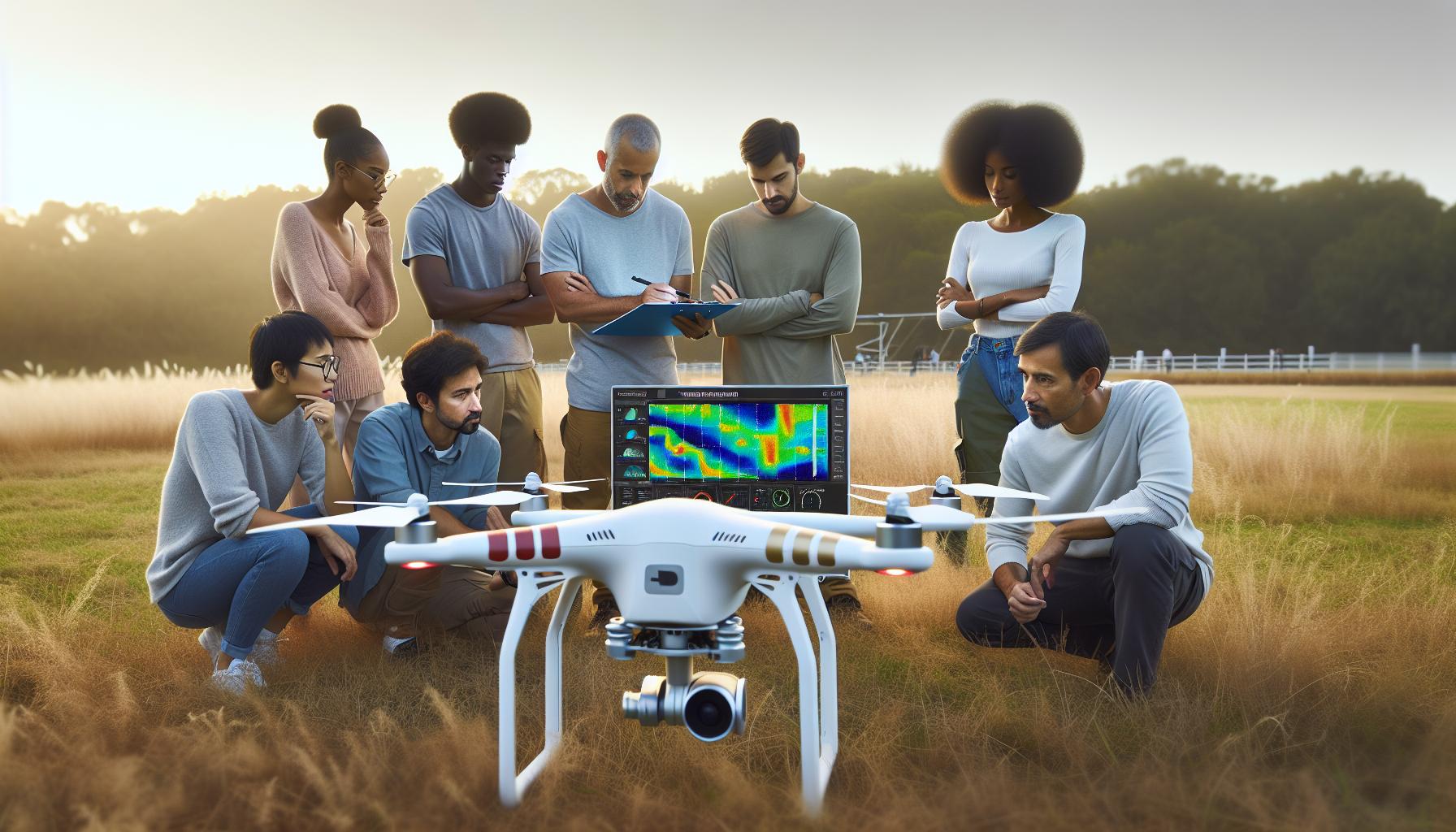
Thermal imaging technology has revolutionized aerial surveillance, enabling drone operators to detect heat signatures from various sources quickly and efficiently. This capability is particularly critical in scenarios where traditional visual imaging falls short, such as searching for missing persons, monitoring wildlife, or assessing energy efficiency in buildings. DJI has integrated thermal imaging into several of its drone models, providing users with powerful tools that transform how they approach tasks across multiple industries.
Understanding how thermal imaging works in DJI drones requires a grasp of infrared radiation principles. While visible light offers a limited view, thermal cameras capture infrared radiation emitted by objects due to their temperature. This allows operators to visualize heat differences, making anomalies such as overheating electrical equipment, livestock, or human presence easily identifiable. For instance, fire departments leverage thermal imaging to assess hotspots in emergency situations, while agricultural operators utilize it to monitor plant health and hydration levels.
Applications of Thermal Imaging in DJI Drones
The widespread application of thermal imaging spans an array of fields, showcasing its versatility and effectiveness. Operators in the following areas significantly benefit from thermal capabilities:
- Public Safety and Search & Rescue: Detecting heat signatures during search operations can save lives by locating individuals in challenging environments.
- Building Inspections: Identifying heat leaks or insulation failures can be achieved effortlessly, optimizing energy usage for homes and businesses alike.
- Agriculture: Monitoring crop health with thermal imaging helps farmers manage irrigation more efficiently and enhance yield outcomes.
- Wildlife Surveillance: Understanding animal movements and behavior in their natural habitat has become practical with thermal drones, supporting conservation efforts.
As technology continues to evolve, the integration of advanced thermal imaging features in DJI drones not only enhances existing capabilities but also creates new opportunities for innovation and application across various sectors. This understanding will pave the way for effective utilization and exploration of DJI’s thermal imaging functionalities, ensuring operators can maximize the full potential of their drone capabilities.
Benefits of Thermal Imaging for Various Applications
The introduction of thermal imaging in DJI drones offers an incredible advantage across various fields, transcending traditional visualization by revealing heat patterns invisible to the naked eye. This technology is not just a futuristic gadget; it’s actively transforming how professionals approach critical tasks. By amplifying situational awareness and operational efficiency, thermal imaging serves as a critical tool for rescuers, environmentalists, and industry specialists alike.
In public safety operations, the ability to detect heat signatures can be life-saving. Search and rescue teams equipped with thermal drones can locate individuals lost in remote areas or buried under debris with remarkable speed and accuracy. The thermal camera detects even the slightest heat emitted by humans or animals, allowing for prompt interventions that can make all the difference when time is of the essence.
For professions involving building inspections, thermal imaging can drastically enhance the evaluation process. Inspectors can identify insulation failures, heat leaks, and other inefficiencies by visualizing temperature variations on building surfaces. This capability not only leads to improved energy efficiency but also helps property owners understand and mitigate issues before they escalate into costly problems.
In the agricultural sector, farmers leverage thermal imaging to monitor crop health and irrigation needs. By analyzing thermal data, they can make informed decisions on water usage and identify areas requiring special attention. This not only optimizes resources but also enhances crop yields, making agricultural practices more sustainable and efficient.
Moreover, wildlife researchers utilize thermal drones to study animal behavior and movements without intruding on their habitat. By observing thermal patterns, scientists can gather valuable data on wildlife populations and migration trends, contributing to conservation efforts.
The benefits of thermal imaging in DJI drones extend beyond these examples. The versatility of this technology means it can adapt to various applications, paving the way for innovative solutions in industries such as firefighting, infrastructure maintenance, and even energy management. By integrating thermal imaging capabilities into various workflows, operators can significantly enhance their operational efficiency and safety.
Available DJI Models with Thermal Imaging Features

In the realm of drone technology, DJI has established itself as a pioneer, integrating advanced thermal imaging capabilities into several of its models. This functionality has transformed various industries by enhancing the ability to visualize heat patterns in a myriad of applications, making it a valuable asset for professionals ranging from first responders to farmers. If you’re considering using a DJI drone with thermal imaging features, understanding the available models can help you make an informed choice.
One of the most notable models equipped with thermal imaging is the DJI Matrice 300 RTK. This drone is tailored for enterprise use and supports dual thermal and RGB camera payloads, allowing users to switch seamlessly between visual and thermal data for comprehensive situational awareness. The Matrice 300 RTK features advanced AI capabilities, which enhance operational efficiency, especially in search and rescue missions or infrastructure inspections.
Another significant option is the DJI Zenmuse XT2, designed as a payload for the Matrice series. This camera features a high-resolution thermal sensor that can capture detailed thermal imaging alongside a 4K visual camera, providing an integrated solution for various industrial applications. It’s ideal for applications such as firefighting, where both thermal and visual data are crucial for effective decision-making.
For those seeking a more compact option, the DJI Mavic 2 Enterprise Dual brings thermal imaging to a more portable design. This model combines a thermal camera with a visual camera, making it perfect for quick assessments in public safety and industrial inspections. Its lightweight and foldable design enables easy transport and deployment in situations that require agility without sacrificing thermal capabilities.
Furthermore, DJI’s Mavic 3 Enterprise series recently integrated advanced thermal imaging systems, catering specifically to search and rescue, mapping, and inspection tasks. This drone boasts an upgraded thermal camera that delivers enhanced detection accuracy and operational range, allowing for effective heat detection even at greater distances.
In summary, whether you require the robust capabilities of the Matrice series for extensive enterprise applications or the portable nature of the Mavic series for on-the-go inspections, DJI offers a variety of models equipped with advanced thermal imaging features. Each model is designed to enhance efficiency, safety, and decision-making across a range of professional fields, making it essential for operators to assess their specific needs to select the optimal drone for their thermal imaging requirements.
How to Operate Thermal Imaging on DJI Drones
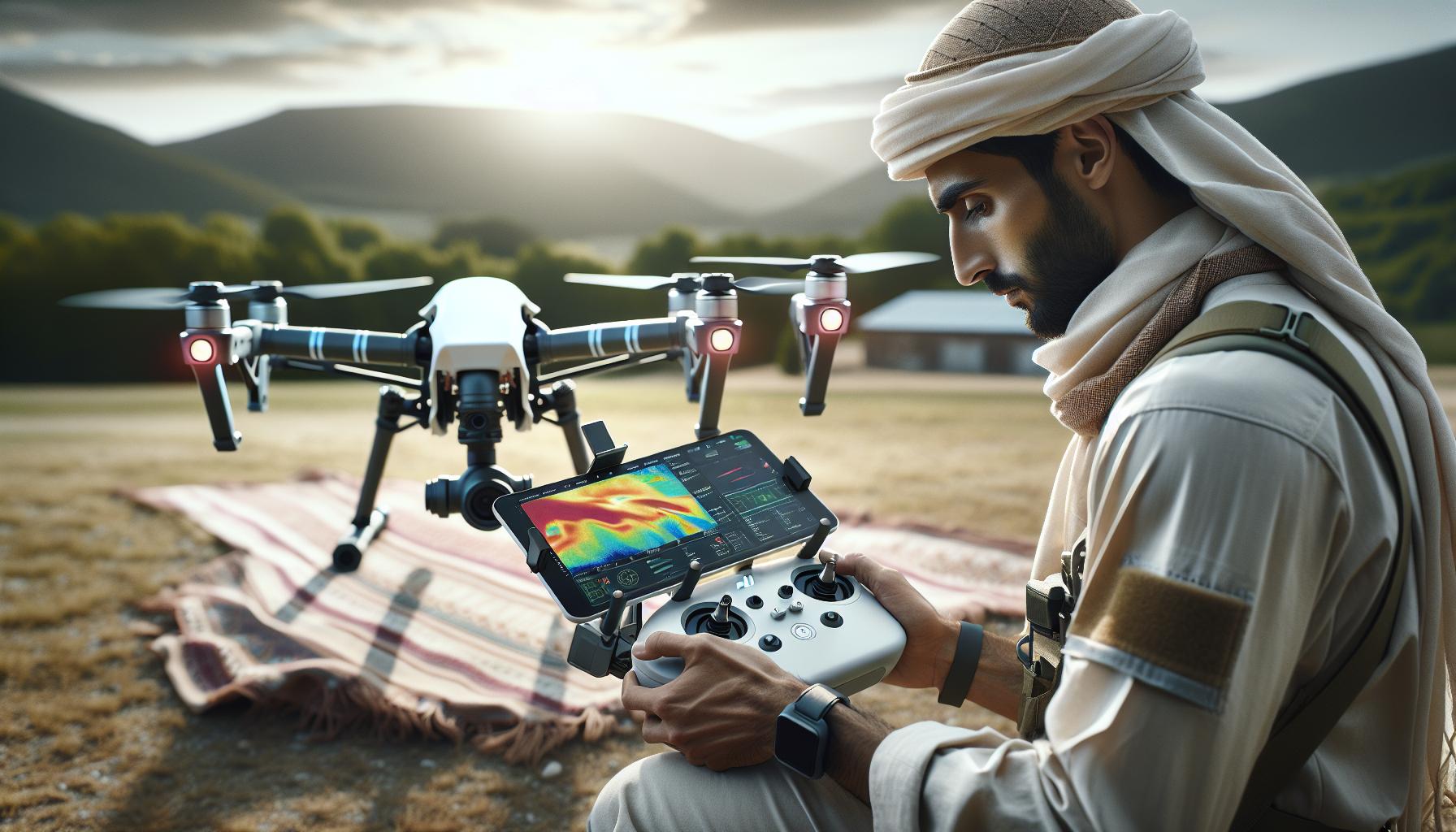
Operating thermal imaging on DJI drones can significantly enhance your ability to detect temperature variations and visualize heat patterns in various scenarios. Understanding how to effectively use this feature is essential for maximizing the benefits of your drone, whether it’s for search and rescue operations, inspections, or wildlife management.
To begin, ensure your drone is properly configured for thermal imaging. Start by updating your firmware to the latest version through the DJI Go or DJI Pilot app. This is crucial as software updates often improve functionality, fix bugs, and enhance the drone’s capabilities. Once the firmware is up to date, perform the gimbal calibration to ensure that the thermal camera retains its accuracy during flight. This process, which can be done through the app, involves placing the drone on a level surface and following the prompts for calibration.
When preparing for a flight, it’s important to familiarize yourself with the various thermal imaging settings available in the app. For instance, you can adjust parameters such as color palettes (e.g., white hot, black hot, or iron-red) that can help highlight different temperature ranges effectively. Understanding these settings allows you to tailor the thermal output to your specific task. Before takeoff, set up your mission parameters, including altitude and camera mode, and ensure you have a safe flight path free of obstacles.
During operation, utilize the drone’s live feed to monitor thermal data in real-time. This capability aids in identifying hotspots or anomalies promptly. Take advantage of features like area measurement tools in the app, which can help you quantify the size of heat sources, or use spot meters to measure specific temperature readings in critical areas. Capturing imagery and video during your flight adds to the data you can analyze later, making it easier to report findings or develop an action plan based on what you observe.
After completing your flight, analyze the thermal data using software like DJI’s built-in tools or third-party applications designed for thermal analysis. This review process enables you to extract actionable insights and integrate the findings into your projects. Remember, practice is key; the more you engage with the thermal imaging capabilities of your DJI drone, the better you will become at interpreting the data it provides and effectively applying it in real-world scenarios.
Comparing Thermal Imaging Capabilities Across DJI Models

The variety of DJI drones equipped with thermal imaging capabilities offers users an expansive toolkit for detecting heat anomalies in diverse environments. From industrial inspections to search and rescue missions, different models deliver unique thermal features suited to specific applications. Understanding these capabilities can significantly affect the outcome of your operations, making it crucial to select the right drone based on your thermal imaging needs.
DJI’s product lineup includes several models with robust thermal imaging options:
- DJI Mavic 3 Thermal: This drone combines exceptional flight performance with a dual-camera system featuring both RGB and thermal sensors. It supports a range of temperature measurement modes and provides high-resolution thermal imaging, making it ideal for detailed inspections and survey work.
- DJI Matrice 300 RTK: A professional-grade platform, perfect for extensive operational scopes. With its ability to mount various thermal cameras, including the Zenmuse H20T, it provides comprehensive data collection capabilities for search and rescue, infrastructure inspection, and more. The Matrice 300 also allows for real-time data transmission to remote teams.
- DJI Mavic 2 Enterprise Dual: This compact drone is great for public safety and emergency response applications. Its integrated thermal and visible cameras allow for effective monitoring in real-time, and the user-friendly platform makes it accessible for both seasoned and novice operators.
- DJI Phantom 4 RTK: While primarily focused on mapping and surveying applications, the Phantom 4 can be fitted with specific thermal imaging payloads. This versatility makes it a strong contender in the drone surveying market where both thermal and high-accuracy GPS data are needed.
Each model provides distinct operational advantages. The Mavic 3 Thermal excels in compactness and high-resolution output, perfect for those who prioritize portability without sacrificing quality. The Matrice 300 RTK stands out for its adaptability and robustness in challenging environments or specialized industrial applications.
When comparing thermal imaging capabilities, consider not only the drone’s resolution and temperature measurement range but also added features like protective cases and accessory availability. Understanding these nuances allows operators to leverage their drones effectively, ensuring they capture the necessary data to drive informed decisions in their fieldwork. Moreover, consistent engagement with the drone’s thermal imager, including regular updates and practice, can significantly enhance the efficacy of thermal data interpretation in the real world.
Real-World Uses of DJI Thermal Imaging Drones
In the ever-evolving landscape of drone technology, the integration of thermal imaging capabilities has transformed the way professionals approach various challenges. DJI thermal imaging drones have become indispensable tools across multiple sectors, aiding in tasks that require precise heat detection. These drones not only enhance situational awareness but also contribute to safety and efficiency in operations.
One of the most impactful applications of thermal imaging is in search and rescue missions. When visibility is compromised due to darkness or challenging weather conditions, thermal drones can identify body heat effectively, allowing teams to locate missing persons or assess disaster zones rapidly. For instance, firefighters utilize DJI drones equipped with thermal cameras to scout areas of a burning forest, identifying hotspots and potential fire paths without putting personnel at risk.
In the industrial sector, thermal drones play a crucial role in preventive maintenance. Engineers can conduct aerial inspections of solar farms, electrical grids, and buildings to identify heat anomalies indicating failures or potential hazards. By spotting overheating components, such as electrical panels or connections, companies can perform timely maintenance, preventing costly downtimes and enhancing operational safety. This proactive measure is invaluable in sectors like oil and gas, where equipment failure can lead to catastrophic incidents.
Agriculture is another field reaping the benefits of thermal imaging technology. Farmers use DJI drones to monitor crop health, identifying areas where plants may be stressed due to insufficient water or nutrients. By targeting irrigation and fertilization efforts more effectively, growers can optimize yields while conserving resources.
Ultimately, the versatility of DJI thermal imaging drones extends beyond these examples, encompassing historical documentation, wildlife monitoring, and even construction inspections. The ability to capture intricate thermal patterns not only enhances data collection but also informs better decision-making across a range of industries, underscoring the transformative potential of drone technology in our everyday operations.
Tips for Effective Heat Detection with Drones
The ability to effectively detect heat with drones empowered by thermal imaging technology opens a world of possibilities for various applications, making it essential to streamline your approach to heat detection. To maximize the effectiveness of your DJI thermal drone, consider the following practical tips.
First and foremost, understand your environment before taking off. Factors such as ambient temperature, weather conditions, and surface materials can greatly influence thermal readings. For instance, a sunny day can lead to increased ground temperatures, potentially masking heat signatures from objects like electrical faults or wildlife. To mitigate this, try to fly in the early morning or late afternoon when temperatures are cooler, allowing for clearer differentiation of thermal anomalies.
Next, utilize the correct settings on your thermal camera. DJI drones often come with adjustable thermal image settings such as color palettes (e.g., white hot, black hot, or rainbow). Experimenting with these options can provide the best visibility for the specific heat signatures you need to detect. For example, the white hot palette is often effective for identifying living organisms, while black hot can help isolate cold areas against warmer backgrounds. Make sure to familiarize yourself with how these settings affect the images you capture.
Another critical aspect of effective heat detection is altitude and flight path. Flying too high might miss critical details, while flying too low could lead to obstruction or loss of range. A balance should be struck-commonly, an altitude of approximately 100 feet is effective for larger areas while still allowing for detailed image capture. Additionally, plan your flight path to cover areas methodically-consider using a grid pattern to ensure thorough inspection of the area, especially if you are surveying a large site like a solar farm or an agriculture field.
Finally, always remember the importance of data analysis after your flight. Review thermal images using software that allows for detailed analysis to spot heat patterns and anomalies that may not have been immediately visible. This step is crucial, especially for applications like maintenance inspections, where identifying potential issues early can save significant resources.
Implementing these strategies will enhance your ability to effectively and accurately detect heat using DJI thermal imaging drones, optimizing their application across various industries and ensuring you are leveraging technology to its fullest potential.
Troubleshooting Common Thermal Imaging Issues
Thermal imaging technology in DJI drones opens up incredible opportunities for professionals across various fields, but like any complex system, issues can arise that may hinder performance. One of the most common concerns is the inconsistency of thermal readings. When encountering unexpected thermal anomalies or inaccurate heat signatures, it’s essential to first check the thermal camera’s calibration. Regular calibration ensures that the sensor accurately interprets thermal data. In some cases, environmental factors such as direct sunlight or reflective surfaces may distort readings. Flying in cooler conditions during sunrise or sunset can often provide clearer thermal data and reduce interference from ambient temperature fluctuations.
Another frequent issue is related to the integration of thermal imaging with aerial photography. Users often experience difficulty in synchronizing thermal images with visual data. To mitigate this, consider using the drone’s built-in software to overlay thermal data onto standard video feeds. Familiarizing yourself with both the thermal imaging interface and the controls can streamline this process. Furthermore, ensuring that your drone’s firmware is updated will often resolve bugs that interfere with data collection and integration.
Flight path planning is another critical component that can affect thermal imaging effectiveness. Flying in a grid pattern is typically recommended to ensure comprehensive coverage of the area being surveyed. If you notice gaps in thermal data, it might be necessary to adjust the altitude or speed of your flight. Remember, flying too high can overlook important details, while flying too low may result in obstruction or poor quality imaging.
Lastly, post-flight data analysis is crucial. Sometimes, the thermal issues you encounter during the flight can be rectified during the review process. Utilizing specialized software for thermal analysis can help identify any anomalies or heat signatures that were initially overlooked. By retracing your steps through the recorded data, you can better understand where errors may have occurred, fine-tuning your approach for future flights.
In summary, effectively troubleshooting thermal imaging issues involves a combination of proper calibration, optimal flying conditions, thoughtful flight path planning, and thorough post-processing. With these strategies, you can ensure that your DJI drone’s thermal capabilities are fully leveraged, delivering accurate and actionable data for your specific applications.
Legal Considerations for Using Thermal Imaging Drones
Using thermal imaging technology in drones, such as those offered by DJI, opens a multitude of applications but also brings a host of legal considerations that drone operators must navigate. The secrecy and sensitivity surrounding thermal data collection can pose significant privacy risks, and regulations often vary widely by region. For instance, in many jurisdictions, using thermal imaging to monitor private property without consent may infringe on individual privacy rights, leading to potential legal ramifications. It’s essential to familiarize yourself with local laws regarding aerial surveillance and privacy to avoid violations.
Operating Under Regulations
Before operating a DJI drone with thermal imaging features, it’s vital to ensure compliance with regulations set forth by aviation authorities, such as the Federal Aviation Administration (FAA) in the United States. Obtaining the necessary licenses may involve registering the drone and receiving exemptions for commercial use, especially when used for public safety, search and rescue, or other professional applications. Familiarizing yourself with the specific guidelines, which may include altitude restrictions and no-fly zones, can greatly reduce the risk of infractions.
Obtaining Permission
If your thermal imaging operations involve private property, obtaining explicit permission from property owners is not just a best practice – it often is a legal requirement. This not only protects against allegations of trespassing or invasion of privacy but also fosters trust and transparency within the community. Furthermore, documentation of consent can serve as valuable protection from potential legal disputes in the future.
Understanding Data Protection Laws
With the rise of data privacy laws, such as the General Data Protection Regulation (GDPR) in Europe, operators must be conscientious about how they process and store thermal imaging data. Any data collected may fall under these regulations, especially if it can be linked to individuals. This requires developing appropriate protocols for data storage, consent, and usage to ensure compliance and safeguard sensitive information.
Navigating the complex legal landscape surrounding the use of thermal imaging drones demands a proactive approach. Ensure that you not only understand the regulations that apply to your operations but also engage with local authorities or legal experts if you have questions. By prioritizing compliance and ethical use, you can harness the power of thermal imaging technology while minimizing legal risks and fostering community trust.
Integrating Thermal Imaging Data in Your Projects
Utilizing thermal imaging data captured by DJI drones can significantly enhance various projects, whether you’re engaged in search and rescue operations, agricultural monitoring, or building inspections. The ability to visualize temperature variations in an area allows for data-driven decision-making and can lead to more effective problem-solving. For example, in the agricultural sector, farmers can assess crop health by detecting areas that may be suffering from drought or pests. This targeted approach can save time and resources while maximizing yield.
To successfully integrate thermal imaging data into your projects, it’s essential to start with robust data management practices. Keeping your data organized will facilitate easier analysis and reporting. Begin by establishing a systematic method for recording the time, location, and conditions during each flight. This can be achieved through simple software solutions or cloud-based platforms that allow for seamless data storage and sharing. Utilize software like DJI’s Ground Station Pro or other mapping tools that support geospatial data to visualize and analyze your thermal imagery effectively.
Moreover, leveraging advanced analytics can take your thermal data integration a step further. Techniques such as thermal mapping or employing machine learning algorithms can provide deeper insights into patterns and anomalies detected in the data. For instance, in infrastructure maintenance, thermal imagery can highlight heat leaks in buildings or identify overheated electrical components before they pose serious risks. By integrating this analysis into your workflow, you can enhance reporting accuracy and improve actionable insights for your clients or stakeholders.
Lastly, ensure that the output from your thermal imaging is presented in an easily understandable format. Creating detailed reports or visual dashboards can enhance communication with your team or clients and facilitate better decision-making. Consider using software that can overlay thermal data onto standard visual images, providing a comprehensive view of the subject in both thermal and visible spectrums. This not only aids in demonstrating findings but also fosters a more insightful discussion regarding potential actions or interventions. Through careful planning and execution, integrating thermal imaging data into your projects can yield significant advantages and contribute to your long-term success.
Upgrading Your DJI Drone for Enhanced Thermal Imaging
Upgrading your DJI drone to enhance its thermal imaging capabilities can dramatically improve its performance across various applications, such as search and rescue, structural inspections, and wildlife monitoring. The first step in this upgrade process often involves selecting a model equipped with thermal imaging technology, like the DJI Mavic 2 Enterprise Dual or the Matrice 300 RTK, both of which feature advanced thermal sensors. These drones are designed to deliver high-resolution thermal imaging, allowing for precise heat detection and assessment.
Once you’ve chosen the right drone model, consider enhancing its functionalities with additional accessories. Thermal imaging can be further improved by:
- Gimbal Stabilization: Ensuring a steady platform enhances the clarity of thermal images. Consider upgrading to an advanced gimbal system if not already included.
- Software Integration: Use DJI’s Zenmuse series or third-party software like Pix4D for enhanced data analysis and processing.
- Battery Life: Opt for extended battery packs to increase flight time, allowing for more extensive coverage during thermal imaging missions.
Calibration and firmware updates are also crucial in maintaining optimal performance. DJI regularly releases updates that enhance imaging algorithms and improve sensor accuracy. Make it a practice to check for firmware updates before each flight to ensure your drone functions correctly and utilizes the latest performance enhancements.
Training and skill development cannot be overlooked. Understanding how to interpret thermal images effectively is essential; therefore, investing time in learning about thermal imaging principles and practicing with the drone will yield better operational outcomes. Use online resources and community forums to find guides and tutorials that can improve your proficiency in using thermal features.
By staying proactive towards upgrading, maintaining, and educating yourself on your DJI drone’s thermal capabilities, you can unlock its full potential and enhance the quality of your thermal imaging projects.
Future Trends in DJI Drone Thermal Technology
As technology continues to evolve, the future of thermal imaging in DJI drones holds tremendous promise, paving the way for even more sophisticated applications across various fields. Emerging technologies, particularly in sensor development, are enhancing the sensitivity and resolution of thermal cameras, allowing for unprecedented detail in heat detection. This can significantly benefit industries such as agriculture, emergency response, and infrastructure inspection by providing users with clearer images and more accurate data for decision-making.
One of the most exciting trends is the integration of artificial intelligence (AI) with thermal imaging systems. AI can analyze thermal data in real-time, identifying anomalies or specific patterns that may indicate issues such as leaks in infrastructure or areas of heat loss in buildings. This capability not only speeds up the processing time but also enhances the ability to perform preventative maintenance and emergency assessments more effectively. With continued advancements, we can expect DJI to leverage AI technologies to provide users with automated alerts and insights derived from thermal data.
Additionally, advancements in data integration and cloud computing are set to revolutionize how thermal imaging data is used and shared. By enabling seamless integration with GIS platforms and other analytical tools, drone operators can easily overlay thermal data with geographic information for comprehensive analysis. This will allow for better resource management, planning, and operational efficiency across numerous sectors. Companies involved in energy management, disaster response, and environmental monitoring will particularly benefit from this enhanced connectivity.
Moreover, as regulatory frameworks become more accommodating to drone operations, including those equipped with thermal imaging capabilities, the user base is expected to broaden. Increased accessibility will encourage hobbyists and professionals alike to explore innovative applications of thermal imaging, from wildlife conservation efforts to home energy audits. This democratization of technology will pave the way for innovative solutions and new business models built around thermal data utilization.
As the future unfolds, staying informed about these trends and how they can be harnessed in practice will be crucial for drone operators looking to maximize the potential of thermal imaging in their work. Regular training and skill enhancement, along with keeping abreast of technological advancements, will ensure that users remain at the forefront of this rapidly changing field.
FAQ
Q: Do all DJI drones come with thermal imaging capabilities?
A: No, not all DJI drones have thermal imaging capabilities. Thermal imaging is primarily available in specific models designed for professional use, such as the DJI Matrice series and the DJI Mavic 2 Enterprise Dual. These drones feature specialized sensors for heat detection.
Q: What is the advantage of using thermal imaging in DJI drones?
A: The main advantage of thermal imaging in DJI drones is the ability to see heat signatures, which is invaluable for applications like search and rescue, wildlife monitoring, and building inspections. This technology helps detect temperature variations that are not visible to the naked eye.
Q: How does thermal imaging work on DJI drones?
A: Thermal imaging works by detecting infrared radiation emitted from objects. DJI drones equipped with thermal cameras convert this radiation into images that display temperature differences, allowing users to assess heat levels in various environments for real-time analysis.
Q: Can DJI drones with thermal imaging be used at night?
A: Yes, DJI drones with thermal imaging can be effectively used at night. The thermal cameras can detect heat signatures in complete darkness, making them ideal for nighttime operations such as surveillance or search missions.
Q: Are there different types of thermal imaging sensors in DJI drones?
A: Yes, DJI drones may feature different types of thermal sensors, such as radiometric and non-radiometric sensors. Radiometric sensors provide temperature measurements of detected objects, while non-radiometric sensors offer visual heat mapping without precise temperature readings.
Q: What applications are best suited for DJI thermal imaging drones?
A: DJI thermal imaging drones are well-suited for various applications, including search and rescue operations, inspection of buildings for energy loss, agricultural monitoring for crop health, and firefighting to locate hotspots.
Q: What should I consider when using thermal imaging on DJI drones?
A: When using thermal imaging on DJI drones, consider environmental factors like temperature range, weather conditions, and the distances involved. It’s also essential to know how to interpret thermal images effectively, which can enhance data accuracy for your projects.
Q: How can I improve thermal detection with my DJI drone?
A: To improve thermal detection, ensure your drone’s camera settings are optimized, avoid flying in heavy winds or rain, and maintain a proper altitude for clearer images. Regularly practice interpreting thermal data will also enhance your effectiveness.
Future Outlook
As we’ve explored, DJI drones, particularly advanced models, are equipped with thermal imaging technology that opens up a world of possibilities for both commercial and recreational use. If you’re looking to enhance your aerial capabilities, investing in a drone with heat detection features can be a game-changer for tasks like search and rescue, agricultural monitoring, and building inspections.
Don’t miss out-check out our in-depth guides on selecting the right DJI model for your needs, as well as tips for mastering your drone’s features. Explore our articles on drone safety protocols and legal compliance to ensure a well-rounded understanding of drone operations. For the latest updates and exclusive tips, consider signing up for our newsletter. Your next flight adventure awaits, and we’re here to help you every step of the way! Share your thoughts or questions in the comments below, and stay tuned for more insights into the fascinating world of drone technology!