Unveiling the intricate world of drone manufacturing, “How DJI Drones Are Made? Factory Secrets Revealed” takes you behind the scenes of one of the leading drone manufacturers globally. Understanding the meticulous processes, advanced technologies, and dedication that go into crafting these remarkable flying machines is essential for enthusiasts and professionals alike. With drones becoming indispensable in photography, surveying, and more, knowing how they are made not only fuels your passion but also enhances your appreciation for their capabilities. As we dive into the factory secrets, prepare to discover how innovation and quality converge at DJI to deliver outstanding aerial experiences. Join us as we explore the building blocks of your favorite drones, and gain insights that could elevate your own flying skills and creative projects.
How DJI Drones are Manufactured: The Behind-the-Scenes Process
The manufacturing process of DJI drones is a complex orchestration of high-tech engineering, meticulous quality checks, and state-of-the-art facilities aimed at producing some of the most advanced aerial vehicles on the market. Each drone begins its journey in a research and development phase, where teams of engineers collaborate to innovate features and enhance performance. Using computer-aided design (CAD) software, they create detailed models that are then tested in simulators to ensure functionality and reliability before physical prototypes are produced.
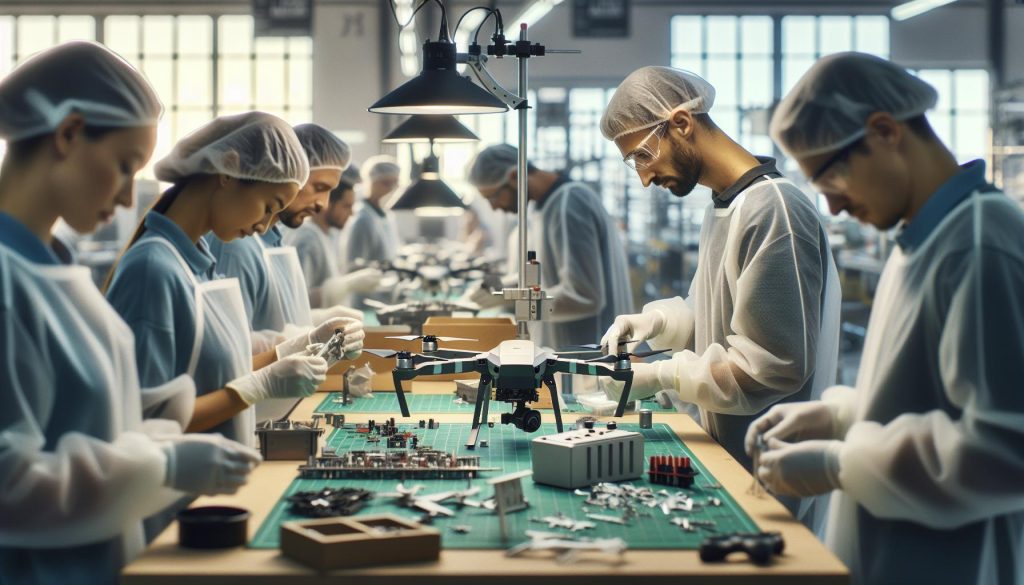
Once a drone design is finalized, the production phase commences. DJI’s assembly lines are equipped with advanced robotics and automation tools that streamline the process while maintaining precision. Each drone is built in modular sections, such as the fuselage, propulsion system, and camera modules, which are then meticulously assembled by skilled technicians. This approach not only increases efficiency but also allows for easy upgrades and repairs, thereby enhancing the longevity and adaptability of each model.
Throughout manufacturing, stringent quality control measures are employed. This includes rigorous testing of individual components and complete drones, focusing on factors like flight stability, battery performance, and camera capabilities. Each unit undergoes a test flight in controlled environments to ensure it meets DJI’s high standards.
The commitment to innovation and quality doesn’t stop at assembly. Continuous improvements in manufacturing techniques are pursued through feedback loops from field tests and customer experiences, making DJI a leader in the aerial drone market. The combination of cutting-edge technology, skilled craftsmanship, and a relentless focus on quality control culminates in the exceptional performance and reliability that DJI drones are known for worldwide.
The Technology Behind DJI Drone Engineering
The integration of advanced technology in DJI drones is a marvel of modern engineering, contributing significantly to their reputation as leaders in the UAV industry. At the heart of this engineering prowess lies a sophisticated combination of aerodynamics, electronics, and software that work in unison to enhance flight performance and user experience. For instance, DJI utilizes high-density lithium polymer batteries that ensure longer flight times while maintaining a lightweight structure, thereby optimizing efficiency and power management.
An essential element in drone engineering is the flight control system, which employs complex algorithms and sensor data to ensure stability and maneuverability. This system integrates GPS, IMU (Inertial Measurement Unit), and barometers to provide precise positioning and altitude control. Advanced drones, such as the Mavic series, further enhance this capability with intelligent flight modes like ActiveTrack and TapFly, which rely on advanced computer vision techniques to track subjects or navigate autonomously. These features are backed by robust internal hardware, including high-performance processors that enable real-time data processing and rapid decision-making during flight.
Innovative Manufacturing Techniques
DJI’s commitment to innovation extends into every phase of the drone development process. The company employs sophisticated manufacturing technologies, such as multi-axis CNC machining and 3D printing, to produce complex drone components with exceptional precision. This not only accelerates production but also allows for rapid prototyping, enabling designers to test and refine new concepts swiftly. Furthermore, DJI implements modular designs for its drones, facilitating easier maintenance and upgrades which extend the lifecycle of each model.
To support the sophisticated technology within these drones, DJI also invests heavily in software development. The proprietary software, including the DJI GO and Fly apps, enhances user control by providing flight telemetry, camera settings, and editing features at the pilot’s fingertips. Regular firmware updates ensure that drones are equipped with the latest enhancements and safety measures, exemplifying DJI’s commitment to continuous improvement and customer satisfaction.
As drone technology evolves, DJI remains at the forefront, pushing boundaries to deliver cutting-edge features such as obstacle avoidance, high-definition video transmission, and automation. This dedication to integrating technology into drone engineering not only enhances the flying experience but also ensures that DJI drones meet the diverse needs of photographers, hobbyists, and professional operators alike. The robust technological framework laid by DJI essentially sets a benchmark for quality and innovation in the drone manufacturing industry, making every flight an advanced and reliable experience.
Quality Control Measures in DJI Manufacturing
Maintaining the highest quality standards is crucial in the manufacturing of DJI drones, where precise engineering meets cutting-edge technology. Every drone that rolls off the assembly line is the result of rigorous quality control measures aimed at ensuring performance, safety, and reliability. From the selection of materials to final testing, DJI’s quality assurance framework is comprehensive and meticulous, designed to catch any potential issues before they can impact performance in the field.
One significant aspect of DJI’s quality control process is the use of automated inspections throughout the manufacturing stages. Advanced imaging technologies and machine learning algorithms are deployed to evaluate components for defects with high accuracy. These inspections occur at multiple stages-right from the circuit board assembly to the final product assembly-allowing for constant monitoring of quality standards. For instance, solder joints, which are critical for electronic connectivity, are often inspected using automated optical inspection systems to ensure they meet strict specifications.
In addition to automated inspections, DJI employs a dedicated quality assurance team that conducts periodic reviews and stress tests on finished drones. These hands-on evaluations include real-world flight tests under various conditions to assess stability, battery performance, and camera integrity. During these tests, any anomalies are recorded and analyzed, prompting immediate feedback loops to the engineering teams for continuous improvement. This commitment to iterative enhancement ensures that each model is not only built to last but also equipped with features that enhance user experience based on real-world performance data.
Moreover, DJI’s strategy also incorporates supplier quality management, which ensures that every component sourced meets stringent quality thresholds. Suppliers are regularly evaluated, and only those who comply with DJI’s high-quality standards are retained. This collaborative approach helps maintain consistency throughout the supply chain, ensuring that every drone is built on a foundation of reliability and excellence. By taking these measures, DJI not only delivers high-performance drones but also fosters consumer trust in their products-a vital element for brand loyalty and reputation in the growing UAV market.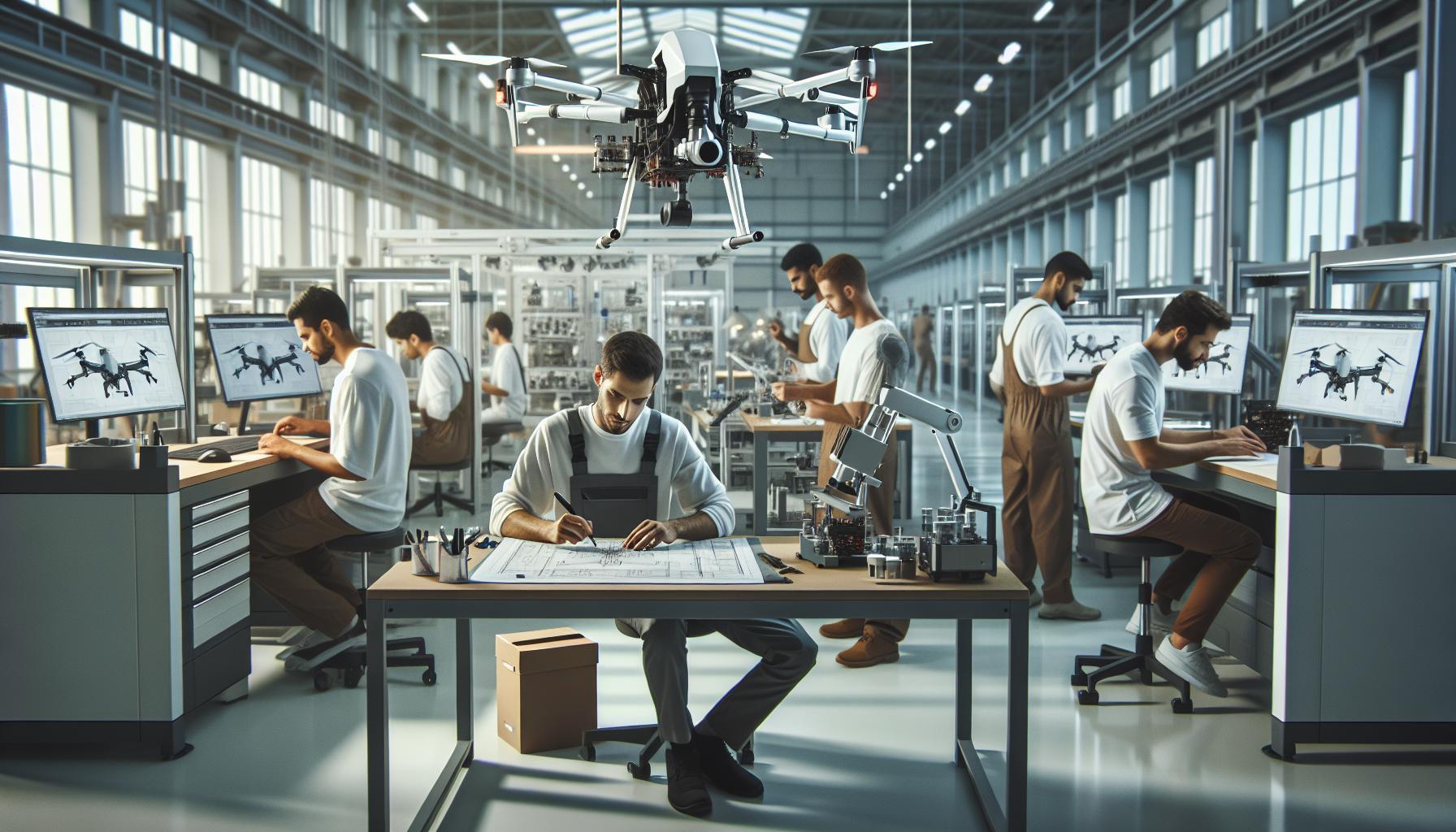
Exploring DJI’s Advanced Production Facilities
Within DJI’s production facilities, the remarkable synergy of automation and craftsmanship allows for the creation of some of the most advanced drones in the market. Encompassing vast areas filled with state-of-the-art machinery, these facilities optimize the integration of robotics and human expertise, ensuring that every unit meets the rigorous performance and safety standards expected by users. Not just assembly lines, these production environments are designed as innovative ecosystems where every aspect-from component sourcing to final assembly-takes place under one roof, facilitating swift adjustments and improvements to the manufacturing process.
The layout of DJI’s facilities employs an efficient workflow. Raw materials are brought in on one end, processed through various stages of assembly, testing, and quality checks, and finally, the fully functional drones exit from the other side. Advanced robotics play a significant role in this process; automated systems engage in precise tasks, such as soldering and component placement, at speeds and accuracies unattainable by hand. However, the human touch remains essential, particularly in intricate tasks requiring nuanced understanding and adjustments. This careful balance allows for both the scalability of production and the personalization of craftsmanship, which can greatly influence a drone’s performance and durability.
One of the standout features of DJI’s production facilities is the rigorous testing zones interspersed throughout the manufacturing floors. Here, drones undergo not only standard functionality tests but also real-world simulations that push them to their limits. Engineers assess aspects such as flight stability, battery longevity, and camera quality under varied conditions. This meticulous approach results in products that are not just factory-assembled but are also field-tested, instilling greater confidence in their reliability among users, whether they are casual hobbyists or professional operators.
Sustainability is another cornerstone of DJI’s manufacturing philosophy. The company actively integrates eco-friendly practices within its facilities, focusing on reducing waste and energy consumption. For example, the use of renewable energy sources in powering the production process is on the rise, alongside initiatives aimed at recycling materials wherever possible. Such efforts reinforce DJI’s commitment not only to innovation but also to environmental stewardship in the competitive drone market.
In summary, DJI’s advanced production facilities exemplify a harmonious blend of cutting-edge technology and meticulous craftsmanship that drives the development of its exceptional drones. These production environments foster a rigorous approach to quality and sustainability, setting a benchmark for the industry while ensuring that each drone is built with performance and reliability at its core.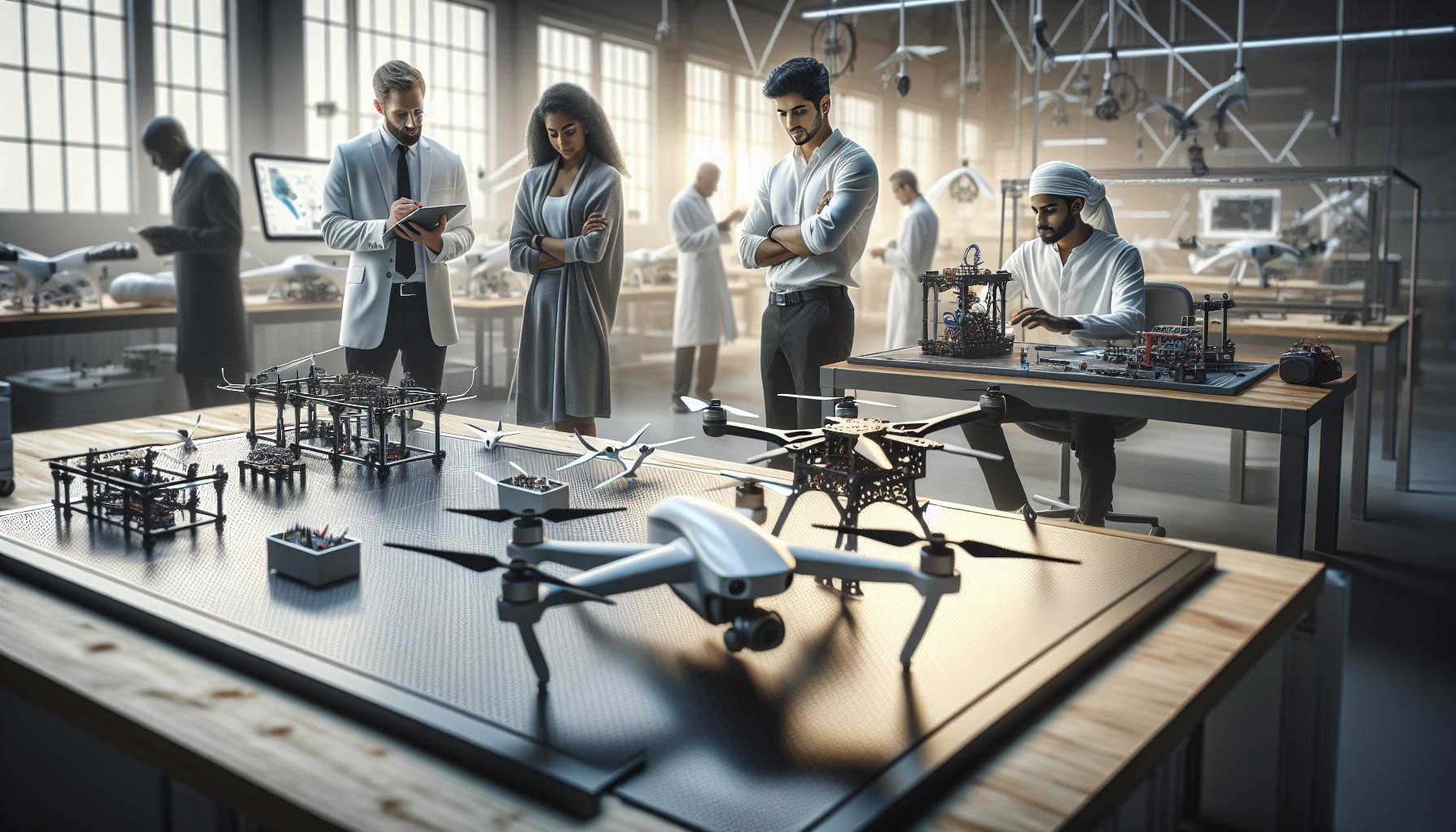
Innovations in Drone Manufacturing Techniques
The evolution of drone manufacturing has been significantly shaped by advancements in technology and innovative practices that redefine how DJI creates its aerial products. At the forefront of these innovations is the integration of advanced robotics and artificial intelligence (AI) throughout the production process. This synergy allows for precision manufacturing at an unmatched scale, enabling DJI to produce highly complex components with minimal human error. Automated systems proficiently handle intricate tasks such as automated soldering, placement of sensitive electronic parts, and assembly line workflows, increasing efficiency and speed without compromising quality.
Precision Engineering Techniques
DJI employs cutting-edge techniques like 3D printing and additive manufacturing to produce prototypes and even final components. This approach not only reduces waste but also accelerates the time it takes to bring new designs to market. For instance, the use of 3D printing allows rapid iteration in design, leading to improvements in aerodynamics, weight reduction, and integration of new features without the need for extensive re-tooling. These advances facilitate an agile response to market demands and foster continuous innovation.
Sophisticated Testing and Calibration
Notably, DJI’s commitment to quality oversight includes rigorous testing protocols that leverage virtual simulations alongside physical trials. Drones are subjected to extreme conditions in specially designed test environments, allowing engineers to evaluate performance factors like wind resistance and battery life before production begins. Such preemptive assessments ensure that every model meets stringent quality benchmarks, which is crucial for operators who depend on reliability during critical missions.
Digitized Supply Chain Management
The innovations extend beyond the assembly line. DJI’s supply chain utilizes sophisticated software that tracks component sourcing and inventory in real time. This data-driven approach not only optimizes resource allocation but also enhances transparency and sustainability. For example, by managing the supply chain digitally, DJI minimizes overproduction and maximizes the use of recyclable materials, aligning with its eco-friendly initiatives.
In conclusion, the commitment to harnessing technology in manufacturing processes equips DJI with the capability to produce high-performance drones that meet diverse user needs while paving the way for continued advancement in the industry. As these manufacturing techniques evolve, they promise to keep DJI at the forefront of drone technology, making it a trusted name for both enthusiasts and professionals alike.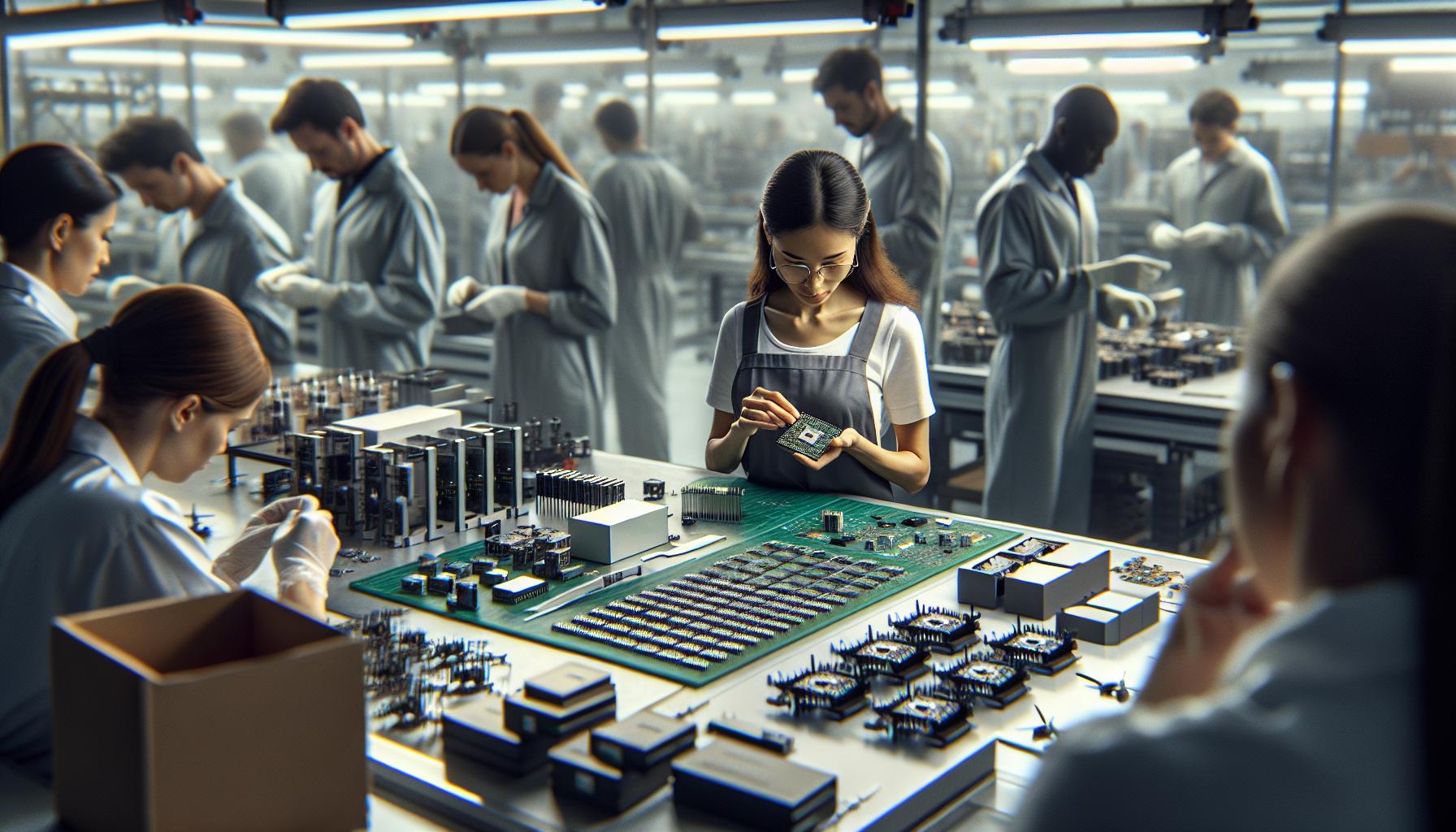
The Supply Chain Behind DJI Drones: Key Components
The production of DJI drones is a tightly coordinated effort that relies on a highly efficient supply chain, characterized by advanced logistics and strategic partnerships. Each drone is not merely a collection of parts but a carefully engineered assembly that integrates cutting-edge technology, materials science, and precision manufacturing. Understanding the key components that make up the supply chain offers insights into how DJI maintains its status as a leader in the drone industry.
At the heart of the supply chain are several essential components that must meet strict quality standards. These include:
- Electronic Components: The brains of the drone, including flight controllers, GPS modules, and sensors, are sourced from top-tier suppliers that specialize in high-performance electronics. DJI collaborates with these suppliers to ensure that components are not only reliable but also innovative, incorporating the latest advancements in technology.
- Motors and Propellers: Efficient propulsion is crucial, and DJI uses custom-designed motors and high-grade propellers. The materials for these components are carefully selected to balance strength, weight, and aerodynamics, contributing to flight efficiency and battery life.
- Batteries: Power management is a significant focus in drone design. DJI sources lithium-polymer (LiPo) batteries that provide optimal energy density and longevity. Rigorous testing is conducted to ensure that batteries can withstand various conditions and provide safe operation.
- Camera Systems: For models equipped with aerial cameras, like the Mavic series, ensuring that imaging technology is of the highest quality is key. Partnerships with leading optics manufacturers allow DJI to develop cameras that capture stunning images and videos, enhancing the user experience.
- Frame and Shell: The physical structure of the drone is crafted from lightweight yet durable materials, often combining carbon fiber and high-strength plastics. These materials are chosen not just for their weight but also for their resilience against environmental factors.
The efficiency of DJI’s supply chain is augmented by the adoption of digital inventory management systems, which track the sourcing and logistics of components in real-time. This digital strategy enables proactive adjustments to inventory levels, ensuring production remains uninterrupted and in line with market demand. For instance, utilizing predictive analytics helps DJI anticipate fluctuations in component availability and adapt promptly, minimizing delays and excess inventory.
Moreover, sustainability is becoming an integral part of the supply chain at DJI. The company emphasizes sourcing materials that are recyclable or have a lower environmental impact, aligning with global initiatives toward ecologically responsible production. By integrating sustainability into its supply chain, DJI not only adheres to regulatory standards but also appeals to environmentally conscious consumers.
In summary, the intricate components and advanced logistics of DJI’s supply chain are critical to the high-performance characteristics of its drones. Each element is meticulously sourced and tested to uphold the standards of reliability and innovation that DJI is known for, granting both hobbyists and professional operators confidence in their aerial capabilities.
Sustainability Practices in DJI Drone Production
DJI recognizes that sustainability is not just a trend but a necessity in today’s manufacturing landscape. The company has implemented a multi-faceted approach to minimize its environmental impact while promoting responsible production practices. From material sourcing to waste management, every stage of the manufacturing process is designed with sustainability in mind.
One of the core strategies is the emphasis on using recyclable materials in drone production. DJI actively collaborates with suppliers who specialize in eco-friendly materials, ensuring that components such as housing and structural elements contribute to a smaller carbon footprint. The company has also invested in research and development to create innovative designs that reduce material waste during production. By optimizing manufacturing processes, DJI can maintain high performance while utilizing fewer resources.
Another significant aspect of DJI’s sustainability practices is energy efficiency. In its manufacturing facilities, the company employs advanced energy management systems that monitor and optimize energy usage. For instance, the use of solar panels and energy-efficient machinery significantly reduces the overall energy consumption of production lines. Additionally, DJI promotes a culture of environmental awareness among its employees, equipping them to take part in sustainability initiatives both at work and in their personal lives.
Beyond production, DJI extends its sustainability focus to product lifecycle management. The company offers guidelines for responsible recycling of drones at the end of their life cycles, encouraging users to return old units to designated collection points. By doing so, DJI ensures that valuable materials can be recovered and reused, further minimizing waste and promoting a circular economy. Educating consumers on the importance of recycling and proper disposal of electronic waste is a crucial part of this commitment.
In summary, DJI’s approach to sustainability integrates eco-conscious practices throughout the drone manufacturing process. By prioritizing recyclable materials, energy efficiency, and product lifecycle management, the company not only safeguards the environment but also sets a standard in the drone industry for responsible production. This holistic commitment to sustainability resonates with consumers and reinforces DJI’s reputation as a leader in innovation and environmental responsibility.
A Day in the Life of a DJI Drone Assembly Line
In the high-tech world of drone manufacturing, a typical day on the DJI assembly line is a blend of precision engineering, skilled craftsmanship, and advanced automation. Imagine a symphony of robotic arms and human technicians working in harmony, orchestrating the creation of one of the most popular drone brands on the market. Each unit produced represents not just a product, but a culmination of innovative design and meticulous assembly.
As the day begins, workers are greeted by the rhythmic whir of machines and the soft hum of conveyor belts transporting components throughout the facility. The assembly line is laid out with efficiency in mind, strategically placing tools and parts within arm’s reach, which maximizes productivity. In the first stage, components like motors, cameras, and sensors are meticulously selected from storage and prepared for assembly, ensuring that every part meets rigorous quality standards.
The Assembly Process
The assembly process itself is highly structured, involving specialized stations for each critical phase. Technicians may perform tasks such as:
- Installing the flight control system
- Attaching the propellers
- Calibrating the gimbal and camera
- Conducting preliminary software uploads
During these stages, workers undergo continuous training to keep abreast of the latest technologies and techniques, ensuring they can identify potential issues before they escalate. For instance, any signs of wear or malfunction on components are documented and addressed in real-time to maintain output quality.
Quality Control at Every Step
Quality control is integral to the assembly line’s success. After initial assembly, each drone goes through a series of tests to check for functionality and performance. This includes:
- Static tests for motor performance
- Software checks for system calibration
- Flight simulations to mimic real-world conditions
Failing any of these tests will result in a comprehensive review and reassembly of the unit, which exemplifies DJI’s commitment to delivering reliable products. The assembly line is more than just a workspace; it’s a dynamic environment where every drone is treated as a prototype, crafted for utmost performance.
As the day winds to a close, the assembly line transitions from building towards reflecting. Engaging in post-production meetings, team leads review daily metrics, address challenges encountered throughout the day, and strategize improvements for the upcoming cycles. This intrinsic focus on efficiency and quality ensures that when these drones are shipped out, they are ready to exceed the expectations of both hobbyists and professionals alike, empowering them to explore their world from new heights.
Comparing DJI Drones: Model-Specific Manufacturing Insights
In the competitive landscape of drone technology, model-specific manufacturing insights reveal the nuances that differentiate DJI drones and cater to various user needs. Each line-such as the Mini, Mavic, Phantom, Avata, and Air series-undergoes specialized design and assembly processes that reflect their intended applications, performance characteristics, and consumer expectations. Understanding these differences can empower both beginner and advanced drone operators to make informed decisions about which model best suits their flying ambitions.
The Mavic series, for instance, is renowned for its compact design and powerful capabilities, striking a balance between portability and performance. Manufacturing this series involves stringent testing protocols for flight stability and camera quality, as these are critical to the Mavic’s appeal among content creators and travelers. Advanced assembly stations focus on ensuring precise alignment of the camera gimbal to achieve optimal stabilization, crucial for high-quality aerial photography and videography. This emphasis on photographic quality is mirrored in the selection of sensor technology, which must meet high standards for clarity and responsiveness.
Conversely, the Phantom series represents a different production philosophy. Aimed more toward professionals and industrial applications, these drones feature larger frames and more robust components, making their assembly process distinctly focused on durability and advanced functionality. Each component, from the motors to batteries, undergoes rigorous stress testing to ensure they can withstand the demands of more challenging operational environments, such as surveying or agricultural monitoring. This ensures that the unit performs reliably under varying weather conditions and during extensive flight operations.
The Mini series, designed for casual users and beginners, reflects a manufacturing process that prioritizes simplicity without compromising essential features. Its lightweight construction is achieved by using high-quality, yet lightweight materials. The assembly line for these models emphasizes ease of use in both the design and packaging stages, often implementing user-friendly interfaces and straightforward setup instructions that cater to novice pilots. The result is a drone that can be flown quickly and easily, ideal for those just starting their aerial photography journey or casual outdoor enthusiasts.
Additionally, the Avata drones focus on immersive flight experiences, featuring specialized assembly techniques for enhanced agility and maneuverability. This aligns with the increasing interest in FPV (first-person view) flying. Here, engineering teams integrate cutting-edge materials and components that ensure low latency video transmission and precision controls. The manufacturing process includes thorough testing under simulated flight scenarios to create an intuitive user experience that allows for dynamic aerial maneuvers.
By considering these model-specific insights, potential buyers can better navigate which DJI drone aligns with their needs, ensuring they select the model that complements their flying style and intended uses. Understanding the assembly intricacies can provide further confidence in product reliability and performance, crucial for achieving success in any drone operation.
Challenges Faced in Drone Production and Solutions
The drone manufacturing landscape is a complex tapestry of innovation, cost-effectiveness, and rapid technological advancements, with DJI facing numerous challenges along the way. One major hurdle is managing the supply chain intricacies that come with sourcing high-quality components globally while ensuring timely delivery and maintaining competitive prices. The reliance on numerous international suppliers can lead to potential delays and inconsistencies in parts, which invariably affect production schedules and overall product quality. To mitigate this, DJI has invested in robust supply chain management strategies, including fostering strong relationships with key suppliers and diversifying its sourcing network, ensuring that they can adapt quickly to any disruptions.
Another significant challenge lies in maintaining quality control across the massive scale of production. With millions of drones manufactured annually, ensuring each unit meets DJI’s stringent standards is no small feat. To address this issue, DJI has implemented rigorous quality assurance measures throughout the entire manufacturing process. This includes utilizing advanced testing protocols where each drone undergoes extensive flight tests, simulating various operating conditions to ensure reliability and performance. By embedding quality checks at every production stage, DJI enhances the likelihood of delivering flawless products to consumers.
Technological innovation also plays a pivotal role in overcoming production obstacles. As the demand for drones with advanced features such as obstacle avoidance and autonomous flight grows, DJI continuously refines its manufacturing techniques to incorporate cutting-edge technology. The integration of robotics and AI in assembly lines not only boosts production efficiency but also reduces human errors, further enhancing overall quality. Additionally, adopting agile manufacturing practices allows DJI to rapidly pivot to new technologies and designs, ensuring they stay ahead of market trends.
Lastly, sustainability in a competitive industry presents its own set of challenges. With growing consumer awareness about environmental impacts, DJI is focused on reducing its carbon footprint throughout the production process. This commitment includes the use of recyclable materials and exploring more energy-efficient manufacturing practices. Despite these challenges, DJI’s proactive approach not only strengthens its market position but also fosters trust with consumers who value responsibility alongside innovation.
Future Trends in Drone Manufacturing and Technology
The future of drone manufacturing and technology is poised for rapid evolution, with advancements that will redefine how drones are designed, produced, and utilized in various industries. As consumer demand increases for more sophisticated features, manufacturers like DJI are investing heavily in enhancements that capitalize on cutting-edge technology. One significant area of growth lies in the integration of artificial intelligence (AI) and machine learning into drone systems. This shift will not only facilitate improved autonomous flight capabilities but also enable drones to learn from their environments, allowing for smarter navigation and better decision-making during flight.
Additionally, the manufacturing process itself is becoming increasingly automated. Robotics are being utilized on the assembly line to streamline production, reduce costs, and minimize human error. This automation is particularly crucial given the growing complexity of drone designs, which now often include advanced sensors, multi-camera systems, and enhanced stabilization technology. By leveraging automation, DJI can maintain consistent quality across vast numbers of drones while also speeding up production times to meet market demands.
A key trend shaping the future is the increased focus on sustainability. Consumers are becoming more environmentally conscious, prompting manufacturers to consider the lifecycle impact of drones. DJI is exploring materials that are recyclable or made from sustainable sources. Furthermore, energy-efficient practices during manufacturing will not only reduce the carbon footprint but will also appeal to a market that values eco-friendly products. The emphasis on sustainable drone production is likely to become a competitive differentiator in the coming years.
Other notable advancements include the incorporation of enhanced connectivity features, such as 5G integration, allowing drones to transmit data in real-time and interact more dynamically with other devices. This will open up new possibilities in fields like agriculture, where real-time data processing can optimize aerial monitoring, and in disaster response, where drones can communicate and relay critical information quickly.
As these trends unfold, hobbyists and professionals alike must stay informed and adapt to new features and functionalities that will become available. Continuous learning and skill advancement will be essential to harness the full potential of future drones. The next generation of DJI drones promises unprecedented capabilities, ensuring that pilots are equipped not just with powerful tools but with the knowledge to operate them effectively in a rapidly changing technological landscape.
Expert Interviews: Insights from DJI Engineers and Designers
In the world of drone manufacturing, few names resonate as powerfully as DJI. With a commitment to innovation and quality, the insights of their engineers and designers provide a fascinating glimpse into the meticulous process behind each drone. The intricate blend of engineering expertise and artistic design is critical in creating drones that are not only functional but also aesthetically pleasing and user-friendly. Each unit leaving the production line embodies a rigorous journey from concept to final product, marked by numerous iterations and improvements.
The engineers emphasize the importance of collaboration across disciplines. Mechanical, electrical, and software engineers work closely to ensure that every component integrates seamlessly. For instance, when developing the stabilization technology that DJI drones are known for, teams employ real-time simulations to test how changing one element impacts the overall performance. This holistic approach not only enhances flight stability but also improves the user experience, making advanced features accessible even to novice pilots.
Furthermore, the design philosophy at DJI centers around user-centric principles. Engineers and designers conduct extensive research into customer feedback and usage patterns. This information shapes future drones, leading to enhancements in battery life, flight range, and ease of operation. One innovative solution that arose from user feedback was the implementation of automated firmware updates. This feature allows users to benefit from the latest technological advancements without needing technical expertise, thereby simplifying ownership and maximizing performance.
Quality assurance is another critical area where engineers devote their expertise. Each drone undergoes rigorous testing, including both environmental and stress tests. These tests simulate extreme weather conditions and potential mechanical failures to ensure reliability under real-world scenarios. This commitment to quality is not merely a step in the chain but a foundational aspect of DJI’s manufacturing ethos.
Ultimately, the insights from DJI’s engineers reveal that the journey of drone manufacturing is a harmonious blend of technology, creativity, and user-focused design. As the industry continues to evolve, these principles ensure that DJI remains at the forefront, delivering drones that meet the ever-growing needs of hobbyists and professionals alike.
FAQ
Q: What materials are used in the manufacturing of DJI drones?
A: DJI drones are primarily made from high-quality materials such as ABS plastic, carbon fiber, and aluminum. These materials enhance durability while keeping the drones lightweight, which is essential for optimal flight performance.
Q: How does DJI ensure the quality of its drone components?
A: DJI implements rigorous quality control measures at every production stage, including component testing, assembly inspections, and final performance evaluations. This guarantees that each drone meets high safety and reliability standards.
Q: What innovative technologies are used in DJI drone assembly?
A: DJI utilizes advanced automation technologies and robotics in its assembly lines, enhancing precision and efficiency. These innovations streamline the production process, allowing for high-volume manufacturing without compromising quality.
Q: Where are DJI drones manufactured?
A: DJI’s main manufacturing facility is located in Shenzhen, China. This advanced production hub is equipped with state-of-the-art technology to ensure optimal conditions for drone assembly and testing.
Q: What is the typical assembly process for DJI drones?
A: The assembly process for DJI drones involves multiple stages, including component preparation, assembly of the main body, installation of electronics and sensors, and thorough testing. Each stage is meticulously executed to ensure quality.
Q: How does DJI handle sustainability in its production practices?
A: DJI incorporates sustainability into its manufacturing by utilizing environmentally friendly materials, reducing waste, and optimizing energy use in its factories. This commitment helps minimize the environmental impact of drone production.
Q: Are there specific challenges in the manufacturing of DJI drones?
A: Yes, DJI faces challenges such as maintaining component availability, meeting global demand fluctuations, and integrating new technologies. Continuous innovation and agile supply chain management are essential in overcoming these challenges.
Q: What insights can be gained from DJI engineers about drone manufacturing?
A: Interviews with DJI engineers reveal a strong emphasis on iterative design and testing processes, with a focus on user feedback. This approach ensures that the drones meet consumer needs and maintain competitive superiority in technology.
The Way Forward
Now that you’ve uncovered the fascinating secrets behind how DJI drones are made, it’s time to explore the incredible possibilities these machines can offer. Whether you’re interested in aerial photography, racing, or simply enhancing your skills, our resources are here to guide you. Check out our in-depth drone model comparisons and tutorials on firmware updates and gimbal calibration to elevate your flying experience.
Don’t miss out on the latest drone tips and legal insights-sign up for our newsletter and stay informed about industry trends. If you have any questions or thoughts, we invite you to share them in the comments below. Dive deeper into the world of drones and let your creativity soar with DJI! Your next adventure awaits-explore our website for more exciting content and elevate your skills today!