Did you know that over 1 million DJI drones are flown worldwide, capturing stunning aerial images and assisting in various professional tasks? Understanding how these drones work can unlock their full potential and enhance your flying experience, whether you’re a hobbyist looking to elevate your photography or a professional seeking efficiency in planning and execution. In this article, we’ll demystify the technology behind DJI drones, explaining essential features like GPS navigation, advanced stabilization systems, and real-time data transmission. By grasping these concepts, you’ll not only become more confident in operating your drone but also discover new ways to utilize its capabilities safely and effectively. Keep reading to explore the fascinating world of drone technology and empower yourself as a skilled operator.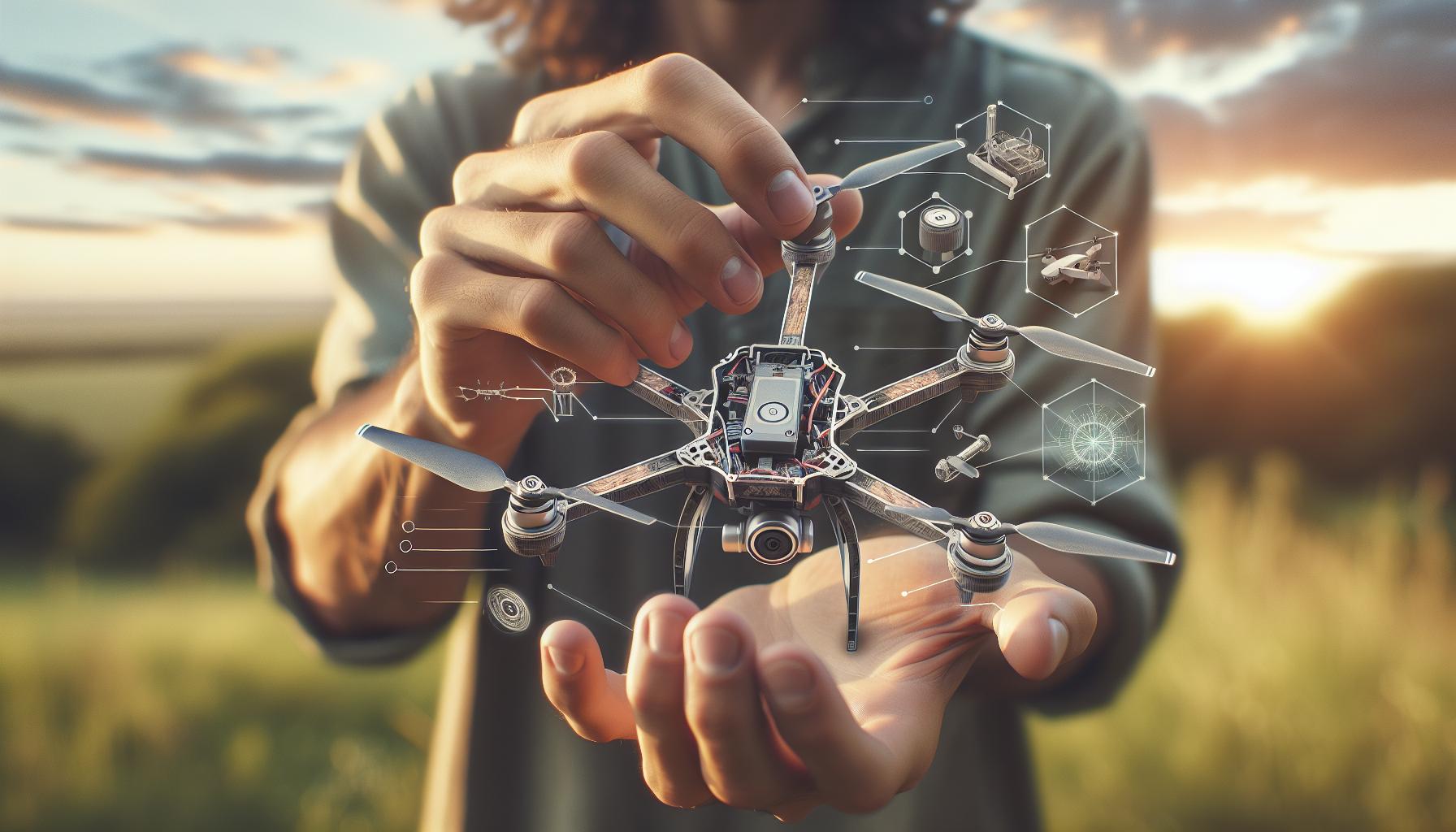
Understanding The Basics of DJI Drone Technology
The remarkable versatility and advanced technology of DJI drones enable a wide range of applications, from breathtaking aerial photography to critical search and rescue operations. At the heart of this technology lies a blend of innovative engineering, intuitive design, and robust software systems that make flying drones not only accessible but also enjoyable for users at all skill levels.
A DJI drone typically consists of key components such as the flight controller, propulsion system, sensors, and cameras. The flight controller acts as the brain of the drone, processing inputs from the pilot and data from onboard sensors to manage stability and navigation. Propulsion systems, which include motors and propellers, are engineered for reliability and efficiency, enabling smooth flight across various conditions. Meanwhile, sophisticated sensors provide critical real-time environmental data, ensuring drones can navigate effectively, maintain altitude, and avoid obstacles.
Another vital aspect of DJI technology is the emphasis on user-friendly interfaces and software. Most DJI drones are paired with a companion app, allowing for easy control and configuration. This app not only displays telemetry data in real-time but also enables advanced features like waypoint navigation and automated flight modes. By leveraging GPS alongside intelligent flight modes, DJI drones offer features such as ActiveTrack, which can autonomously follow subjects, making them ideal for dynamic shooting scenarios. Additionally, safety features such as geofencing prevent pilots from flying in restricted areas, reinforcing responsible drone operation.
equips users with the knowledge to operate these machines confidently. As you delve deeper into the world of drones, exploring flight dynamics, sensor capabilities, and software interfaces will enhance your appreciation for this extraordinary technology, paving the way for safer, smarter, and more creative flying experiences.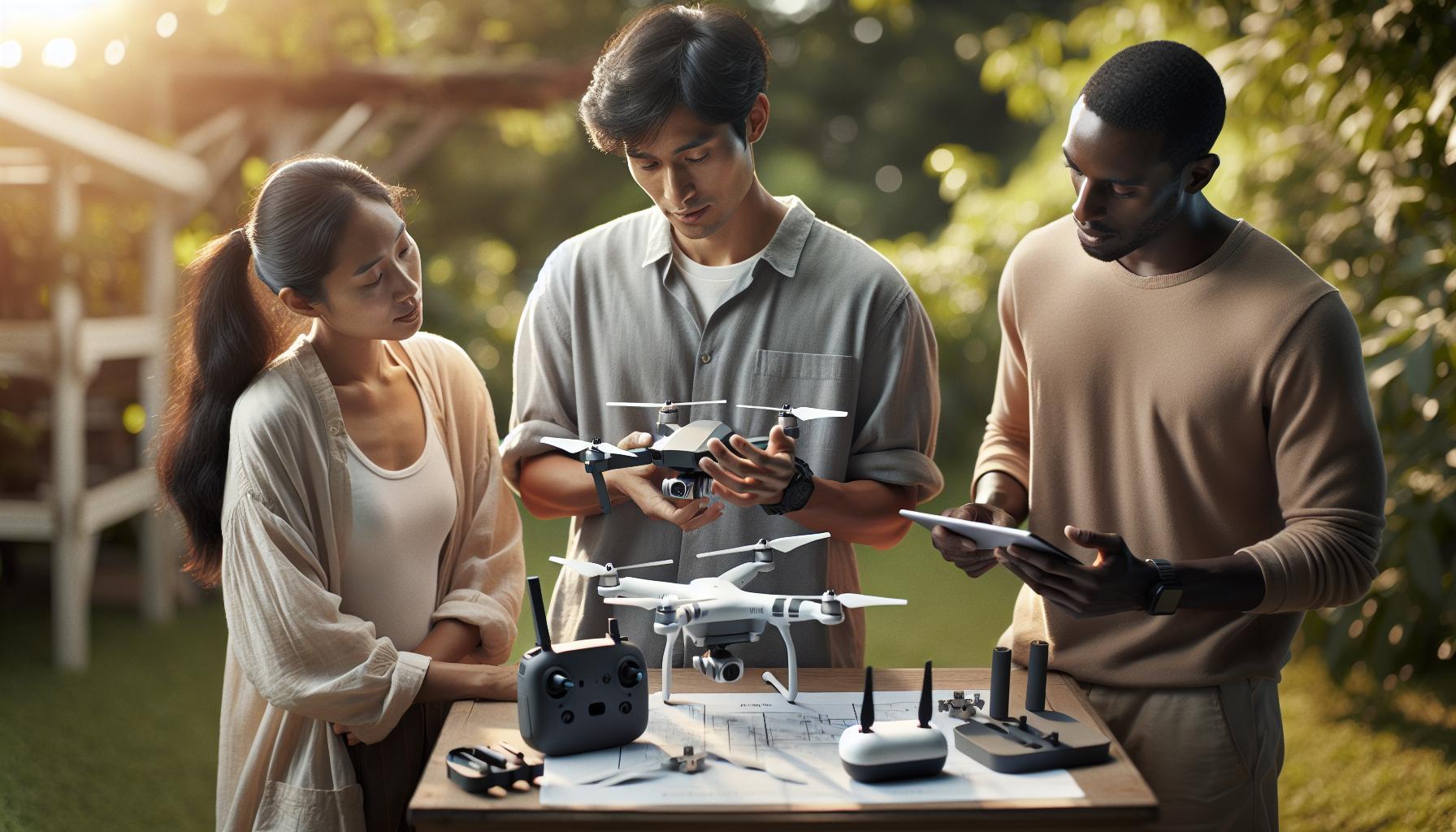
Key Components of DJI Drones Explained
Understanding the intricate design of DJI drones reveals why they have become a preferred choice among both hobbyists and professionals. Each component is meticulously engineered to enhance flight performance and user experience. Among the most crucial elements of a DJI drone are the flight controller, propulsion system, sensors, and cameras-each playing a vital role in ensuring operational effectiveness and safety.
Flight Controller
The flight controller functions as the drone’s brain, interpreting commands from the pilot and data from onboard sensors. It stabilizes the drone during flight, allowing for smooth maneuvering and responsiveness. Advanced models utilize algorithms that help maintain altitude and direction with incredible precision, even in windier conditions. Understanding how to calibrate and update the flight controller’s settings can significantly improve flight stability and reliability.
Propulsion System
At the heart of any drone’s ability to ascend, descend, and navigate is its propulsion system, which consists of motors and propellers. DJI’s propulsion systems are designed to optimize efficiency and minimize noise, which is crucial for applications like wildlife photography and surveillance. The power and size of the motors directly influence the drone’s lifting capacity, flight time, and overall performance. Regular checks on the propellers for damage can prevent loss of propulsion and enhance safety during flights.
Sensors and Cameras
Sophisticated sensors integrated into DJI drones provide essential data for safe flying, including GPS positioning, obstacle detection, and altitude maintenance. These sensors are crucial for features like intelligent flight modes, which can autonomously follow subjects or create complex flight paths. The cameras are equally impressive, offering high-resolution imagery and advanced stabilization features. Newer models often come equipped with 4K video capabilities, allowing users to capture stunning aerial footage. Understanding camera settings and features is important for getting the best results from your aerial shoots.
These components work synergistically to create drones that are not only technically advanced but also user-friendly, making them an accessible option for a broad range of applications, from recreational flying to professional photography and beyond. By familiarizing yourself with these key elements, you’ll empower yourself to operate your DJI drone more effectively, safe in the knowledge that you fully understand the technology behind it.
How DJI Drone Propulsion Systems Work
The propulsion system is the powerhouse of any DJI drone, influencing everything from flight performance to battery efficiency. At its core, this system comprises electric motors and carefully designed propellers, working in tandem to lift the drone into the air, maneuver in various directions, and maintain stability. DJI has mastered the art of propulsion by optimizing these components for different models, ensuring each drone meets the specific needs of its targeted users, whether they be hobbyists or professionals.
Understanding the Components
The propulsion system involves several critical components:
- Brushless Motors: These are the heart of the propulsion system. Unlike traditional brushed motors, brushless motors are more efficient, which means they generate less heat and provide longer flight times. Each motor is responsible for rotating a specific propeller, which allows for fine-tuned control over the drone’s movement.
- Propellers: The shape and size of the propellers directly affect the lift generated. DJI propellers are engineered to provide optimal thrust with minimal noise. The pitch of the propellers is designed to balance speed and stability, ensuring smooth flight characteristics.
- Electronic Speed Controllers (ESCs): These devices help regulate the speed of the motors. By controlling how much power is sent to each motor, the ESCs facilitate precise movements in all axes, allowing for quick adjustments during flight to maintain stability and control.
Efficient Flight Dynamics
DJI drones are equipped with intelligent algorithms that optimize the propulsion system’s performance based on current flight conditions. For instance, when ascending, the drone will automatically adjust the motor speed to provide the necessary lift while managing battery consumption-balancing performance and efficiency.
Additionally, newer DJI models feature advanced flight modes, like “ActiveTrack,” which enhance the propulsion system’s functionality. During these modes, the drone’s propulsion system works seamlessly with its sensors to autonomously maintain altitude and trajectory, ensuring smooth and responsive handling even in dynamic environments.
In conclusion, understanding how the propulsion system works allows operators to appreciate their drone’s capabilities and limitations. Whether capturing breathtaking aerial footage or navigating challenging terrains, knowledge of this essential system empowers pilots to maximize performance and ensure safe flights. Regular maintenance checks on propellers and motors can further enhance reliability, contributing to an overall superior flying experience.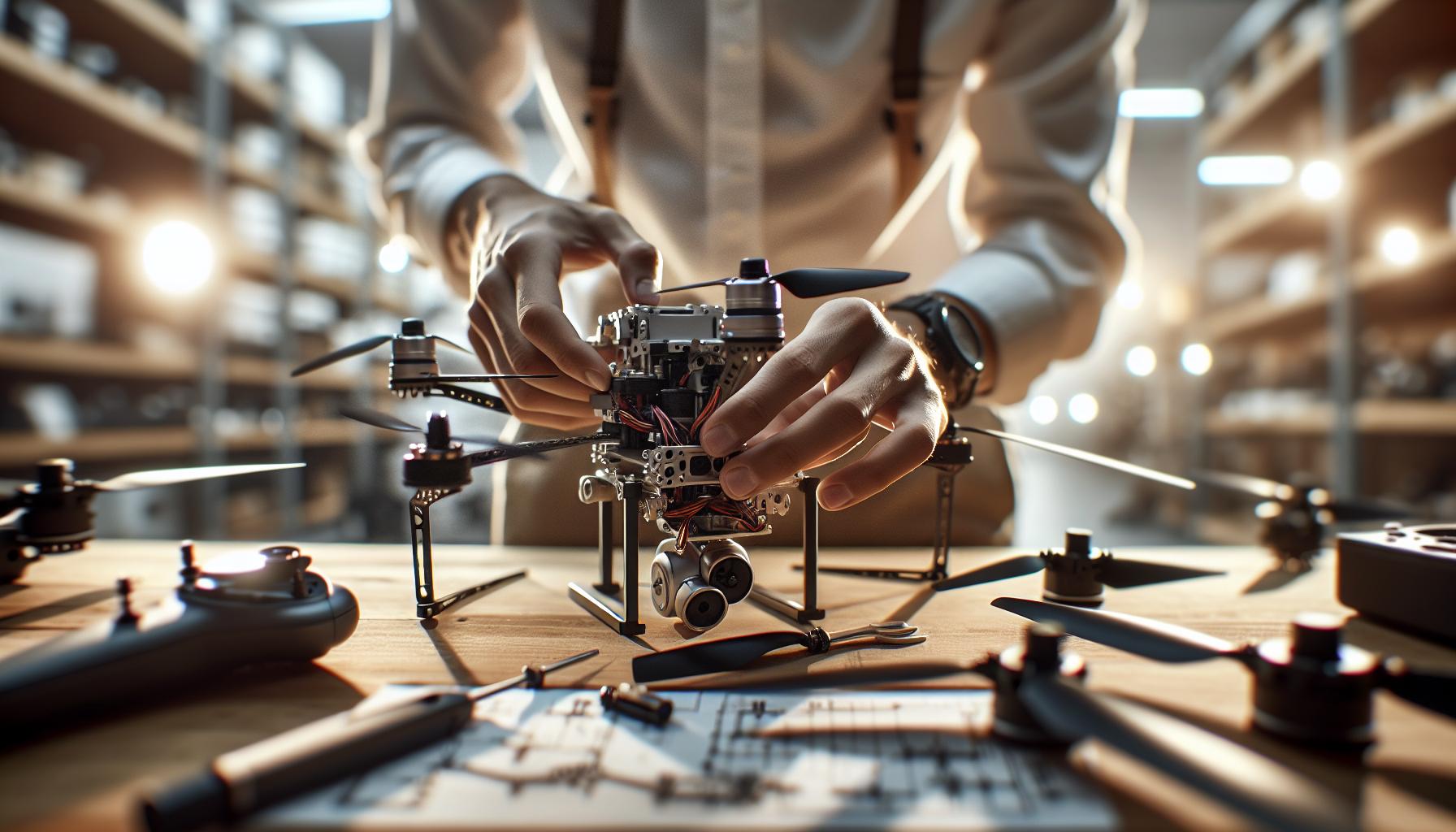
Decoding DJI Drone Sensors and Cameras
Equipped with cutting-edge sensors and cameras, DJI drones have transformed aerial photography and videography, offering users incredible capabilities to capture stunning visuals from the sky. At the heart of each DJI drone lies a sophisticated system of sensors that work in harmony with advanced camera technology, allowing users to achieve professional-quality results with ease.
Understanding DJI Sensors
The sensors in DJI drones serve multiple functions, each critical to ensuring safe and effective flight. Most models are equipped with:
- GPS Sensors: These provide precise positioning data, allowing the drone to maintain a steady hover and navigate to waypoints effectively. Accurate GPS also supports features like “Return to Home” and geofencing capabilities.
- Vision Sensors: Used primarily for obstacle detection and avoidance, these sensors can identify and navigate around objects in real-time. Advanced models incorporate stereo vision systems, which enhance the ability to perceive depth and navigate complex environments.
- IMU (Inertial Measurement Unit): This key component measures acceleration and rotation, enabling the drone to stabilize itself and maintain its orientation during flight. It also provides feedback to the propulsion system for smoother control.
Exploring Camera Technology
DJI cameras are designed to cater to both casual photographers and professional filmmakers. Incorporating high-resolution sensors, these cameras often include:
- 4K and Beyond Video Resolution: Many DJI models, such as the Mavic series, offer 4K video recording capabilities, allowing users to capture crisp and detailed footage. Some advanced variants can record in 6K or even 8K resolutions.
- High Dynamic Range (HDR): This feature enhances the quality of images taken in challenging lighting conditions, ensuring better details in both shadows and highlights.
- Three-Axis Gimbals: Ka super smooth footage is achieved as these gimbals stabilize the camera, compensating for any drone movements or wind influences. This is crucial for professional filmmaking where steady shots are essential.
With the ability to shoot stunning aerial photos and videos, the technology behind DJI drones empowers creators to explore new creative horizons. Whether it’s capturing breathtaking landscapes or dynamic action shots, understanding the interplay between sensors and cameras is essential for maximizing your drone’s potential. By leveraging these features thoughtfully, pilots can enhance their aerial projects significantly while enjoying the thrill of flying.
Exploring DJI Drone Flight Modes
DJI drones come equipped with a variety of flight modes that not only enhance the piloting experience but also expand the creative opportunities for capturing stunning aerial footage. Each mode serves a distinct purpose, catering to different user skill levels, filming needs, and flight conditions. Understanding these modes is essential for any pilot looking to maximize the potential of their DJI drone.
One popular flight mode is P-Mode (Positioning Mode), which utilizes GPS and vision sensors. This mode is ideal for beginners as it ensures stable flight conditions, allowing users to focus on capturing content without worrying about maintaining altitude or direction. Meanwhile, S-Mode (Sport Mode) is designed for experienced pilots seeking faster response times and greater maneuverability, making it suitable for racing or dynamic shots. This mode disables certain safety features, providing a pure flying experience, although pilots should exercise extra caution.
Another invaluable flight mode is Tripod Mode, which reduces the drone’s speed and sensitivity, enabling precise movement. This is particularly beneficial when filming in tight spaces or capturing intricate details. For those focused on automated shooting, the ActiveTrack mode utilizes sophisticated algorithms to follow a subject while avoiding obstacles, making it easy to capture dynamic shots effortlessly. Additionally, Waypoints mode allows users to pre-set a flight path for their drone, letting it autonomously fly to specified points, which is perfect for consistent content creation or mapping locations.
To further enrich your flying and filming experience, Cinematic Mode helps create smooth, sweeping shots by moderating acceleration and tilting commands. This ensures that footage appears more professional and polished. Each of these flight modes provides pilots with tools to enhance their creativity and efficiency, making it easier to achieve the desired results, whether for leisure, professional filming, or anything in between.
Understanding and mastering these flight modes is not just about improving your piloting skills; it’s also about expanding the artistic possibilities of what you can achieve with your DJI drone. By switching between modes based on the scenario, pilots can adapt their approach to best suit their aerial photography and videography goals.
Setting Up Your DJI Drone: A Step-by-Step Guide
Setting up your DJI drone properly is essential for a smooth flying experience and optimal performance. From unboxing to taking your first flight, this guide will walk you through each critical step to ensure your drone is ready for action. Thorough preparation not only contributes to the longevity of your drone but also enhances your overall piloting experience.
First, after unboxing your drone, take a moment to familiarize yourself with its components. Ensure that all parts, including the drone body, remote controller, batteries, and propellers, are included. Before you power on your drone, it’s essential to install the propellers correctly. Typically, DJI drones come with color-coded propeller guides. Match the colored propellers to the corresponding motor mounts-this step is crucial as improper installation can lead to crashes and damage.
Once the propellers are in place, charge your batteries fully using the approved charger. Always check for any firmware updates available by connecting your drone to the DJI Fly app. Keeping the firmware updated will provide the latest features, improvements, and crucial security updates, ensuring your drone continues to operate correctly and safely.
To get your DJI drone flight-ready, follow these additional steps:
Initial Setup Steps
- Firmware Update: Connect your drone to the DJI Fly app on your mobile device. Follow the prompts to update any firmware if necessary.
- Battery Installation: Secure the fully charged battery into your drone, ensuring a firm connection.
- Remote Controller Pairing: Turn on the controller and drone, then ensure they are paired through the app for reliable communication.
- Calibrate Sensors: In the app, follow the instructions to calibrate your compass and IMU. This ensures stable flying conditions.
- Pre-Flight Checklist: Conduct a safety check of the drone, including the propellers, battery level, and environmental factors (absence of strong winds, obstacles, etc.).
By following these systematic steps, you establish a solid foundation for flying your DJI drone. Each step is designed to enhance your safety and the performance of your drone, allowing you to focus on capturing stunning aerial footage rather than worrying about technical glitches. As you gain experience, you’ll develop a routine that streamlines the setup process further, ensuring each flight is both enjoyable and productive.
Mastering Firmware Updates for DJI Drones
Keeping your DJI drone updated with the latest firmware is essential for maximizing performance, ensuring security, and unlocking new features. Like any sophisticated technology, drones require ongoing software improvements to address bugs, enhance functionality, and optimize flight experience. Regular firmware updates can dramatically improve your drone’s capabilities, making it vital for both new and seasoned users.
To streamline your update process, first ensure you have the DJI Fly app installed on your mobile device. This app is your gateway for managing all aspects of your drone, including firmware updates. Once you connect your drone to the app via Wi-Fi or Bluetooth, you can easily check for any available firmware updates. The app will notify you if an update is necessary. It’s important to remain aware of these notifications because ignoring updates may lead to reduced performance or compatibility issues with accessories.
When you initiate a firmware update, the app typically provides a step-by-step guide to follow. Make sure your drone is fully charged and in a stable environment during the process to prevent interruptions. During the update, you may notice your drone powering off and on again; this is normal as the new software takes effect. Once the update is complete, the app will confirm that your drone is now up to date. Always remember to check the release notes for each update, as they often highlight new features or optimizations that can enhance your flying experience.
For those uncomfortable with technology, consider setting a reminder to check for updates regularly. Whether it’s weekly or monthly, keeping your DJI drone’s firmware current helps mitigate potential issues, allowing you to focus on capturing stunning aerial footage instead of troubleshooting. Regular updates not only enhance functionality but also ensure that you benefit from the latest technological advancements, keeping your drone experience fresh and exciting.
Calibrating Your DJI Drone’s Gimbal for Perfect Stability
Calibrating the gimbal of your DJI drone is an essential step to achieve perfect stability in your aerial footage. A well-calibrated gimbal can significantly reduce the impact of vibrations and sudden movements, ensuring that the camera remains level and steady during flight. This is especially critical when capturing high-quality video or stunning images where even minor shakes can detract from the overall quality.
To begin the calibration process, ensure your drone is placed on a flat, stable surface. Power on the drone and connect it to your mobile device using the DJI Go app or the DJI Fly app, depending on your model. Once connected, access the settings menu and look for the gimbal calibration option. Follow the on-screen instructions, which typically involve allowing the drone to drift and test its sensors. During the calibration, the gimbal will adjust itself in real-time, correcting any deviations in its alignment. It’s recommended to perform this calibration before major flights, especially after changing locations or when flying in varying environmental conditions.
Steps to Calibrate Your Gimbal
- Place the drone on a flat and level surface.
- Power on the drone and your remote control.
- Connect your device to the DJI app.
- Navigate to the gimbal settings.
- Select “Gimbal Calibration” and follow the prompts.
- Wait for the gimbal to complete its adjustments.
A common mistake is neglecting regular gimbal calibration. Factors like temperature changes, rough landings, and frequent travels can lead to misalignment over time. Users often find that capturing clear and sharp images is significantly improved after taking the time to recalibrate. By making this a regular part of your pre-flight checklist, you can ensure that every flight yields the best possible footage, making your DJI experience not only more enjoyable but also more professional in quality.
Moreover, if you encounter persistent stability issues during flights, it may indicate that your gimbal needs more than just a simple calibration. In such cases, checking for physical damage and ensuring that the gimbal motors are operating correctly might be necessary. Understanding your gimbal’s operation fully can make a huge difference in how effectively you can capture stunning aerial views.
Troubleshooting Common DJI Drone Issues
Navigating the skies with a DJI drone can offer thrilling experiences and stunning aerial views, but like any advanced technology, these devices can encounter issues. Recognizing common problems and knowing how to address them is crucial for both novice and seasoned pilots. Issues can range from connectivity problems to flight irregularities or camera malfunctions, and understanding how to troubleshoot effectively will enhance your flying experience.
One common issue is the drone’s refusal to take off or respond to controller inputs. This can often be traced back to restrictions set by the DJI app, such as no-fly zones or low battery warnings. Always check the app for notifications, and ensure your firmware is updated; many issues can be resolved by simply keeping your system current. Additionally, confirm that the drone is connected to GPS and that the home point is set properly-this is essential for safe takeoffs and smooth landings.
Another frequent concern is stability during flight. If a DJI drone is drifting or unable to maintain a steady hover, it might require calibration. To recalibrate, find a flat, open space and follow the calibration process detailed in the app. This involves allowing your drone to receive various sensor inputs to correct its alignment. If recalibrating doesn’t resolve the issue, inspect the propellers for damage or obstructions, as these can significantly impact flight stability.
When it comes to camera-related issues, ensure your lens is clean and your settings are configured correctly. If videos are shaky, consider recalibrating the gimbal, as even slight misalignments can cause pronounced vibrations. Furthermore, if you experience intermittent connection drops during flight, checking the signal strength and potential interferences from surrounding electronic devices can help troubleshoot the problem.
Every pilot should familiarize themselves with troubleshooting techniques, as maintaining your DJI drone is paramount to ensuring both safety and performance. For a deeper dive into drone-specific issues or step-by-step guides for addressing common problems, resources like iFixit and community forums such as Reddit can be invaluable neotroubleshooting/”>[2[2].
Comparing Popular DJI Drone Models: Mini, Mavic, and More
When evaluating DJI’s range of drones, it’s evident that different models cater to varying needs and expertise levels, making it essential for potential buyers to understand the unique characteristics and capabilities of each. DJI’s offerings span from ultra-compact design in the Mini series to the robust performance of the Mavic series, each series designed with specific user scenarios in mind.
DJI Mini Series
The Mini drones, such as the DJI Mini 3, are renowned for their lightweight and portable design, weighing under 250 grams. This makes them incredibly user-friendly, affordable, and perfect for beginners or casual users looking to enjoy drone photography without getting bogged down by regulations affecting heavier drones. With features like 4K video capability and intelligent flight modes, the Mini series empowers users to capture stunning aerial footage easily. However, while their size makes them easy to transport, they may face challenges in high-wind conditions due to their lighter build.
DJI Mavic Series
In contrast, the Mavic series, including models such as the Mavic Air 2 and Mavic 3, offers a more robust feature set catering to intermediate and professional users. Mavic drones pack advanced imaging sensors that deliver superior video and photo quality, along with longer flight times and enhanced obstacle avoidance features. For instance, the Mavic 3 boasts dual-camera capabilities, providing exceptional versatility for both photography and videography. The Mavic series also features enhanced transmission technology, ensuring a more reliable video feed over greater distances.
Comparative Overview
To clarify the differences further, here’s a quick comparison table showcasing key specifications:
| Model | Weight | Camera Quality | Flight Time | Skill Level |
|---|---|---|---|---|
| Mini 3 | 248g | 4K@30fps | 38 minutes | Beginner |
| Mavic Air 2 | 570g | 4K@60fps | 34 minutes | Intermediate |
| Mavic 3 | 895g | 5.1K@50fps | 46 minutes | Professional |
Ultimately, your choice between these models should align with your specific needs-whether it’s lightweight portability or advanced cinematic capabilities. Each drone model brings valuable features to the table, enhancing the user experience based on the pilot’s skill level and intended use.
Safety Procedures Every DJI Pilot Should Know
Flying a drone can be an exhilarating experience, but it also comes with its share of responsibilities. Adhering to safety procedures is paramount for ensuring not just your safety, but also that of others around you, as well as the integrity of your equipment. To begin with, always conduct a pre-flight inspection; check the batteries, propellers, and ensure that the firmware is up to date. Confirm that your drone is not damaged and that all systems are functioning properly before takeoff.
Understanding your surroundings is essential. Familiarize yourself with the laws and regulations governing drone flight in your area. This could involve restrictions on flying near airports, schools, or populated areas. It’s also wise to stay informed about no-fly zones, which can change based on events or local ordinances. Keeping a safe distance from people, animals, and property not only protects others but also mitigates the risk of damages or accidents.
Moreover, always maintain visual line-of-sight with your drone. This is a fundamental rule that helps you maintain control and avoid obstacles. If you need to fly beyond visual line-of-sight, consider using a spotter who can assist you in monitoring the drone’s location. Additionally, understanding when and how to use “return-to-home” features can be a lifesaver if connectivity is lost.
In more dynamic flying conditions, such as high winds or low light, it’s crucial to assess your comfort level and capabilities. If the conditions are not ideal, consider postponing your flight. Each drone model has specific safety features, so be sure to familiarize yourself with these systems. For instance, advanced models may offer GPS-assisted stabilization, which enhances control in tricky conditions.
Lastly, remember that being a responsible drone pilot goes beyond just flying safely. Engage with your community by educating others about safe drone practices. This will help promote a positive image of drone operators and foster goodwill, making it easier for everyone to enjoy the benefits of this incredible technology.
Legal and Regulatory Compliance for Drone Pilots
Drone flying is governed by a complex web of laws and regulations that vary by country, region, and sometimes even local jurisdictions. Understanding and complying with these laws is essential not just for the legality of your operations but also for ensuring safety and fostering public trust in drone technology. For instance, in the United States, the Federal Aviation Administration (FAA) provides clear guidelines that all drone pilots must follow, which include registering your drone if it weighs over 0.55 pounds, adhering to altitude restrictions, and avoiding restricted airspace.
Key Compliance Requirements
When flying DJI drones, pilots should be aware of several key regulations:
- Registration: Ensure your drone is registered with the appropriate aviation authority. For example, in the U.S., this can be done through the FAA’s website.
- Flight Restrictions: Familiarize yourself with no-fly zones, which can include areas near airports, military installations, and national parks.
- Altitude Limits: Most jurisdictions impose a maximum altitude for drone flight, often set at 400 feet above ground level.
- Daylight Operations: Many regulations stipulate that drones can only be flown during daylight hours, unless specific permissions are obtained.
- Visual Line of Sight: Keep your drone within visual line of sight at all times during operations.
Local Regulations and Permissions
In addition to national laws, local regulations can have a significant impact on drone operations. Certain cities or states may have additional rules concerning drone usage in public parks or urban areas. For example, some regions may require permits for commercial drone use or impose additional restrictions for recreational users. Therefore, it is crucial to check local guidelines and, if necessary, apply for any required permits.
Staying Informed
Compliance is an ongoing process, necessitating that pilots stay updated on changes in laws and regulations. Engaging with local drone communities, joining aviation organizations, or following regulatory updates online can be beneficial. These resources not only provide updates on new regulations but also offer insights into best practices for safe and responsible flying.
By prioritizing legal and regulatory compliance and staying informed about the flight environment, DJI drone pilots can contribute to the responsible use of this technology, ensuring a safe and respectful flying experience for everyone involved.
Essential Accessories to Enhance Your DJI Drone Experience
The right accessories can significantly enhance your experience as a DJI drone pilot, enabling you to capture stunning footage, extend flight times, and ensure your equipment is well-protected. Whether you’re a rookie looking to elevate your skills or a seasoned drone operator seeking to optimize your workflow, understanding the range of available accessories can empower you to take full advantage of your drone’s capabilities.
One of the most essential accessories for any DJI drone is additional batteries. Extended flight sessions are crucial for both recreational use and professional applications. Having extra batteries on hand allows for uninterrupted shooting and exploration, minimizing downtime. Pairing your batteries with a multi-battery charger can further streamline the process, ensuring all your batteries are ready for action at a moment’s notice.
Another vital accessory is a sturdy carrying case. DJI drones are a significant investment, and protecting them from bumps and scrapes is essential. A well-designed case not only offers protection but also provides handy compartments for controllers, spare propellers, and other gear. This organization makes it easier to transport your drone to different locations, whether for casual flying or professional shoots.
For those focused on aerial photography or videography, filters are indispensable. ND (Neutral Density) filters reduce the amount of light entering the camera, allowing for better exposure settings and smoother motion blur during video capture. This can dramatically improve the quality of your footage, especially in bright conditions. Similarly, lens protection filters help keep your camera safe from scratches or debris during your flights.
Additional Accessories to Consider
- Propeller Guards: These are perfect for beginners as they protect the drone’s blades from damage when flying in close quarters.
- Remote Control Lanyards: A lanyard can help reduce fatigue during long flying sessions, ensuring you can comfortably maneuver your drone.
- Storage Solutions: High-capacity SD cards allow for expanded storage, which is crucial for shooting high-resolution video footage.
- Carrying Straps: Useful for easy transport, especially for larger drone models like the Phantom series.
Investing in the right accessories not only enhances your flying experience but also ensures that you’re getting the most out of your DJI drone. With the right preparation and tools at your disposal, you’ll be able to explore new heights and capture breathtaking images and videos seamlessly.
Frequently asked questions
Q: How do DJI drones navigate and control their flight?
A: DJI drones utilize advanced GPS technology along with onboard sensors such as accelerometers, gyroscopes, and barometers to navigate. These systems work together to maintain stable flight and accurate positioning, allowing for smooth operation and easy maneuverability even in various environmental conditions.
Q: What types of sensors do DJI drones use for obstacle avoidance?
A: DJI drones are equipped with various sensors, including visual sensors (cameras) and ultrasonic sensors, which help detect obstacles in real time. This technology enables drones to automatically avoid collisions while flying, enhancing flight safety and user confidence.
Q: Why is calibration important when setting up a DJI drone?
A: Calibration ensures that a DJI drone’s sensors are aligned correctly and functioning optimally. Proper calibration enhances flight stability, accuracy, and overall performance. Follow the calibration guide in the setup steps to ensure your drone operates safely and effectively.
Q: How can I enhance the battery life of my DJI drone?
A: To improve battery life, always fully charge your drone’s batteries before each flight, avoid extreme temperatures during operation, and calibrate the battery regularly. Additionally, practice efficient flying techniques, such as minimizing rapid climbs and descents, to extend flight duration.
Q: What is the role of the gimbal in a DJI drone?
A: A gimbal stabilizes the camera during flight, ensuring that footage remains smooth and steady even if the drone is affected by wind or movements. Proper gimbal calibration is crucial for achieving high-quality aerial photography and videography.
Q: Can DJI drones operate in windy conditions?
A: Yes, many DJI drones are designed to handle moderate wind conditions. However, it’s essential to recognize wind limitations and avoid flying in strong winds to prevent loss of control. Always check local weather conditions before flying.
Q: How does the return-to-home function work in DJI drones?
A: The return-to-home (RTH) feature uses GPS coordinates to direct the drone back to its takeoff point automatically. It activates when the battery is low or the drone loses signal, ensuring safe recovery. Familiarize yourself with the RTH settings to maximize safety during flights.
Q: What safety features are integrated into DJI drones?
A: DJI drones come with multiple safety features, including GPS-based positioning, obstacle avoidance sensors, fail-safe modes that trigger RTH, and geofencing to prevent flying in restricted areas. Understanding these features can enhance your flying experience and safety.
Final Thoughts
Understanding how DJI drones work empowers you to harness their full potential, whether for stunning aerial photography or advanced aerial surveying. As you explore various models like the Mavic or Mini, remember that mastering the technology opens doors to creativity and efficiency in your projects. Each flight presents an opportunity to refine your skills and knowledge.
Don’t forget to dive deeper into our guides on drone setup, firmware updates, and advanced flight modes for a comprehensive understanding of DJI technology. For those ready to elevate their flying experience further, consider signing up for our newsletter for the latest tips and exclusive insights. If you have any questions or seek advice on the best drone for your needs, feel free to leave a comment or visit our product page. Your journey into the world of DJI drones has just begun-let’s keep flying together!