In the world of aerial photography and videography, distance is a critical factor that can determine the success of your drone mission. Understanding how far a DJI drone can go is essential for both hobbyists and professionals, as it directly impacts battery life, signal strength, and the ability to capture stunning footage from unique perspectives. With advancements in drone technology, particularly in 2025, knowing the distance limits of your DJI model can help you plan your flights more effectively, avoid potential issues, and unlock creative possibilities. Whether you’re aiming to capture sweeping landscapes or perform precise inspections, this guide will delve into the distance capabilities of various DJI drones, equipping you with the knowledge to take your aerial adventures to new heights. Join us as we explore the fascinating world of drone range and help you enhance your flying experience!
Drone Range Overview: Understanding DJI Capabilities
With advancements in drone technology, DJI has consistently set the benchmark for what’s possible in aerial photography and videography, leading to a growing curiosity about their range capabilities. Understanding how far a DJI drone can go involves not just the specifications but also the environmental and technical factors that play critical roles in determining actual flight distance. Generally speaking, DJI drones boast impressive maximum ranges, often stretching beyond 10 kilometers under optimal conditions. However, several elements influence this range, including signal interference, battery life, and environmental conditions such as wind and obstacles.
Key factors that affect the flight distance of DJI drones include the type of controller technology employed, the presence of obstacles that may obstruct the signal, and atmospheric conditions. For instance, drones utilizing enhanced OcuSync technology, like the Mavic Air 2 and Mini 3 Pro, often achieve better connectivity over longer distances than those relying on older transmission methods. Battery capacity also plays a significant role; with larger batteries installed, drones can maintain flight power longer, extending the time they can operate at maximum range. Furthermore, flying in open areas tends to yield better results than in urban environments laden with signal interference.
When exploring the practical limits of DJI drones’ ranges, pilots can maximize their drone’s potential by adhering to best practices. Regular firmware updates ensure optimal performance and enhance communication efficiency between the drone and controller. Additionally, utilizing flight modes designed for distance, such as “Sport” or “Tracking,” can help achieve more extensive coverage. For instance, the Auto-Return-To-Home feature can be crucial when operating at the edges of a drone’s range, ensuring a safe return before battery depletion becomes a concern. Thus, while DJI drones possess the potential for admirable range capabilities, the real-world performance hinges on a thorough understanding of these influencing factors and adherence to recommended flying practices.
Factors Influencing Drone Flight Distance
Understanding how far a DJI drone can fly is not just about the drone’s specifications; it’s a complex dance of technology, environment, and user practices. The primary include signal interference, battery life, altitude, and environmental conditions. When flying, it is paramount for operators to consider these variables to maximize their drone’s performance.
One of the most significant influences is the controller technology used. Drones equipped with advanced transmission systems like OcuSync or Lightbridge can maintain reliable connections over greater distances compared to those with older technology. For example, the DJI Mini 3 Pro and Mavic Air 2 benefit significantly from enhanced OcuSync technology, which allows for clearer signals and longer ranges. In contrast, older models may struggle in settings with multiple obstructions, resulting in limited operational distance.
Additionally, battery capacity plays a crucial role. Drones typically maintain flight power longer with high-capacity batteries, allowing them to travel farther before needing to return. It’s vital to understand your battery’s charge cycles and discharge rates under load; flying aggressively can drain your battery faster, adversely affecting your maximum range. Furthermore, operational altitude can impact your signal strength; flying higher often enhances visibility and can help avoid interference from obstacles, but it also requires more energy from the drone’s battery.
Lastly, environmental conditions such as wind speed, temperature, and terrain can alter your drone’s effective flight distance. High winds can lead to faster battery drain and more difficult maneuverability, while flying in urban areas usually involves navigating around buildings, which can disrupt signals. For optimal results, pilots should aim to fly in open areas during favorable weather conditions, ensuring they mitigate potential obstacles and maximize their drone’s capabilities.
In conclusion, achieving optimal flight distance with a DJI drone requires a comprehensive understanding of these influencing factors; preparation, awareness, and strategic planning are essential for every successful flight. Whether you’re a hobbyist exploring new vistas or a professional capturing stunning aerial footage, being mindful of these elements will elevate your flying experience.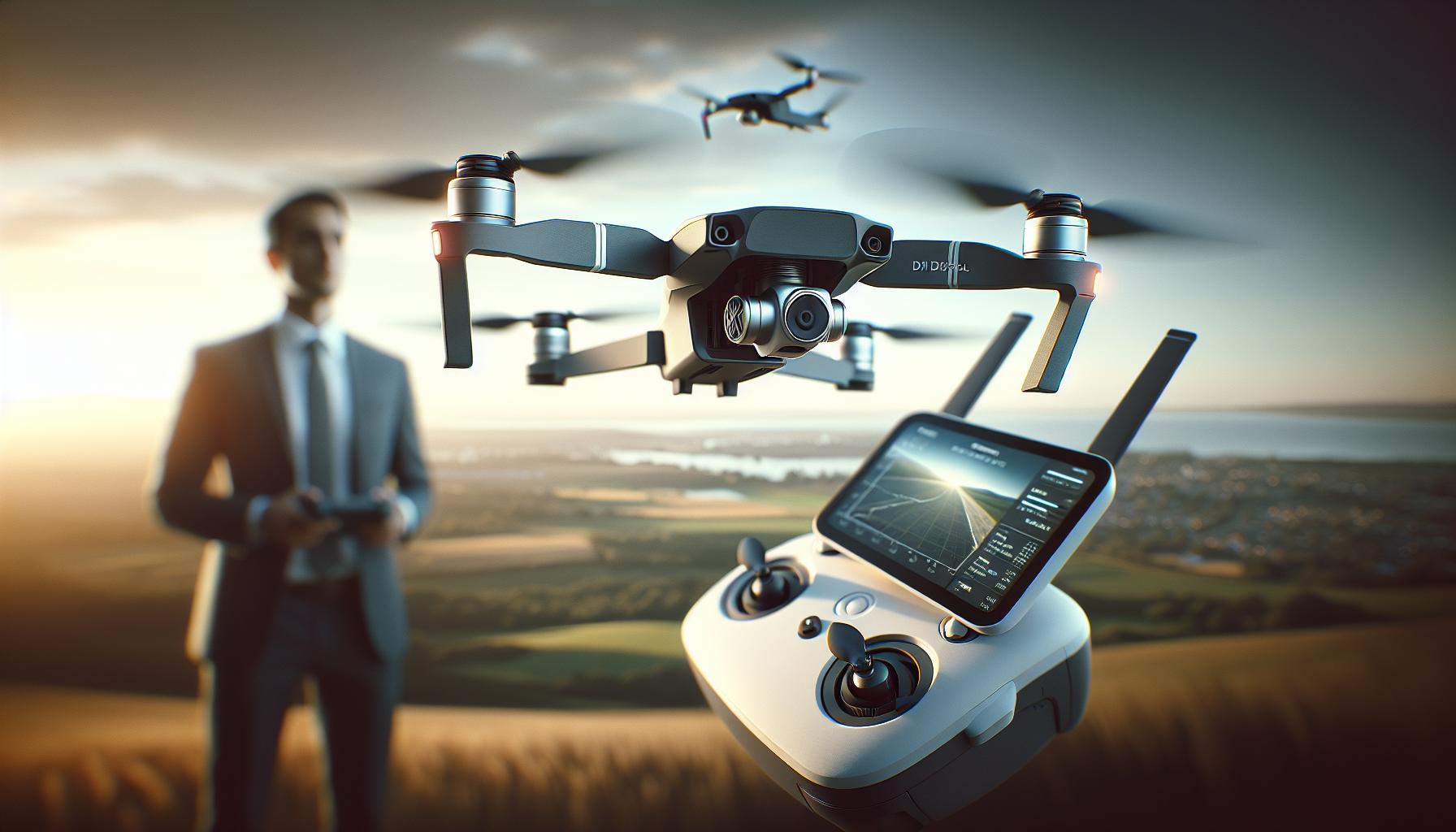
Max Distance for Popular DJI Models
Many drone enthusiasts and professionals often wonder just how far popular DJI models can actually fly, and the answer can vary significantly based on various conditions. The remarkable range capabilities of these drones make them ideal for a variety of applications, whether for leisure, photography, or surveying landscapes. Recent advancements in technology, especially in transmission systems, have profoundly influenced the maximum range of these drones.
For instance, the DJI Mavic 3, equipped with OcuSync 3.0, boasts a remarkable maximum range of up to 15 kilometers (approximately 9.3 miles) under optimal conditions. This model’s advanced communication system enhances signal stability and minimizes interference, making it a favorite among professional videographers and photographers who require extended operational distances without sacrificing quality or control. On the other hand, the DJI Mini 2, which also uses OcuSync, offers a commendable range of up to 10 kilometers (about 6.2 miles), allowing hobbyists to experience immersive flying experiences within recreational limits.
Another substantial contender is the DJI Air 2S, which combines portability with impressive range capabilities. It can fly up to 12 kilometers (around 7.5 miles), attributed to its robust transmission technology. This model seamlessly integrates advanced sensors and features, making it suitable for both beginners and experienced drone pilots looking to expand their exploration horizons.
When considering these maximum distances, it’s vital for operators to remember that real-world conditions-such as interference from buildings, trees, and even weather factors-can significantly affect actual operational ranges. Therefore, it’s always prudent to test your drone’s capabilities in safe conditions, gradually extending its range while monitoring performance.
In summary, while the maximum distances for popular DJI models are impressive, practical flying often entails a greater understanding of environmental variables and careful planning to maximize the drone’s capabilities effectively. For users aiming to harness the full power of their drone, recognizing these elements will not only enhance their flying experiences but also ensure safety and compliance with local regulations.
Real-World DJI Drone Distance Tests
Conducting real-world distance tests with DJI drones is essential for understanding their capabilities beyond manufacturer specifications. While drones like the Mavic 3 and Air 2S boast impressive maximum ranges under ideal conditions, how they perform in everyday scenarios deserves scrutiny. Operators frequently report discovering that factors such as terrain, obstacles, and interference can significantly impact the effective flight distance, sometimes reducing it to much less than advertised.
To illustrate, many hobbyists and professionals have taken it upon themselves to conduct their own flight tests. For example, users have flown the Mavic 3 in urban environments, only to find that typical obstructions such as buildings and trees can cut its range down to around 8 kilometers (approximately 5 miles) rather than the full 15 kilometers possible in an open field. Considering that the transmission system can struggle with interference, it becomes clear that flying in a clear area with minimal electronic interference vastly improves connectivity and range.
Moreover, several drone enthusiasts have shared their experiences in various forums, highlighting consistent results in real-world testing. For instance, during a test flight in a lightly wooded area, one operator managed to achieve a maximum distance of approximately 6 kilometers (around 3.7 miles) with the Mini 2-lower than the 10 kilometers under clear conditions. These personal accounts serve as a valuable resource for new pilots, allowing them to set realistic expectations and prepare appropriately for their own flights.
When embarking on distance tests, pilots are encouraged to adhere to best practices for safety and performance. Keeping the drone within visual line-of-sight (VLOS), monitoring battery levels, and staying aware of environmental factors will not only enhance safety but also the quality of the data collected during the test. By systematically recording such experiences, operators can create a better understanding of their specific drone’s performance characteristics, empowering them to make informed decisions on future flights.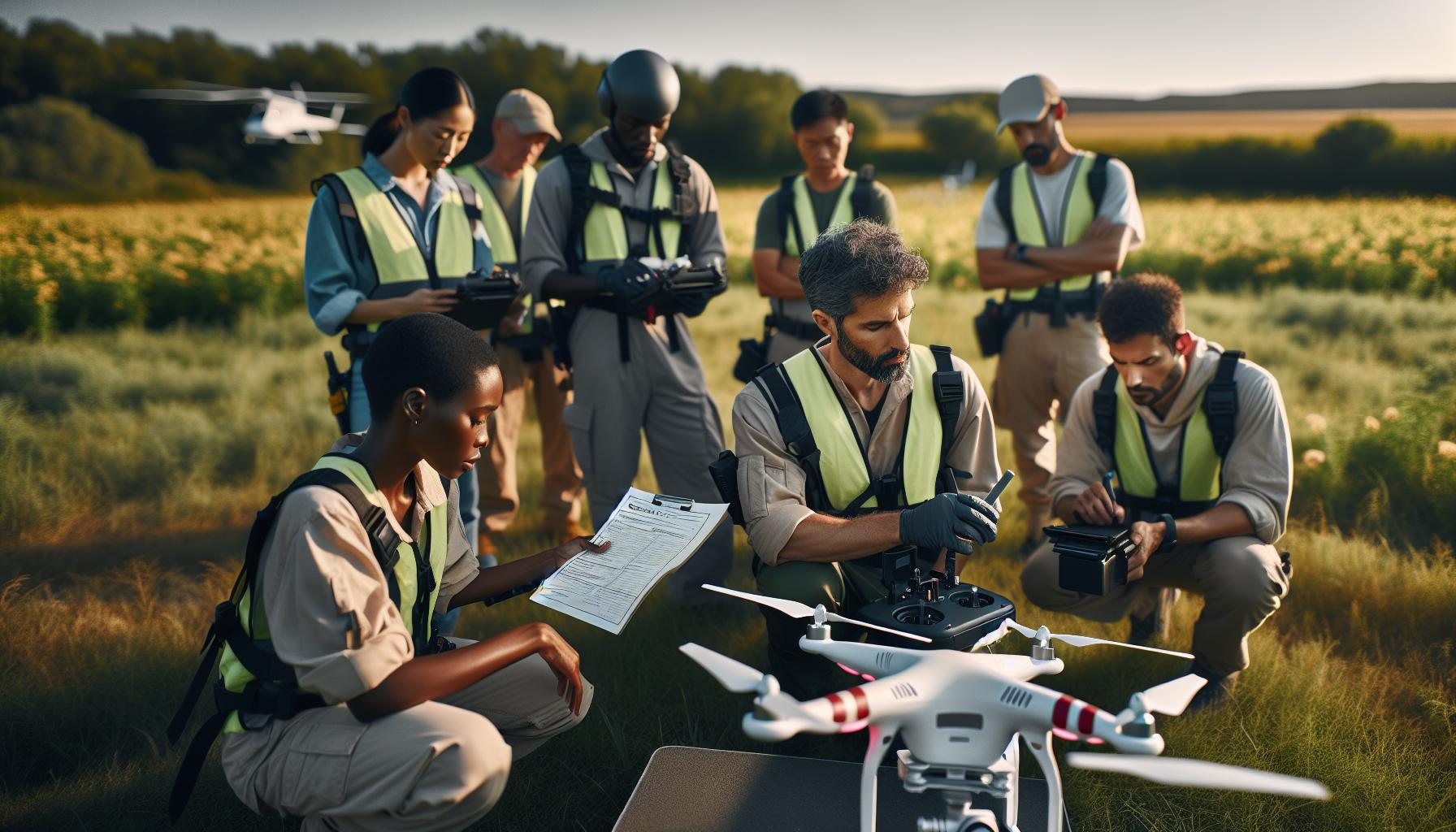
Safety Practices for Extended Drone Flights
While the allure of extended flight distances can be tempting, ensuring safety during long drone operations cannot be overstated. Proper safety practices enhance not only the longevity of your drone but also protect the surrounding environment, people, and property. One of the fundamental principles is to maintain a constant visual line of sight (VLOS) with your drone. This practice helps you stay aware of the drone’s position and any obstacles, significantly reducing the risk of collisions.
Before embarking on long flights, conduct a thorough pre-flight check. This should include verifying your drone’s battery condition, ensuring all components are functioning correctly, and confirming that firmware is up to date. Batteries should ideally be charged to a safely high level, allowing for a buffer in case the return journey takes longer than anticipated due to unexpected circumstances.
During flights, it is crucial to monitor the battery levels continuously. Implement a conservative approach by setting return-to-home (RTH) triggers at higher battery percentages than the defaults provided by the manufacturer. This precaution gives pilots peace of mind by ensuring enough power for a safe return, even when faced with unpredicted challenges such as changes in wind conditions or interference from obstacles.
Additionally, consider the environmental factors that could impact your flight. For instance, strong winds or inclement weather can dramatically reduce the effectiveness of the drone’s battery and can also interfere with the control signal. It’s advisable to avoid flying in such conditions and to practice restraint, opting for days with optimal weather forecasts. Keeping a safety buffer in both time and power management is essential when planning extended flights, allowing for extra time to deal with unexpected issues while keeping the drone safe.
By embedding these safety practices into your flight routine, you significantly increase the odds of a successful and uneventful operation, maximizing not just the distance but the overall experience of flying your DJI drone.
Regulatory Considerations for Flying Drones
The world of drone operation is thrilling but comes with responsibilities that pilots must understand and respect. Regulatory considerations are crucial for safe and legal operation, especially as drone technology evolves and regulations adapt to its advancement. Each country has specific laws governing drone use, including restrictions on where you can fly, the maximum altitude permissible, and requirements for maintaining visual line of sight (VLOS). In many regions, such as the United States, the Federal Aviation Administration (FAA) mandates registration of drones over a certain weight, primarily to facilitate accountability and safety in the skies.
Key Regulatory Frameworks
Understanding the regulatory framework can be overwhelming, but breaking it down into key components can help. Consider these essential elements:
- Registration: Drones typically over 0.55 pounds (250 grams) must be registered with the appropriate governing body.
- Approval for Commercial Use: If you’re using a drone for commercial purposes, additional certifications like Part 107 in the U.S. may be required.
- Flight Restrictions: Certain areas are designated as No Fly Zones, including near airports, military bases, and densely populated urban areas.
- Operational Limitations: Many jurisdictions limit flights to a maximum altitude, commonly 400 feet AGL (above ground level), to prevent conflict with manned aircraft.
Staying Updated and Compliant
Regulations can change, and it’s crucial for drone pilots to stay updated on local laws. Regularly reviewing resources from regulatory bodies can provide clarity and updates on new laws or revisions to existing ones. Tools such as drone mapping apps or websites that track airspace can also assist pilots in ensuring they operate within legal parameters.
Moreover, participating in local drone clubs or online forums can help foster community learning about regulatory compliance and safe flying practices. Sharing experiences with other operators not only enhances knowledge but also builds a network of support that can provide critical information about airspace changes or operational tips.
By prioritizing compliance with drone regulations, pilots can contribute to a safer airspace, ensuring that drone use remains sustainable and respected, allowing the exciting possibilities of drone technology to flourish responsibly. Keeping informed not only helps avoid penalties but also promotes mutual respect with other airspace users, which is essential for the continued development of drone operations worldwide.
Maximizing Battery Life for Longer Flights
To truly enjoy the freedom of extended flights with your DJI drone, understanding how to maximize battery life is essential. Battery performance significantly impacts your drone’s operational distance, and optimizing it can unlock remarkable advantages in flight duration. The primary factor influencing battery efficiency is the weight of your drone; however, pilots can also enhance battery life through various strategies to achieve longer flight times.
The first step in maximizing battery life is understanding flight conditions. Weather plays a crucial role; flying in strong winds or extreme temperatures can drain your battery much faster than in mild conditions. Keeping your drone light and balanced is also critical. When possible, remove any unnecessary accessories or payloads that can add to the overall weight. Additionally, try to maintain a steady flight speed; aggressive maneuvers consume more energy.
Another significant aspect is utilizing the right flight modes. DJI drones come equipped with several intelligent flight modes which optimize performance for different purposes. For instance, using the ‘Cinematic Mode’ slows down the drone’s movements, allowing for efficient energy consumption, which can prolong battery life. Additionally, practicing gentle ascent and descent techniques can also save battery. Rapid altitude changes require more power, so ascents should be gradual and deliberate.
Furthermore, keeping your battery well-maintained is crucial. Ensure that your battery is charged correctly and avoid letting it discharge to extremely low levels. Lithium-polymer (LiPo) batteries, which are common in DJI drones, perform best when stored at a partial charge (around 40-60%) if the drone will not be used for an extended period. Regularly check for any damage or wear on the battery and consider replacing it after a certain number of flight cycles to prevent any potential drops in performance.
To summarize, strategies to extend your drone’s battery life include monitoring environmental conditions, managing weight efficiently, utilizing appropriate flight modes, and maintaining battery health. By following these guidelines, you can maximize your flight time and enjoy the full capabilities of your DJI drone, taking your aerial adventures to new heights.
Tips for Enhancing Drone Signal Range
To achieve optimal flight distance with your DJI drone, enhancing your signal range is crucial. Signal loss can lead to premature interruptions, loss of control, and in extreme cases, your drone going out of range entirely. Understanding and implementing strategies to improve signal fidelity can significantly extend your operational range and enhance your overall flying experience.
One of the simplest yet most effective strategies is to maintain a clear line of sight between your drone and the controller. Physical obstructions such as trees, buildings, and even dense foliage can absorb or disrupt the radio signals. Therefore, whenever you plan a flight, try to choose a location that allows for an unobstructed view. Additionally, flying at a higher altitude can help mitigate signal interference, as this often elevates the drone above potential barriers.
Another key factor is the choice of antennas. Many DJI controllers come equipped with omnidirectional antennas, which are excellent for general use. However, you can consider upgrading to directional antennas that focus the signal in a specific direction, increasing the range and reducing loss due to interference. This is particularly useful during long-distance missions or in areas with a lot of competing signals.
Temperature and weather conditions also play significant roles in signal effectiveness. Cold or humid environments can lead to increased signal degradation. Therefore, maintain a moderate temperature and try to avoid flying in extreme weather conditions, as these elements can negatively impact not just your signal range, but also the performance and safety of your drone. Furthermore, consider pre-programming your flight paths using DJI’s intuitive software, allowing your drone to operate autonomously while you maintain focus on signal monitoring.
Finally, keeping your firmware updated is essential. DJI frequently rolls out updates that improve performance, which can include enhancing signal transmission protocols. Regularly check for updates and ensure both your drone and controller are running the latest software. By applying these signal-enhancing tips, you’ll not only maximize your drone’s flying distance but also enhance its overall responsiveness and safety, allowing for an experience that’s both enjoyable and secure.
Understanding the Technology Behind Drone Range
The capabilities of DJI drones when it comes to flight distance are underpinned by sophisticated technology that integrates communication protocols, battery management, and signal processing. These elements work together to optimize performance, ensuring that both hobbyists and professionals can achieve impressive ranges with clarity and stability.
At the heart of a drone’s range is its communication system, which typically utilizes a combination of 2.4 GHz and 5.8 GHz frequencies to transmit signals between the controller and the drone. This dual-band capability helps mitigate interference from other wireless devices, enhancing the reliability of the signal. For example, the DJI Mavic 2 Pro can achieve a maximum transmission distance of up to 8 kilometers under optimal conditions, thanks to its robust OcuSync technology. This technology not only provides a clearer video feed but also maintains connection integrity over longer distances, which is crucial for complex aerial operations.
Another critical component is the drone’s battery technology. DJI continues to innovate in lithium polymer (LiPo) batteries, which provide high energy density that translates into longer flight times and ranges. The intelligent battery management systems monitor the battery’s health and performance, ensuring that the drone can efficiently manage power during extended flights. Moreover, features like Smart Return to Home allow operators to recover their drones safely if they approach the maximum range or the battery begins to deplete.
Environmental factors also play a significant role in influencing flight distance. For instance, flying at higher altitudes can often enhance range performance by reducing obstacles that obstruct signals. Additionally, temperature, humidity, and wind can dynamically affect connectivity and battery efficiency. Pilots are encouraged to conduct pre-flight checks regarding weather conditions and choose environments that optimize their flight path, further ensuring that the technology behind their drone can perform to its maximum potential.
By understanding these technological aspects, pilots can make informed decisions on how to leverage the capabilities of their DJI drones for longer, safer, and more efficient flights. Emphasizing the importance of proper setup, knowledge of flight modes, and constant updates to firmware fosters a proactive approach to drone operation, ultimately enhancing both experience and performance.
Flight Modes Affecting Distance and Performance
Understanding the various flight modes available on DJI drones can significantly impact performance and distance capabilities. Each mode is designed to optimize the flying experience for different scenarios, whether you’re capturing stunning aerial photography or conducting detailed survey work. These modes not only influence how the drone operates but also play a role in how far it can go under specific conditions.
The most common flight modes include P (Positioning) Mode, S (Sport) Mode, and C (Camera) Mode:
- P Mode: This is the default mode for most DJI drones, balancing speed and control. It utilizes GPS and vision sensors, making it ideal for stable flight at moderate distances. Pilots will find this mode suitable for general photography and video as it maintains a strong connection with the remote controller.
- S Mode: For those seeking speed and agility, S Mode enables the drone to switch to a more responsive flight experience, allowing for faster maneuvers and sharper turns. This mode can lead to a reduction in flight range due to increased power consumption, but it provides a thrilling experience for racing and dynamic shot composition.
- C Mode: In Camera Mode, the drone focuses on stabilizing the gimbal and optimizing camera settings, often reducing speed. This mode maximizes the drone’s ability to capture high-quality images and videos while maintaining a steady altitude and position, which can be crucial for ensuring clarity over longer distances.
Each mode has its applications, and understanding them can help you choose the correct setting based on your mission objectives. For instance, while flying in S Mode might decrease your battery life due to higher energy demands, it can also facilitate swift repositioning for capturing shots in dynamic environments. Conversely, using P or C Mode allows you to extend your flight time and distance by conserving battery power and maintaining a stable connection.
Moreover, advanced features like Waypoints or Follow Me modes can enhance your flight experience. These automated flight paths are designed to optimize distance travel while allowing the pilot to focus on camera control or monitoring environmental conditions. Using such features effectively can significantly increase your ability to cover larger areas, especially useful in mapping and surveillance operations.
In summary, understanding and strategically selecting flight modes based on your objectives and environmental conditions is essential for maximizing the distance and performance of DJI drones. Whether you’re capturing breathtaking landscapes or engaging in more structured aerial tasks, leveraging these modes will enhance your operational efficiency and extend your drone’s capabilities in the air.
Alternative Methods for Extended Drone Range
To push the boundaries of your DJI drone’s flight capabilities, consider several innovative approaches that can significantly enhance its effective range. One of the most effective methods is installing a high-gain antenna on your remote controller. These antennas amplify the signal strength, allowing for a more stable connection between the drone and controller, which can translate to improved range, particularly in areas with obstacles or interference. Another option is utilizing drone range extenders or boosters, which are designed to enhance the operational distance by augmenting the signal quality, thus extending your flight capabilities without compromising performance.
Another strategy to extend your drone’s range is optimizing flight parameters during your sessions. Maintaining a clean, unobstructed line of sight between the drone and the remote controller is crucial. Signal interference from buildings, trees, or even electronic devices can impede your connection. Flying at a higher altitude can sometimes mitigate this issue, as it reduces potential obstacles that might interfere with the signal. Utilizing flight apps that provide real-time telemetry can help you monitor signal strength, enabling you to make informed decisions about your flight path.
Additionally, experimenting with different frequencies can yield benefits in range. Most DJI drones operate on a 2.4 GHz frequency band, which is common for many devices and may be congested in urban areas. Switching to a 5.8 GHz frequency, if available on your model, can help reduce interference and improve connection stability. This switch can be particularly beneficial in crowded locations or during events where many drones might be operating simultaneously.
Regular maintenance of your drone and its components is also vital for maximizing range. Ensure that firmware is up-to-date, as manufacturers often release updates that improve performance and connectivity. Periodically checking for any mechanical issues in the drone, such as propeller damage or battery integrity, can prevent failures that might limit your flight range. By understanding and implementing these techniques, drone operators can significantly enhance their flying experience, covering more ground and capturing extraordinary aerial footage.
Frequently Asked Questions
Q: How far can a DJI drone fly on average?
A: On average, DJI drones can fly distances ranging from approximately 4 to 10 kilometers (2.5 to 6 miles) depending on the model and environmental conditions. Factors like signal interference and battery life significantly influence the actual achievable range.
Q: What factors affect the flight distance of DJI drones?
A: Flight distance is influenced by several factors, including battery capacity, signal strength, environmental obstacles, and flight modes. High wind conditions and potential interference from buildings or terrain can also limit range.
Q: How do DJI drone models compare in terms of distance?
A: Different DJI models offer various maximum ranges; for instance, the DJI Mini series typically has a range of 4 kilometers, while the Mavic Air 2 can achieve up to 10 kilometers under optimal conditions. Compare specific model specifications for precise data.
Q: Can I extend the range of my DJI drone?
A: Yes, you can extend your DJI drone’s range by using aftermarket antennas or signal boosters, keeping the drone within line of sight, and flying in open areas free from obstructions that might interfere with the signal.
Q: What is the maximum altitude a DJI drone can reach?
A: The maximum altitude for most DJI drones is regulated to 120 meters (400 feet) above ground level, which is a safety precaution to avoid manned aircraft. Refer to your local regulations for any specific restrictions.
Q: How does battery life impact DJI drone range?
A: Battery life directly affects the range of DJI drones; a fully charged battery allows for maximum flight distance. Regularly monitoring battery levels and ensuring they are fully charged before long flights is crucial for extending range.
Q: Are there any legal distance limits for flying DJI drones?
A: Yes, in many regions, pilots must adhere to legal restrictions, which often include maintaining visual line of sight and altitude limits. Always check your local regulations before flying to ensure compliance with distance and altitude restrictions.
Q: How can I achieve the best signal while flying my DJI drone?
A: To achieve optimal signal strength during flight, fly in areas with minimal interference, optimize the positioning of your control device, and avoid flying behind obstacles. Utilizing the latest firmware updates can also enhance signal reliability.
Concluding Remarks
As we’ve explored the distance limits of DJI drones in 2025, it’s clear that understanding these capabilities can enhance your flying experience. With advancements in technology, you can push the boundaries of exploration safely and effectively. If you’re eager to dive deeper into drone setups or troubleshooting common issues, check out our guides on firmware updates and gimbal calibration to maximize your drone’s potential.
Don’t forget to subscribe to our newsletter for the latest tips and product reviews tailored for drone enthusiasts like you. Whether you’re a beginner or a seasoned pilot, your journey into the skies can be filled with breathtaking views and unforgettable aerial adventures. Share your experience or questions in the comments below-we’d love to hear about your flights! Explore our related content on flying safely and mastering advanced features, and let’s keep elevating your drone skills together. Happy flying!