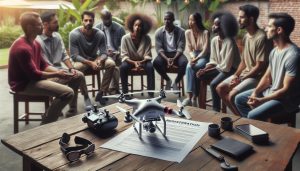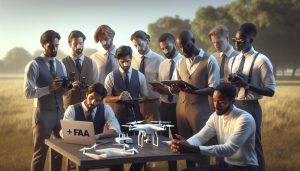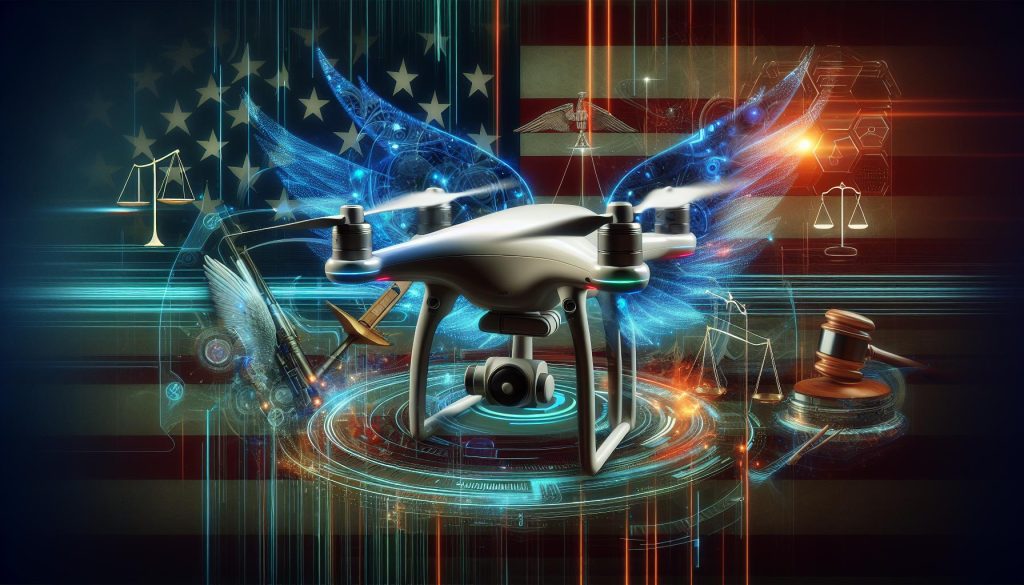
As the popularity of drones soars, understanding their legal status becomes increasingly important for enthusiasts and professionals alike. In 2025, the question looms: are DJI drones banned in the US? With technological advancements and regulatory shifts, it’s crucial to stay informed about any restrictions that may impact your flying experience. Whether you’re using a drone for creative pursuits, commercial applications, or simply as a hobbyist, compliance ensures safety and opens doors to endless possibilities. Dive into the nuances of current regulations, explore potential implications for drone operation, and equip yourself with knowledge that will empower your aerial adventures. Stay tuned to discover what the future holds for DJI drones in the US!
Legal Overview of DJI Drone Restrictions in the US
The regulatory landscape for DJI drones in the United States is marked by a complex interplay of federal oversight and state-level restrictions, driven largely by national security concerns and privacy issues. As of 2025, while there is no outright ban on DJI drones nationwide, various regulations impose significant limitations on their usage, particularly in sensitive areas. This environment is fraught with challenges for drone operators who must stay informed about restrictive measures that could affect their ability to fly commercially or recreationally.
Drone operators are primarily regulated by the Federal Aviation Administration (FAA), which requires all drone users to adhere to rules surrounding registration, flight altitude, and operational airspace. Additionally, federal legislation has introduced specific guidelines aimed at preventing surveillance and data collection from foreign-made drones, particularly those manufactured by DJI, which is based in China. These rules are a response to concerns about data security and the potential misuse of drones for espionage or unauthorized surveillance. As a precaution, certain government agencies have restricted the use of DJI drones, prompting a cautious approach among businesses and hobbyists alike.
At the state level, variations in drone laws add another layer of complexity. Some states have enacted their own regulations which may include restrictions on flying near critical infrastructure, schools, or crowded public events. Additionally, local ordinances may impose additional requirements, such as obtaining permits or providing notification for specific types of flights. Drone operators must navigate this patchwork of laws, understanding both the federal and state-level mandates that govern their activities. Staying compliant not only mitigates risks but also enhances the safety and responsibility of all drone operations.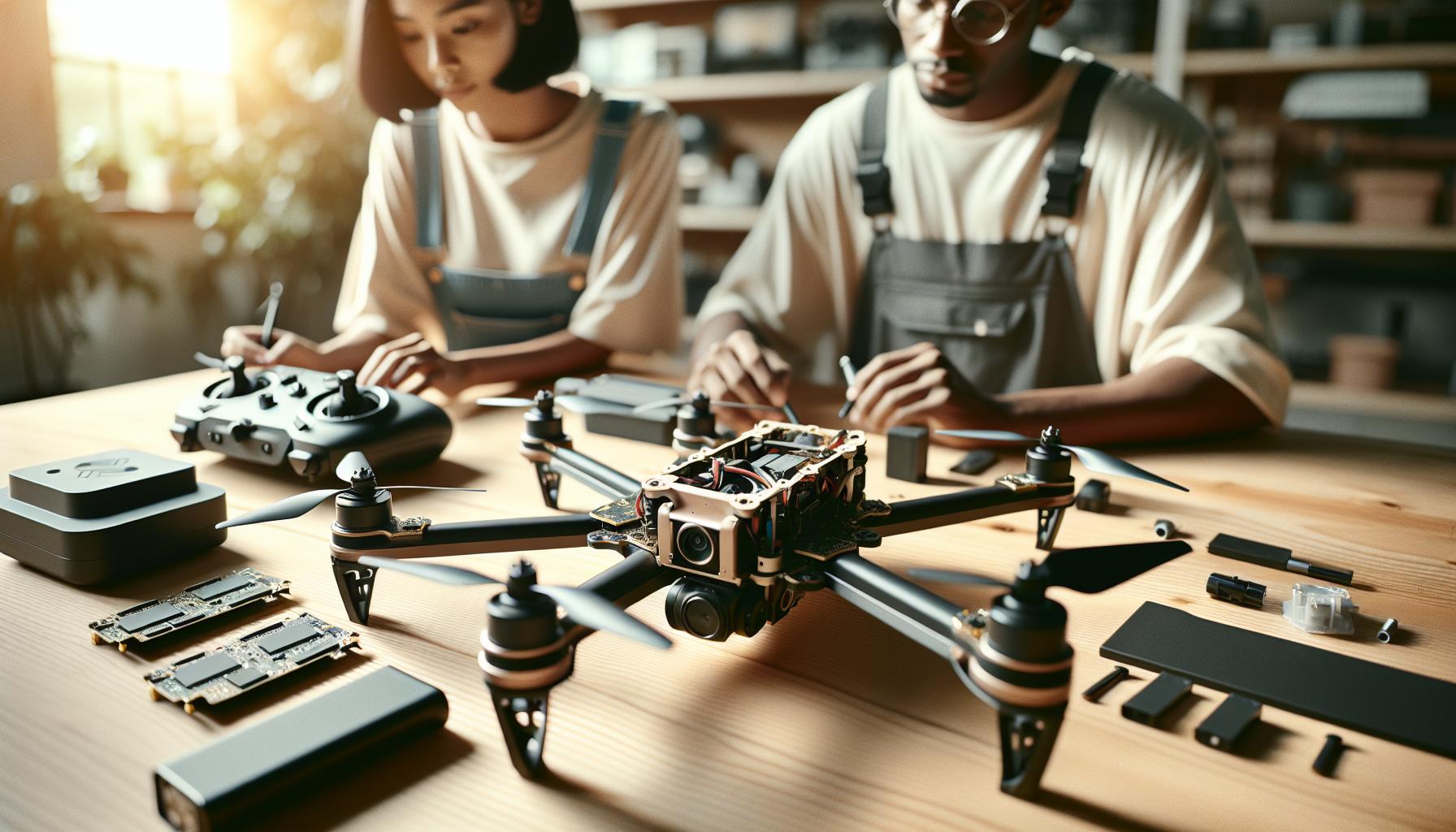
Key Reasons for DJI Drone Bans
The rise of DJI drones has transformed the landscape of aerial photography, filmmaking, and various commercial applications, but with this popularity comes substantial scrutiny and regulatory challenges. One of the primary reasons for the increasing restrictions on DJI drones in the United States revolves around national security concerns. Given that DJI is a Chinese company, there are fears that the data collected by these drones could be accessed by the Chinese government, particularly in sensitive areas or during critical operations. This concern is particularly pronounced among military and governmental agencies, leading to bans or restrictions on the use of DJI drones by federal employees and contractors.
Another significant factor is the potential for unauthorized surveillance. Instances where DJI drones have been found to collect data beyond intended operational scope exacerbate these concerns. For example, reports have indicated that DJI’s software could be capable of transmitting flight data back to server locations that may not align with U.S. data privacy expectations. As a result, various institutions have opted to restrict or prohibit DJI drones on their premises. This has trickled down to private enterprises and even individual operators who are wary of being associated with the brand amidst ongoing investigations and discussions surrounding data security.
Furthermore, the broader legislative environment surrounding drone technology adds another layer of complexity. The Federal Aviation Administration (FAA) has been working to establish comprehensive regulations that address not only operational safety but also the ethical implications of drone usage. With attention shifting towards ensuring that drone operators meet rigorous standards, DJI drones face hurdles as they are often associated with security risks that are perceived to be more significant than those posed by other brands.
Overall, the intertwining of security concerns, governmental regulations, and public perception creates a challenging environment for DJI drone operators in the United States. As policies evolve and additional laws are enacted, these factors will continue to shape the operational landscape for DJI users.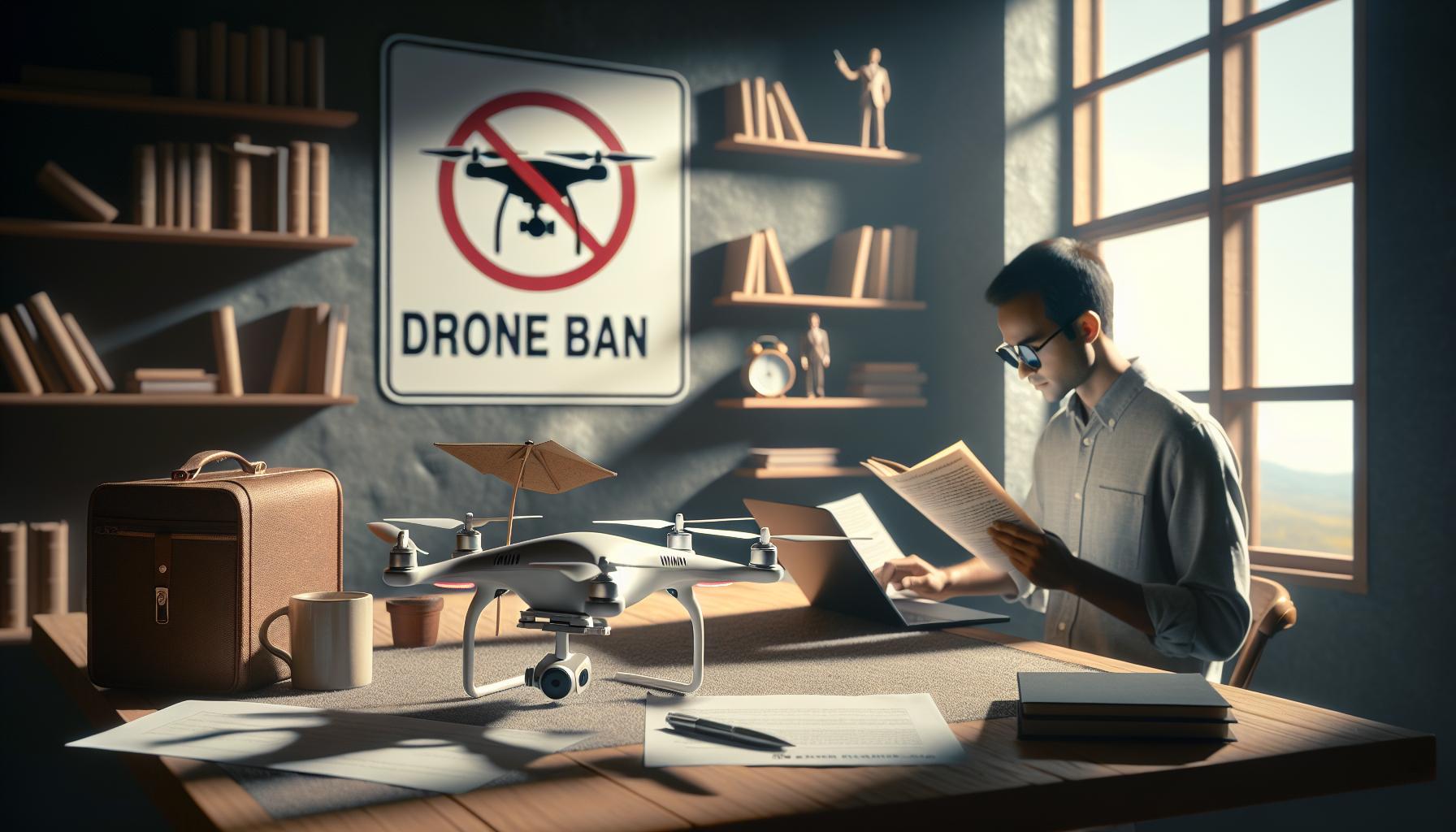
Current Federal Regulations Affecting DJI Drones
Concerns about privacy and national security have significantly influenced federal regulations impacting DJI drones in recent years. In the United States, various federal agencies have enacted guidelines and restrictions that particularly target the use of DJI products among government employees and contractors. For example, the U.S. Department of Defense has imposed bans on the use of DJI drones due to fears surrounding data security. This has extended to other federal agencies, restricting the use of DJI drones for official tasks where sensitive data could be exposed.
The Federal Aviation Administration (FAA) oversees the regulation of drone operations in the U.S. and has established extensive rules governing commercial and recreational drone use. While these regulations are generally applicable to all drone manufacturers, the scrutiny surrounding DJI has prompted additional layers of oversight. The FAA emphasizes safe operating procedures, including maintaining visual line-of-sight during flights and adhering to altitude restrictions. However, operators need to be particularly aware of the heightened concerns surrounding data transmission and storage practices unique to DJI products. As a precaution, agencies are often required to determine which drone models can be safely used without risking sensitive information.
Moreover, the recent recommendations from the Department of Homeland Security (DHS) encourage federal departments to perform risk assessments before deploying any foreign-sourced drones, which can affect DJI’s market presence and usage across various sectors. These evaluations may consider the potential for data interception and the implications for sensitive missions. As a result, restrictions may not only arise from federal policy but from internal governing bodies creating their own regulations based on the perceived risks of using DJI products.
To navigate these regulations effectively, drone operators must stay informed about ongoing legislative changes. This can involve regularly checking for updates from the FAA and understanding how agency requirements may dictate the acceptance or prohibition of DJI drones in their operations. Observing best practices for operational safety, such as limiting the areas of use and being cognizant of the data being collected, will also aid in compliance with existing frameworks. Understanding these federal regulations is essential for any DJI drone operator looking to responsibly integrate drone technology into their activities while adhering to the existing legal landscape.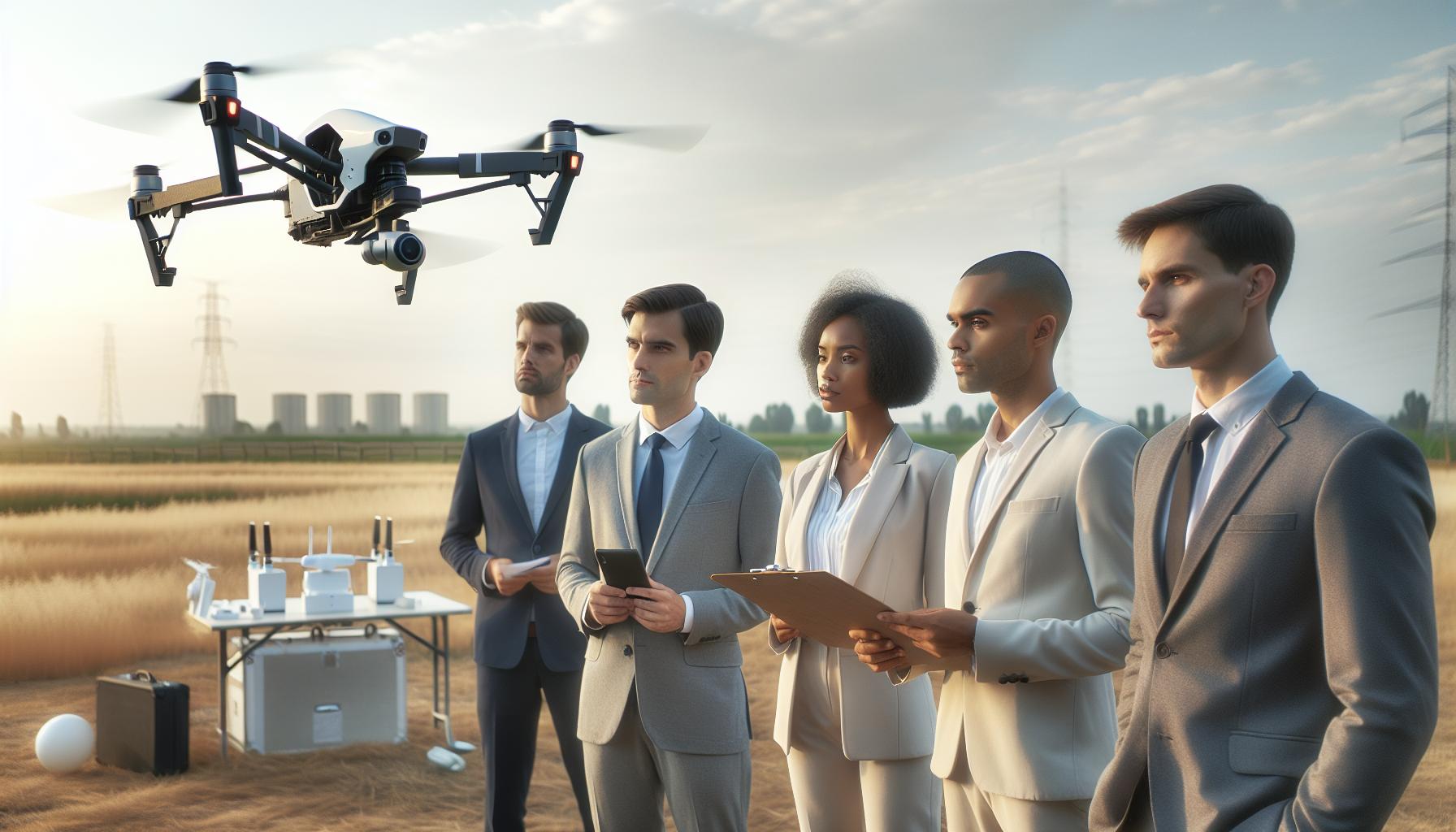
State-Level Restrictions on DJI Drone Usage
vary significantly across the United States, reflecting a patchwork of regulations driven by local concerns ranging from privacy issues to national security. Some states have been proactive in imposing tighter controls on the use of foreign-made drones, particularly those from DJI, due to fears regarding data collection and protection. For instance, several state legislatures have enacted laws that specifically limit the use of DJI drones by public agencies, compelling them to seek alternatives when performing tasks involving sensitive information or data transmission.
Local governments may also enforce their own rules concerning where and when drones can operate. Popular tourist destinations and urban areas often implement strict bans on drone flights to protect local wildlife, ensure public safety, and preserve the tranquility of these locations. It’s crucial for drone operators to remain informed about these local statutes because operating a DJI drone in a restricted area can lead to fines and potential legal repercussions. To help navigate these complexities, it’s beneficial to check for any state-specific regulations prior to your flight and consult with local officials or resources.
Moreover, state-level bans are often a reflection of broader national security concerns. For instance, some states may mimic federal guidelines by discouraging or prohibiting the use of DJI drones in certain government projects or contracts. This is particularly relevant for agencies managing sensitive infrastructure or information. As state governments assess their drone policies in light of these national security issues, pilots must be proactive in understanding their rights and the rules applicable in their specific locations, using resources such as state aviation departments or legal advisories focused on UAV operations.
For drone enthusiasts and professionals alike, navigating these restrictions effectively not only ensures compliance but also enhances the enjoyment and utility of drone technology. By remaining vigilant regarding evolving state laws and establishing open communication lines with local authorities, drone users can better ensure that their flying activities align with current regulations while still enjoying the dynamic capabilities DJI drones offer.
Impacts of National Security Concerns on DJI Operations
Concerns surrounding national security have significantly impacted the operations of DJI, a leading manufacturer of consumer and commercial drones. The U.S. government has raised alarms about potential data risks associated with the company’s products, which are manufactured in China. Given the geopolitical climate and ongoing tensions between the U.S. and China, there is a heightened scrutiny of technologies that could facilitate data collection or espionage. This has led to a series of bans and restrictions on DJI drones, particularly among government agencies.
One of the key implications of these national security concerns is the prohibitive regulations imposed on the use of DJI drones by federal agencies. For example, the Department of Defense has mandated that personnel avoid using DJI products in sensitive operations. This prohibition stems from fears that data captured by the drones could be accessed or manipulated by foreign entities. As a result, many government contracts have shifted away from DJI in favor of U.S.-made alternatives that offer perceived enhanced security measures.
Furthermore, legislation at both state and federal levels reflects these national security priorities. Several states have moved to enact laws that limit or completely ban the use of DJI drones by public entities, requiring them to seek alternatives that are considered less risky regarding data privacy. This legal landscape forces drone operators to stay vigilant about changing regulations and may compel them to invest in alternative technologies that comply with state and federal guidelines.
The repercussions of these restrictions are not purely regulatory; they extend to the broader market for drone technology in the U.S. As public agencies adjust their procurement strategies in response to these concerns, there may be opportunities for U.S. drone manufacturers to capture a larger share of the market. This shift could ultimately influence the future landscape of drone technology, paving the way for new innovations that meet both operational needs and security requirements.
Operating within this challenging environment necessitates a thorough understanding of the legal landscape. Drone enthusiasts and professionals must navigate an increasingly complex web of regulations while remaining aware of technological advancements that offer secure and compliant alternatives, ensuring their operations remain within the bounds of legality and public trust.
User Experiences and Reactions to Drone Bans
Experiences shared by drone users in response to DJI bans reveal a complex mix of frustration, adaptability, and innovation within the community. Many hobbyists and professionals feel the sting of these restrictions, as DJI has long been a favored brand due to its advanced technology and user-friendly designs. Pilots across the country have expressed their difficulties accessing parts, services, and the robust features offered by DJI drones, leading to a sense of loss in capability for some aerial photography and videography projects. For instance, a number of filmmakers who relied heavily on the Mavic and Phantom series for commercial shoots find themselves scrambling for replacements without the same quality or functionality.
Despite these setbacks, many drone operators are adapting their practices. Community forums demonstrate a resilient spirit among DJI lovers, who are seeking alternatives and sharing tips on transitioning to different brands, such as Autel Robotics and Parrot. Users have been vocal about their experiences using these substitutes, often highlighting the learning curve involved in mastering new systems and software. Some report that although these alternatives can vary in quality, they are increasingly seeing improvements in technology that may challenge DJI’s previous market dominance.
Furthermore, reactions from the professional sector indicate a growing push for innovation in U.S.-made drone technology. Companies are responding to government restrictions by accelerating the development of competitive products that meet the security standards required by government contracts. This shift could foster a new era of creativity and growth in the drone industry, offering users enhanced options and greater security assurances. Pilot forums and social media platforms are filled with discussions about the future of drone operations, with many users actively seeking to support domestic manufacturers while still advocating for the easing of steep bans on DJI’s products.
In navigating these changes, drone enthusiasts are also increasingly emphasizing the importance of compliance and safety. As drone regulations evolve rapidly, experienced flyers are sharing advice on staying informed about legal developments and adhering to new operational protocols. This proactive approach is vital for maintaining the trust and safety of the drone community, fostering a cooperative environment where users help one another understand the implications of these restrictions.
Alternatives to DJI Drones in the Market
With the ongoing restrictions on DJI drones, many pilots are seeking suitable alternatives that can deliver comparable performance and reliability. The drone market is more diverse than ever, offering options that cater to different needs and budgets. Whether you’re a photographer, videographer, or hobbyist, there are several brands and models available that can meet your aerial imaging and flying requirements.
Top Competitors to Consider
One of the most popular alternatives to DJI is Autel Robotics, particularly known for its EVO Lite+ series. This drone offers a robust camera system featuring a 1-inch CMOS sensor capable of 50MP still photos and 6K video recording. Users appreciate its extensive flight time of up to 40 minutes and its user-friendly app interface, making it a solid choice for both beginners and experienced pilots.
Another strong competitor is Parrot, with its Anafi series offering a unique 4K HDR camera that can tilt up 180 degrees. The Anafi’s compact design allows for easy portability, and its ability to shoot in multiple formats, including vertical video, appeals to content creators looking for versatility. Furthermore, Parrot has made strides in securing government contracts with its focus on data security and privacy, making it a favorable choice for commercial operators.
For those looking for a more professional-grade option, Skydio has gained attention for its Skydio 2 model. Renowned for its advanced autonomous flying capabilities, this drone excels in obstacle avoidance and has capabilities that make it ideal for complex filming tasks in challenging environments. Its ability to follow subjects seamlessly while avoiding obstacles sets it apart from entry-level drones, appealing to filmmakers and industrial inspectors alike.
Complementary Accessories and Software
As you consider alternatives, it is also crucial to explore compatible accessories and software that enhance the flying experience. Many competitors offer similar accessories to DJI, such as:
- Extra Batteries: To extend flight times, brands like Autel and Parrot provide additional battery options.
- Carrying Cases: Portable and robust cases are essential for protecting your drone during transport.
- Custom Propellers: Many manufacturers sell upgraded propellers, enhancing performance and stability.
Additionally, software solutions such as Litchi for enhancing flight features and planning elaborate shooting paths are available for various drone brands. These tools can replicate some of the advanced features associated with DJI, allowing users to exploit their drones’ full potential.
Conclusion
Transitioning from DJI may initially seem daunting, but the diversity of options available today offers pilots the opportunity to find a drone that meets their unique needs while adhering to regulatory constraints. Whether it’s the innovative design of Autel, the versatile shooting capabilities of Parrot, or the state-of-the-art autonomy offered by Skydio, there are remarkable alternatives out there that can continue to support the creativity and engagement that flying drones provide. As the industry continues to evolve, staying informed about the latest products and technologies will empower drone enthusiasts to explore new avenues in their aerial endeavors.
Future Outlook: Changes in Drone Legislation
The landscape of drone legislation is evolving rapidly, with significant implications for DJI and its users in the United States. As concerns over data security and privacy continue to mount, lawmakers are grappling with the balance between innovation and safety. Recent proposals indicate a potential shift toward stricter regulations, particularly for foreign-manufactured drones like those from DJI. In 2025, it’s anticipated that the Federal Aviation Administration (FAA) will play a pivotal role in enacting new bills that may require drone manufacturers to comply with enhanced cybersecurity standards and data handling policies. This could entail more rigorous background checks for drone software and hardware, ensuring that personal and flight data is secured against unauthorized access.
State-level initiatives are also gaining momentum. Several states have introduced bills aimed at restricting the use of DJI drones for government and public sector operations, prioritizing drones from domestic manufacturers perceived as less of a security risk. This creates a fragmented regulatory environment where drone pilots must navigate varying state laws alongside comprehensive federal guidelines. Such an environment can lead to confusion among users regarding which drones they are permitted to operate, especially in sensitive areas such as federal facilities or critical infrastructure.
Public sentiment is shifting, with increasing awareness and advocacy for privacy and data protection in the drone industry. As legislators respond to constituent concerns, we may see further calls for public engagement in the regulatory process. Users of DJI drones should remain vigilant, not only to adhere to current regulations but also to voice their opinions on upcoming legislative changes. Engaging in local forums and feedback mechanisms can empower pilots while ensuring that their needs are considered in future rules.
As the drone industry anticipates these changes, manufacturers, including DJI, are likely to adapt by enhancing transparency and compliance measures. This could involve cooperating with regulatory bodies to demonstrate the security of their products and practices. For drone operators, understanding these dynamics not only prepares them for compliance but also encourages a proactive approach to discussing the implications of legislation with peers and stakeholders. The future will likely see a more robust framework that governs drone use, balancing technological advancement with essential security measures.
Navigating Compliance for DJI Drone Owners
Navigating the complex landscape of drone regulations can seem daunting, especially with ongoing changes that affect DJI drone owners. As concerns regarding data security and privacy intensify, it is crucial for drone enthusiasts and professionals alike to understand how to comply with current laws while ensuring a safe flying experience. Being proactive about compliance not only safeguards your right to operate but also fosters a responsible drone community.
Begin by familiarizing yourself with the Federal Aviation Administration (FAA) regulations, which set the groundwork for all drone operations in the U.S. Ensure you register your DJI drone if it weighs more than 0.55 pounds. Registration involves providing your name, address, and email, and it results in a unique identification number that must be displayed on your drone. Additionally, consider staying updated on emerging federal policies specifically targeting foreign-manufactured drones, as the landscape may shift further with increased scrutiny on cybersecurity.
Understanding State and Local Regulations
Beyond federal guidelines, state-specific laws can vary significantly. Some states have already implemented restrictions on DJI drones, particularly for government use, so it’s vital to check the regulations in your area. Websites such as the Academy of Model Aeronautics provide resources that collate state laws, making it easier for you to verify local rules. Furthermore, keep your eye on local discussions around drone regulations, as communities may introduce new ordinances based on public sentiment regarding drone use.
Participating in local drone clubs or organizations can also provide valuable insight into compliance practices and upcoming changes. These communities not only share practical experiences but can also facilitate discussions with lawmakers about drone usage and regulations. Remember, proactive engagement is key-voice your opinions and concerns to help shape regulations that balance innovation with public safety.
Implementing Best Practices
For compliance, keep your equipment in excellent working condition and regularly update firmware to ensure that you have the latest security features. Comprehensive logs of your flights, incidents, and maintenance can serve as a protective measure should questions arise about your flying practices. Furthermore, familiarize yourself with the airspace regulations that dictate where you can and cannot fly, such as restrictions around airports and other sensitive areas.
In conclusion, understanding and adhering to current regulations is paramount for every DJI drone owner. Stay informed about both federal and state laws, engage with your local drone community, and ensure your drone is always in optimal condition. This proactive approach not only ensures compliance but contributes to the responsible enjoyment of drone technology.
Essential Safety Protocols for Flying DJI Drones
Flying a DJI drone can be an exhilarating experience, but safety must always be your top priority. As the number of drone users increases, so does the potential for accidents, legal issues, and damage to both property and reputation. Implementing effective safety protocols is crucial for ensuring not only your safety but also that of others around you, potentially cultivating a positive perception of drone technology in your community.
To start, familiarize yourself with the Federal Aviation Administration (FAA) regulations governing drone operations. Make sure to complete your drone registration and understand the different classifications that apply based on weight and intended use. Additionally, ensure compliance with local laws and ordinances that may impose additional restrictions on where you can fly. Always check the weather conditions before heading out, as poor visibility or high winds can significantly influence your ability to control the drone safely.
Engaging in thorough pre-flight checks is another essential safety protocol. Before takeoff, inspect your drone thoroughly, ensuring all components are secure and functioning correctly. This process should include checking the battery level, camera functionality, and mechanical parts like propellers and motors. Update your firmware regularly to benefit from the latest enhancements and fixes, ensuring your drone operates at peak performance. Consider planning your flight path in advance using mapping apps to avoid no-fly zones, populated areas, and obstacles like trees or power lines.
When in the air, maintaining visual line-of-sight (VLOS) with your drone is a critical safety practice. This allows you to keep awareness of your surroundings and react promptly to any unexpected situations. Utilize the built-in safety features of your DJI drone, such as geofencing and automatic return-to-home, to enhance safety during flight. These features can help prevent your drone from entering restricted areas or returning safely if connectivity is lost. Familiarize yourself with the flight modes offered by your specific model, which can assist in achieving safer flight during challenging conditions or complex maneuvers.
Finally, consider obtaining insurance for your drone, especially if you plan to use it for commercial purposes. Liability insurance can financially protect you against damage to third parties, property, or your equipment. Remember, responsible flying not only safeguards your interests but also contributes to the broader acceptance of drone technology in public spaces. By prioritizing safety and fostering responsible drone operation, you can enjoy the remarkable capabilities of DJI drones while mitigating risks and enhancing your flying experience.
Tips for Purchasing DJI Drones Amid Restrictions
With the ongoing discussions around the legality of DJI drones in the U.S., potential buyers must navigate a landscape marked by uncertainty. Understanding these dynamics can empower consumers to make informed decisions when purchasing DJI products. Here are some essential tips to consider.
Firstly, always stay updated on current regulations regarding drone usage in your state and locality. The shifting legal environment may affect whether you can fly your drone commercially or recreationally. Check platforms like the Federal Aviation Administration (FAA) for comprehensive guidelines and keep an eye on local ordinances that could impose further restrictions. Knowledge of existing laws can save you from potential fines or confiscation of your equipment.
When purchasing, it’s wise to evaluate the specific model’s features based on your intended use. Many DJI drones, like the Mavic series, come equipped with advanced technology that may impress hobbyists and professionals alike. However, consider models like the Mini, which may have fewer legal restrictions due to being under the weight threshold that may trigger certain regulations. Reading reputable reviews and comparing specifications will help you identify a drone that suits both your needs and compliance requirements.
Another vital aspect is to consider buying from authorized retailers. This ensures that you receive legitimate products and reliable support. Authorized sellers are more likely to offer warranties and customer service, which can be crucial, especially if you encounter issues in a constrained legal environment.
Lastly, factor in the possibility of future restrictions. Investing in a DJI drone now could mean limited ability to fly it later, depending on how policies evolve. Explore alternative drone options in case purchasing DJI proves challenging in the future, allowing you to have a plan B. By taking a cautious but informed approach, you can confidently invest in a drone that will meet your needs while staying compliant with the ever-changing legal landscape.
Understanding Arguments For and Against the Ban
The debate surrounding the potential ban on DJI drones in the U.S. is marked by passionate arguments from both proponents and opponents, highlighting the complex interplay of technology, security, and consumer freedom. Advocates for the ban often emphasize national security concerns. They argue that DJI, being a Chinese company, poses a risk as its drone technology could be exploited for surveillance or data collection purposes, potentially compromising sensitive information and national interests. In light of rising geopolitical tensions, these concerns resonate strongly within government agencies that prioritize safeguarding infrastructure and communications.
Conversely, opponents of the ban contend that restricting DJI drones not only hinders innovation but also limits consumers’ access to advanced technology. They argue that the overwhelming majority of drone users, whether hobbyists or professionals, utilize these devices for legitimate purposes, such as aerial photography, agriculture, and environmental monitoring. The ban on DJI drones could stifle creativity and growth in industries that rely on drone technology, ultimately shifting enthusiasts and professionals toward less established brands that may not offer the same level of reliability and support.
Furthermore, with the rapidly evolving landscape of drone technology, effective regulation and oversight-not outright bans-are proposed as more balanced solutions. By establishing clear guidelines and best practices for drone use, authorities can address legitimate security concerns while still fostering innovation in the drone industry. This approach highlights the importance of educating users on safe operation and compliance with existing regulations, rather than imposing blanket restrictions that could drive technological advancement underground or lead to misuse.
In summary, the debate centers on the perceived risks associated with DJI’s ownership structure versus the potential economic and creative benefits of their technology. Advocates and opponents alike recognize the need for an informed dialogue that considers both security interests and consumer rights, ultimately clarifying the future of drone regulation in the U.S. and addressing response strategies to enhance safety without stifling innovation.
Frequently Asked Questions
Q: Are DJI drones currently banned in the US as of 2025?
A: As of 2025, DJI drones are not outright banned in the US, but they face significant scrutiny and restrictions due to national security concerns. Federal regulations remain in effect, limiting the use of specific DJI models within government operations.
Q: What are the implications of national security on DJI drone operations in the US?
A: National security concerns significantly impact DJI drone operations by leading to increased scrutiny from government agencies. This includes reviews of data security measures and potential risks associated with importing and using DJI drones, affecting both commercial and recreational users.
Q: How do federal regulations affect the use of DJI drones in the US?
A: Federal regulations restrict the use of DJI drones for government operations due to security vulnerabilities. These regulations require compliance with data protection measures and limit access to specific drone models for official use, impacting procurement and operational policies.
Q: Are there any state-level restrictions on DJI drone usage?
A: Yes, some states have enacted their own restrictions regarding DJI drones, often citing security concerns. Users should check local laws for any specific regulations that may apply to using DJI drones in their state.
Q: What alternatives are available for DJI drones amidst potential bans?
A: Alternatives to DJI drones include models from manufacturers such as Parrot, Autel Robotics, and Skydio. These companies offer drones with competitive features and different security attributes, making them suitable options for users concerned about DJI’s legal status.
Q: How can DJI drone owners navigate compliance with current regulations?
A: DJI drone owners should stay informed about both federal and state regulations and ensure compliance by conducting regular updates and maintenance. Practicing safe flying and understanding local laws can help users avoid legal issues while operating their drones.
Q: What do experts say about the future of DJI drones in the US?
A: Experts predict that DJI could enhance their data security measures to address regulatory concerns, potentially leading to a more favorable operating environment in the future. Users should watch for updates on legislation and company policy changes that might impact drone use.
Q: What safety protocols should DJI drone operators follow?
A: DJI drone operators should adhere to essential safety protocols such as maintaining visual line-of-sight, respecting no-fly zones, and ensuring their drones are updated with the latest firmware to enhance security and operational reliability.
The Conclusion
As we’ve explored, the legal status of DJI drones in the U.S. continues to evolve, impacting both enthusiasts and professionals alike. It’s crucial now, more than ever, to stay informed and compliant with current regulations to ensure a seamless flying experience in 2025. If you’re considering purchasing a DJI drone or need assistance navigating updates, check out our detailed guides on Drone Legal Compliance and Essential Drone Setup Tips.
Don’t miss your chance to elevate your aerial photography with confidence! Subscribe to our newsletter for timely updates on DJI products, expert tips, and the latest industry news. Have thoughts or questions? Share your insights in the comments below and let’s keep the conversation going. Stay engaged with the world of drones-your next adventure awaits!