When it comes to capturing breathtaking aerial shots, the DJI Mini 4 Pro stands out not only for its high-quality imaging capabilities but also for its impressive flight range. But just how far can this compact drone actually fly? Understanding its range limits is crucial for any drone enthusiast, whether you’re a hobbyist aiming for the perfect landscape shot or a professional seeking to maximize your filming potential. Additionally, adhering to legal guidelines ensures a safe and enjoyable flying experience. In this article, we’ll explore the range limits of the DJI Mini 4 Pro, offering practical tips to help you navigate both technical specifications and legal considerations, ensuring you make the most of your drone flying adventures. Get ready to uncover the potential of your DJI Mini 4 Pro and elevate your aerial photography skills!
Understanding the DJI Mini 4 Pro Flight Range
The DJI Mini 4 Pro stands out in the drone market, boasting impressive specifications that significantly influence its flight range. With advanced features such as 20 km of video transmission and omnidirectional obstacle sensing, pilots can confidently explore vast landscapes, capturing stunning visuals from unprecedented distances. Understanding its flight range is essential for optimizing your flying experience, whether you are a hobbyist or a professional.
Several factors influence how far the DJI Mini 4 Pro can fly effectively. Signal strength is paramount; interference from buildings, trees, and other obstacles can reduce range. Additionally, environmental factors like wind conditions and temperature can impact battery performance, thereby affecting flight distance. Battery health is also crucial; maintaining your battery’s integrity ensures optimal performance. Moreover, using the appropriate flight mode can extend the range, as certain modes prioritize distance over stability.
In real-world scenarios, many users report varied experiences regarding flight range. Factors like altitude, terrain, and atmospheric conditions lead to discrepancies between the manufacturer’s claimed range and actual user results. Therefore, while the Mini 4 Pro is engineered for long-distance flight, real-world use may yield shorter distances, particularly in urban environments where obstacles and signal interference are more prevalent.
To maximize your DJI Mini 4 Pro’s range, consider using features like ActiveTrack 360°, which allows the drone to autonomously follow subjects, maintaining optimal positioning and minimizing obstacles. Conducting pre-flight checks to ensure all systems are functioning optimally can also prevent potential issues during flight. Keeping updating the firmware is critical, as these updates often include performance enhancements that could also help improve flight range. By understanding these elements, you can fly your DJI Mini 4 Pro safely and effectively, capturing breathtaking aerial shots without compromising the drone’s capabilities.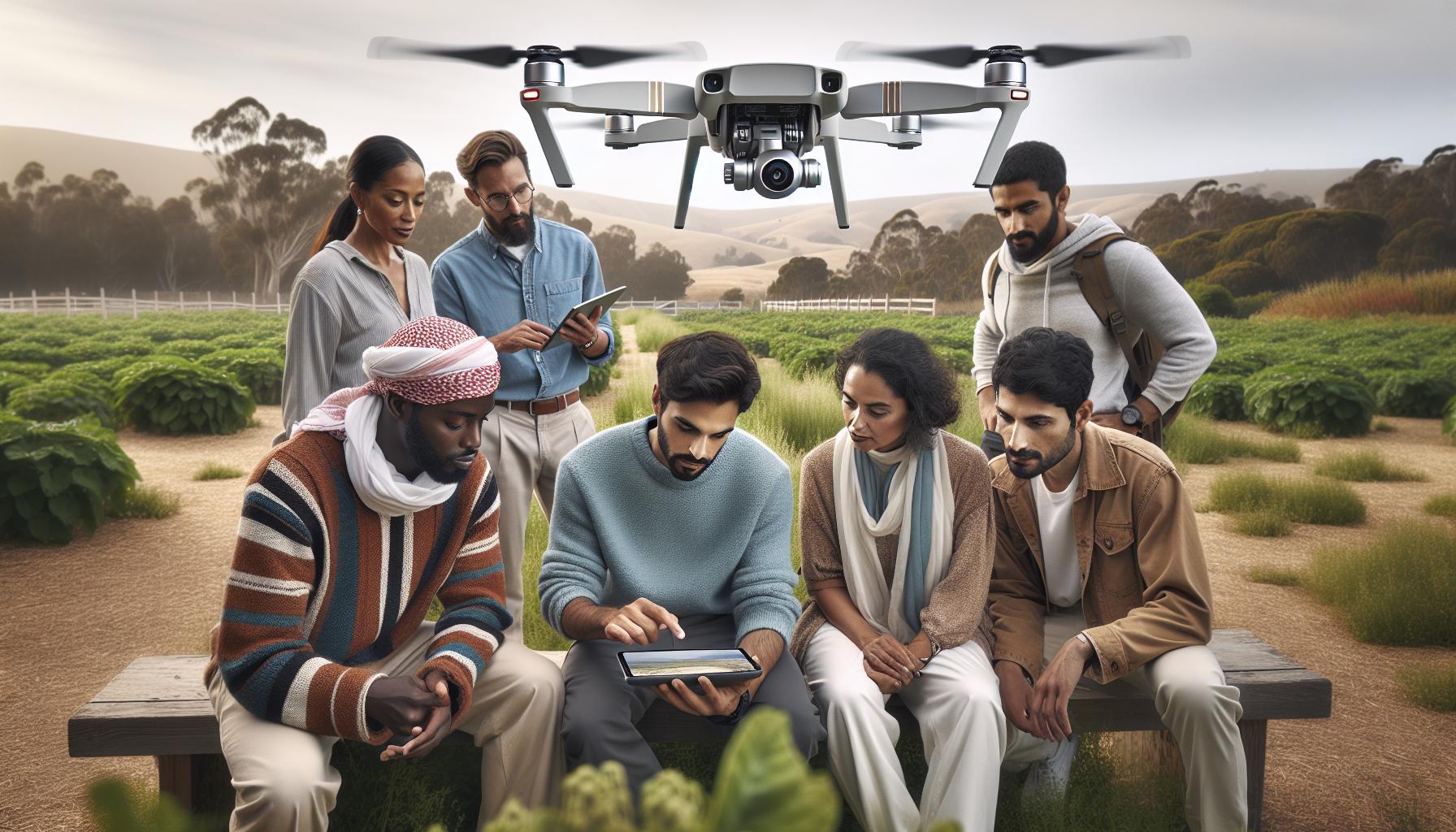
Key Factors Influencing Drone Flight Distance
Flying a drone like the DJI Mini 4 Pro provides an exhilarating experience, but understanding what influences its flight distance is crucial for maximizing performance and ensuring safe operation. Several factors play a significant role in determining how far this compact drone can effectively travel.
Signal Strength is a fundamental aspect that affects your flight distance. The Mini 4 Pro utilizes advanced transmission technology, but obstacles such as buildings, trees, and even weather conditions can create interference, drastically reducing range. Optimal conditions-such as flying in open spaces away from tall structures-allow for clearer signals and extended flight distances.
Another factor is environmental influences. Wind speed and direction can impact battery efficiency and control. For instance, flying into a strong headwind can significantly reduce range, making it vital to consider weather conditions before takeoff. Similarly, extreme temperatures can affect battery performance; colder weather can diminish battery life, necessitating more frequent charging and limiting maximum distance during flights.
Battery Health cannot be ignored. Keeping batteries in optimal condition ensures they deliver their best performance. Regularly check for any signs of wear or damage. Additionally, calibrating the drone’s battery management system can help maximize its efficiency and lifespan.
Finally, the flight mode
Real World Range: What Users Experience
Users of the DJI Mini 4 Pro consistently report impressive experiences with its flight range, often surpassing the expected limits under optimal conditions. Thanks to its advanced transmission technology, this drone can fly up to 20 kilometers (approximately 12.4 miles) in favorable environments, according to manufacturer specifications. However, user experiences can vary widely based on several factors, including location, setup, and flying conditions.
In practice, many users have found that flying in open areas devoid of obstacles allows them to achieve ranges close to the maximum. Enthusiasts flying in rural settings, where there are fewer buildings and less interference, often report maintaining stable connections at distances greater than 10 kilometers. On the other hand, those operating in urban environments or areas with substantial trees may encounter significant interference, leading to a reduced effective range. Reports suggest that obstacles such as tall buildings and dense foliage can cut distances down to about 1-3 kilometers, emphasizing the importance of selecting the right flying location.
User Experiences and Flight Modes
The use of specific flight modes also plays a critical role in real-world range experiences. For instance, users often notice that activating the Mini 4 Pro’s optimized flight modes, like the Sport mode, can improve agility and response time, albeit at the cost of battery life. On average, users flying in Normal mode can achieve longer distances and flight times because this mode balances performance and energy consumption effectively. Feedback indicates that while switching to more aggressive flight settings might extend speed and maneuverability, it may also necessitate an earlier return to mitigate battery depletion.
Environmental conditions notably impact user experiences as well. Windy days can compromise stability and effective control, while cold temperatures may affect battery performance, leading to less effective ranges. Many users proactively check weather forecasts before flights and return early if conditions become less favorable, ensuring they stay within safe operational limits.
By observing these firsthand accounts and their experiences in varied conditions, potential users of the DJI Mini 4 Pro can make informed decisions to enhance their flying experience, maximizing flight range while ensuring safety and compliance with local regulations.
Legal Considerations When Flying Drones
Navigating the legal landscape of drone flying is as crucial as mastering flight controls. As the popularity of drones, like the DJI Mini 4 Pro, continues to soar, operators must be aware of regulations that govern their use. Understanding these legal considerations not only ensures compliance but also contributes to safer and more responsible flying practices.
In many countries, drone regulations are designed to maintain safety in the airspace shared by manned aircraft and other drones. Usually, this means adhering to specific altitude limits, maintaining visual line of sight (VLOS) with your drone, and avoiding populated areas without proper permission. For example, the Federal Aviation Administration (FAA) in the United States mandates that drones must not be flown above 400 feet and must remain within the operator’s line of sight. Similarly, users should familiarize themselves with local laws, which can vary significantly, especially in urban versus rural settings.
Another key aspect to consider is the requirement for drone registration. In many jurisdictions, drones exceeding a certain weight must be registered with the appropriate aviation authority. In the U.S., drones weighing over 0.55 pounds (or 250 grams) must be registered with the FAA. This is typically a straightforward online process but ensures accountability and helps regulate drone traffic in the skies. In addition, certain areas may have restricted airspace, such as near airports, military bases, or national parks, where flying a UAV is either prohibited or requires special permits. Always check maps and local regulations before planning your flight.
Furthermore, pilots should be proactive in understanding privacy laws. Drones equipped with cameras can easily infringe on the privacy of individuals, especially if flown over private property without consent. Some regions enforce strict regulations to protect personal privacy, so being respectful and seeking permission when flying in populated areas can prevent potential legal disputes. Keeping these legal considerations in mind not only fosters a positive image for the drone community but also enhances the flying experience by reducing the risk of penalties or incidents.
By staying informed and responsible, DJI Mini 4 Pro pilots can enjoy their flying sessions while building a culture of safety and respect in the expanding world of drone technology.
Maximizing Your DJI Mini 4 Pro Range
To fully exploit the capabilities of your DJI Mini 4 Pro, understanding the various ways to maximize its range is essential. Drones can be significantly impacted by environmental factors, which means that preparation and awareness can translate directly into longer operational distances. Effective use of your drone’s features, the understanding of local conditions, and optimizing your flight strategy can help you achieve an impressive range and enhance your flying experience.
One of the primary strategies for maximizing flight distance is to optimize the drone’s flight conditions. Take into consideration factors such as wind direction and strength. Flying into a headwind will reduce your range, while flying with the wind can help extend it. It’s advisable to conduct thorough pre-flight checks to ensure that your drone is in optimal condition, including charged batteries and properly calibrated GPS, which can significantly affect performance. For instance, on a clear day with minimal obstructions, maintain a cohesive visual line of sight (VLOS) to help in making real-time adjustments quickly.
Another key factor in maximizing range is the choice of flight mode. The DJI Mini 4 Pro offers several flight modes tailored to different flying conditions and operator expertise. Utilizing P (Positioning) Mode is ideal for stability and longer distances when flying in open spaces, while Sport Mode increases speed but may reduce battery efficiency, thus limiting range. Additionally, familiarizing yourself with the drone’s Return to Home (RTH) settings can provide peace of mind, allowing you to push your limits while ensuring a safe and timely return.
To further expand your range, consider employing advanced techniques like exploring higher altitudes, which can sometimes help bypass obstacles that would block signals and cause interference. Using a dedicated remote controller with a high-gain antenna can also enhance communication stability between the drone and controller, ensuring that your signals remain strong over longer distances.
Ultimately, understanding and mastering these elements not only enhances your operational range but can also significantly improve the overall flying experience, making your sessions with the DJI Mini 4 Pro not just productive, but also immensely enjoyable.
Safety Tips for Extended Flight Sessions
Flying the DJI Mini 4 Pro can be an exhilarating experience, especially when you push its range limits. However, extended flight sessions come with responsibilities and require careful planning to ensure safety and compliance. One of the essential factors to consider is battery management. Always monitor your battery levels closely; ideally, you should plan your flights to return the drone before the battery reaches critically low levels. Keeping an extra battery on hand will allow you to extend flying time without the anxiety of running low on power.
Pre-flight planning is key to a safe flying experience. This includes familiarizing yourself with the flight area, noting any potential hazards such as power lines, trees, or weather changes. Utilize your drone’s GPS capabilities to set a clear flight path, ensuring that you avoid restricted areas. To enhance safety further, consider using a checklist before every flight, which may include checking the drone’s firmware version, propeller condition, and the functionality of all sensors.
Incorporating safety features such as the Return to Home (RTH) function is crucial during extended sessions. Set the RTH altitude appropriately to avoid obstacles and ensure your Mini 4 Pro can return safely. During flight, maintain a visual line of sight (VLOS) with your drone and be prepared to take manual control if necessary. Lastly, staying updated on local regulations is vital; different regions have specific rules governing drone flight that can affect your flying plans.
Engaging with a community of drone enthusiasts can also enhance your flying experience. Participating in forums or local flight groups can provide valuable insights, shared experiences, and tips for operating safely over extended durations. By prioritizing safety, you not only protect your drone investment but also contribute positively to the wider drone-flying community.
How to Extend Battery Life in Your Mini 4 Pro
When maximizing your flight time with the DJI Mini 4 Pro, it’s crucial to understand that effective battery management can significantly extend your aerial adventures. With each flight, factors like weight, altitude, and the current weather conditions can affect how long your drone stays in the air. Efficient battery utilization not only enhances your flight experience but also ensures that you remain compliant with safety measures and regulations.
To begin with, always ensure your drone is updated to the latest firmware. DJI frequently releases updates that optimize battery performance and overall functionality. Before flying, calibrating the battery and the drone can also help to ensure that you are operating at maximum efficiency. Additionally, it’s important to avoid flying in extreme weather conditions such as strong winds or heavy rain, as these can increase battery consumption.
Another effective way to extend battery life is by adjusting your flight style. Plan smooth, gradual movements instead of rapid ascents or aggressive maneuvers. Keeping your drone within its optimal speed and altitude range can contribute to significant power savings. Furthermore, using different flight modes can impact battery usage; for instance, beginners can utilize a gentle flight mode that conserves energy.
Finally, consider the weight you are adding to your drone. Extra accessories, such as filters or cameras, can drain the batteries quicker. Always evaluate the necessity of additional gear before flight. And if your goal is to maximize flying duration, carrying spare batteries with you is a beneficial strategy. This way, you can easily swap out batteries on-site, prolonging your overall flight experience without the pressure of rushing to land. By implementing these practices, you can enhance your DJI Mini 4 Pro’s battery life, allowing for longer and more enjoyable flights.
Flight Modes and Their Impact on Range
The flight modes available on the DJI Mini 4 Pro play a pivotal role in determining how far and efficiently your drone can fly. Depending on the mode selected, pilots can experience varying impacts on battery consumption, maneuverability, and overall range. Understanding these modes not only enhances your flying proficiency but also ensures that you can adapt to different environments and objectives during your aerial missions.
Flight Modes Overview
The DJI Mini 4 Pro offers multiple flight modes, each designed to cater to different user needs and flying conditions. Here are the primary modes:
- Normal Mode: Ideal for general flying, this mode strikes a balance between speed and stability. It offers a decent range while allowing for smooth maneuvers, making it perfect for both beginners and experienced pilots aiming for extended flights.
- Sport Mode: This mode unleashes the drone’s full speed potential, providing an exhilarating flying experience. However, the faster speeds can lead to increased battery drain, potentially reducing range if not carefully monitored.
- CineSmooth Mode: Aimed at videography enthusiasts, this mode slows down the drone’s movements for more controlled filming. While it conserves battery better than Sport Mode, the slower speed impacts how far you can travel within a single battery cycle.
- Tripod Mode: This mode is designed for precision flying and is particularly useful in tight spaces. While it enhances stability at the cost of speed, it may also limit range due to reduced battery consumption rates under low-demand scenarios.
Impact on Range and Performance
The choice of flight mode can significantly affect the flight distance achieved. While Normal and CineSmooth modes generally allow for efficient energy use and longer flights, Sport Mode’s aggressive maneuvers can drain battery faster than you might anticipate. For instance, if a pilot pushes the drone’s limits too aggressively in Sport Mode, they may find themselves ending a flight well before they reach their intended target.
To maximize your flight experience, consider the intended purpose of your flight. If capturing impressive aerial shots is your goal, utilizing CineSmooth may provide better results, even if it limits the distance covered. Conversely, if you are focused on exploring and enjoying the surroundings, Normal Mode strikes an excellent balance, allowing for longer distances and duration.
Ultimately, being aware of how flight modes influence range empowers pilots to make informed decisions based on their flying objectives. Adjusting your flight mode according to the landscape and desired performance can result in longer and more fulfilling flights with the DJI Mini 4 Pro.
Firmware Updates: Enhancing Flight Performance
Keeping your DJI Mini 4 Pro up to date with the latest firmware is essential for maximizing flight performance and enhancing overall user experience. Firmware updates often introduce improvements that can significantly affect flight stability, range, and battery efficiency. Each new version is released not just to fix bugs but also to refine existing features and deliver enhanced functionalities that can benefit both novice and seasoned pilots.
When a firmware update is available, it typically includes vital enhancements such as optimized flight algorithms, improved obstacle avoidance capabilities, and adjustments to the GPS systems that enhance signal reliability. For instance, a recent update might have upgraded your drone’s ability to maintain a stable connection even in challenging environments, thus extending its operational range. Notably, manufacturers like DJI frequently fine-tune battery management systems that, through updates, can optimize energy usage, allowing for longer flights and increased distances within a single battery charge.
To perform a firmware update, simply connect your Mini 4 Pro to the DJI Fly app on your smartphone or tablet. The app will alert you to available updates and provide a straightforward guide for installation. It’s important to ensure that your drone is fully charged and is in a location with good internet connectivity for downloading the update. Once updated, a quick recalibration of the drone’s compass and sensors is advisable to ensure that everything adjusts correctly to the new firmware.
In summary, staying proactive with firmware updates not only enhances your DJI Mini 4 Pro’s flight performance but also ensures that you are taking advantage of the latest technology to maximize range and safety. By routinely checking for updates and applying them, you empower yourself to enjoy a more reliable flying experience with your drone, pushing boundaries while ensuring smooth, efficient operations.
Navigating Airspace Regulations for Drone Use
Understanding the complexities of airspace regulations is essential for safe and responsible drone operation, especially when flying the DJI Mini 4 Pro. In many countries, legislation has been introduced to help manage the increasing popularity of drones, ensuring both recreational and commercial operators comply with safety standards to mitigate risks to other airspace users. Knowing the rules not only keeps you compliant but also enhances your flying experience by allowing you to focus on capturing stunning aerial footage without fear of legal repercussions.
Before taking off, always check the local regulations regarding drone flights. Each country has its own set of laws, with many outlining specific altitudes, restricted areas, and required registrations. For instance, in the United States, the Federal Aviation Administration (FAA) mandates that drones must be flown below 400 feet and not near airports without prior authorization. Similarly, in Europe, the European Union Aviation Safety Agency (EASA) has established regulations that classify drone operations into specific categories, each with its own restrictions based on factors like the drone’s weight and the intended flight area. Understanding these classifications is crucial for determining where you can legally fly your Mini 4 Pro.
It’s also worth noting that certain zones, such as near schools, hospitals, or crowded public spaces, may impose additional restrictions. Tools like the DJI Fly app provide geofencing capabilities that notify you when you are approaching a no-fly zone. This feature is invaluable for ensuring you don’t accidentally violate airspace regulations. Furthermore, operators should be conscious of privacy laws related to flying in residential areas, as capturing images or video without consent can lead to legal complications.
To enhance responsible flying practices, consider becoming familiar with the community guidelines set out by organizations such as the Academy of Model Aeronautics (AMA) or local drone clubs, which often provide resources and insights into safe flying. Engaging with these communities can also help you stay updated on evolving regulations and best practices. Ultimately, being knowledgeable about airspace regulations not only enhances safety and compliance but also helps cultivate a positive image of drone operators in your community, encouraging more lenient regulations in the future.
Accessories to Boost Range and Performance
To unlock the full potential of your DJI Mini 4 Pro, a selection of carefully chosen accessories can vastly improve both range and performance. While the drone already boasts excellent specifications, additional tools can enhance usability, durability, and overall flight capabilities.
One of the most effective accessories is a high-gain antenna for the remote controller. These antennas can significantly enhance signal strength, allowing the drone to maintain a robust connection over greater distances and reducing interference from obstacles like trees and buildings. Many pilots report increased flight distances when upgrading their antennas, which can lead to a more immersive flying experience.
Another essential accessory is a spare battery or multiple batteries. The Mini 4 Pro’s flight time can be maximized by having additional power sources on hand. This not only extends your flying sessions but allows for quicker turnaround times when switching out batteries. Additionally, consider investing in a multi-battery charger to streamline the charging process, enabling you to keep your drones in the air longer with minimal downtime.
Propeller Upgrades
Investing in aftermarket propellers designed for enhanced efficiency can also make a difference. High-performance propellers can improve lift and reduce drag, which in turn can help extend flight range. They also promise quieter operation, making them a great choice for nature photography or other discreet flight needs.
Carrying Case and Landing Gear
A well-designed carrying case can protect your drone and accessories from damage during transport, allowing you to take your Mini 4 Pro to remote locations where flight opportunities abound. Additionally, consider purchasing landing gear extensions. These can prevent the drone’s camera and sensors from making contact with the ground during takeoff and landing, preserving your equipment while also ensuring a smoother launch and landing.
Utilizing these accessories not only improves the performance of your DJI Mini 4 Pro but also enriches your overall flying experience, allowing you to push the boundaries of what this capable drone can achieve. With the right preparation and gear, you’ll be ready to navigate further and capture breathtaking aerial footage with confidence.
Common Issues Affecting Flight Range and Solutions
The DJI Mini 4 Pro is engineered for impressive flight distances, yet various factors can impede its range, leaving pilots frustrated if unexpected issues arise. Understanding these common challenges can enhance your flying experience and ensure you make the most of your device.
One primary issue is interference from environmental elements. Signal strength diminishes significantly when flying in urban areas or places filled with obstacles, such as buildings and trees. To combat this, pilots should consider utilizing a high-gain antenna, which improves connection reliability and minimizes interruptions, enabling smoother operation over greater distances.
Battery life is another crucial factor influencing flight range. The Mini 4 Pro’s capabilities can be curtailed if the battery isn’t appropriately managed. Pilots are encouraged to plan their flights to avoid depleting the battery prematurely. Carrying spare batteries can drastically enhance overall flight time, allowing you to account for varying conditions and ensure that you maintain optimal power throughout your sessions.
Weather conditions, such as high winds and rain, can also adversely affect drone performance. Such elements not only impact flight stability but can lead to a decrease in the effective range. Therefore, it’s essential to monitor weather forecasts before flying. Choose optimal weather windows and be aware of the drone’s limitations in adverse conditions.
Lastly, firmware updates should never be overlooked. Regularly updating your Mini 4 Pro’s firmware can enhance performance and fix bugs that may affect flight behavior and connectivity. Set a routine schedule to check for updates and follow the manufacturer’s guidelines for installation. Addressing these common issues with proactive solutions will empower you to maximize your DJI Mini 4 Pro’s flight range, ensuring countless successful missions and captivating aerial footage.
Faq
Q: What is the maximum flight distance for the DJI Mini 4 Pro?
A: The DJI Mini 4 Pro has a maximum flight distance of up to 18 kilometers (11 miles) under optimal conditions. However, actual distance can vary based on environmental factors, battery health, and interference. For best performance, ensure clear line-of-sight and minimize obstacles.
Q: How can I improve the flight range of my DJI Mini 4 Pro?
A: To enhance flight range, keep your drone updated with the latest firmware, operate in open areas free from obstructions, and calibrate your controller for optimal signal strength. Utilizing accessories like signal boosters can also help extend range.
Q: Are there legal restrictions on how far I can fly my DJI Mini 4 Pro?
A: Yes, legal restrictions vary by location but generally, you must operate within visual line-of-sight, often capped at around 500 meters (1,640 feet) in many jurisdictions. Always check local regulations to ensure compliance before flying.
Q: What factors can affect the range of the DJI Mini 4 Pro?
A: Several factors can influence the range, including battery life, weather conditions, signal interference, and the presence of obstacles like trees or buildings. Understanding these can help you plan your flights better.
Q: Can I fly the Mini 4 Pro beyond the visual line of sight?
A: While the Mini 4 Pro has the capability for significant distance, flying beyond visual line of sight is often illegal in many areas unless you have specific permissions or operate under certain conditions. Always follow local drone laws.
Q: How does the weight of the DJI Mini 4 Pro affect its range?
A: The weight of the DJI Mini 4 Pro can affect flight range indirectly. Heavier payloads may reduce flight time and range, while optimal weight conditions enable better performance. Always fly within recommended weight limits to maximize efficiency.
Q: What should I do if my DJI Mini 4 Pro loses signal?
A: If your DJI Mini 4 Pro loses signal, it will typically enter fail-safe mode and return to its last known point. It’s essential to ensure clear transmission paths and regularly check the signal strength during flights to avoid this situation.
Q: Is it safe to fly the DJI Mini 4 Pro in windy conditions?
A: Flying the DJI Mini 4 Pro in windy conditions is not recommended, as it can affect stability and range. Ideally, check wind conditions before flying and refrain from operating in winds over the manufacturer’s recommendations, which are generally around 8 m/s (approximately 18 mph).
For additional insights, consider reviewing the sections on Key Factors Influencing Drone Flight Distance and Legal Considerations When Flying Drones in our comprehensive guide.
In Retrospect
As we wrap up our exploration of how far the DJI Mini 4 Pro can fly, remember that understanding its range limits and adhering to legal tips not only enhances your flight experience but also ensures safety and compliance. If you’re eager to dive deeper, check out our guides on advanced flight techniques and accessory recommendations that can elevate your piloting skills.
Don’t miss out on important updates-join our newsletter for the latest tips and product reviews! Have any questions or insights? Share your thoughts in the comments below, and connect with fellow drone enthusiasts. Your journey with the DJI Mini 4 Pro is just beginning, so explore more about flight modes and maintenance practices to maximize your drone experience. Together, let’s ensure every flight is a successful adventure!