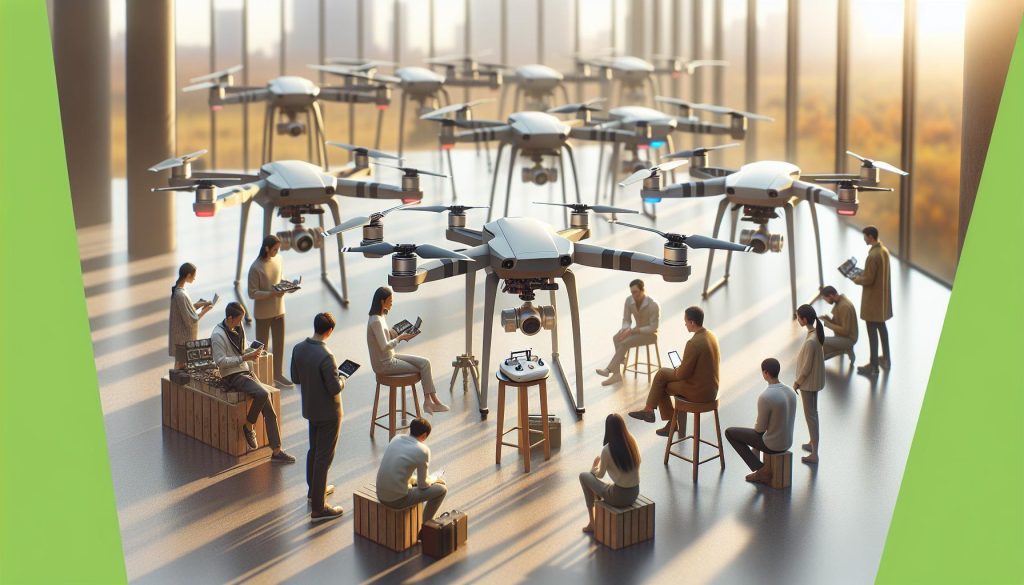
As drone technology continues to evolve, DJI has solidified its position as a leader, introducing a wide array of models tailored to diverse needs. For enthusiasts and professionals alike, understanding the number of DJI drones available is crucial. With models ranging from the compact Mini series to the advanced Mavic and Phantom lines, each model offers unique features and capabilities that can enhance your aerial experience.
Whether you’re looking to capture stunning landscapes, dive into professional cinematography, or simply enjoy the thrill of flying, knowing how many DJI drones are out there helps you make informed choices that align with your goals. In this article, we’ll explore the complete model count, detailing the specific features that set each one apart and guiding you toward the perfect drone that meets your aspirations. Dive in to discover the exciting world of DJI drones and how they can elevate your flying adventures.
How Many Models of DJI Drones Exist?

DJI has solidified its reputation as a leader in the drone industry, offering a diverse lineup that caters to various needs and use cases. As of now, there are over 25 distinct models of DJI drones available, spanning various series designed for hobbyists, professionals, and enthusiasts alike. This extensive range not only showcases DJI’s commitment to innovation but also reflects their understanding of different user requirements, from casual imagery to professional-grade cinematography.
The core drone series include the Mini, Mavic, Phantom, Air, and Avata lines. Each series features distinctive attributes catering to unique flying experiences. For example, the Mini series is known for its lightweight design and portability, making it ideal for beginners and travelers seeking convenience without compromising quality. In contrast, the Mavic series packs advanced tech into compact designs, perfect for professionals needing robust performance in a portable format.
Moreover, DJI regularly updates its models, releasing new versions that incorporate state-of-the-art technology such as enhanced sensors, improved flight times, and better camera capabilities. This systemic evolution not only maintains relevance within the competitive drone market but also provides existing users with upgraded features through firmware updates.
For those looking to invest in a DJI drone, understanding the breadth of options available is crucial. By evaluating your flight needs, budget, and the specific features each model offers, you can select a drone that perfectly aligns with your creative aspirations or operational requirements. With such a broad array of models, DJI makes it easier for both casual users and seasoned professionals to find a drone that suits their flying style and preferences.
Overview of DJI’s Drone Lineup
DJI has revolutionized the drone industry with its extensive lineup of models designed for enthusiasts, professionals, and casual users alike. The product range includes over 25 distinct drones, each tailored to specific flying experiences and user needs. Whether you’re documenting stunning landscapes, exploring new vistas from an aerial perspective, or executing precise maneuvers for professional photography, DJI’s diverse offerings cater to an array of requirements.
Among the most popular series are the Mini, Mavic, Phantom, Air, and Avata lines, each presenting unique features that appeal to different types of pilots. The Mini series, for example, exemplifies portability and user-friendliness, making it ideal for beginners or travelers who desire convenience without sacrificing image quality. On the other hand, the Mavic series is engineered for those who value cutting-edge technology incorporated into a compact form factor, making it a favorite for professionals needing high-performance capabilities on the go.
Furthermore, the Phantom drones have established themselves as classics, renowned for their proven stability and robustness in various environmental conditions, while the Air series combines versatility with advanced features suitable for creative projects. The Avata, designed for first-person view (FPV) flying, introduces a thrilling immersive experience, allowing pilots to navigate through environments with unparalleled control and agility.
Understanding the full scope of DJI’s drone lineup is essential for making informed purchasing decisions. Whether your focus is on aerial photography, recreational flying, or industry-specific applications like surveying and mapping, evaluating the distinctive attributes of each model can help you choose the perfect drone for your needs. With DJI’s commitment to innovation and regular updates enhancing existing models, users can be confident they are investing in some of the most advanced aerial technology available today.
Exploring the Mini Series: Key Features and Specs

The DJI Mini series is celebrated for its remarkable blend of portability and power, making it an excellent choice for both novice flyers and seasoned drone enthusiasts looking for a compact, travel-friendly option. Designed to be lightweight and easy to use, these drones pack a multitude of features that cater to a variety of aerial photography and videography needs, setting them apart from traditional larger models.
For instance, the DJI Mini 3 offers impressive specifications such as a 4K camera capable of shooting 30 frames per second, along with a 12 MP sensor that captures stunning imagery from the sky. Its advanced features include a maximum flight time of up to 38 minutes, allowing pilots ample time to capture their desired shots without the constant need to return to the ground for battery changes. Additionally, the Mini 3 boasts obstacle avoidance sensors, ensuring safer flights and reducing the risk of crashes, especially useful for those still refining their piloting skills.
Key Features of the DJI Mini Series
- Portability: Weighing under 250 grams, these drones are lightweight and easily portable, making them ideal for travel.
- Camera Quality: High-quality 4K video and 12 MP photos, suitable for professional use.
- Intelligent Flight Modes: Features like QuickShots and Follow Me enable effortless capture of complex shots.
- Extended Battery Life: Up to 38 minutes per flight, ensuring less downtime.
- Safety Features: Included obstacle sensors enhance flight safety, especially for beginner pilots.
This series also includes the DJI Mini SE, which provides a more budget-friendly option without significantly compromising on performance. It’s perfect for hobbyists and those just dipping their toes into drone flying. The Mini SE still delivers decent camera capabilities and user-friendly operation, further solidifying the Mini series’ reputation for accessibility.
When considering a drone from the Mini series, it’s essential to recognize how their design and features can influence your choice. Whether you are looking for a travel companion to document your adventures or a reliable option for striking aerial photography, the Mini series delivers both versatility and quality, tailoring itself to meet the varied needs of modern drone users.
The Mavic Series: Innovation at Its Best
The Mavic series stands as a cornerstone of DJI’s drone lineup, renowned for its cutting-edge technology and user-centric design. This series redefined portable aerial imaging, blending high-performance features with compact construction, making it a favorite among enthusiasts and professionals alike. Nearly every model in the Mavic series illustrates DJI’s commitment to innovation, showcasing advancements in camera technology, flight performance, and intelligent features.
One of the major highlights of the Mavic series is its exceptional camera capabilities. For example, the Mavic Air 2 boasts a 1/2-inch sensor that captures stunning 48MP images and 4K video at 60 fps. This high-resolution camera not only ensures outstanding image quality but also employs advanced features such as HDR video and improved low-light performance, making it ideal for shooting in a variety of conditions. Furthermore, the Mavic 3 elevates this experience with a dual-camera system that includes a 20MP Hasselblad camera, offering an unparalleled level of detail and color accuracy that is essential for professional photography.
The combination of intelligent flight modes and obstacle avoidance technology further enhances the user experience across the Mavic series. Mavic drones come equipped with features like ActiveTrack, which allows the drone to autonomously follow a subject while keeping it perfectly framed, and FocusTrack for complex tracking shots. These capabilities empower users to create dynamic content with ease, regardless of their skill level. The Mavic series also employs multiple sensors that provide 360-degree obstacle sensing, ensuring safer flights and reducing the likelihood of accidents during complex maneuvers.
To summarize, the Mavic series epitomizes innovation in the drone industry, catering to a wide range of users from casual hobbyists to professional filmmakers. With continuous upgrades across models, including improved flight times, enhanced portability, and sophisticated features, it’s no wonder the Mavic series occupies a pivotal role in DJI’s lineup, setting a high standard for drone technology globally. Whether capturing breathtaking landscapes or engaging in aerial videography, the Mavic series ensures that each flight is not only exhilarating but also produces high-quality results.
Phantom Drones: Classic Proven Performance
For over a decade, DJI’s Phantom series has stood as a beacon of reliable performance and innovation in the drone market. Launched in 2013, the Phantom series was primarily responsible for popularizing aerial photography and videography, making it accessible to both amateurs and professionals. With its robust design and high-quality camera capabilities, the Phantom line has remained a top choice for users seeking reliability and exceptional image quality.
Among the standout features of the Phantom drones is their advanced camera technology. For instance, the Phantom 4 Pro captures stunning 20MP stills and 4K video at up to 60 frames per second, coupled with a one-inch sensor that significantly enhances video quality and low-light performance. This drone is also equipped with a mechanical shutter, which eliminates motion blur when capturing fast-moving subjects, making it ideal for action photography and videography. Furthermore, the Phantom 4 RTK variant provides centimeter-level accuracy for mapping and surveying applications, showcasing the versatility of this lineup.
Flight Performance and Safety Features
The flight performance of Phantom drones is noteworthy, featuring a stable flight experience even in challenging conditions thanks to their GPS-optimized autopilot systems. Most models include intelligent flight modes such as ActiveTrack, TapFly, and Waypoints, allowing users to execute complex maneuvers easily. Additionally, the Phantom series incorporates a sophisticated obstacle sensing system that uses multiple sensors to detect and avoid obstacles in real time. This feature is particularly beneficial for beginners, providing an added layer of safety during flight operations.
ULTRA-High-Definition visual capabilities, combined with intuitive flight modes and safety features, make Phantom drones perfect for professionals in filmmaking, surveying, and even search and rescue operations. As this series of drones continues to evolve, each iteration brings enhancements that cater to the increasingly demanding needs of users across various industries, ensuring that the Phantom remains a classic in proven performance and technology.
Understanding the Avata: FPV and Beyond
The DJI Avata represents a significant leap in the world of first-person view (FPV) drones, bridging the gap between immersive flying experiences and cutting-edge technology. Launched to cater to both enthusiasts and professionals, the Avata brings the excitement of FPV racing to the mainstream while maintaining user-friendly features ideal for beginners. Its compact form factor and innovative design make it a versatile choice capable of achieving dynamic aerial maneuvers, providing a thrilling flying experience unlike any other.
Equipped with a stabilized camera capable of 4K video at 60 frames per second, the Avata captures stunning visuals that are essential for filmmakers and content creators. The drone’s unique cinewhoop design enables it to fly indoors and around obstacles with ease, making it suitable for creative filming scenarios that require precision. With its robust propulsion system and advanced stabilization technologies, pilots can confidently navigate through tight spaces while maintaining stable footage.
Flight Experience and Features
One standout feature is its intuitive control system, which combines both classic joystick controls and the option for immersive FPV experiences using DJI goggles. This dual control scheme allows for a learning curve that is gentle for new pilots while providing experienced users with the tools they need to execute complex aerial techniques. Additionally, the integrated emergency brake and hover functionality enhance safety, allowing the drone to stop quickly in emergencies, which is especially crucial for FPV flying where orientation can sometimes be challenging.
Another compelling aspect of the Avata is its compatibility with a range of DJI accessories, enriching the user experience. With the right setup, users can enhance their framing, utilize additional batteries for extended flight times, or equip extra protection for crash resilience. Furthermore, the sophisticated obstacle avoidance system, augmented by multiple built-in sensors, ensures a safer flight experience, reducing the likelihood of collisions and damage during maneuvers.
The Avata is not just another drone; it’s a gateway to explore the exhilarating realm of FPV flying while benefiting from DJI’s well-established safety and performance standards. Whether you’re capturing breathtaking footage for your next project or simply enjoying the thrill of flight, the Avata stands as a testament to DJI’s commitment to innovation in the dynamic world of drones.
The Air Series: Versatile Options for Creatives
The Air Series from DJI is meticulously crafted for those who seek a blend of creativity and functionality in their aerial photography and videography. Known for their portability and performance, these drones strike a balance between the compact Mini Series and the powerhouse Mavic lineup, making them ideal for content creators who require versatility without compromising on quality.
One of the standout models in this series is the Air 2S, which boasts a robust 1-inch CMOS sensor capable of capturing 20-megapixel stills and 5.4K video at 30 frames per second. This drone also features advanced imaging capabilities, such as HDR video and the ability to shoot in various formats, ensuring that creatives have the tools they need to produce stunning visuals. The intelligent shooting modes like Mastershots and FocusTrack add a layer of ease, enabling users to achieve professional-looking shots with minimal effort.
Smart Features for Enhanced Creativity
The Air Series embraces cutting-edge technology to enhance the user experience. With up to 31 minutes of flight time, creatives can capture extended sessions without the constant need to land and recharge. Furthermore, the inclusion of advanced obstacle sensing in four directions ensures safe navigation, allowing pilots to focus on getting the perfect shot rather than worrying about potential hazards.
Additionally, DJI’s Fly app provides intuitive controls and helpful tutorials that guide users through the various features and settings of the drone. This interface not only simplifies the flying experience but also equips pilots with the necessary skills to push their creative boundaries, whether they’re shooting rich landscapes or intricate cityscapes.
In summary, the Air Series is designed for creators who value high performance and portability. Whether you’re a hobbyist looking to enhance your photography skills or a professional cinematographer in need of a reliable drone, the Air Series presents versatile options that cater to all levels, showcasing DJI’s commitment to innovation and user experience.
Unique Features Across DJI Models
There’s no denying that DJI drones have revolutionized the aerial photography landscape, and this innovation is reflected in the unique features that distinguish each model. Understanding these characteristics can greatly enhance your decision-making process when selecting the right drone for your needs, whether you’re a professional videographer or an enthusiastic hobbyist.
One standout feature across many DJI models is the exceptional camera technology. For instance, while the Mavic series integrates larger sensors, like the impressive 1-inch sensor of the Mavic 2 Pro, enabling higher-quality imaging in various lighting conditions, the Mini series focuses on lightweight portability without compromising image quality. This allows creators to shoot stunning 4K video and high-resolution photos even from remote locations.
Another notable characteristic is the advanced obstacle avoidance systems incorporated into newer models. The Mavic Air 2 offers an intelligent obstacle detection system that enhances safety by utilizing sensors on multiple sides, preventing potential collisions during flight. Similarly, the Air Series implements cutting-edge technology such as FocusTrack and SmartPhoto modes, making it simpler for users to capture the perfect shot with little effort.
Additionally, DJI has made significant strides in flight time and battery tech across its lineup. For example, the Air 2S boasts up to 31 minutes of flight time, enabling extended creative sessions without frequent interruptions. Meanwhile, the user-friendly DJI Fly app acts as an intuitive interface that enhances the flying experience by providing real-time data, tutorials, and quick access to intelligent flight modes, accommodating users of all skill levels.
Ultimately, what makes DJI drones a favored choice among aerial photographers and videographers is the combination of portability, imaging quality, and advanced automation. By recognizing the unique capabilities of each model-from the portability of Minis to the sophisticated camera features of the Mavic series-pilots can confidently choose the ideal drone to meet their specific needs and elevate their aerial creativity.
Comparison of DJI Drones: Which One Suits You?
When considering the wide array of DJI drones available, it’s crucial to match your choice with your specific needs, whether for recreational flying, professional photography, or captivating videography. Each series offers unique strengths that cater to different types of creators and operators.
The Mini series is perfect for those who value portability and ease of use. Weighing less than 250 grams, drones like the Mini 2 are ideal for beginners and hobbyists. They offer excellent 4K video capabilities while being discreet enough to fly in various environments. However, while they are compact, advanced features such as obstacle avoidance are less robust compared to other series, making careful navigation essential.
In contrast, the Mavic series is renowned for its advanced capabilities and is better suited for professionals who demand high-quality imaging and performance. For instance, the Mavic 3 boasts a dual-camera system with a 4/3 CMOS Hasselblad sensor, elevating photographic quality significantly. With superior flight time and advanced smart features, it caters to those looking to capture stunning visuals in a variety of settings, including challenging landscapes.
The Phantom series is a classic choice, often favored by professionals who appreciate its stable platform and robust build. The Phantom 4 Pro, for example, offers unparalleled performance for aerial photography, equipped with a 1-inch 20MP sensor and mechanical shutter. This drone remains relevant despite newer models due to its proven track record and professional focus.
For those interested in immersive flying experiences, the Avata series is a compelling option. Designed specifically for FPV (First Person View) flying, it combines agility with advanced stabilization technology, allowing users to perform dynamic maneuvers while capturing breathtaking footage. It’s geared towards thrill-seekers and those looking to blend cinematic shots with an exhilarating flying experience.
Lastly, the Air series provides a balance of performance and portability. Drones like the Air 2S deliver high-quality imaging features, long flight times, and intelligent shooting modes that appeal to both amateurs and professionals alike. This series is perfect for videographers who require a versatile drone that doesn’t compromise on quality or ease of use.
To make an informed decision, consider your intended use, budget, and familiarity with drone technology. The differences in camera capabilities, flight features, and usability across the series can significantly impact your creative output and overall flying experience. By evaluating these factors diligently, you can choose a DJI drone that best fits your aspirations and skill level.
Tips for Choosing the Right DJI Drone
When navigating the diverse landscape of DJI drones, making the right choice is crucial to harnessing the full potential of aerial imaging and flying experiences. With various models available, each designed with unique features to cater to different needs, understanding what to consider can set you on the path to success.
Start by defining your primary use case for the drone. Are you looking for a compact model for travel and casual shooting, like those in the Mini series, or do you need the advanced capabilities and superior imaging offered by the Mavic series? Additionally, consider whether you seek cinematic quality from the Phantom series or wish to venture into thrilling FPV flights with the Avata. Each series presents strengths tailored to different flying styles, so pinpointing your goals will help narrow your options.
Another critical aspect is your level of experience with drones. If you’re a beginner, opting for user-friendly models with simplified controls, like the Mini series, may ease your entry into the world of drone flying. On the other hand, seasoned pilots might appreciate the added complexities and professional-grade features seen in the Mavic and Phantom series. Don’t forget to factor in hardware and software usability-models with dual-control options or intelligent flight modes can significantly enhance the flying experience and overall safety.
Finally, evaluate your budget and future needs. While it’s tempting to go for the latest model, remember that older series can deliver remarkable performance and often come at a lower price point. Accessorizing your drone for enhanced functionality, such as additional batteries or prop guards, is also a strategy worth considering. By aligning your choice with these essential factors-desired use, experience level, and budget-you’ll be equipped to select the DJI drone that not only meets your current needs but also grows with you as you develop your flying skills and creative ambitions.
Accessories for DJI Drones: Enhancing Your Experience
Enhancing your drone flying experience is not only about the model you choose but also about optimizing it with the right accessories. DJI drones, known for their high-quality capabilities, can be tailored further to meet your specific needs through a wide range of available enhancements. Accessories can significantly uplift your flying experience, whether you are a hobbyist capturing scenic views or a professional photographer aiming for the perfect shot.
One essential accessory for any drone pilot is extra batteries. The flight time on many DJI models is impressive, but having multiple batteries on hand allows for longer sessions without the need for frequent recharging. Consider carrying a battery charging hub that can recharge several batteries simultaneously, streamlining your workflow. Additionally, propeller guards are critical for beginners or those flying in narrow spaces, as they help protect both the drone and obstacles from damage during your maneuvers.
For those looking to capture stunning aerial imagery, filters such as ND (Neutral Density) filters will enhance the quality of your photos and videos by reducing glare and controlling exposure. Intelligent flight modes available in DJI drones can also be complemented with mobile apps that help enhance flight plans and enable advanced features like waypoint navigation, assisting pilots in executing more complex shots effortlessly.
Finally, investing in a quality carrying case is vital for protecting your drone and accessories during transport. A well-designed case not only protects against physical impacts but often includes compartments for storing batteries, propellers, and other essential gear. Adopting these accessories will not only safeguard your equipment but also improve your performance and results, allowing you to focus solely on capturing breathtaking footage from the skies.
Regulations and Safety for DJI Drone Operators
Flying a DJI drone offers an exhilarating mix of technology and creativity, but with that comes a responsibility to operate safely and in compliance with regulations. Understanding the legal landscape surrounding drone use is crucial for both hobbyists and professionals. Since regulations can vary significantly by region, staying informed about local laws not only ensures compliance but also enhances the overall flying experience.
In many areas, drone operators are required to register their drones, especially if the weight exceeds a certain limit. For example, in the United States, the Federal Aviation Administration (FAA) mandates registration for drones that weigh over 0.55 pounds (250 grams). This simple step helps keep track of drones and promotes accountability among users. Furthermore, operators may need to pass a written test to obtain a Remote Pilot Certificate, demonstrating their understanding of airspace regulations and safety procedures.
Understanding Airspace Restrictions
Awareness of airspace classifications is vital for drone operators. There are controlled, unrestricted, and special-use airspaces, each with specific rules. For instance, flying near airports or in restricted airspaces without proper authorization can lead to hefty fines or even legal action. Various apps and online tools are available that provide real-time information about airspace restrictions, helping pilots plan their flights accordingly. Always check local guidelines and advisories before setting out.
Best Practices for Safety
Operating a drone safely is not just about following regulations; it’s also about employing best practices to ensure safety for both the drone and others in the vicinity. Here are some essential tips:
- Maintain line of sight: Always keep your drone within visual line of sight to avoid collisions and ensure control.
- Fly at appropriate altitudes: Adhere to altitude limits, typically not exceeding 400 feet in uncontrolled airspace.
- Be weather aware: Check weather conditions before flying; avoid strong winds and precipitation.
- Use ‘no-fly’ zones tools: Take advantage of apps that provide information about drone restrictions in your area.
- Respect privacy: Avoid flying over private property without permission to prevent privacy infringements.
Investing time in understanding these regulations and safety guidelines ensures a smooth and enjoyable flying experience with your DJI drone. As the technology continues to evolve, so too will the regulations, so make it a habit to stay updated on any changes affecting drone operations.
Troubleshooting Common DJI Drone Issues
While flying a DJI drone can be an exhilarating experience, it is not without its challenges. Understanding common issues that users may face with various models is crucial for any operator, whether a novice or an experienced pilot. From connection problems to calibration issues, troubleshooting these problems effectively can enhance your flying experience and ensure you capture the perfect shot.
One common issue reported by users is unresponsive remote control following firmware updates. This can manifest as a frozen screen image, while controls like altitude adjustment continue to function normally. The workaround typically involves shutting down and restarting the remote, although this can lead to the drone returning home prematurely, disrupting ongoing shots. Keeping firmware updated is essential, but it may be beneficial to check user feedback on updates prior to installation, to gauge if others have encountered similar issues. If you experience this, consider rolling back to a previous firmware version, as long as it’s compatible with your device, until a more stable release is available.
GPS and GNSS connectivity problems are also frequent, particularly in areas with limited satellite visibility, such as urban settings or indoor spaces. It’s critical to allow the drone sufficient time to establish a stable GPS connection before takeoff. Users can assist this process by moving the drone to an open area with a clear view of the sky. If the drone still struggles to acquire satellites, performing a recalibration of the compass and IMU can help. Regularly check the DJI Go app for satellite count and quality indicators, and if problems persist, consider resetting to factory settings, which might resolve any persistent software issues.
Lastly, gimbal calibration issues can cause instability in video footage or images. If the gimbal feels off or you’re experiencing vibrations during flight, perform a gimbal calibration via the DJI app. Make sure the drone is on a flat surface during calibration, as this ensures accurate adjustments. Additionally, check for any obstructions or physical damage that may hinder gimbal performance. Regular maintenance and care for your drone can greatly reduce the occurrence of these issues, allowing for more enjoyable flying experiences.
In summary, troubleshooting common issues is a vital skill for all DJI drone operators. Keeping abreast of firmware updates, understanding GPS connection requirements, and knowing how to address gimbal issues can help maintain an enjoyable and successful flying experience. Always consult DJI’s official support and community forums for the latest advice and solutions tailored to your specific model.
Faq
Q: How many different models of DJI drones are currently available?
A: As of 2025, DJI has released over 30 different drone models across various series, including Mini, Mavic, Phantom, Air, and Avata. Each series targets specific user needs, from casual flying to professional filmmaking.
Q: What are the main series of DJI drones?
A: DJI’s main drone series include the Mini Series, Mavic Series, Phantom Series, Air Series, and Avata Series. Each is designed for distinct use cases, such as portability, advanced photography, or first-person view (FPV) flying.
Q: What unique features do DJI drones offer across different models?
A: DJI drones come equipped with various unique features like 4K cameras, obstacle avoidance, intelligent flight modes, and customizable settings. These features enhance usability for photographers, videographers, and hobbyists alike.
Q: How can I choose the right DJI drone model for my needs?
A: Choosing the right DJI drone depends on your intended use, such as recreational flying, photography, or professional videography. Consider factors like camera quality, flight time, and portability for your specific requirements.
Q: What is the difference between DJI Mini and Mavic drones?
A: The DJI Mini drones are known for their compact size and ease of use, targeting beginner pilots, while Mavic drones offer advanced features and better camera capabilities, making them suitable for professional users.
Q: Are there any new DJI drones expected in 2025?
A: While the specific release dates are typically not disclosed, DJI often updates their lineup annually. Keep an eye on official announcements for insights on new models or upgrades to existing series.
Q: Why does DJI frequently release new drone models?
A: DJI regularly releases new drone models to incorporate the latest technology advancements, enhance user features, and respond to market demands. This ensures they remain competitive and meet varying user preferences.
Q: Where can I find the latest updates on DJI drone releases?
A: For the latest updates on DJI drone releases, visit DJI’s official website or subscribe to their newsletter. Engaging with drone enthusiast forums and social media channels can also provide timely insights.
Concluding Remarks
As you explore the fascinating world of DJI drones, remember that the model count continues to evolve, offering you a variety of choices to match your flying needs. From the agile Mini series to the robust Phantom and innovative Avata, DJI provides exceptional options for both beginners and experts alike. If you’re ready to elevate your drone experience, don’t hesitate to check out our in-depth guides on drone setup, compatibility tips, and the latest firmware updates.
Curious about how to optimize your flying skills or need advice on the best accessories? Dive into our related articles to refine your knowledge and ensure a smooth flight journey. If you found this guide helpful, consider subscribing to our newsletter for the latest updates and exclusive content tailored for drone enthusiasts like you. Your next adventure in the skies awaits-let’s keep the conversation going!