Losing your DJI drone can be an intense and stressful experience, especially if you’ve invested time and money into capturing breathtaking aerial footage. Fortunately, GPS tracking solutions offer a way to alleviate those concerns. In this guide, we’ll explore how to find your lost DJI drone using advanced GPS technology and tracking tools designed specifically for DJI models. Whether you’re a seasoned pilot or a newcomer, understanding these options is essential for ensuring that your flying experience is both enjoyable and secure. Stay with us as we guide you through the best practices for tracking and recovering your valuable equipment, so you can focus on what you love most: flying.
How GPS Tracking Works for DJI Drones
The precision and reliability of GPS tracking technology in DJI drones can be a game changer for both hobbyists and professionals. Understanding how this technology operates not only enhances your flying experience but also significantly increases the chances of recovering a lost drone. DJI drones are equipped with advanced GPS modules that collect real-time data from multiple satellites, enabling users to pinpoint their drone’s location with remarkable accuracy. This functionality allows for a range of essential features, including geo-fencing, return-to-home (RTH) capabilities, and waypoint navigation.
When you pilot a DJI drone, the GPS system continuously communicates with the drone’s onboard flight controller, providing constant updates on its position and altitude. By triangulating signals from at least four satellites, the drone can calculate its geographical location down to a few meters. This capability is crucial during flights, as it enables the drone to maintain a stable hover and execute complex maneuvers safely. The integration of GPS not only facilitates precise movements but also enhances safety features such as automatic RTH, which activates when the battery is low or the drone loses signal, guiding it back to its takeoff point-a critical function especially in urban environments with potential signal interference.
Moreover, DJI provides users with mobile apps, like the DJI Fly app, which further augment the GPS tracking experience. These applications allow pilots to visualize their drone’s position on a map, set flight paths, and monitor flight data in real time. By leveraging the interactive capabilities of these apps, operators can customize their flights and streamline the recovery process if their drone goes missing, all while enjoying the stunning aerial views that only a drone can provide. Engaging fully with the GPS features available in your DJI drone not only enhances your operational efficiency but also empowers you with the knowledge and tools to protect your investment.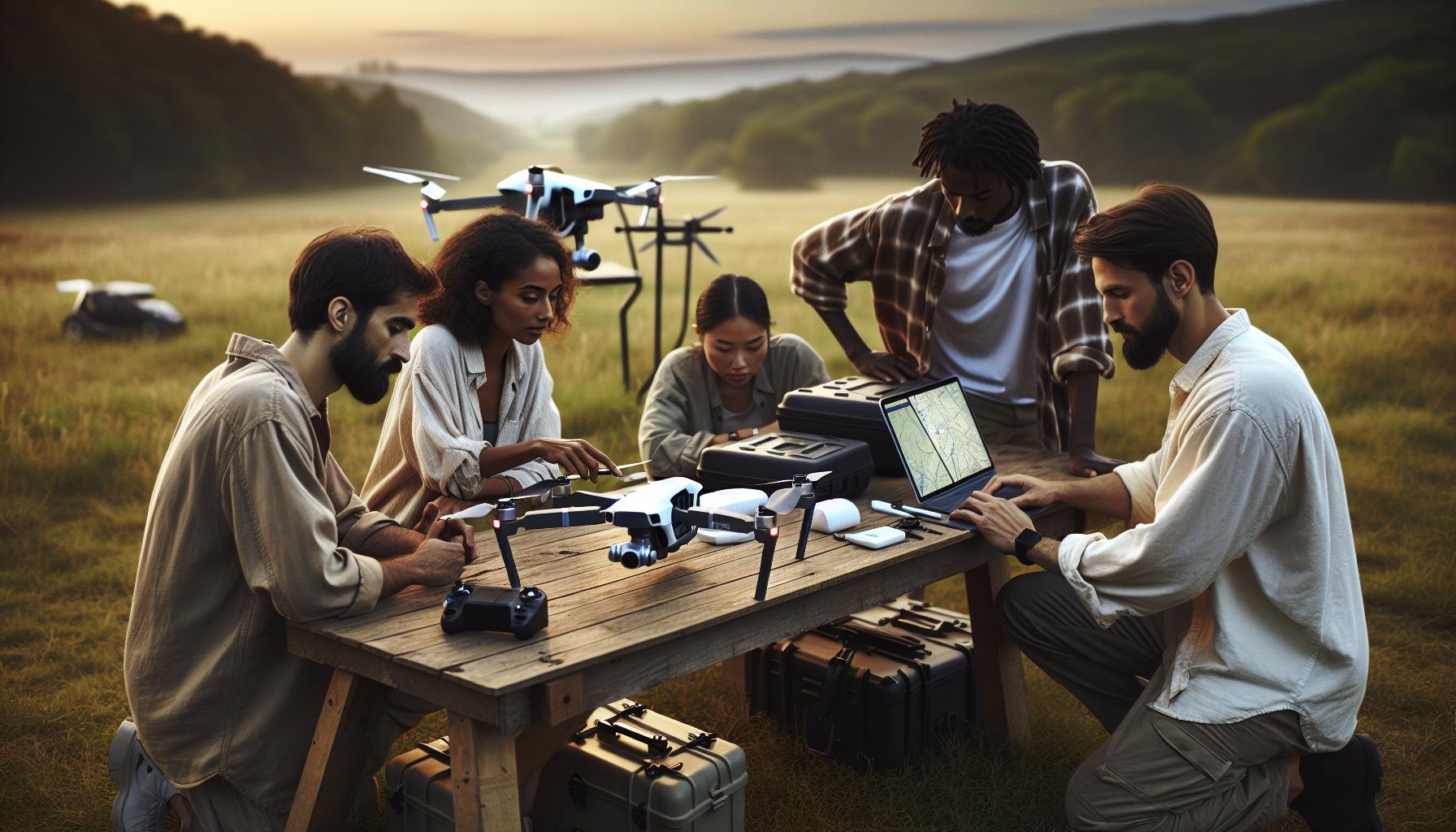
Top GPS Tracking Solutions for DJI Models
For drone enthusiasts and professionals alike, maintaining the location of your DJI drone is paramount, especially in the face of potential loss during those exhilarating flights. Among the numerous tracking solutions available, several stand out for their effectiveness and compatibility with various DJI models. Leveraging built-in GPS features alongside third-party solutions can significantly enhance your tracking capabilities and recovery chances.
One of the most practical methods is using the DJI Fly and DJI GO 4 apps. These official applications provide real-time GPS tracking and allow users to visualize their drone’s location on a map during flight. The app’s intuitive interface not only shows the drone’s position but also integrates features like Return to Home (RTH) functionality, ensuring that you can bring your drone back to its launch point safely. Additionally, if your drone has gone out of reach, these apps keep track of the last known location.
In terms of third-party solutions, various GPS trackers can be integrated with DJI drones, each offering unique advantages. For instance, options like the Trackimo 3G GPS Tracker and the Invoxia GPS Tracker provide global coverage, allowing you to locate your drone even when it’s outside cellular range. These devices are lightweight and can be discreetly attached to your drone, keeping track of its movements via mobile apps that send alerts the moment your drone moves beyond a defined area.
For those concerned with enhanced safety measures during flights, investing in devices like the Flytrex Live 3G provides live flight tracking and telemetry data, which not only aids in recovery efforts but also enhances your situational awareness during operations. This solution gives you comprehensive access to vital flight data and notifications about your drone’s status, including any deviations from the planned flight path.
In summary, combining DJI’s built-in GPS capabilities with robust third-party trackers can provide an effective safety net for your drone endeavors. It’s essential to explore these options and choose what aligns best with your flying style and operational needs, ensuring that wherever you fly, the peace of mind that comes with reliable tracking is always at your fingertips.
Step-by-Step Guide to Using GPS Features
Utilizing the GPS features of your DJI drone can greatly enhance your flying experience, ensuring that you have vital location information for safety and reliability. Understanding how to effectively use these features provides peace of mind whether you’re a hobbyist capturing scenic views or a professional conducting serious aerial surveys. Here’s a straightforward approach to maximizing the benefits of GPS technology in your DJI drone.
First, ensure that you have downloaded the appropriate mobile app, either DJI Fly or DJI GO 4, depending on your drone model. These apps integrate seamlessly with your drone, providing real-time GPS data. Before taking off, it’s critical to calibrate the compass and ensure the GPS signal is strong. You can check the GPS status directly in the app. A solid GPS signal not only aids in the accurate positioning of your drone but also activates important functionalities like Return to Home (RTH), which is essential in case of signal loss.
Once you’ve confirmed that your GPS is operational, familiarize yourself with navigating through the map interface within the app. Here’s a quick guide to accessing GPS features during flight:
- Launch the App: Open the DJI app, connect your drone, and ensure you’re in a clear area to receive satellite signals.
- Access Flight Mode Settings: Navigate to the flight mode options and ensure that GPS mode is selected. This allows your drone to maintain its hover capabilities and accurately return to the launch point.
- Use the RTH Feature: During your flight, if you ever lose sight of your drone or if it exceeds its preset limits, simply tap the RTH button in the app. Your drone will automatically return to the location from which it took off.
- Monitor Your Location: Continuously check the live map in the app to keep track of your drone’s position, especially useful during longer flights.
For added functionality and security, consider using a secondary GPS tracker as a backup. Devices like the Trackimo 3G GPS Tracker can provide additional location data and alerts if your drone strays from the intended flying path. This is especially beneficial for outdoor flights where GPS signals may fluctuate.
In addition to these steps, make it a regular practice to update your drone’s firmware through the app. Keeping your software current ensures that any enhancements to GPS accuracy and functionalities are readily available. Engaging with these GPS features not only ensures a safer flying experience but empowers you to explore the limits of aerial photography and surveying with confidence.
Improving Your Chances of Recovering a Lost Drone
In the world of drone flying, losing a beloved device can be a devastating experience, but there are effective strategies to increase your chances of recovery. A well-planned approach not only minimizes risks but also enhances your operational confidence. The incorporation of GPS technology into your DJI drone is a game-changer, as it provides real-time location tracking and various features that can guide you back to your flying companion.
To maximize your chances of locating your lost drone, always utilize the Return to Home (RTH) feature before taking off. This handy function can automatically bring your drone back to its takeoff point when the battery is low or if it loses connection with the remote control, acting as a safeguard against unexpected losses. Make it a habit to check that this feature is properly activated in your DJI app settings; a well-calibrated home point is crucial for accurate return.
Additionally, familiarize yourself with the Find My Drone feature available in many DJI models. This tool can provide the last known coordinates of your drone on the map, offering a starting point for your search efforts. Keeping your drone’s firmware updated ensures that you have the latest improvements to GPS functionality, which can help in pinpointing locations more accurately.
For added security, consider using a secondary GPS tracker as a backup, which can operate independently of your drone’s built-in systems. Accessories like the Trackimo 3G GPS Tracker can be discreetly attached to your drone, providing an additional layer of tracking capability. This dual system is particularly advantageous in areas with weak GPS signals, as it increases the likelihood of successfully recovering your drone even in challenging environments.
Organizing your flying sessions with these strategies not only enhances your chances of recovery but also instills a sense of responsibility and readiness for any unforeseen events in your drone flying experience. By being proactive and informed, you position yourself as a competent operator, prepared for any situation.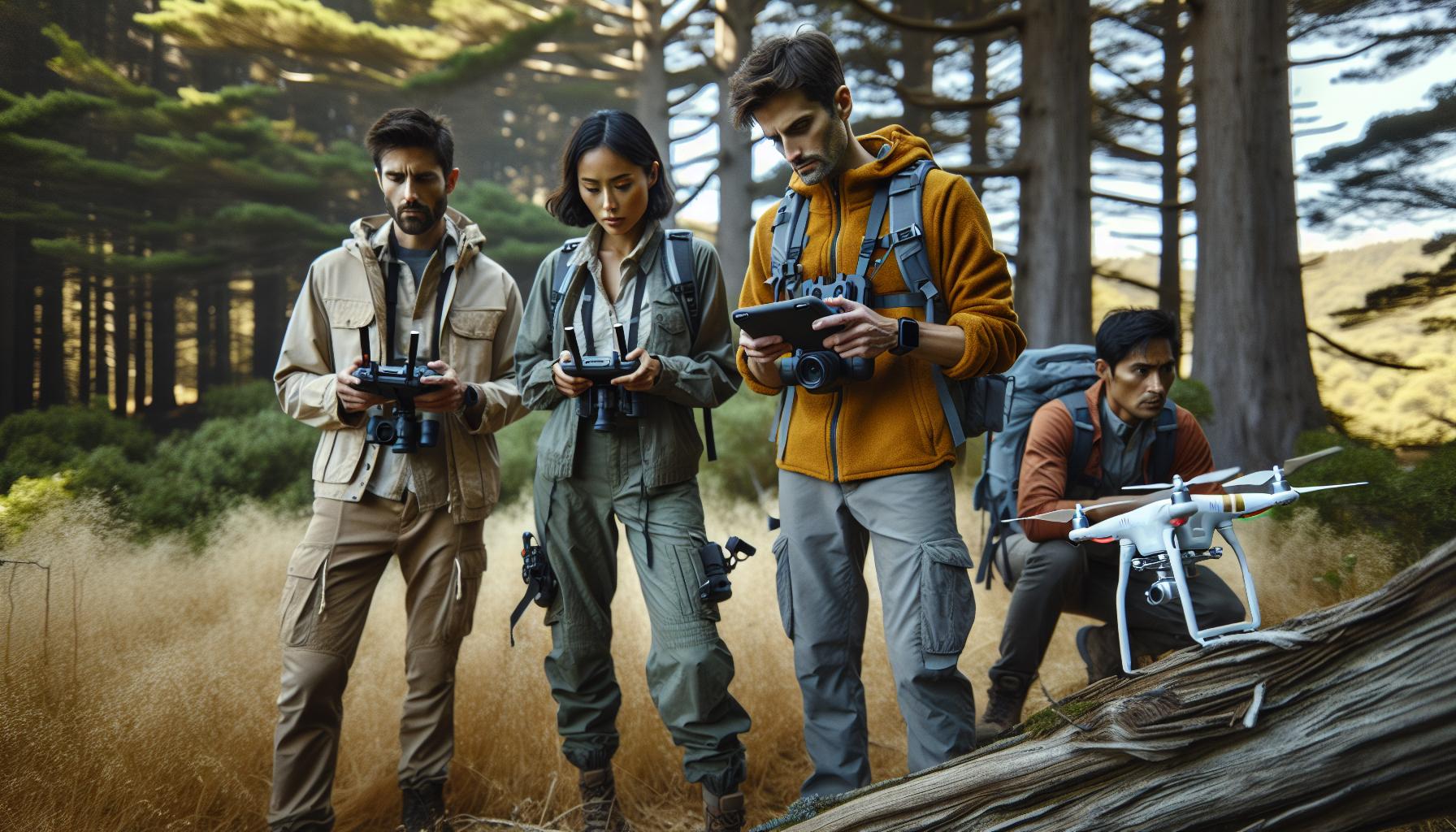
Common GPS Tracking Issues and Troubleshooting Tips
A common frustration for drone operators is experiencing issues with GPS tracking, which can undermine confidence during flights and complicate drone recovery efforts. Understanding typical GPS challenges and how to address them is essential for every DJI pilot, whether you’re a novice flyer or a seasoned professional.
One frequent problem encountered is the loss of signal, particularly in urban environments where tall buildings can obstruct satellite connections. To mitigate this, ensure that you fly in open areas with a clear view of the sky, away from potential obstructions. If you find yourself in a situation with poor GPS reception, switching to manual mode can help, though this increases the risk of losing your drone.
Another common issue is inaccurate positioning, which can occur if the drone’s GPS coordinates drift during flight due to poor satellite reception or interference. To enhance accuracy, it’s advisable to wait for a minimum of 10-15 satellites to connect before taking off. Always check the GPS signal strength in your DJI app; a weak signal may mean it’s best to postpone the flight.
For those utilizing the Return to Home (RTH) feature, ensure that the home point is correctly set and updated frequently, especially when moving to new locations. If your drone fails to return as expected, it may be because it lost the GPS signal on its way home. To resolve this, regularly calibrate your drone’s compass and ensure the firmware is up to date, as updates often include crucial fixes for GPS functionality.
Troubleshooting Tips
- Check Satellite Connection: Before your flight, ensure a solid connection to at least 10 satellites for accurate GPS.
- Clear the Home Point: Reset the takeoff point if you relocate while flying.
- Firmware Updates: Regularly update your drone’s firmware to access the latest GPS improvements.
- Avoid Interference: Steer clear of metallic structures and electronic devices that may distort GPS signals.
By proactively addressing these common issues, you enhance your drone flying experience and increase the probability of a successful recovery in the event of a lost signal. Empower yourself with knowledge and preparation, and your confidence in operating DJI drones will soar.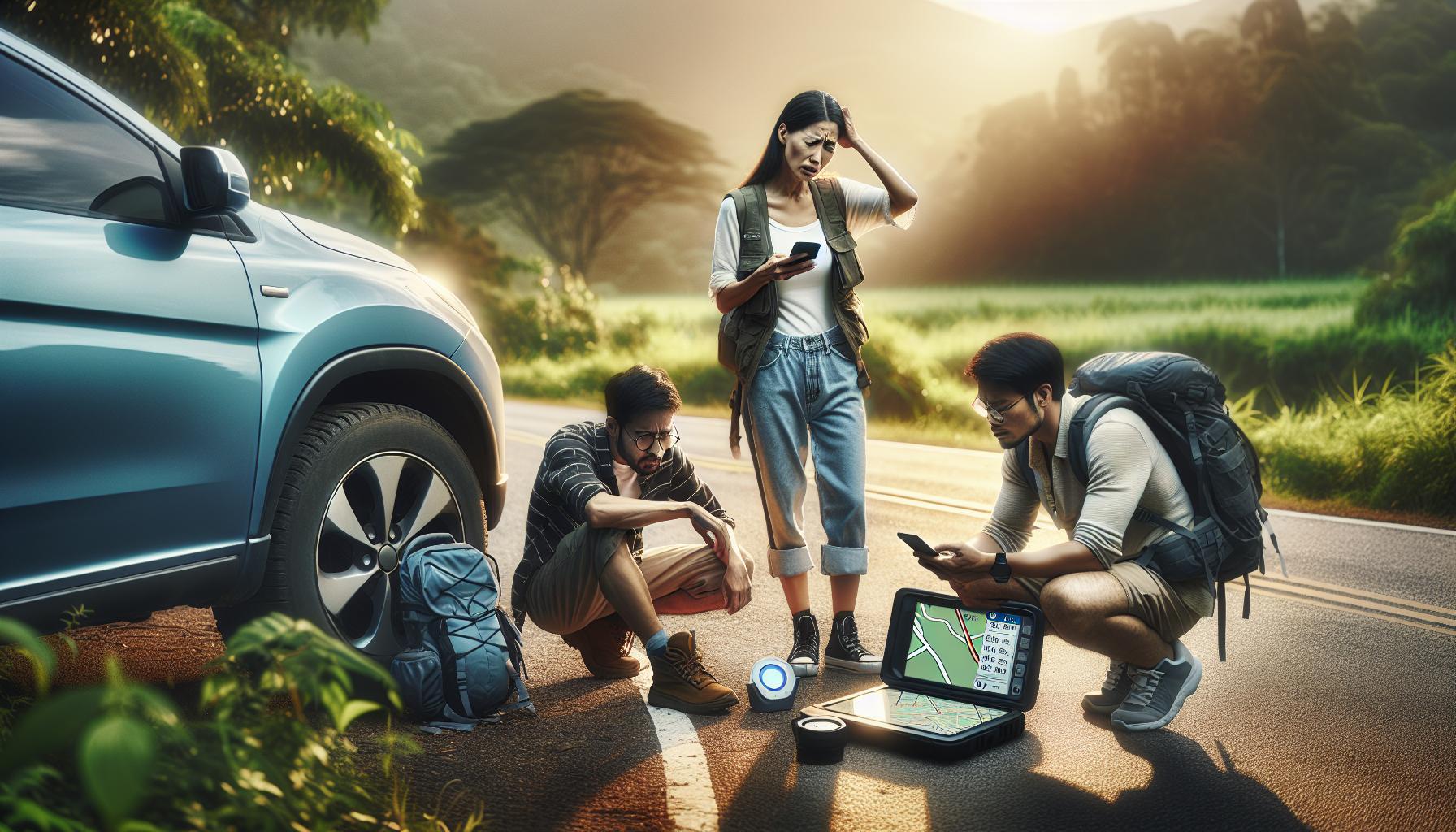
Comparing GPS Trackers: Pros and Cons
When it comes to keeping your DJI drone secure, understanding the various GPS trackers available is essential. With advancements in technology, numerous devices can enhance tracking capabilities, but each with its own strengths and weaknesses. By weighing the pros and cons, drone enthusiasts can make informed choices that align with their unique needs.
One notable advantage of standalone GPS trackers is their wide array of features, including real-time location updates, geofencing, and the ability to recover a lost drone even if it ventures out of your remote control range. While some trackers are compact enough to fit seamlessly into your drone’s design, others may require a dedicated attachment, potentially impacting aerodynamics. A significant pro of many GPS trackers is their battery life; some devices can last for weeks on a single charge, giving pilots peace of mind during extended flights. However, the effectiveness of these devices can be hindered in urban environments where tall buildings interfere with satellite signals.
On the downside, the integration of a third-party GPS tracker may complicate the setup process. Some users report difficulties syncing trackers with their drones or apps. Additionally, a reliance on external devices raises concerns about battery drain; if a tracker runs out of power mid-flight, it nullifies its recovery capabilities. Cost can also be a factor; while some affordable options exist, premium trackers with extensive features may not fit every budget. Furthermore, regulatory considerations might arise, as some regions impose restrictions on the use of external GPS devices.
In conclusion, when selecting a GPS tracking solution for your DJI drone, consider the specific features aligned with your flying habits and operational environments. Balancing the advantages of advanced tracking features against their potential drawbacks will help you make an educated choice that fits your flying style and provides confidence in safeguarding your investment.
Legal Considerations for GPS Drone Tracking
In the rapidly evolving landscape of drone technology, understanding the legal framework surrounding GPS tracking for drones is crucial for both safety and compliance. As more users integrate GPS tracking to secure their devices, various regulations, privacy laws, and airspace restrictions emerge, which drone operators must navigate to avoid penalties and ensure responsible flying. Some regions impose strict laws on how tracking devices can be used, especially concerning privacy concerns associated with tracking others or operating in crowded areas.
Many countries require drone operators to adhere to strict guidelines set forth by aviation authorities when using GPS tracking features. For example, in the United States, the Federal Aviation Administration (FAA) mandates that all drone flights must be conducted within visual line-of-sight, limiting the utility of GPS tracking when a drone is out of view. Moreover, using a GPS tracker to monitor other individuals without their consent can lead to severe legal repercussions, exemplifying the need for operators to fully understand the implications of their tracking technology.
To operate your DJI drone legally while utilizing GPS tracking, follow these key legal considerations:
- Know Your Local Laws: Always stay informed about local regulations that govern drone operations. These can vary significantly between countries, states, and even municipalities.
- Adhere to Privacy Regulations: Be aware of privacy laws that may restrict the recording or tracking of individuals without explicit consent.
- Restrict Tracking to Legal Areas: GPS tracking should not be utilized in restricted airspaces without appropriate permissions, such as near airports or government facilities.
- Properly Register Your Drone: In many jurisdictions, registering your drone is required. This adds an additional layer of accountability and helps support responsible drone usage.
By integrating these considerations into your flying routine, you can enhance both your drone’s security and your compliance with legal parameters. Ultimately, responsible use of GPS tracking technology not only protects your investment but also promotes a culture of safety and respect within the drone community.
Accessories to Enhance Your Drone Tracking Experience
To enhance your drone tracking experience and improve recovery rates for lost DJI drones, a variety of accessories are available that cater specifically to GPS tracking functionalities. These tools not only bolster the chances of locating your drone but also add convenience and safety to your flying endeavors.
One of the most effective accessories to consider is a GPS tracker designed for drones. These compact devices can be attached discreetly to your DJI model, offering real-time tracking through your smartphone or tablet. Popular options include devices from brands like BrickHouse Security and Tracki, which provide excellent coverage and accuracy. These trackers can often alert you if your drone strays beyond a designated distance, allowing for swift action before it goes out of signal range.
Another useful accessory is a smartphone mount for your remote controller. Integrating your smartphone directly with your controller not only allows you to manage GPS features but also provides access to tracking apps that can further enhance your drone’s navigation capabilities. Apps like DJI Fly or third-party alternatives can offer an intuitive interface for seeing real-time flight data and assisting in locating your drone should it become lost.
Enhancements to your drone’s firmware can also significantly improve its tracking capabilities. Regular updates provided by DJI often include features that refine GPS accuracy and overall reliability. Coupled with a strong GPS signal, maintaining the latest software ensures that you are utilizing the full set of tracking functionalities provided by your drone. Make it a habit to check for updates before your flights and follow the tips provided by DJI for maximizing GPS performance.
Lastly, investing in high-capacity batteries that extend your drone’s flight time can also improve tracking effectiveness. Longer flights mean more opportunities to keep an eye on your drone’s trajectory, ensuring you can intervene before it becomes lost. With various batteries available for different DJI models, selecting ones that enhance flight duration will be beneficial in both recreational and professional settings.
Incorporating these accessories and practices into your drone operations will not only enhance your tracking experience but also provide you with the peace of mind needed to enjoy the skies confidently.
Safety Measures for Flying with GPS Functionality
Flying a drone equipped with GPS functionality opens up a world of possibilities, but it also necessitates a heightened awareness of safety protocols. Understanding and implementing safety measures while using GPS can significantly improve your flying experience and safeguard your equipment.
Before your flight, ensure that your GPS is fully calibrated. This not only enhances the drone’s ability to maintain its position accurately but also minimizes the risk of losing control. Always perform a pre-flight check, which includes verifying satellite lock status-more satellites mean better positioning accuracy. Furthermore, it’s advisable to know your drone’s range limits and set a geofence in your GPS settings. This geofencing feature prevents your drone from straying too far and reduces the risk of loss.
Pay close attention to environmental factors that could interfere with GPS signals, such as buildings, trees, and weather conditions. To mitigate these risks, choose open flight areas with minimal obstructions. If flying in an area where signal loss is likely, consider using additional safety measures like an onboard GPS tracker that provides real-time location updates. These devices can be invaluable in recovering a lost drone, and many trackers come with alert features that notify you when your drone exceeds predetermined boundaries.
Maintaining clear communication with your remote controller is also vital. Regularly monitor the battery levels of your drone and controller, as low power can lead to compromised GPS performance. Ensure you have your remote controller set up correctly to receive all telemetry data, and avoid distractions during flight. It’s crucial to stay aware of your surroundings-not just for the drone but for other airspace users as well.
By taking these precautions, you can significantly enhance the safety and reliability of your flying experience, allowing you to focus on capturing stunning aerial footage or exploring new landscapes with confidence.
Firmware Updates: Keeping Your GPS Accurate
Every drone pilot knows that accurate GPS functionality is crucial for safe and effective flying. What many may not realize is that keeping the GPS system up to date is just as important as the initial setup. Firmware updates provide essential enhancements that can improve GPS accuracy, responsiveness, and overall drone performance. By neglecting these updates, you may be using outdated software that can lead to navigation issues, loss of control, or inability to recover a lost drone.
To ensure your DJI drone’s GPS system functions at its best, regularly check for firmware updates through the DJI app or the official website. The process typically involves:
- Connecting your drone to the DJI app on your mobile device.
- Accessing the firmware update section where available updates are listed.
- Complying with any instructions provided to complete the update safely.
While the updates can introduce new features or enhance existing ones, they often include bug fixes that specifically address GPS-related issues. For instance, if you have noticed your drone drifting during hover or failing to return to home accurately, a firmware update may resolve these problems. Additionally, staying on top of updates reduces the risk of flying with known bugs or vulnerabilities that can compromise safety.
It’s also advisable to be aware of the environmental factors during your updates, such as connectivity issues if you are in a low-signal area. Complete updates in settings where your drone can maintain a strong connection with GPS satellites to ensure smooth operation. By prioritizing firmware updates, you not only enhance the precision of your GPS tracking but also reinforce the overall reliability of your flying experience, minimizing the chances of losing your drone.
User Experiences: Real Stories of Lost Drones
Flying a DJI drone opens up a world of breathtaking aerial photography and exploration, but it can also lead to unexpected moments of panic-especially when a drone goes missing. Many pilots have shared their stories of losing their beloved devices, often learning valuable lessons about the importance of GPS tracking and recovery strategies.
For instance, one user recalled a heart-stopping day when his Mavic Pro unexpectedly drifted away due to a sudden battery malfunction. As he watched helplessly, the drone flew beyond the trees, disappearing from sight. Utilizing the DJI app, he quickly accessed the “Find My Drone” feature. After a few tense moments of watching the map, he was relieved to see the drone’s last known position. Not only did he manage to navigate to its location by following the GPS coordinates, but he was also able to scan the area for nearby landmarks, ensuring a straightforward retrieval process.
Another case involved an Inspire 2 pilot who, despite being cautious, lost track of their drone in a dense forested area. After realizing it was missing, they activated the return-to-home feature, only to be greeted with silence. Relying on the GPS tracking, they marked the position before the signal faded. Armed with the app’s coordinates, they ventured out, hiking through the underbrush, until they retraced the drone’s flight path. Eventually, their efforts paid off when they spotted the drone’s distinctive colors perched atop a tree. This experience reinforced their understanding of how crucial it is to have a solid GPS connection while flying, especially in complex environments.
While these stories often have happy endings, pilots frequently encounter hurdles. Weak GPS signals, environmental interference, and battery failures can complicate recovery efforts. It’s essential for drone operators to regularly update firmware and familiarize themselves with the app’s features, maximizing their chances of a successful recovery. When preparing for a flight, scouting areas for potential risks such as obstructions and signal loss places the operator in a better position to manage unforeseen incidents.
To further illustrate, an experienced drone enthusiast highlighted the importance of pre-flight planning. Before embarking on his adventures, he meticulously reviews the airspace and ensures his drone’s GPS functionality is top-notch. His thorough preparation assists in avoiding panic in case of emergencies, as he understands that having a robust GPS system is an invaluable tool for recovering lost drones. In an era where drones have numerous applications-from aerial photography to inspection work-having GPS recovery functions is not just a feature-it’s a lifeline for any serious operator.
Overall, user experiences emphasize proactive GPS tracking, ongoing learning, and the significance of staying informed about the tools available to ensure that losing a drone doesn’t lead to despair, but rather an opportunity for growth in flying expertise.
Future Trends in Drone GPS Technology
In an increasingly connected world, the future of drone GPS technology promises to revolutionize how pilots interact with and recover their devices. Emerging innovations in satellite communication and positioning systems are set to enhance the reliability and accuracy of GPS tracking for DJI drones, giving users greater confidence during their flights. For instance, advancements in multi-constellation GNSS (Global Navigation Satellite Systems) will allow drones to integrate signals not only from traditional GPS but also from GLONASS, Galileo, and BeiDou systems. This means drones can maintain accurate positioning even in challenging environments, such as urban areas or dense forests.
Moreover, the integration of AI algorithms within GPS technologies will improve real-time decision-making capabilities of drones. As drones collect data and analyze their surroundings, these AI systems can predict potential failures or signal losses and accordingly initiate recovery actions. Techniques like predictive risk assessment could enable drones to enact emergency protocols when they detect low battery levels or weak signals, such as automatically returning to the home point or calling for assistance through an app notification.
Advancements in Autonomous Recovery Features
As GPS technology evolves, so will the features designed specifically for recovery in event of a fly-away incident. Future drones might incorporate advanced geofencing and digital mapping tools that allow for automated landings in designated safe zones, reducing the chances of loss in challenging environments. Additionally, some manufacturers are exploring the idea of crowd-sourced tracking, where other drone users in the area can assist in locating a lost drone, similar to a community network.
These trends indicate a shift towards enhanced user experience, offering pilots not just recovery tools but complete ecosystems for safer operations. With improved interface designs in apps and software, pilots can expect smarter and more intuitive tracking features that will simplify the management of their drones. Such practical developments will empower both hobbyists and professionals, allowing them to focus more on creative flight applications rather than worrying about the risks associated with potential losses.
Ultimately, as DJI and other manufacturers continue to research and develop these GPS technologies, the future looks bright for drone tracking-offering improved accuracy, reliability, and user-friendly features to enhance flight experiences. Keeping abreast of these advancements will equip drone operators with the skills necessary to adapt and thrive in this dynamic hobbyist and professional landscape.
Frequently Asked Questions
Q: How can I track my DJI drone if it goes missing?
A: To track your DJI drone, use the Find My Drone feature integrated into the DJI Fly or DJI GO app. Ensure GPS tracking is activated before flying. If your drone is lost, open the app, select the drone, and view its last known location on the map.
Q: What are the best GPS tracking devices for DJI drones?
A: Some of the best GPS tracking devices compatible with DJI drones include Tracki and Samsung SmartThings Tracker. These solutions offer real-time tracking, alerts, and long battery life, enhancing the likelihood of recovering a lost drone.
Q: Why is GPS tracking important for drone recovery?
A: GPS tracking is crucial for drone recovery as it provides real-time location data, helping users quickly find and retrieve lost drones. It significantly increases the chances of recovery, especially in remote or difficult-to-access areas.
Q: Can I use my smartphone to track my DJI drone?
A: Yes, you can use your smartphone to track your DJI drone by connecting the device with the DJI app. The app allows you to view the drone’s live location, provided the drone is within a reachable signal range.
Q: What should I do if my drone loses GPS signal?
A: If your drone loses GPS signal, switch to ATTI mode to maintain control. Try to fly the drone back to a known area with better satellite visibility. Regular firmware updates can also prevent GPS signal loss issues.
Q: How far can I track my DJI drone using GPS?
A: You can typically track your DJI drone as far as its maximum range allows, which can be up to several kilometers depending on the model and conditions. However, the effective GPS tracking range depends on line-of-sight and signal quality.
Q: Are there legal considerations when tracking my drone?
A: Yes, when tracking your drone, be aware of local laws regarding privacy and airspace regulations. Ensure you’re compliant with laws pertaining to drone operation, GPS tracking, and data collection in your area.
Q: What can I do to improve GPS tracking on my DJI drone?
A: To improve GPS tracking, make sure to update your drone’s firmware regularly, fly in open areas away from large buildings, and periodically calibrate the drone’s compass. These practices enhance GPS accuracy and reliability.
Final Thoughts
Now that you know how to effectively use GPS tracking solutions to locate your DJI drone, it’s time to take action and ensure you never lose your valuable equipment again. Remember, keeping your drone secure is not just about having the right tracking tools; it’s also about staying informed. Explore our guides on drone setup and troubleshooting common issues to enhance your flying experience and safety.
We invite you to check out our detailed comparisons of the Mini, Mavic, and Phantom series drones, helping you make the best choice for your needs. If you haven’t already, sign up for our newsletter for exclusive tips and updates on the latest drone technology and accessories. Your journey in the world of drones is just beginning-don’t hesitate to dive deeper into resources that can help you fly confidently and legally.
Have questions or personal experiences to share? Drop a comment below and connect with fellow drone enthusiasts. Together, let’s elevate our skills and enjoy the skies!