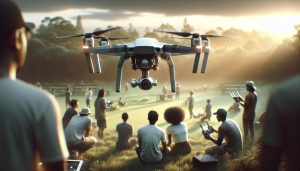
With the DJI Mini 4 Pro’s innovative ActiveTrack feature, capturing dynamic shots has never been easier. This powerful mode allows the drone to autonomously follow and film subjects, freeing you to focus on creativity rather than the technicalities of piloting. Whether you’re documenting an adventure or producing professional-grade content, knowing how to activate this feature can significantly enhance your filming experience. In this guide, we’ll delve into simple steps to turn on ActiveTrack, empowering you to unleash your drone’s full potential. Stay tuned, as mastering this capability not only elevates your aerial photography but also boosts your confidence as a drone pilot in various shooting scenarios.
How Active Track Works in DJI Mini 4 Pro
The Active Track feature in the DJI Mini 4 Pro revolutionizes how drone pilots capture dynamic and engaging footage. This intelligent functionality allows the drone to autonomously follow a subject, making it ideal for filming sports, outdoor activities, and spontaneous moments. With advanced algorithms and omnidirectional obstacle avoidance sensors, the Mini 4 Pro can proficiently track a person or object while navigating its environment, ensuring that your shots remain smooth and focused.
To use Active Track effectively, start by entering the FocusTrack settings within the DJI Fly app. From there, select your subject-whether it be a person or an object-and fine-tune settings according to your specific needs. The Mini 4 Pro segments into different tracking modes: Follow, where the drone maintains a distance while trailing the subject; Profile, which allows for side tracking; and Spot, which keeps the subject centered in the frame. Each mode offers distinct advantages depending on the type of shot you’re aiming for.
For optimal performance, positioning is crucial. Ensure you have ample space for the drone to maneuver and keep the subject within its field of vision. Additionally, use features like Point of Interest for complex movements around a subject, or set waypoints for more advanced tracking sequences. This versatility in control helps enhance your storytelling, giving you creative freedom to engage viewers more effectively.
While obstacles present a challenge, the Mini 4 Pro’s 360° avoidance sensors minimize potential risks, providing peace of mind as you focus on your creative vision. Embrace these advanced tracking features and gain more from your aerial photography experience.
Preparation: Setting Up Your DJI Mini 4 Pro
Getting your DJI Mini 4 Pro ready for the skies is an exciting step that sets the foundation for capturing stunning aerial footage with the Active Track feature. Before you dive into flying, it’s crucial to ensure your drone is set up correctly to unlock its full potential. First, unbox your Mini 4 Pro with care, checking all components like the drone, remote controller, batteries, and cables. A thorough inspection will help you catch any potential issues before takeoff.
Once everything is accounted for, charge your batteries fully to ensure maximum flight time. Download the DJI Fly app on your smartphone, which is essential for managing your drone settings and flight plans. Connect your smartphone to the remote controller using the appropriate cable, ensuring a solid connection. This app will be your central hub for flying, providing real-time telemetry, camera settings, and access to the Active Track function.
Next, perform a firmware update if one is available. This ensures you’re operating with the latest features and safety protocols. Open the DJI Fly app, navigate to the settings, and follow the prompts to check and install any necessary updates. Afterward, calibrate the gimbal and compass according to the app instructions. This step is critical as it guarantees stable footage and precise navigation, particularly when utilizing Active Track.
Position the drone in a safe area away from obstacles and ensure GPS signals are strong before launching. Familiarize yourself with the drone’s controls and the layout of the app, especially the FocusTrack section that houses Active Track. With everything in place, you’re ready to embark on your aerial adventures, capturing dynamic shots with ease and confidence.
Step-by-Step Guide to Activating Active Track
Activating Active Track on the DJI Mini 4 Pro is a straightforward process that can significantly enhance your aerial photography and videography by allowing you to capture dynamic moving subjects with ease. To get started, make sure your drone is correctly set up and powered on, with a solid GPS signal for optimal performance. Here’s how you can activate this impressive feature in just a few simple steps.
Step-by-Step Activation
- Open the DJI Fly App: After ensuring your drone is ready, launch the DJI Fly app on your smartphone. This app is integral as it houses the settings and functionalities needed for your drone’s operation.
- Select the Camera View: Once you’re connected to your Mini 4 Pro, navigate to the live camera feed. This is where you’ll have the best view for selecting your subject and initiating Active Track.
- Access FocusTrack: Look for the menu icon (typically represented by three horizontal lines or similar), tap on it, and find the “FocusTrack” option. This features Active Track along with other intelligent shooting modes.
- Choose Active Track: Within the FocusTrack menu, you will see the Active Track option. Select this to enter the tracking mode settings. The app will prompt you to outline your subject, which can be a person or an object.
- Select Your Subject: Use the touch screen to frame and select the subject you want to track. The drone will automatically recognize it. Make sure the subject is visible and adequately lit to enhance recognition accuracy.
- Configure Tracking Options: Before you start tracking, you may be prompted to choose between different Active Track modes-Follow, Profile, or Spot-depending on how you want the drone to behave relative to the selected subject. Adjust these settings as needed based on your shooting style.
- Initiate Tracking: Once you have selected your subject and configured the settings, simply tap the “Start” button. The drone will begin following the subject as it moves, capturing footage hands-free.
- Adjust During Flight: You can still adjust the drone’s altitude and direction using the remote while Active Track is engaged, allowing you to refine your shots on the fly.
Using Active Track not only simplifies capturing moving subjects but also enables more creative shooting opportunities without requiring constant manual control. As with any feature, practice makes perfect-experimenting with different modes and subjects will help you become proficient and discover the full potential of your DJI Mini 4 Pro.
Understanding Active Track Modes: Follow, Profile, and Spot
To make the most out of the DJI Mini 4 Pro’s Active Track functionality, it’s essential to understand the three distinct tracking modes: Follow, Profile, and Spot. Each mode is designed to cater to different filming styles and scenarios, allowing you to capture moving subjects in a way that best fits your creative vision.
Follow Mode
In Follow mode, the drone tracks directly behind the subject, maintaining a seamless distance as it moves. This mode is particularly effective for capturing dynamic motion, such as running, biking, or any other activities where the subject might change direction frequently. By keeping the subject in the center of the frame, Follow mode creates an engaging perspective that offers viewers an immersive experience. It’s ideal for action shots where motion is central to the narrative.
Profile Mode
Profile mode alters the angle of tracking, allowing the Mini 4 Pro to follow the subject from the side. This mode is incredibly useful for creating cinematic looks, especially when capturing fast-moving subjects such as athletes or vehicles. By maintaining a side-view perspective, Profile mode showcases speed and movement, giving your footage a more dynamic and exciting visual flow. This mode can be particularly effective for capturing the symmetry of a subject while they are in motion.
Spot Mode
Spot mode takes a more stationary approach by allowing the drone to remain in one position while tracking the subject. This is especially advantageous when you want to highlight the subject against a static background or when you need to capture complex maneuvers without losing creative framing. For example, if you’re shooting a dancer or a performer in a specific location, Spot mode helps maintain focus solely on them, allowing consistency and stability in your shots.
By mastering these different tracking modes, you not only enhance your aerial photography and videography skills but also expand the storytelling potential of your work. Each mode has its unique strengths, and experimenting with them will give you a greater understanding of the Mini 4 Pro’s capabilities in various scenarios, ultimately leading to more compelling and visually stunning content.
Tips for Optimal Performance with Active Track
Achieving optimal performance with the Active Track feature of your DJI Mini 4 Pro can significantly enhance your filming experience and the quality of your footage. By implementing a few strategic tips, you can ensure that your drone operates effectively in various conditions, capturing stunning shots of your subjects effortlessly.
Firstly, before initiating Active Track, set up your filming environment by scouting the area. Look for a location with ample lighting and minimal obstacles. Flying in a well-lit area helps the drone’s sensors accurately detect and track the subject. It’s also beneficial to choose subjects that have distinctive colors or patterns, as these features make it easier for the drone’s software to maintain focus. Additionally, ensure that the subject is within a reasonable distance from the drone, as tracking may become erratic if the subject moves too far away.
Another crucial tip is to familiarize yourself with the three tracking modes: Follow, Profile, and Spot. Understanding when to switch between these modes can drastically improve the quality of your shots. For instance, if your subject is moving in a predictable path, such as cycling along a road, using Follow mode will yield dynamic footage. Conversely, if you wish to capture a dramatic side view of an athlete in action, opt for Profile mode to accentuate movement. If you need a stationary shot, like highlighting a dancer, Spot mode allows you to focus on the performer without losing the surrounding context.
Lastly, be prepared for potential technical challenges. Always conduct a pre-flight checklist that includes checking firmware updates, ensuring that your drone’s gimbal and sensors are calibrated, and preforming regular maintenance. Familiarize yourself with the drone’s obstacle avoidance settings, as these can prevent crashes and allow for a smoother tracking experience. If you encounter issues, start by adjusting the tracking distance and camera angle to see if that improves performance. Engaging in these best practices will not only enhance the Active Track feature but also increase your overall confidence when flying the DJI Mini 4 Pro.
Troubleshooting Common Active Track Issues
If you’re looking to harness the full potential of the Active Track feature on your DJI Mini 4 Pro, understanding how to troubleshoot common issues is essential. Many users may find themselves frustrated when Active Track struggles, but often, the solutions are straightforward, allowing you to get back to capturing stunning footage.
One prevalent issue is the drone’s inability to lock onto a subject. This can happen due to poor lighting conditions or if the subject wears colors that don’t contrast well against the background. To resolve this, try flying in better lighting or choose subjects with more distinct colors. Additionally, ensure the subject is within a reasonable distance from the drone; Active Track works best when the object is not too far away.
Another common problem is erratic tracking or stuttering movements. This could be attributed to obstacles interfering with the drone’s sensors. Make sure that your flight path is clear of obstructions-trees, buildings, and even birds can disrupt the Active Track functionality. If you experience this, consider adjusting your altitude or changing direction slightly to see if it helps in regaining stable tracking.
In some cases, software glitches can cause Active Track to behave unexpectedly. Always ensure your firmware is up to date, as DJI frequently releases updates that enhance performance. If issues persist after updating, a quick reset of the drone can clear minor bugs. You can do this by turning it off and on again, which can help recalibrate the sensors and restart any features that may be acting up.
Occasionally, users may find that Active Track works well in one mode but struggles in another. Switching between the Follow, Profile, and Spot modes can make a significant difference depending on your shooting scenario. If you’re experiencing problems, experiment with these modes to determine which provides the best tracking for your subject’s movements. Engaging with these troubleshooting methods can lead to more reliable performance of Active Track, ensuring that you capture every moment seamlessly.
Enhancing Active Track with Advanced Settings
To truly harness the capabilities of Active Track on your DJI Mini 4 Pro, delving into the advanced settings can significantly enhance your tracking experience. Adjusting these settings allows for better performance tailored to different environments and subjects, effectively elevating your aerial photography and videography.
The first step in enhancing Active Track is exploring the sensitivity settings. Increasing sensitivity can allow the drone to react quicker to subjects that move rapidly, making it ideal for capturing dynamic scenes, such as sports or action shots. Conversely, in more static or controlled environments, lowering sensitivity can help maintain smooth, stable tracking, preventing the drone from making abrupt movements that could adversely affect your footage.
Another important aspect is setting the tracking speed. This feature controls how fast the drone will follow your subject. For example, if you’re filming a person running, a higher tracking speed can ensure that the drone keeps up and captures the full action without losing focus. However, for slower-moving or stationary subjects, a slower speed can create more cinematic effects and smoother transitions, allowing greater creativity in your shots.
Additionally, consider using the advanced obstacle avoidance settings. The DJI Mini 4 Pro is equipped with intelligent sensors that help prevent collisions while active tracking. Adjusting the obstacle avoidance sensitivity can help the drone navigate complex environments, ensuring it remains focused on the subject while avoiding potential hazards. This feature is particularly useful when shooting in densely populated or cluttered areas, where unexpected obstacles can arise.
Finally, regularly check for firmware updates to keep your Active Track features performing at their best. DJI often introduces enhancements and performance improvements that can make a substantial difference in your drone’s responsiveness and tracking accuracy. By optimizing these settings and keeping your device updated, you can unleash the full potential of Active Track, ensuring every shot is captured with precision and style.
Comparing Active Track Features Across DJI Models
Comparing the Active Track features across DJI models reveals how the technology has evolved and how different drones cater to various levels of drone enthusiasts. Each model, from the compact Mini series to the advanced Mavic and Phantom lines, offers unique benefits tailored to diverse aerial photography needs and flying contexts.
The DJI Mini 4 Pro, for instance, boasts the impressive Active Track 360, which allows users to select from various tracking modes-Follow, Profile, and Spot. This model’s ability to adapt to different subjects and terrains makes it ideal for casual filmmakers and hobbyists. The follow mode keeps the camera fixed on the subject from a distance, making it perfect for capturing outdoor activities like running or biking. In contrast, the profile mode captures the subject from the side, providing a cinematic flair that enhances the visual storytelling.
On the other hand, the Mavic series, particularly the Mavic 3, enhances Active Track capabilities with more advanced obstacle avoidance systems and faster tracking speeds. The Mavic 3 integrates advanced AI technology to predict a subject’s movements, allowing it to respond more dynamically, making it suitable for professional filmmakers who often shoot in complex environments. Moreover, its longer battery life and enhanced flight stability mean you can enjoy longer shoots without worrying about technical limitations.
The Phantom series also offers impressive Active Track capabilities but is designed more for professional use. With a fixed camera mount, it provides superior gimbal stabilization, allowing for incredibly smooth shots, even during rapid movements. This series excels in high-stakes filmmaking scenarios, where capturing a subject in motion with flawless clarity is crucial.
As you compare these models, consider your specific needs: are you a hobbyist looking for versatility and ease of use, or a professional needing precision and advanced features? Understanding these differences in Active Track functionality will help you choose the right DJI drone for your aerial photography and videography endeavors.
Safety Guidelines While Using Active Track
When utilizing Active Track in the DJI Mini 4 Pro, safety should be your top priority to ensure not only your drone’s protection but also the safety of people and property around you. This feature, while powerful and impressive, requires attention to detail and a clear understanding of your environment. It’s crucial to perform a pre-flight assessment of the area where you plan to use Active Track, checking for obstacles, potential hazards, and the presence of people or animals that could interfere with the drone’s path.
One major guideline to keep in mind is to maintain a clear line of sight with your drone at all times. Although Active Track allows the drone to autonomously follow a subject, it does not grant you the ability to disengage from manual control and awareness of your surroundings. Always be prepared to take manual control if the drone momentarily loses track of the subject or encounters unexpected obstacles. This can avoid collisions and ensure a safer flying experience.
Tips for Safe Operation
- Choose the Right Environment: Use Active Track in open spaces free from tall structures, dense vegetation, or moving vehicles that could obstruct the drone’s ability to track effectively.
- Check Battery Levels: Before activating Active Track, ensure your battery is sufficiently charged to avoid mid-flight failures.
- Use Spotter: If possible, have an additional person on the ground monitoring the drone’s flight path. This spotter can alert you to any potential hazards that may not be visible from your viewpoint.
Understanding the limitations of the Active Track system is equally important. While it is equipped with obstacles avoidance technology, this can sometimes be hindered by complex environments. Always keep in mind that sudden changes in terrain or subject speed may cause difficulties in tracking. Regularly updating the firmware of your drone can help improve its capabilities and safety features, making sure you’re operating with the latest technology enhancements.
By staying vigilant and adhering to these safety guidelines, you can maximize the capabilities of the Active Track feature while reducing the risks associated with drone operation. Always respect local regulations and guidelines regarding drone use, as compliance not only promotes safety but also fosters positive relations with your community.
Real-Life Examples of Active Track in Action
The Active Track feature in the DJI Mini 4 Pro opens up a world of creative possibilities, allowing operators to effortlessly capture dynamic footage while focusing on their activities. Imagine yourself cycling through a picturesque landscape; instead of worrying about managing the drone’s flight, you can let it autonomously follow along, framing your movements beautifully. This level of engagement turns common activities into cinematic experiences, whether you’re hiking, skateboarding, or even filming a family gathering.
Consider a professional filmmaker who used Active Track during a mountain biking shoot. By setting the drone to “Follow” mode, the operator was able to maintain a safe distance while the drone smoothly captured the rider navigating tricky terrain. What made this particularly impressive was the way the DJI Mini 4 Pro adapted to sudden changes in speed and direction, ensuring that the action was always perfectly in frame, even as the rider maneuvered through challenging sections of the trail. The result was stunning footage that significantly reduced the need for manual adjustments-allowing for more time focusing on the artistic direction of the project.
In another instance, a drone enthusiast used the “Spot” mode to create engaging social media content while at a beach event. The user set their location and activated the feature, which allowed the Mini 4 Pro to maintain a fixed position while capturing their friends playing frisbee. The versatility of Active Track shone as the drone could adjust angles and distances dynamically, providing varied shots without losing track of the energetic scene. These types of interactions demonstrate how easily the DJI Mini 4 Pro can elevate everyday activities into captivating visual narratives.
By integrating this advanced tracking system into your explorations or creative projects, you not only enhance the quality of your footage but also free yourself from the complexities of manual flight controls. The real-life applications of Active Track highlight its potential as both a convenient tool for casual users and an essential asset for professional creators seeking to push the boundaries of storytelling through aerial perspectives. Whether you’re capturing the thrill of outdoor activities or documenting precious moments with family and friends, the DJI Mini 4 Pro empowers your vision while ensuring a smooth, focused shooting experience.
Maximizing Your Active Track Experience with Accessories
Maximizing the capabilities of your DJI Mini 4 Pro’s Active Track feature is greatly enhanced by the right accessories. These tools not only elevate your tracking experience but also ensure smoother operations and more creative possibilities. Whether you’re shooting breathtaking landscapes, action sports, or memorable moments with friends, integrating certain accessories can help you capture the best footage.
One essential accessory is the ND filter, which allows for improved light control during bright sunny days. With an ND filter, you can reduce glare and achieve a more cinematic look by maintaining the optimal shutter speed. This is especially useful during high-speed activities when the drone might otherwise struggle to capture clear, professional-looking footage.
Another important addition is a power bank or extra batteries. Active Track can consume battery life more quickly, particularly when filming in 4K resolution or with high frame rates. Ensuring you have a backup power source allows you to film for extended periods without interruption, allowing you to capture every moment without the worry of the battery running out.
For optimal control, consider a tablet holder or sunshade. These accessories can provide a larger viewing screen and reduce glare from sunlight, helping you to monitor your tracking subject more effectively. Being able to see the drone’s video feed clearly allows for precise adjustments and enhances your overall ability to manage the drone’s movements.
Finally, a tripod or landing pad is beneficial for stable takeoffs and landings, especially in uneven ground or during windy conditions. This ensures that your drone remains steady and safe at both the beginning and end of your shooting sessions.
By incorporating these accessories into your DJI Mini 4 Pro setup, you enhance not only the functionality of Active Track but also the overall quality of your footage, allowing your creativity to shine in every project.
Frequently Asked Questions
Q: How do I enable Active Track on my DJI Mini 4 Pro?
A: To enable Active Track on your DJI Mini 4 Pro, open the DJI Fly app, start your drone, and select the “ActiveTrack” mode from the flight menu. Follow the prompts to select a subject, and the drone will automatically track it while avoiding obstacles.
Q: What are the different modes of Active Track in the DJI Mini 4 Pro?
A: The DJI Mini 4 Pro offers three Active Track modes: Follow, Profile, and Spot. “Follow” maintains a set distance while tracking, “Profile” tracks the subject from the side, and “Spot” allows the drone to circle around the subject, keeping it at a fixed position.
Q: Can I use Active Track indoors with the DJI Mini 4 Pro?
A: While Active Track is primarily designed for outdoor use, it can work indoors if there is adequate space and light, and if the environment is free of obstacles. However, obstacle avoidance may be less effective indoors.
Q: What should I do if Active Track is not working on my DJI Mini 4 Pro?
A: If Active Track isn’t working, check for proper lighting conditions and ensure the subject is clearly visible. Restart the drone and app, and confirm that you have the latest firmware installed. Refer to the troubleshooting section for more solutions.
Q: How to adjust Active Track sensitivity on the DJI Mini 4 Pro?
A: Active Track sensitivity can be adjusted within the DJI Fly app’s settings. Navigate to Control Settings, and look for options related to Active Track to change parameters like tracking speed and responsiveness.
Q: Is obstacle avoidance effective during Active Track with DJI Mini 4 Pro?
A: Yes, the DJI Mini 4 Pro features omnidirectional obstacle avoidance sensors, which enhance safety while using Active Track by detecting and avoiding obstacles in real-time as the drone follows its subject.
Q: How do I ensure the best performance from Active Track?
A: For optimal performance in Active Track, choose subjects with distinct colors, maintain a clear line of sight, and fly in open areas with good lighting. Additionally, practice controlling the drone’s altitude and speed to improve tracking reliability.
Q: Can I use Active Track with moving subjects?
A: Yes, Active Track is designed to follow both stationary and moving subjects, including people and vehicles. Ensure the subject has ample space to move, and select the appropriate Active Track mode for the best results.
Closing Remarks
Now that you know how to activate Active Track on your DJI Mini 4 Pro, you’re one step closer to capturing stunning aerial footage effortlessly! This feature not only enhances your creative capabilities but also ensures that you can focus on framing your shots without worrying about controlling the drone. If you’re eager to explore more about your drone, check out our in-depth guides on advanced flying techniques and troubleshooting common issues.
Don’t miss out on maximizing the full potential of your Mini 4 Pro-join our newsletter for the latest tips and updates or head over to our product pages to discover essential accessories that can elevate your drone experience. Got questions or feedback? We’d love to hear from you in the comments below! By diving deeper into our resources, you can enhance your skills and stay ahead of the curve in drone technology. Happy flying!