Navigating the skies with a DJI drone can be exhilarating, but flying in authorization zones adds a layer of complexity that every pilot must understand. Did you know that many popular locations are designated as restricted airspaces? Obtaining the necessary approvals not only ensures compliance with regulations but also enhances your flying experience, allowing you to explore some of the most breathtaking aerial views your drone can capture. Whether you’re a hobbyist looking to share stunning landscapes or a professional seeking to elevate your projects, understanding the process of getting approved for these zones is crucial. In this guide, we will walk you through the essential steps to fly your DJI drone legally and safely in these areas, empowering you to unlock new heights in your aerial adventures. Keep reading to discover how to streamline your authorization process and take your drone flying to the next level.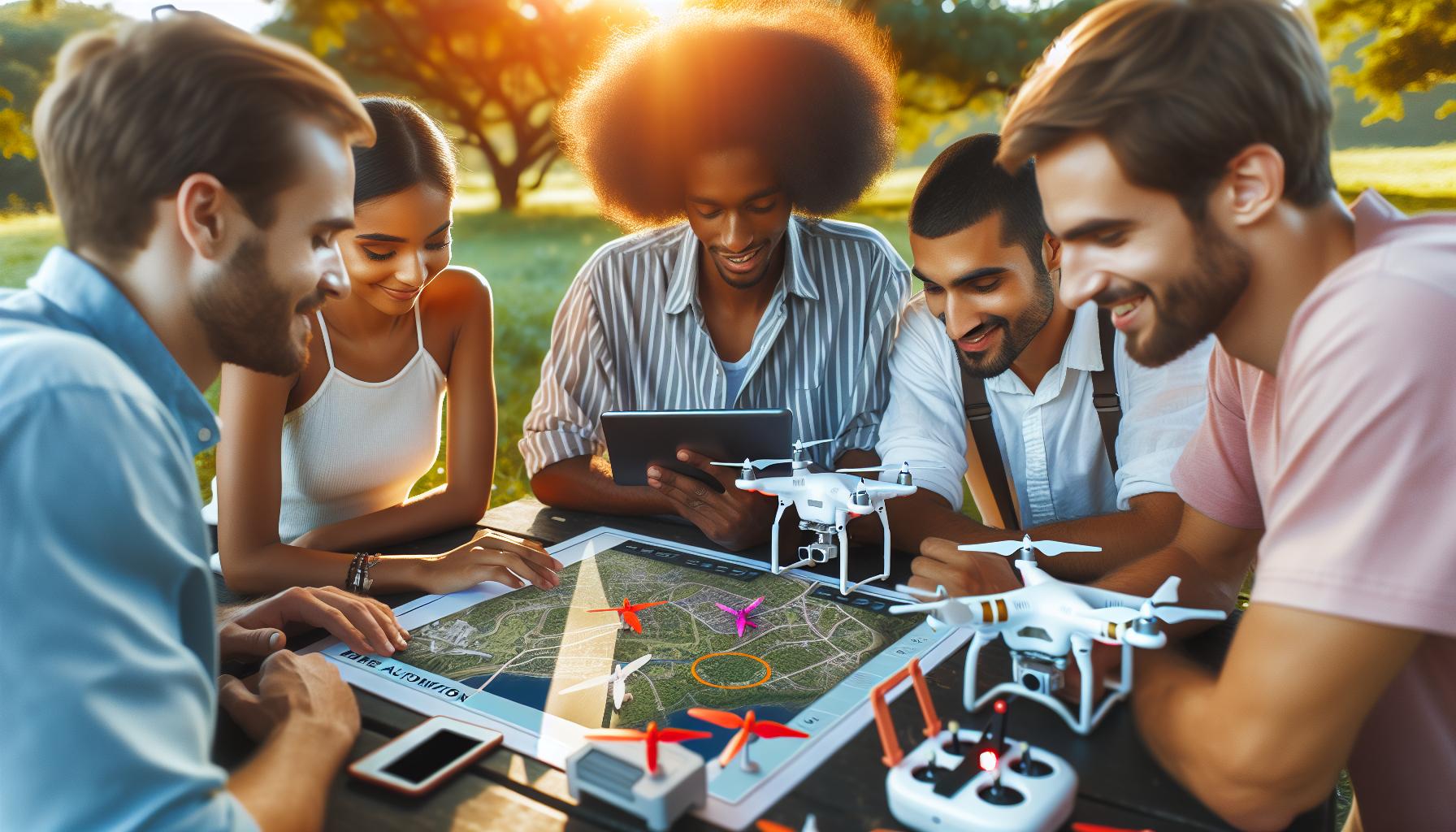
Understanding Authorization Zones for DJI Drones
Navigating the landscape of drone flight can be a complex endeavor, especially when it comes to understanding authorization zones. These designated areas often restrict access due to safety, privacy, or security concerns and are prominently established near airports, military installations, and critical infrastructure. Failing to comply with regulations in these zones can result in hefty fines or even criminal charges. Therefore, a thorough grasp of these zones is essential for both recreational and commercial drone operators.
Authorization zones are typically categorized into different classifications, each with specific flight restrictions and requirements. For example, in many regions, Class B airspace indicates a high-density area where aircraft operations must be carefully managed. In these zones, pilots must obtain explicit permission before flying. Conversely, Class G airspace is less regulated, allowing for more freedom in flight, but drone pilots must remain vigilant about neighboring restricted areas. Familiarizing yourself with the airspace classification system is critical in planning your operation to ensure compliance and safety.
To effectively manage flights in these zones, it is advisable to utilize resources like the DJI Fly App, which can provide real-time updates on airspace restrictions. The app not only informs users about no-fly zones but also assists in securing the necessary authorizations, streamlining the entire approval process. Engaging with local regulations and understanding how to interpret airspace maps will further bolster your preparedness for potential restrictions, enabling smoother operations. Ultimately, being well-informed and proactive helps transform the daunting task of navigating authorization zones into a manageable and even enjoyable experience.
Essential Steps to Obtain Flight Authorization
To successfully fly your DJI drone in authorization zones, understanding the steps required to obtain flight authorization is crucial. Many pilots mistakenly believe that simply checking weather conditions is enough, but compliance with local regulations is equally important. The first step involves identifying the specific airspace classification of the area you intend to fly in. Each classification has its own set of requirements; for example, flying in Class B airspace typically necessitates obtaining explicit permission from air traffic control, while Class G airspace may allow for more leniency.
Once you have determined the airspace type, the next essential step is to utilize the DJI Fly App effectively. This app not only provides real-time data on no-fly zones but also includes features that assist in the authorization process. By entering the intended flight location into the app, you can receive notifications about airspace restrictions and even initiate the request for authorization. It’s wise to keep all relevant documentation handy, including your pilot’s license (if required) and proof of insurance, as these may be necessary when submitting requests.
It’s also beneficial to connect with local aviation authorities or online forums where other drone operators share experiences and advice about navigating complex authorization processes. Familiarizing yourself with procedures specific to your region can save you time and reduce the likelihood of issues on the day of your flight. By taking a proactive approach and preparing well in advance, you’ll position yourself to obtain the necessary approvals smoothly and efficiently, allowing you to focus on capturing stunning aerial footage while adhering to all safety regulations.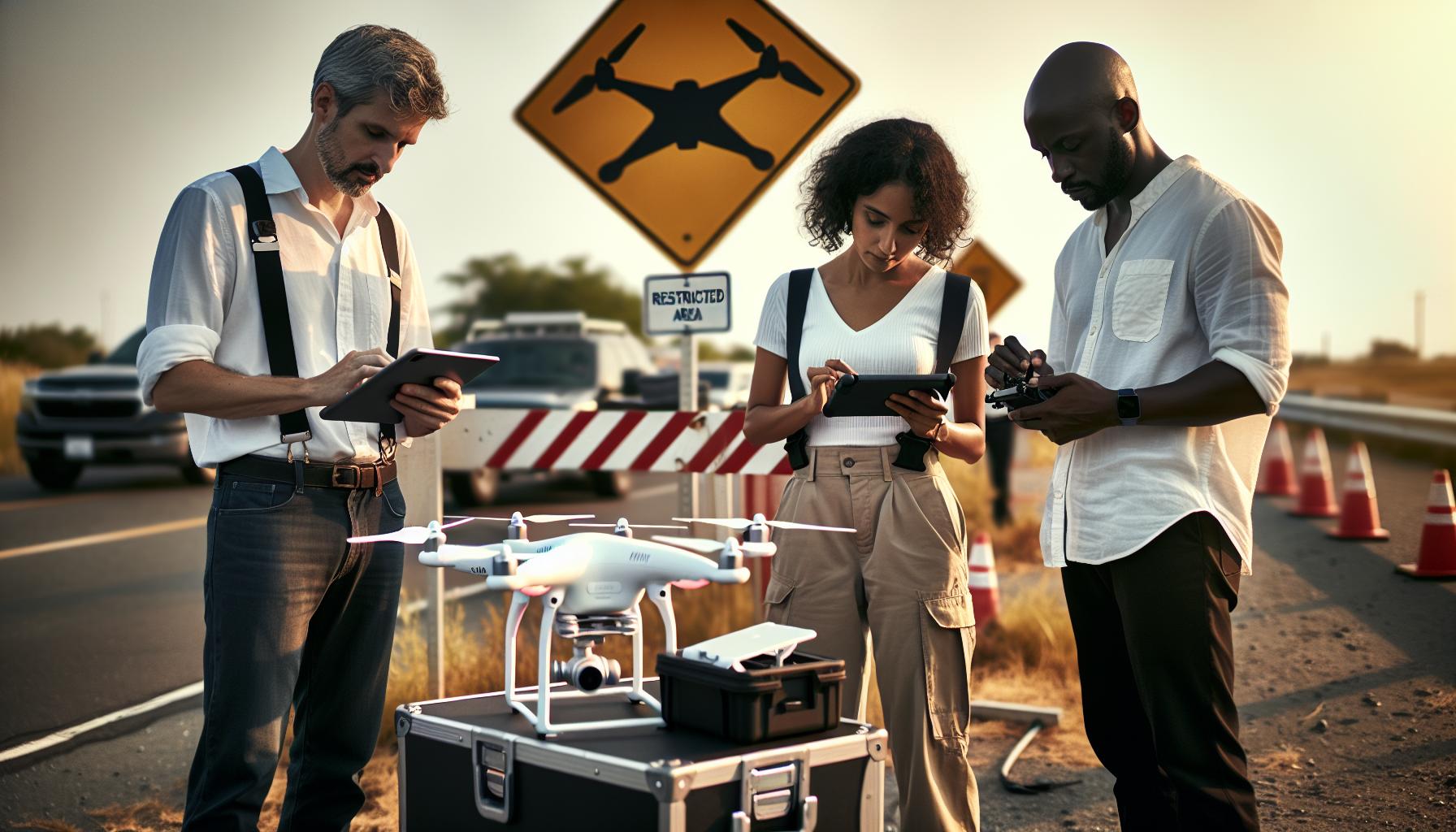
Navigating the DJI Fly App for Authorization
Navigating the DJI Fly App is crucial for anyone looking to fly in authorization zones, as it consolidates vital airspace information and simplifies the authorization process. This user-friendly tool is designed to empower both hobbyists and professionals by providing the necessary resources to achieve compliance while maximizing flight enjoyment. One standout feature is the interactive map that shows no-fly zones and restricted airspaces, allowing users to visualize their intended flight locations with ease.
To initiate your journey through the DJI Fly App, start by ensuring you have the latest version installed on your mobile device. Once open, input your planned flight area by either typing the specific location or using GPS coordinates. The app will instantly inform you of any existing restrictions, flagging any special permits required for that area. For instance, if you plan on flying near an airport, the app will notify you if you need to request clearance from the local air traffic control.
After determining the specifics of your flight area, you can proceed to submit an authorization request directly within the app for applicable restricted zones. It’s important to fill out all necessary fields accurately. This includes providing your pilot’s license information and details about your drone, such as its registration number. The app may also prompt you to attach proof of insurance if required by local regulations. After submitting your request, you can track its status in real-time, giving you peace of mind as you await approval.
Before flying, always revisit the app to check for any updated information, as airspace restrictions can change based on local regulations or specific events like airshows or emergencies. Utilizing the DJI Fly App effectively not only demystifies the complexities involved in obtaining flight permissions but also enhances your overall flying experience by ensuring compliance and safety.
Preparing Your Drone for Flight in Restricted Areas
Ensuring your drone is adequately prepared for flight in restricted areas is crucial not only for compliance with legal regulations but also for the safety of your equipment and those around you. Before taking to the skies, a thorough checklist of steps needs to be followed to ensure everything from updates to operational procedures is properly handled.
Start by performing a full pre-flight inspection of your drone. This includes checking the battery levels, ensuring propellers are securely attached and undamaged, and confirming that all sensors are clear of obstructions. For DJI models, like the Mavic series or the Phantom, software updates can be mandatory to unlock specific flight capabilities, especially in restricted zones. Use the DJI Fly app or the DJI GO 4 app to verify that your firmware is up-to-date. Not only will this help you access the latest features, but it also ensures you adhere to any newly implemented airspace regulations.
Next, calibrating your drone’s compass is essential when flying in unfamiliar areas. The DJI Fly app typically provides prompts to guide users through this process. Make sure the drone is on a flat surface and rotate it according to the app’s instructions. This recalibration helps prevent navigational errors that could lead to unintended incursions into no-fly zones.
Once you have completed the hardware check and calibration, ensure that your registration information and any necessary flight authorizations are accessible. This is especially important in restricted airspace where you might need to present documents if you encounter local authorities. Keep a physical or digital copy of your authorization requests and confirmations within easy reach during your flight.
Lastly, develop a basic flight plan that outlines your intended path, including takeoff and landing zones, to minimize time spent in restricted airspace. Brief yourself on any nearby landmarks or geographic markers that can assist in navigation. By following these steps, you not only enhance safety but also boost your confidence as you prepare for a successful flight in restricted areas. Being meticulous in this preparation can lead to smoother operations and a more enjoyable flying experience.
Common Challenges in Authorization Zones and Solutions
Navigating the complexities of authorization zones can be a daunting task for drone operators, particularly when it involves understanding and complying with numerous regulations. One of the most common challenges pilots face is the inconsistent availability of information about restricted areas. Regulations vary significantly by location, and not all apps provide up-to-date or comprehensive data. To mitigate this, consider cross-referencing multiple sources such as local aviation authorities, the DJI Fly app, and dedicated airspace mapping tools. This multi-source approach will help ensure that you have accurate and complete information before attempting to fly.
Another frequent obstacle is the process of obtaining flight authorization, which can be time-consuming and fraught with bureaucracy. Many operators find themselves unprepared for the required documentation and procedures. To streamline this, prepare a checklist of necessary documents, including your drone registration, proof of prior authorizations, and any specific permissions related to the airspace you’ll be entering. Having these vital documents organized and readily accessible will alleviate stress during the approval process and foster a smoother experience when interacting with authorities.
There’s also the challenge of understanding the technology behind the DJI drones and the limitations imposed by them in regulated areas. For instance, DJI drones feature built-in geofencing to prevent flights in no-fly zones. This might seem restrictive, but understanding and configuring these settings can empower pilots to operate effectively within regulatory constraints. Regularly update your firmware to enhance your drone’s performance and ensure you have the latest updates on airspace restrictions.
Finally, operational constraints can arise during actual flight in authorization zones. Many pilots experience unexpected flight restrictions when faced with sudden airspace changes, temporary flight restrictions (TFRs), or adverse weather conditions. To combat this, have a flexible flight plan that allows for alternative routes or plans should changes occur. Constantly monitor local airspace updates and remain adaptable to prevent any violations during your operation, ensuring both legal compliance and safety. By proactively addressing these challenges, drone operators can navigate authorization zones with confidence and precision, ultimately enhancing both their experience and the safety of their flight operations.
Differences Between Commercial and Recreational Use
The distinction between commercial and recreational drone use is crucial for operators, especially when flying in authorization zones. Understanding these differences not only impacts your flight plans but also dictates the type of permissions and regulations you must adhere to. Commercial drone pilots are often held to stricter standards and regulatory frameworks due to the professional nature of their operations. They typically need to acquire specific licenses, such as a Remote Pilot Certificate from the FAA in the United States, and often must register their drones as commercial assets. This involves a more rigorous application process for flight authorizations and may require demonstration of advanced operational knowledge, risk assessments, and adherence to comprehensive reporting protocols.
In contrast, recreational flyers generally enjoy a less stringent regulatory environment. While still required to register their drones for safety and compliance, they face fewer restrictions regarding where they can fly. Recreational users typically do not need to obtain special licenses, provided they operate within the guidelines set by aviation authorities. However, they must still respect the boundaries set forth by local regulations and the DJI geofencing technology that inherently prevents unauthorized access to restricted areas. As such, the relationship between a drone’s operational purpose and the applicable regulations is paramount; understanding this allows operators to plan their flights appropriately and avoid potential violations.
Additional layers complicate this distinction. For instance, if a recreational pilot were to using their drone for a purpose that could be construed as commercial-such as capturing promotional material for a business-they could inadvertently fall into the commercial category and face penalties for non-compliance. This is why it’s critical for any drone operator to assess the purpose of their flight closely and ensure they are aligned with the necessary regulatory requirements.
Key considerations when determining whether your drone operation is deemed commercial or recreational include:
- Intended Use: Evaluate whether your drone flight is for business purposes, for profit, or merely for personal enjoyment.
- Documentation: Check what permissions or certifications are necessary based on the intended operation.
- Flight Operation: Ensure your flight plans comply with the local airspace requirements and any specific DJI restrictions.
Understanding these differences helps empower drone pilots to fly responsibly, minimizes the risk of encountering legal issues, and enhances overall safety in shared airspace. Whether you are a hobbyist capturing breathtaking views or a commercial pilot surveying vast landscapes, adhering to the right regulations is essential for smooth operations within authorization zones.
Legal Regulations Around Flying DJI Drones
Flying DJI drones in authorization zones isn’t just a matter of pressing the take-off button; it’s an intricate dance with legal regulations designed to ensure safe operations in sensitive airspaces. Understanding the legal framework surrounding drone flight is essential for both hobbyists and professionals, as violations can lead to significant penalties. For instance, the Federal Aviation Administration (FAA) in the United States has established specific rules that govern where and how drones can be operated, especially in and around airports, military bases, and other restricted areas.
Key Regulations for Drone Operators
Before planning your flight in an authorization zone, familiarize yourself with the following vital regulations:
- Registration: All drones weighing over 0.55 pounds must be registered with the FAA. This process grants you a unique identifier that must be visible on your drone.
- Remote Pilot Certification: Commercial pilots are required to obtain a Remote Pilot Certificate by passing the FAA’s Aeronautical Knowledge Test, ensuring they understand airspace classifications and operational restrictions.
- Geofencing Awareness: DJI drones often come equipped with geofencing technology, which restricts flight in sensitive areas. Familiarize yourself with these boundaries through the DJI Fly app before taking off.
- Waivers and Authorizations: For restricted zones, such as controlled airspace, the FAA may issue temporary airspace authorizations, which you can request through the Low Altitude Authorization and Notification Capability (LAANC) system.
Understanding Local Regulations
In addition to federal laws, local jurisdictions may impose their own regulations regarding drone operation. It’s wise to check for:
- Local Ordinances: Some cities and counties have specific rules governing drone use, including prohibiting flying in certain public spaces or over gatherings of people.
- Privacy Concerns: Be aware of laws related to privacy, as many states have enacted regulations that restrict drone operators from collecting imagery in certain private spaces.
Staying Updated and Informed
Regulations can shift frequently, so keeping abreast of the latest legal updates is critical. Consider:
- Joining Local Drone Clubs: These organizations can provide resources and updates on local laws and flying best practices.
- Using FAA Resources: The FAA has numerous resources available online, including updates on rule changes and educational materials for drone operators.
- Participating in Online Forums: Engaging with the drone community online can provide insights into common challenges faced by other operators and practical solutions.
By understanding and adhering to the legal regulations governing drone operations, pilots can ensure not only their safety but also that of the public and the integrity of the airspace they navigate. Following these guidelines will empower drone enthusiasts and professionals alike to operate confidently within authorized zones, harnessing the full potential of their DJI technology.
Best Practices for Safe Drone Operations
Flying a DJI drone, particularly in authorization zones, requires not just technical proficiency but also a keen awareness of safety practices that differentiate successful operations from costly mistakes. One engaging fact to note is that the FAA estimates that unauthorized drone flights have led to nearly 25% of reported incidents over the past few years. Thus, incorporating best practices is essential for any pilot looking to navigate these sensitive airspaces safely.
To stay ahead of potential pitfalls, preparation before flight is key. Ensure all firmware is up to date, as new updates often include improvements in stability and safety features. When preparing your drone, conduct a thorough pre-flight checklist that includes inspecting your drone’s battery, propellers, and gimbal. A simple redundancy like carrying an extra battery can prevent unexpected downtimes due to power depletion, especially in authorization zones where returning to base might not be an immediate option.
When operating within an authorization zone, maintain an awareness of your surroundings. Use the DJI Fly app to familiarize yourself with flight paths and potential hazards in your vicinity, such as power lines, trees, or other obstacles. Implementing the drone’s obstacle avoidance features effectively can prevent collisions. Additionally, abide by the “see and avoid” principle; always maintain visual line-of-sight with your drone to allow timely responses to unforeseen dangers.
Weather conditions play a crucial role in safe operations as well. Always check the forecast prior to flight. Wind speed, precipitation, and temperature can dramatically affect a drone’s performance. DJI drones typically have maximum wind resistance ratings, and flying in conditions beyond those parameters can compromise safety. If any adverse conditions arise during your flight, it’s best to land your drone immediately to avoid potential accidents.
Documentation is equally vital when seeking to fly in restricted areas. Carry a copy of all necessary permits, waivers, or authorizations that demonstrate you are operating within legal bounds. Establish communication lines with local authorities if applicable, especially when operating near sensitive locations.
By integrating these practices into your flight routine, you not only embellish your reputation as a responsible drone pilot but also significantly enhance your ability to operate safely and effectively in complex airspaces. Remember, diligence and preparation pave the way for a successful and enjoyable flying experience.
Exploring Flight Modes for Authorization Zone Flights
Understanding the different flight modes available in DJI drones can significantly enhance your capability to operate in authorization zones, where precision and situational awareness are crucial. DJI drones come equipped with various flight modes designed to cater to different scenarios and pilot skill levels. Familiarizing yourself with these modes not only boosts your confidence but also ensures compliance with legal regulations while piloting in restricted or sensitive airspaces.
Key Flight Modes
DJI drones typically feature several flight modes, each serving unique purposes that make them ideal for different environments. Here are some of the most relevant modes when navigating authorization zones:
- Position Mode (P-Mode): This is the default flying mode that provides accuracy and stability. It utilizes GPS and vision sensors to maintain a stable hover and hold its position. Ideal for capturing aerial footage while ensuring careful flight path management in crowded or complex areas.
- Sport Mode: Designed for experienced pilots, this mode allows for rapid acceleration and greater agility. While it may be tempting to use this mode for quick maneuvers, caution is advised in authorization zones due to the higher risk of collisions.
- Follow Me Mode: This mode utilizes advanced tracking features to follow the pilot or a designated subject while maintaining a safe distance. It can be useful in cinematography but requires the pilot to be aware of the authorization zone’s boundaries.
- Waypoint Mode: Ideal for pre-planned operations in restricted areas, this mode allows pilots to create a specific flight path. Setting waypoints in advance can enhance safety by ensuring the drone follows a predetermined route, avoiding obstacles and no-fly zones.
Utilizing Intelligent Flight Modes
In addition to the standard flight modes, DJI drones also feature intelligent flight modes. These can greatly assist in managing flights within authorization zones by automating complex maneuvers:
- ActiveTrack: This allows the drone to autonomously track and follow a moving subject. While beneficial for dynamic filming, it requires attentive oversight to ensure compliance with authorization regulations.
- Point of Interest (POI): This mode enables the drone to orbit around a specific point at a constant radius, which can be useful for capturing detailed footage of structures while maintaining a safe distance from unauthorized areas.
Ultimately, understanding and mastering these flight modes are crucial for successful navigation in authorization zones. Each mode offers varying levels of control and automation, allowing pilots to adapt to unique flying environments while ensuring safe and compliant operations. By selecting the most suitable flight mode based on the specific requirements and constraints of the area, pilots can enhance their spatial awareness and operational effectiveness, paving the way for a more enjoyable and responsible flying experience.
Post-Approval: What to Do Before Your Flight
When you’ve successfully obtained authorization to fly your DJI drone in restricted areas, the next critical step is to prepare for a safe and compliant flight. This preparation ensures not only the success of your mission but also your compliance with legal requirements. Many pilots overlook this essential step, leading to avoidable complications during the flight.
Start by conducting a thorough pre-flight checklist. This should include verifying that your drone’s firmware is up-to-date, as DJI frequently releases updates that enhance safety and functionality. Ensure that all components of the drone, including the camera and gimbal, are properly calibrated and functioning. A well-calibrated gimbal, for instance, is key to stable footage, especially when operating in challenging environments like authorization zones. Additionally, confirm that your batteries are fully charged, and bring extras if you’re planning extended operations.
Familiarize yourself with the specific regulations and limitations associated with the authorization zone where you will be flying. Check if there are any temporary flight restrictions (TFRs) or no-fly zones that could impact your operations. It’s also wise to utilize apps or websites that provide real-time updates on airspace conditions. Understanding what local authorities expect from drone operators is paramount to a successful flight.
Before taking off, conduct a visual inspection of the surrounding area. Assess your launch and landing zones for potential hazards, such as power lines, trees, and other obstacles. Identifying the safest takeoff and landing spots will help mitigate risks significantly. It’s essential to have an escape plan in case conditions change unexpectedly or if your drone loses connection.
Lastly, engage in a brief risk assessment with any team members involved in the operation. Ensure everyone understands their roles and that communication protocols are clear. Discuss emergency procedures, including how to respond if the drone goes out of control or if you encounter law enforcement while operating in the area. Taking these proactive steps will significantly contribute to a smooth and secure flight experience, reinforcing your accountability as a responsible drone operator.
Essential Accessories for Flying in Authorization Zones
Flying a DJI drone in authorization zones can be challenging but incredibly rewarding, especially when equipped with the right accessories. Having the right tools not only enhances your flying experience but also ensures compliance with legal regulations and safety protocols. The following accessories are essential for any pilot looking to navigate these restricted airspaces effectively.
Battery Management System
A reliable battery management system is crucial, especially when operating in zones with strict flight windows. DJI batteries are designed for precision, but carrying additional batteries can extend your flight time and allow for multiple missions without delays. Always check the battery status before flying, but having spares readily available ensures you won’t be grounded unexpectedly.
Portable Charging Solutions
When in an authorization zone, being away from standard power sources is common. Investing in portable charging solutions, such as a power bank or a car charger, can help keep your batteries charged during breaks or when you’re on the move. This is particularly useful for professional drone operators who may need to conduct multiple flights in a day.
Smartphone or Tablet Holders
Navigating the DJI Fly app effectively while piloting requires a clear view of your device. Using smartphone or tablet holders can provide a stable and convenient display setup. This allows you to maintain focus on both the app’s essential flight information and the surroundings, ensuring safety while remaining compliant with local regulations.
Safety Accessories
It’s also vital to equip your drone with safety accessories such as propeller guards and landing gear extensions. Propeller guards protect your drone and the environment, which is especially important in crowded or sensitive areas. Landing gear extensions help secure stable landings on uneven surfaces, minimizing the risk of damage to your drone.
Software Tools for Airspace Awareness
Lastly, consider utilizing software tools or apps that provide real-time airspace awareness. These tools can alert you to nearby restricted air spaces and temporary flight restrictions (TFRs). Access to accurate, real-time data is essential in ensuring compliance and safety during your operations.
Equipping your DJI drone with these essential accessories will not only enhance your flying experience but also ensure safe and compliant operations within authorization zones. The key to a successful flight lies in thorough preparation and the right tools.
Tips for Troubleshooting Flight Authorization Issues
Navigating the complexities of flight authorization zones can often lead to frustrating delays or rejections for drone operators. Whether you’re a seasoned professional or a casual hobbyist, encountering flight authorization issues is common and can derail your plans in an instant. However, many of these challenges can be managed or mitigated with the right strategies and knowledge at your disposal.
When facing authorization issues, it’s crucial to ensure your app is updated to the latest version. The DJI Fly app often includes vital updates related to airspace restrictions and authorization procedures. Check the app settings and perform a firmware update for your drone as well, as outdated firmware can result in compatibility problems and potentially inhibit access to controlled airspace.
Additionally, familiarize yourself with the specific regulations governing the area you wish to fly in. Local rules can differ significantly and may have been updated since your last flight. Utilize airspace mapping tools that provide real-time data regarding temporary flight restrictions (TFRs) and local air traffic. These tools can alert you to any constraints you need to be aware of before filing for authorization.
If you receive a rejection, analyze the reason provided. Common causes can include insufficient documentation, incorrect flight plans, or an incomplete application. Rectifying these issues promptly can significantly enhance your chances of receiving approval when you reapply. In instances where you find yourself continually facing denial, consider reaching out to local aviation authorities or drone advocacy groups for guidance; they often provide valuable insights into improving your submissions.
Lastly, always be prepared with detailed flight plans and conduct your operations within the timeframes specified by regulatory bodies. Carrying proof of authorization on your mobile device can help you quickly address any potential inquiries or disputes with authorities during your flights. By taking these proactive steps, you can effectively troubleshoot authorization challenges and ensure a smoother flying experience in restricted areas.
Faq
Q: How can I check if my DJI drone is in an authorization zone?
A: You can check if your DJI drone is in an authorization zone by using the DJI Fly app. Open the app, connect your drone, and navigate to the map. Areas requiring authorization will be marked, helping you identify restrictions before planning your flight.
Q: What should I do if my DJI drone flight authorization is denied?
A: If your flight authorization is denied, review the reason provided in the DJI Fly app. Common reasons include airspace restrictions or incomplete application details. Adjust your flight plans accordingly and ensure compliance with local regulations before reapplying.
Q: Are there specific documents required for flying DJI drones in restricted areas?
A: Yes, when flying DJI drones in restricted areas, you may need to provide documents such as your drone registration, pilot license, and any specific permissions granted by local aviation authorities. Check local regulations for detailed documentation requirements.
Q: How long does it take to get DJI drone flight authorization?
A: The time to obtain DJI drone flight authorization can vary, typically ranging from a few hours to several days, depending on the complexity of your request and local airspace regulations. Always apply for authorization well in advance of your planned flight.
Q: Can I fly my DJI drone in an authorization zone without permission?
A: No, flying your DJI drone in an authorization zone without proper permission is illegal and can result in penalties. Always ensure you obtain the necessary approvals through the DJI Fly app or local aviation authorities before taking off.
Q: What are the risks of flying a DJI drone in an authorization zone?
A: The risks include legal penalties, financial fines, and the potential for drone confiscation. Additionally, flying without permission may pose safety risks to manned flights and violate local regulations. Always seek authorization to avoid these issues.
Q: How do I appeal a denied flight authorization for my DJI drone?
A: To appeal a denied flight authorization, gather any necessary supporting information and submit a detailed request to the relevant aviation authority. Include new data or adjustments made since the initial application to enhance your chances of approval.
Q: Is it necessary to have insurance for flying DJI drones in authorization zones?
A: While not universally required, having insurance for flying DJI drones in authorization zones is highly recommended. It can protect you against damage claims and liability issues should an accident occur during your flight.
Future Outlook
Mastering the art of flying your DJI drone in authorization zones not only enhances your aerial photography and videography skills but ensures compliance with important regulations. Remember, staying informed about local laws and navigating the approval process is key to enjoying your flying experience to the fullest. Don’t miss out on our in-depth guides on drone setup and safety procedures or our detailed reviews comparing the Mavic, Mini, and Air series, essential to elevate your piloting skills [[2]].
Ready to take the next step? Sign up for our newsletter to receive exclusive tips on advanced features like obstacle avoidance and thermal imaging, or explore our latest drone accessories to enhance your flights [[3]]. Join our community of passionate drone enthusiasts by sharing your journey in the comments below-your experiences could inspire others! Stay engaged and keep flying high!