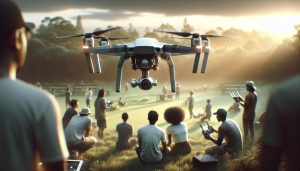
In an age where connectivity drives much of our technology, you might wonder: do you really need cell service to fly your DJI drone? This crucial topic not only affects your ability to capture stunning aerial footage but also influences safety and compliance in various environments. Many drone pilots, whether hobbyists or professionals, often face the challenge of flying in remote areas where cell service is unavailable. Understanding the offline capabilities of your DJI drone can enhance your flying experience, allowing you to explore new locations without the worry of losing connection. This article delves into the nuances of offline operations, empowering you with the knowledge to fly confidently and effectively, even when cell coverage is out of reach. So, let’s explore how to maximize your drone’s potential without relying on a mobile connection!
Do You Need Cell Service to Fly DJI Drones?
Flying DJI drones without cell service may seem daunting, but it’s entirely feasible and often liberating. Many pilots worry about connectivity, assuming that mobile signals are vital for successful flight operations. In reality, while cellular networks can enhance certain features, they are not mandatory for basic drone functionality. For instance, DJI drones utilize their own GPS and onboard sensors, allowing them to navigate and maintain stability independently of cellular data.
One of the standout features of DJI drones is their reliance on GPS technology for position holding and return-to-home functionalities. When you’re in remote locations, far from cellular networks, your drone will still utilize satellite signals to determine its location accurately. This means that even in the wilds of off-grid locales, pilots can enjoy stable flight experiences without the interference or limitations of cellular service. Understanding this can empower users to explore diverse environments without technical restrictions.
To prepare your DJI drone for offline flying, ensure your firmware is up to date, as improvements and bug fixes frequently enhance performance. Also, download relevant maps in advance using the DJI app if your flight plan involves specific routes. This proactive preparation ensures that your drone remains operational, even when far from urban amenities. The ability to fly freely in areas without cell service not only broadens the scope of your adventures but also fosters a deeper connection with nature and the thrill of piloting your drone above breathtaking landscapes.
When venturing into uncharted territories, remember to check battery levels and have extra batteries on hand, as these are critical for uninterrupted flight time. Also, familiarize yourself with local regulations, as legal considerations can vary significantly based on terrain and distance from populated areas. By approaching your offline flying experiences with confidence and preparation, you can fully harness the capabilities of your DJI drone regardless of cellular availability.
Understanding Offline Operations of DJI Drones
The beauty of flying a DJI drone in remote areas often lies in the thrill of disconnecting from everyday conveniences, including cellular service. Pilots can experience an exhilarating sense of freedom while capturing breathtaking landscapes or exploring uncharted territories. Understanding how DJI drones operate offline is crucial for any drone enthusiast looking to maximize their flight experience without being tethered to mobile networks.
DJI drones are equipped with advanced onboard systems that allow them to function independently of cellular data. These aircraft primarily rely on GPS technology to navigate and maintain stability during flight. When taken into the wilderness or areas lacking cell service, drones will still receive satellite signals, ensuring that they can hold their position accurately and follow pre-planned routes. This functionality is essential for techniques like precise altitude hold and return-to-home features, which are vital for safe operations when flying in isolation.
To make the most of your offline flying experience, it is important to prepare your drone beforehand. Here are several critical steps to consider:
- Update Firmware: Always ensure that your drone’s firmware is up to date. This will enhance performance and resolve any software bugs that could affect flight capabilities.
- Pre-download Maps: Utilize the DJI app to download necessary area maps in advance, especially if you plan on navigating specific flight paths. This step is vital for executing waypoint missions effectively.
- Battery Management: Always check your battery levels and carry extra batteries to ensure uninterrupted flight. Remote environments can be taxing on battery life, making extra power essential for longer outings.
- Legal Awareness: Familiarize yourself with local regulations before flying in remote areas. Laws regarding drone usage can vary widely, and being informed helps avoid any legal repercussions.
By mastering these offline operational techniques, pilots can take advantage of the robust capabilities of their DJI drones, enabling adventurous exploration without the need for constant connectivity. This preparedness not only strengthens your skills as a drone operator but also allows for stunning aerial photography and videography in some of the world’s most beautiful settings.
How DJI Drones Operate Without Cellular Networks
Flying a DJI drone in areas devoid of cellular service is not only possible but often preferred by enthusiasts seeking adventure in remote locales. These drones utilize a sophisticated array of onboard technologies that allow them to operate seamlessly, relying primarily on GPS and internal sensors rather than mobile connectivity. The absence of a cellular network does not detract from the drone’s capabilities; instead, it highlights the robust technological foundation that DJI has built into these flying devices.
The core functionality of DJI drones revolves around their GPS systems, which provide precise positioning and navigation information via signals from satellites. Unlike many mobile applications that depend on cellular data for real-time mapping and location tracking, DJI drones can effectively map their surroundings and determine their location using satellite inputs alone. This means that even in isolated locations, as long as the drone can establish a connection with GPS satellites, it can maintain accurate flight paths, execute waypoints, and return to home autonomously if needed.
In addition to GPS, DJI drones are equipped with a range of onboard sensors that aid in stabilizing the flight and maintaining altitude. These sensors allow drones to perform crucial functions such as altitude hold and obstacle detection, independent of cellular networks. For instance, the drone’s IMU (Inertial Measurement Unit) helps it remain stable during flight, using data on acceleration and rotation. This technological architecture ensures that whether you’re soaring above a vast mountain range or maneuvering through a dense forest, the drone will accurately gauge its position and orientation to provide a reliable flying experience.
Furthermore, advanced flight modes in DJI drones enhance their operational capabilities offline. Features like Waypoint Mission allow pilots to preplan their flights with specific coordinates inputted beforehand-this can be done while still connected, after which the drone can execute the flight plan autonomously without needing ongoing cellular connectivity. By leveraging GPS, onboard sensors, and predefined flight paths, DJI drones empower pilots to explore even the most remote locations with confidence, making them an ideal choice for those seeking adventure away from conventional communication networks.
Essential Features for Offline Drone Flights
Operating DJI drones in offline environments reveals an innovative array of features that empower pilots to explore remote areas confidently. These drones harness an intricate combination of GPS technology, onboard sensors, and advanced flight modes, all designed to function seamlessly without the need for cellular networks. One of the standout features for offline operation is the GPS positioning system, which allows the drone to access satellite signals and maintain its location and orientation even in the most isolated locations. As long as a clear line of sight to the sky is available for the GPS signals, the drone can navigate effectively and return to its takeoff point autonomously.
Beyond GPS, onboard sensors also play a critical role in enabling safe and stable flights without cellular service. For example, the Inertial Measurement Unit (IMU) continually measures the drone’s acceleration and angular velocity, ensuring responsiveness and stability under varying conditions. Drones equipped with obstacle detection sensors can detect and avoid potential hazards during flight, which is particularly important in unfamiliar terrains where visual references may be limited. These capabilities ensure that the drone remains stable and responsive, enhancing safety for both the pilot and the aircraft.
Advanced Flight Modes for Offline Exploration
Another vital component for offline drone flights is the advanced flight modes available on DJI drones. Modes such as Waypoint Mission enable pilots to predefine flight paths, inputting specific coordinates to create an automated flight plan. Once the flight plan is set while connected to the mobile app, the drone can execute it independently without ongoing cellular connectivity. This feature is particularly useful for capturing stunning aerial footage in remote landscapes, allowing pilots to focus on the creative aspects of their flights rather than real-time navigation adjustments.
In addition, many DJI models are equipped with Return to Home (RTH) functionality, which ensures that the drone can autonomously return to its starting point if it loses connection to the controller or runs low on battery. Understanding how to leverage these advanced features not only enhances the flying experience but also significantly mitigates risks, providing peace of mind when flying far from cellular coverage.
Equipped with these essential features, DJI drones transform into versatile tools for adventure, empowering pilots to venture into uncharted territories while maintaining robust control and safety during their flights.
Preparing Your DJI Drone for Offline Use
Flying a DJI drone in an offline environment presents a unique set of challenges and opportunities for enthusiasts and professionals alike. But before you take to the skies where cellular networks are absent, it’s essential to prepare your drone properly to ensure a smooth flight experience. Ensuring that your drone is ready for offline operation not only enhances your flying ability but also increases safety and confidence during your adventures.
Start by updating your drone’s firmware to the latest version available. This step is critical as firmware updates often include important enhancements and bug fixes that can affect flight performance, especially in remote areas where support may not be readily available. You can perform a firmware update via the DJI Fly or GO app while connected to Wi-Fi before heading out. After ensuring your firmware is up-to-date, calibrate the drone’s compass and IMU in an open space. This process is particularly vital before any flight, as it helps improve the accuracy of the drone’s navigation systems, especially when operating in unfamiliar terrains.
It’s also crucial to plan your flight route ahead of time. Utilize the DJI Fly or GO apps to establish waypoints and create a flight mission before disconnecting from the internet. These predefined plans help in executing automated flights, allowing you to focus on capturing your outdoor experience rather than worrying about navigation. Also, consider downloading offline maps in advance, which can be helpful for situational awareness, even when cellular service is unavailable.
Lastly, remember to carry extra batteries and ensure that all your equipment, including propellers and remote controls, are functioning properly. Battery life may be a concern, particularly when flying in colder climates where performance can be affected. Pre-flight checklists can be invaluable in ensuring you have all the necessary gear ready for a successful flight in the great outdoors, making your drone’s offline functionality a reliable asset for exploration.
Common Misconceptions About Drone Connectivity
Many aspiring drone pilots believe that cellular service is crucial for flying their DJI drones, leading to misconceptions that can impede their flying experience. In reality, while mobile connectivity can enhance certain features, it is not a requirement for operating DJI drones, particularly in offline environments. This misunderstanding often arises from the assumption that all drone operations depend on real-time data streaming and internet connectivity, which is far from the truth.
DJI drones primarily rely on GPS signals and internal sensors to navigate and operate effectively, even in areas devoid of cellular networks. The GPS system allows the drone to maintain its position and execute pre-planned flight paths autonomously. For instance, many pilots have successfully flown in remote locations by carefully preparing their flight missions before leaving areas with internet access. Through the DJI Fly or GO apps, users can set waypoints, upload flight plans, and download necessary maps prior to heading out, ensuring a seamless flying experience in offline conditions.
Another common misconception is that drone software must be synced with the cloud to function properly. While certain features-like live video sharing and accessing location-based flight restrictions-do benefit from internet connectivity, the fundamental flying and control capabilities of DJI drones remain intact without a cellular signal. This is especially important in wilderness or mountainous areas where network services are unreliable. As long as the drone’s firmware is updated and all parameters are set before flight, users can confidently operate their drones far away from the grid.
Ultimately, it’s crucial for drone operators to debunk these myths surrounding connectivity. Armed with accurate knowledge and proper preparations, pilots can uncover a world of flight opportunities in remote and cell-free zones without unnecessary reliance on cellular service. The key is understanding the technology at their disposal and leveraging it to enjoy the full capabilities of DJI drones, whether in bustling urban environments or serene, isolated landscapes.
Tips for Flying DJI Drones in Remote Areas
When venturing into remote areas to fly your DJI drone, preparation is paramount to ensure a seamless experience. Understanding the characteristics of the environment can significantly enhance your flight. One of the first steps is to scout the area in advance. Familiarize yourself with the landscape by using maps and aerial imagery on apps like Google Maps, which can provide insights into topographical features that may affect flight stability, such as hills or tall trees.
Pre-Flight Planning
Before heading out, take advantage of the offline capabilities of the DJI Fly or GO app. Download necessary maps and set waypoints while you still have a stable internet connection. This ensures that your drone can navigate accurately even in the absence of cellular networks. Build a comprehensive flight plan, including altitudes and paths, to mitigate surprises during your flight. Make sure to also check local regulations regarding drone flight in remote areas, as compliance is crucial regardless of connectivity.
Battery Management
Battery life can be a concern in remote environments where you might face challenges in landing or retrieving your drone when power runs low. Always start with fully charged batteries and carry spares when feasible. Additionally, consider your drone’s power consumption based on the planned flight time. If you anticipate needing to fly longer distances, plan accordingly by allowing extra time for returning to your launch point.
Signal Management
While DJI drones primarily rely on GPS, maintaining adequate signal strength with your remote control is vital. Choose flight paths that avoid potential sources of interference like large metal structures or dense forestry that could obstruct the signal. If you notice your drone experiencing signal loss, it’s prudent to initiate a Return-to-Home function to avoid losing your drone in unknown territories.
Utilizing Offline Flight Modes
DJI drones come equipped with offline flight modes, such as Waypoints and Course Lock, which can be beneficial in remote areas devoid of cell service. These features allow the drone to follow pre-programmed routes, maintaining stable operation without real-time input. Take the time to familiarize yourself with these modes before your remote outing.
By planning ahead, managing your equipment proactively, and leveraging the inherent capabilities of your drone, you can embrace the freedom of flying in remote areas while minimizing the drawbacks associated with limited connectivity. Ultimately, knowing your drone’s features and capabilities can harness the full potential of your flying experience, even in the most isolated locations.
Understanding Signal Range and Flight Stability
When flying a DJI drone, understanding the principles of signal range and flight stability is crucial for a successful operation, especially in areas lacking cellular service. The connection between your drone and its remote controller relies on radio waves rather than cellular networks, which allows for flight in remote locations as long as the signal remains strong. DJI drones utilize advanced communication protocols that can maintain reliable connections over considerable distances, but various factors can impact signal strength and flight performance.
To optimize flight stability, it’s essential to know the effective range of your drone’s transmitter, typically between 4 to 8 kilometers depending on the model and environmental conditions. Factors such as terrain, weather, and obstructions – like tall trees or buildings – can significantly diminish the range. Useful practices include flying at a lower altitude to minimize potential obstructions and maintaining a direct line of sight with your drone. This strategy not only enhances signal stability but also allows for quicker reaction times if you encounter any unexpected issues.
One common misconception is that a stable GPS signal automatically equates to reliable remote control connectivity. However, while GPS is essential for navigation and positioning, maintaining a robust connection with the remote controller is vital for real-time control. If you notice any decline in signal strength, activate the Return-to-Home (RTH) feature preemptively to ensure the drone safely navigates back to its launch point. Implementing this precautionary measure is vital, especially in remote areas where losing communication could lead to disaster.
In many cases, DJI drones come with several intelligent flight modes designed to enhance stability and ease of use. For example, the “Follow Me” and “Waypoints” modes allow the drone to perform autonomously, adjusting its path as needed based on pre-set parameters, which can be particularly useful when flying in locations with limited control options. Taking time to understand and practice these features can significantly increase confidence in your flight capabilities, especially when the pilot may be physically distanced from the drone due to terrain or obstacles.
By being proactive regarding signal management and understanding how environmental factors influence connectivity, drone operators can enjoy seamless flights, even in remote locations devoid of cellular service. This preparation ensures that the advantages of modern drone technology are fully realized, providing not just breathtaking aerial views but also a fulfilling flying experience.
The Role of GPS in Offline Drone Operation
Flying a DJI drone in remote areas can be a thrilling experience, but understanding how GPS technology plays a role in offline operations is crucial for every pilot. GPS not only provides the essential navigational data for positioning but also enables a range of autonomous functionalities that enhance flight safety and control even when disconnected from cellular networks.
DJI drones leverage multiple global navigation satellite systems (GNSS), including GPS, GLONASS, and, in some cases, BeiDou and Galileo, to calculate their precise location on Earth. With a strong GPS signal, the drone can maintain stability and follow pre-programmed flight paths, which is invaluable when operating far from urban areas. This capability allows users to execute autonomous flight modes, such as Waypoints and Follow Me, without requiring continuous cellular connectivity. The presence of a sufficient number of satellites-typically at least five to establish a reliable fix-ensures that the drone can navigate accurately, maintain altitude, and return to its launch point using the Return-to-Home (RTH) feature if signal strength fluctuates.
To maximize the benefits of GPS during offline operations, pilots should ensure the drone has a clear view of the sky during takeoff, allowing it to lock onto GPS satellites quickly. Additionally, proactively checking the GPS quality indicator in the app can alert users to potential issues before they become critical. It’s advisable to perform a pre-flight check that includes a GPS signal strength assessment to avoid problems, especially in densely forested or mountainous areas where satellite visibility is limited.
Furthermore, understanding the drone’s GPS functionalities and settings can empower pilots to engage in more sophisticated maneuvers safely. For instance, utilizing features like geofencing, which confines the drone’s operational space, can prevent accidental incursions into restricted zones when GPS is the only guide. By mastering these aspects of GPS technology, operators can enhance their flying capabilities, ensuring a successful flight experience even where connectivity is sparse.
Exploring DJI’s Offline Flight Modes
Utilizing DJI drones offline opens up a world of possibilities for pilots seeking adventure beyond cell service reach. With sophisticated flight modes designed for offline operations, DJI has made it easier for users to navigate and control their drones autonomously, all while relying primarily on GPS technology. This means you can capture stunning landscapes or execute complex maneuvers even in remote areas, as long as your drone has locked onto enough satellites.
Autonomous Flight Modes
Many DJI drones feature autonomous flight modes that do not require an active internet connection. These modes, such as Waypoints, Follow Me, and Point of Interest, allow the drone to operate independently based on pre-programmed commands. For instance, with the Waypoints feature, you can set a series of GPS coordinates for the drone to follow, enabling intricate flight paths that are executed seamlessly without direct control, making it ideal for capturing film sequences or surveying land. All that’s needed is to ensure that the drone has a solid GPS lock before takeoff, which is usually indicated in the DJI Fly app.
Moreover, DJI’s ActiveTrack mode allows the drone to autonomously follow and capture a subject without requiring an internet signal. This is particularly useful for outdoor enthusiasts or athletes who want to film themselves in action, as the drone maintains focus on the subject as they move through varying terrains.
Return-to-Home (RTH) Feature
One of the essential safety features during offline operations is the Return-to-Home (RTH) function. If your drone loses connection with the remote controller or if the battery is running low, it will automatically return to its takeoff point using pre-programmed GPS coordinates. This feature is critical for ensuring the safe recovery of your drone, especially in environments where cellular signals are unreliable.
Preparing for Offline Flight
Before you head out, prepare your drone for offline functionality by ensuring firmware is updated and performing a thorough pre-flight check. Make sure the GPS signal is strong and stable by taking off in an open area with a clear view of the sky. Avoid wooded areas or locations with tall buildings that may obstruct satellite communication. Additionally, familiarizing yourself with the offline functionalities of your specific DJI model can significantly enhance your flying experience, allowing you to execute your plans with confidence and creativity.
By understanding and utilizing these offline flight modes, DJI pilots can maximize their drone’s capabilities while enjoying the great outdoors, ensuring every flight is both productive and exciting.
Troubleshooting Connection Issues While Flying
When venturing into remote areas, even the most advanced DJI drones can face connection issues that can affect flight stability and control. Understanding how to troubleshoot these problems is crucial for a smooth flying experience. First and foremost, ensure that your drone has a reliable GPS signal by starting your flight in an open area with minimal obstacles. Tall buildings, trees, and heavy cloud cover can impede satellite communication, leading to unstable or lost connections. A strong satellite lock, typically indicated in the DJI Fly app, is essential for offline operations to function correctly.
It’s also important to periodically check the connection between your remote controller and the drone. If you experience latency or disconnection, try to re-establish the link by ensuring both devices are properly powered on and within range. Wi-Fi interference from other devices or crowded frequencies can disrupt your telemetry. Adjusting the frequency settings in the DJI assistant software can help mitigate this issue. If problems persist, performing a basic reboot of both the drone and the controller may resolve temporary hitches.
Common Connection Issues and Solutions
Several typical issues can arise during offline flights, including:
- Loss of GPS Signal: If GPS is lost mid-flight, your drone may enter a failsafe mode. Ensure you have a clear view of the sky when starting your flight.
- Weak Controller Signal: Keep a direct line of sight with your drone and avoid flying beyond the manufacturer’s recommended range.
- Interference from Other Electronics: Avoid areas with heavy electromagnetic interference, such as near radio towers or in urban environments.
- Battery Issues: Make certain your battery is fully charged and that all connections are secure. Low battery can affect performance and signal strength.
Utilizing Built-in Features
Leveraging the built-in features of your DJI drone can also alleviate connection concerns. The Return-to-Home (RTH) function becomes invaluable if your signal is lost. By ensuring RTH is set up correctly, your drone can automatically return home when the connection is compromised, enhancing safety and minimizing the risks associated with disconnection.
Lastly, keeping your firmware up to date is an essential step in preventing connection problems. New updates often include enhancements that improve signal stability and overall performance. Regularly check the DJI app for firmware updates, and install them before heading out on a flight.
By proactively addressing these common connection issues and utilizing the available features, you can enhance your offline flying experience and ensure that your DJI drone performs reliably, even in the most remote locations.
Legal Considerations for Offline Drone Use
Flying a DJI drone in remote areas can provide breathtaking opportunities for photography and exploration, but it also comes with a unique set of legal considerations. Before you launch into the wild blue yonder, it’s essential to understand the regulations that govern drone usage, especially when operating without cellular service. These regulations vary widely by country and region, so it’s crucial to do your homework ahead of time.
First, familiarize yourself with the local laws pertaining to airspace. Many areas have restricted zones, such as near airports, military sites, and national parks, where drone activity is prohibited or requires special permissions. Check for any necessary permits or licenses needed to fly in these locations. In some cases, simply flying in these areas, even if connectivity isn’t a factor, could lead to hefty fines or other legal repercussions.
Additionally, when flying offline, you lose the ability to use real-time data often provided through cellular networks, such as traffic updates or emergency alerts. This lack of information can put you at risk of violating regional flight restrictions unknowingly. Hence, it’s advisable to equip yourself with a downloaded map that highlights no-fly zones and other vital information relevant to drone operations. It’s also wise to familiarize yourself with the established safety protocols in the area, ensuring that you maintain altitude restrictions and avoid flying over people or congested areas.
In many jurisdictions, operators are required to maintain visual line of sight with their drones, which becomes challenging in expansive or remote landscapes. To comply with this rule, plan your flight path carefully and consider bringing a visual observer if flying in more remote locations. Taking such precautions not only keeps you compliant with legal standards but also enhances safety for all involved.
Understanding these legal considerations not only fosters responsible flying but also cultivates a community of trust between drone operators and the public. Each responsible flight strengthens the case for drone enthusiasts, helping pave the way for future regulations that might be more favorable to the hobby in areas currently thinking of imposing stricter rules. Staying informed and compliant contributes significantly to the safe and enjoyable use of DJI drones, ensuring that you can fly freely and legally, even off the cellular grid.
Faq
Q: Do you need cell service to operate a DJI drone?
A: No, you do not need cell service to operate a DJI drone. DJI drones can function offline using GPS and pre-planned flight routes. It is essential to download maps and set your flight parameters beforehand for optimal performance.
Q: How do DJI drones navigate without cellular service?
A: DJI drones use GPS and onboard sensors for navigation, allowing them to fly even without cellular service. Ensure your drone’s GPS is calibrated and operational before flying in remote areas.
Q: What are the limitations of flying a DJI drone offline?
A: While flying offline, you won’t have access to real-time data like live weather updates or airspace restrictions. Pre-planning is crucial to avoid restricted areas and ensure a safe flight.
Q: Can you fly a DJI drone in remote areas without a signal?
A: Yes, you can fly in remote areas as long as you have set your waypoints and captured necessary data ahead of time. Advanced features like return-to-home are still functional without a cell signal.
Q: What should I prepare before flying my DJI drone offline?
A: Before flying offline, ensure that maps are downloaded, flight paths are planned using the DJI app, and that battery life is sufficient for your intended flight duration.
Q: Are there specific DJI models better for offline flying?
A: All DJI models are capable of flying offline, but those with superior GPS capabilities and obstacle avoidance, like the Mavic series, may offer enhanced performance in remote areas.
Q: Can you perform firmware updates on DJI drones without cell service?
A: No, you need an internet connection to perform firmware updates. Ensure your drone is updated before heading out to remote locations where you’ll lack cell service.
Q: What alternative communication options exist for DJI drone operation in the field?
A: Pilots can use local Wi-Fi where available, or rely on pre-downloaded flight plans to operate effectively in the absence of cellular data.
The Way Forward
In conclusion, flying your DJI drone without cell service is not only possible but can also be a fantastic way to explore remote locations. By understanding offline operation capabilities, you’re well-equipped to capture stunning aerial footage whenever the moment strikes. If you’re eager to optimize your flying experience, dive into our guides on firmware updates and advanced flight modes to elevate your skills.
Stay informed and enhance your drone journey-subscribe to our newsletter for the latest tips and exclusive insights! For more on maximizing your DJI experience, check out our articles on drone safety procedures and essential accessories you’ll want in your toolkit. Engage in the comments below or share your questions; we’d love to hear about your flying adventures! Remember, the sky’s the limit when you’re prepared!