As technology continues to reshape the skies, the future of DJI drones in the United States has become a hotly debated topic. Recent discussions surrounding privacy concerns, security risks, and government regulations have led many to wonder: will DJI’s popular drone models face a ban? Understanding the implications of the potential ban is crucial for hobbyists and professionals alike, as it directly affects how we engage with this transformative technology. Whether you’re using drones for aerial photography, surveying, or just for fun, the prospect of regulatory changes might alter your flying landscape. Join us as we delve into future predictions and expert insights that reveal what might lie ahead for DJI drones in the U.S. and how it could impact your passion for flying.
Potential Impacts of DJI Drone Bans in the US

The prospect of a ban on DJI drones in the United States could significantly reshape the landscape for recreational and commercial drone flight. With DJI holding a substantial share of the drone market, a ban might not only lead to immediate restrictions on access to their products but also prompt a chain reaction affecting users and businesses reliant on these technologies. For enthusiasts and professionals alike, the impact of such a policy could mean necessity-driven shifts to unfamiliar brands or solutions, thereby complicating current workflows and potentially increasing the cost of entering or continuing in the drone market.
If DJI drones become unavailable, users might face challenges such as a sudden lack of compatible accessories and support systems that have been built around these popular models. Additionally, businesses that have integrated DJI technology into their operations-such as photography, surveying, and agriculture-could see disruptions in their services, affecting productivity and client relationships. This scenario may lead to a demand for alternative drones, which can vary drastically in capability, software, and user experience, forcing operators to undertake new training and adaptation processes.
On a broader scale, a ban could stifle innovation within the drone industry as competition to DJI diminishes. Companies focusing on developing alternative solutions might not have sufficient market pressure to evolve or enhance drone technologies rapidly. Furthermore, public sentiment surrounding drone usage could be influenced negatively, as a ban might lead to stricter regulations across the board. Community operators may find it necessary to engage more actively in advocacy about safe and responsible drone use to combat the adverse perceptions that could arise from widespread restrictions.
In summary, the potential ban of DJI drones would significantly affect users, local businesses, and the overall industry landscape. Adapting to new brands and technologies would be essential, but it would also come with concerns over usability and available support systems. Engaging with the evolving regulatory environment and actively seeking alternatives will be paramount for drone operators moving forward. Such strategic adaptations could safeguard their operational capabilities and promote the continuous development of drone technology in a varying market.
Understanding the Regulatory Landscape for Drones
Navigating the regulatory landscape for drones, particularly in the context of the potential ban on DJI products in the U.S., requires an understanding of both existing laws and the evolving government attitudes towards drone technology. There has been a notable shift in regulatory focus, with authorities aiming to tighten control over drone usage, citing national security concerns and the protection of privacy. This is particularly relevant as the 2025 NDAA deadline approaches, posing substantial ramifications for DJI, a leading drone manufacturer, which has come under scrutiny due to its ties to China.
Federal legislation is increasingly demanding that drone manufacturers comply with strict security measures, which could lead to outright bans on foreign-made drones that do not meet these stipulations. As drone operators, understanding the implications of such policies is crucial. The Federal Aviation Administration (FAA) and the Customs and Border Protection (CBP) are pivotal in enforcing these regulations. Clear, proactive engagement with these agencies, as well as keeping updated on both federal and state regulations, is essential for all UAV stakeholders. For example, local regulations can vary significantly, and what may be permissible in one area could result in penalties in another.
Moreover, drone pilots should remain informed about the technology’s impact on future legislation. Advocacy groups and drone associations play a vital role in shaping policies that influence the drone operating landscape. Keeping an eye on these developments allows operators to be better prepared for potential restrictions and to pivot effectively should regulations change unexpectedly.
Being knowledgeable about the regulatory environment not only empowers drone operators to remain compliant but also helps them to make informed decisions about purchasing and using drone technology. While the future is uncertain, staying engaged in community discussions, subscribing to relevant newsletters, and actively participating in forums will put operators in a strong position to adapt to whatever changes may arise in the coming years.
Key Factors Driving DJI Drone Legislation
The evolving landscape of drone regulation in the United States, particularly regarding DJI drones, is influenced by several key factors that dictate legislative priorities. National security concerns are at the forefront, as government officials express apprehension over the potential misuse of foreign-manufactured drones. This anxiety is amplified by the growing tensions between the U.S. and China, partly responsible for the scrutiny placed on DJI, which is perceived as a Chinese entity with unknown affiliations and data privacy challenges.
Another driving force behind DJI drone legislation is the increasing public awareness of privacy issues. As drones become ubiquitous in both commercial and recreational settings, concerns about unauthorized surveillance and data collection have intensified. Legislative bodies are compelled to address these worries by proposing stricter laws aimed at protecting citizens from potential invasions of privacy. This has led to discussions around mandating registration, tracking systems, and the establishment of no-fly zones to safeguard sensitive areas.
Moreover, the rapid advancement of drone technology introduces complexities in regulation. Legislators are striving to keep pace with innovations such as AI integration, autonomous flying capabilities, and enhanced imaging technologies. The challenge lies in crafting effective laws that not only ensure safety and security but also encourage technological growth and adoption within the industry. Policymakers must consider the balance between fostering innovation and mitigating risks associated with high-tech drone capabilities.
Lastly, the push for economic independence in the drone manufacturing sector is shaping legislation. There is a growing movement to encourage domestic production and innovation within the U.S., driven by concerns over reliance on foreign technology. This trend could lead to incentives for American drone manufacturers and stricter penalties for non-compliance among foreign firms, directly impacting DJI’s operations in the U.S. market. By understanding these key factors, drone operators and enthusiasts can navigate the impending regulatory changes with greater clarity and preparedness.
Alternatives to DJI Drones if Banned
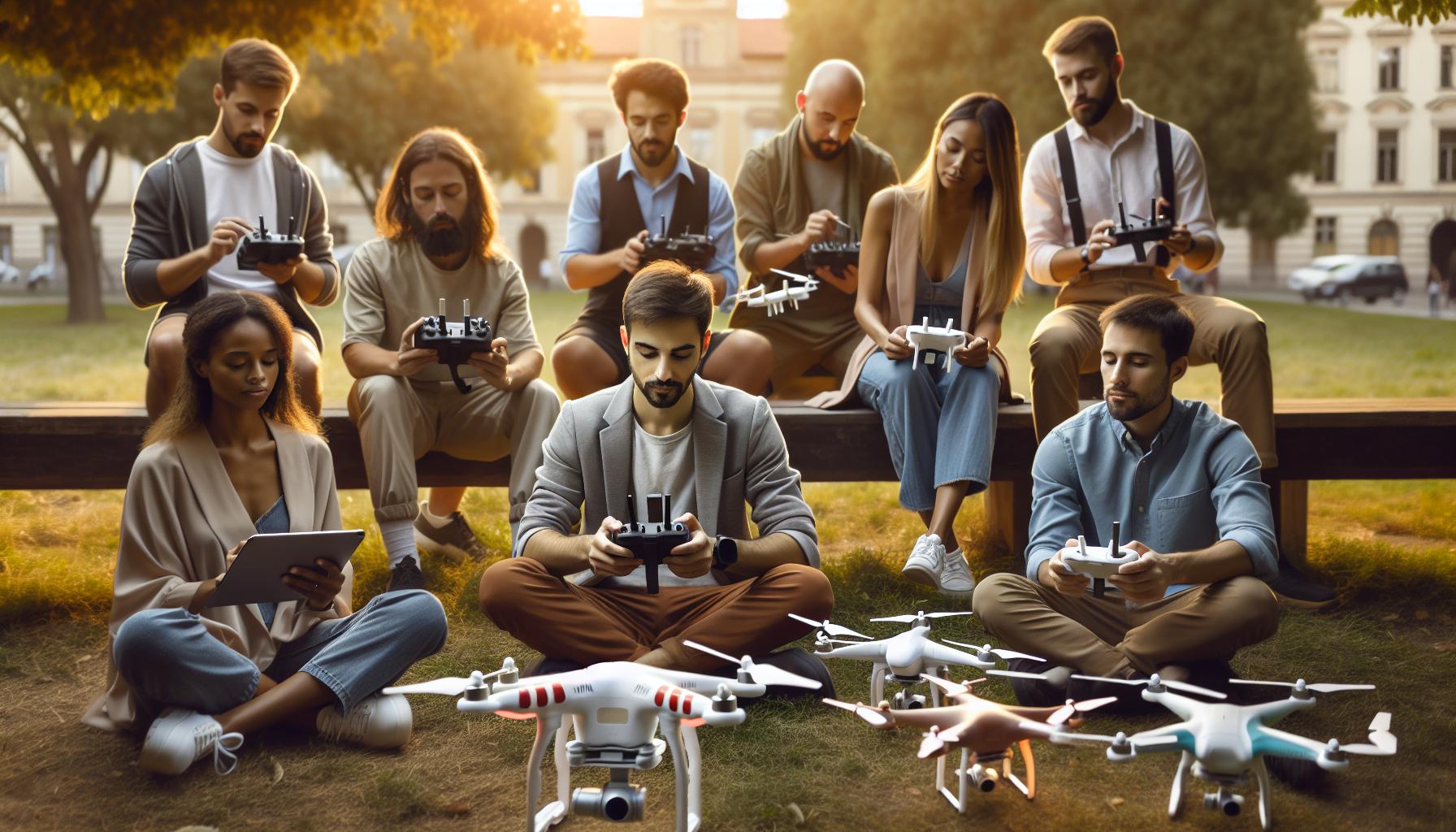
As the possibility of a ban on DJI drones in the United States looms, it’s crucial for both hobbyists and professionals to explore viable alternatives that can meet their needs without compromising on quality or capability. Fortunately, there are numerous drone manufacturers that offer competitive models capable of performing similar functions across a variety of applications, from aerial photography to industrial inspections.
Popular Alternatives to DJI Drones
- Autel Robotics: Known for its EVO series, Autel drones provide impressive features such as 4K video capture and a robust camera system comparable to DJI offerings. The EVO Lite and Lite+ have garnered attention for their long battery life and excellent image quality, making them suitable for both casual users and commercial applications.
- Parrot: The Parrot Anafi series is a strong contender, particularly for those prioritizing portability. The Anafi Drone is compact, lightweight, and boasts a 4K HDR camera with a unique 180-degree tilt gimbal, allowing for versatile shooting angles and a user-friendly experience.
- Skydio: If autonomy and obstacle avoidance are your primary considerations, Skydio drones excel in these areas. The Skydio 2 offers advanced AI capabilities that enable it to autonomously navigate complex environments, making it ideal for surveying and inspection tasks where safety is a concern.
- Yuneec: The Typhoon H series from Yuneec features a hexacopter design that enhances stability and redundancy. With impressive payload options and the ability to capture 4K video, these drones are particularly valuable for professional filmmakers and photographers.
- Holy Stone: For more budget-conscious users, Holy Stone provides an array of affordable drones suitable for beginners. Models like the HS720 offer 4K capabilities and GPS-assisted flight, making them an excellent starting point for those new to drone piloting.
- China-based Alternatives: In response to potential sanctions on DJI, several Chinese manufacturers are stepping up to offer alternatives that may appeal to users looking for a similar ecosystem without the geopolitical baggage. Brands like Tello and Hubsan can provide basic functionality for casual flying and learning.
Ultimately, selecting an alternative should depend on the pilot’s specific needs-whether it’s for hobby use, photography, or industry applications. Consumers should consider factors such as flight time, camera quality, ease of use, and customer support when making their choice. By diversifying their knowledge of available drone technologies, operators can remain adaptable in an uncertain regulatory environment.
Future Predictions for DJI Drone Market Trends
As the drone landscape continues to evolve, the potential for stringent regulations and even a ban on DJI products in the U.S. could significantly shape market dynamics. Consumers and industry insiders are keenly observing how geopolitical tensions and national security concerns might influence the drone market. Should a formal ban on DJI drones come to fruition, we can anticipate a seismic shift in consumer behavior, forcing users to pivot towards alternative brands and products.
In the face of potential restrictions, we might witness a surge in demand for domestic drone manufacturers. Companies like Autel Robotics, Skydio, and Yuneec have been gaining traction as consumers seek reliable alternatives to DJI. The push for self-reliance within the U.S. drone manufacturing sector can spur technological innovations and perhaps lead to the emergence of competitive features that rival DJI’s offerings. Such changes could open the market to new entrants, fostering a diverse drone ecosystem that emphasizes American-made technology.
Moreover, if DJI’s market share diminishes due to regulatory pressures, the overall pricing strategy across the drone market may shift. Competitors could raise prices reflecting increased demand for their products, or conversely, they may decrease prices to attract consumers concerned about losing access to DJI’s high-quality technology. This competitive realignment might promote innovation, as brands strive to differentiate themselves through unique features, rugged build quality, or enhanced customer service.
On the technological front, advancements in drone technology will likely continue regardless of DJI’s status. However, a ban could catalyze an acceleration of research and development within alternative companies focusing on autonomous flight, obstacle avoidance technologies, and improved camera systems. Furthermore, a robust push for regulatory compliance will become paramount for these brands, as they seek to ensure that their products meet the evolving legal landscape imposed by federal agencies and local regulations.
As consumer sentiment shifts and more drone operators seek replacements, the demand for robust support structures-such as forums, resources, and repair services-will grow. Companies that respond effectively by providing comprehensive after-sale support and community engagement will likely see a loyal user base emerge, further highlighting the importance of trust and reliability in drone operation. The future of the drone market stands on the precipice of change; adaptability and innovation will be crucial for brands and operators alike in navigating this turbulent landscape.
How a US Ban Could Affect Drone Technology Development
The prospect of a ban on DJI drones in the U.S. is not just a regulatory issue; it could serve as a pivotal moment in drone technology development. Such a ban would likely push both existing and emerging drone manufacturers to innovate rapidly to capture market share. With DJI historically dominating the market by offering cutting-edge features like high-resolution cameras, advanced obstacle avoidance, and robust flight stability, the absence of DJI could create a void that other companies are eager to fill. This shift could foster a competitive environment where innovation is paramount, as companies strive to differentiate their offerings in a market increasingly concerned with national security and compliance.
Innovation in drone technology from domestic manufacturers may focus on several key areas. Autonomous flight capabilities could see significant advancements as companies seek to create drones that can operate safely in various environments without human intervention. This includes improved machine learning algorithms for obstacle detection and navigation, which are crucial for commercial applications ranging from delivery services to aerial surveying. Likewise, advancements in camera technology, such as enhanced image stabilization and new sensor types, can be expected as manufacturers look to provide features that mimic or surpass those of DJI drones.
In addition to fostering technological growth from competitors, a ban on DJI drones could catalyze increased collaboration between manufacturers and regulators. This partnership can lead to the establishment of comprehensive guidelines and frameworks that ensure drones meet high safety and performance standards. By promoting regulatory compliance as a selling point, companies may invest more heavily in research and development aimed at satisfying these requirements, ultimately elevating overall industry standards.
Moreover, the potential ban has implications beyond mere technology development; it could also reshape the supply chain dynamics within the drone industry. As domestic manufacturers gain a more substantial foothold, we may witness the emergence of a new ecosystem of suppliers, service providers, and specialists dedicated to the needs of American-made drones. This could lead to improved customer support structures, including easier access to repair services and sped-up after-sales assistance, which are essential for building consumer trust and loyalty in a market seeking alternatives to DJI.
As the drone landscape shifts, companies that successfully harness these opportunities will likely not only fill the gap left by DJI but also drive the industry toward a future rich in innovation and diversity. The ongoing evolution of drone technology under these new circumstances is something that both hobbyists and professionals should watch closely, as it promises to redefine flight capabilities and user experiences across the board.
Public Sentiment: Are DJI Drones Under Threat?
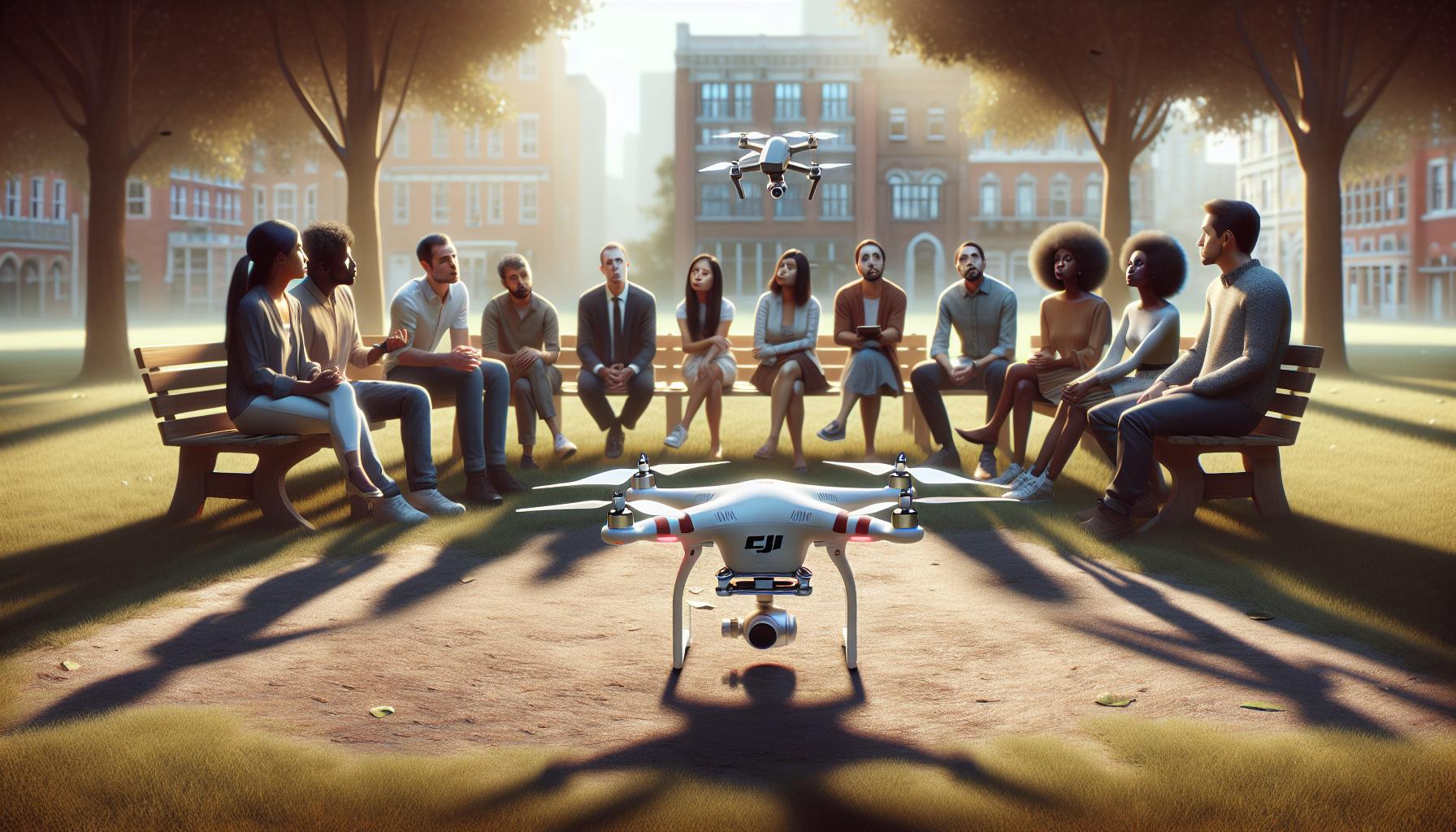
The rise of concerns surrounding national security and data privacy has cast a shadow over the future of DJI drones in the U.S. This has not only sparked discussions in legislative circles but also among drone enthusiasts, professionals, and the general public. Many are left wondering if the brand that has become synonymous with high-quality drones is under imminent threat. Recent regulatory discussions have revealed a growing apprehension about the potential for a ban on DJI products, which has led to an avalanche of public sentiment that ranges from anxious to defiant.
The general mood among DJI users reflects a complex interplay of loyalty, skepticism, and pragmatism. For many hobbyists and professional pilots, DJI drones represent the pinnacle of drone technology, providing unparalleled features like advanced aerial photography capabilities and user-friendly interfaces. Yet, as rumors of a ban circulate, users express concerns about the implications for their investments. Questions about how to transition to alternative brands or models arise frequently, reflecting a practical mindset that acknowledges the reality of a shifting regulatory landscape.
Moreover, discussions on social media and drone forums reveal a community grappling with the uncertainty. A vocal segment of users advocates for DJI, highlighting its successes in the field and urging fellow pilots to focus on the brand’s safety and innovation tracks rather than political narratives. Others, however, express frustration at being left in the dark regarding official guidelines on compliance and usage. This dichotomy illustrates a need for transparent communication from both DJI and regulatory bodies to quell fears and encourage informed decisions among users.
A proactive approach is essential for those invested in the DJI ecosystem. While awaiting clarity on regulations, drone owners are encouraged to explore alternative manufacturers and keep abreast of updates from both the regulatory landscape and DJI itself. By engaging in community discussions, participating in forums, and following industry news, users can better equip themselves to navigate this uncertain terrain. In doing so, they can transform potential threats into opportunities for adaptation and growth, ensuring they remain informed players in an ever-evolving market.
Comparative Analysis: DJI vs. Competing Drone Brands
While DJI has long dominated the drone market with its innovative features and reliable performance, the potential for a ban has raised critical questions about its standing compared to other brands. Understanding the landscape of competing drones reveals both the strengths and weaknesses of these alternatives, especially in light of the uncertainty surrounding DJI’s future in the U.S. market.
Several brands compete with DJI, each catering to different needs. For instance, Autel Robotics has gained traction with its EVO series, appealing to professional and recreational users alike. Known for excellent image quality and user-friendly interfaces, Autel drones, particularly the EVO Lite+, offer competitive features such as 6K video capabilities and impressive flight times. This positions them as strong alternatives should DJI find itself heavily restricted or banned in the U.S.
Another competitor, Skydio, stands out with its advanced obstacle avoidance technology. The Skydio 2 utilizes artificial intelligence to navigate challenging environments autonomously, making it a sought-after choice for industries requiring precise operations, such as construction, real estate, or surveying. While Skydio primarily targets the enterprise market, its unique approach to drone navigation and functionality may appeal to those looking to shift from DJI products.
Furthermore, brands like Parrot and Yuneec continue to innovate within niche markets. Parrot’s Anafi series provides easy portability and 4K HDR video, focusing on outdoor enthusiasts and travel aficionados. Yuneec, on the other hand, offers specialized drones such as the Typhoon H, known for its professional-grade capabilities and stability in flight, often favored by filmmakers.
When contemplating alternatives, drone users should consider not only the technical specifications but also after-sales support, community engagement, and software ecosystems. It’s essential to assess product reliability and the availability of accessories, as many drone operators rely on plugins and enhancements to maximize their device capabilities.
For individuals invested in the DJI ecosystem awaiting regulatory clarity, exploring these alternatives could provide a path forward without sacrificing quality or functionality. This situation serves as a reminder to stay adaptable and informed, ensuring you can continue leveraging drone technology effectively in your pursuits, whether commercial, creative, or recreational.
Legal Considerations for Drone Owners in the US
The drone landscape is in a state of flux, particularly for DJI users who are navigating an uncertain regulatory environment. As discussions about potential bans and restrictions escalate, it becomes crucial for drone owners to understand the legal implications that may affect their ownership and operational practices. Ensuring compliance with local and federal regulations is paramount to avoid penalties, and this landscape can be intricate, especially with ongoing legislative discussions.
Drone pilots must familiarize themselves with the Federal Aviation Administration (FAA) regulations, which govern the safe operation of drones in the U.S. It’s essential to stay updated on any emerging guidelines that may impact drone usage, particularly regarding the potential limitations or outright bans on specific manufacturers like DJI. Additionally, drone owners should be mindful of the laws that vary by state, as some regions have enacted their own regulations that could further complicate compliance. For instance, there may be specific areas where drone flying is prohibited or restrictions on data collection and privacy that pilots must navigate carefully.
Moreover, with potential legislative changes on the horizon, it’s advisable for drone operators to keep meticulous records of their flights, drone maintenance, and any compliance measures they undertake. In the event of regulatory scrutiny, having a clear record can help demonstrate responsible usage. Operators could also consider registering their drones directly with the FAA, which not only reinforces a commitment to safety but may also be important if there are changes in legal frameworks that affect ownership status.
As the situation evolves, engaging with community forums, drone advocacy groups, and legal professionals knowledgeable about aviation law can provide invaluable resources. These platforms offer opportunities for drone owners to discuss concerns, share experiences, and receive updates that may affect their operations. Empowered with knowledge and a proactive approach to compliance, DJI drone owners can better navigate the complexities of their legal responsibilities while enjoying the benefits of their aerial technology.
How to Stay Informed About DJI Regulatory Changes
Staying informed about regulatory changes that could impact the use of DJI drones is crucial for both hobbyists and professional operators. With the landscape of drone legislation in constant flux, knowing where to find reliable information empowers you to make informed decisions and adapt to any new regulations. One of the most effective ways to stay ahead is to engage actively with various platforms dedicated to drone news and legislation.
Start by subscribing to relevant newsletters and updates from official bodies such as the Federal Aviation Administration (FAA). This ensures that you’re receiving timely and accurate information regarding drone policies, including any proposed legislation specifically affecting DJI products. Additionally, consider following dedicated drone blogs and forums where industry experts and other drone enthusiasts share insights and discuss the implications of new regulations. Resources like the DJI forum and dedicated communities on platforms like Reddit can provide firsthand accounts and interpretations of how new laws might affect your operations.
Engagement with Legal Resources
It’s also wise to connect with legal professionals who specialize in aviation law. Consulting with experts can help clarify how specific regulatory changes may impact your usage of DJI drones. Many legal firms and advocacy groups focused on the rights of drone users publish comprehensive guides and updates that can offer targeted advice. Online webinars and workshops hosted by industry leaders often cover compliance strategies and ways to navigate the legal landscape effectively.
Lastly, leverage social media to your advantage. Follow key influencers and organizations in the drone industry who regularly post updates on legislative changes. Twitter and LinkedIn can serve as powerful platforms for real-time news and discussions, providing you with a network of support and resources.
By proactively ensuring you are informed through a variety of channels, you can better prepare for any upcoming changes, ensuring that your drone flying remains compliant and uninterrupted amidst shifting regulations.
Practical Steps for DJI Drone Owners Amid Uncertainty
As uncertainty looms over the potential ban of DJI drones in the U.S., registered pilots and enthusiasts must take proactive steps to safeguard their investment and ensure continued compliance with evolving regulations. The evolving landscape requires not just awareness of potential changes but also specific strategies to adapt to this ambiguity. Understanding that DJI drones have become central to many aerial photography, surveying, and recreational operations, it’s essential for operators to be prepared regardless of how the political climate unfolds.
Start by conducting a thorough inventory of your current drones and related equipment. Document their serial numbers, purchase dates, and any warranties that may apply. This preparation will not only help during any transition should a ban go into effect but also ensure you have clear records in case you need to make informed purchasing or legal decisions in the future.
Next, regularly check for firmware updates and maintain your drones in top condition. Keep your DJI software up to date to enhance the functionality and security of your devices. This preparation may help you extend the lifespan of your equipment and ensure that you remain compliant with any regulatory changes that could arise. Additionally, refining your flying skills is essential; focus on mastering advanced flight modes and safety protocols to enhance the professionalism of your operations.
Engaging with Communities
Engage with community forums and local drone flying clubs to stay informed about regulatory changes and share insights with fellow drone operators. These platforms can serve as invaluable resources for updates on any potential bans and how to navigate them. Furthermore, participating in discussions can provide opportunities to collaborate on advocacy efforts should collective action become necessary.
As the landscape shifts, consider exploring alternative drone technologies from domestic manufacturers. Familiarizing yourself with the offerings from brands such as Skydio or Parrot positions you to pivot smoothly if DJI products become restricted. Researching these alternatives while remaining loyal to your favorite brand allows you to maintain operational capability in the event of sudden legislative changes.
In summary, preparing for uncertainty involves a mix of technical diligence, community engagement, and awareness of potential alternatives. These steps will not only help protect your investment but also empower you to operate confidently in a fluctuating regulatory environment.
Faq
Q: Will DJI drones be banned in the US in 2025?
A: As of now, there is a potential for a ban on DJI drones in the US due to legislative developments, particularly the 2025 NDAA deadline. If the ban is enacted, it could significantly impact drone users and the market. Stay updated on regulatory changes for the latest information.
Q: What should DJI drone owners do if a ban is enforced?
A: If a DJI drone ban is enforced, owners should consider transitioning to alternative brands, ensure compliance with existing regulations, and stay informed by following updates from credible sources regarding drone legislation. Explore options listed in our section on alternatives to DJI drones.
Q: How might a DJI drone ban affect the broader drone industry?
A: A ban on DJI could shift market dynamics, fostering growth for competitors and driving innovation in domestic drone manufacturing. This could lead to advancements in technology across the industry as brands compete for market share.
Q: What are the reasons behind the potential DJI drone ban in the US?
A: The main reasons behind the potential DJI drone ban include national security concerns, privacy issues, and the need for more stringent regulations on foreign-produced technology. Policymakers are increasingly scrutinizing imported drones to address these concerns.
Q: How can I stay informed about potential DJI drone bans?
A: To stay informed about potential DJI drone bans, subscribe to industry newsletters, follow drone news websites, and engage with drone communities on social media. Regularly check updates related to US drone legislation for the latest developments.
Q: Are there any specific DJI products that might face a ban?
A: While the focus is generally on all DJI products, specific models such as the Phantom and Mavic may be scrutinized more closely due to their widespread usage. Monitoring product-specific news can provide insights into potential risks associated with individual drones.
Q: How does public sentiment influence the possibility of a DJI drone ban?
A: Public sentiment plays a crucial role in the likelihood of implementing a DJI drone ban. Increased awareness of security concerns may push lawmakers to take action. Engaging with community discussions can help gauge evolving public opinions on the issue.
Q: What alternative drone brands are recommended if DJI drones are banned?
A: If DJI drones are banned, consider alternatives like Skydio, Parrot, and Autel. These brands offer competitive features and capabilities suitable for both recreational and professional drone pilots. Check our section on alternatives to learn more about these options.
Concluding Remarks
As we explore the future of DJI drones in the US, it’s clear that understanding current regulations and potential changes is vital for all drone enthusiasts. While uncertainties loom over the market, staying informed offers you a competitive edge in the evolving landscape. Don’t let fear hold you back-now is the time to engage with communities, join our newsletter for the latest updates, and dive deeper into our guides on safe drone practices and model comparisons.
Curious about the implications of drone technology in various sectors? Check out our articles on advanced features like obstacle avoidance and thermal imaging, or learn about the best practices for legal compliance and safe flying. Your journey with DJI is just beginning, and with the right knowledge, you can navigate these challenges successfully. Share your thoughts in the comments below, and stay connected as we tackle the future together. Remember, informed pilots are prepared pilots!