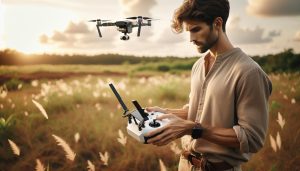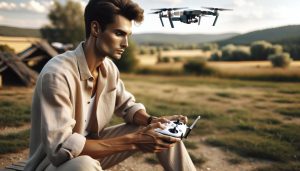
In the world of drones, few names resonate as strongly as DJI. Known for revolutionizing the aerial photography landscape, DJI is not just a manufacturer; it’s a pioneer that has fundamentally changed how we view and interact with our surroundings. With cutting-edge technology, user-friendly designs, and an expansive array of models, from the compact Mini series to the sophisticated Mavic and Phantom drones, DJI caters to hobbyists and professionals alike. Understanding who makes DJI drones and the story behind this tech giant is crucial for anyone interested in harnessing the power of flight. This exploration will unveil the innovative spirit, challenges, and milestones that define DJI’s journey, offering insights that enhance your appreciation and knowledge of these remarkable flying machines. Whether you’re a seasoned pilot or a curious newcomer, this behind-the-scenes look will deepen your connection to the drone community and inspire your next aerial adventure. Continue reading to discover the fascinating narrative that has made DJI synonymous with excellence in drone technology.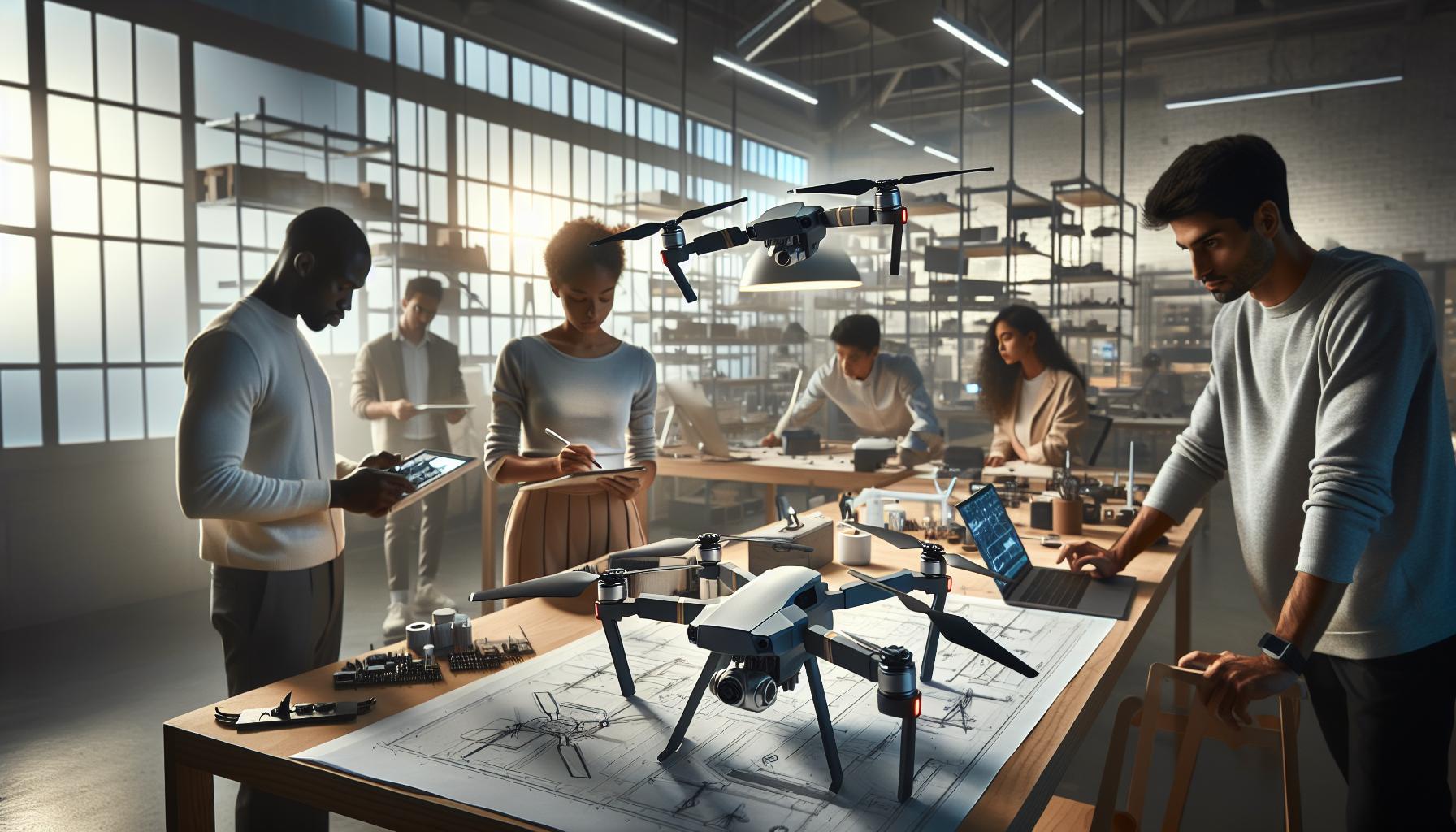
Who Owns DJI? Exploring the Company’s Origins
In a landscape dominated by high-tech innovation and rapid development, DJI has emerged as a beacon of excellence in drone technology. Founded in 2006 by Frank Wang, a drone enthusiast and engineer, DJI began as a small startup in a university dorm room in Shenzhen, China. The company initially focused on developing drone flight control systems, which laid the groundwork for its later successes. Today, DJI is recognized as the global leader in civilian drones and aerial imaging technology, accounting for over 70% of the market share in the consumer drone segment.
The journey of DJI from modest beginnings to its status as a tech giant is a testament to the visionary leadership of its founder and the ingenuity of its design and engineering teams. DJI’s evolution reflects a commitment to innovation, which is evident in its expansions into various drone categories-from beginner-friendly models to professional-grade machines used in filmmaking, agriculture, and industrial inspections. This expansion is not only a result of technological advancements but also of a keen understanding of market needs and consumer feedback, allowing DJI to satisfy a broad spectrum of users.
The ownership structure of DJI is somewhat opaque, with the company being privately held. Frank Wang still holds a significant share and maintains active involvement in the company’s direction. Alongside him are a group of key investors and executives who have played critical roles in shaping the company’s growth trajectory. DJI’s unique approach to product development and marketing sets it apart in the highly competitive tech industry, underscoring its status not merely as a manufacturer but as a driver of innovation in the unmanned aerial vehicle (UAV) sector.
As DJI continues to dominate the market, its origins remind us of the company’s capability to transform ideas into cutting-edge technologies that empower users worldwide. Understanding this background not only provides insight into who owns DJI but also highlights the foundational principles that continue to drive the company’s success and its vision for the future of drone technology.
The Evolution of DJI: From Startup to Tech Giant
The transformation of DJI from a modest startup into a global tech powerhouse is both fascinating and inspirational. Founded in 2006 by Frank Wang in a university dorm in Shenzhen, China, the company’s beginnings were marked by a singular focus on developing high-quality drone flight control systems. This initial concentration allowed DJI to harness a deep understanding of aerodynamics and stability, setting the stage for its later innovations in aerial technology. As consumer interest in drones surged, DJI’s adept marketing and consistent focus on engineering excellence positioned it squarely at the forefront of an emerging industry.
In just over a decade, DJI effectively reshaped the landscape of aerial imaging. The introduction of the Phantom series in 2013 marked a pivotal moment; it was one of the first ready-to-fly drones that combined advanced camera capabilities with user-friendly controls. This success not only popularized drone photography and videography but also encouraged hobbyists and professionals alike to explore aerial imagery’s creative potential. DJI’s ability to anticipate market trends and adapt quickly has been crucial. By expanding its product line to include the Mavic series-known for its portability and intelligent flight features-DJI could cater to both beginners and seasoned pilots looking for advanced capabilities on-the-go.
As DJI continued to innovate, it integrated various cutting-edge technologies into its drones, including 4K cameras, advanced stabilization systems, and intelligent flight modes that promote safety and ease of use. Consumer feedback and rigorous testing have been instrumental in refining these features, allowing operators to capture stunning footage while ensuring a high level of reliability. Furthermore, DJI’s emphasis on software enhancements through regular firmware updates has kept its products competitive, demonstrating a commitment not only to hardware excellence but also to the user experience.
By establishing a global presence early on and becoming synonymous with drone technology, DJI has also fostered a dedicated community of enthusiasts and professionals. This vibrant ecosystem contributes to feedback loops for product improvement and innovation discussions, reinforcing DJI’s position as the industry leader. As the company continues to expand its influence, its journey serves as a remarkable case study on how understanding user needs and embracing innovation can propel a brand to tech giant status.
Key Innovations That Gave Rise to DJI Drones
The journey of DJI is marked by a series of groundbreaking innovations that have redefined drone technology and photography. One of the most significant advances was the development of the flight control system. This technology provided a highly stable platform that enabled drones to perform complex maneuvers effortlessly, making aerial videography accessible to users of all skill levels. The integration of GPS and advanced autonomous features allowed drones to maintain precise positioning, ensuring successful flights even in challenging conditions.
Another key innovation was the introduction of the Gimbal Stabilization System. This technology uses motors and sensors to keep the camera steady, allowing for smooth video capture and eliminating shaky footage that was common with earlier models. The ability to shoot high-quality, stabilized 4K video revolutionized the way content creators approached aerial imaging, giving rise to a new era in photography and cinematography. The Phantom series exemplified this with its ability to produce professional-grade footage straight out of the box.
DJI’s commitment to intelligent flight modes represents yet another stride in drone technology. Features like ActiveTrack and QuickShots streamline the flying experience, allowing users to concentrate on creativity rather than technicalities. ActiveTrack enables the drone to automatically follow a subject, while QuickShots offers predefined flight paths, making it easy to capture cinematic shots without extensive piloting knowledge. These innovations emphasize DJI’s recognition of user needs, balancing advanced technology with user-friendly experiences.
Further advancements include the implementation of real-time transmission systems, allowing for high-definition video feeds from the drone to the pilot’s device. This technology has enhanced situational awareness during flights, crucial for both recreational and professional applications. Integrated obstacle detection and avoidance systems have also played a pivotal role in making drone flights safer, significantly reducing the risk of crashes. Together, these innovations not only showcase DJI’s technical prowess but also set industry standards, solidifying its position as a leader in the drone market.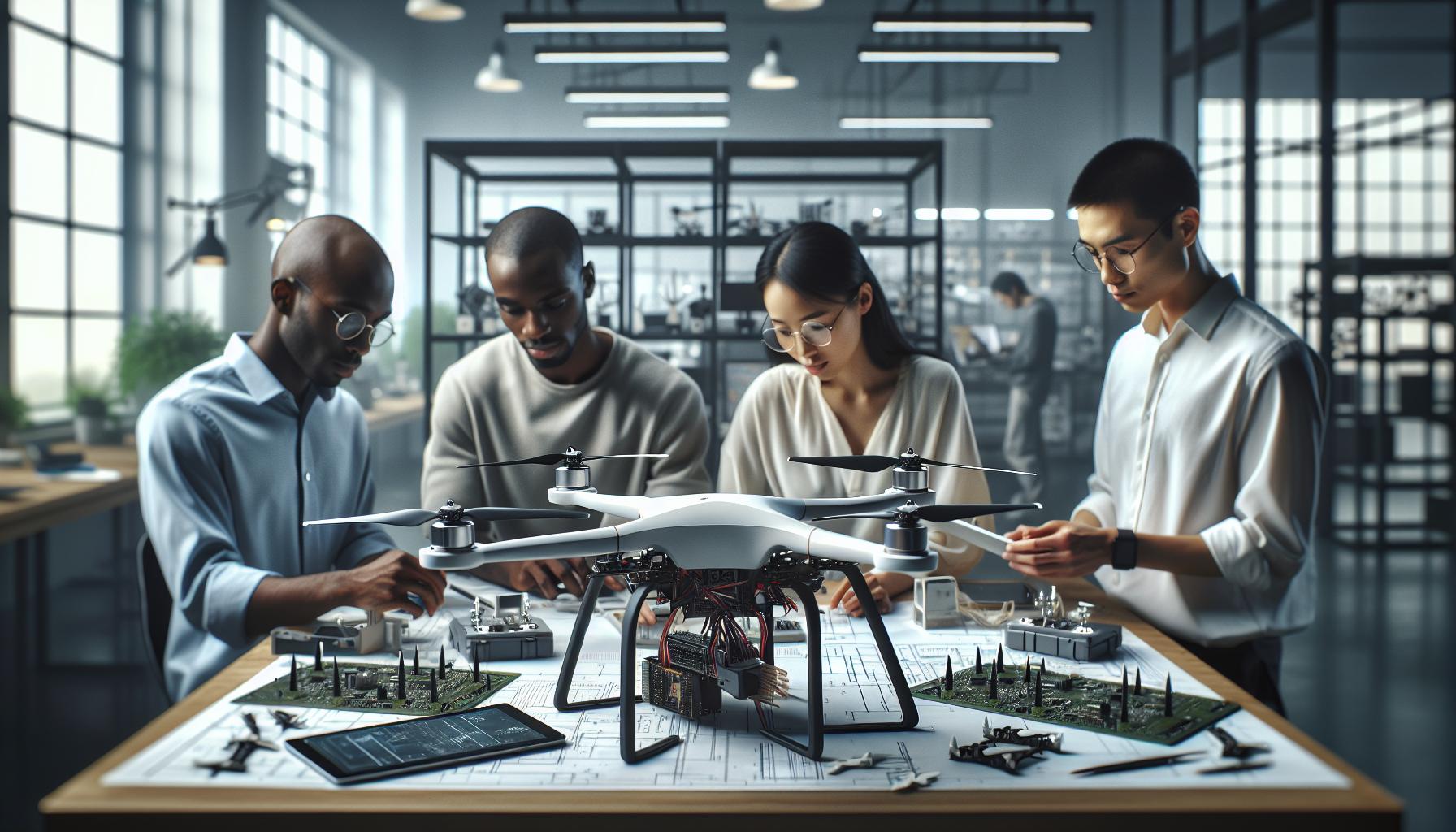
Understanding DJI’s Drone Technology: A Deep Dive
The intricate technology behind DJI drones is a testament to the company’s dedication to innovation and user experience. At the core of every DJI drone is a sophisticated flight control system that not only enhances stability but also allows users to perform aerial maneuvers with impressive accuracy and ease. This system integrates advanced algorithms and high-quality sensors that work in tandem to deliver an immersive flying experience, whether you’re a casual hobbyist or a seasoned professional.
Another cornerstone of DJI’s technology is the Gimbal Stabilization System. This crucial feature utilizes motors and sensors to keep the camera steady, which is essential for capturing smooth, high-definition video. Prior to the advent of gimbal technology, drone videographers struggled with shaky footage that could undermine their projects. With DJI drones, however, users can achieve cinematic shots effortlessly, making the equipment a favorite among content creators and filmmakers alike.
Advanced Features and User-Friendly Design
DJI drones are also equipped with intelligent flight modes that automate many of the piloting tasks that can be daunting for beginners. For instance, the ActiveTrack feature can autonomously follow a subject, allowing the user to focus on composition rather than controlling the drone’s movements. Similarly, modes like QuickShots provide pre-programmed flight paths that simplify the process of capturing professional-quality footage. These considerations underscore DJI’s commitment to making advanced drone technology accessible to everyone.
Additionally, real-time transmission systems enhance the flying experience by enabling live HD video feeds directly to the pilot’s device. This feature increases situational awareness, which is critical for both recreational flyers and professional users. Furthermore, integrated obstacle detection and avoidance systems not only safeguard the drone during flight but also contribute to a more relaxed piloting experience, allowing users to focus on creativity without worrying about potential hazards.
In conclusion, DJI drones embody a fusion of cutting-edge technology and design aimed at enhancing user experience. By prioritizing stability, ease of use, and safety, DJI continues to set the standard in the drone industry, empowering users to explore new heights in aerial photography and videography.
Popular DJI Drone Models: Features and Comparisons
The diversity of DJI’s drone portfolio is one of the key factors that has propelled the company to the forefront of the industry. From compact models designed for novices to advanced drones favored by professionals, DJI offers a range of options that cater to various needs and skill levels. By understanding the features and comparisons of popular models, users can confidently select the right drone for their specific applications.
Mini Series: Portability Meets Performance
The DJI Mini series has become a popular choice due to its lightweight design and impressive features. The Mini 2, for example, weighs under 250 grams, making it incredibly portable and exempt from many registration requirements in several countries. It boasts a 12 MP camera capable of shooting 4K video at 30fps, complemented by a robust battery life of up to 31 minutes. Additionally, the Mini 2 includes intelligent features like QuickShots and a 10 km HD video transmission range, making it perfect for casual flyers and budding content creators looking for quality and convenience.
In contrast, the Mini 3 Pro takes performance to the next level with enhanced camera capabilities, including a 48 MP sensor and the ability to record in 4K at 60fps, appealing especially to those aiming for professional-grade results. Its upgraded obstacle avoidance system and extended flight time of up to 34 minutes add to its appeal, allowing pilots to focus on capturing stunning visuals without the stress of frequent landings.
Mavic Series: Versatility for Every User
The Mavic series represents the perfect blend of portability and advanced technology, catering to a wide range of users. The Mavic Air 2, for instance, is well-regarded for its ability to capture 48 MP still images and 4K video at 60 fps, all while packing intelligent shooting modes like SmartPhoto for enhanced creative flexibility. It offers a flight time of up to 34 minutes and features robust obstacle avoidance, ensuring a smooth flying experience for both amateur flyers and professional videographers.
For those seeking even higher performance, the Mavic 3 series offers dual-camera systems with a remarkable 20 MP telephoto lens and a Micro Four Thirds Hasselblad camera that excels in low light. With prioritization of image quality and extensive flight features such as Omnidirectional Obstacle Sensing and 46 minutes of flight time, it stands as a favorite among professional filmmakers and media production companies.
Phantom Series: The Workhorse of Filmmaking
Often considered the flagship line of DJI, the Phantom series, particularly the Phantom 4 Pro V2.0, is recognized for its robust build and superior flight capabilities. Equipped with a 20 MP camera and a 1-inch sensor, it delivers exceptional image quality and offers 4K video recording at 60 fps. Its mechanical shutter eliminates rolling shutter distortion, making it a prime choice for high-quality aerial photography and videography. With 30 minutes of flight time and advanced features like Draw and ActiveTrack, the Phantom 4 Pro maximizes its application in the filmmaking and surveying sectors.
Air Series: The Balance of Power and Portability
The Air series, particularly the Air 2S, presents a significant advancement in camera technology with a 1-inch CMOS sensor that captures stunning 20 MP photos and 5.4K video. With a flight time of around 31 minutes and advanced functionalities like Mastershots for quick edits and return-to-home features, it strikes a balance between high-quality output and user accessibility. This drone serves well in various applications, from landscape photography to real estate imaging.
Each DJI drone model reflects a careful design and feature set that aligns with distinct flying needs, whether it involves casual recreational use or highly professional applications. By carefully considering these comparisons, potential buyers can find the perfect drone that aligns with their specific requirements and objectives, ensuring a fulfilling aerial experience.
The Manufacturing Process of DJI Drones: Behind the Scenes
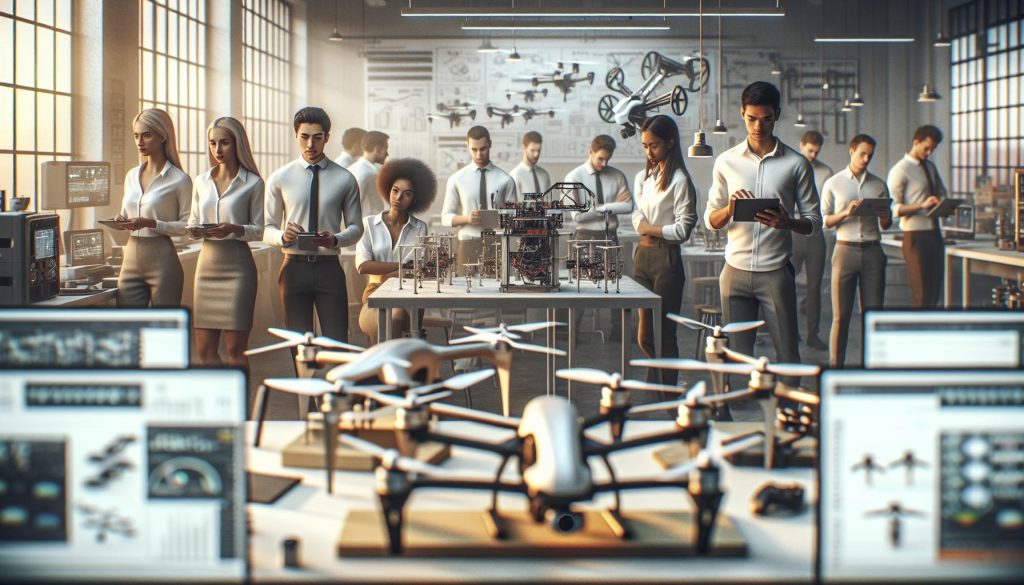
The intricate manufacturing process of DJI drones combines cutting-edge technology, rigorous quality control, and innovative design principles to produce some of the most advanced aerial devices in the world. Every drone, from the compact Mini series to the powerhouse Phantom series, is crafted with precision in state-of-the-art facilities. This attention to detail not only ensures that each drone meets high performance standards but also fosters an environment conducive to constant innovation and improvement.
At the heart of DJI’s manufacturing process lies a commitment to quality and efficiency. Each component, whether it’s the high-resolution cameras, powerful motors, or sophisticated flight control systems, is meticulously engineered and tested. Before they even reach the assembly line, materials undergo stringent quality assessments, ensuring that only the best make it into the final product. This systematic approach is pivotal in minimizing defects and enhancing reliability, crucial for users who demand performance in critical settings, such as filmmaking or search and rescue operations.
Once the individual components are verified, the assembly phase begins. Technicians meticulously bring together various parts, often employing advanced robotic systems that enhance precision and speed. For example, the integration of the gimbals, which stabilize the cameras, requires expert handling to ensure they function flawlessly even in challenging conditions. Each drone undergoes a series of tests, including flight simulations, battery endurance checks, and software diagnostics, to ensure that they meet DJI’s high standards before leaving the factory.
Moreover, advancements in manufacturing technology allow for faster production cycles without compromising quality. Automation and streamlined processes not only reduce costs but also make it easier to incorporate the latest innovations into new models. Consumers benefit significantly, as they receive drones equipped with the newest technologies, such as improved obstacle avoidance and enhanced battery efficiency, keeping DJI at the forefront of the industry.
The sourcing of materials plays a vital role, too, as DJI strives to use sustainable options whenever possible. By emphasizing environmental responsibility, DJI aims to balance technological advancement with ecological conscientiousness, reflecting a growing concern for sustainability in the tech industry. Through these comprehensive practices, DJI not only shapes high-quality drones but also builds a narrative of innovation and leadership that resonates with both enthusiasts and professionals alike.
Insights into DJI’s Research and Development Strategies
Innovation lies at the core of DJI’s mission, shaping its reputation as a leader in drone technology. The company dedicates a significant portion of its resources to research and development (R&D), spanning various domains such as aerodynamics, artificial intelligence, and camera technology. This investment not only fuels groundbreaking advancements but also ensures that DJI remains ahead of the curve in delivering high-performance drones that cater to both hobbyists and professionals.
To maintain its competitive edge, DJI adopts a multi-faceted approach to R&D. This involves extensive collaboration with industry experts and academic institutions to integrate cutting-edge research findings into their product pipeline. For example, partnerships with universities have led to breakthroughs in flight stability algorithms, enhancing the user experience across different drone models. Furthermore, DJI has established numerous research centers globally, each focusing on specialized fields, from vision processing to battery technology. These centers facilitate localized innovation, allowing for the quicker adaptation of technologies to meet regional market demands.
Another pivotal aspect of DJI’s R&D strategy is its commitment to user feedback. The company actively engages its community through forums, surveys, and beta testing programs, which provide valuable insights into user preferences and emerging needs. By closely listening to its user base, DJI can design features that resonate with real-world usage scenarios, ensuring functionality aligns with operator expectations. Recent firmware updates and new features introduced in models like the Mavic Air and Phantom series underscore this iterative approach to development.
Moreover, a culture of innovation is embedded within DJI’s workforce. The company encourages its engineers and designers to experiment, fostering an environment where creativity flourishes. Regular hackathons and innovation challenges are organized, allowing employees to propose and prototype new ideas. This internal initiative has led to revolutionary products, such as the DJI Mini, which combines cutting-edge technology in a compact form ideal for casual users. By empowering its team, DJI not only accelerates innovation but also cultivates a passion for technological advancement that translates directly into their product offerings.
How DJI Drones are Shaping Various Industries
As industries worldwide embrace technological advancements, DJI drones have emerged as pivotal tools for innovation and efficiency. These aerial vehicles are not merely for recreational use; they are reshaping professional practices across several sectors, driving productivity while offering unique perspectives and capabilities.
In agriculture, DJI drones are revolutionizing farming practices by enabling precision agriculture. Equipped with multispectral cameras, these drones allow farmers to monitor crop health in real-time, assess irrigation needs, and manage resources more efficiently. By analyzing the data captured, farmers can optimize inputs such as water, fertilizers, and pesticides, ultimately promoting sustainable farming practices that reduce environmental impact while improving yields.
Another sector experiencing the transformative impact of DJI drones is construction and real estate. Drones equipped with high-definition cameras provide aerial site surveys, enabling project managers to conduct regular inspections and progress monitoring from an elevated viewpoint. This capability not only enhances project transparency but also increases safety by reducing the need for workers to navigate potentially hazardous areas. Additionally, real estate professionals leverage drone footage for stunning property listings, showcasing homes from angles that traditional photography simply cannot achieve.
Public safety and disaster management are also benefiting from DJI’s aerial technology. First responders utilize drones to assess hazardous situations, such as natural disasters or search and rescue missions, gathering critical information without putting personnel at risk. Thermal imaging capabilities allow for locating missing persons in low-visibility environments, making these drones invaluable in emergencies where every second counts.
As industries continue to evolve, the applications of DJI drones will only expand, fostering greater innovation and paving the way for new operational paradigms. By integrating these advanced tools into various workflows, organizations can harness the power of aerial data to improve decision-making, increase efficiency, and drive their objectives forward with confidence and clarity.
Legal Regulations for DJI Drones: What You Need to Know
Navigating the legal landscape governing DJI drones is essential for any operator, whether a hobbyist or a professional. In many countries, laws regarding drone flight can be extensive and sometimes daunting, but understanding these regulations is critical to ensure safe and responsible flying. Most notably, the regulations vary not only by country but also by region within countries, often influenced by factors like airspace, proximity to airports, and jurisdictional oversight.
In the United States, the Federal Aviation Administration (FAA) mandates that all drone operators must register their drones if they weigh more than 0.55 pounds (approximately 250 grams). This registration process can be completed online, and it is a straightforward step that helps regulate drone usage in airspace shared with manned aircraft. Additionally, operators must adhere to the Part 107 regulations, which govern commercial drone operations. These rules stipulate that pilots must obtain a Remote Pilot Certificate, which involves passing a written exam covering aeronautical knowledge, regulations, and safe operating practices.
Key Regulations and Recommendations
When operating DJI drones, here are key regulations and best practices to keep in mind:
- Maintain Visual Line of Sight (VLOS): Operators must keep their drones in sight at all times without the use of binoculars or goggles, ensuring they can react quickly to changing conditions.
- Altitude Limits: Drones must not exceed an altitude of 400 feet above ground level unless otherwise specified, especially in controlled airspace.
- No Fly Zones: Drones are prohibited from flying in designated no-fly zones, such as near airports, military bases, and large gatherings of people. DJI’s software often includes geofencing features to prevent takeoff in these areas.
- Insurance and Liability: Although not always legally required, obtaining insurance can protect operators from liability in case of accidents or damages caused by their drone.
In regions such as Europe, the European Union Aviation Safety Agency (EASA) has similarly structured regulations, which include the introduction of the ‘EU Drone Regulation’ framework, emphasizing certification, accountability, and risk assessment based on drone weight and intended use. Understanding the local laws and staying updated on any changes is vital, as drone regulations can evolve quickly with advances in technology and shifts in public policy.
Compliance with legal regulations is not just about avoiding fines; it’s also about fostering a positive image for drone users as responsible and safe operators. Engaging with local aviation and drone communities can provide valuable insights, and resources are often available through national aviation authorities or organizations dedicated to drone safety. Whether you’re using a DJI Mini for personal enjoyment or a Mavic for commercial projects, staying informed and compliant will enhance your flying experience and contribute to a safer environment for everyone.
Tips for Choosing the Right DJI Drone for Your Needs
When selecting the right DJI drone, it’s vital to align your choice with your specific needs and usage scenarios. DJI offers a diverse range of drones, each tailored for different skill levels, purposes, and budgets. Understanding your primary focus-whether it’s aerial photography, racing, or commercial surveying-can significantly narrow down your options and help you make an informed decision.
Identify Your Purpose
Begin by defining how you plan to use your drone. Are you a hobbyist looking to capture stunning landscape photos, or a professional needing advanced features for videography? Models like the DJI Mavic Air 2 are excellent for both amateurs and pros due to their robust camera capabilities and user-friendly interface. Conversely, if you’re interested in racing or high-speed maneuvers, the DJI FPV drone is designed specifically for immersive experiences and agile performance.
Consider Key Features
Once you’ve pinpointed your purpose, consider the key features that matter most:
- Camera Quality: For photography or videography, check the camera’s resolution and stabilization features. Drones like the DJI Phantom 4 Pro offer 20MP sensors and 4K video capabilities.
- Flight Time: Longer flight times allow for extensive aerial shots without constant recharging. Models like the DJI Mini 2 can fly for up to 31 minutes, making them suitable for longer sessions.
- Portability: If you plan to travel, a lightweight model like the DJI Mini SE is compact and easy to carry.
- Advanced Features: Look for enhanced features like obstacle avoidance, intelligent flight modes, and 4K video capabilities that can take your footage to the next level.
Budget Considerations
Finally, set a budget. DJI drones range from affordable options like the Mini SE to high-end models like the Mavic 3. Ensure that you factor in potential additional costs such as spare batteries, propellers, and accessories needed for an enhanced flying experience.
Choosing the right DJI drone can empower you to maximize your aerial experiences, whether capturing breathtaking views or diving into the thrilling world of drone racing. By aligning your selection with your intended use, desired features, and budget, you can make your choice confidently and explore the skies with ease.
Mastering Your DJI Drone: Setup and Operation Guide
Mastering your DJI drone involves understanding the setup process and the various features it offers. The first step is to download the appropriate DJI app for your model (e.g., DJI Fly for Mini and Mavic series, or DJI GO 4 for Phantom). Once installed, create an account or log in to access all features. Ensure your drone is fully charged, and perform a visual inspection for any damage or missing components.
To set up your drone, place it on a flat surface away from any obstacles. Turn on the drone and the remote controller, then connect them via the app. Follow the on-screen prompts to calibrate your drone’s compass and IMU (Inertial Measurement Unit). Proper calibration is crucial, as it ensures stable flight and accurate navigation. Pay close attention to warning messages, as they indicate necessary safety precautions.
Once your drone is set up, familiarize yourself with the flight modes. Switching between modes like “Position” for stability, “Sport” for high speeds, or “Tripod” for precision is essential depending on your mission. Use the intelligent flight features, such as ActiveTrack and Point of Interest, to elevate your aerial photography skills. For those interested in exploring indoor spaces, practice flying in beginner-friendly modes that limit the drone’s speed and altitude.
Regular firmware updates are vital to maintaining your drone’s performance. These updates often resolve known issues and add new features. After flying, check for updates by connecting the drone to the app; this allows the software to notify you when a new version is available. If you encounter problems, troubleshooting may involve checking the app for error codes or resetting the drone to factory settings. Always adhere to local regulations and guidelines when operating your DJI drone to ensure a safe and enjoyable flying experience.
Common Issues with DJI Drones and How to Fix Them
Operating a DJI drone can be a thrilling experience, but even the most advanced technology isn’t immune to issues. Common problems, such as connectivity troubles, battery depletion, and firmware glitches, can arise, impacting your flight experience. Understanding how to diagnose and resolve these issues is crucial for any pilot aiming to optimize their drone’s performance and ensure a smooth operation.
Connectivity Issues
One of the most frequent issues faced by DJI drone users is connectivity problems between the drone and the remote controller. This dilemma can often manifest as a “disconnected” warning or a complete loss of control. To fix this, make sure both the drone and remote are fully charged. Additionally, verify that the antennas are positioned correctly for maximum signal strength. If problems persist, re-pair the devices by turning both off and back on, and then reconnecting through the DJI app.
Battery and Charging Problems
Battery performance is essential for a good flying experience. If you find that your drone is not holding a charge or is discharging quicker than expected, inspect the battery for any physical damage or swelling. Regularly updating the firmware can also optimize battery health. It’s advisable to familiarize yourself with the battery settings in the DJI app, which can provide insights into the battery’s status and help prevent over-discharge, ensuring longevity.
Firmware Update Challenges
Updating firmware is a critical task that can sometimes lead to complications. Occasionally, users report their drones behaving erratically post-update. If you experience issues like unresponsive controls or erratic flight patterns after a firmware update, first try cancelling the operation and restarting both the drone and the remote. Then, you can roll back to a previous firmware version through the app if needed. Always check the release notes for updates to understand new features or fixes that may address existing problems.
Camera and Gimbal Issues
Problems with the camera or gimbal can be particularly frustrating, as they hinder your ability to capture stunning aerial footage. If the gimbal is shaky or misaligned, consider recalibrating it via the app. For camera-related issues, like poor image quality or malfunctioning sensors, ensure that the lens is clean and free from obstructions. Regularly check for updates to the camera settings through the app, which can enhance functionality and performance.
By being aware of these common challenges and implementing these straightforward solutions, you can ensure your DJI drone operates smoothly, allowing you to focus on capturing breathtaking imagery and enjoying your flying adventures. Remember, proactive maintenance and regular updates are your best allies in the world of drone technology.
Q&A
Q: What company manufactures DJI drones?
A: DJI drones are manufactured by DJI Technology Co., Ltd., a leading Chinese technology company specializing in drone design and manufacturing. Founded in 2006, DJI has become a pioneer in the drone industry, setting technological standards with its innovative products.
Q: Where are DJI drones produced?
A: DJI drones are primarily produced in China, where the company has its manufacturing facilities. The production process incorporates advanced engineering and quality control measures to ensure high standards in their products.
Q: What materials are used in the production of DJI drones?
A: DJI drones are typically made from lightweight materials such as plastic, carbon fiber, and aluminum, which enhance performance and durability. These materials help to improve flight efficiency and overall drone longevity.
Q: How does DJI ensure the quality of its drones?
A: DJI ensures quality through rigorous testing and quality control processes during manufacturing. Each drone undergoes comprehensive testing for performance, durability, and compliance with international standards before reaching the market.
Q: What technologies are integrated into DJI drones?
A: DJI drones feature several advanced technologies, including GPS navigation, obstacle avoidance sensors, high-definition cameras, and intelligent flight modes. These innovations enhance user experience and improve safety during flight.
Q: Are there any competitors to DJI in the drone market?
A: Yes, while DJI is a dominant player in the consumer drone market, competitors include companies like Parrot, Skydio, and Autel Robotics. Each of these brands offers unique features and technologies aimed at different user needs.
Q: What is the impact of DJI on the drone industry?
A: DJI has significantly impacted the drone industry by pushing technological advancements and standardizing features such as stabilized cameras and intelligent flight systems. This has driven competitors to innovate and elevate consumer expectations.
Q: How has DJI expanded its product offerings over the years?
A: DJI started with basic consumer drones and has since expanded its lineup to include professional-grade drones, action cameras, and gimbal stabilizers. Each new product series reflects the company’s commitment to innovation and market leadership.
Closing Remarks
As you’ve discovered, DJI has revolutionized the drone industry with its innovative technology and commitment to quality. Now that you’re armed with insights into the company’s history and evolution, consider exploring our guides on drone setup, gimbal calibration, and safety procedures for safe flying. For additional resources, don’t miss our in-depth reviews of the Mini, Mavic, and Phantom series, which can help you make informed purchasing decisions.
If you’re eager to take your skills to the next level, sign up for our newsletter to receive the latest updates and expert tips directly in your inbox. Join the community of drone enthusiasts by sharing your thoughts in the comments below, or check out our FAQ section for any lingering questions. The sky is the limit-let’s explore it together!