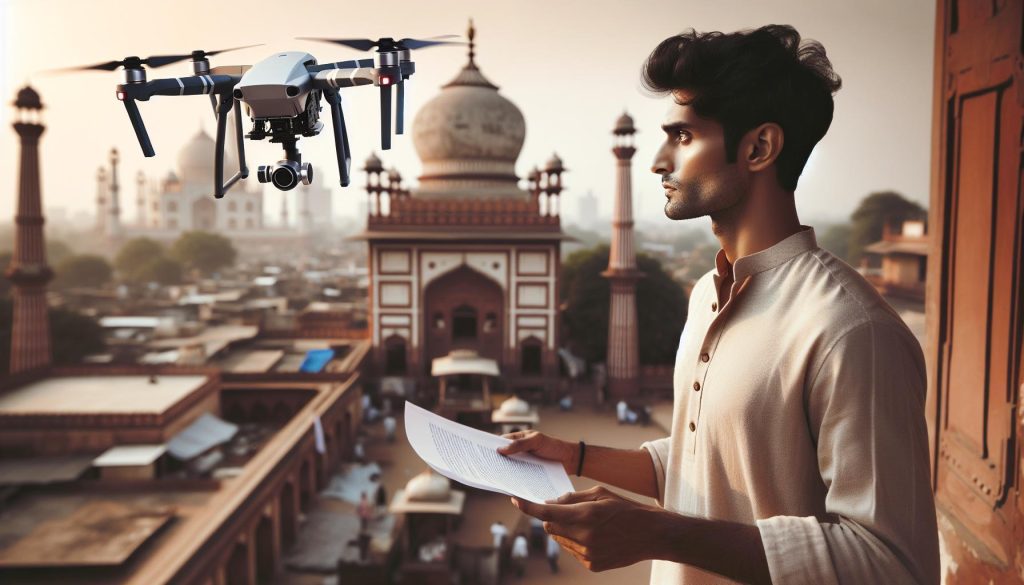
Drones have revolutionized the way we capture images and videos, making aerial photography accessible to enthusiasts and professionals alike. However, for those considering flying DJI drones in India, understanding the legal status is crucial. With regulations constantly evolving, it’s essential to know what’s permitted and what’s not to ensure safe and compliant drone operation. As you navigate through this article, you will uncover the current legal landscape surrounding DJI drones in India, explore necessary permits, and learn how to operate within the law. Whether you’re a hobbyist capturing breathtaking landscapes or a professional seeking to enhance your cinematography, staying informed about these regulations ensures you can fly with confidence and creativity.
Understanding Drone Regulations in India
In recent years, the landscape of drone regulations in India has evolved significantly, establishing a framework that governs both the usage and operation of unmanned aerial vehicles (UAVs) like those from DJI. Understanding these regulations is crucial for all drone enthusiasts, whether hobbyists or professionals, as non-compliance can lead to hefty fines and legal repercussions. As of 2025, the Directorate General of Civil Aviation (DGCA) has mandated several rules designed to promote safe and responsible drone use.
To commence, all drone operators must ensure their devices are registered with the DGCA. This includes providing relevant documentation detailing the type of drone, its weight, purpose of usage, and operator’s credentials. Notably, the drone classification system categorizes UAVs based on their weight, which dictates the level of regulation required. For example, nano drones (weighing less than 250 grams) have fewer restrictions compared to heavier models, allowing them to fly below 50 feet in uncontrolled airspace without requiring special permissions. However, operators must maintain visual line of sight (VLOS) throughout the flight and adhere to height restrictions, typically capped at 120 meters (400 feet) from the take-off point unless special permission has been obtained [2].
Moreover, it’s vital to be aware of the various no-fly zones across the country, which include areas near airports, military installations, and certain urban regions. Understanding these localized restrictions helps mitigate risks associated with passing through sensitive airspace. For those planning to operate in these zones, explicit permissions must be obtained well in advance from the relevant authorities. This is part of ensuring not only compliance but also the safety of both the operator and the public [3].
Equipping oneself with the latest information surrounding drone regulations can mean the difference between an enjoyable experience and facing severe penalties. Resources, including the DGCA website and various drone-focused forums, provide updates on legal changes and best practices for drone operation, making it imperative for drone users to remain informed and engaged in the evolving regulatory environment. Adhering to these guidelines fosters a culture of responsibility within the drone community and promotes the safe integration of this technology into everyday activities.
Key DJI Model Restrictions: What You Need to Know
Understanding the specific restrictions for DJI drones in India is crucial for anyone looking to operate these advanced machines legally and safely. Given the rapid growth in drone usage, the Indian government has implemented stringent guidelines to ensure that drone operations do not compromise public safety or privacy. DJI models, known for their innovative technology and reliability, also must adhere to these regulations to avoid potential legal issues.
For instance, drones like the DJI Mavic Mini, which weighs less than 250 grams, enjoy fewer restrictions, allowing operators to fly without the need for special permissions in uncontrolled airspace below 50 feet. However, all drone operators must maintain a visual line of sight (VLOS) during flight and adhere to altitude limits that typically cap out at 120 meters (400 feet) unless specific exemptions have been granted. On the other hand, heavier models, such as the Mavic 2 Pro or Phantom 4, which fall into the category of remotely piloted aircraft systems (RPAS) requiring more comprehensive licensing and registration protocols, must navigate a more complex regulatory landscape.
Weight Classifications and Their Implications
- Nano Drones (< 250g): Less regulatory oversight, suitable for hobbyists.
- Micro Drones (250g to 2kg): Registration required, adhere to stricter operational guidelines.
- Small Drones (2kg to 25kg): Licensing, regular maintenance checks, and detailed operational documentation are mandatory.
- Above 25kg: Specific permissions from the Directorate General of Civil Aviation (DGCA) and compliance with advanced operational protocols are necessary.
Moreover, all operators must ensure that their DJI drones, regardless of weight, comply with airspace restrictions, especially in no-fly zones located around airports, military areas, and populated urban centers. To operate within these sensitive areas, operators need to obtain permissions well in advance from the appropriate government agencies.
Understanding these key restrictions and regulatory requirements is paramount for any operator looking to utilize DJI drones in India. Staying informed about any changes to policies or guidelines will enhance safety and compliance, fostering a responsible approach to drone operation. Engaging with the community through forums and webinars or referring to regulatory updates from the DGCA will aid pilots in navigating this dynamic landscape effectively.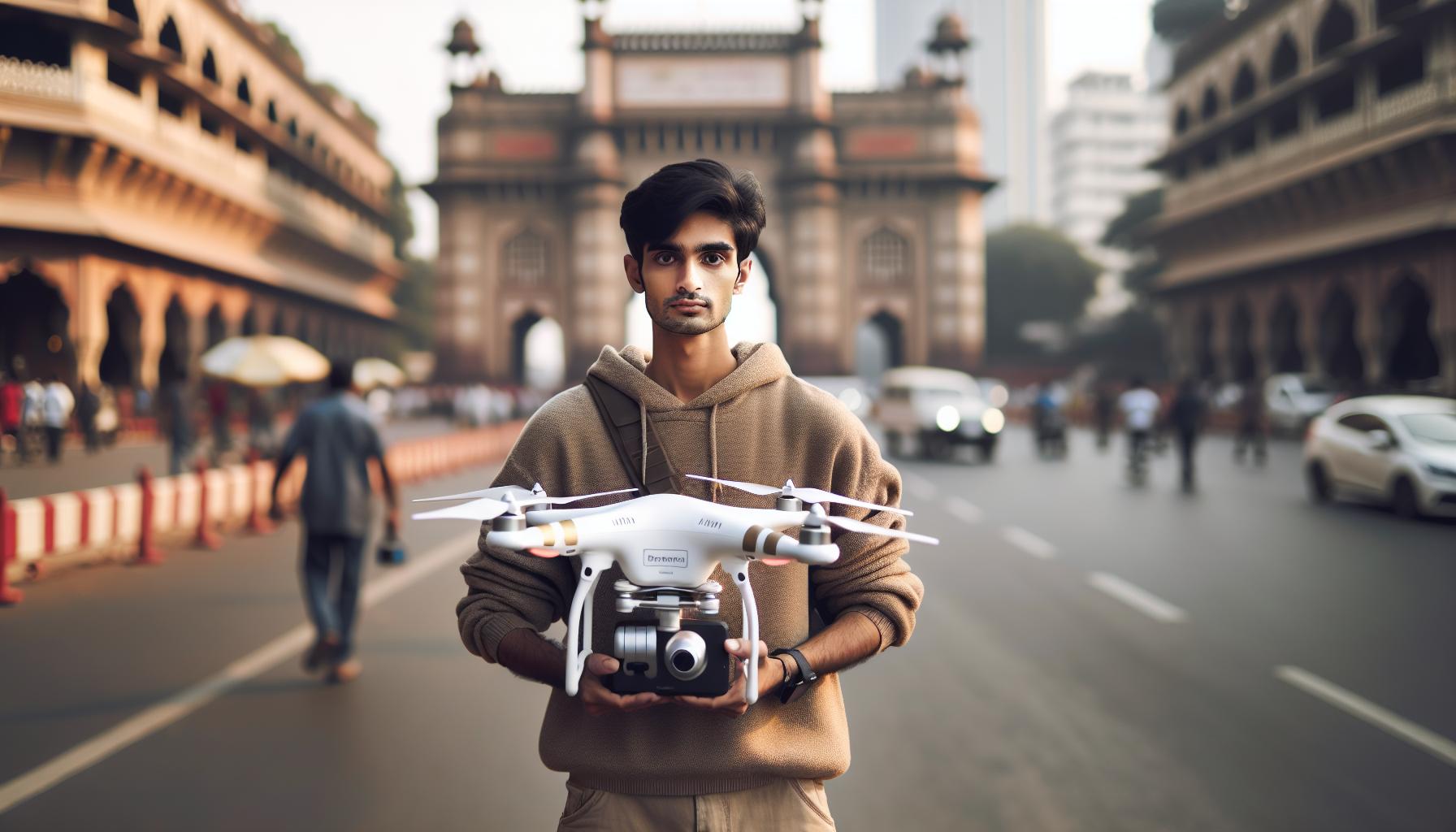
The Importance of Drone Registration in India
In today’s rapidly advancing technological landscape, the registration of drones, particularly those from reputable manufacturers like DJI, has become essential for responsible operation and adherence to regulatory standards. In India, the Directorate General of Civil Aviation (DGCA) mandates that all drones weighing 250 grams or more must be registered on the Digital Sky Platform. This regulation is not merely a bureaucratic hurdle; it plays a crucial role in enhancing safety, accountability, and traceability in drone operations.
The significance of drone registration is multifaceted. Firstly, it helps ensure that operators are aware of and comply with local drone regulations, thereby reducing the risk of accidents and unauthorized flights in restricted airspace. Registered drones are also assigned unique identification numbers, allowing authorities to easily track and monitor drone activities. This traceability is vital for investigations in the rare event of incidents involving drones, such as accidents or security breaches, offering a means to hold operators accountable for their actions.
Moreover, the registration process facilitates better airspace management by providing data on active drones within the airspace. This assists in preventing potential conflicts between manned and unmanned aircraft, contributing to overall aviation safety. Registered operators are more likely to stay informed about airspace restrictions and updates regarding drone laws, which can evolve with changing technology and societal needs.
In addition to regulatory compliance, registration can offer certain perks. Registered drone operators may gain access to specific airspace zones, usually restricted to non-registered drones, provided they apply for permissions in advance. This opens up more opportunities for commercial applications like aerial photography, agricultural monitoring, and infrastructure inspection, thus enhancing the business viability of drone operations.
In conclusion, registering a DJI drone is not just about following the law; it is about embracing a culture of safety and responsibility that is imperative for the sustainable growth of the drone industry in India. Understanding the intricacies of this process empowers drone operators, both hobbyists and professionals, to navigate the skies with confidence and legality.
Navigating Airspace Rules for Drone Operations
In the dynamic world of drone operations, understanding airspace rules is crucial for maintaining compliance and ensuring safe flying practices. In India, the airspace is categorized into various zones that dictate where and how drones can be operated. This regulatory framework is enforced by the Directorate General of Civil Aviation (DGCA) and is designed to integrate drone operations with existing manned aviation systems, safeguarding both air traffic and the safety of individuals on the ground.
To navigate these airspace rules effectively, drone operators must first become familiar with the classification of airspace zones. Broadly, airspace is divided into permissible, prohibited, and restricted zones. Permissible zones are areas where drones can fly, typically with the required permissions obtained through the Digital Sky Platform. Conversely, prohibited zones include no-fly areas such as military installations, airports, and sensitive sites. Lastly, restricted zones may allow drone operations under specific conditions or permits.
Before taking flight, pilots should conduct comprehensive pre-flight checks that include reviewing not just weather conditions but also any temporary restrictions or notifications issued in real-time. Tools such as flight planning applications and airspace maps can help in determining safe operating areas, as changes may occur frequently based on events or government announcements. Additionally, operators should ensure that their drones are equipped with updated firmware that includes features like geofencing, which helps to avoid entering restricted airspace inadvertently.
When flying in permissible zones, adhering to operational limits is paramount. For instance, the altitude limit for drones is capped at 120 meters (400 feet) above ground level unless other regulations apply. Pilots are also advised to maintain visual line-of-sight at all times and refrain from flying over crowds or in urban areas unless expressly permitted. Practicing responsible drone operation not only minimizes the risk of incidents but also fosters a culture of accountability within the drone community.
By understanding the implications of airspace rules and staying informed about regulatory updates, drone operators can confidently explore the vast potential of their DJI devices while contributing to overall aviation safety in India.
Safety and Security Measures for DJI Drones
Ensuring the safety and security of your DJI drone is paramount, particularly in a country like India where regulations are evolving to keep pace with this rapidly growing technology. DJI drones come equipped with several built-in safety features, but understanding and properly utilizing these capabilities can significantly enhance both your flying experience and compliance with local laws.
One of the first lines of defense is geofencing, a feature that prevents drones from flying into restricted areas such as airports, military zones, and densely populated areas. Pilots should always ensure that their firmware is updated to the latest version, as DJI regularly updates their geofencing databases to reflect new regulations or changes in airspace. Regular checks of the DJI Fly app can keep you informed about any new restrictions that may arise in your flying area.
Another vital measure is the Pre-Flight Checklist, which should include:
- Inspecting the drone for any physical damage.
- Checking battery levels and ensuring they are sufficient for your planned flight duration.
- Calibrating the compass and IMU if flying in a new location.
- Confirming that all safety features, such as Return-to-Home (RTH), are functional.
To maintain security, drone operators should be informed about Data Security Measures. DJI has implemented encryption standards for data transmission between the drone and the control device, reducing the risk of unauthorized access. However, pilots should also be aware of their surroundings and avoid flying in areas with potential cybersecurity threats, such as locations near vulnerable infrastructures.
Additionally, keeping abreast of the local laws is crucial. As regulatory bodies in India, such as the DGCA, continue to refine drone regulations, staying updated with these changes will ensure compliance. This includes understanding the limitations set for drone flights in different states, as laws can vary significantly. Participating in local drone communities or forums can be an invaluable resource for sharing insights and experiences related to safety practices and legal compliance.
Lastly, establishing a solid understanding of the drone’s Emergency Protocols is essential. Knowing how to swiftly activate the Return-to-Home function or how to safely land your drone in case of sudden issues can prevent accidents and unnecessary harm. This knowledge not only safeguards your drone investment but also ensures you’re being a responsible operator within India’s evolving regulatory landscape.
Local Laws Impacting Drone Usage Across States
Navigating the complex landscape of drone usage laws across India’s diverse states is essential for any drone operator, especially for those using DJI drones. Regulations can vary not just at the national level but also within individual states, reflecting local priorities and concerns. Some states may impose stricter guidelines on drone operations due to environmental concerns, land use policies, or security issues, while others might be more lenient, encouraging technological innovation and tourism.
For instance, regions near airports or military installations, such as New Delhi and Mumbai, have heightened restrictions. In these areas, drone flights could be limited or entirely prohibited, necessitating thorough research before any planned operations. Conversely, states like Goa could offer more lenient aerial photography opportunities, provided that operators adhere to the established safety guidelines and obtain necessary permissions.
It’s crucial for drone pilots to ascertain specific local laws impacting their intended flight area. Engaging with local drone communities can yield valuable insights. Forums and meetups often address common challenges, share amendments to regulations, and highlight best practices that can ensure compliance. Furthermore, the Digital Sky Platform serves as a resource for understanding the regulatory framework, with updated information accessible for drone enthusiasts and operators alike.
Moreover, understanding the nuances of state-specific drone legislation can enhance safety and mitigate legal risks. For example, while commercial drone pilots are required to obtain a license, hobbyist operators flying drones weighing below 2 kg for non-commercial purposes might face fewer restrictions, yet it’s paramount to verify the particulars for each region before taking to the skies. Always prioritize staying informed, as local regulations can be subject to rapid changes based on aerial safety assessments or community feedback.
Permitted Zones for Flying DJI Drones
Flying DJI drones in India can be an exhilarating experience, but it’s crucial to understand where you can take to the skies legally. Following the guidelines set forth by the Directorate General of Civil Aviation (DGCA), operators must navigate specific permitted zones that help ensure safety and compliance. Ignoring these zones can lead to serious legal implications, so it’s beneficial to be well-informed.
In general, permitted flying zones for DJI drones encompass areas that are not classified as restricted, prohibited, or sensitive. For instance, certain open spaces such as parks, fields, and rural areas are typically more amenable to drone activity. However, you should do thorough research since these zones can be subject to local regulations.
Common Permitted Zones
- Open Fields: Fields away from urban congestion are generally good spots, provided you maintain visibility and respect local privacy laws.
- Parks and Recreational Areas: Many public parks allow drone flights, but specific permissions may be required. Always check with the local authorities.
- Farmland: Flying over agricultural land with the farmer’s consent can be an excellent way to capture aerial views without interference.
- Coastlines and Beaches: These locations often provide stunning vistas, but beware of people and adhere to any local regulations that may apply.
Keep in mind that areas near airports, military bases, and sensitive governmental buildings are almost always off-limits. In urban locales, the risks increase dramatically due to higher population density and potential for interference with manned aircraft. Therefore, while some regions, like Goa, may provide more freedom for flying, areas like New Delhi have stringent restrictions that must be strictly adhered to in order to operate legally.
Staying updated about local guidelines-often available through the Digital Sky Platform-helps ensure you are flying in designated areas. Engaging with local drone communities can also provide valuable insights into the nuances of permitted zones in your specific area. By following these guidelines, you’ll not only enjoy your DJI drone experience but do so responsibly and legally.
Consequences of Drone Non-Compliance in India
Flying a drone without adhering to the established regulations can lead to serious consequences in India, impacting both the operator and the broader community. The Directorate General of Civil Aviation (DGCA) enforces strict rules to ensure safety in the skies, particularly in congested urban areas and near sensitive locations. Non-compliance can result in penalties ranging from fines to confiscation of drones, emphasizing the importance of staying informed about the laws governing drone operations.
One of the most immediate repercussions of failing to comply with drone regulations includes hefty fines. The DGCA has set specific amounts for various violations, which can add up quickly for repeated offenses or serious breaches. For instance, flying in restricted zones, such as near airports or military installations, not only jeopardizes public safety but also can incur steep financial penalties. Moreover, operating drones without the required licenses, especially for commercial purposes, exposes operators to legal actions that may prohibit them from flying altogether.
In addition to financial repercussions, violators risk facing criminal charges, which could lead to imprisonment in severe cases. Drone operators must understand that incidents caused by irresponsible flying, such as collisions or property damage, can escalate legal actions significantly. These consequences serve as a stark reminder that with the privilege of aerial maneuverability comes the responsibility to pilot drones in compliance with laws designed to protect everyone.
To avoid these pitfalls, drone operators should remain vigilant and updated on regulations through resources like the Digital Sky Platform. Engaging with local drone communities can also offer insights into safe flying practices and navigational advice tailored to specific regions. By understanding the full scope of the legal landscape surrounding drone usage in India, operators can ensure a smoother and more enjoyable flying experience while contributing to a culture of responsible drone operation.
Essential Guidelines for International Travelers with Drones
Traveling internationally with a drone can be an exhilarating experience, allowing you to capture stunning visuals from unique perspectives. However, when flying a DJI drone in a new country, particularly in India, it’s crucial to be aware of and comply with local regulations to avoid any legal complications. Understanding the specific guidelines for international travelers will not only enhance your flying experience but also safeguard you against potential fines or confiscation of your equipment.
Firstly, ensure that your DJI drone is compliant with India’s regulatory framework. The Directorate General of Civil Aviation (DGCA) mandates registration for drones categorized above a certain weight. For foreign nationals, it’s advisable to have your drone registered on the DGCA’s Digital Sky Platform even if you’re visiting temporarily. Bring the necessary documents, including proof of ownership and, if applicable, a valid license for commercial operations. Having these on hand will make it easier to navigate through India’s strict drone laws.
Additionally, familiarize yourself with specific flight restrictions that vary across regions. Urban areas, near airports, and proximity to sensitive installations are often off-limits to drone operations. Before taking to the skies, conduct thorough research about local airspace rules and any temporary restrictions that might be in place due to events or government activities. Utilizing apps like AirMap or Skyward can provide real-time updates and help you identify permissible flying zones.
Lastly, always prioritize safety and respect for local culture and laws while operating your drone. It’s recommended to fly in less populated areas, maintain visual line of sight with your drone, and avoid flying over people or private property without permission. Observe local customs and engage with drone communities or fellow enthusiasts for insights on specific regional practices. By following these essential guidelines, you can enjoy your drone-flying experience in India without the burden of legal issues, contributing to a culture of responsible aviation.
Purchasing DJI Drones: What You Should Consider
Investing in a DJI drone can open up a world of creativity, aerial photography, and impressive videography. However, before making a purchase, it’s crucial to consider several factors specific to the legal landscape surrounding drones in India. Understanding these aspects will not only streamline your buying process but also ensure a hassle-free experience when operating your new device.
When selecting a DJI drone, it’s important to assess the legal classification of the model you are considering. In India, the Directorate General of Civil Aviation (DGCA) has specific regulations regarding the weight and purpose of drones. Drones categorized over 250 grams must be registered on the DGCA’s Digital Sky Platform. Consequently, selecting a lightweight model like the DJI Mini can be advantageous for hobbyists looking to avoid registration hassles. Additionally, for commercial purposes, ensure that the model you choose complies with the stringent guidelines set forth by the DGCA, which may include more thorough documentation and operational clearances.
Aside from weight considerations, evaluate the functionalities that align with your intended use. DJI offers a range of models-from the compact Mini series for casual use to the advanced Mavic and Phantom series equipped with features like obstacle avoidance and 4K camera technology suitable for professional work. Consider your experience level; beginner pilots may benefit from models that include intelligent flight modes, ensuring ease of operation and safety features that prevent accidents.
Furthermore, always stay informed about local regulations and amendments that may impact your drone’s legality or operations. Regulations often vary by state and region, and staying updated is crucial for compliance. Utilizing online resources, local drone communities, and even platforms like DroneWorld.com can provide timely updates on changing legislation. Prioritize safety during operations by ensuring you have insurance if necessary and by understanding the permissions required for flying in specific areas, particularly near airports or sensitive installations.
Lastly, consider your budget in relation to the features offered. Sometimes, entry-level models suffice for personal use, while professional-grade drones, albeit more costly, can provide invaluable capabilities for filmmakers and commercial operators. Weigh the cost against the potential rewards of creative projects to make a well-informed decision. By approaching your DJI drone purchase with legal considerations in mind, you empower yourself to navigate India’s rich and evolving drone landscape with confidence.
Common Legal Misconceptions About Drones in India
Navigating the legal landscape of drone operation in India can be daunting, especially with the numerous misconceptions that often cloud the understanding of regulations. For instance, one common belief is that all drones are automatically allowed to fly without any formalities. In reality, the Directorate General of Civil Aviation (DGCA) mandates that any drone weighing 250 grams or more must be registered on the Digital Sky Platform. This registration is a prerequisite that ensures compliance with the safety protocols put in place by the authorities. Failing to register not only undermines safety but can lead to significant legal repercussions.
Another widespread misunderstanding pertains to the licensing requirement. Many potential drone operators think that only commercial pilots need a license. However, in India, the rules specify that even hobbyist pilots operating drones over 2 kg for non-commercial use require an India Remote Pilot Certificate. This regulation emphasizes the importance of training and knowledge in ensuring safe drone operation. Additionally, many assume that operating a drone near an airport automatically makes it illegal. While there are strict no-fly zones, the DGCA offers flight permissions under specific guidelines, debunking the idea that drone use in such areas is entirely prohibited.
Safety compliance is often overlooked as well. Some users mistakenly believe that having a drone equipped with advanced technology-like obstacle avoidance systems-grants them license to operate carelessly. In fact, even with these cutting-edge features, operators must still adhere to all safety measures and operational guidelines specified by the DGCA, which includes maintaining line-of-sight control and adherence to altitude limits. Consequently, recognizing the limits of technology and the necessity of responsible flying is vital for both safety and legal compliance.
In conclusion, as the drone ecosystem in India continues to evolve, operators must remain diligent and well-informed. Staying updated with current rules, understanding practical implications, and adhering to safety standards will help alleviate common legal misconceptions, allowing both hobbyists and professionals to enjoy the full potential of their DJI drones responsibly. By fostering a culture of compliance and safety, the drone community can contribute to a safer airspace for all.
Resources for Staying Updated on Drone Policies
Staying informed about the ever-evolving drone regulations in India is crucial for both hobbyist and professional operators. The legal landscape can shift quickly, making it essential to have reliable resources at your fingertips. One of the best ways to keep abreast of changes is to regularly visit the official website of the Directorate General of Civil Aviation (DGCA), which oversees civil aviation regulation and provides the latest updates on drone policies. The DGCA’s Digital Sky Platform is also vital, as it includes information on registration and operational guidelines specifically structured for drone use.
Additionally, consider joining dedicated online communities and forums where drone enthusiasts share experiences, tips, and updates about regulations. Websites like DJI’s official forums or platforms like Reddit can be invaluable for gathering community insights and discussing practical compliance strategies. Here, you gain exposure to real-world scenarios shared by fellow operators, helping you navigate challenges that may not be covered in official literature.
Social media channels can also serve as dynamic resources for current information. Follow the DGCA, relevant government agencies, and influential drone organizations on platforms such as Twitter and LinkedIn. These accounts frequently update followers on new rules and enforcement practices, aiding you in staying informed in real-time.
Finally, subscribing to newsletters from drone industry experts and legal consultants can provide you with carefully curated information and analyses of regulatory changes. These subscriptions often deliver vital news directly to your inbox, ensuring you never miss critical updates that could impact your flying activities. Staying educated not only protects you from legal repercussions but also enhances your overall flying experience.
Faq
Q: Are DJI drones legal in India?
A: Yes, DJI drones are legal in India, provided users comply with the country’s drone regulations. Pilots must register their drones under the Digital Sky platform and adhere to operational guidelines set by the Directorate General of Civil Aviation (DGCA).
Q: What are the requirements for flying DJI drones in India?
A: To fly DJI drones in India, you must register your drone, obtain a Remote Pilot License (RPL), and follow specific airspace rules. Ensure adherence to operational limitations, such as altitude restrictions and no-fly zones as defined by the DGCA.
Q: Do I need a license to operate a DJI drone in India?
A: Yes, a Remote Pilot License (RPL) is required for commercial drone operations in India. Hobbyists do not need an RPL, but still must register their drones and follow regulatory guidelines.
Q: Are there specific DJI drone models banned in India?
A: Certain DJI models may be subject to restrictions based on their specifications or features that do not comply with Indian regulations. It’s essential to check current guidelines from the DGCA for any specific model bans.
Q: How can I stay updated on DJI drone regulations in India?
A: To stay updated, regularly check the DGCA official website for any changes in drone laws and regulations. Join online forums and follow relevant social media channels for community insights on DJI drone policies.
Q: What should I do if my DJI drone gets confiscated in India?
A: If your DJI drone is confiscated, contact the local aviation authority or law enforcement for guidance. Ensure all documentation is accurate and compliant to avoid reoccurrence.
Q: Are there penalties for flying DJI drones without permission in India?
A: Yes, penalties for unauthorized drone operations in India can include fines, confiscation of the drone, and legal action. Always ensure compliance with local regulations to avoid such consequences.
Q: Can I use my DJI drone for commercial purposes in India?
A: Yes, you can use DJI drones for commercial purposes in India, but you must obtain the necessary Remote Pilot License (RPL) and adhere to all regulatory requirements outlined by the DGCA.
To Conclude
Understanding the legal status of DJI drones in India is crucial for any drone enthusiast or professional looking to navigate the skies responsibly. As you pursue your passion for aerial photography or surveying, remember to stay updated on the evolving regulations that govern drone use in your area. For further guidance, explore our comprehensive drone setup tutorials, or dive into our detailed comparisons of popular models like the Mavic and Air series to find the perfect match for your needs.
If you’re contemplating your next drone purchase or need assistance with compliance and safety protocols, don’t hesitate to reach out through our contact page or subscribe to our newsletter for the latest insights and updates. Equip yourself with the right knowledge and tools to elevate your drone experience safely and legally. Join our community of drone pilots and share your thoughts or experiences in the comments below-your engagement helps us create valuable content tailored to your interests. Remember, the sky’s the limit when you’re well-informed and compliant!