As DJI drones continue to dominate the skies, the looming possibility of a ban raises critical questions for pilots across the globe. In 2025, understanding the status of DJI drones is not just about compliance; it’s about ensuring safety and maximizing the technology’s potential in various applications. The implications of a potential ban extend beyond regulations, impacting everything from workflow efficiency to innovation in aerial imagery and data collection. For hobbyists and professionals alike, navigating this uncertainty is essential for maintaining operational capabilities and staying ahead in their fields. Join us as we explore the current landscape, what the potential ban means for you, and how to adapt effectively in this evolving situation. Your insights as a pilot matter now more than ever.
Are DJI Drones Banned? Understanding the Latest Regulations
As discussions surrounding the use of drones intensify, many drone enthusiasts and operators find themselves asking a critical question: Are DJI drones banned? Understanding the current landscape of regulations in 2025 is essential for both hobbyists and professionals looking to navigate safely through the airspace. As of now, DJI drones are not outright banned in the United States; however, proposed legislation such as the Countering CCP Drones Act is creating significant scrutiny around their use, primarily due to national security concerns linked to data privacy and potential ties to the Chinese government[[2]](https://uavcoach.com/dji-ban/).
Changes in legislation could drastically affect how DJI drone operators can utilize their devices. For instance, the House’s version of the Countering CCP Drones Act specifically seeks to restrict DJI drones, placing them in a precarious position that could evolve into a full ban if the bill passes. Conversely, the Senate’s version offers nuances that may allow certain operational uses for law enforcement – highlighting the existing divide in legislative opinions on the matter[[2]](https://uavcoach.com/dji-ban/).
To stay compliant, it is crucial for operators to remain informed on these evolving regulations. Frequent reviews of both federal guidelines from the Federal Aviation Administration (FAA) and updates on proposed laws will be essential. Engaging in community forums, subscribing to drone news outlets, and following advocacy groups can provide updates on critical policy changes. As the regulatory framework continues to shift, being proactive will empower drone operators to make informed decisions about their equipment and ensure lawful operation.
In summary, while DJI drones are not currently banned, the threat of restrictions looms large. Operators should engage actively with the legislative process, adapt their practices as needed, and focus on remaining compliant to ensure their right to fly remains intact.
The Current Legal Landscape for DJI Drones in 2025
As 2025 unfolds, drone enthusiasts and professionals alike are faced with a complex regulatory landscape impacting the operation of DJI drones. While these drones are not outright banned in the United States, they are under increasing scrutiny largely due to national security considerations. Recent congressional discussions have introduced proposals, such as the Countering CCP Drones Act, aimed at regulating the use of commercially available drones like those from DJI, citing concerns over data privacy and potential vulnerabilities linked to their manufacturer in China [[2]](https://uavcoach.com/dji-ban/).
One significant point of contention is the divide between legislative proposals in the House and Senate. The House’s version of the Countering CCP Drones Act seeks stringent measures that could effectively restrict the operational capacity of DJI drones, potentially leading to a ban. In contrast, the Senate’s approach proposes more nuanced regulations that might permit certain uses, particularly for law enforcement agencies. This split reflects broader discussions on how best to balance technological advancement, public safety, and privacy concerns, ultimately influencing how and when DJI drones can be utilized in various contexts.
Drone operators should remain vigilant and informed as these regulations evolve. It’s essential to keep abreast of updates from both the Federal Aviation Administration (FAA) and any new legislation that may come into effect regarding drone operations. Participating in community forums, subscribing to drone industry news channels, and engaging with advocacy groups can provide valuable insights into policy changes that directly affect the operation of DJI drones. By staying proactive, operators can adapt their practices accordingly and ensure compliance with current laws, maintaining their right to fly in an ever-shifting legal landscape.
Reasons Behind DJI Drone Restrictions and Bans
The ongoing scrutiny surrounding DJI drones is driven primarily by national security concerns that have been amplified by geopolitical tensions and data privacy issues. As a leading manufacturer of consumer and professional drones, DJI has come under fire for its ties to the Chinese government, prompting fears among U.S. lawmakers that these drones could be utilized for espionage or could jeopardize sensitive data. The proposed Countering CCP Drones Act specifically aims to identify and limit the use of DJI products within federal agencies and provide guidelines for usage among state and local governments, underscoring the significant relationship between drone technology and national safety[[2]](https://uavcoach.com/dji-ban/).
Another layer to these restrictions is the rapid evolution of drone technology itself, which often outpaces existing regulatory frameworks. As drone capabilities expand-encompassing advanced features like obstacle avoidance, thermal imaging, and higher-definition cameras-concerns regarding their misuse increase correspondingly. The potential for these devices to be deployed in unauthorized surveillance or other nefarious operations contributes to calls for tighter controls. For drone operators, understanding these underlying concerns is crucial as it affects the regulatory landscape that governs their hobby or profession.
Additionally, recent bipartisan legislative efforts indicate a growing consensus about the need for stricter compliance measures. While the proposals vary-some advocating for outright bans while others recommend more moderate regulations-this ongoing debate reflects an urgent need to balance technological innovation with robust safeguards. As potential restrictions loom, drone pilots should closely monitor developments in federal legislation and local regulations to remain compliant while navigating the evolving atmosphere of drone usage.
In light of these changing regulations, drone operators are encouraged to adopt best practices for responsible flying. This includes not just adhering to local laws, but also implementing safety measures such as maintaining a clear understanding of where they are permitted to fly, how to secure sensitive data, and ensuring that they are knowledgeable about their aircraft’s capabilities and limitations. The path ahead may be complex, but addressing these critical issues at the intersection of technology, privacy, and security will help both hobbyists and professionals maintain their place within the skies.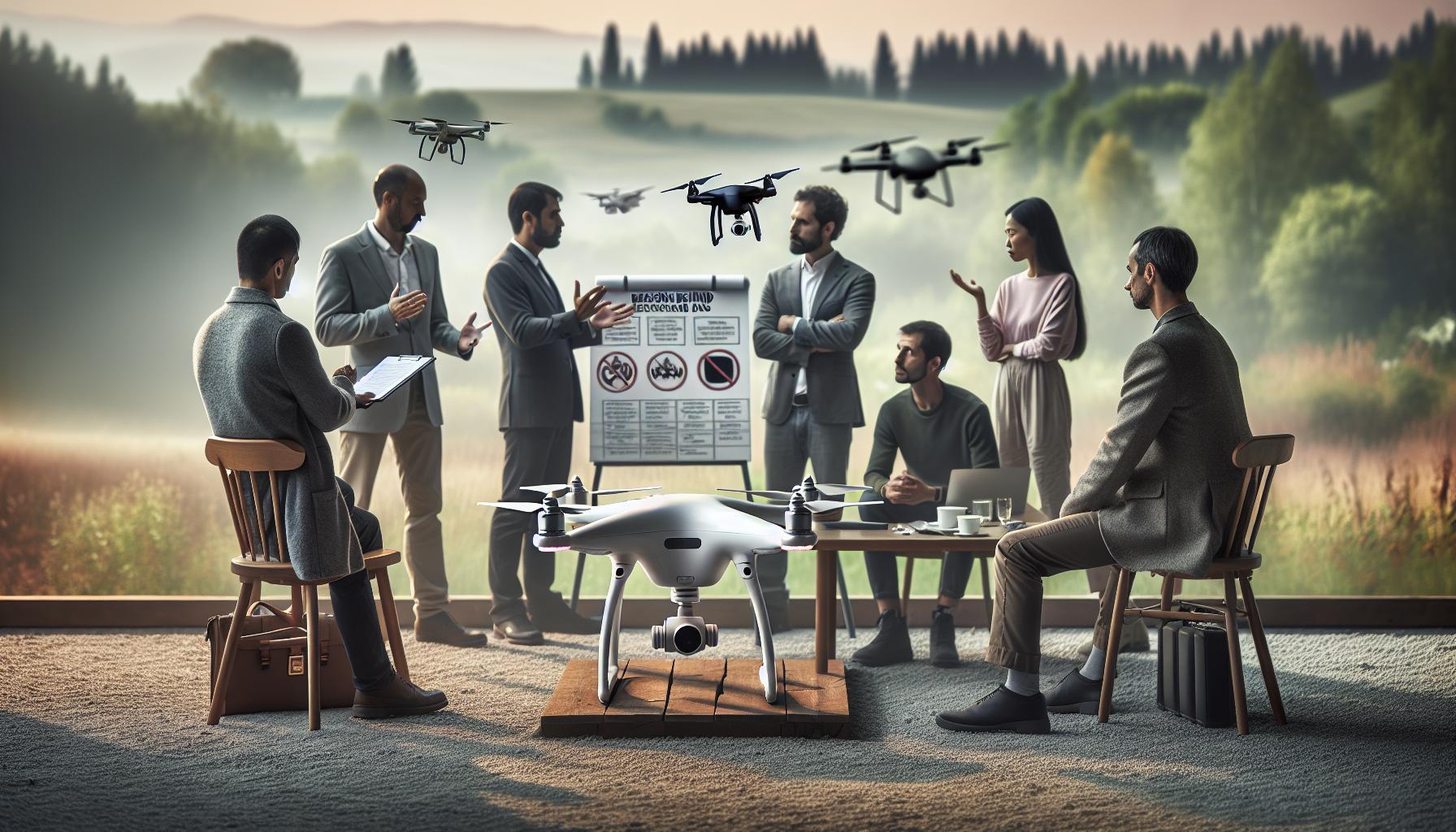
What Drone Pilots Must Know About Compliance
Understanding and navigating the complexities of compliance is crucial for drone pilots, particularly in the context of increasing scrutiny around DJI drones. As legislative changes loom and regulations tighten, being proactive not only helps you avoid potential fines or legal issues but also enhances the safety and integrity of your flying practice. A foundational aspect of compliance revolves around knowing where you can legally fly and understanding the laws specific to DJI products, especially in areas like federal regulations and state-specific laws that may impose additional restrictions.
To ensure compliance, consider the following key steps:
- Stay Informed: Monitoring the latest regulations regarding drone use is essential. Regularly checking the FAA’s updates or subscribing to drone news platforms keeps you abreast of changes that might impact your operations.
- Understand Local Laws: Different states and municipalities may have unique rules concerning drone flights. Be aware of these regulations and ensure you are compliant in your specific area.
- Register Your Drone: If your drone is above a certain weight (typically 0.55 lbs), ensure it’s registered with the FAA. This helps you stay within the legal framework and enhances accountability.
- Adhere to Flight Restrictions: Pay close attention to no-fly zones, which are often established around airports and sensitive sites. Utilize apps that show real-time airspace data to ensure your flight paths are compliant.
- Educate Yourself: Familiarize yourself with the features and limitations of your DJI drone model. Understanding how to operate your drone efficiently in compliance with legal standards can prevent inadvertent violations.
As public safety and national security concerns continue to shape drone regulation, pilots of DJI and other brands should remain vigilant. For instance, some federal agencies might prohibit the use of DJI drones altogether, so understanding which entities might restrict your operations can save you from future issues. Additionally, local businesses and parks may have their own rules regarding drone flights. It’s beneficial to reach out and confirm guidelines with property owners or local authorities prior to flying.
Finally, being proactive about compliance not only ensures your ability to operate legally but also promotes a more responsible and positive perception of drone usage within your community. Engaging in discussions about drone safety, respecting privacy issues, and sharing information on compliant flying can enhance mutual understanding between pilots and the public, thus fostering a safer environment for everyone involved.
Impact of DJI Drone Bans on Professional Operators
With the ongoing push from various U.S. legislators to impose restrictions on DJI drones due to national security concerns, professional operators find themselves in a precarious position. A ban on DJI products could severely disrupt workflows and operational capabilities, especially for those who rely on these drones for critical tasks such as infrastructure inspections, emergency response, and aerial photography. The impact isn’t merely theoretical; it has been estimated that the total economic damage from limiting DJI drones could reach hundreds of millions of dollars, crippling opportunities across multiple sectors.
Professional operators using DJI drones must now navigate a landscape fraught with uncertainty. For instance, public safety organizations that utilize DJI UAVs for search and rescue missions could see significant setbacks, potentially endangering lives if alternative solutions are not readily available. Many municipalities and agencies have grown accustomed to the reliability and ease of use offered by DJI models, making any sudden transition to different brands a logistical nightmare. Aerial imaging companies, too, might face disruptions as they grapple with the prospect of simultaneously adjusting their business models while staying compliant with emerging regulations.
To mitigate the impact, operators are advised to explore a few strategic steps:
- Diversify Equipment: Consider integrating a variety of drone models from different manufacturers to avoid dependency on a single brand. This diversification can provide flexibility to adapt to changing regulations.
- Stay Informed: Keep up with the latest news and legal developments regarding drone regulations. Joining professional organizations or engaging in forums can help in sharing knowledge and obtaining collective insights.
- Build a Contingency Plan: Assess current operations and develop a plan that outlines steps to take if DJI drones are banned. This may involve identifying alternative drones that fit operational needs or establishing partnerships with other drone service providers.
- Engage in Advocacy: Participate in advocacy efforts aimed at influencing policy decisions. Connecting with legislators to highlight how bans could negatively affect various sectors could help shape more favorable outcomes.
By taking proactive measures now, operators can prepare themselves for the potential upheaval that drone bans may bring. The key will be to remain adaptable and resilient in the face of change, ensuring their operations continue with minimal disruption, regardless of the regulatory environment.
Navigating the Challenges of U.S. Drone Regulations
Navigating the rapidly evolving landscape of U.S. drone regulations can feel like maneuvering through a complex maze, especially in light of the potential bans and restrictions impacting DJI products. As the debate surrounding national security intensifies, drone operators are urged to stay vigilant and informed. The looming automatic ban on DJI products effective December 23, 2025, contingent upon an audit that may or may not occur, serves as a stark reminder of the importance of compliance with regulatory standards. Understanding these regulations is essential not only for legal operation but also for safeguarding investments in drone technology.
One of the most significant challenges faced by operators is the uncertainty surrounding compliance in the context of U.S. laws. Various pieces of legislation, such as the National Defense Authorization Act (NDAA), can have immediate and long-lasting implications on the use of foreign-manufactured drones. Operators should familiarize themselves with the laws that govern drone operations, focusing on the specifics related to procurement and usage of UAVs from companies that may be scrutinized for security risks. A practical approach involves maintaining a comprehensive log of drone purchases and operations, demonstrating adherence to applicable regulations should the need arise for audit or review.
To alleviate potential impacts of the regulatory environment, operators should prioritize flexibility in their drone fleets. Diversifying equipment options allows for a smoother transition in the event of a ban. Exploring alternatives compactly ensures that operational capabilities remain intact, even amidst regulatory upheavals. Additionally, forging relationships with manufacturers and attending industry forums can provide critical insights into best practices and regulatory updates, emphasizing the value of community engagement in navigating these challenges.
Finally, building a contingency strategy is crucial. Operators should assess their current workflows and consider alternate drone models that align with their operational needs. Investing time in research can yield significant advantages, ensuring that they remain competitive while aligning with the compliance requirements. Ultimately, a proactive mindset coupled with a robust understanding of regulatory frameworks will empower drone operators to navigate these turbulent waters with confidence and adaptability.
International DJI Drone Regulations You Should Know
It’s essential for drone operators to navigate the complex web of international regulations surrounding the use of DJI drones, especially as various countries impose their own restrictions based on security concerns, privacy issues, and the technology’s origin. For instance, the proliferation of drone technology has led to an increase in governmental scrutiny over foreign-manufactured drones, particularly those from China, stirring debates in various parts of the world.
When flying DJI drones abroad, operators must be aware that regulations can differ significantly from one country to another. In places like the European Union, strict guidelines mandate drone registration and categorization based on weight and operational purpose, thereby impacting the legal status of DJI drones. Operators should familiarize themselves with local laws, which can typically be found on governmental aviation authority websites. Such diligence not only ensures compliance but also promotes safety and trust within local communities.
Key Geographic Considerations
Understanding the legal landscape extends beyond mere compliance; it also involves recognizing specific territorial conditions. For instance, countries like India have implemented stringent regulations, requiring operators to register their drones and obtain permits for flying in designated zones. In contrast, some regions in South America may offer more lenient frameworks but might still require adherence to local aviation regulations, such as altitude restrictions and no-fly zones near airports.
To optimize compliance, here are a few best practices for international DJI drone operations:
- Research and Understand Local Laws: Before operating, check official aviation authority resources for regulations specific to drone operations.
- Obtain Necessary Permits: If required, secure necessary licenses or permits for commercial applications of drones.
- Be Aware of Temporary Restrictions: Some regions may impose temporary no-fly zones, particularly during events or natural disasters.
- Engage with Local Communities: Building relationships with local drone operators can provide insights into the regulatory environment and operational best practices.
By staying informed and compliant with international regulations, drone pilots can continue to harness the benefits of DJI technology while respecting the legal frameworks designed to ensure safe and responsible aerial operations around the globe.
How to Stay Updated on DJI Drone News and Policies
Staying informed about the latest developments regarding DJI drones is crucial for operators who want to navigate the complex landscape of regulations and potential bans. With rapid changes in legislation, technological advancements, and safety protocols impacting how and where you can fly, accessing reliable information is paramount. Engaging with various sources will empower both hobbyists and professionals to make informed decisions, ensuring safe and compliant drone operation.
One effective way to remain updated is to subscribe to reputable drone news outlets and websites dedicated to UAV technology. Platforms like UAV Coach and DroneDJ frequently publish articles regarding regulatory changes, industry trends, and insights specific to DJI drones. Utilizing social media channels to follow these organizations or relevant thought leaders can also provide real-time updates and discussions surrounding the latest news and legislative actions. Engaging with online communities, such as forums or specialized groups on platforms like Reddit or Facebook, allows operators to share experiences and knowledge, which can enhance understanding of local regulations and compliance strategies.
To complement these online resources, consider enrolling in newsletters from national aviation authorities or organizations overseeing drone regulation in your region. For instance, the Federal Aviation Administration (FAA) in the U.S. delivers updates directly to subscribers regarding policy changes, safety alerts, and new guidelines affecting drone operations. This direct line of communication ensures that operators are not only aware of existing laws but are also informed about upcoming reviews and potential adjustments-such as the recent concerns about the NDAA review affecting DJI drones in 20251.
Finally, attending industry workshops and webinars offers invaluable opportunities for hands-on learning. These events often feature experts sharing their knowledge on the latest regulations, compliance strategies, and drone technology advancements. Furthermore, they foster networking opportunities, enabling pilots to connect with others in the drone community, share best practices, and discuss the implications of DJI’s status in the current regulatory climate. By combining various information sources and actively participating in the community, drone operators can navigate the complexities of UAV regulations and stay ahead of any emerging challenges.
Best Practices for Responsible Drone Use
To achieve responsible drone use, understanding the essential practices and protocols is key, especially in light of potential regulatory changes affecting DJI drones. The safety of your flights profoundly relies on meticulous pre-flight checks and adherence to guidelines designed to protect both people and property. Before each flight, it’s critical to verify that your drone is in optimal condition-this includes checking battery levels, inspecting propellers for damage, and ensuring that the firmware is up to date to prevent malfunctions in the air.
Compliance with local regulations is non-negotiable and should always be your priority. For instance, familiarize yourself with the FAA’s regulations if you’re flying in the U.S., including altitude limits, no-fly zones, and registration requirements for commercial use. Many DJI drones come equipped with built-in geofencing to help pilots avoid restricted areas, but it is also incumbent upon the pilot to be aware of current local laws and temporary flight restrictions, especially in densely populated areas or during events like natural disasters.
Strong situational awareness can mitigate risks associated with drone operation. Always remain visually aware of your drone’s location and environment, and avoid flying in adverse weather conditions that could impair visibility or control. Use tools like the DJI Fly app’s safety features, which can assist in assessing proximity to obstacles and managing the altitude.
Lastly, engaging with the drone community can provide invaluable insights into best practices. Online forums, local meetups, and workshops are excellent platforms to learn from experienced pilots and stay updated on industry developments. Sharing knowledge about your experiences with DJI products can help foster a culture of responsible flying and navigate the changing legal landscape together. By making informed decisions and observing these best practices, you’ll not only enhance your flying skills but also promote safety and compliance in the ever-evolving world of drone operation.
Alternatives to Banned DJI Drone Models
As pilot preferences and regulations evolve, exploring alternative drone models becomes increasingly important, especially for those who rely on DJI drones for photography, videography, and even professional inspections. The overarching concern regarding DJI drones often stems from geopolitical issues and regulatory actions, leading many operators to seek substitute options that fulfill similar capabilities.
One standout alternative is the Autel Robotics EVO Lite+. This drone boasts a powerful camera with a 1-inch sensor, delivering impressive 50MP stills and 6K video at 30 frames per second. It also features a robust flight time of up to 40 minutes and intelligent flight modes that appeal to enthusiasts and professionals alike. The EVO Lite+ has gained traction due to its user-friendly features, competitive pricing, and comprehensive companion app, making it a worthy contender for those looking to switch from DJI.
Another strong competitor is the Skydio 2, known for its advanced obstacle avoidance technology and exceptional autonomous flying capabilities. It utilizes artificial intelligence to navigate complex environments, making it ideal for inspections and capturing dynamic footage without a dedicated pilot’s input. Though its price point may be higher, its capability to operate in tight spaces without crashing makes it a compelling choice for businesses focused on drone-based inspections and outdoor activities.
For those who prioritize affordability without compromising on quality, the Holy Stone HS720E is an excellent entry-level option. With 4K HD camera capabilities, GPS-assisted features, and an astonishingly stable flight experience, this drone is perfect for hobbyists and beginners who want to explore aerial photography. It also offers a decent flight time and built-in safety features, making it a great training tool for new drone operators approaching the market.
When considering substitutes for DJI models, it’s crucial to examine the specific needs of your drone operations, including camera quality, flight reliability, ease of use, and local regulatory compliance. Engaging with fellow pilots via forums and community resources can also provide insights on which alternatives have proven effective in real-world scenarios. This ongoing dialogue within the drone community can guide informed decisions in an ever-shifting landscape and ensure smooth transitions to new models, enhancing one’s flying experience while adhering to regulations.
Frequently Asked Questions About DJI Drone Bans
As the regulatory landscape for drone usage continues to evolve, many drone enthusiasts and professionals are left wondering about the status of DJI drones in the U.S. Understanding the specifics can alleviate some concerns. Currently, DJI drones are not outright banned; however, proposed legislation, including the Countering CCP Drones Act aiming to address data security issues, could significantly restrict their use in the future [1[1].
One important aspect to consider is that if the proposed reviews of DJI products aren’t completed by December 2025, these drones may be classified under the Federal Communications Commission’s “covered list.” This would ultimately limit their operational capacity regarding bandwidth use in the United States, severely affecting commercial and public safety operators [1[1]. To stay ahead, pilots should keep an eye on legal developments and prepare for potential compliance needs.
Another frequent question pertains to the implied risks associated with operating DJI drones amidst increased scrutiny by lawmakers. While the company asserts its commitment to data security, understanding how this might impact operational practices is vital for pilots concerned about their transactions and data privacy. Familiarizing oneself with data management best practices can help minimize risks in an atmosphere of uncertainty [3[3].
In light of these developments, drone operators should consider engaging with communities and forums dedicated to UAVs for the latest updates and practical advice on navigating the changing regulations. Staying informed will empower users to make educated decisions regarding their drone usage and investments, ensuring compliance and operational readiness in an evolving regulatory environment.
FAQ
Q: Are all DJI drones banned in 2025?
A: No, not all DJI drones are banned yet. However, under Section 1709 of the FY25 National Defense Authorization Act, there are significant restrictions that could lead to a ban on DJI drones. Operators should stay updated on the legislation to understand the scope of potential bans[2].
Q: What is Section 1709 of the NDAA 2025?
A: Section 1709 of the NDAA 2025 targets DJI drones specifically, proposing to halt their operations in the U.S. within a year of enactment due to national security concerns. This legislation expands on previous restrictions and could drastically change the landscape for commercial drone operators[2].
Q: How will the DJI drone ban affect commercial drone pilots?
A: The proposed ban may require commercial drone pilots to transition to alternative drone models. Compliance with new regulations and potential market shifts could impact their operations significantly, making it essential to follow up on legislation developments[3].
Q: When will DJI drones potentially be banned?
A: If Section 1709 of the NDAA 2025 passes, all DJI drones could be banned within a year of its enactment. It is crucial for operators to monitor timelines and prepare for compliance[1].
Q: What should drone operators do to prepare for the DJI ban?
A: Drone operators should stay informed about the legislative process and explore alternative drone options. It’s essential to develop a plan for compliance or transition, and adhere to best practices for responsible drone use during this period of uncertaintyp1.
Q: Are there alternatives to DJI drones in 2025?
A: Yes, various manufacturers offer alternatives to DJI drones, including models from Autel, Parrot, and Skydio. Researching these options can prepare operators for a potential shift away from DJI products[2].
Q: Why are there restrictions on DJI drones?
A: Restrictions stem from national security concerns regarding data privacy and potential ties to the Chinese government. U.S. lawmakers are tightening regulations to safeguard sensitive information, which has fueled the ongoing discussions about banning DJI products[3].
Q: How can I stay updated on DJI drone regulations?
A: To stay updated, regularly check news outlets and official government websites that cover drone legislation. Engaging with drone industry forums or organizations can also provide timely updates on regulatory changes and best practices[1].
Wrapping Up
As we’ve explored in “Are DJI Drones Banned? 2025 Status & What Pilots Need to Know,” it’s crucial to stay informed about the evolving regulations that impact your flying experience. Understanding the legal landscape not only protects you as a pilot but also enhances your enjoyment of this remarkable technology. If you have lingering questions or need expert advice, be sure to check out our comprehensive guides on drone setup, firmware updates, and advanced features like obstacle avoidance.
Don’t miss out on the latest insights-subscribe to our newsletter for updates and exclusive content tailored to your drone flying journey. Explore our in-depth reviews and comparisons of DJI models like the Mini, Mavic, and Phantom to find the perfect fit for your needs. Your next adventure awaits, so stay engaged and empowered in the world of drones!