In the world of aerial photography and videography, DJI drones have carved out a significant reputation. Known for their advanced technology, user-friendly interfaces, and exceptional image quality, they offer something for everyone-from beginners capturing everyday moments to professionals creating stunning cinematic visuals. However, with a variety of models available, potential buyers often grapple with the essential question: Are DJI drones really worth the investment? This review seeks to delve into the strengths and weaknesses of DJI drones, providing an honest assessment that will empower you to make an informed decision. Whether you’re curious about their ease of use, durability, features, or overall performance, this comprehensive evaluation aims to address your concerns and guide you in choosing the perfect drone that aligns with your specific needs and aspirations. Join us as we explore the fascinating world of DJI drones, unlocking the insights necessary for your next aerial adventure.
Are DJI Drones Right for You? A Comprehensive Overview
Selecting a DJI drone is not just about owning the latest technology; it’s about understanding your needs, skill level, and how you plan to use the drone. DJI has established itself as a leader in the drone market, offering a range of models that cater to everyone from casual hobbyists to professional filmmakers. The brand’s innovative features like obstacle avoidance, superior camera capabilities, and user-friendly interfaces greatly enhance the flying experience. However, prospective buyers should consider whether these advanced features align with their specific requirements and budget.
For instance, if you’re a beginner looking to enter the world of aerial photography, a model like the DJI Mini could be perfect due to its compact size, ease of use, and affordability. On the other hand, professionals looking for higher-end specifications to capture stunning visual content might opt for the Mavic 3, which boasts enhanced flight time, camera quality, and advanced autonomous features. Therefore, understanding the various models and their functionalities is crucial in determining which DJI drone is right for you.
Additionally, it’s essential to factor in other aspects, such as legal regulations in your area regarding drone usage, potential maintenance requirements, and whether you’re more inclined toward indoor or outdoor flying. For example, flying drones in crowded urban environments may necessitate models equipped with advanced safety features. Ultimately, conducting thorough research, engaging with user communities, and considering real-world experiences will empower you to make an informed decision that fits your specific drone flying aspirations.
Key Considerations
- Purpose: Understand what you need the drone for-photography, videography, surveying, or racing.
- Skill Level: Assess whether you prefer an entry-level drone with simplified controls or are ready for a more advanced model.
- Budget: Set a clear budget, including any necessary accessories and ongoing costs like insurance or repairs.
With these factors in mind, you’ll be better equipped to choose a DJI drone that not only meets your expectations but also enhances your flying experience, paving the way for newfound creativity and fun.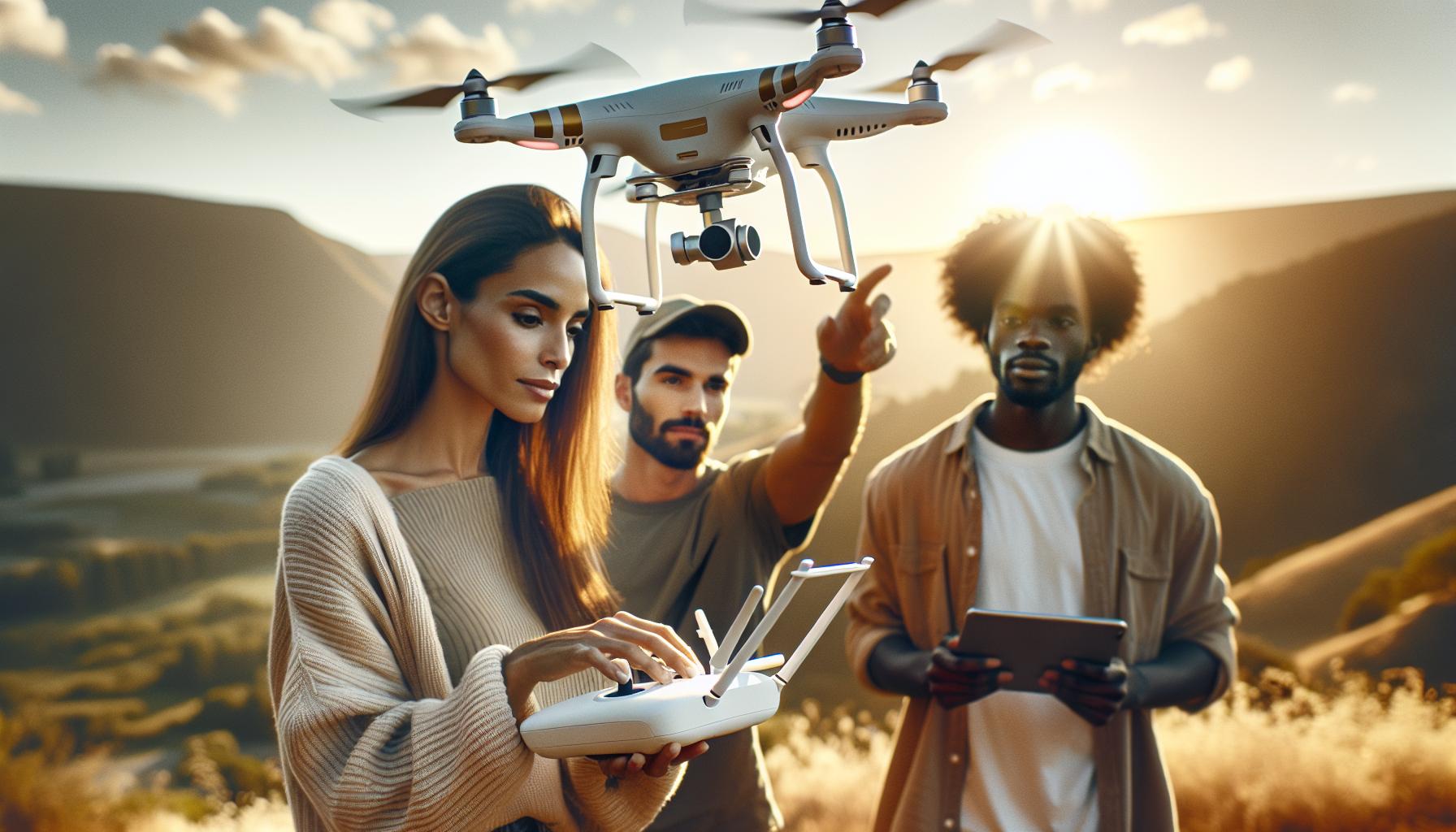
Key Features of DJI Drones You Should Know
DJI drones come packed with features that significantly enhance their usability and performance, making them a favorite choice among both hobbyists and professionals alike. One of the standout features is the intelligent flight modes, which cater to various photography and videography needs. These modes include ActiveTrack, enabling the drone to follow a subject dynamically, and Waypoints, which allows users to set predetermined flight paths for precise, repeatable shots. Whether capturing breathtaking landscapes or tracking fast-moving subjects, these flight modes simplify the pilot’s workload and enhance creativity.
Another key feature is the advanced camera technology integrated into many DJI drones. Models such as the Mavic 3 and Air 2S boast high-resolution cameras capable of shooting 4K video and capturing stunning 20 MP still images. These cameras also come equipped with intelligent HDR capabilities and a wide dynamic range, allowing for exceptional performance in varying lighting conditions. Additionally, features like gimbal stabilization ensure smooth footage, even in challenging weather or during rapid maneuvers, showcasing the brand’s commitment to quality image capture.
In terms of safety and regulatory compliance, DJI drones are equipped with obstacle avoidance sensors that help prevent collisions during flight. This technology utilizes forward, backward, and downward sensors to detect obstacles and automatically adjust flight paths, reducing the risk of accidents. Coupled with geofencing capabilities, which restrict flight in certain sensitive areas (like airports and prisons), DJI has taken significant steps to empower users while promoting safe operating practices.
These features combine to offer users a seamless flying experience, marked by both autonomy and safety. Familiarizing yourself with these functionalities will not only enhance your operational skill but also boost your confidence in utilizing the drone for various applications, whether it be aerial photography, recreational flying, or surveying landscapes. Ultimately, understanding what these features can do for you as a pilot is essential in maximizing the potential of your DJI drone.
Comparing Popular DJI Drone Models
When considering the right DJI drone for your needs, it’s essential to know how their diverse lineup caters to different user requirements, from beginners to seasoned professionals. DJI offers various models, each with unique features, strengths, and intended use cases. By comparing these popular models, you can identify the one that aligns with your expectations and skill level.
The DJI Mini Series, known for its lightweight design and user-friendliness, is perfect for beginners and casual users. The DJI Mini 3 stands out with its 4K HDR video capabilities and an impressive flight time of up to 51 minutes. For those looking for an enhanced experience, the DJI Mini 4 Pro offers advanced features like obstacle avoidance and intelligent flight modes, appealing to budding enthusiasts aiming to improve their aerial photography skills without being overwhelmed.
For more advanced users, the Mavic Series is a popular choice. The DJI Mavic 3 features a dual-camera system that captures stunning stills and video in various conditions, coupled with exceptional flight time and advanced obstacle avoidance technology. This model is ideal for professional photographers and videographers who demand top-notch performance and imaging quality. On the other hand, the DJI Air 2S strikes a balance between performance and portability, offering a robust feature set, including a large 1-inch sensor that excels in low-light situations and supports 5.4K video.
For specialized applications, the DJI Phantom Series remains a go-to for aerial mapping and surveying, thanks to its reliability and performance. However, the DJI Avata, designed for immersive flying experiences, offers a unique perspective with its first-person view (FPV) capabilities, making it an exciting option for enthusiasts interested in dynamic maneuvers and racing.
Ultimately, selecting the right drone involves balancing your specific needs, whether they lean towards professional filmmaking, casual hobby flying, or unique applications like mapping. By understanding the nuances of each model, you can make a well-informed decision that ensures a rewarding flight experience tailored to your ambitions.
Understanding DJI Drone Specifications
Understanding the specifications of DJI drones is crucial for both beginners and seasoned pilots alike. With various models tailored to distinct user needs, comprehending these specifications can help optimize your flying experience. One of the first numbers to look out for is the camera resolution; various models offer anywhere from 12 MP in entry-level drones to over 20 MP in professional-grade devices. The DJI Mavic 3, for example, boasts a dual-camera system that enables stunning 5.1K video resolution, capturing intricate details in a broad range of environments.
Another key specification is flight time, which significantly influences how you plan your shoots or adventures. The DJI Mini 3 offers an impressive flight duration of up to 51 minutes, allowing ample time for both exploration and capturing footage. In contrast, more advanced drones, such as the Mavic Air 2, offer around 34 minutes, but the added features and camera capabilities might justify the trade-off in time. It’s essential to recognize that real-world conditions-like wind speed and temperature-can affect these numbers, so always plan flights with a buffer in mind.
When evaluating performance, the range is equally vital. Many DJI drones feature ranges from several kilometers to over 18 kilometers, like in the case of the Mavic 3. This capability empowers users to explore vast areas or capture shots from impressive distances, but it’s crucial to remember that local laws may restrict your flying range and altitude. Understanding the drone’s maximum transmission range will help prevent data loss and maintain control during flights.
Lastly, consider features like obstacle avoidance systems, which enhance safety, especially for those new to piloting. The DJI Air 2S, for instance, is equipped with forward, backward, and downward sensors that help prevent collisions, allowing users to focus more on capturing stunning shots without worrying as much about navigating obstacles. These specifications not only reflect technical capabilities but also empower pilots with the confidence to explore new heights in aerial photography and videography. By familiarizing yourself with these specifications, you can choose a DJi drone that aligns perfectly with your aspirations, skill level, and environmental factors.
Setting Up Your DJI Drone: A Step-by-Step Guide
Getting started with your DJI drone can be an exciting journey, but proper setup is essential to ensure you’re ready for a smooth flying experience. The following guide outlines the key steps to get your drone airborne, from unboxing to calibrating your settings. Remember, each model may have specific nuances, so consulting the user manual for your particular drone is always a good idea.
Unboxing and Initial Setup
Begin by carefully unboxing your DJI drone. Ensure you have all components: the drone itself, remote controller, batteries, propellers, and any additional accessories. Follow these steps for initial setup:
- Charge the Batteries: Before the first flight, fully charge your drone batteries and remote controller using the provided chargers. This usually takes a couple of hours.
- Install the Propellers: Attach the propellers securely. Make sure to match the markings (usually color-coded) on the motor and propeller for proper installation.
- Download the DJI App: Download the DJI Fly, GO 4, or the appropriate app for your model on your smartphone or tablet. This app will help you manage settings and receive real-time data during flights.
Firmware Updates
Connecting your drone to the app is crucial for keeping your firmware up to date. Firmware updates can enhance functionality and fix bugs. To update:
- Open the app and connect your smartphone to the drone’s Wi-Fi.
- Follow the app’s prompts to check for updates, and download any available firmware updates.
- Verify that the updates complete successfully before your first flight.
Calibrating Your Drone
Calibration is vital for ensuring stable flight. Most DJI drones require compass and IMU (Inertial Measurement Unit) calibrations:
- Compass Calibration: Follow the app instructions, which typically involve rotating your drone horizontally and vertically until the app confirms calibration.
- IMU Calibration: This can usually be done from the settings menu in the app. Ensure your drone is on a flat surface and follow the prompts accurately.
Final Checks Before Flight
Before launching, conduct a final check:
- Battery Levels: Check the battery status of both the drone and the controller.
- GPS Signal: Ensure that the drone has a sufficient GPS lock-ideally, at least 7 satellites for optimal flight.
- Safety Features: Familiarize yourself with the return-to-home feature, obstacle avoidance settings, and other safety mechanisms.
Properly setting up your DJI drone not only improves your initial experience but also lays the groundwork for safe and effective flying. With everything in place, you’re ready to embark on your aerial adventures, capturing stunning footage while enjoying the thrill of flight.
Mastering DJI Drone Flight Modes and Techniques
Mastering the intricacies of DJI drone flight modes and techniques can significantly enhance your aerial photography or videography skills. DJI drones offer a variety of flight modes designed to assist both novice and seasoned pilots in capturing stunning footage with ease.
One of the most useful modes is GPS Mode, which stabilizes the drone using GPS satellites. This is ideal for beginners, as it allows for smooth flight and easier control. By maintaining its position automatically, the drone enables pilots to focus on capturing images or video without worrying about drift. On the other hand, ATTI Mode disengages the altitude hold, allowing for more dynamic maneuvers at the cost of stability. This mode is preferred by experienced pilots for advanced filming techniques and is great for capturing fast-moving subjects.
In addition to these foundational modes, DJI drones frequently feature intelligent flight modes like ActiveTrack, Waypoint, and Circle. ActiveTrack automatically follows a subject, adjusting the drone’s position to keep the target in frame. This is perfect for recording action shots, whether you’re filming a mountain biker descending a trail or a runner on a beach. The Waypoint mode allows you to predefine a flight path by selecting multiple GPS points. This is extremely beneficial for repeatable shots in filmmaking or surveying landscapes. Lastly, the Circle mode enables the drone to fly in a circular path around a subject, creating stunning cinematic shots.
Understanding and utilizing these flight modes not only aids in capturingprofessional-qualityfootagebutalsoenhancesyourpilotingskillsRememberpracticemakesperfect-flyingindifferentmodeswillprepareyouforavarietyofshootingscenariosAlwaysmonitoryoursurroundingsandadheretolocalregulationswhileflyingassafetyshouldremainattheforefrontofyourdroneoperationsWiththerightapproachandtechniquesyou’llharnessyourDJIdrone’sfullpotentialto
Essential Accessories for Your DJI Drone
Investing in a DJI drone can open up a world of aerial creativity, but to truly maximize your experience, having the right accessories is essential. These tools not only enhance the functionality of your drone but also help protect your investment and improve your overall flying experience.
One of the must-have accessories is extra batteries. Drone flights can be short-lived, often lasting between 20 to 30 minutes, depending on the model and conditions. Having a few spare batteries allows for extended flying time and minimizes downtime between flights. Additionally, consider a multi-battery charger, which can charge multiple batteries simultaneously, ensuring you’re always ready for your next adventure.
Another crucial accessory is a protective case. Whether you’re traveling to a shoot or simply storing your drone at home, a high-quality case offers protection against impacts and the elements. Look for cases with custom cutouts for your specific drone model, ensuring all parts, from the controller to spare props, fit snugly and securely. This not only safeguards your equipment but also makes transportation much easier.
Filters are also highly recommended for enhancing your aerial photography. ND filters help control exposure and improve image quality by reducing glare and maintaining color saturation. This becomes invaluable when shooting in bright conditions, allowing you to capture more cinematic footage with better motion blur effects.
Moreover, a set of high-performance propellers can make a significant difference in flight performance. Upgrading to quieter or more efficient propellers can improve battery life and reduce noise pollution, which is beneficial in residential areas.
Lastly, don’t overlook software and firmware updates. Keeping your drone’s software up to date ensures you have access to the latest features and performance enhancements, allowing you to leverage the full capabilities of your DJI drone.
Incorporating these accessories into your drone setup not only enhances performance but also enriches your flying experience, creating more opportunities for stunning aerial shots and seamless operation. Always consider your specific needs and flying style when choosing the right additional gear to ensure you get the most out of your DJI investment.
Troubleshooting Common DJI Drone Issues
Operating a DJI drone, while exhilarating, can occasionally lead to frustrating issues that disrupt your flight experience. Understanding common troubleshooting techniques can save you time and enhance your enjoyment. Many users report connectivity problems such as the remote control becoming unresponsive during flight after a firmware update. For example, posts in forums reveal instances where the controller’s screen freezes while the drone remains functional, requiring a restart of the remote to regain control. This can be particularly troublesome when you’re attempting to capture specific shots [1[1].
To address such glitches, first ensure that your firmware is up to date across all devices. DJI frequently releases updates that resolve bugs and improve performance. If problems persist, it may help to recalibrate your remote control and drone, as misalignments can cause connectivity issues. Restarting both devices before flying can also mitigate these problems.
A common issue among novices is not properly understanding the drone’s battery management system. Always monitor battery levels closely and ensure that you’re using batteries compatible with your specific model. Sudden drops in battery performance can lead to unexpected landings or loss of control.
When experiencing obstacles with obstacle detection or flight modes, it’s crucial to be aware of your surroundings. Interference from strong Wi-Fi signals or obstacles in the environment can disrupt the sensors, affecting the drone’s ability to navigate safely. Take time to familiarize yourself with the flight modes and consult the joystick sensitivity settings to maximize control and performance during each flight.
By staying informed about these common issues and maintaining your equipment, you can enjoy a smoother flight experience with your DJI drone. Continuous learning and adapting to the nuances of your device not only enhances your skills as a pilot but also ensures that your time in the air remains safe and enjoyable.
Legal and Safety Guidelines for DJI Drone Pilots
Flying a drone comes with a responsibility that extends beyond simply piloting it through the skies. In fact, understanding the legal and safety guidelines is crucial not just for compliance, but for ensuring the safety of yourself, others, and the airspace you operate in. As drone technology continues to evolve, regulatory measures are becoming stricter to cope with the increasing number of pilots and UAVs taking to the air. Familiarizing yourself with these rules will empower you to fly confidently and lawfully, enhancing your overall experience.
To start, research the regulations laid out by your local aviation authority. In the United States, the Federal Aviation Administration (FAA) has established clear guidelines for both recreational and commercial drone use. For instance, all drone pilots must register their drones weighing over 0.55 pounds, maintain a visual line-of-sight with their aircraft, and avoid flying above 400 feet. Moreover, always check for temporary flight restrictions (TFRs) in your flying area, especially near airports, stadiums, or during special events, as these can affect your ability to fly safely.
Safety should always be your top priority. Following some straightforward protocols can help mitigate risks significantly:
- Pre-flight checks: Before every flight, inspect your drone for any physical damage and ensure that the battery is fully charged.
- Weather awareness: Avoid flying in bad weather conditions, such as heavy winds or rain, which can impair drone operation.
- Respect privacy: Be mindful when flying over residential areas and avoid capturing footage of individuals without their consent.
- Emergency protocols: Familiarize yourself with your drone’s emergency features, such as return-to-home and fail-safe modes, which can prevent accidents in critical situations.
Additionally, consider joining a local drone club or community. These groups often conduct training sessions and workshops focused on safe flying practices and regulatory compliance. Engaging with fellow pilots can provide valuable insights and up-to-date information about local flying conditions and legal requirements.
Being aware of the laws and actively prioritizing safety will not only enhance your skills as a drone pilot but also contribute to a responsible flying culture within the community. As you embrace the thrill of flying DJI drones, staying informed and adhering to guidelines will ensure your adventures remain enjoyable and trouble-free.
Maximizing Performance: Maintenance and Updates
Keeping your DJI drone in peak condition not only extends its lifespan but also enhances your flying experience. Regular maintenance and timely updates are vital to maximizing performance, ensuring smooth operation, and keeping your drone equipped with the latest features. From firmware updates to battery care, understanding these essential practices can make a significant difference in your drone’s functionality and reliability.
Firmware updates are one of the simplest yet most effective maintenance steps. DJI frequently releases updates that improve flight stability, enhance features, and correct potential issues. To update your drone, simply connect it to the DJI Fly or DJI GO app, and follow the prompts to install the latest software. This process is user-friendly, and keeping your firmware updated ensures you benefit from the latest performance enhancements and safety features.
Battery maintenance is equally critical. Lithium-polymer batteries, commonly used in DJI drones, should be handled with care to ensure longevity. Always charge your batteries using the original charger, avoid deep discharges (letting the battery drop below 20%), and store them in a cool, dry place. Keeping batteries between 40% to 60% charge during storage will help prolong their lifespan. Regularly inspect your batteries for any signs of swelling or damage; replace any faulty batteries immediately to maintain safety during flights.
Furthermore, consider performing periodic physical inspections of your drone. This includes checking for any unusual wear or damage on the frame, propellers, and camera. Properly calibrating the gimbal, which stabilizes the camera for optimal photography, will also enhance the quality of your shots. To calibrate the gimbal, access the settings in the DJI Fly or DJI GO app, and follow the calibration process, usually involving letting the drone rest on a flat surface during the procedure.
Taking these maintenance steps will not only improve your drone’s performance but also empower you to enjoy uninterrupted flying experiences. By incorporating routine updates and careful handling practices into your flying regimen, you transform your DJI drone from a mere gadget into a reliable companion for all your aerial adventures.
User Experiences: Real-World Reviews of DJI Drones
User experiences with DJI drones vary significantly, but a common thread among enthusiasts and professionals alike is their high regard for the brand’s reliability and performance. Many pilots laud the user-friendly interfaces of DJI’s drones, particularly the intuitive DJI Fly and GO apps. These applications simplify tasks such as setup, flying, and post-flight analysis, making them accessible even for beginners. For instance, a new drone pilot highlighted that the comprehensive tutorials and flight tutorials embedded within the apps helped them master flying techniques quickly, allowing them to capture stunning aerial footage from their very first flight.
A frequent point of praise revolves around the advanced camera capabilities of DJI drones. Users often report that models like the Mavic Air 2 and Mini 2 produce exceptional image quality, thanks to their high-resolution sensors and optimized stabilization systems. One user shared their experience using the Mavic Air 2 to document a family trip, mentioning that the 4K video quality exceeded their expectations, capturing vibrant colors and sharp details even in challenging lighting conditions. The drone’s HDR video function became a favorite feature, enabling them to convey the true essence of their experiences without extensive post-processing.
However, not all experiences are without challenges. Some users have encountered difficulties with connectivity and GPS signal loss, particularly in urban environments or during long-distance flights. These issues can be frustrating, especially for users who relied on the drone for critical aerial photography or surveying tasks. One Mavic 2 Pro owner noted that they had to familiarize themselves with various recalibration techniques to maintain optimal flight stability. This experience highlights the necessity for pilots to be well-versed in troubleshooting techniques and community advice, as online forums often provide valuable insights and solutions from other experienced users.
When considering accessories, DJI drones shine in their variety of compatible add-ons that enhance the flying experience. Pilot reviews frequently emphasize the benefits of upgrading to a better set of propellers or added battery packs for longer flight times. A user with the DJI Mini 3 shared that investing in an ND filter significantly improved their aerial photography, allowing for better control over exposure settings. Collectively, these insights paint a picture of a community that, while diverse in skill and experience, shares a commitment to exploring the full potential of DJI drones, driven by innovation and a passion for aerial creativity.
Buying Considerations: New vs. Refurbished DJI Drones
When considering the investment in a DJI drone, the choice between new and refurbished models can significantly impact your experience and satisfaction. New drones usually come with the latest technology, full warranties, and the peace of mind of being untouched by previous users. However, refurbished drones can offer excellent value, often available at a fraction of the cost of new ones, while still providing a reliable performance if purchased from reputable sources. Understanding the nuances of each option can help you make an informed decision tailored to your needs.
Advantages of New DJI Drones
Purchasing a new DJI drone guarantees the freshest tech, offering advancements in battery life, camera quality, and features not available in older models. Buyers also benefit from comprehensive warranties, which can cover defects and ensure that any issues are rectified by the manufacturer. This is particularly important if you plan to use the drone for professional purposes, where reliability and performance are crucial. In addition, purchasing new gives you full access to customer support, which can help you seamlessly navigate any setup issues or operational questions.
The Value in Refurbished DJI Drones
On the other hand, refurbished models represent an excellent entry point for those who may be budget-conscious or just starting in the drone hobby. Refurbished drones are typically inspected, repaired, and tested by professionals, ensuring they perform almost as well as new units. They often come with limited warranties, offering a safety net if something goes wrong. Ensure you buy refurbished drones from DJI’s official store or authorized dealers to avoid scams and ensure quality assurance. Many users have found their refurbished drones to be a solid choice, delivering performance close to new models at a fraction of the cost.
Key Considerations When Buying
Deciding between new and refurbished requires weighing several factors:
- Usage: If you’re a professional photographer or videographer, investing in a new drone might be worthwhile for the latest technology and support.
- Budget: For hobbyists or those just starting, refurbished models can provide an accessible way to enter the drone world without a significant upfront investment.
- Risk Tolerance: Understand that unverified refurbished models may come with risks concerning reliability and performance, so it’s vital to source them from trusted vendors.
- Features: Identify the specific features you need-if a refurbished model meets those requirements, it can be a win-win.
By understanding the benefits and potential pitfalls of both purchasing paths, you can make a confident decision that aligns with your aerial photography or recreational goals while ensuring you’re investing wisely in your drone journey.
Faq
Q: Are DJI drones worth the investment?
A: Yes, DJI drones are generally considered worth the investment due to their advanced technology, superior camera quality, and user-friendly features. They provide excellent value for both hobbyists and professionals looking for reliable performance and innovative capabilities.
Q: What makes DJI drones better than competitors?
A: DJI drones excel in features such as obstacle avoidance, advanced imaging systems, and intuitive controls. Their extensive range of models caters to various needs, from casual flying to professional photography, setting them apart from competitors.
Q: How long do DJI drones last?
A: DJI drones typically have a lifespan of 3 to 5 years, depending on usage and maintenance. Proper care, regular updates, and adhering to safety guidelines can significantly extend their longevity.
Q: Can you fly DJI drones in windy conditions?
A: While DJI drones are designed to handle some wind, flying them in highly windy conditions is not recommended. Check wind speed guidelines specified in the user manual to ensure safe operation and avoid damage.
Q: Are DJI drones easy to learn for beginners?
A: Yes, DJI drones are user-friendly, making them suitable for beginners. Features like GPS-assisted flight, automatic takeoff/landing, and intelligent modes simplify the flying experience, allowing new users to gain confidence quickly.
Q: What is the flight range of DJI drones?
A: The flight range of DJI drones varies by model, with many capable of flying up to 10 km (6 miles) or more. Advanced models like the Mavic series offer extended ranges, allowing for extensive exploration and photography.
Q: How do DJI drones perform in low-light conditions?
A: DJI drones, particularly higher-end models like the Mavic Pro and Phantom series, perform well in low-light conditions due to their advanced camera sensors and stabilization features. This makes them suitable for twilight and night photography.
Q: What are the common issues with DJI drones?
A: Common issues include battery life concerns, firmware update problems, and connection loss with remote controllers. Regular maintenance and timely updates can help troubleshoot and prevent these issues. For detailed troubleshooting, refer to specific sections in our guide.
Future Outlook
As we’ve explored throughout this review, DJI drones offer a remarkable blend of advanced technology and user-friendly features that cater to both beginners and seasoned pilots alike. Whether it’s for breathtaking aerial photography or mastering flight skills, investing in a DJI drone can elevate your experience to new heights. Don’t miss out on capturing stunning moments-take action today by checking out our recommended models and guides on setup and firmware updates.
If you’re eager to dive deeper, explore our detailed tutorials on gimbal calibration and common troubleshooting tips, ensuring you’re fully prepared for your next flight. Have questions or want to share your own experiences? Join the conversation in the comments below or connect with us on social media! Remember, the world of drone flying is just a click away, so subscribe to our newsletter for the latest updates and exclusive offers. Your next adventure starts now!