As drone technology continues to evolve, many enthusiasts and professionals are left wondering: are DJI drones legal in the U.S.? With drones becoming increasingly popular for various applications, from aerial photography to agricultural monitoring, understanding the current legal landscape is crucial for operators. Recent legislative efforts, such as the proposed Countering CCP Drones Act, highlight significant concerns about data security and potential ties between DJI and the Chinese government. This evolving scenario raises critical questions for pilots, whether you’re a seasoned operator or just starting your aerial journey. Delve into this article to explore the latest developments regarding the legality of DJI drones in the U.S., and equip yourself with the knowledge needed to navigate this complex issue safely and confidently.
Understanding the Legal Framework for DJI Drones
Navigating the legal landscape surrounding DJI drones can be daunting, yet it’s crucial for both hobbyists and professionals who wish to operate legally and responsibly. As aerial technology grows more intricate, understanding the regulations set by the Federal Aviation Administration (FAA) and other governing bodies becomes essential to safe and compliant drone operation.
In the United States, key regulations governing drone usage are primarily outlined in the FAA’s Part 107. This framework stipulates that drone operators must not fly above 400 feet, maintain visual line-of-sight with the drone at all times, and avoid flying near airports or emergency situations. Additionally, commercial drone operators are required to hold a Remote Pilot Certificate, which involves passing an FAA knowledge test. Hobbyist flyers, while not needing a license, must still follow specific rules, including the requirement to keep drones under 55 pounds and to register their drone if it weighs more than 0.55 pounds.
State and local laws can significantly impact where and how DJI drones are flown, creating a patchwork of restrictions that pilots must be aware of. For example, many states have enacted legislation addressing drone surveillance, privacy, and no-fly zones that may not be included in federal regulations. Pilots should investigate local ordinances before taking flight to ensure adherence to all applicable laws. National parks and other restricted areas pose additional challenges, as these locations often have specific rules that prohibit drone flights to protect wildlife and natural resources.
Moreover, drone operators frequently face legal issues such as airspace violations and property disputes. Understanding how to register your drone correctly is one proactive measure that can minimize future complications. The registration process is straightforward and helps establish accountability in the event of an incident or enforcement action. By staying informed on regulatory updates and best practices for compliant flying, operators can enhance their skills and confidence while contributing to a safer drone community.
Ultimately, recognizing the importance of adhering to the legal framework surrounding DJI drones safeguards both individual operators and the broader public interest, ensuring the technology can be enjoyed responsibly and safely.
Key Regulations Governing Drone Usage in the US
Operating a drone in the U.S. comes with a unique set of regulations that every pilot must understand to ensure legality and safety. The Federal Aviation Administration (FAA) is the primary governing body for drone operations, and its regulations outline critical guidelines that define how and where you can fly your DJI drone.
One of the core tenets of these regulations is established in FAA’s Part 107, which governs most commercial drone operations. This includes essential rules such as maintaining a maximum altitude of 400 feet above ground level, flying within visual line-of-sight (VLOS), and steering clear of areas around airports and emergency response situations. Notably, commercial operators are required to possess a Remote Pilot Certificate, which is earned by passing a knowledge test that covers everything from airspace regulations to weather impacts on flying.
For recreational users, the rules are slightly different, but they are still crucial to adhere to. Hobbyists must ensure that their drones weigh less than 55 pounds and are registered if they surpass 0.55 pounds. While certification is not mandatory for these operators, adherence to the community-based standards, including not flying above 400 feet and maintaining visual contact with the drone, is essential.
Moreover, the drone pilot community must also be aware of state-specific regulations, which can impose additional restrictions that federal laws might not cover. For example, laws regarding drone surveillance and privacy vary by state, and many municipalities have instituted their own no-fly zones. This means that a pilot could be compliant with federal regulations but still be in violation of state laws if they fail to do their homework on local ordinances.
Navigating the legal landscape also involves understanding the implications of flying in restricted areas, such as national parks, where drone use is generally prohibited to protect wildlife and the environment. Ignorance of these regulations not only jeopardizes the safety of your operations but could also lead to significant fines and penalties.
In conclusion, while DJI drones are legal to operate in the U.S., full compliance with FAA regulations, state and local laws, and awareness of restricted zones are vital. It’s the responsibility of every drone operator to educate themselves on these laws to contribute to a safer and more responsible flying environment. By doing so, not only do you protect yourself from potential legal issues, but you also enhance the overall perception and acceptance of drone technology in our society.
State-Specific Laws Affecting DJI Drone Operations
Operating a DJI drone in the United States requires more than compliance with FAA regulations; it also entails navigating a complex web of state-specific laws that can significantly alter operational landscapes. Each state has the authority to establish rules and restrictions that may not be addressed on a federal level, reflecting local concerns about privacy, safety, and airspace management. For instance, some states have implemented laws that regulate or even prohibit drone use over private property to protect residents’ privacy rights.
As you explore drone operations across various states, it’s essential to stay informed about these regulations. Here are some key elements that could impact your drone flights:
- Privacy Laws: States like California have strict privacy laws that prohibit the use of drones to capture images or videos of individuals without their consent. Violating these laws can lead to hefty fines and civil suits.
- Local No-Fly Zones: Municipal regulations may establish no-fly zones around schools, hospitals, or government buildings. Familiarizing yourself with local ordinances can prevent inadvertent violations that could jeopardize your flying privileges.
- Drone Registration Fees and Permits: Certain states require drone registration beyond federal mandates or impose fees for specific operational permits. It’s important to check if your state has additional registration rules.
- Wildlife Protection: States such as Florida restrict drone use in wildlife reserves to protect endangered species and natural habitats. Familiarity with these specific laws is crucial for responsible flying.
- State-Specific Restrictions: Some states have unique laws affecting drone usage, such as Michigan, which restricts drone flights over agricultural operations to protect farm privacy and biosecurity.
Staying compliant with both federal and state laws not only protects you from legal repercussions but also fosters a positive image of the drone community. Before every flight, take a moment to research local regulations in your area or any area you plan to visit. Utilizing resources such as state government websites or community drone groups can help navigate legal challenges associated with drone operation. Remember, being an informed pilot contributes to safer skies for everyone and demonstrates responsibility that can influence future legislation in favor of drone technology.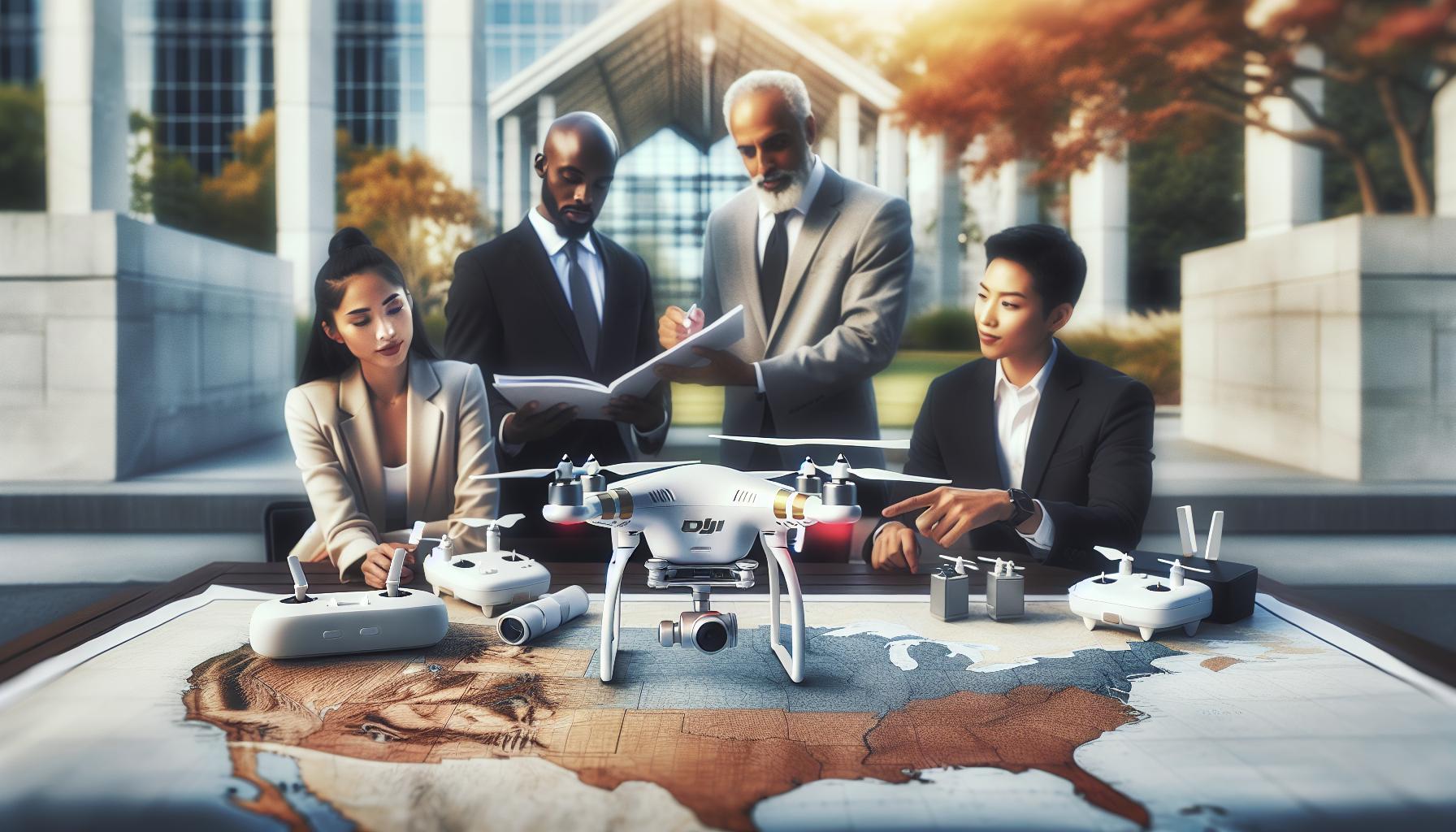
Licensing and Certification Requirements for Drone Pilots
For anyone wanting to operate drones legally, understanding licensing and certification requirements is vital. In the United States, the Federal Aviation Administration (FAA) imposes strict guidelines for drone pilots to ensure safe flying. Whether you are a hobbyist flying for fun or a professional undertaking commercial operations, obtaining the right credentials is crucial.
To begin flying drones commercially, pilots must obtain a Remote Pilot Certificate, which is a part 107 certification. This involves passing the FAA’s Aeronautical Knowledge Test, which evaluates a pilot’s understanding of airspace regulations, weather, and safe flying practices. The test can be taken at any FAA-approved knowledge testing center and consists of 60 multiple-choice questions. A score of 70% or better is required to pass.
Once certified, there are certain operational rules that pilots must adhere to:
- Maintain Visual Line-of-Sight: Pilots must keep their drones within sight at all times during operation.
- Fly Below 400 Feet: Operating at this altitude helps avoid interactions with manned aircraft.
- Keep Away from Airports: A buffer zone of five miles is mandated around airports without prior authorization.
Additionally, those using drones for recreational purposes must register their aircraft with the FAA if it weighs more than 0.55 pounds. Although recreational flyers don’t require certification, they must adhere to community-based guidelines and fly in accordance with the FAA’s safety guidelines.
Navigating state-specific laws is also essential, as different states may impose additional requirements. For example, some states mandate local permits or have regulations specific to flying over certain geographic areas or during specific times. This complex landscape necessitates that drone pilots stay informed about both federal and state regulations to ensure compliance while enjoying the capabilities of their DJI drones.
Overall, being properly licensed not only enhances safety and compliance but also establishes your credibility as a responsible drone operator, paving the way for a positive relationship with local communities and regulatory bodies.
National Parks and Restricted Areas: What You Need to Know
Exploring the vast beauty of America’s national parks with a DJI drone is a thrilling prospect for many enthusiasts. However, this excitement comes with a critical caveat: drone operations in national parks are heavily restricted. In fact, the National Park Service (NPS) has implemented a blanket ban on the use of drones in all national park units across the United States, aimed at preserving the tranquility of these natural environments and protecting wildlife.
Drones pose potential threats to wildlife, disrupt the natural landscape, and could interfere with the experiences of other visitors. Some parks may allow exceptions for certain research or special events, but these require explicit permission beforehand. If you’re caught flying a drone in a national park, you could face significant penalties, including hefty fines. Therefore, it’s essential to be fully informed about the regulations and avoid flying in these protected areas.
Additionally, many state parks and local recreational areas may have their own set of regulations, varying from full restrictions similar to national parks to designated drone flying zones. Always check local guidelines before planning your flight. Some areas may require permits specifically for drone use, and knowing this can save you from legal troubles and ensure you respect the land you love.
To navigate these complexities effectively, keep a reliable checklist of the parks you plan to visit and their specific rules regarding drone operation. Online resources, including the NPS website, can provide timely updates and important resources on flying safely within legal parameters. Ultimately, respecting these guidelines not only showcases your responsibility as a pilot but also contributes to the preservation of these remarkable spaces for generations to come.
Common Legal Issues Faced by Drone Operators
Navigating the airspace with a drone, especially a popular brand like DJI, can be exhilarating, but it’s not without its hurdles. Drone operators often encounter a host of legal issues that stem from both federal regulations and state-specific laws. One of the foremost concerns is compliance with the Federal Aviation Administration (FAA) rules, which mandate that all drone pilots, including enthusiasts, register their drones and adhere to operational guidelines such as maintaining visual line of sight and avoiding certain restricted airspaces.
One common challenge arises when operators unintentionally violate no-fly zones. These can include locations near airports, military bases, and even certain public buildings. For instance, DJI drones come equipped with geofencing technology that can restrict flights in these areas, but it’s not foolproof. Pilots must stay informed about their specific operational areas, as relying solely on technological aids can lead to unintentional infractions and hefty fines. It’s crucial to consult resources such as the FAA’s B4UFLY app, which provides real-time updates on airspace restrictions based on the operator’s location.
Another frequent legal issue pertains to privacy concerns. Drone operators must navigate complex state and local laws regarding aerial photography and recording. In many jurisdictions, capturing images or videos of private property without consent can lead to legal disputes, even if the flight itself is conducted legally. It’s wise for drone pilots to familiarize themselves with local privacy laws and obtain necessary permissions when filming in residential areas or for commercial purposes.
Lastly, the evolving landscape of drone legislation, especially concerning potential bans on certain models due to data security concerns, adds a layer of complexity for DJI operators. As proposed laws, such as the Countering CCP Drones Act, aim to address national security issues, drone users must stay updated on specific legislative changes, as they could directly impact the legality of flying DJI drones in certain contexts. Engaging with local drone communities and staying connected to drone advocacy organizations can serve as valuable resources for navigating these legal challenges effectively.
How to Register Your DJI Drone: A Step-by-Step Guide
Registering your DJI drone is not just a formality; it’s a crucial step that ensures you comply with federal regulations while also enhancing your safety and responsibility as an operator. The Federal Aviation Administration (FAA) mandates that all drone operators register their aircraft, especially if the drone weighs over 0.55 pounds. Failing to register could lead to fines and other penalties. Fortunately, the process is straightforward, allowing both hobbyists and professional pilots to navigate it with ease.
To begin the registration, you need to visit the official FAA DroneZone website. Here’s a simple step-by-step guide to facilitate your registration:
Step 1: Create an Account
– Navigate to the FAA DroneZone.
– Click on “Register Your Drone” and select “Create Account.”
– Fill in the required personal information, including your name, email address, and a password. Once completed, you’ll receive a verification email to activate your account.
Step 2: Provide Drone Information
– After logging in, select the option to register a drone.
– Enter details such as the make (DJI), model, and serial number. If you have multiple drones, you can register them all in one session.
Step 3: Pay the Registration Fee
– The FAA charges a $5 registration fee for drones that will be used for recreational purposes. For commercial drones, additional certification may be required.
– Payment can be made using a credit or debit card.
Step 4: Complete the Registration
– Upon successful payment, you will receive a unique registration number. This number must be marked on your drone, which you can achieve with a permanent marker or a label.
– Make sure to keep a copy of your registration confirmation; having it accessible during flights is beneficial in case of inquiries.
Remember, your registration is valid for three years, after which you will need to renew it. It’s advisable to constantly stay updated with any regulatory changes or requirements. Solo drone operators should also familiarize themselves with local and state regulations, as these can further dictate drone operations, potentially impacting your ability to fly in certain areas.
By following these steps and maintaining the proper documentation, you ensure compliance with the laws governing drone usage as established by the FAA, thus allowing you to enjoy the flying experience without unnecessary legal headaches.
Best Practices for Complying with Drone Laws
Complying with drone laws not only demonstrates responsible flying but also plays a crucial role in promoting a positive perception of drone technology. Understanding and practicing essential guidelines can help maintain legality and safety during your operations. Here are key strategies to ensure compliance and enhance your flying experience.
First and foremost, always stay informed about the Federal Aviation Administration (FAA) regulations. This includes registering your drone, adhering to weight limits, and maintaining visual line-of-sight during flight. Drones must also fly below 400 feet and avoid controlled airspace unless you have received the appropriate permissions. Regularly visiting the FAA website and subscribing to updates can keep you abreast of any changes or new directives.
Prioritize Safety and Awareness
Additionally, it’s vital to conduct thorough pre-flight checks and planning. This includes assessing weather conditions, understanding local airspace restrictions, and ensuring your equipment is in optimal condition. You can make use of apps and tools that provide real-time data on airspace status and weather alerts. Emphasizing safety not only protects your investment but also the broader community, allowing for continued support for drone usage.
Engage with the Community
Connecting with fellow drone enthusiasts can be incredibly beneficial for compliance. Participate in local or online forums where you can share experiences, learn from others, and stay updated on best practices within your community. Many regions have specific laws or guidelines regarding drone usage that are not always well-publicized, so networking can ensure that you remain informed about local ordinances.
Finally, consider obtaining a Remote Pilot Certificate under the FAA’s Part 107 for commercial operations. This certification requires passing an aeronautical knowledge test and demonstrates a commitment to professionalism and safety. It can also provide deeper insights into the regulatory landscape, equipping you with the knowledge necessary to navigate potential legal challenges effectively.
By ingraining these practices into your routine, you not only reinforce your responsibilities as a drone operator but also contribute to the sustainable growth of drone technology. A commitment to legal compliance fosters trust within communities and among regulatory bodies, ensuring that the skies remain open for all responsible users.
Impact of Local Ordinances on DJI Drone Flight
The proliferation of drone technology has prompted a patchwork of local ordinances that can significantly affect how DJI drone operators conduct their flights. While the Federal Aviation Administration (FAA) sets overarching guidelines for drone operation in the United States, it is essential to recognize that state and local governments often impose additional regulations tailored to their specific communities. This could include restrictions on where drones can be flown, limitations on flight times, and even requirements for obtaining permits before taking to the skies.
One of the most common local regulations revolves around the prohibition of drone flights in certain areas, such as parks, schools, or residential neighborhoods. For instance, many cities have designated parks where drones are explicitly prohibited to maintain public safety and privacy. Conversely, some areas may encourage drone use for recreational purposes, benefiting from designated drone parks or spacial zones. Failing to comply with local ordinances can lead to fines, confiscation of equipment, and even potential legal action, making it crucial for drone operators to research and understand the specific rules in their areas.
Additionally, local noise ordinances can impact flight operations, especially in urban or densely populated areas where noise complaints are more likely to arise. Understanding these requirements can help DJI pilots plan their flights more effectively, avoiding not only fines but also community backlash that could hinder the acceptance of drone technology. Being proactive about local regulations ensures that operators fly responsibly, minimizing disruption while also safeguarding their investment in high-quality drones.
To navigate the complexities of local drone laws, it is beneficial for operators to engage with community boards or local aviation authorities. Online forums and resources dedicated to drone enthusiasts can also provide insights into best practices and experiences from other pilots. By fostering a respectful relationship with local authorities and the community, drone pilots can enhance both their flying experience and the broader perception of drone technology. Staying informed about local ordinances not only protects operators but also contributes to responsible drone usage, paving the way for future opportunities for integration within urban landscapes.
Navigating Airspace Restrictions and Permissions
To fly a DJI drone effectively, understanding airspace restrictions and permissions is critical. The Federal Aviation Administration (FAA) has established various classes of airspace, each with specific rules that dictate where and how drones can operate. These airspace types include controlled, uncontrolled, and special-use airspace, and knowing the nuances of each is essential for safe and legal operations.
Before taking off, it is advisable for drone pilots to utilize tools like the FAA’s B4UFLY app or specialized drone mapping services. These resources can inform operators about nearby controlled airspaces, including airports, military bases, and other restricted areas. A simple violation of airspace rules can lead to serious legal trouble, including fines or even criminal charges. Always check airspace status before planning a flight; if the area is classified as controlled airspace (Classes B, C, D, or E), you may need to obtain permission from air traffic control before flying.
Moreover, certain areas may impose temporary flight restrictions (TFRs) due to events or emergencies, which can further complicate matters. For instance, during national events like the Super Bowl, TFRs are often enacted to enhance security. Being proactive about checking for TFRs can save time and prevent the potential for conflicts with law enforcement agencies.
To streamline the process of obtaining necessary permissions, drone pilots should familiarize themselves with the FAA’s Section 336 guidelines, which apply to recreational flyers, and Part 107 rules for commercial operations. Section 336 generally allows for certain operational flexibility, but adherence to altitude limits and proximity regulations remains crucial. On the other hand, Part 107 requires drone pilots to pass a knowledge test and adhere to stricter operational protocols, making it essential for commercial pilots to stay informed about the latest regulations.
To foster responsible drone use, engaging with local aviation authorities and communities can also enhance compliance efforts. Maintaining open communication fosters trust and can facilitate clearer pathways to securing permissions when needed. Ultimately, understanding and respecting airspace restrictions not only protects your investment in a DJI drone but also contributes to the overall safety and acceptance of drone technology within the broader community.
Future Trends in Drone Legislation and Compliance
The evolving landscape of drone legislation indicates a significant shift towards stricter regulations aimed at addressing safety, privacy, and airspace management. As the drone market, particularly models like those from DJI, continues to grow, so too does the need for comprehensive regulatory frameworks that balance innovation and safety. Recent trends reveal a focus on integrating advanced technologies such as Remote Identification, which enhances accountability in drone operations. Under the FAA’s new Remote ID rules, drones will soon be required to broadcast identification information, making it easier for authorities to track and monitor them, thus facilitating safer airspace coexistence with manned aircraft.
Additionally, state governments are progressively enacting their own drone regulations, reflecting local needs and safety concerns. For instance, while the FAA sets overarching guidelines, local ordinances can impose more specific restrictions, such as prohibiting drone flights in certain public areas or during specific events. As these laws come into effect, it’s crucial for DJI drone operators to stay informed about not just federal laws but also state and local regulations to ensure compliance. Regular engagement with local regulatory bodies and using platforms that monitor legislative changes can be beneficial for keeping up to date.
The growing emphasis on drone technology, including artificial intelligence (AI) for automated flight operations and enhanced safety features, indicates an exciting future for drone pilots. As manufacturers continue to integrate advanced features such as obstacle avoidance and automated flight planning, regulations are bound to evolve to encompass these technologies. This leads to increased expectations for drone operators to exhibit a higher level of technical proficiency and responsibility. Ensuring software and firmware are regularly updated is essential for maintaining compliance with the latest standards.
Ultimately, the future of drone legislation is likely to be marked by increased collaboration between regulators, manufacturers, and users. Ongoing dialogue can help shape reasonable policies that enhance public safety while fostering innovation in the drone industry. As regulations become more established, maintaining awareness of these trends not only empowers operators to fly within legal frameworks but also enhances the broader acceptance and integration of drone technology into everyday activities.
Resources for Staying Updated on Drone Laws
Staying updated on drone laws is crucial for both hobbyists and professional operators, especially given the rapid evolution of regulations surrounding unmanned aerial vehicles (UAVs) like DJI drones. Numerous resources exist to help pilots navigate this complex legal landscape, ensuring compliance and enhancing flying safety.
First and foremost, regularly checking the Federal Aviation Administration (FAA) website is essential. The FAA provides up-to-date information on national drone laws, safety protocols, and any changes in regulations regarding drone operations. Additionally, subscribing to FAA newsletters or following their social media channels can provide timely updates straight from the regulatory body.
State and local laws can vary significantly, so it’s important to understand the regulations specific to your area. Many state aviation authorities maintain websites that detail local laws affecting drone operations. Tools like DroneLawyer and apps such as B4UFLY allow you to check for real-time airspace restrictions and local regulations, making them invaluable for drone pilots planning their flights. These platforms often include information on no-fly zones, temporary flight restrictions, and compliance tips tailored to your location.
Moreover, joining online communities and forums focused on UAV operation can be a treasure trove of current information. Websites like DJI Forum and Reddit’s r/drones subreddit offer a space for enthusiasts to share their experiences, ask questions, and discuss any recent changes in the regulatory environment. Networking with other drone operators can provide insights that formal resources might miss, particularly in terms of local nuances and best practices from peers.
Lastly, staying engaged with drone advocacy and educational organizations, such as the Academy of Model Aeronautics (AMA) or the Drone Manufacturers Alliance, can offer access to seminars, webinars, and publications that tackle ongoing updates in drone laws. By participating in these communities, not only do you gain insights into regulatory changes, but you also contribute to a collective voice that drives policy discussions impacting the future of drone technology.
By utilizing these resources, DJI drone operators can feel confident about navigating the legal landscape while enjoying their flying experience, ensuring both compliance and safety.
Faq
Q: Are DJI drones allowed to fly in residential areas?
A: Yes, DJI drones can generally be flown in residential areas in the US, provided you adhere to local laws and FAA regulations. Always check for any restrictions or ordinances specific to your locality before flying.
Q: What are the height restrictions for flying DJI drones in the US?
A: The FAA allows drone pilots to fly up to 400 feet in uncontrolled airspace. If your drone exceeds this altitude, you risk collisions with manned aircraft. Understanding airspace classifications is crucial for safe operation.
Q: Do I need a special license to fly a DJI drone commercially in the US?
A: Yes, operating a DJI drone commercially requires a Remote Pilot Certificate from the FAA. This certification ensures that you understand the regulations and safety protocols necessary for legal commercial drone flight.
Q: Can I fly my DJI drone at night in the US?
A: DJI drones can be flown at night, but you must have proper lighting on the aircraft and follow FAA regulations regarding visual line-of-sight. Ensure you’re familiar with any additional local laws before flying at night.
Q: Are there specific areas where DJI drones are prohibited from flying?
A: Yes, DJI drones are prohibited in certain areas such as near airports, military bases, and national parks without permission. Use the FAA’s B4UFLY app for real-time information about restricted areas.
Q: What should I do if I get fined for flying my DJI drone illegally?
A: If fined, review the violation details and consider consulting with a legal professional who specializes in drone laws. Pay attention to the regulations that were allegedly violated to prevent future incidents.
Q: How can I stay updated on changes to drone laws affecting DJI drones?
A: Stay informed by regularly checking the FAA’s website, joining drone forums, and subscribing to newsletters from drone advocacy groups. These resources offer updates on regulations and best practices for drone operation.
Q: What are the consequences of flying a DJI drone illegally in the US?
A: Consequences for flying a DJI drone illegally can include fines, confiscation of the drone, or even criminal charges in severe cases. Always comply with regulations to avoid such penalties.
Wrapping Up
As we navigate the complexities of drone legality in the U.S., it’s crucial to stay informed and compliant. DJI drones offer incredible capabilities, and understanding your responsibilities as a pilot will empower you to make the most of your flying experience. If you’re eager to dive deeper, explore our detailed guides on drone setup and safety procedures, or check out our comparison of the Mini and Mavic series to find the perfect match for your needs.
Don’t wait-subscribe to our newsletter for the latest updates on drone regulations and exclusive tips! If you have any questions or want to share your experiences, drop a comment below. Your feedback enriches our community and helps fellow drone enthusiasts. Continue your journey into the world of drones by visiting our resources on firmware updates and advanced flight modes. Remember, staying informed is your best asset in mastering the skies with confidence!