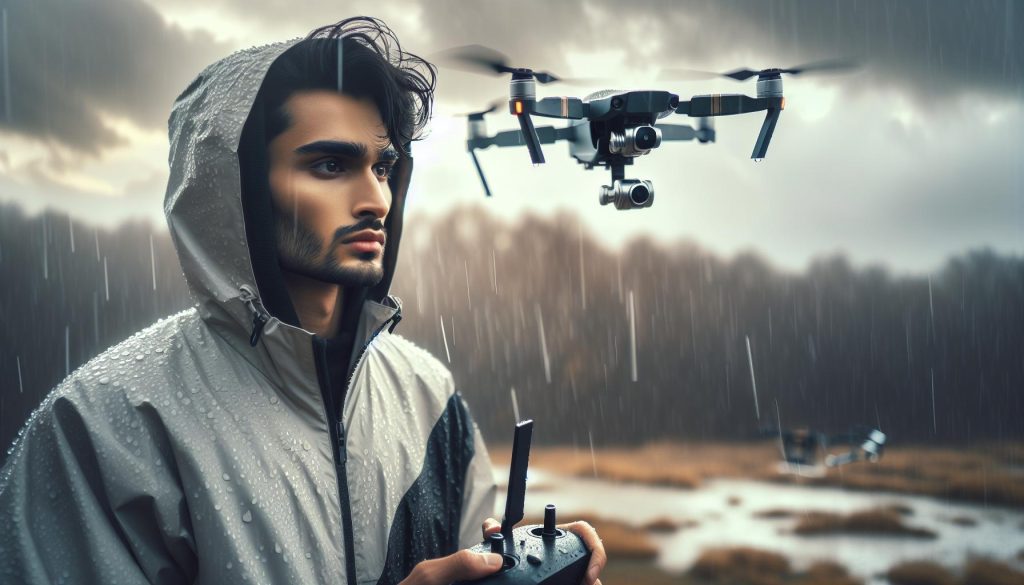
Flying a drone is an exhilarating experience, but it often brings forth a crucial question: Can a DJI drone fly in the rain? Understanding the weather limits for your drone is essential for both safety and optimal performance. While many DJI models come equipped with impressive stability and technology, inclement weather can affect their operation and pose risks to your investment. As a hobbyist or professional operator, knowing what to expect during rainy conditions helps you make informed decisions, ensuring your flights remain safe and productive. Join us as we delve into the specifics of flying DJI drones in the rain, including the implications of moisture on electronics, recommended best practices, and how to navigate challenging weather scenarios effectively.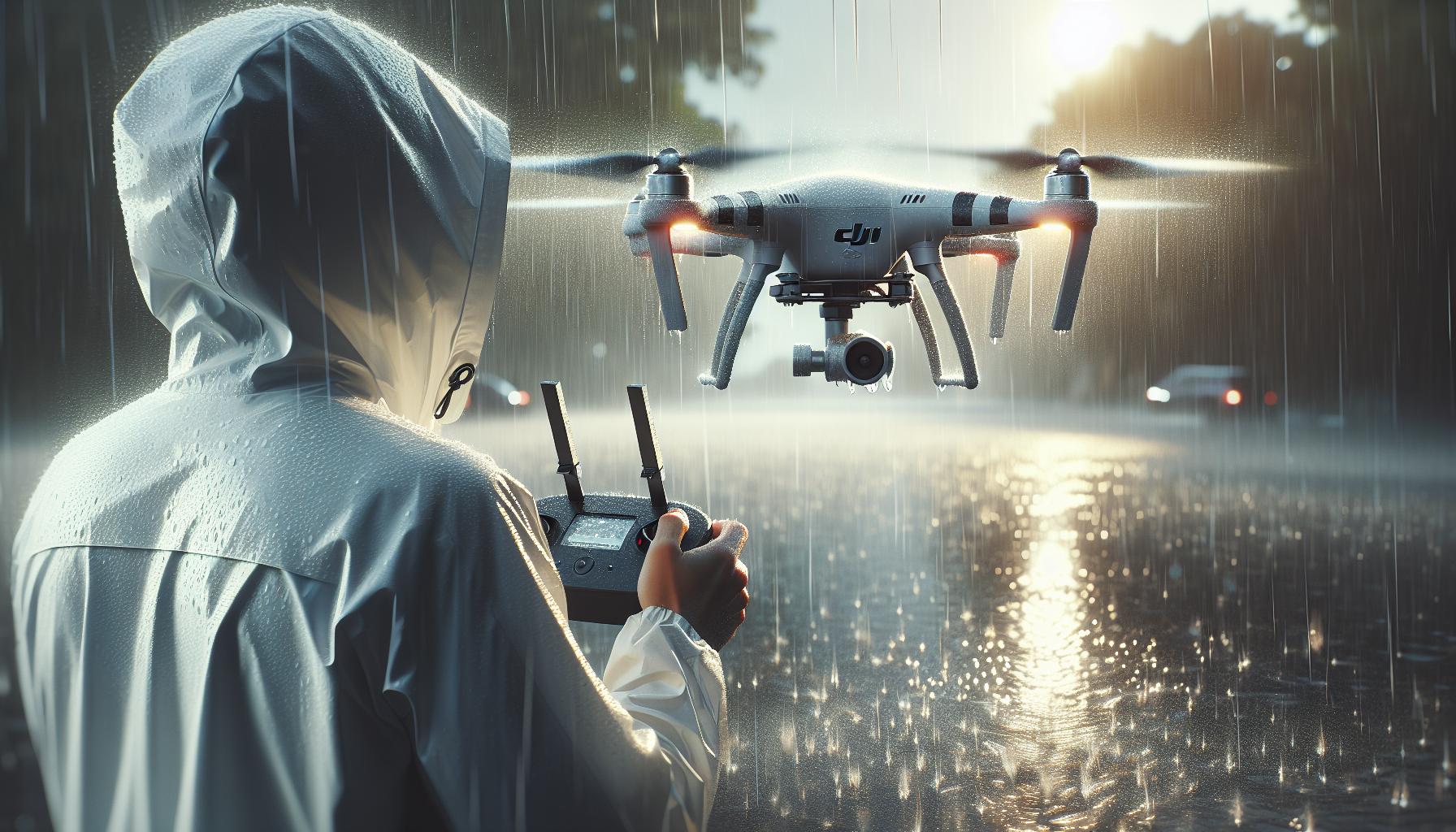
Can DJI Drones Fly in Rain? Understanding Limitations
Flying a drone in the rain presents unique challenges and limitations that every operator should be aware of. While many DJI drones boast advanced technologies and materials designed for durability, it’s essential to recognize that they are not fully waterproof. The majority of DJI models, including popular choices like the Mavic series, come with varying degrees of water resistance, typically rated as “water resistant” rather than “waterproof.” This distinction is crucial, as it indicates that while they can withstand light moisture, extended exposure to heavy rain or water may lead to damage.
When contemplating a flight in rainy conditions, it’s important to assess the type of rain and the drone’s specific resistance capabilities. Light rain or drizzle might not immediately jeopardize your equipment, but moderate to heavy downpours can significantly affect performance, including compromised flight stability and potential failure of onboard sensors. Furthermore, moisture accumulation can interfere with cameras and other essential components, degrading image quality and operational efficacy.
In terms of stability, rain can lead to unpredictable wind patterns and reduce visibility, both of which can hamper flight control. Pilots should exercise caution and consider postponing flights when weather conditions are less than ideal. If you do decide to venture out, employing protective accessories such as waterproof skins or landing gear can help minimize risk. Ultimately, knowing your drone’s limitations regarding rain and adjusting your flying habits accordingly will ensure a safer and more enjoyable flying experience.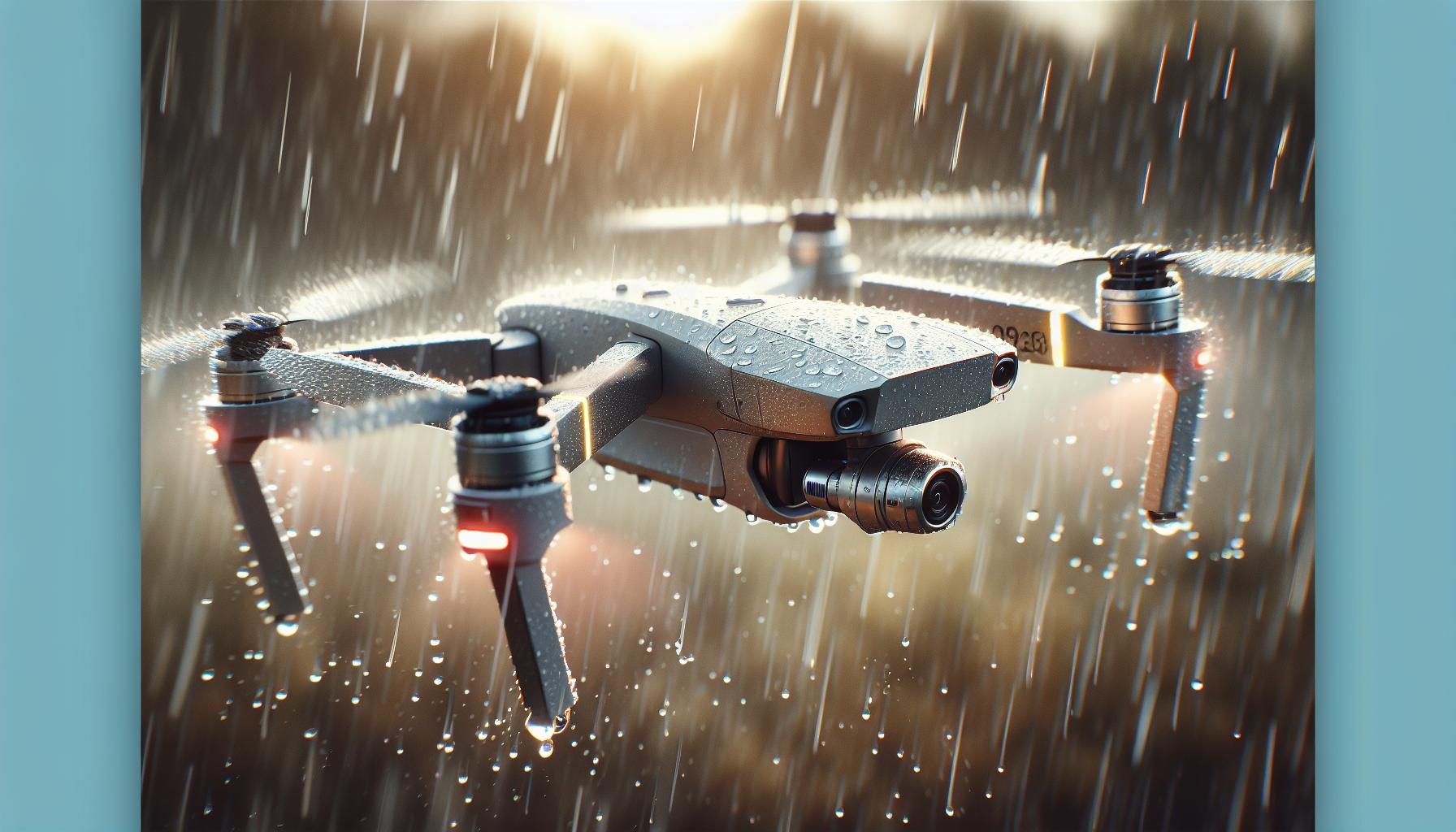
The Impact of Rain on Drone Performance
Flying a drone in the rain can be a complicated affair, and understanding its effects on performance is vital for any operator looking to navigate adverse weather conditions safely. Rain can critically impact key aspects of flight, including stability, control, and camera functionality. When water contacts your drone, both immediate and longer-term consequences can emerge, stemming from the fundamental design limitations of most consumer drones, including popular DJI models.
When precipitation occurs, moisture can infiltrate the electronic components of drones, causing potential short circuits or malfunctions. For instance, the onboard sensors that facilitate navigation and stabilization may react unpredictably when wet, leading to erratic flight patterns. You may notice issues such as false readings or delayed responses, which can be particularly dangerous if you’re operating in complex environments or at long ranges. Furthermore, camera capabilities are typically compromised in rainy conditions; water droplets on the lens can lead to blurred images, reducing the overall quality of your footage and photographs.
In addition to these immediate technical challenges, the interaction between rain and flying conditions creates a cascade of effects on stability. Rain commonly accompanies shifts in wind patterns, which can create turbulence and distort drone handling. As moisture-laden air disrupts airflow, it can produce unexpected gusts that may catch even experienced pilots off guard. While flying in light drizzle might not seem problematic, transitioning from light to heavy rain can catch operators unprepared, risking control and necessitating an immediate return to home or emergency landing.
To mitigate these challenges, keen observation is essential. If you’re determined to fly during light rain, ensure you regularly check your drone’s performance metrics, maintaining an eye onto how it responds to subtle changes in aerodynamics. Prioritizing drone models with better water resistance ratings can also make a positive difference. However, as a rule of thumb, avoiding flights during any forecast of moderate to heavy rain will save you from significant repair costs and preserve your drone’s longevity. Knowing these impacts will help you make informed decisions when planning your aerial missions.
DJI Drone Models: Rain Resistance Ratings Explained
Understanding the rain resistance ratings of DJI drones can significantly enhance your flying experience, especially during unpredictable weather. Different models of DJI drones come equipped with varying levels of water resistance, which can dictate your ability to fly safely in rain. While many users might think that any drizzle is not a concern, the reality is that the extent of protection varies widely among different models. This begs the question: how prepared is your drone for wet conditions?
DJI categorizes its drones with specific ingress protection (IP) ratings. These ratings provide helpful insights into a drone’s resilience against various environmental factors, including moisture. For instance, a drone with an IP43 rating can withstand water splashes from any direction, making it suitable for light rain. However, models with an IP67 rating can be submerged in water up to one meter for a certain period, indicating a much higher level of waterproofing. It’s crucial for operators to check the specifications of their specific drone model before flying in adverse weather.
To illustrate, let’s break down the rain resistance capabilities of some popular DJI models:
| Drone Model | IP Rating | Recommended Conditions |
|---|---|---|
| DJI Mavic Air 2 | IP42 | Light rain, avoid wet landings |
| DJI Phantom 4 RTK | IP43 | Light rain, has some moisture protection |
| DJI Matrice 300 RTK | IP45 | Moderate rain, can handle more adverse weather |
When evaluating your flight options in rainy conditions, remember that despite a drone’s IP rating, other factors such as wind and temperature can significantly affect performance. For example, a drone rated for light rain may not handle gusty winds that accompany a rainstorm very well. Always balance your eagerness to fly with the reality of the weather and how it may affect your equipment. If you plan to operate during periods of unpredictable precipitation, investing in a drone with superior water resistance can provide peace of mind and enhance your ability to capture those striking aerial shots, even when the weather turns.
Recognizing Safe Weather Conditions for Flying
Flying a drone in the rain can be a daunting prospect, and the safety of your flight depends significantly on your ability to recognize suitable weather conditions. Understanding when it’s safe to operate your DJI drone involves assessing not only the precipitation itself but also other environmental factors that can impact performance. For instance, moderate to heavy rain, especially if coupled with gusty winds or rapid temperature changes, can create challenging flying conditions that may lead to operational issues.
Before you launch your drone, it’s essential to examine local weather forecasts and consider various elements such as wind speed, visibility, and temperature fluctuations. A light drizzle may be acceptable for drones with higher IP ratings, but if the wind exceeds 15 mph, it can significantly affect stability, especially for lighter models. Always monitor changing weather patterns, as sudden storms can give rise to unpredictable conditions that might put your drone at risk. Ensure that your visibility is adequate-this is crucial not only for maintaining control but also for avoiding obstacles.
Another critical aspect of deciding on safe flying conditions is understanding your drone’s specifications and limitations. While some models are designed to handle light rain, not all can withstand prolonged exposure to moisture. Engaging in responsible aviation means adhering to user manuals and respecting the manufacturer’s guidelines regarding weather conditions. For example, a DJI Mavic Air 2, with its IP42 rating, has limited capabilities in wet weather compared to the more robust DJI Matrice 300 RTK, which can handle moderate rain scenarios.
Always adopt a cautious approach: if you’re uncertain about the conditions, it’s better to postpone your flight. Ultimately, successful drone operation hinges on making informed decisions based on comprehensive weather assessments and your drone’s capabilities to navigate those conditions safely.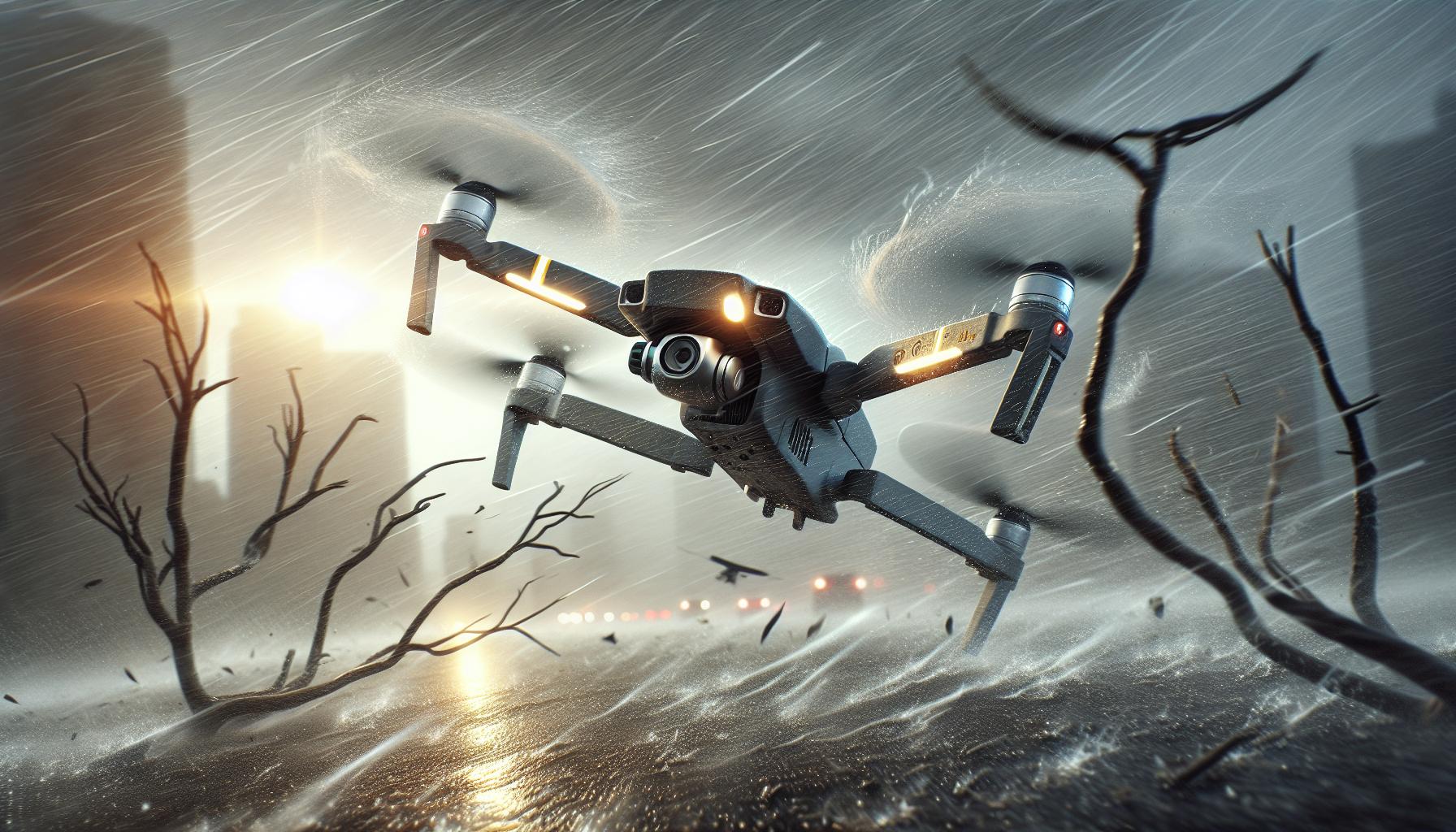
Effects of Wind and Rain on Drone Stability
Flying a drone in inclement weather brings unique challenges, especially when wind and rain are in play. Drones rely heavily on stability and control, and adverse weather can disrupt these critical elements, leading to potential mishaps during flight. When rain falls, moisture can affect not only the drone’s electronics but also its aerodynamic performance. Water droplets can create a barrier on the drone’s camera and sensors, impairing navigation and visibility, thereby compromising flight safety.
Wind poses another substantial risk, particularly when combined with rain. Even light gusts can produce instability, causing the drone to drift or become unresponsive. For example, lighter models like the DJI Mini series may struggle in winds exceeding 10 mph, while more robust models such as the DJI Mavic 2 Pro may handle up to 20 mph. When rain is added to the equation, it’s crucial to consider that even a slight increase in wind speed can further escalate challenges. Pilots must remain vigilant, as winds can suddenly shift, creating unpredictable flying conditions that can exceed the drone’s operating limits.
To maintain control during adverse weather, operators should actively monitor their drone’s telemetry data, which includes wind speed and battery levels. Using features like GPS stabilization and advanced flight modes can assist in counteracting wind effects. However, understanding the drone’s limitations is vital; if conditions begin to deteriorate beyond what your model can handle, it’s safer to land. The key takeaway is to approach flying in such conditions with caution-prioritizing safety over ambition, as the thrill of capturing footage in the rain isn’t worth risking your valuable equipment or safety.
In summary, careful assessment of both wind and rain conditions is essential for ensuring stable drone operation. Adhering to user guidelines and respecting environmental factors will help drone operators make informed decisions, ultimately enhancing the safety and success of their flying experiences.
How to Protect Your Drone During Light Rain
Flying a DJI drone during light rain can be a risky venture, but with careful preparation and protective measures, you can minimize the potential for damage. First and foremost, it’s essential to understand the limitations of your specific drone model. While some DJI drones offer a degree of water resistance, prolonged exposure to moisture can still lead to operational issues and potentially void warranties. As such, adopting a proactive approach to safeguarding your equipment is critical.
To effectively protect your drone in light rain, consider the following strategies:
- Use a Drone Rain Cover: Invest in a high-quality rain cover designed for your specific drone model. These covers fit snugly over the drone and provide a waterproof shield while allowing necessary airflow.
- Avoid High Altitudes: Keep your drone at lower altitudes to minimize the impact of rain while flying. The intensity of precipitation often increases with altitude, and staying lower will help you maintain control and visibility.
- Pre-Flight Inspection: Before flying, conduct a thorough inspection to ensure that all ports and compartments are sealed properly. This precaution helps prevent water ingress, especially in areas where moisture can penetrate.
- Limit Flight Duration: Plan shorter flight sessions during light rain. Extended exposure, even in light conditions, can accumulate moisture within the drone.
Additionally, adapting your flight strategy can enhance safety. For example, avoid aggressive maneuvers that could increase water exposure and slow down your flight speed to ensure a more stable operation. Monitoring weather conditions is also vital; if the rain intensifies or wind speeds rise unexpectedly, it’s best to safely land your drone.
When the flight is complete and your drone has been exposed to rain, take preventive steps post-flight as well. Thoroughly dry the drone with a soft cloth and allow it to air dry in a warm, dry place. This routine helps reduce any moisture buildup that could affect its performance later.
Implementing these practical strategies will not only help protect your DJI drone from light rain but also enhance your confidence and proficiency as a remote pilot. While capturing stunning aerial shots in challenging weather conditions can be tempting, always prioritize the longevity of your equipment and your safety in the process.
Best Practices for Flying Drones in Wet Conditions
Flying a drone in wet conditions can be both challenging and rewarding, as capturing unique aerial shots against moody cloud backdrops or shimmering wet landscapes opens up new creative possibilities. However, understanding and implementing best practices for flying in the rain is essential to ensure the safety and longevity of your DJI drone.
Before launching into a wet flight, conduct a comprehensive pre-flight check. Inspect your drone for any signs of wear, including checking seals and compartments to ensure they are free from damage and capable of preventing moisture ingress. Make sure all ports are securely closed to minimize potential water exposure. Consider using a high-quality drone rain cover, which can provide an additional layer of protection while allowing for adequate airflow, preventing overheating during flights.
When flying in light rain, opt for lower altitudes. Rain intensity typically increases at higher elevations, and flying closer to the ground not only keeps your drone safer but also enhances visibility and control. Focus on maintaining smooth, steady flight patterns instead of aggressive maneuvers. Sudden changes in direction or speed can increase the drone’s exposure to rain, which enhances the risk of moisture damage.
After your flight, take immediate steps to address any moisture exposure. Gently wipe the drone with a soft, dry cloth and allow it to air dry in a warm, dry place to prevent any potential internal damage. Avoid storing your drone in humid environments, as this can promote moisture buildup that impacts performance. Following these best practices can significantly enhance your ability to safely navigate rain-soaked adventures and make the most of your aerial photography opportunities.
Post-Flight Care: Maintaining Your Drone After Rain
Maintaining your DJI drone after a flight in the rain is crucial to its longevity and performance. Moisture is a drone’s enemy; it can lead to malfunctions and damage if not addressed properly. As soon as your flight is concluded, swift action can mitigate potential issues. Begin by gently wiping the drone’s exterior with a soft, dry cloth to remove any water droplets before they have the chance to infiltrate sensitive areas. Pay careful attention to crevices around the gimbal, camera, and battery compartments as these are often prone to moisture buildup.
Once you’ve completed the initial wipe-down, it’s essential to allow your drone to air dry thoroughly. Find a warm, dry location where you can place the drone horizontally, which will help prevent any residual moisture from pooling in hard-to-reach areas. If possible, position it near a fan or heat source (ensuring it’s not too hot) to accelerate the drying process. Avoid storing your drone in areas with high humidity, such as basements or unventilated closets, as this can lead to corrosion and affect its electronic components over time.
Additionally, performing a post-flight inspection is a valuable practice. Check for any signs of water ingress, especially in the battery compartment and connector ports. If your drone’s model features weatherproofing features, ensuring these are intact can provide peace of mind. If you notice that your drone has been exposed to significant moisture, consider placing it in a container with silica gel packets or rice, which can absorb residual moisture effectively.
In the case of experiencing any issues post-flight, such as unexpected beeping, erratic behavior, or performance problems, it’s wise to conduct a more thorough examination or consult with DJI support. Understanding how to care for your drone after flying in rain not only protects your investment but also enhances your flying experience, allowing you to focus on capturing stunning aerial imagery regardless of the weather conditions.
Legal and Safety Regulations for Drone Flying in Rain
Flying a drone in the rain can introduce unique legal and safety considerations that every operator should be aware of. Laws regarding drone use vary significantly by country and region, often dictated by local weather conditions and the perceived risk of operating drones in adverse weather. Before launching in rainy conditions, it’s crucial to familiarize yourself with the specific regulations that govern UAV flights in your area, as safety compliance ensures both your protection and that of the public.
Many jurisdictions require pilots to maintain visual line of sight (VLOS) with their drones at all times. Rain can obscure visibility not just for the pilot but also for onlookers and other aircraft. Operating a drone in conditions where visibility is diminished may violate local regulations. Furthermore, flying in rainy weather can raise questions of liability; if your drone malfunctions due to wet conditions, determining accountability becomes complex, especially if it causes property damage or bodily harm.
In addition to legal mandates, safety protocols should also guide your decision-making. Rain impacts your drone’s performance, potentially affecting battery life and stability. Wet conditions can lead to slower response times and increased susceptibility to crashes. Consequently, it’s wise to assess real-time weather data before any flight. Many drone pilots choose to monitor local forecasts and adopt a conservative approach, delaying flights during unpredictable weather patterns or heavy rain.
Understanding the weatherproofing standards of your specific DJI model also plays a significant role. Some models may offer better resistance to moisture than others, impacting both performance and compliance with safety regulations. Regularly inspecting your drone before and after flights in rain can mitigate risks of water damage and ensure that any water-resistant features are intact. Being informed and cautious about flying in rain will not only enhance your skills as a pilot but also contribute to a safer drone community.
User Experiences: Real Life Cases of Flying in the Rain
Navigating the world of drone flying often leads enthusiasts into varied weather conditions, including rain. Many UAV pilots have shared their experiences flying DJI drones in inclement weather, highlighting both the challenges and unexpected successes that come with such adventures. For instance, a user flying a DJI Mavic Air during a light drizzle noted that while initial concerns about moisture entering the drone persisted, the flight was stable due to its decent water resistance. However, they emphasized the importance of keeping the drone dry as much as possible post-flight to avoid long-term damage.
Another operator shared an experience while capturing scenic landscapes amidst a rainstorm. Using a DJI Phantom 4, they reported that the stability remained surprisingly robust despite gusty winds and moderate rain. They noted that video footage was less impacted than anticipated, but caution is crucial as heavy rainfall can lead to equipment failure. The pilot recommended always reviewing the latest firmware updates, which improve features like automatic landing and error handling in adverse conditions.
It’s common for pilots, especially those who operate commercially, to take a calculated risk when flying in light rain. Users often discuss the necessity of checking local regulations, as some areas strictly prohibit drone flights in wet weather due to safety concerns. A seasoned pilot recounted a close call when they lost visual line of sight while flying through foggy visibility caused by a rainstorm. This experience underscores the importance of understanding both the physical limitations of the drone and the legal requirements governing safe flights.
Moreover, some enthusiasts have invested in modifications to better prepare their drones for rain. For instance, implementing DIY waterproof casings or utilizing specialized drone skins has garnered attention in various online forums. Such innovations aim to protect sensitive components while enabling pilots to capture content in challenging weather. Ultimately, sharing these personal stories fosters a community where newcomers and experienced pilots alike can learn from real-life challenges and successes.
Exploring Accessories for Rain Protection
To protect your DJI drone in rainy conditions, investing in high-quality accessories designed specifically for weather resistance is essential. While many DJI models come with some level of water resistance, additional gear can help safeguard your investment against moisture damage and enhance your flying experience in less-than-ideal weather.
Waterproof Cases and Skins
One of the most effective ways to protect your drone from rain is by using waterproof cases or drone skins. These covers can shield sensitive components from moisture while still allowing for efficient airflow and cooling. Selecting a skin that fits your specific model-like the Mavic or Phantom series-ensures optimal coverage without compromising functionality. Additionally, many users have turned to custom DIY solutions that combine both aesthetics and performance, utilizing materials that offer maximum protection.
Lens and Gimbal Covers
Another crucial accessory is a waterproof lens cover. This simple addition can prevent rain from affecting your camera’s performance and image quality. Gimbal covers are also recommended; they protect the delicate gimbal mechanism from water exposure, reducing the risk of malfunction during flights. If you fly in light rain frequently, consider investing in high-quality, weather-resistant accessories that enhance the drone’s stability and performance.
Drone Umbrellas and Rain Shields
While less common, drone umbrellas or rain shields provide effective protection during unexpected downpours. These accessories attach to your drone and can be deployed quickly, offering immediate coverage. Made from lightweight materials, they add minimal weight while ensuring that your drone remains functional without direct exposure to rain. This is especially useful for capturing real-time footage in dynamic weather conditions.
By equipping your DJI drone with these protective accessories, you can confidently extend your flying capabilities into rainy conditions. Always check for the latest safety recommendations and community insights regarding the use of drones in adverse weather, as user experiences can guide your choices better than generic advice. The right gear can significantly enhance your drone’s resilience against water exposure, allowing for more creative opportunities even in challenging weather.
Understanding Warranty Implications for Water Damage
The warranty coverage for your DJI drone can significantly influence your flying decisions, especially in adverse weather conditions like rain. Many drone users may not realize that water damage is often not covered under standard warranties. If a drone malfunctions or sustains damage due to exposure to rain or moisture, manufacturers like DJI typically classify this as misuse, thus voiding any potential warranty claims. Understanding these implications is essential for both novice and experienced pilots committed to protecting their investments.
When flying in rainy conditions, it’s crucial to recognize the limitations of your drone’s water resistance rating. DJI’s drones may feature varying levels of water resistance, but this does not equate to full waterproofing. For instance, many models can withstand light moisture but are not intended for prolonged exposure to heavy rain. Using a drone in conditions that exceed its rated capabilities can quickly lead to complications and warranty disputes. In the unfortunate event of water ingress due to flying in unsuitable weather, you might find yourself bearing the cost of repairs or replacement entirely.
Additionally, to avoid compromising your warranty, it is wise to document your flying conditions. If you decide to fly during light rain-after assessing the risk-keep track of flights, software updates, and any accessories used that contribute to protection against moisture. Should a future issue arise, having detailed records can help establish a case for goodwill support from the manufacturer, even if formal warranty claims are denied.
In summary, being informed about warranty implications regarding water damage can guide your decisions about when and where to fly your DJI drone. Prioritize the use of protective gear and accessories designed for moisture resistance, and consider the potential risks before taking to the skies in rainy weather. By doing so, you not only enhance your flying experience but also safeguard your investment against unnecessary loss.
FAQ
Q: Can DJI drones safely fly in heavy rain?
A: No, DJI drones generally cannot fly safely in heavy rain. Excessive moisture can damage internal components and affect flight stability. It’s advisable to avoid operating drones in heavy rain to prevent potential damage.
Q: What are the weather limits for flying a DJI drone?
A: DJI drones should be flown in weather conditions with minimal wind, light to moderate rain, and clear visibility. Always check the manufacturer’s guidelines for specific models, as some are rated for light rain while others are not suited for wet conditions.
Q: How does rain affect drone battery life?
A: Rain can decrease drone battery life due to increased drag and moisture on components. Additionally, if the drone’s motors or circuitry are compromised by water, it may lead to an unexpected drop in power, risking a crash.
Q: Are certain DJI drone models more rain-resistant than others?
A: Yes, some DJI drones have higher IP ratings, indicating better resistance to water and dust. Models like the DJI Mavic 2 Enterprise have increased resilience compared to consumer models like the DJI Mini series. Always check the specific model’s specifications for water resistance.
Q: How can I protect my DJI drone from rain damage?
A: To protect your drone from rain, consider using a waterproof cover or bag, avoid flying in poor weather conditions, and always store your drone in a dry environment when not in use. Regularly check seals and gaskets for wear.
Q: What should I do if my drone gets wet?
A: If your drone gets wet, immediately power it off, remove the battery, and dry it thoroughly with a soft cloth. Allow it to dry completely before attempting to power it back on. Avoid using heat sources, which may cause damage.
Q: Can I fly a DJI drone in light rain?
A: Yes, many DJI drones can handle light rain if they are rated for it. Yet, flight safety can still be compromised due to reduced visibility and possible moisture intrusion. Always consult the drone’s user manual for specific recommendations.
Q: What are the consequences of flying a DJI drone in the rain?
A: Flying in the rain can cause water damage, affect flight stability, and lead to reduced battery life. Additionally, it may void warranties or violate local regulations. Always check your local laws regarding drone operations in inclement weather.
Insights and Conclusions
As we’ve explored, while many DJI drones are designed to handle a variety of weather conditions, flying in rain can still pose risks that you need to consider. Understanding the limits of your drone in adverse conditions helps safeguard both your equipment and your flying experience. If you’re contemplating your next flight, check out our related guides on “Best Weather Conditions for Flying” and “Top Tips for Drone Maintenance” so you can keep your drone in peak condition.
Ready to take your drone skills to the next level? Subscribe to our newsletter for the latest tips and insights, or dive into our comprehensive drone buying guide to discover the best models suited for your needs. Don’t miss out-explore these resources and elevate your drone flying today! Have questions or want to share your own experiences? Join the conversation in the comments below, and let’s keep the community thriving!